Kirjojen hintavertailu – 12 867 704 kirjaa ja 27 kauppaa
Kirjailija
Morusu Siva Sankar
Kirjat ja teokset yhdessä paikassa: 172 kirjaa, julkaisuja vuosilta 2012–2025, suosituimpiin kuuluu Founder of Navya Andhra Pradesh (Amaravathi) In India. Vertaile teosten hintoja ja tarkista saatavuus suomalaisista kirjakaupoista.
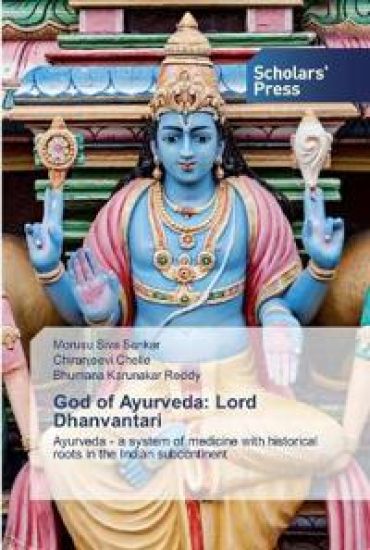
Ayurveda is a system of medicine with historical roots in the Indian subcontinent. Globalized and modernized practices derived from Ayurveda traditions are a type of alternative medicine. In countries beyond India, Ayurvedic therapies and practices have been integrated in general wellness applications and in some cases in medical use. The main classical Ayurveda texts begin with accounts of the transmission of medical knowledge from the Gods to sages, and then to human physicians. In Sushruta Samhita (Sushruta's Compendium), Sushruta wrote that Dhanvantari, Hindu god of Ayurveda, incarnated himself as a king of Varanasi and taught medicine to a group of physicians, including Sushruta. Ayurveda therapies have varied and evolved over more than two millennia. Therapies are typically based on complex herbal compounds, minerals and metal substances (perhaps under the influence of early Indian alchemy or rasa shastra). Ancient Ayurveda texts also taught surgical techniques, including rhinoplasty, kidney stone extractions, sutures, and the extraction of foreign objects
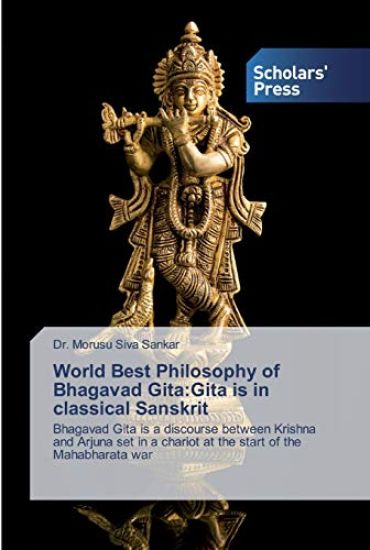
The name "Krishna" originates from the Sanskrit word Kṛṣṇa, which is primarily an adjective meaning "black", "dark", or "dark blue". The waning moon is called Krishna Paksha, relating to the adjective meaning "darkening". The name is also interpreted sometimes as "all-attractive". As a name of Vishnu, Krishna is listed as the 57th name in the Vishnu Sahasranama. Based on his name, Krishna is often depicted in idols as black- or blue-skinned. Krishna is also known by various other names, epithets, and titles that reflect his many associations and attributes. Among the most common names are Mohan "enchanter"; Govinda "chief herdsman", and Gopala "Protector of the 'Go', which means "Soul" or the cows". Some names for Krishna hold regional importance; Jagannatha, found in Puri Hindu temple, is a popular incarnation in Odisha state and nearby regions of eastern India.
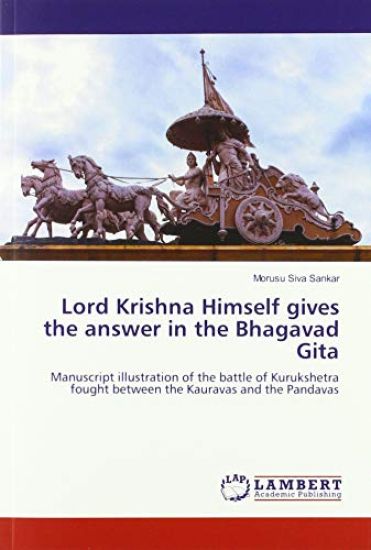
The Gita is set in a narrative framework of a dialogue between Pandava prince Arjuna and his guide and charioteer Krishna. At the start of the Dharma Yudhha (righteous war) between Pandavas and Kauravas, Arjuna is filled with moral dilemma and despair about the violence and death the war will cause. He wonders if he should renounce and seeks Krishna's counsel, whose answers and discourse constitute the Bhagadvad Gita. Krishna counsels Arjuna to "fulfill his Kshatriya (warrior) duty to uphold the Dharma" through "selfless action". The Krishna-Arjuna dialogue cover a broad range of spiritual topics, touching upon ethical dilemmas and philosophical issues that go far beyond the war Arjuna faces. The Bhagavad Gita presents a synthesis of Hindu ideas about dharma, theistic bhakti, and the yogic paths to moksha. The synthesis presents four paths to spirituality - jnana, bhakti, karma, and raja yogas. These incorporate ideas from the Samkhya-Yoga and Vedanta philosophies. Numerous commentaries have been written on the Bhagavad Gita with widely differing views on the essentials.