Kirjojen hintavertailu – 12 859 819 kirjaa ja 27 kauppaa
Kirjailija
Murray Stein
Kirjat ja teokset yhdessä paikassa: 102 kirjaa, julkaisuja vuosilta 1996–2026, suosituimpiin kuuluu The Collected Writings of Murray Stein. Vertaile teosten hintoja ja tarkista saatavuus suomalaisista kirjakaupoista.
Today more than ever men are challenged to take steps toward greater consciousness and psychological development. In these lectures Murray Stein describes five "eras" or stages in a lifelong process of psychological and spiritual growth, as well as speaking about friendship between men and the archetypal gestures of fathering. The lectures are intended to help men of all ages to orient themselves in their lives as they search for meaning and seek personal development. This is a very personal book, made up of three series of lectures Murray Stein gave in the 1980's. Although the times have changed since then, the basic issues have not, and the Zeitgeist remains one of ambiguity about male identity and a man's responsibilities toward himself, his children and the world.
Hay un gran inter s en la cultura actual sobre la idea de Persona y el mapeo psicol gico del mundo interior. De hecho, el inter s es tan fuerte que la banda superestrella de pop coreano, BTS, ha tomado los conceptos del Dr. Murray Stein y los ha incluido en el t tulo y la letra de su ltimo lbum, Map of the Soul: Persona. Cu l es nuestra personalidad y c mo afecta el viaje de nuestra vida? Qu m scaras usamos al involucrar a los que nos rodean? Nuestra personalidad es, en ltima instancia, c mo nos relacionamos con el mundo. Combinado con nuestro ego, sombra, nima y otros elementos intraps quicos, crea un mapa interno del alma. T. S. Eliot, uno de los poetas ingleses m s famosos del siglo XX, escribi que cada gato tiene tres nombres: el nombre que todos conocen, el nombre que solo los amigos ntimos y la familia del gato conocen, y el nombre que solo el gato mismo conoce. Los seres humano, tambi n tenemos tres nombres: el nombre que todos conocen, que es la persona p blica; el nombre que solo conocen tus amigos y familiares cercanos, o sea tu persona privada; y el nombre que solo t conoces, que se refiere a tu ser m s profundo. Muchas personas conocen el primer nombre, y algunas personas conocen el segundo. Nos debemos preguntar Conozco mi nombre secreto, mi nombre individual, singular y nico? Este es el nombre que te dieron antes de que tu familia y tu sociedad te nombraran. Este nombre es el que nunca debes perder u olvidar. Lo sabes?
Hay un gran inter s en la cultura actual sobre la idea de Persona y el mapeo psicol gico del mundo interior. De hecho, el inter s es tan fuerte que la banda superestrella de pop coreano, BTS, ha tomado los conceptos del Dr. Murray Stein y los ha incluido en el t tulo y la letra de su ltimo lbum, Map of the Soul: Persona. Cu l es nuestra personalidad y c mo afecta el viaje de nuestra vida? Qu m scaras usamos al involucrar a los que nos rodean? Nuestra personalidad es, en ltima instancia, c mo nos relacionamos con el mundo. Combinado con nuestro ego, sombra, nima y otros elementos intraps quicos, crea un mapa interno del alma. T. S. Eliot, uno de los poetas ingleses m s famosos del siglo XX, escribi que cada gato tiene tres nombres: el nombre que todos conocen, el nombre que solo los amigos ntimos y la familia del gato conocen, y el nombre que solo el gato mismo conoce. Los seres humano, tambi n tenemos tres nombres: el nombre que todos conocen, que es la persona p blica; el nombre que solo conocen tus amigos y familiares cercanos, o sea tu persona privada; y el nombre que solo t conoces, que se refiere a tu ser m s profundo. Muchas personas conocen el primer nombre, y algunas personas conocen el segundo. Nos debemos preguntar Conozco mi nombre secreto, mi nombre individual, singular y nico? Este es el nombre que te dieron antes de que tu familia y tu sociedad te nombraran. Este nombre es el que nunca debes perder u olvidar. Lo sabes?
A meeting between C. G. Jung and Rabbi Leo Baeck took place in Zurich in October 1946 at the Savoy Hotel Baur en Ville. Very little is actually known about this meeting. There are no extant notes or reports from the principals indicating what was said or discussed. There was no secretary present taking down minutes of the conversation. What is known from the few documents attesting to this meeting is that it took place at Jung's request and that Baeck did not wish to meet with Jung. This play, The Analyst and the Rabbi, is an imaginative construction of what might have happened in this historic meeting of two great men.
A meeting between C. G. Jung and Rabbi Leo Baeck took place in Zurich in October 1946 at the Savoy Hotel Baur en Ville. Very little is actually known about this meeting. There are no extant notes or reports from the principals indicating what was said or discussed. There was no secretary present taking down minutes of the conversation. What is known from the few documents attesting to this meeting is that it took place at Jung's request and that Baeck did not wish to meet with Jung. This play, The Analyst and the Rabbi, is an imaginative construction of what might have happened in this historic meeting of two great men.
Edited by Murray Stein and Thomas Arzt, the essays in the series Jung's Red Book for Our Time: Searching for Soul under Postmodern Conditions are geared to the recognition that the posthumous publication of The Red Book: Liber Novus by C. G. Jung in 2009 was a meaningful gift to our contemporary world. The Red Book can be considered as a contribution to the "Golden Chain" (aurea catena) of the world's imaginative literature reaching back to the ancient Sumerian Epic of Gilgamesh. As Jung describes this tradition in a letter to Max Rychner, "Faust is the most recent pillar in that bridge of the spirit which spans the morass of world history, beginning with the Gilgamesh epic, the I Ching, the Upanishads, the Tao-te-Ching, the fragments of Heraclitus, and continuing in the Gospel of St. John, the letters of St. Paul, in Meister Eckhart and in Dante." The Red Book extends the "Golden Chain" into our era. Each of the 18 essays in this third volume of the series, Jung's Red Book for Our Time, is unique, and all of them converge on the central theme of the relevance of The Red Book for people today in search of soul under postmodern conditions. This is the third volume of a multi-volume series set up on a global and multicultural level and includes essays from the following distinguished Jungian analysts and scholars: - Murray Stein and Thomas Arzt: Introduction- Stephen A. Aizenstat The Quest for One's Own Red Book in the Digital Age- Paul Brutsche The Creative Power of Soul: A Central Testimony of Jung's Red Book- Joseph Cambray The Red Book Today: From Novelty to Innovation - Not Art but Nature- Linda Carter Jung as Craftsman- George B. Hogenson The Schreber Case and the Origins of the Red Book- Toshio Kawai From Internal to Open Psyche: Overcoming Modern Consciousness?- Samir Mahmoud Reading and Re-Reading Jung as a Muslim: From Traditionalist Critique to the New Possibilities of The Red Book- Christine Maillard C. G. Jung's Subversive Christology in The Red Book and its Meaning for Our Times- Mathew Mather Jung's Red Book and the Alchemical Coniunctio- Patricia Michan The Golden Seed: The Hidden Potentiality within the Vile and the Misshapen- Gunilla Midb e Troll Music in The Red Book - Anna Milashevich The Red Book and the Black Swan: The Trickster as a Psychological Factor behind the Boom and Bust Cycle- Velimir B. Popovic "I am as I am not" - The Role of Imagination in Construing Dialogical Self- Ingrid Riedel Transformation of the God-Image in Jung's Red Book Foundations for a New Psychology of Religion- Murray Stein Jung's Red Book as a New Link in the Aurea Catena- Zanet Prinčevac de Villablanca The Spirit of This Time: "No One's Child", a Postmodern Fairy Tale- Megumi Yama The Red Book A Journey from West to East via the Realm of the Dead- Mari Yoshikawa A Japanese Perspective on the Meaning of the Serpent in The Red Book
Edited by Murray Stein and Thomas Arzt, the essays in the series Jung's Red Book for Our Time: Searching for Soul under Postmodern Conditions are geared to the recognition that the posthumous publication of The Red Book: Liber Novus by C. G. Jung in 2009 was a meaningful gift to our contemporary world. The Red Book can be considered as a contribution to the "Golden Chain" (aurea catena) of the world's imaginative literature reaching back to the ancient Sumerian Epic of Gilgamesh. As Jung describes this tradition in a letter to Max Rychner, "Faust is the most recent pillar in that bridge of the spirit which spans the morass of world history, beginning with the Gilgamesh epic, the I Ching, the Upanishads, the Tao-te-Ching, the fragments of Heraclitus, and continuing in the Gospel of St. John, the letters of St. Paul, in Meister Eckhart and in Dante." The Red Book extends the "Golden Chain" into our era. Each of the 18 essays in this third volume of the series, Jung's Red Book for Our Time, is unique, and all of them converge on the central theme of the relevance of The Red Book for people today in search of soul under postmodern conditions. This is the third volume of a multi-volume series set up on a global and multicultural level and includes essays from the following distinguished Jungian analysts and scholars: - Murray Stein and Thomas Arzt: Introduction- Stephen A. Aizenstat The Quest for One's Own Red Book in the Digital AgePaul Brutsche The Creative Power of Soul: A Central Testimony of Jung's Red Book- Joseph Cambray The Red Book Today: From Novelty to Innovation - Not Art but Nature- Linda Carter Jung as Craftsman- George B. Hogenson The Schreber Case and the Origins of the Red Book- Toshio Kawai From Internal to Open Psyche: Overcoming Modern Consciousness?- Samir Mahmoud Reading and Re-Reading Jung as a Muslim: From Traditionalist Critique to the New Possibilities of The Red Book- Christine Maillard C. G. Jung's Subversive Christology in The Red Book and its Meaning for Our Times- Mathew Mather Jung's Red Book and the Alchemical Coniunctio- Patricia Michan The Golden Seed: The Hidden Potentiality within the Vile and the Misshapen- Gunilla Midb e Troll Music in The Red Book - Anna Milashevich The Red Book and the Black Swan: The Trickster as a Psychological Factor behind the Boom and Bust Cycle- Velimir B. Popovic "I am as I am not" - The Role of Imagination in Construing Dialogical Self- Ingrid Riedel Transformation of the God-Image in Jung's Red Book Foundations for a New Psychology of Religion- Murray Stein Jung's Red Book as a New Link in the Aurea Catena- Zanet Prinčevac de Villablanca The Spirit of This Time: "No One's Child", a Postmodern Fairy Tale- Megumi Yama The Red Book A Journey from West to East via the Realm of the Dead- Mari Yoshikawa: A Japanese Perspective on the Meaning of the Serpent in The Red Book
There is a lot of interest in today's culture about the idea of Persona and the psychological mapping of one's inner world. In fact, the interest is so strong that the superstar Korean Pop band, BTS, has taken Dr. Murray Stein's concepts and woven them into the title and lyrics of their latest album, Map of the Soul: Persona. What is our persona and how does it affect our life's journey? What masks do we wear as we engage those around us? Our persona is ultimately how we relate to the world. Combined with our ego, shadow, anima and other intra-psychic elements it creates an internal map of the soul. T. S. Eliot, one of the most famous English poets of the 20th Century, wrote that every cat has three names: the name that everybody knows, the name that only the cat's intimate friends and family know, and the name that only the cat knows. As humans, we also have three names: the name that everybody knows, which is the public persona; the name of that only your close friends and family know, which is your private persona; and the name that only you know, which refers to your deepest self. Many people know the first name, and some people know the second. Do you know your secret name, your individual, singular, unique name? This is a name that was given to you before you were named by your family and by your society. This name is the one that you should never lose or forget. Do you know it? Murray Stein, Ph. D. is a Training and Supervising Analyst at the International School of Analytical Psychology Zurich (ISAP-ZURICH). He is a founding member of The Inter-Regional Society of Jungian Analysts (1977) and of the Chicago Society of Jungian Analysts (1980). He was president of the International Association for Analytical Psychology (IAAP) from 2001 to 2004 and President of ISAP-ZURICH from 2008 to 2012. He has lectured internationally and is the author of Jung's Treatment of Christianity, In MidLife, Jung's Map of the Soul, Minding the Self, Outside Inside and All Around and most recently The Bible as Dream and Jung's Red Book for Our Time Volume 1, 2 and 3 (co-edited with Thomas Arzt). He lives in Switzerland and has a private practice in Zurich. Table of Contents: Preface Introduction 1: Beginning Thoughts 2: Persona 3: Shadow 4: Ego 5: Ego, the Sextant of Psychic Life 6: Maps, Perception, & Apperception 7: Breakthroughs & Midlife 8: Signs and Symbols 9: Your Face, Your Name, Your Self 10: Personal and Collective Unconscious 11: Individuation: Finding your Path 12: Complexes 13: Love Yourself, Know Your Name, Speak Yourself Afterword
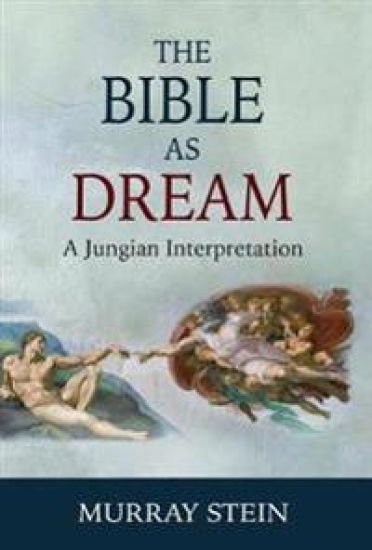
In The Bible as Dream, Murray Stein shares important themes and images in the biblical narrative that from a psychological perspective, stand out as essential features of the meaning of the Bible for the modern reader. The Bible presents a world elaborated with reference to a specific God image. As the mythographer Karl Kerenyi puts it in writing about the Greek gods and goddesses, every god and every goddess constitutes a world. So it is too with the biblical God, whose name Stein exceptionally capitalizes throughout out of cultural respect. The biblical world is the visionary product of a particular people, the ancient Hebrews and the early Christians, who delved deeply into their God image and pulled from it the multitude of perspectives, rules for life, spiritual practices, and practical implications that all together created the tapestry that we find depicted in the canonical Bible. Yahweh is the heart and soul of this world, its creator, sustainer, and destroyer. The Bible is a dream that tells the story of how this world was brought into being in space and time and what it means. Don't miss these these timeless lectures--a work of respectful and loving interpretation.
In The Bible as Dream, Murray Stein shares important themes and images in the biblical narrative that from a psychological perspective, stand out as essential features of the meaning of the Bible for the modern reader. The Bible presents a world elaborated with reference to a specific God image. As the mythographer Karl Kerenyi puts it in writing about the Greek gods and goddesses, every god and every goddess constitutes a world. So it is too with the biblical God, whose name Stein exceptionally capitalizes throughout out of cultural respect. The biblical world is the visionary product of a particular people, the ancient Hebrews and the early Christians, who delved deeply into their God image and pulled from it the multitude of perspectives, rules for life, spiritual practices, and practical implications that all together created the tapestry that we find depicted in the canonical Bible. Yahweh is the heart and soul of this world, its creator, sustainer, and destroyer. The Bible is a dream that tells the story of how this world was brought into being in space and time and what it means. Don't miss these these timeless lectures--a work of respectful and loving interpretation.
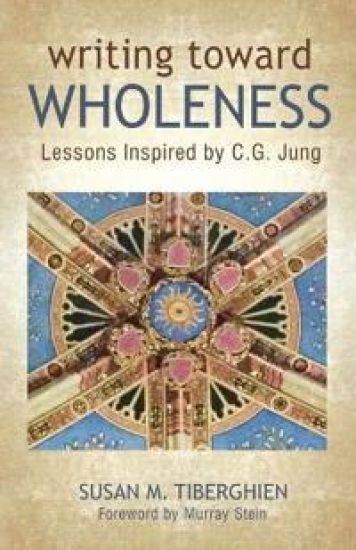
From its first pages, Writing Toward Wholeness encourages readers to embark on their own journey through writing toward selfhood, toward wholeness. At every step, it reinforces the lessons C. G. Jung learned and shared with millions of people. In focusing on insights and excerpts from Jung's writings, and from contemporary writers, the author brings together psychology, spirituality, and the arts, offering a way to wholeness.
From its first pages, Writing Toward Wholeness encourages readers to embark on their own journey through writing toward selfhood, toward wholeness. At every step, it reinforces the lessons C. G. Jung learned and shared with millions of people. In focusing on insights and excerpts from Jung's writings, and from contemporary writers, the author brings together psychology, spirituality, and the arts, offering a way to wholeness.
The essays in this volume are geared to the recognition that the posthumous publication of The Red Book: Liber Novus by C. G. Jung in 2009 was a meaningful gift to our contemporary world. Similar to the volatile times Jung found himself in when he created this work a century ago, we today too are confronted with highly turbulent and uncertain conditions of world affairs that threaten any sense of coherent meaning, personally and collectively. The Red Book promises to become an epochal opus for the 21st century in that it offers us guidance for finding soul under postmodern conditions. This is the first volume of a three-volume series set up on a global and multicultural level and compiling essays from distinguished Jungian analysts and scholars. Contributions by: Murray Stein: Introduction Thomas Arzt: "The Way of What Is to Come" Searching for Soul under Postmodern Conditions Ashok Bedi: Jung's Red Book: A Compensatory Image for Our Contemporary Culture: A Hindu Perspective Paul Bishop: In a World That Has Gone Mad, Is What We Really Need ... A Red Book? Plato, Goethe, Schelling, Nietzsche and Jung Ann Casement: "O tempora O mores " Josephine Evetts-Secker: "The Incandescent Matter" Shudder, Shimmer, Stammer, Solitude Nancy Swift Furlotti: Encounters with the Animal Soul: A Voice of Hope for Our Precarious World Liz Greene: "The Way of What Is to Come" Jung's Vision of the Aquarian Age John Hill: Confronting Jung: The Red Book Speaks to Our Time Stephan A. Hoeller: Abraxas: Jung's Gnostic Demiurge in Liber Novus Russell A. Lockhart: Appassionato for the Imagination Lance S. Owens: C. G. Jung and the Prophet Puzzle Dariane Pictet: Movements of Soul in The Red Book Susan Rowland: The Red Book for Dionysus: A Literary and Transdisciplinary Interpretation Andreas Schweizer: Encountering the Spirit of the Depths and the Divine Child Heyong Shen: Why Is The Red Book "Red"? - A Chinese Reader's Reflections Marvin Spiegelman: On the Impact of Jung and his Red Book: A Personal Story Liliana Liviano Wahba: Imagination for Evil John C. Woodcock: The Red Book and the Posthuman
The essays in this volume are geared to the recognition that the posthumous publication of The Red Book: Liber Novus by C. G. Jung in 2009 was a meaningful gift to our contemporary world. Similar to the volatile times Jung found himself in when he created this work a century ago, we today too are confronted with highly turbulent and uncertain conditions of world affairs that threaten any sense of coherent meaning, personally and collectively. The Red Book promises to become an epochal opus for the 21st century in that it offers us guidance for finding soul under postmodern conditions. This is the first volume of a three-volume series set up on a global and multicultural level and compiling essays from distinguished Jungian analysts and scholars. INTRODUCTION - Murray SteinCHAPTER 1 - "The Way of What Is to Come" Searching for Soul under Postmodern Conditionsby Thomas ArztCHAPTER 2 - "The Way of What Is to Come" Jung's Vision of the Aquarian Age by Liz GreeneCHAPTER 3 - Abraxas: Jung's Gnostic Demiurge in Liber Novus by Stephan A. HoellerCHAPTER 4 - C. G. Jung and the Prophet Puzzle by Lance S. OwensCHAPTER 5 - In a World That Has Gone Mad, Is What We Really Need ... A Red Book? Plato, Goethe, Schelling, Nietzsche and Jung by Paul BishopCHAPTER 6 - Confronting Jung: The Red Book Speaks to Our Time by John HillCHAPTER 7 - On the Impact of Jung and his Red Book: A Personal Story by J. Marvin SpiegelmanCHAPTER 8 - Encountering the Spirit of the Depths and the Divine Child by Andreas SchweizerCHAPTER 9 - Imagination for Evil by Liliana Liviano WahbaCHAPTER 10 - Movements of Soul in The Red Book by Dariane PictetCHAPTER 11 - Encounters with the Animal Soul: A Voice of Hope for Our Precarious World by Nancy Swift FurlottiCHAPTER 12 - The Red Book for Dionysus: A Literary and Transdisciplinary Interpretation by Susan RowlandCHAPTER 13 - Appassionato for the Imagination by Russell A. LockhartCHAPTER 14 - "This Incandescent Matter" Shudder, Shimmer, Stammer, Solitude by Josephine Evetts-SeckerCHAPTER 15 - "O tempora O mores " by Ann CasementCHAPTER 16 - Jung's Red Book - A Compensatory Image for Our Contemporary Culture: A Hindu Perspective by Ashok BediCHAPTER 17 - Why Is The Red Book "Red"?: A Chinese Reader's Reflections by Heyong ShenCHAPTER 18 - The Red Book and the Posthuman by John C. Woodcock
Murray Stein is well-known as an insightful and pioneering author and academic. Soul: Treatment and Recovery presents a selection of papers and book chapters spanning his career from 1973 to 2012.? The chapters included in this collection speak for Stein’s hope that individuals and humanity as a whole can evolve toward greater consciousness and awareness of meaning in daily life. The book is presented in four parts, each of which represents a stage in Stein’s personal development as an author. Part One, Psyche and Myth, presents papers which draw on timeless documents of the soul for the benefit of our generations of humans who are no longer contained within mythic consciousness. In Part Two, Clinical Themes, Stein has selected papers and an interview that explore themes familiar to many clinicians that were raised in his own practical work as a Jungian psychoanalyst. Part Three is dedicated to the process of individuation, a key notion in analytical psychology which lies at the heart of the Jungian enterprise and is a topic that has occupied Stein throughout his career. Finally, Part Four presents several papers dealing with the theme of psychology and spirituality, a matter of increasing concern to Stein in recent years. This unique collection of work will be of great interest to analytical psychologists and psychotherapists as well as academics and students in the field. Additionally, for anyone invested in the project of self-discovery and with the desire to relate more deeply to self and world, the papers included here will suggest important points of reference and directions to pursue further.