

Kirjailija
Murray Stein
Kirjat ja teokset yhdessä paikassa: 102 kirjaa, julkaisuja vuosilta 1996–2026, suosituimpiin kuuluu The Collected Writings of Murray Stein. Vertaile teosten hintoja ja tarkista saatavuus suomalaisista kirjakaupoista.
102 kirjaa
Kirjojen julkaisuvuodet: 1996–2026.
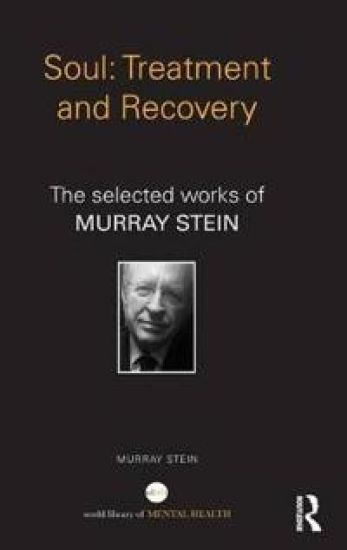
Murray Stein is well-known as an insightful and pioneering author and academic. Soul: Treatment and Recovery presents a selection of papers and book chapters spanning his career from 1973 to 2012.? The chapters included in this collection speak for Stein’s hope that individuals and humanity as a whole can evolve toward greater consciousness and awareness of meaning in daily life. The book is presented in four parts, each of which represents a stage in Stein’s personal development as an author. Part One, Psyche and Myth, presents papers which draw on timeless documents of the soul for the benefit of our generations of humans who are no longer contained within mythic consciousness. In Part Two, Clinical Themes, Stein has selected papers and an interview that explore themes familiar to many clinicians that were raised in his own practical work as a Jungian psychoanalyst. Part Three is dedicated to the process of individuation, a key notion in analytical psychology which lies at the heart of the Jungian enterprise and is a topic that has occupied Stein throughout his career. Finally, Part Four presents several papers dealing with the theme of psychology and spirituality, a matter of increasing concern to Stein in recent years. This unique collection of work will be of great interest to analytical psychologists and psychotherapists as well as academics and students in the field. Additionally, for anyone invested in the project of self-discovery and with the desire to relate more deeply to self and world, the papers included here will suggest important points of reference and directions to pursue further.
The Principle of Individuation
Murray Stein
Chiron Publications
2015
pokkari
Halvin toimitettuna 44,10 €
Isapzurich: A Journey
Isabelle Meier; Murray Stein; Paul Brutsche; Deborah Egger
Lulu.com
2015
nidottu
The book contains contributions for the 10th anniversary of ISAPZURICH, the International School of Analytical Psychology in Zurich. Several authors explain why they left the C. G. Jung Institute in Kusnacht in 2004 and why they founded ISAPZURICH. In addition, there are contributions describing the particular identity and image which have evolved around ISAPZURICH in recent years.
Isapzurich: Unterwegs
Isabelle Meier; Murray Stein; Paul Brutsche; Deborah Egger
Lulu.com
2015
nidottu
Das Buch enthalt Beitrage zum 10jahrigen Jubilaum von ISAPZURICH, dem Internationalen Seminar fur Analytische Psychologie in Zurich. Zahlreiche Autoren und Autorinnen erlautern die Grunde, wieso sie 2004 das C. G. Jung-Institut in Kusnacht verliessen und ISAPZURICH grundeten. Ausserdem werden die in den letzten Jahren entstandene Identitat und Wirkung nach aussen, die ISAPZURICH erreicht hat, beschrieben.


Many people have an aptitude for religious experience and spirituality but don't know how to develop this or take it further. Modern societies offer little assistance, and traditional religions are overly preoccupied with their own organizational survival. Minding the Self: Jungian meditations on contemporary spirituality offers suggestions for individual spiritual development in our modern and post-modern times. Here, Murray Stein argues that C. G. Jung and depth psychology provide guidance and the foundation for a new kind of modern spirituality. Murray Stein explores the problem of spirituality within the cultural context of modernity and offers a way forward without relapsing into traditional or mythological modes of consciousness. Chapters work towards finding the proper vessel for contemporary spirituality and dealing with the ethical issues that crop up along the way. Stein shows how it is an individual path but not an isolationist one, often using many resources borrowed from a variety of religious traditions: it is a way of symbol, dream and experiences of the numinous with hints of transcendence as these come into personal awareness. Minding the Self: Jungian meditations on contemporary spirituality uses research from a wide variety of fields, such as dream-work and the neuroscience of the sleeping brain, clinical experience in Jungian psychoanalysis, anthropology, ethics, Zen Buddhism, Jung's writings and the recently published Red Book. It will be of interest to psychoanalysts, Jungian scholars, undergraduates, graduate and post-graduate students and anyone with an interest in modern spirituality.
Many people have an aptitude for religious experience and spirituality but don't know how to develop this or take it further. Modern societies offer little assistance, and traditional religions are overly preoccupied with their own organizational survival. Minding the Self: Jungian meditations on contemporary spirituality offers suggestions for individual spiritual development in our modern and post-modern times. Here, Murray Stein argues that C. G. Jung and depth psychology provide guidance and the foundation for a new kind of modern spirituality. Murray Stein explores the problem of spirituality within the cultural context of modernity and offers a way forward without relapsing into traditional or mythological modes of consciousness. Chapters work towards finding the proper vessel for contemporary spirituality and dealing with the ethical issues that crop up along the way. Stein shows how it is an individual path but not an isolationist one, often using many resources borrowed from a variety of religious traditions: it is a way of symbol, dream and experiences of the numinous with hints of transcendence as these come into personal awareness. Minding the Self: Jungian meditations on contemporary spirituality uses research from a wide variety of fields, such as dream-work and the neuroscience of the sleeping brain, clinical experience in Jungian psychoanalysis, anthropology, ethics, Zen Buddhism, Jung's writings and the recently published Red Book. It will be of interest to psychoanalysts, Jungian scholars, undergraduates, graduate and post-graduate students and anyone with an interest in modern spirituality.



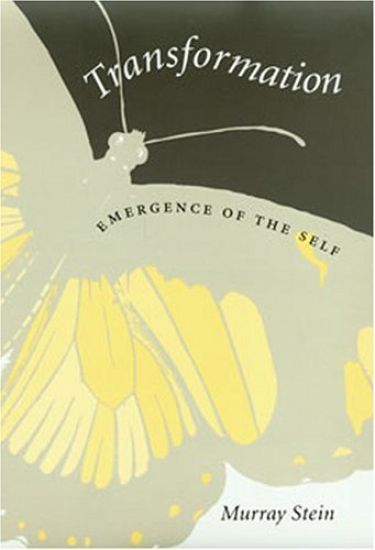
Noted analyst and author Murray Stein explains what the psychological process of transformation, more commonly known as a midlife crisis, actually is, and what it means for an individual to experience it. Consciously working through this life stage can lead people to become who they have always potentially been. Indeed, Stein suggests, transformation is an essential human task. Stein first details how this process of transformation emerges and develops in an individual. Looking at C. G. Jung's life, Stein then explains how transformative images stimulate the transformation process by suggesting new ways of thinking and living. Finally, Stein examines the process in the lives of Jung, Picasso, and Rembrandt, whose experiences of transformation led to even greater creativity and freedom. For those people who would like to learn what a meaningful second half of life could be like, Transformation is an inspiring place to start.