Kirjailija
Ngugi Wa Thiong'o
Kirjat ja teokset yhdessä paikassa: 69 kirjaa, julkaisuja vuosilta 1970–2026, suosituimpiin kuuluu Rwĩmbo rwa Njũkĩ. Vertaile teosten hintoja ja tarkista saatavuus suomalaisista kirjakaupoista.
Nimi esiintyy myös muodoissa: Ngugi wa Thiong’o, Ngũgi Wa Thiong'o
69 kirjaa
Kirjojen julkaisuvuodet: 1970–2026.
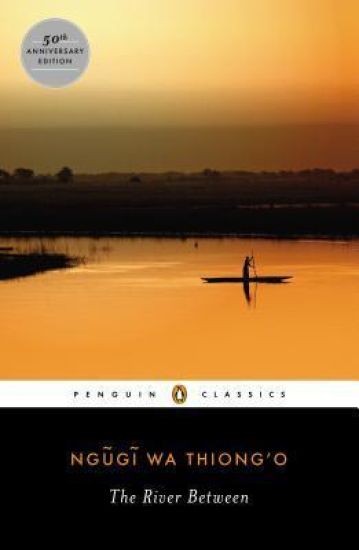
A 50th-anniversary edition of one of the most powerful novels by the great Kenyan author and Nobel Prize nominee A legendary work of African literature, this moving and eye-opening novel lucidly captures the drama of a people and culture whose world has been overturned. The River Between explores life in the mountains of Kenya during the early days of white settlement. Faced with a choice between an alluring new religion and their own ancestral customs, the Gikuyu people are torn between those who fear the unknown and those who see beyond it. For more than seventy years, Penguin has been the leading publisher of classic literature in the English-speaking world. With more than 1,700 titles, Penguin Classics represents a global bookshelf of the best works throughout history and across genres and disciplines. Readers trust the series to provide authoritative texts enhanced by introductions and notes by distinguished scholars and contemporary authors, as well as up-to-date translations by award-winning translators.
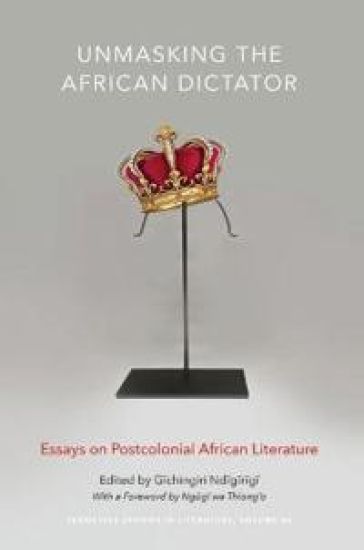
In Africa, the development of “dictatorship fiction” as a vehicle for depicting the authoritarian state arose more slowly than in other parts of the world. The dictator novel emerged earlier in Latin America, as the region’s anticolonial disengagement preceded that of Africa. Thus, the Latin American variant of this literary genre has been extensively studied, but until now there has been no comparable exploration of the fictional and dramatic representations of tyrannical regimes in Africa. In Unmasking the African Dictator, Gichingiri Ndigirigi redresses that imbalance with a collection of essays that fully examine the figure of the “Big Man” in African arts. This volume features twelve articles from both established and emerging scholars who undertake representative readings of the African despot in fiction, drama, films, and music. Arranged chronologically, these essays cover postcolonial realities in a wide range of countries: Mali, Cote d’Ivoire, Senegal, the Congo, Nigeria, the Central African Republic, Somalia, Kenya, and Uganda. Included here are a variety of voices that illuminate the different aspects of dictator fiction in Africa and in the process enrich our understanding of the continent’s literature, politics, and culture. This work features a foreword by formerly exiled Kenyan novelist, poet, and critic Ngugi wa Thiong’o. Ndigirigi’s own extended introduction reviews the overarching themes found in the collection and summarizes each of the artistic works being examined while placing the individual essays in context. A pioneering study, Unmasking the African Dictator examines the works of several major authors of dictator fictions like Achebe, Ngugi, Farah, and Tamsi, among others. It is an ideal resource for both undergraduate and graduate courses on African literature, culture, and politics.
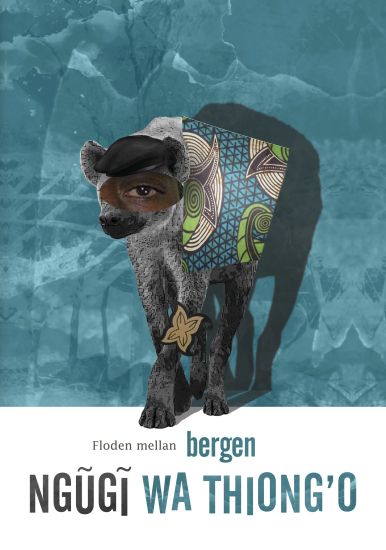
»En av de verkligt stora skildrarna av människan och kolonialismens gift. Återutgivningarna är en välsignelse.« STEFAN INGVARSSON, EXPRESSEN»Ngugi wa Thiong o har med textens hjälp givit glödande liv åt en tid och en plats så att man ett halvt sekel senare, i en annan del av världen, får vara med.« MARIA SCHOTTENIUS, DNTvå gikuyu-stammar i Kenya under den brittiska kolonialtiden strider sinsemellan om värdet av gamla traditioner kontra det nya västerländska inflytandet. Konflikten markeras geografiskt av floden som rinner mellan samhällena. Ett älskande par från vardera sidan försöker överbrygga klyftan, något som resulterar i en tragedi. Floden mellan bergen är en roman om ett splittrat folk under ockupation och förtryck, men också om de kollektiva berättelsernas inneboende kraft, av den i Nobelprissammanhang ofta omnämnde kenyanen Ng ug i wa Thiong 'o. I översättning av Phillipa Wiking och med ett nyskrivet förord av idéhistorikern Mikela Lundahl. NGUGI WA THIONG'O [f. 1938] är en kenyansk prosaförfattare och dramatiker, uppmärk- sammad såväl för sin romankonst som för den politiska radikaliteten i hans perspektiv på Afrika. Floden mellan bergen [1965], hans andra roman, utgör kronologiskt den första av berättelserna om gikuyu-folket.» Det är inte bara den smärtsamma verklighetsbakgrunden som gör wa Thiong 'os romaner till starka läsupplevelser, det är också hans förmåga att berätta. Den bildrika och samtidigt återhållsamma prosan, hur han låter mig komma så nära sina uppdiktade personer att jag tycker mig känna deras andedräkt. Den absoluta närvaron i miljöskildringarna.« OLINE STIG, SYDSVENSKAN
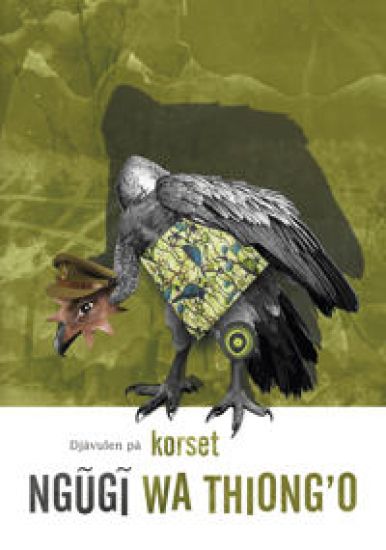
»Ngugi wa Thiong'o har med textens hjälp givit glödande liv åt en tid och en plats så att man ett halvt sekel senare, i en annan del av världen, får vara med.« DN »En av de verkligt stora skildrarna av människan och kolonialismens gift. Återutgivningarna är en välsignelse.« ExpressenTvå kvinnor och två män på väg till Imorog för att delta i »Djävulens fest«. På bussen berättar de sina historier för varandra, alla på något vis präglade av orättvisorna i det postkoloniala Kenya. En roman om våld och förtryck men också om en okuvlig framtidstro mot alla odds - om revolutionär potential. Den i Nobelprissammanhang ofta omnämnde Ngugi wa Thiong 'o skrev boken i kenyanskt fängelse. I översättning av Alexander Muigai och med ett nyskrivet förord av litteraturvetaren Stephan Larsen. NGUGI WA THIONG'O [f. 1938] är en kenyansk prosaförfattare och dramatiker, uppmärksammad för såväl sin romankonst som för den politiska radikaliteten i hans perspektiv på Afrika. Djävulen på korset [1980] skrevs på modersmålet gikuyu och är tillägnad alla kenyaner som bekämpar den nykoloniala imperialismen.» Ngugi wa Thiong'o skildrar mycket skickligt det postkoloniala tillståndet. Han öppnar fönstret till en annan verklighet, till en annan upplevelse.« Dagens Bok »Liknar ingenting jag läst. Att författaren ofta nämns i Nobelpris-spekulationer är lätt att förstå.« End of a Werther »Djävulen på korset är en av århundradets stora romaner. « Tribune
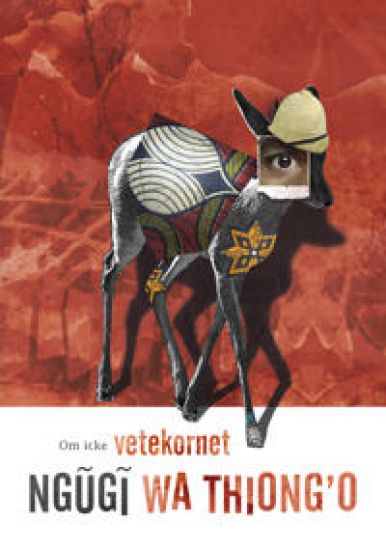
»Om icke vetekornet borde vara obligatorisk läsning för alla som ser det brittiska kolonialväldet i det romantiska ljus som Karen Blixen bidragit till att befästa.« | STEFAN INGVARSSON, EXPRESSEN»Ngugi wa Thiong'o har med textens hjälp givit glödande liv åt en tid och en plats så att man ett halvt sekel senare, i en annan del av världen, får vara med.« | MARIA SCHOTTENIUS, DNTystlåtne Mugo är i allas ögon en frihetshjälte. En gång ska han ha lett en hungerstrejk i ett brittiskt koncentrationsläger under självständighetskampen. Varför grips han då av sådan vånda när han tillfrågas om att hålla tal vid firandet av Kenyas självständighet? Om icke vetekornet sammanlänkar olika historier kring tiden för Kenyas frihetskamp på femtiotalet. En roman om medlöperi, förräderi och sviken kärlek, men också om mod och en obändig frihetsvilja, av den i Nobelprissammanhang ofta omnämnde Ngugi wa Thiong'o. I översättning av Torsten Hansson och med ett nyskrivet förord av författaren och litteraturvetaren Stefan Helgesson. NGUGI WA THIONG'O [f. 1938] är en kenyansk prosaförfattare och dramatiker, uppmärksammad såväl för sin romankonst som för den politiska radikaliteten i hans perspektiv på Afrika. Romanen Om icke vetekornet [1967] betraktas av många som höjdpunkten på hans tidiga författarskap.» Det är inte bara den smärtsamma verklighetsbakgrunden som gör wa Thiong'os romaner till starka läsupplevelser, det är också hans förmåga att berätta. Den bildrika och samtidigt återhållsamma prosan, hur han låter mig komma så nära sina uppdiktade personer att jag tycker mig känna deras andedräkt. Den absoluta närvaron i miljöskildringarna.« | OLINE STIG, SYDSVENSKAN» Hos Ngugi wa Thiong'o väcks historia till liv. Med Om icke vetekornet växer hans redan stora betydelse. « | THE GUARDIAN
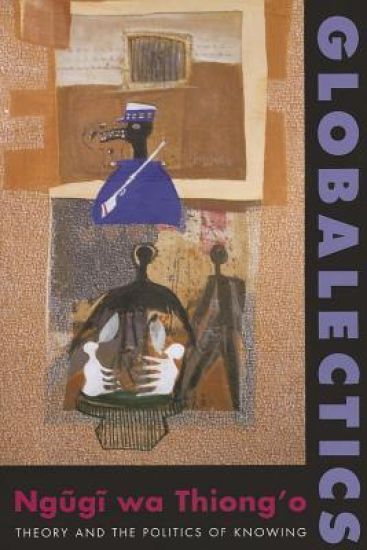
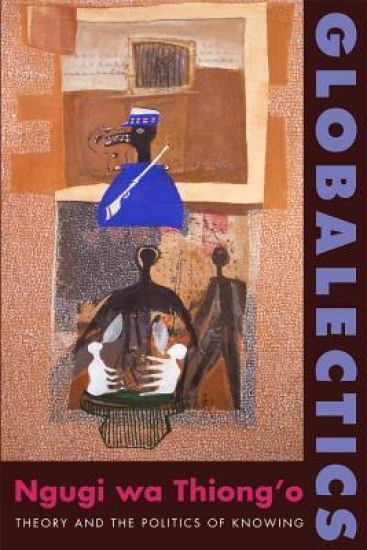
A masterful writer working in many genres, Ngugi wa Thiong'o entered the East African literary scene in 1962 with the performance of his first major play, The Black Hermit, at the National Theatre in Uganda. In 1977 he was imprisoned after his most controversial work, Ngaahika Ndeenda (I Will Marry When I Want), produced in Nairobi, sharply criticized the injustices of Kenyan society and unequivocally championed the causes of ordinary citizens. Following his release, Ngugi decided to write only in his native Gikuyu, communicating with Kenyans in one of the many languages of their daily lives, and today he is known as one of the most outspoken intellectuals working in postcolonial theory and the global postcolonial movement. In this volume, Ngugi wa Thiong'o summarizes and develops a cross-section of the issues he has grappled with in his work, which deploys a strategy of imagery, language, folklore, and character to "decolonize the mind." Ngugi confronts the politics of language in African writing; the problem of linguistic imperialism and literature's ability to resist it; the difficult balance between orality, or "orature," and writing, or "literature"; the tension between national and world literature; and the role of the literary curriculum in both reaffirming and undermining the dominance of the Western canon. Throughout, he engages a range of philosophers and theorists writing on power and postcolonial creativity, including Hegel, Marx, Levi-Strauss, and Aime Cesaire. Yet his explorations remain grounded in his own experiences with literature (and orature) and reworks the difficult dialectics of theory into richly evocative prose.
While Ngugi enjoys scouting trips, chess tournaments and reading about Biggles at the prestigious Alliance School near Nairobi, things are changing at home. He arrives back for his first visit since starting school to find his house razed to the ground and the entire village moved up the road closer to a guard checkpoint.
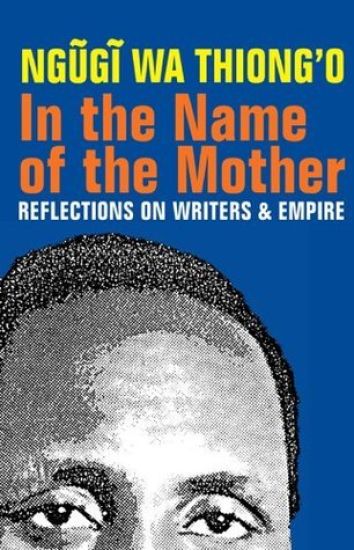
Alongside the impact of his early novels and plays, and his more recent memoirs, these essays give new insights into Ngugi's and other writers' responses to colonialism - there is new material here for students of literature, politics and culture. Renowned worldwide, as novelist and dramatist, Ngugi wa Thiongo's contributions to the body of critical writing on African literature, politics and society have been highly significant. His best known critical work is Decolonising the Mind, which since publication in 1986 has profoundly influenced other writers, critics, scholars and students. These latest essays reflect Ngugi's continuing interests and enthusiasms. His choice of writers is original. He makes us look again at their novels to address his lifelong concerns with the ways to independence, the meanings of colonialism and the takeover by neo-colonialism, and the functions of literature in political as well asliterary terms. They will appeal not only to his international band of supporters. They will also introduce his views to young people discovering African and Caribbean literature. Ngugi wa Thiong'o is Distinguished Professor of English and Comparative Literature at the University of California, Irvine. Ngugi is renowned for his essays, including the seminal Decolonising the Mind (James Currey 1986); his plays, which led to his detentionin Kenya; his novels - the most recent works being The Wizard of the Crow (2007, translated into English from Gikuyu) and his memoirs Dreams in a Time of War and In the House of the Interpreter East Africa [Kenya, Tanzania, Uganda and Rwanda]: EAEP
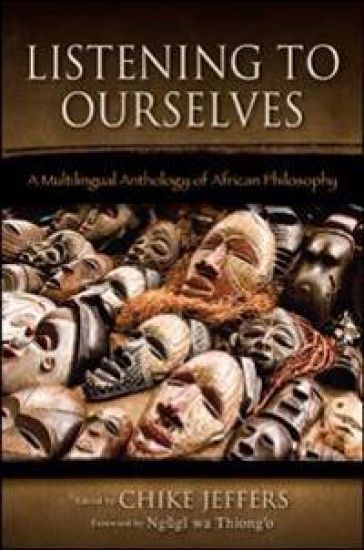
Contemporary African philosophy in indigenous African languages and English translation. A groundbreaking contribution to the discipline of philosophy, this volume presents a collection of philosophical essays written in indigenous African languages by professional African philosophers with English translations on the facing pages-demonstrating the linguistic and conceptual resources of African languages for a distinctly African philosophy. Hailing from five different countries and writing in six different languages, the seven authors featured include some of the most prominent African philosophers of our time. They address a range of topics, including the nature of truth, different ways of conceiving time, the linguistic status of proverbs, how naming practices work, gender equality and inequality in traditional society, the relationship between language and thought, and the extent to which morality is universal or culturally variable.
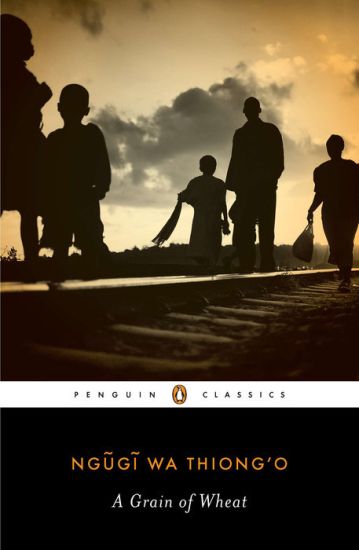
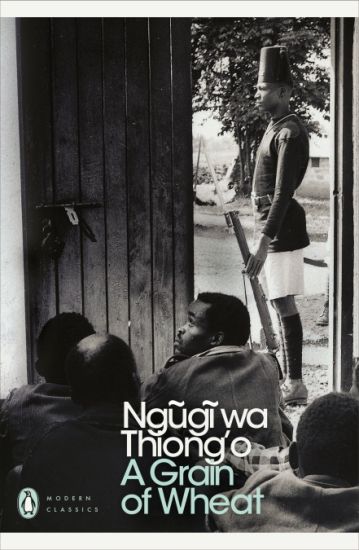
Barack Obama, via Facebook: “A compelling story of how the transformative events of history weigh on individual lives and relationships.” The Nobel Prize–nominated Kenyan writer’s best-known novelSet in the wake of the Mau Mau rebellion and on the cusp of Kenya's independence from Britain, A Grain of Wheat follows a group of villagers whose lives have been transformed by the 1952–1960 Emergency. At the center of it all is the reticent Mugo, the village's chosen hero and a man haunted by a terrible secret. As we learn of the villagers' tangled histories in a narrative interwoven with myth and peppered with allusions to real-life leaders, including Jomo Kenyatta, a masterly story unfolds in which compromises are forced, friendships are betrayed, and loves are tested. For more than seventy years, Penguin has been the leading publisher of classic literature in the English-speaking world. With more than 1,700 titles, Penguin Classics represents a global bookshelf of the best works throughout history and across genres and disciplines. Readers trust the series to provide authoritative texts enhanced by introductions and notes by distinguished scholars and contemporary authors, as well as up-to-date translations by award-winning translators.

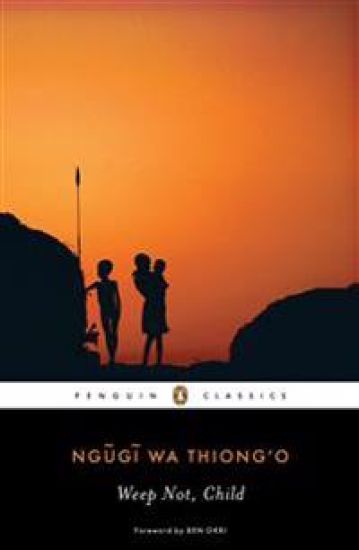
The Nobel Prize-nominated Kenyan writer's powerful first novel Two brothers, Njoroge and Kamau, stand on a garbage heap and look into their futures: Njoroge is to attend school, while Kamau will train to be a carpenter. But this is Kenya, and the times are against them: In the forests, the Mau Mau is waging war against the white government, and the two brothers and their family need to decide where their loyalties lie. For the practical Kamau, the choice is simple, but for Njoroge the scholar, the dream of progress through learning is a hard one to give up. The first East African novel published in English, Weep Not, Child explores the effects of the infamous Mau Mau uprising on the lives of ordinary men and women, and on one family in particular. For more than seventy years, Penguin has been the leading publisher of classic literature in the English-speaking world. With more than 1,700 titles, Penguin Classics represents a global bookshelf of the best works throughout history and across genres and disciplines. Readers trust the series to provide authoritative texts enhanced by introductions and notes by distinguished scholars and contemporary authors, as well as up-to-date translations by award-winning translators.
A masterful writer working in many genres, Ngugi wa Thiong'o entered the East African literary scene in 1962 with the performance of his first major play, The Black Hermit, at the National Theatre in Uganda. In 1977 he was imprisoned after his most controversial work, Ngaahika Ndeenda (I Will Marry When I Want), produced in Nairobi, sharply criticized the injustices of Kenyan society and unequivocally championed the causes of ordinary citizens. Following his release, Ngugi decided to write only in his native Gikuyu, communicating with Kenyans in one of the many languages of their daily lives, and today he is known as one of the most outspoken intellectuals working in postcolonial theory and the global postcolonial movement. In this volume, Ngugi wa Thiong'o summarizes and develops a cross-section of the issues he has grappled with in his work, which deploys a strategy of imagery, language, folklore, and character to "decolonize the mind." Ngugi confronts the politics of language in African writing; the problem of linguistic imperialism and literature's ability to resist it; the difficult balance between orality, or "orature," and writing, or "literature"; the tension between national and world literature; and the role of the literary curriculum in both reaffirming and undermining the dominance of the Western canon. Throughout, he engages a range of philosophers and theorists writing on power and postcolonial creativity, including Hegel, Marx, Levi-Strauss, and Aime Cesaire. Yet his explorations remain grounded in his own experiences with literature (and orature) and reworks the difficult dialectics of theory into richly evocative prose.
Through the story of his grandparents and parents, and his brothers' involvement in the violent Mau Mau uprising, Ngugi deftly etches a tumultuous era, capturing the landscape, the people and their culture, and the social and political vicissitudes of life under colonialism and war.
Man Booker International Prize Finalist - By the world-renowned novelist, playwright, critic, and author of Wizard of the Crow, an evocative and affecting memoir of childhood. "A testament to the resilience of youth and the strength of hope."--The Boston Globe Born in 1938 in rural Kenya, Ngũgĩ wa Thiong'o came of age in the shadow of World War II, amidst the terrible bloodshed in the war between the Mau Mau and the British. The son of a man whose four wives bore him more than a score of children, young Ngũgĩ displayed what was then considered a bizarre thirst for learning, yet it was unimaginable that he would grow up to become a world-renowned novelist, playwright, and critic. In Dreams in a Time of War, Ngũgĩ deftly etches a bygone era, bearing witness to the social and political vicissitudes of life under colonialism and war. Speaking to the human right to dream even in the worst of times, this rich memoir of an African childhood abounds in delicate and powerful subtleties and complexities that are movingly told.
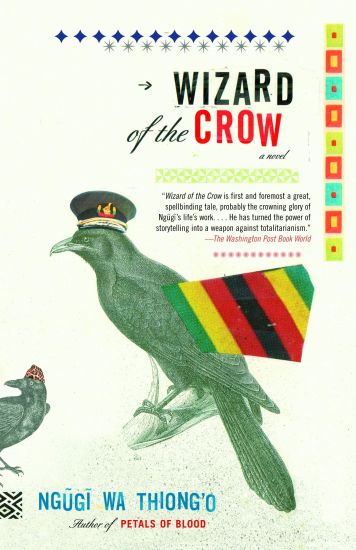
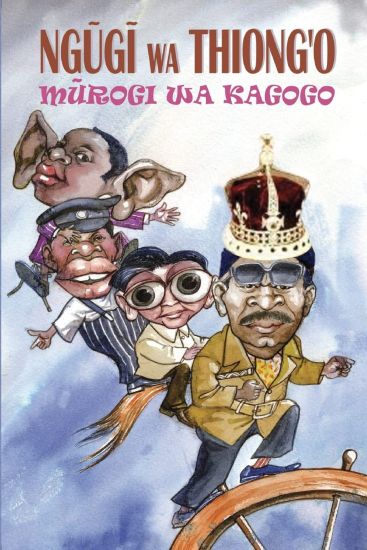
A landmark of postcolonial African literature, Wizard of the Crow is an ambitious, magisterial, comic novel from the acclaimed Kenyan novelist, playwright, poet, and critic. "Wizard of the Crow is first and foremost a great, spellbinding tale, probably the crowning glory of Ngugi's life's work. . . . He has turned the power of storytelling into a weapon against totalitarianism." --The Washington Post Book World Set in the fictional Free Republic of Aburiria, Wizard of the Crow dramatizes with corrosive humor and keenness of observation a battle for the souls of the Aburirian people, between a megalomaniac dictator and an unemployed young man who embraces the mantle of a magician. Fashioning the stories of the powerful and the ordinary into a dazzling mosaic, in this magnificent work of magical realism, Ngugi wa'Thiong'o--one of the most widely read African writers--reveals humanity in all its endlessly surprising complexity.
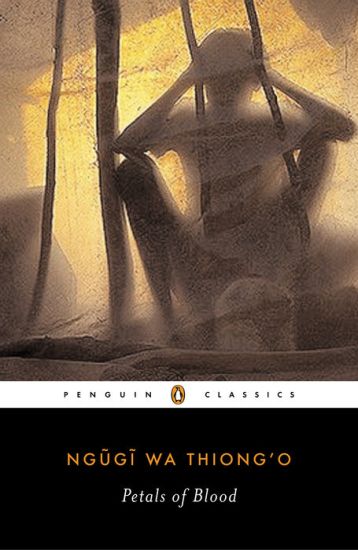
The baffling murders of three African directors of a foreign-owned brewery are set against the backdrop of the intertwined stories of the four suspects in the crime, in a novel, first published in 1977, about the struggles of a modern Third World nation. Reprint.
A masterly story of myth, rebellion, love, friendship and betrayal from one of Africa's great writers, Ngugi wa Thiong'o's A Grain of Wheat includes an introduction by Abdulrazak Gurnah, author of By the Sea, in Penguin Modern Classics. It is 1963 and Kenya is on the verge of Uhuru - Independence Day. The mighty british government has been toppled, and in the lull between the fighting and the new world, colonized and colonizer alike reflect on what they have gained and lost. In the village of Thabai, the men and women who live there have been transformed irrevocably by the uprising. Kihika, legendary rebel leader, was fatally betrayed to the whiteman. Gikonyo's marriage to the beautiful Mumbi was destroyed when he was imprisoned, while her life has been shattered in other ways. And Mugo, brave survivor of the camps and now a village hero, harbours a terrible secret. As events unfold, compromises are forced, friendships are betrayed and loves are tested. Kenyan novelist and playwright Ngugi wa Thiong'o is the author of Weep Not Child (1964), The River Between (1965), and Petals of Blood (1977). Ngugi was chair of the Department of Literature at the University of Nairobi from 1972 to 1977. He left Kenya in 1982 and taught at various universities in the United States before he became professor of comparative literature and performance studies at New York University in 1992. If you enjoyed A Grain of Wheat, you might like Chinua Achebe's Things Fall Apart, also available in Penguin Modern Classics.'With Ngugi history is a living tissue ... this book adds cubits to his already considerable stature'Guardian