Kirjojen hintavertailu – 12 859 819 kirjaa ja 27 kauppaa
Kirjailija
Ngugi Wa Thiong'o
Kirjat ja teokset yhdessä paikassa: 69 kirjaa, julkaisuja vuosilta 1970–2026, suosituimpiin kuuluu Rwĩmbo rwa Njũkĩ. Vertaile teosten hintoja ja tarkista saatavuus suomalaisista kirjakaupoista.
Nimi esiintyy myös muodoissa: Ngugi wa Thiong’o, Ngũgi Wa Thiong'o
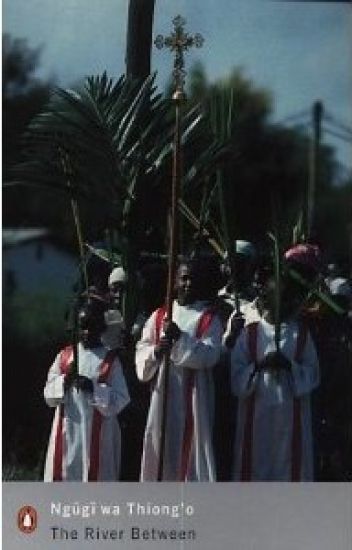
THE RIVER BETWEEN explores life on the Makuyu and Kameno ridges of Kenya in the early days of white settlement. Faced with an alluring, new religion and 'magical' customs, the Gikuyu people are torn between those who fear the unknown and those who see beyond it. Some fellow Joshua and his fiery brand of Christianity while others proudly pursue tribal independence. In the midst of this disunity stands Waiyaki, a dedicated visionary born to a line of prophets. He struggles to educate the tribe- a task he sees as the only unifying link between the two factions - but his plans for the future raise issues which will determine both his own and the Gikuyu's survival.
Penpoints, Gunpoints, and Dreams explores the relationship between art and political power in society, taking as its starting point the experience of writers in contemporary Africa, where they are often seen as the enemy of the postcolonial state. This study, in turn, raises the wider issues of the relationship between the state of art and the art of the state, particularly in their struggle for the control of performance space in territorial, temporal, social, and even psychic contexts. Kenyan writer, Ngugi wa Thiong'o, calls for the alliance of art and people power, freedom and dignity against the encroachments of modern states. Art, he argues, needs to be active, engaged, insistent on being what it has always been, the embodiment of dreams for a truly human world.
Using the magic of movement, dance, and drama, and the devices of humor and metaphor, Osonye Tess Onwueme has created a post-feminist epic drama that transcends current feminist theories. An ideologically and politically powerful work, Tell It to Women offers a critical discourse on the western feminist movement from an African traditional perspective, focusing attention on the often silenced issues of intra-gender politics and class inequities.
This book reflects many of the concerns found in Decolonising the Mind and Moving the Centre. Ngugi has put together a new collection under an old title, rewriting most of the pieces that appeared in the original 1981 edition, and adding completely new essays, such as 'Freedom of Expression', written for the campaign to try to save Ken Saro-Wiwa and other Niger Delta activists and writers from execution in Nigeria. Kenya: EAEP
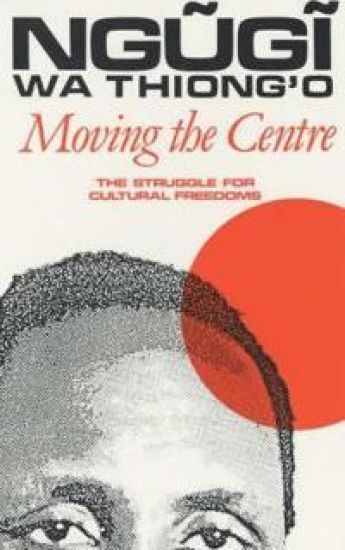
Ngugi advocates a cultural shift to redress the last 400 years of domination by a handful of western nations. In this collection Ngugi is concerned with moving the centre in two senses - between nations and within nations - in order to contribute to the freeing of world cultures from the restrictive walls of nationalism, class, race and gender Between nations the need is to move the centre from its assumed location in the West to a multiplicity of spheres in all the cultures of the world. Within nations the move should be away from all minority class establishments to the real creative centre among working people in conditions of racial, religious and gender equality. Kenya: EAEP
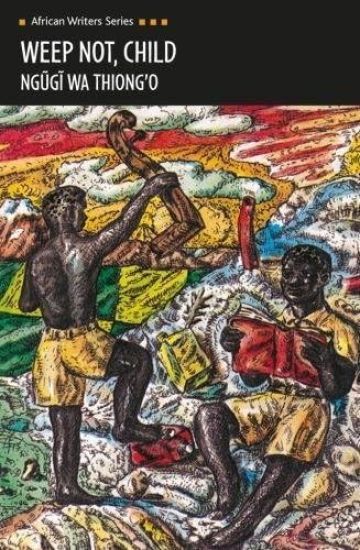
Tells the moving story about the effects of the Mau Mau war on the lives of ordinary men and women in Kenya. In the forests, the Mau Mau are waging war against the white government, and two brothers, Kamau and Njoroge, and the rest of the family must decide where their loyalties lie.
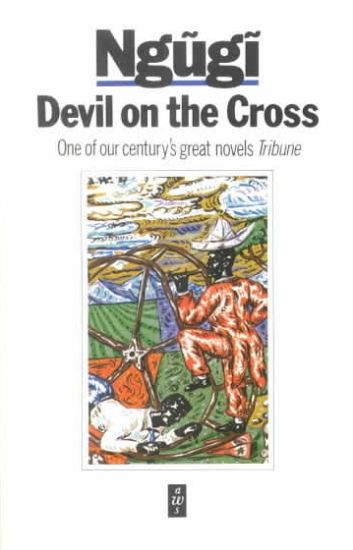
This critique of modern Kenya highlights the greed and capitalism prevalent in society. Despair drives Wariinga to leave Nairobi and seek refuge in her home town of Ilmorog. On her journey she is handed an invitation to a feast of thieves, a competition organized by the devil.
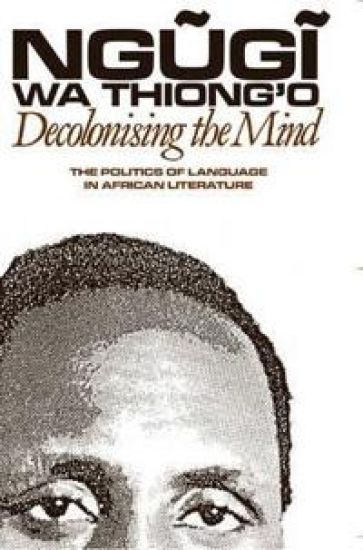
A collection of essays about language and its constructive role in national culture, history, and identity, that advocates for linguistic decolonization. 'The language of literature', Ngugi writes, 'cannot be discussed meaningfully outside the context of those social forces which have made it both an issue demanding our attention, and a problem calling for a resolution.' First published in 1986, Decolonising the Mind is one of Ngugi's best-known and most-cited non-fiction publications, helping to cement him as a pre-eminent voice theorizing the 'language debate' in postcolonial studies. Ngugi wrote his first novels and plays in English but was determined, even before his detention without trial in 1978, to move to writing in Gikuyu. He describes the book as 'a summary of some of the issues in which I have been passionately involved for the last twenty years of my practice in fiction, theatre, criticism, and in teaching of literature...'. Split into four essays - 'The Language of African Literature', 'The Language of African Theatre', 'The Language of African Fiction', and 'The Quest for Relevance' - the book offers an anti-imperialist perspective on the destiny of Africa and the role of languages in combatting and perpetrating imperialism and neo-colonialism in African nations. East Africa [Kenya, Tanzania, Uganda and Rwanda]: EAEP