Kirjojen hintavertailu – 12 903 725 kirjaa ja 27 kauppaa
Kirjailija
Occupational Safety and Administration
Kirjat ja teokset yhdessä paikassa: 182 kirjaa, julkaisuja vuosilta 2012–2015, suosituimpiin kuuluu Lead in Construction. Vertaile teosten hintoja ja tarkista saatavuus suomalaisista kirjakaupoista.
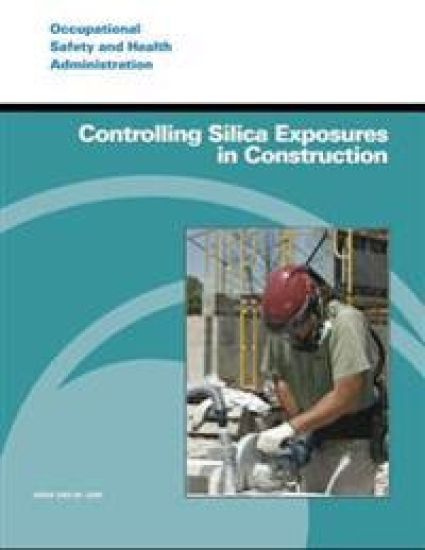
This guidance document addresses the control of employee exposures to respirable dust containing crystalline silica, which is known to cause silicosis, a serious lung disease, as well as increase the risk of lung cancer and other systemic diseases. This document provides information on the effectiveness of various engineering control approaches for several kinds of construction operations and equipment, and contains recommendations for work practices and respiratory protection, as appropriate. Quartz is the most common form of crystalline silica. In fact, it is the second most common surface material accounting for almost 12% by volume of the earth's crust. Quartz is present in many materials in the construction industry, such as brick and mortar, concrete, slate, dimensional stone (granite, sandstone), stone aggregate, tile, and sand used for blasting. Other construction materials that contain crystalline silica are asphalt filler, roofing granules, plastic composites, soils, and to a lesser extent, some wallboard joint compounds, paint, plaster, caulking and putty. Cristobalite, a less common form of crystalline silica, is formed at high temperatures (>1,470 C) in nature and by industrial processes. The ceramic and brick lining of boilers and vessels, some ceramic tiles, and volcanic ash contain cristobalite. The recommendations presented in this document are based on a review of information in the published literature, NIOSH In-Depth Survey Reports and OSHA inspection data. Engineering control evaluations reported in the published literature were generally performed in controlled work environments and may not reflect actual workplace exposures experienced at construction worksites. Moreover, potential silica exposure levels will depend on the concentration of silica in materials at construction sites, as well as factors in the work environment (such as enclosed, semi-enclosed, or open spaces and/or multiple operations generating silica dust) as well as environmental conditions (such as wind direction and speed). Therefore, OSHA encourages employers to conduct periodic exposure monitoring to confirm that engineering and work practice controls are effective and that appropriate respiratory protection is being used where necessary. Controls continue to evolve and OSHA encourages equipment suppliers and contractors to work with industrial hygienists to evaluate new designs and products to obtain objective information that can be used to evaluate performance and support informed decisions on use.
This NEP is implemented to direct OSHA's field inspection efforts to address lead exposures in the workplace, including General Industry (1910), Construction (1926), Shipyards (1915), Longshoring (1918), and Marine Terminals (1917). These efforts meet the Department's Strategic Plan goals in addressing the requirements of the Government Performance and Results Act (GPRA). As a result of this Act, Federal agencies must demonstrate improved performance and devise a system for measuring results. As stated in the DOL's Strategic Plan 2006-2011 "... DOL will continue to direct inspections and outreach at establishments and industries with the highest injury, illness, and fatality rates and will respond to complaints of serious workplace hazards. ... These efforts will be supplemented by National and Local Emphasis Programs designed to target unsafe conditions or high hazard industries." The reduction of occupational illnesses and employee exposures to lead continues to be one of the Agency's goals. This document supercedes the previous OSHA Instruction for a National Emphasis Program: Lead, CPL 02-00-130, formerly, CPL 02-0.130, dated July 20, 2001. Appendix A is a list of industries included to assist OSHA's field offices in determining industries for targeting. The data for this appendix were provided by the National Institute for Occupational Safety and Health under the Adult Blood Lead Epidemiology and Surveillance Program for the calendar year 2002. OSHA has analyzed this data to determine those industries where elevated blood lead levels indicate a need for increased focus in evaluation of airborne lead exposures.