Kirjojen hintavertailu – 12 859 824 kirjaa ja 27 kauppaa
Kirjailija
Oscar Wilde
Kirjat ja teokset yhdessä paikassa: 2 744 kirjaa, julkaisuja vuosilta 1890–2026, suosituimpiin kuuluu Aforismeja. Vertaile teosten hintoja ja tarkista saatavuus suomalaisista kirjakaupoista.
It was Lady Windermere's last reception before Easter, and Bentinck House was even more crowded than usual. Six Cabinet Ministers had come on from the Speaker's Lev e in their stars and ribands, all the pretty women wore their smartest dresses, and at the end of the picture-gallery stood the Princess Sophia of Carlsr he, a heavy Tartar-looking lady, with tiny black eyes and wonderful emeralds, talking bad French at the top of her voice, and laughing im-moderately at everything that was said to her.
Le Portrait de Dorian Gray (The Picture of Dorian Gray) est un roman d'Oscar Wilde, publi en 1890 (r vis en 1891) et crit dans le contexte de l' poque victorienne. L'auteur y inclut des th mes relevant de l'esth tique tels que l'art, la beaut , la jeunesse, la morale, l'h donisme, etc. Le roman est fantastique, mais aussi philosophique, et met en lumi re la personnalit quivoque du dandy irlandais ainsi que le courant d cadentiste, ce qui suscite de virulents changes de lettres entre Wilde et plusieurs journaux tr s critiques jugeant l'oeuvre r pugnante 1. C'est galement l'unique roman de Wilde dans toute sa carri re.
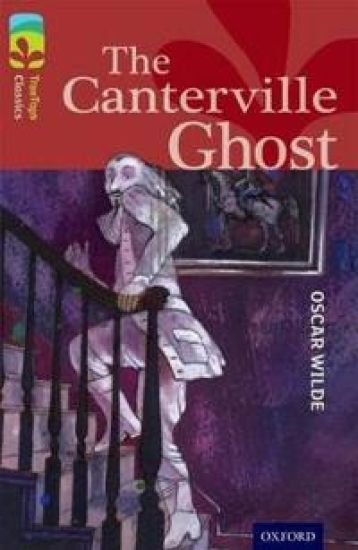
In The Canterville Ghost, an American family move to an old house in England, Canterville Chase. The resident ghost of Canterville Chase, Sir Simon de Canterville, doesn't want to share his home and haunts the house to scare the family away. Unfortunately for the ghost, the Otis family are not easily frightened. Exciting and powerful classic stories to enrich and extend your children's reading experiences. TreeTops Classics are carefully adapted versions of must-read stories which introduce your readers to significant authors, powerful plots and characters that have stood the test of time. These abridged versions of classics have been sensitively adapted by top children's authors to ensure that language and content is appropriate, but remain faithful to the original. These enchanting stories will appeal to all your junior readers and introduce them to a rich literary heritage. Each book includes author biographies and notes to help with historical and social context and any challenging vocabulary, ensuring the books are easily accessible. Books contain inside cover notes to support children in their reading. Help with children's reading development also available at www.oxfordowl.co.uk. The books are finely levelled, making it easy to match every child to the right book.
Esta es la historia de un fantasma. De un t pico fantasma brit nico, que vive en un t pico castillo brit nico, asustando a todo el que ose acercarse por all . Al fin y al cabo es su trabajo. Que no es que le guste mucho, pues est cansado de hacer lo mismo desde hace 300 a os, pero su honor est en juego y todo fantasma que se precie debe causar el espanto m s terror fico entre los humanos de su alrededor.
An Ideal Husband is an 1895 comedic stage play by Oscar Wilde which revolves around blackmail and political corruption, and touches on the themes of public and private honour. The action is set in London, in "the present", and takes place over the course of twenty-four hours. "Sooner or later," Wilde notes, "we shall all have to pay for what we do." But he adds that, "No one should be entirely judged by their past." Together with The Importance of Being Earnest, it is often considered Wilde's dramatic masterpiece. After Earnest it is his most popularly produced play. Reception The play proved extremely popular in its original run, lasting over a hundred performances. Critics also lauded Wilde's balance of a multitude of theatrical elements within the play. George Bernard Shaw praised the play saying "Mr. Wilde is to me our only thorough Playwright. He plays with everything; with wit, with philosophy, with drama, with actors and audience, with the whole theatre."
En el ensayo de "El alma del hombre bajo el socialismo", Oscar Wilde proclama un individualismo insobornable y libre de todo ego smo, en armon a con sus propuestas de libertad sin coerci n para el hombre y para el artista. Wilde se despacha a placer contra todo y contra todos, particularmente contra los enemigos de la individualidad del hombre: la industria, la propiedad privada, la prensa, la opini n p blica, el socialismo autoritario y, por supuesto, el Estado. Nunca se lo perdonar an. Sin embargo, Oscar Wilde, con sus postulados no s lo anticipar a los horrores de las ideolog as totalitarias del siglo XX y las tiran as del capital y de los medios, sino que en el plano art stico se convertir a en el primer cr tico moderno. Una obra de vigencia plena en nuestros tiempos. Como apuntar a Jorges Luis Borges: "Leyendo y releyendo, a lo largo de los a os, a Wilde, noto un hecho que sus panegiristas no parecen haber sospechado siquiera: el hecho comprobable y elemental de que Wilde, casi siempre, tiene raz n. 'The Soul of Man under Socialism' no s lo es elocuente; tambi n es justo".
This collection of Oscar Wilde's writing includes fairy tales, short stories, and poetry. Influenced by the Irish fairy tales he heard as a child, Wilde allowed his imagination to run free across a variety of genres-from mystery to fantasy and the supernatural-while ensuring that his serious social and artistic concerns featured as an undercurrent throughout. From The Happy Prince, a tender story about friendship, compassion, and the transforming power of selfless love, to The Remarkable Rocket, a cautionary tale about a deluded, self-important firework, Wilde's aesthetic preoccupations are evident in every line. Witty, wise, generous spirited, and sometimes melancholy, these writings are a testament to Wilde's standing as a literary genius of the Victorian age.
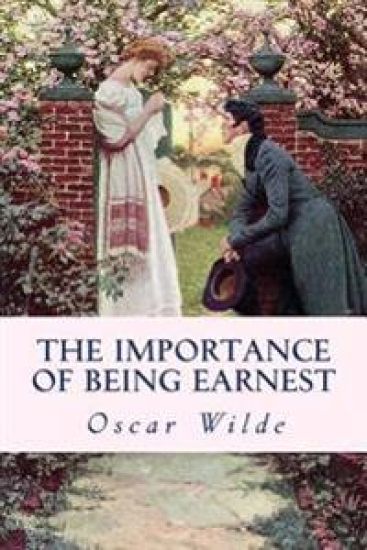
The Importance of Being Earnest, A Trivial Comedy for Serious People is a play by Oscar Wilde. First performed on 14 February 1895 at the St James's Theatre in London, it is a farcical comedy in which the protagonists maintain fictitious person in order to escape burdensome social obligations. Working within the social conventions of late Victorian London, the play's major themes are the triviality with which it treats institutions as serious as marriage, and the resulting satire of Victorian ways.
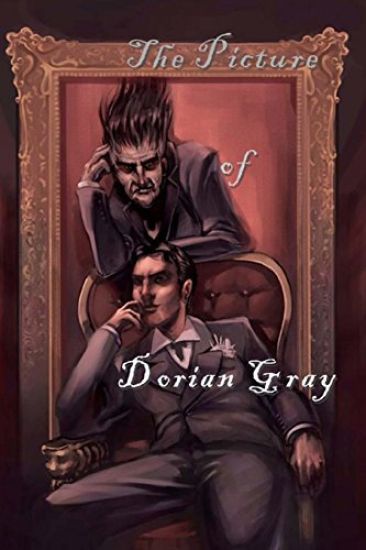
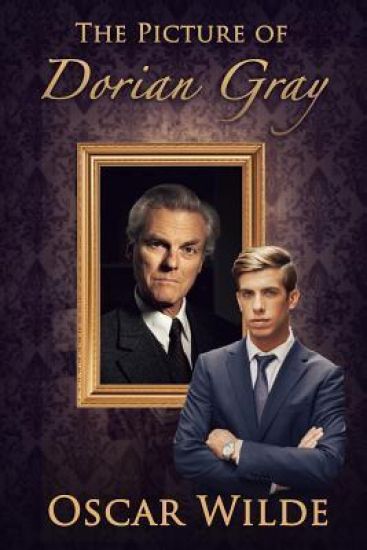
The Picture of Dorian Gray is the only published novel by Oscar Wilde, appearing as the lead story in Lippincott's Monthly Magazine on 20 June 1890, printed as the July 1890 issue of this magazine. The magazine's editors feared the story was indecent as submitted, so they censored roughly 500 words, without Wilde's knowledge, before publication. Even still, the story was greeted with outrage by British reviewers, some of whom suggested that Wilde should be prosecuted on moral grounds, leading Wilde to defend the novel aggressively in letters to the British press. Wilde later revised the story for book publication, making substantial alterations, deleting controversial passages, adding new chapters and including an aphoristic Preface which has since become famous in its own right. The amended version was published by Ward, Lock and Company in April 1891. Some scholars believe that Wilde would today have wanted us to read the version he originally submitted to Lippincott's. The novel tells of a young man named Dorian Gray, the subject of a painting by artist Basil Hallward. Basil is impressed by Dorian's beauty and becomes infatuated with him, believing his beauty is responsible for a new mode in his art. Dorian meets Lord Henry Wotton, a friend of Basil's, and becomes enthralled by Lord Henry's world view. Espousing a new hedonism, Lord Henry suggests the only things worth pursuing in life are beauty and fulfilment of the senses. Realizing that one day his beauty will fade, Dorian (whimsically) expresses a desire to sell his soul to ensure the portrait Basil has painted would age rather than he. Dorian's wish is fulfilled, and when he subsequently pursues a life of debauchery, the portrait serves as a reminder of the effect each act has upon his soul, with each sin displayed as a disfigurement of his form, or through a sign of aging. The Picture of Dorian Gray is considered a work of classic gothic fiction with a strong Faustian theme.