

Kirjailija
Richard Jefferies
Kirjat ja teokset yhdessä paikassa: 456 kirjaa, julkaisuja vuosilta 1885–2026, suosituimpiin kuuluu Visions of Collapse. Early Dystopias and the Fragility of Civilization. Vertaile teosten hintoja ja tarkista saatavuus suomalaisista kirjakaupoista.
456 kirjaa
Kirjojen julkaisuvuodet: 1885–2026.

גרין ראַשאַז, לאַנג און דיק, שטייענדיק אַרויף אויבן די ברעג פון די דיטש, דערציילט די שעה פון די יאָר ווי דיסטינגקטלי ווי די שאָטן אויף די רעדל די שעה פון די טאָג. גרין און דיק און סאַפּי צו די פאַרבינדן, זיי פּעלץ ווי זומער, ווייך און גומע, ווי פול פון לעבן, נאָר ראַשאַז כאָטש זיי זענען געווען. אויף די פינגער זיי לינקס אַ גרין רייעך; ראַשאַז האָבן אַ באַזונדער גערוך פון גרין, אַזוי אויך פערנז זענען זייער אַנדערש פון גראָז אָדער בלעטער. רייזינג פון ברוין שיידז, די הויך סטעמס ענלאַרגעד אַ ביסל אין די מיטל, ווי קלאסישע שפאלטן, און שווער מיט זייער זאַפט און פרעשנאַס, לינד קעגן די כאָטאָרן ספּרייז. פֿון דער ערד האָבן זיי געצויגן זייַן נעץ און טרוקן די דיטש; עטלעכע פון די זיסקייַט פון די לופט איז אריין אין זייער פייבערז, און די ראַשאַז - דער פּראָסט ראַשאַז - געווען פול פון שיין זומער. די ווייסע שטויב פון פרי גראָז גראָוינג אויף דעם ברעג איז דאַסטיד פון זיי יעדער מאָל די כאָטאָרן טייג זענען אויפגעטרייסלט דורך אַ טרוש. די נידעריקער שפּריץ געקומען אַראָפּ צווישן די גראָז, און בלעטער און גראָז-בלאַדעס גערירט.
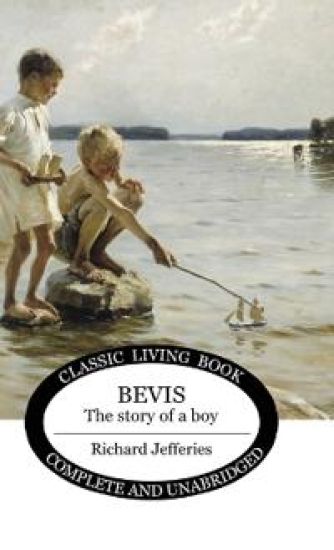
Bevis is a charming tale of boyhood adventure. An inspiration for Arthur Ransom and Swallows and Amazons, the story follows Bevis and Mark as they explore the woods and ponds around them. Inspired by The Odyssey as the Blacketts are by Treasure Island their adventures take them from building rafts to reenacting battles, exploring, hunting, and fishing to making their own guns. A perfect read for those who loved to play explorer or fight imaginary wars as children, Bevis evokes a time gone by. This edition is presented complete and unabridged.
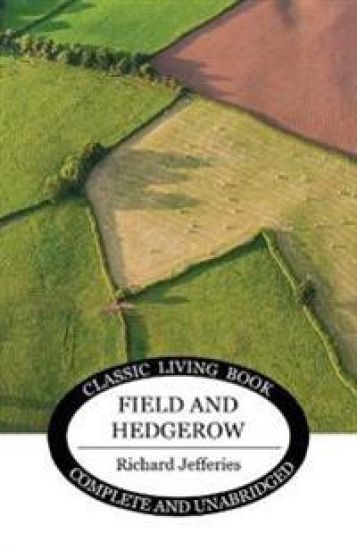
"The Life of the Fields" and "Field and Hedgerow," by Richard Jefferies, are delightful books for lover of the country. - The Parents' Review"A July fly went sideways over the long grass. His wings made a burr about him like a net, beating so fast they wrapped him round with a cloud. Every now and then, as he flew over the trees of grass, a taller one than common stopped him, and there he clung, and then the eye had time to see the scarlet spots-the loveliest colour-on his wings. The wind swung the bennet and loosened his hold, and away he went again over the grasses, and not one jot did he care if they were Poa or Festuca, or Bromus or Hordeum, or any other name. Names were nothing to him; all he had to do was to whirl his scarlet spots about in the brilliant sun, rest when he liked, and go on again. I wonder whether it is a joy to have bright scarlet spots, and to be clad in the purple and gold of life; is the colour felt by the creature that wears it?" - from The July Grass.
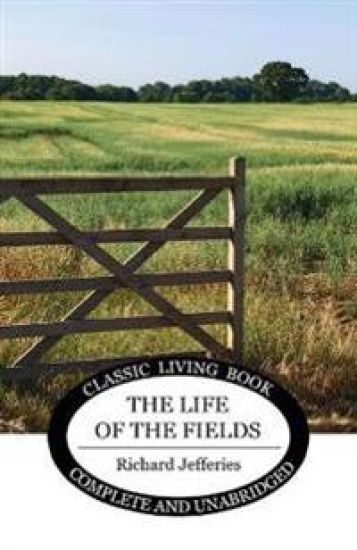
"The Life of the Fields" and "Field and Hedgerow," by Richard Jefferies, are delightful books for lover of the country. - The Parents' Review"The lost leaves measure our years; they are gone as the days are gone, and the bare branches silently speak of a new year, slowly advancing to its buds, its foliage, and fruit. Deciduous trees associate with human life as this yew never can. Clothed in its yellowish-green needles, its tarnished green, it knows no hope or sorrow; it is indifferent to winter, and does not look forward to summer. With their annual loss of leaves, and renewal, oak and elm and ash and beech seem to stand by us and to share our thoughts." This collection includes descriptions of the life and changes in the environment around him as well as the author's thoughts on life in the late 1800s, his musings about nature, and many other subjects.
Bevis is a charming tale of boyhood adventure. An inspiration for Arthur Ransom and Swallows and Amazons, the story follows Bevis and Mark as they explore the woods and ponds around them. Inspired by The Odyssey as the Blacketts are by Treasure Island their adventures take them from building rafts to reenacting battles, exploring, hunting, and fishing to making their own guns. A perfect read for those who loved to play explorer or fight imaginary wars as children, Bevis evokes a time gone by. This edition is presented complete and unabridged.
"The Life of the Fields" and "Field and Hedgerow," by Richard Jefferies, are delightful books for lover of the country. - The Parents' Review"The lost leaves measure our years; they are gone as the days are gone, and the bare branches silently speak of a new year, slowly advancing to its buds, its foliage, and fruit. Deciduous trees associate with human life as this yew never can. Clothed in its yellowish-green needles, its tarnished green, it knows no hope or sorrow; it is indifferent to winter, and does not look forward to summer. With their annual loss of leaves, and renewal, oak and elm and ash and beech seem to stand by us and to share our thoughts." This collection includes descriptions of the life and changes in the environment around him as well as the author's thoughts on life in the late 1800s, his musings about nature, and many other subjects.
"The Life of the Fields" and "Field and Hedgerow," by Richard Jefferies, are delightful books for lover of the country. - The Parents' Review"A July fly went sideways over the long grass. His wings made a burr about him like a net, beating so fast they wrapped him round with a cloud. Every now and then, as he flew over the trees of grass, a taller one than common stopped him, and there he clung, and then the eye had time to see the scarlet spots-the loveliest colour-on his wings. The wind swung the bennet and loosened his hold, and away he went again over the grasses, and not one jot did he care if they were Poa or Festuca, or Bromus or Hordeum, or any other name. Names were nothing to him; all he had to do was to whirl his scarlet spots about in the brilliant sun, rest when he liked, and go on again. I wonder whether it is a joy to have bright scarlet spots, and to be clad in the purple and gold of life; is the colour felt by the creature that wears it?" - from The July Grass.
Wild Life In A Southern County has been considered by academicians and scholars of great significance and value to literature. This forms a part of the knowledge base for future generations. So that the book is never forgotten we have represented this book in a print format as the same form as it was originally first published. Hence any marks or annotations seen are left intentionally to preserve its true nature.
Bevis lives on a farm near a small lake where he often escapes into the garden and fields where he comes in contact with the country's birds and animals. These creatures and even the stream and wind can speak to him. Part a description of a child's interaction with the natural world, part animal fable as the creatures revolt against the local tyrant magpie, Wood Magic's descriptions of nature, wildlife, and domestic animals are beautifully and keenly observed.
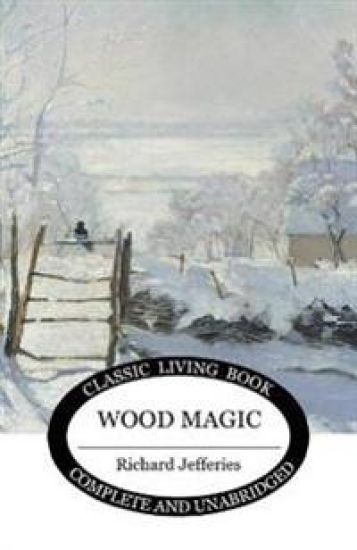
Bevis lives on a farm near a small lake where he often escapes into the garden and fields where he comes in contact with the country's birds and animals. These creatures and even the stream and wind can speak to him. Part a description of a child's interaction with the natural world, part animal fable as the creatures revolt against the local tyrant magpie, Wood Magic's descriptions of nature, wildlife, and domestic animals are beautifully and keenly observed.
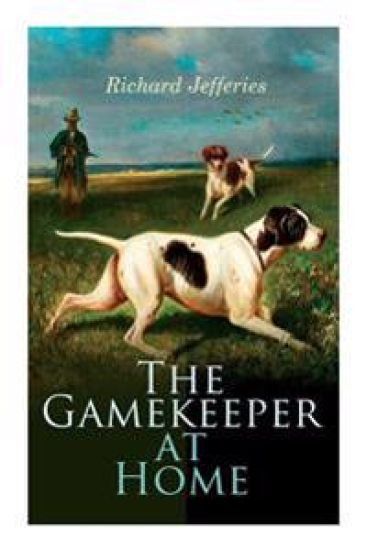

After some sudden and unspecified catastrophe has depopulated England, the countryside reverts to nature, and the few survivors to a quasi-medieval way of life. Fields are becoming overrun by forest, domesticated animals are running wild, roads and towns are becoming overgrown, and the hated London is reverting to lake and poisonous swampland.

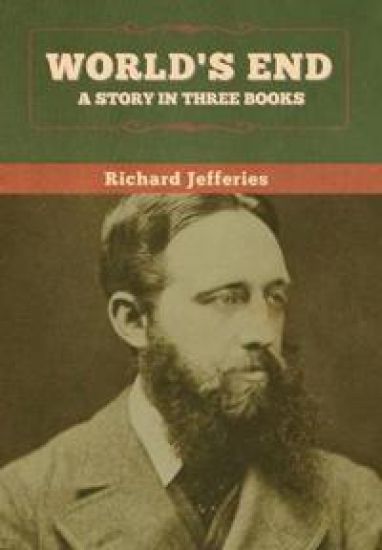
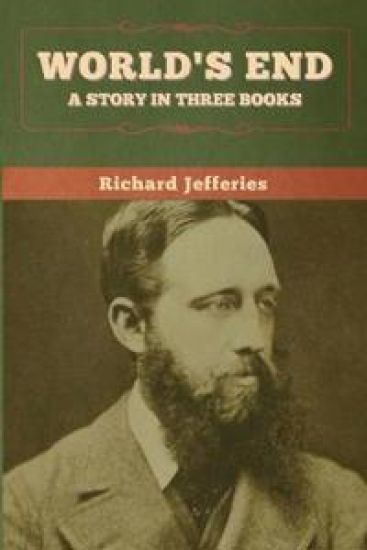
John Richard Jefferies (6 November 1848 - 14 August 1887) was an English nature writer, noted for his depiction of English rural life in essays, books of natural history, and novels. His childhood on a small Wiltshire farm had a great influence on him and provides the background to all his major works of fiction. Jefferies's corpus of writings covers a range of genres and topics, including Bevis (1882), a classic children's book, and After London (1885), a work of science fiction. For much of his adult life he suffered from tuberculosis, and his struggles with the illness and with poverty also play a role in his writing. Jefferies valued and cultivated an intensity of feeling in his experience of the world around him, a cultivation that he describes in detail in The Story of My Heart (1883). This work, an introspective depiction of his thoughts and feelings about the world, gained him the reputation of a nature mystic at the time, but it is his success in conveying his awareness of nature and people within it, both in his fiction and in essay collections such as The Amateur Poacher (1879) and Round About a Great Estate (1880), that has drawn most admirers. Walter Besant wrote of his reaction on first reading Jefferies: "Why, we must have been blind all our lives; here were the most wonderful things possible going on under our very noses, but we saw them not." (wikipedia.org)
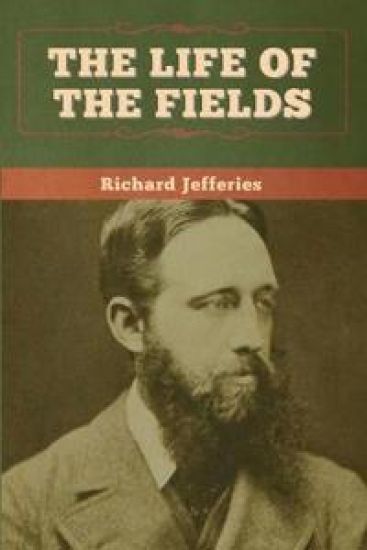
John Richard Jefferies (6 November 1848 - 14 August 1887) was an English nature writer, noted for his depiction of English rural life in essays, books of natural history, and novels. His childhood on a small Wiltshire farm had a great influence on him and provides the background to all his major works of fiction. Jefferies's corpus of writings covers a range of genres and topics, including Bevis (1882), a classic children's book, and After London (1885), a work of science fiction. For much of his adult life he suffered from tuberculosis, and his struggles with the illness and with poverty also play a role in his writing. Jefferies valued and cultivated an intensity of feeling in his experience of the world around him, a cultivation that he describes in detail in The Story of My Heart (1883). This work, an introspective depiction of his thoughts and feelings about the world, gained him the reputation of a nature mystic at the time, but it is his success in conveying his awareness of nature and people within it, both in his fiction and in essay collections such as The Amateur Poacher (1879) and Round About a Great Estate (1880), that has drawn most admirers. Walter Besant wrote of his reaction on first reading Jefferies: "Why, we must have been blind all our lives; here were the most wonderful things possible going on under our very noses, but we saw them not." (wikipedia.org)
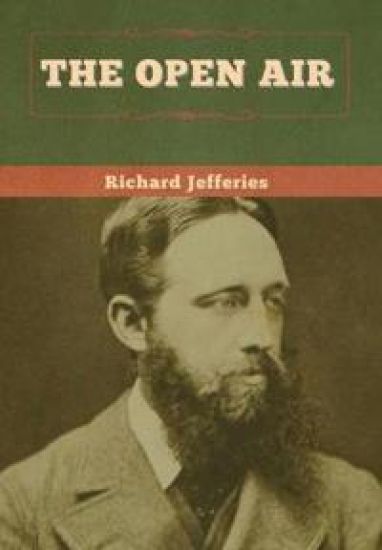
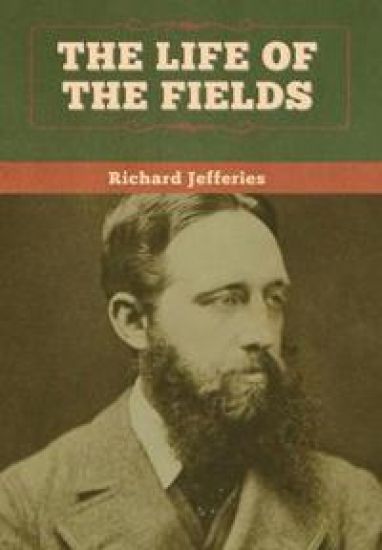
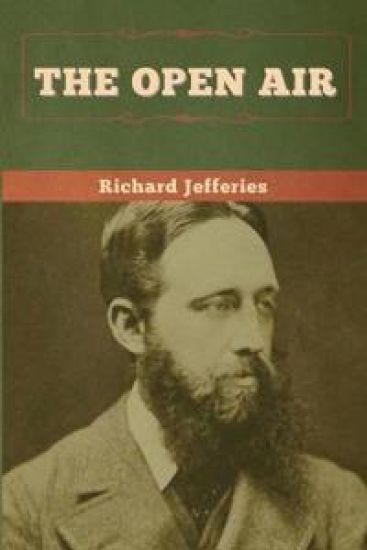
John Richard Jefferies (6 November 1848 - 14 August 1887) was an English nature writer, noted for his depiction of English rural life in essays, books of natural history, and novels. His childhood on a small Wiltshire farm had a great influence on him and provides the background to all his major works of fiction. Jefferies's corpus of writings covers a range of genres and topics, including Bevis (1882), a classic children's book, and After London (1885), a work of science fiction. For much of his adult life he suffered from tuberculosis, and his struggles with the illness and with poverty also play a role in his writing. Jefferies valued and cultivated an intensity of feeling in his experience of the world around him, a cultivation that he describes in detail in The Story of My Heart (1883). This work, an introspective depiction of his thoughts and feelings about the world, gained him the reputation of a nature mystic at the time, but it is his success in conveying his awareness of nature and people within it, both in his fiction and in essay collections such as The Amateur Poacher (1879) and Round About a Great Estate (1880), that has drawn most admirers. Walter Besant wrote of his reaction on first reading Jefferies: "Why, we must have been blind all our lives; here were the most wonderful things possible going on under our very noses, but we saw them not." (wikipedia.org)