Kirjailija
Richard Jefferies
Kirjat ja teokset yhdessä paikassa: 456 kirjaa, julkaisuja vuosilta 1885–2026, suosituimpiin kuuluu Visions of Collapse. Early Dystopias and the Fragility of Civilization. Vertaile teosten hintoja ja tarkista saatavuus suomalaisista kirjakaupoista.
456 kirjaa
Kirjojen julkaisuvuodet: 1885–2026.
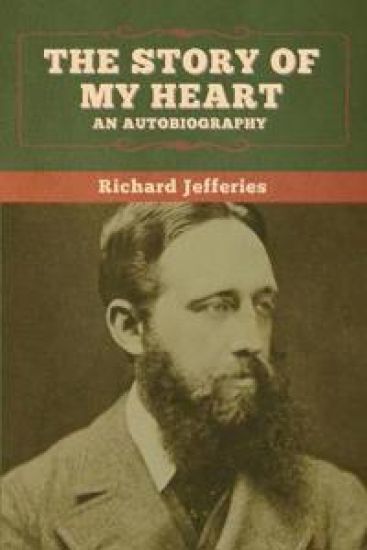
John Richard Jefferies (6 November 1848 - 14 August 1887) was an English nature writer, noted for his depiction of English rural life in essays, books of natural history, and novels. His childhood on a small Wiltshire farm had a great influence on him and provides the background to all his major works of fiction. Jefferies's corpus of writings covers a range of genres and topics, including Bevis (1882), a classic children's book, and After London (1885), a work of science fiction. For much of his adult life he suffered from tuberculosis, and his struggles with the illness and with poverty also play a role in his writing. Jefferies valued and cultivated an intensity of feeling in his experience of the world around him, a cultivation that he describes in detail in The Story of My Heart (1883). This work, an introspective depiction of his thoughts and feelings about the world, gained him the reputation of a nature mystic at the time, but it is his success in conveying his awareness of nature and people within it, both in his fiction and in essay collections such as The Amateur Poacher (1879) and Round About a Great Estate (1880), that has drawn most admirers. Walter Besant wrote of his reaction on first reading Jefferies: "Why, we must have been blind all our lives; here were the most wonderful things possible going on under our very noses, but we saw them not." (wikipedia.org)
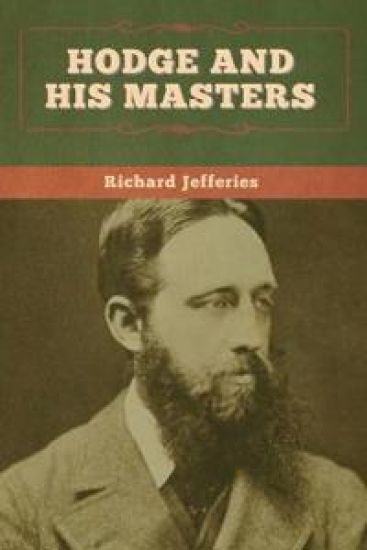
John Richard Jefferies (6 November 1848 - 14 August 1887) was an English nature writer, noted for his depiction of English rural life in essays, books of natural history, and novels. His childhood on a small Wiltshire farm had a great influence on him and provides the background to all his major works of fiction. Jefferies's corpus of writings covers a range of genres and topics, including Bevis (1882), a classic children's book, and After London (1885), a work of science fiction. For much of his adult life he suffered from tuberculosis, and his struggles with the illness and with poverty also play a role in his writing. Jefferies valued and cultivated an intensity of feeling in his experience of the world around him, a cultivation that he describes in detail in The Story of My Heart (1883). This work, an introspective depiction of his thoughts and feelings about the world, gained him the reputation of a nature mystic at the time, but it is his success in conveying his awareness of nature and people within it, both in his fiction and in essay collections such as The Amateur Poacher (1879) and Round About a Great Estate (1880), that has drawn most admirers. Walter Besant wrote of his reaction on first reading Jefferies: "Why, we must have been blind all our lives; here were the most wonderful things possible going on under our very noses, but we saw them not." (wikipedia.org)
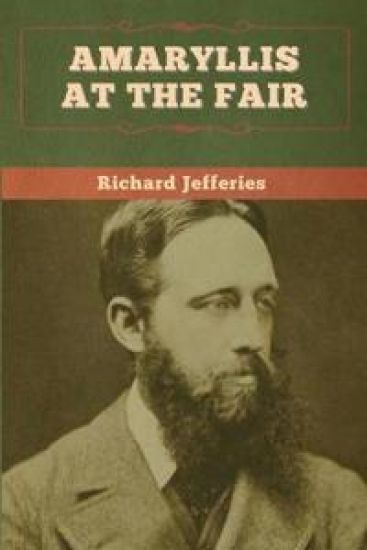
John Richard Jefferies (6 November 1848 - 14 August 1887) was an English nature writer, noted for his depiction of English rural life in essays, books of natural history, and novels. His childhood on a small Wiltshire farm had a great influence on him and provides the background to all his major works of fiction. Jefferies's corpus of writings covers a range of genres and topics, including Bevis (1882), a classic children's book, and After London (1885), a work of science fiction. For much of his adult life he suffered from tuberculosis, and his struggles with the illness and with poverty also play a role in his writing. Jefferies valued and cultivated an intensity of feeling in his experience of the world around him, a cultivation that he describes in detail in The Story of My Heart (1883). This work, an introspective depiction of his thoughts and feelings about the world, gained him the reputation of a nature mystic at the time, but it is his success in conveying his awareness of nature and people within it, both in his fiction and in essay collections such as The Amateur Poacher (1879) and Round About a Great Estate (1880), that has drawn most admirers. Walter Besant wrote of his reaction on first reading Jefferies: "Why, we must have been blind all our lives; here were the most wonderful things possible going on under our very noses, but we saw them not." (wikipedia.org)
John Richard Jefferies (6 November 1848 - 14 August 1887) was an English nature writer, noted for his depiction of English rural life in essays, books of natural history, and novels. His childhood on a small Wiltshire farm had a great influence on him and provides the background to all his major works of fiction. Jefferies's corpus of writings covers a range of genres and topics, including Bevis (1882), a classic children's book, and After London (1885), a work of science fiction. For much of his adult life he suffered from tuberculosis, and his struggles with the illness and with poverty also play a role in his writing. Jefferies valued and cultivated an intensity of feeling in his experience of the world around him, a cultivation that he describes in detail in The Story of My Heart (1883). This work, an introspective depiction of his thoughts and feelings about the world, gained him the reputation of a nature mystic at the time, but it is his success in conveying his awareness of nature and people within it, both in his fiction and in essay collections such as The Amateur Poacher (1879) and Round About a Great Estate (1880), that has drawn most admirers. Walter Besant wrote of his reaction on first reading Jefferies: "Why, we must have been blind all our lives; here were the most wonderful things possible going on under our very noses, but we saw them not." (wikipedia.org)
John Richard Jefferies (6 November 1848 - 14 August 1887) was an English nature writer, noted for his depiction of English rural life in essays, books of natural history, and novels. His childhood on a small Wiltshire farm had a great influence on him and provides the background to all his major works of fiction. Jefferies's corpus of writings covers a range of genres and topics, including Bevis (1882), a classic children's book, and After London (1885), a work of science fiction. For much of his adult life he suffered from tuberculosis, and his struggles with the illness and with poverty also play a role in his writing. Jefferies valued and cultivated an intensity of feeling in his experience of the world around him, a cultivation that he describes in detail in The Story of My Heart (1883). This work, an introspective depiction of his thoughts and feelings about the world, gained him the reputation of a nature mystic at the time, but it is his success in conveying his awareness of nature and people within it, both in his fiction and in essay collections such as The Amateur Poacher (1879) and Round About a Great Estate (1880), that has drawn most admirers. Walter Besant wrote of his reaction on first reading Jefferies: "Why, we must have been blind all our lives; here were the most wonderful things possible going on under our very noses, but we saw them not." (wikipedia.org)
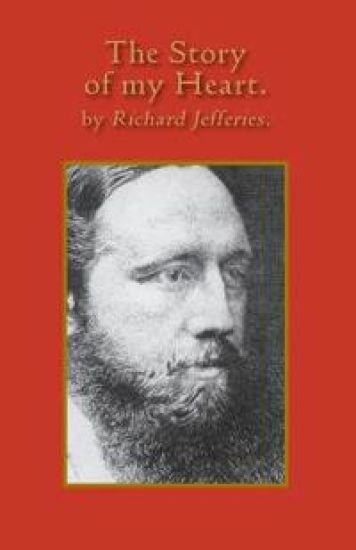
Richard Jefferies (1848-1887) was a naturalist, novelist and social commentator. A perceptive observer of human and animal life, in countryside and town, his sensitive, exquisite writing has always been cherished and admired. In 1883, towards the end of his short life, he set down in this spiritual autobiography his heartfelt philosophy of mankind's place in the natural world. Wayward in places, but always beautifully phrased and meticulously observed - whether describing the hills of his native Wiltshire or the bustle of a London street - this visionary Victorian classic has taken on a new relevance for a world facing unprecedented ecological challenges.
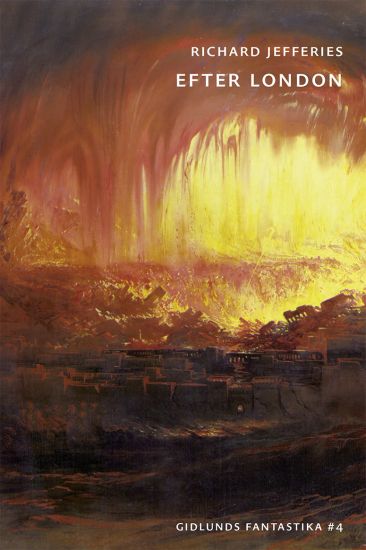
Richard Jefferies (1848-1887) var en på sin tid högt skattad författare, vars verk främst handlade om den engelska landsbygden ur många olika synvinklar. Ett par år före hans tidiga död i tuberkulos gav han ut After London; Or, Wild England, en skildring av en avlägsen framtid när en naturkatastrof totalt ändrat förutsättningarna för livet i England. Boken kom att inspirera åtskilliga andra författare av framtidsskildringar. #4 i Gidlunds serie Fantastika.

The Natural History of Selborne
Richard Jefferies; Gilbert White; William Markwick
Hansebooks
2020
nidottu
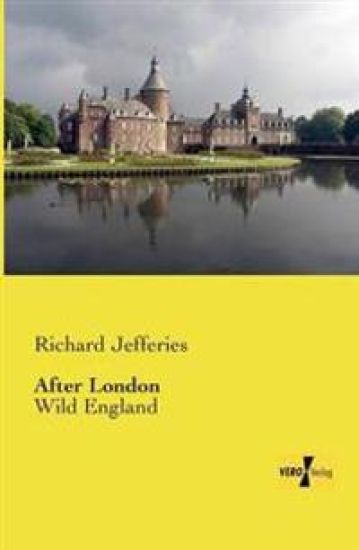

After some sudden and unspecified catastrophe has depopulated England, the countryside reverts to nature, and the few survivors to a quasi-medieval way of life. Beginning with a loving description of nature reclaiming England -- fields becoming overrun by forest, domesticated animals running wild, roads and towns becoming overgrown, the hated London reverting to lake and poisonous swampland -- the rest of the story is an adventure set many years later in the wild landscape... We are happy to announce this classic book. Many of the books in our collection have not been published for decades and are therefore not broadly available to the readers. Our goal is to access the very large literary repository of general public books. The main contents of our entire classical books are the original works. To ensure high quality products, all the titles are chosen carefully by our staff. We hope you enjoy this classic.

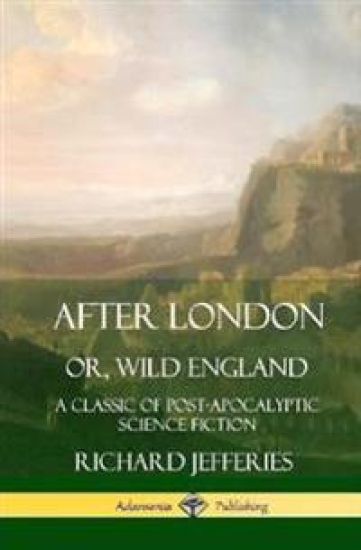
After London, Or, Wild England: A Classic of Post-Apocalyptic Science Fiction (Hardcover)
Richard Jefferies
Lulu.com
2019
sidottu
This sci-fi classic depicts a London destroyed by a cataclysmic event, with the remnants of England's population beginning a primitive society in the countryside. With a background in studying the rural regions of England, professional naturalist turned novelist Richard Jefferies took to authoring a story that imagined a world in which nature emerges victorious over the encroaching industrialized world. London - the epicentre of urban activity and industrial progress - undergoes a disaster which wipes its human population, and much of England's, from existence. Jefferies investigates the aftermath of the disaster, as communities of people begin to form anew. The traces of London are gradually subsumed by nature, its ruined buildings worn away by water, plants and trees rising to reclaim the land upon which the metropolis sat. By contrast nature and man flourish anew in a mostly harmonious partnership.
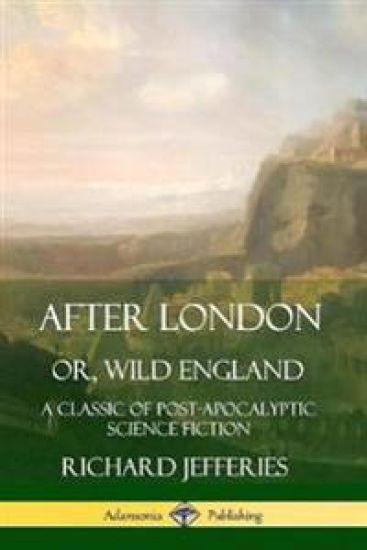
After London, Or, Wild England: A Classic of Post-Apocalyptic Science Fiction
Richard Jefferies
Lulu.com
2019
nidottu
This sci-fi classic depicts a London destroyed by a cataclysmic event, with the remnants of England's population beginning a primitive society in the countryside. With a background in studying the rural regions of England, professional naturalist turned novelist Richard Jefferies took to authoring a story that imagined a world in which nature emerges victorious over the encroaching industrialized world. London - the epicentre of urban activity and industrial progress - undergoes a disaster which wipes its human population, and much of England's, from existence. Jefferies investigates the aftermath of the disaster, as communities of people begin to form anew. The traces of London are gradually subsumed by nature, its ruined buildings worn away by water, plants and trees rising to reclaim the land upon which the metropolis sat. By contrast nature and man flourish anew in a mostly harmonious partnership.