Kirjojen hintavertailu – 12 859 828 kirjaa ja 27 kauppaa

Kirjailija

Richard Taylor

Kirjat ja teokset yhdessä paikassa: 167 kirjaa, julkaisuja vuosilta 1979–2026, suosituimpiin kuuluu Social Work. Vertaile teosten hintoja ja tarkista saatavuus suomalaisista kirjakaupoista.

167 kirjaa

Kirjojen julkaisuvuodet: 1979–2026.

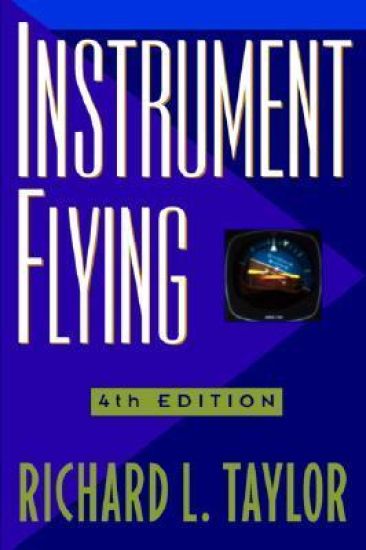
Instrument Flying

Instrument Flying

Richard Taylor

McGraw-Hill Professional
1997
sidottu
Publisher's Note: Products purchased from Third Party sellers are not guaranteed by the publisher for quality, authenticity, or access to any online entitlements included with the product. The fourth edition of the perennial best-seller. Fully updated, with everything the private pilot needs to know about flying IFR, such as handling emergencies, filing flight plans, understanding IFR communications, navigating, and flying more efficiently. Polish and improve your instrument-flight skills with the proficiency exercises. Glossary of aviation terms included.
Restoring Pride

Restoring Pride

Richard Taylor

Prometheus Books
1995
sidottu
The ideas put forth in Restoring Pride will seem, to many readers, elitist. That's because they are. Richard Taylor rejects the popular notion that all people are equal, embracing instead the idea that some people are simply better than others as human beings. Their superiority has nothing to do with class, power, or wealth; they are better because they are gifted and have made the most of their gifts. Taylor doesn't try to be politically correct and makes no apologies; he explains what it means to be more than normal and encourages people to fulfill their potential. Pride, according to Taylor, is the justified love of oneself for having achieved personal excellence. People who use their natural gifts for significant and lasting achievements have the right to be proud of themselves. Furthermore, virtually everyone is in some way gifted. Some people hone their talents and better themselves while others follow paths that are easy, pleasant, common. People who fail to nourish and perfect their talents, who do only what is expected of them, are wasting their lives. We all have gifts and we need to identify them and excel in the areas in which we're gifted. Put another way, figure out what you're good at . . . and do it. Superior people, people who are justifiably proud, are not concerned with what others think of them, but with how they measure up in their own eyes. They are their own most demanding judges. Although proud people set their own standards higher, and make their own rules stricter than those others might subject them to, there is a rule of conduct that must guide their relations with other people: be considerate. If they adhere to this maxim when dealing with friends or strangers, with great and powerful people or people unknown, they will need no other rule of right and wrong. Taylor's definition of pride leaves no room for conceit. Arrogance and self-centered behavior, he believes, have no place in the lives of the proud.

The Film Factory

The Film Factory

Ian Christie; Richard Taylor

Routledge
1994
nidottu
The Film Factory provides a comprehensive documentary history of Russian and Soviet cinema. It provokes a major reassessment of conventional Western understanding of Soviet cinema. Based on extensive research and in original translation, the documents selected illustrate both the aesthetic and political development of Russian and Soviet cinema, from its beginnings as a fairground novelty in 1896 to its emergence as a mass medium of entertainment and propaganda on the eve of World War II.
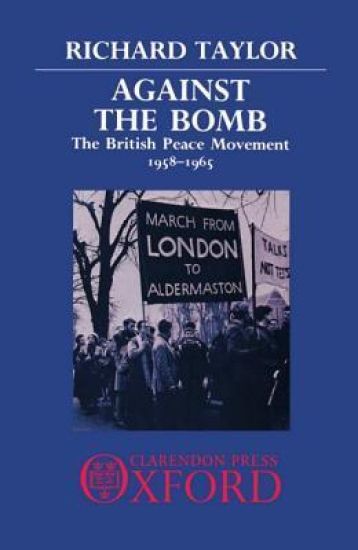
Against the Bomb

Against the Bomb

Richard Taylor

Clarendon Press
1988
sidottu
The nuclear disarmament movement of the late '50s and early '60s was one of the largest and arguably one of the most significant, extra-parliamentary movements ever seen in modern Britain. A whole new style and conception of politics was born through this first anti-nuclear movement, and the subsequent radicalism of the '60s and '70s has its roots here. The movement was extraordinarily diverse and rich in its constituencies of support and complex in its ideological make-up. Thus anarchists, communists, and Trotskyists rubbed shoulders with Christians, liberals, members of the Labour party, and 'ordinary apolitical people', most of whom found in the movement a means by which they could articulate their growing fear and anxiety about the seemingly inexorable arms race, and the horror of nuclear war. Dr Taylor analyses the perceptions of these groups in detail and explains how and why they differed. This is the first comprehensive study of the movement to make use of a wide range of contemporary material, and the first to present in detail the previously unrecorded views and analyses of more than twenty of the leading figures of the movement some twenty-five years on. Although he provides a wealth of historical detail, Dr Taylor's approach is primarily political and analytical, and his examination of this first mass movement of its kind will be relevant to all those concerned about nuclear proliferation, as well as to courses in politics, sociology, modern history and peace studies.