
Kirjailija
Richard Wilhelm
Kirjat ja teokset yhdessä paikassa: 64 kirjaa, julkaisuja vuosilta 1928–2026, suosituimpiin kuuluu I Ching. Vertaile teosten hintoja ja tarkista saatavuus suomalaisista kirjakaupoista.
64 kirjaa
Kirjojen julkaisuvuodet: 1928–2026.
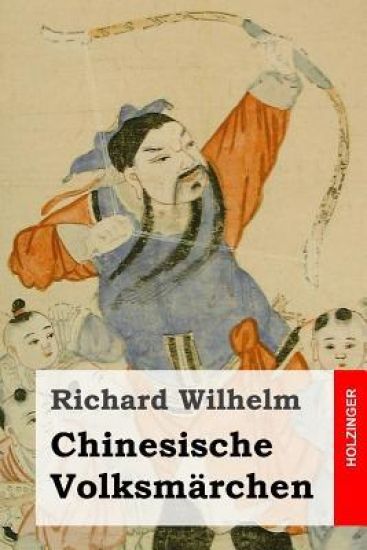
Richard Wilhelm: Chinesische Volksm rchen Edition Holzinger. Taschenbuch Berliner Ausgabe, 2014, 3. Auflage Vollst ndiger, durchgesehener Neusatz bearbeitet und eingerichtet von Michael Holzinger Jena: Eugen Diederich, 1914. Textgrundlage ist die Ausgabe: Wilhelm, Richard: Chinesische Volksm rchen. bersetzt und eingeleitet von -, mit 23 Wiedergaben chinesischer Holzschnitte, Jena: Eugen Diederich, 1914. Herausgeber der Reihe: Michael Holzinger Reihengestaltung: Viktor Harvion Gesetzt aus Minion Pro, 11 pt.



First Published in 1999. This ancient Chinese manual of spiritual alchemy was brought to the West in translation by missionary and theologian Richard Wilhelm who is assisted in this book by Carl Jung. Averse to the blind aping of oriental ways, Jung suggests that Eastern treasures are best used to enrich our understanding of the work we have to do on ourselves and our culture.


El secreto de la flor de oro
Richard Wilhelm; Carl Gustav Jung
Createspace Independent Publishing Platform
2012
nidottu
El secreto de la Flor de Oro es una obra tao sta china sobre meditaci n, que fue traducida por Richard Wilhelm. Wilhelm era amigo del psic logo Carl Gustav Jung. A pesar de la diversidad de impresiones, interpretaci n y opini n expresadas por Wilhelm y Jung, la t cnica de meditaci n descrita en El Secreto de la Flor De oro es una t cnica sencilla, silenciosa (la descripci n del libro de meditaci n ha sido caracterizada como Zen con detalles). La t cnica de meditaci n, enunciada en lenguaje po tico, se reduce a una f rmula sobre la postura, la respiraci n y la contemplaci n. La postura principalmente se relaciona con una posici n recta. El camino de la energ a asociado con la respiraci n ha sido descrito como semejante a una rueda interna alineada verticalmente con la columna vertebral. Cuando la respiraci n es constante, la rueda gira hacia adelante, con la energ a vital aumentando en la espalda y descendiendo en el frente. Malos h bitos de respiraci n (o mala postura, o incluso malos pensamientos) pueden ocasionar que la rueda no gire, o retroceda, inhibiendo la circulaci n de la energ a vital esencial. En contemplaci n, se observan los pensamientos como van surgiendo y retrocediendo.
Confucius and Confucianism
Richard Wilhelm; George Henry (TRN) Danton; Annina Periam (TRN) Danton
Kessinger Pub
2008
sidottu

Confucius and Confucianism
Richard Wilhelm; George Henry (TRN) Danton; Annina Periam (TRN) Danton
Kessinger Pub
2007
pokkari
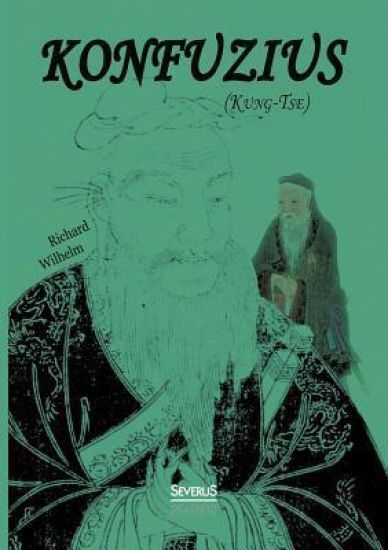
First published in 1931. This re-issues the edition of 1972. This translation and Wilhelm's invaluable commentaries provide a concise and readable survey of Confucius, the man and his teachings. This volume translates The Life of Confucius from an ancient Chinese text, the Shih Chi, or The Historical Records by Sse-Ma Ch'ien, dating from the turn of the second century B. C.

First Published in 1999. This ancient Chinese manual of spiritual alchemy was brought to the West in translation by missionary and theologian Richard Wilhelm who is assisted in this book by Carl Jung. Averse to the blind aping of oriental ways, Jung suggests that Eastern treasures are best used to enrich our understanding of the work we have to do on ourselves and our culture.
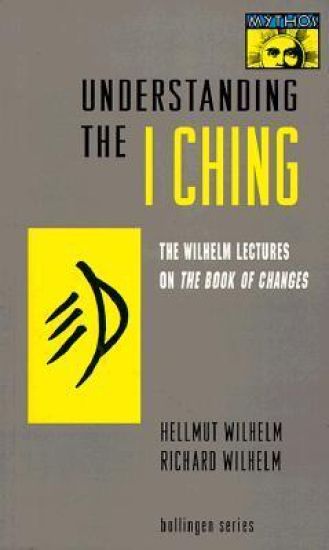
Understanding the I Ching: The Wilhelm Lectures on the Book of Changes
Hellmut Wilhelm; Richard Wilhelm
PRINCETON UNIVERSITY PRESS
1995
nidottu
The West's foremost translator of the I Ching, Richard Wilhelm thought deeply about how contemporary readers could benefit from this ancient work and its perennially valid insights into change and chance. For him and for his son, Hellmut Wilhelm, the Book of Changes represented not just a mysterious book of oracles or a notable source of the Taoist and Confucian philosophies. In their hands, it emerges, as it did for C. G. Jung, as a vital key to humanity's age-old collective unconscious. Here the observations of the Wilhelms are combined in a volume that will reward specialists and aficionados with its treatment of historical context--and that will serve also as an introduction to the I Ching and the meaning of its famous hexagrams.