

Kirjailija
Serhii Plokhy
Kirjat ja teokset yhdessä paikassa: 65 kirjaa, julkaisuja vuosilta 2001–2027, suosituimpiin kuuluu Chernobyl : The History of a Nuclear Catastrophe. Vertaile teosten hintoja ja tarkista saatavuus suomalaisista kirjakaupoista.
65 kirjaa
Kirjojen julkaisuvuodet: 2001–2027.
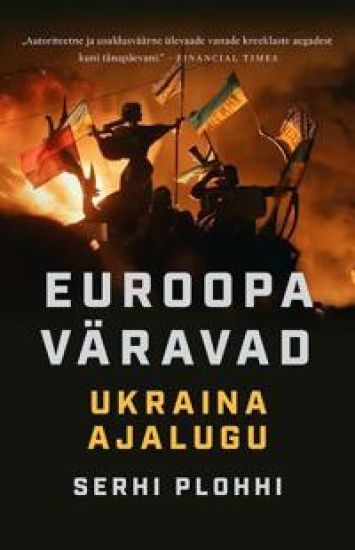
Ukraina võitleb elu ja surma peale Venemaaga, et säilitada oma territoriaalne terviklikkus ja poliitiline sõltumatus. Ent praegune konflikt on lihtsalt kõige viimane pikas Ukraina alade ja suveräänsuse pärast peetud lahingute ajaloos. Ajaloolane Serhi Plohhi kinnitab raamatus "Euroopa väravad", et Ukraina olevikust ja tulevikust arusaamiseks peame uurima selle maa minevikku. Kesk-Euroopa, Venemaa ja Lähis-Ida vahel asuvat Ukrainat on vorminud impeeriumid, mis kasutasid seda ala ida ja lääne vahelise strateegilise väravana - alates Rooma impeeriumist ja Osmanite impeeriumist kuni Kolmanda Reichi ja Nõukogude Liiduni. Sajandite kestel on Ukraina olnud mitmesuguste eri kultuuride kohtumiskoht. Paiksete elanike ja rändrahvaste ning kristluse ja islami elementide segunemine stepi piirialal andis tulemuseks raevukate sõdalaste, kasakate seisuse, aga katoliku ja õigeusu kiriku kohtumine rajas usulise traditsiooni, mis ühendab endas lääne- ja idakristluse. Ukraina on olnud koduks ka miljonitele juutidele, seal on sündinud hassidism ning seal asus üks holokausti surmaväljasid. Plohhi vaatleb Ukraina ajaloolisi identiteediotsinguid Ukraina ajaloo oluliste tegelaste elude kaudu: Kiievi vürst Jaroslav Tark, kelle tütrest Annast sai Prantsusmaa kuninganna; kasakate valitseja Ivan Mazepa, kellele andsid oma poeemidega surematuse Byron ja Pushkin; Nikita Hrushtshov ja tema protezhee, oma eestkostja vastu tõusnud Leonid Brezhnev - kes kõik nimetasid Ukrainat oma koduks; ning 2013. ja 2014. aasta Maidani protestide kangelased, kes esindavad praegust võitlust Ukraina tuleviku pärast. Raamatus saab selgeks, et tänane kriis on ajaloo traagiline kordumine, kus Ukraina on taas kord sattunud üleilmsete mõõtmetega lahingu keskmesse. Selle olulise riigi autoriteetse ajaloona lubab "Euroopa väravad" meil paremini mõista, kust on saanud alguse kõige ohtlikum rahvusvaheline kriis alates külma sõja lõpust.
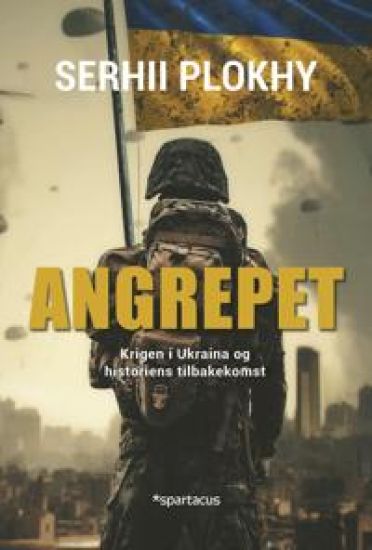
Til tross for gjentatte advarsler fra Vesten sjokkerte Russland hele verden med invasjonen av Ukraina i februar 2022. Hvorfor startet Putin krigen - og hvorfor har den utspilt seg på tidligere utenkelige måter? Ukrainerne har stått imot et overlegent russisk militære. Europa har styrket seg i kampen mot en felles fiende, mens Russland blir stadig mer isolert. Harvard-professor Serhii Plokhy tar for seg krigen, bakgrunnen, forløpet og de mulige konsekvensene. Selv om krigen begynte åtte år før fullskalaangrepet i 2022, da russerne inntok Krim i 2014, kan røttene til konflikten spores enda lengre tilbake, til post-sovjetiske spenninger og tsardømmets kollaps på begynnelsen av forrige århundre. Ved å gi en bred historisk kontekst og undersøke sentrale ideer i ukrainsk og russisk kultur, avslører Plokhy at den nye kalde krigen var forutsigbar, selv om den ikke var nødvendig. Ukraina har vært sentral i Russlands idé om seg selv, selv om ukrainerne har fulgt en annen vei enn russerne. I dagens internasjonale klima, som igjen er preget av atomvåpen-trusselen, oppløsning av den internasjonale orden og en oppblomstring av populistisk nasjonalisme, er Ukraina nå mer enn noen gang den mest ustabile bruddlinjen mellom det autoritære og det demokratiske Europa.
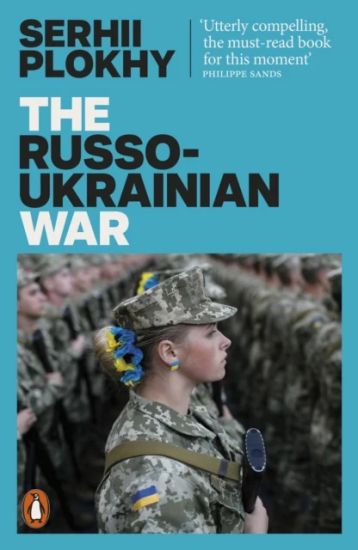
CHOSEN AS A BOOK OF THE YEAR BY THE FINANCIAL TIMES * TELEGRAPH * PROSPECT'The best account of the ongoing conflict — its preconditions and its present-day horrors' Prospect Do you know what is at stake in Ukraine? Urgent, compelling reading from the author of Chernobyl on the defining conflict of our timesOn 24 February 2022, Russia stunned the world by launching an invasion of Ukraine. In the midst of checking on the family and friends who were now on the front lines of Europe's largest conflict since the outbreak of the Second World War, acclaimed Ukrainian-American historian Serhii Plokhy inevitably found himself attempting to understand the deeper causes of the invasion, analysing its course and contemplating the wider outcomes. The Russo-Ukrainian War is the comprehensive history of a war that has burned since 2014, and that, with Russia's attempt to seize Kyiv, exploded a geo-political order that had been cemented since the end of the Cold War. With an eye for the gripping detail on the ground, both in the halls of power and down in the trenches, as well as a keen sense of the grander sweep of history, Plokhy traces the origins and the evolution of the conflict, from the collapse of the Russian empire to the rise and fall of the USSR and on to the development in Ukraine of a democratic politics. Based on decades of research and his unique insight into the region, he argues that Ukraine's defiance of Russia, and the West's demonstration of unity and strength, has presented a profound challenge to Putin's Great Power ambition, and further polarized the world along a new axis. A riveting, enlightening account, this is present-minded history at its best. BEST BOOKS OF SUMMER 2023: FINANCIAL TIMES * THE TIMES * SUNDAY TIMES CULTURE * TLS
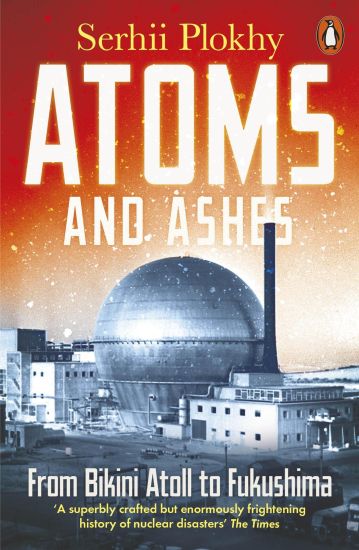
CHOSEN AS A BOOK OF THE YEAR BY SUNDAY TIMES AND HISTORY TODAY'Absolutely stunning. . . a formidable achievement. A six-part historical thriller that is essential reading for both our politicians and the ordinary citizen' Kai BirdBest-selling historian Serhii Plokhy returns with an illuminating exploration of the atomic age through the history of six nuclear disasters In 2011, a 43-foot-high tsunami crashed into a nuclear power plant in Fukushima, Japan. In the following days, explosions would rip buildings apart, three reactors would go into nuclear meltdown, and the surrounding area would be swamped in radioactive water. It is now considered one of the costliest nuclear disasters ever. But Fukushima was not the first, and it was not the worst. . . In Atoms and Ashes, acclaimed historian Serhii Plokhy tells the tale of the six nuclear disasters that shook the world: Bikini Atoll, Kyshtym, Windscale, Three Mile Island, Chernobyl and Fukushima. Based on wide-ranging research and witness testimony, Plokhy traces the arc of each crisis, exploring in depth the confused decision-making on the ground and the panicked responses of governments to contain the crises and often cover up the scale of the catastrophe. As the world increasingly looks to renewable and alternative sources of energy, Plokhy lucidly argues that the atomic risk must be understood in explicit terms, but also that these calamities reveal a fundamental truth about our relationship with nuclear technology: that the thirst for power and energy has always trumped safety and the cost for future generations.
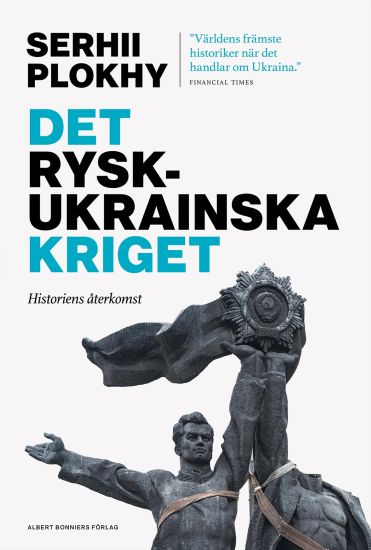
24 februari 2022 vaknade världen upp till den chockerande nyheten att Ryssland hade invaderat Ukraina. Samtidigt som historikern Serhii Plokhy försökte få fram uppgifter om vänner och släktningar som plötsligt befann sig mitt i den största konflikten i Europa sedan andra världskriget, började han att fundera på krigets verkliga orsaker och rötter. Resultatet är en heltäckande historia om en konflikt som pågått sedan 2014 och som från grunden ändrat den geopolitiska ordning som styrt Europa sedan kalla kriget gick i graven. Serhii Plokhys bok är baserad på decennier av forskning och hans unika kännedom om regionen. Det rysk-ukrainska kriget – historiens återkomst är samtidshistoria av bästa märke, skriven av en av vår tids ledande experter på området.
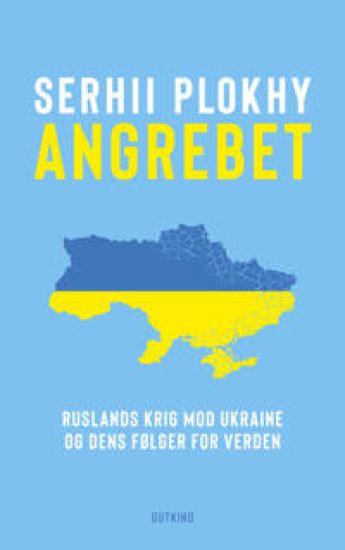
Angrebet – Ruslands krig mod Ukraine og dens følger for verden
Serhii Plokhy
Gutkind Forlag
2023
sidottu
I Angrebet – Ruslands krig mod Ukraine og dens følger for verden forklarer en af verdens ledende forskere inden for ukrainsk historie, hvorfor Rusland gik til angreb mod Ukraine, og hvordan krigen vil ændre vores verdensorden. Hvorfor angreb Rusland? Selvom Rusland i månedsvis havde oprustet militært langs den ukrainske grænse, kom det som et chok for resten af verden, da det, der har vist sig at være den største konflikt i Europa siden Anden Verdenskrig, blev indledt, 24. februar 2022. I denne højaktuelle bog giver den anerkendte historiker og østeuropaekspert Serhii Plokhy sit bud på, hvordan Ruslands krig vil ændre verdensordenen i de kommende årtier. Han fortæller om et ukrainsk folk, der på tværs af etniske, kulturelle og sproglige grænser har fundet sin identitet som frontlinjestat i den nye kolde krig, der nu begynder. Og han skitserer en global udenrigspolitik, der bevæger sig væk fra økonomisk samarbejde mod dominans, vasalstater og militær styrke – med alvorlige konsekvenser for os alle. Kun hvis Vesten erkender dette, vil vi være i stand til at hævde vores frihed også i fremtiden. Serhii Plokhy er professor i ukrainsk historie og leder for Ukrainian Research Institute ved Harvard University. Han har udgivet en række bøger og artikler om Øst-Europa, Rusland, Den kolde krig og atomalderens historie. Han er blevet tildelt en række priser for sine bøger, blandt andet Lionel Gerber-prisen og Baillie Gifford-prisen.

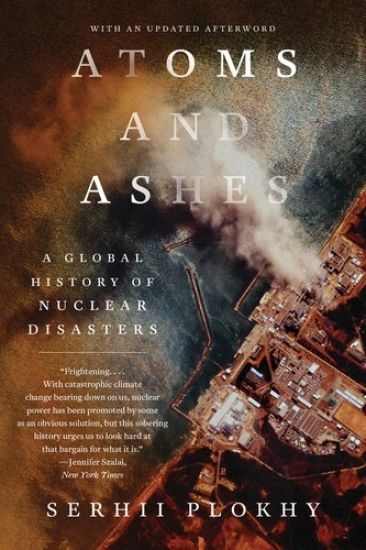
Atoms and Ashes: A Global History of Nuclear Disasters
Serhii Plokhy
W. W. Norton Company
2023
nidottu
Almost 145,000 Americans fled their homes in and around Harrisburg, Pennsylvania, in late March 1979, hoping to save themselves from an invisible enemy: radiation. The reactor at the nearby Three Mile Island nuclear power plant had gone into partial meltdown, and scientists feared an explosion that could spread radiation throughout the eastern United States. Thankfully, the explosion never took place--but the accident left deep scars in the American psyche, all but ending the nation's love affair with nuclear power. In Atoms and Ashes, Serhii Plokhy recounts the dramatic history of Three Mile Island and five more accidents that that have dogged the nuclear industry in its military and civil incarnations: the disastrous fallout caused by the testing of the hydrogen bomb in the Bikini Atoll in 1954; the Kyshtym nuclear disaster in the USSR, which polluted a good part of the Urals; the Windscale fire, the worst nuclear accident in the UK's history; back to the USSR with Chernobyl, the result of a flawed reactor design leading to the exodus of 350,000 people; and, most recently, Fukushima in Japan, triggered by an earthquake and a tsunami, a disaster on a par with Chernobyl and whose clean-up will not take place in our lifetime. Through the stories of these six terrifying incidents, Plokhy explores the risks of nuclear power, both for military and peaceful purposes, while offering a vivid account of how individuals and governments make decisions under extraordinary circumstances. Today, there are 440 nuclear reactors operating throughout the world, with nuclear power providing 10 percent of global electricity. Yet as the world seeks to reduce carbon emissions to combat climate change, the question arises: Just how safe is nuclear energy?
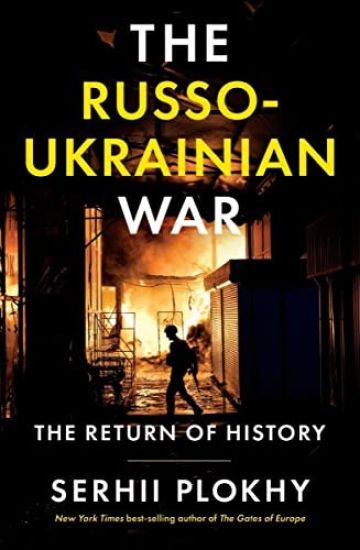
The Russo-Ukrainian War: The Return of History
Serhii Plokhy
W. W. Norton Company
2023
sidottu
Halvin toimitettuna 27,20 €
Despite repeated warnings from the White House, Russia's invasion of Ukraine in February 2022 shocked the world. Why did Putin start the war--and why has it unfolded in previously unimaginable ways? Ukrainians have resisted a superior military; the West has united, while Russia grows increasingly isolated. Serhii Plokhy, a leading historian of Ukraine and the Cold War, offers a definitive account of this conflict, its origins, course, and the already apparent and possible future consequences. Though the current war began eight years before the all-out assault--on February 27, 2014, when Russian armed forces seized the building of the Crimean parliament--the roots of this conflict can be traced back even earlier, to post-Soviet tensions and imperial collapse in the nineteenth and twentieth centuries. Providing a broad historical context and an examination of Ukraine and Russia's ideas and cultures, as well as domestic and international politics, Plokhy reveals that while this new Cold War was not inevitable, it was predictable. Ukraine, Plokhy argues, has remained central to Russia's idea of itself even as Ukrainians have followed a radically different path. In a new international environment defined by the proliferation of nuclear weapons, the disintegration of the post-Cold War international order, and a resurgence of populist nationalism, Ukraine is now more than ever the most volatile fault line between authoritarianism and democratic Europe.
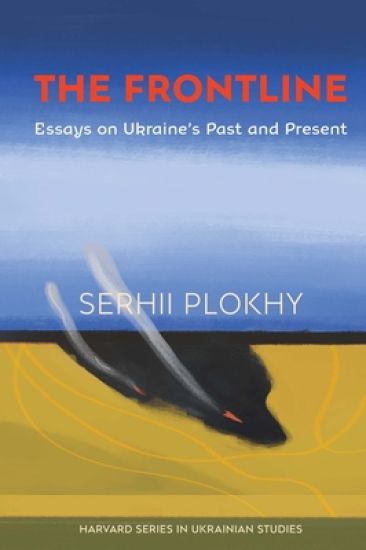
The Frontline presents a selection of essays drawn together for the first time to form a companion volume to Serhii Plokhy’s The Gates of Europe and Chernobyl. Here he expands upon his analysis in earlier works of key events in Ukrainian history, including Ukraine’s complex relations with Russia and the West, the burden of tragedies such as the Holodomor and World War II, the impact of the Chernobyl nuclear disaster, and Ukraine’s contribution to the collapse of the Soviet Union. Juxtaposing Ukraine’s history to the contemporary politics of memory, this volume provides a multidimensional image of a country that continues to make headlines around the world. Eloquent in style and comprehensive in approach, the essays collected here reveal the roots of the ongoing political, cultural, and military conflict in Ukraine, the largest country in Europe.
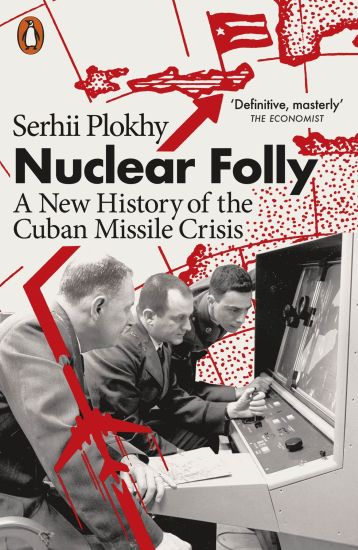
*Shortlisted for the Duke of Wellington Medal for Military History*'An enthralling account of a pivotal moment in modern history. . . replete with startling revelations about the deception and mutual suspicion that brought the US and Soviet Union to the brink of Armageddon in October 1962' Martin Chilton, IndependentThe definitive new history of the Cuban Missile Crisis from the author of Chernobyl: History of a Tragedy, winner of the Baillie Gifford PrizeFor more than four weeks in the autumn of 1962 the world teetered. The consequences of a misplaced step during the Cuban Missile Crisis could not have been more grave. Ash and cinder, famine and fallout; nuclear war between the two most-powerful nations on Earth. In Nuclear Folly, award-winning historian Serhii Plokhy tells the riveting story of those weeks, tracing the tortuous decision-making and calculated brinkmanship of John F. Kennedy, Nikita Khrushchev and Fidel Castro, and of their advisors and commanders on the ground. More often than not, Plokhy argues, the Americans and Soviets simply misread each other, operating under mutual distrust, second-guesses and false information. Despite all of this, nuclear disaster was avoided thanks to one very human reason: fear. Drawing on an impressive array of primary sources, including recently declassified KGB files, Plokhy masterfully illustrates the drama of those tense days. Authoritative, fast-paced and unforgettable, this is the definitive new account of the Cold War's most perilous moment.
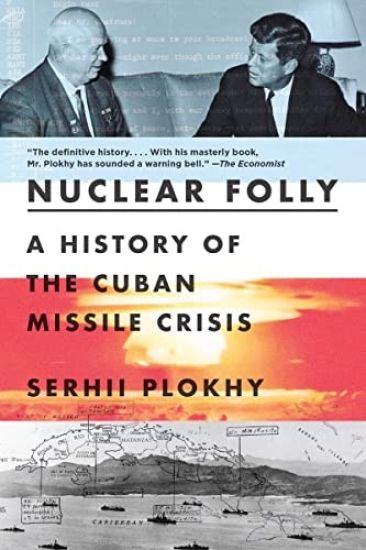
Nuclear Folly: A History of the Cuban Missile Crisis
Serhii Plokhy
W. W. Norton Company
2022
nidottu
Halvin toimitettuna 28,10 €
Nearly thirty years after the end of the Cold War, today's world leaders are abandoning disarmament treaties, building up their nuclear arsenals, and exchanging threats of nuclear strikes. To survive this new atomic age, we must relearn the lessons of the most dangerous moment of the Cold War: the Cuban missile crisis. Serhii Plokhy's Nuclear Folly offers an international perspective on the crisis, tracing the tortuous decision-making that produced and then resolved it, which involved John Kennedy and his advisers, Nikita Khrushchev and Fidel Castro, and their commanders on the ground. In breathtaking detail, Plokhy vividly recounts the young JFK being played by the canny Khrushchev; the hotheaded Castro willing to defy the USSR and threatening to align himself with China; the Soviet troops on the ground clearing jungle foliage in the tropical heat, and desperately trying to conceal nuclear installations on Cuba, which were nonetheless easily spotted by U-2 spy planes; and the hair-raising near misses at sea that nearly caused a Soviet nuclear-armed submarine to fire its weapons. More often than not, the Americans and Soviets misread each other, operated under false information, and came perilously close to nuclear catastrophe. Despite these errors, nuclear war was ultimately avoided for one central reason: fear, and the realization that any escalation on either the Soviets' or the Americans' part would lead to mutual destruction. Drawing on a range of Soviet archival sources, including previously classified KGB documents, as well as White House tapes, Plokhy masterfully illustrates the drama and anxiety of those tense days, and provides a way for us to grapple with the problems posed in our present day.

Atoms and Ashes: A Global History of Nuclear Disasters
Serhii Plokhy
W. W. Norton Company
2022
sidottu
Halvin toimitettuna 32,40 €
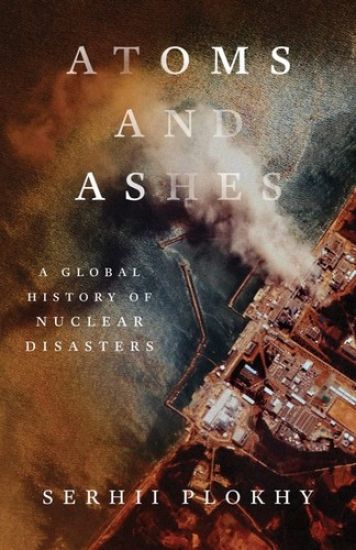
Almost 145,000 Americans fled their homes in and around Harrisburg, Pennsylvania, in late March 1979, hoping to save themselves from an invisible enemy: radiation. The reactor at the nearby Three Mile Island nuclear power plant had gone into partial meltdown, and scientists feared an explosion that could spread radiation throughout the eastern United States. Thankfully, the explosion never took place--but the accident left deep scars in the American psyche, all but ending the nation's love affair with nuclear power. In Atoms and Ashes, Serhii Plokhy recounts the dramatic history of Three Mile Island and five more accidents that that have dogged the nuclear industry in its military and civil incarnations: the disastrous fallout caused by the testing of the hydrogen bomb in the Bikini Atoll in 1954; the Kyshtym nuclear disaster in the USSR, which polluted a good part of the Urals; the Windscale fire, the worst nuclear accident in the UK's history; back to the USSR with Chernobyl, the result of a flawed reactor design leading to the exodus of 350,000 people; and, most recently, Fukushima in Japan, triggered by an earthquake and a tsunami, a disaster on a par with Chernobyl and whose clean-up will not take place in our lifetime. Through the stories of these six terrifying incidents, Plokhy explores the risks of nuclear power, both for military and peaceful purposes, while offering a vivid account of how individuals and governments make decisions under extraordinary circumstances. Today, there are 440 nuclear reactors operating throughout the world, with nuclear power providing 10 percent of global electricity. Yet as the world seeks to reduce carbon emissions to combat climate change, the question arises: Just how safe is nuclear energy?

In this authoritative book, Harvard professor Serhii Plokhy traces the history of Ukraine from the arrival of the Vikings in the 10th century to the current Russian invasion of Ukraine and annexation of Crimea. Fascinating and multilayered, The Gates of Europe is the essential guide to understanding not just Ukraine's past but also its future.
The Frontline presents a selection of essays drawn together for the first time to form a companion volume to Serhii Plokhy’s The Gates of Europe and Chernobyl. Here he expands upon his analysis in earlier works of key events in Ukrainian history, including Ukraine’s complex relations with Russia and the West, the burden of tragedies such as the Holodomor and World War II, the impact of the Chernobyl nuclear disaster, and Ukraine’s contribution to the collapse of the Soviet Union. Juxtaposing Ukraine’s history to the contemporary politics of memory, this volume provides a multidimensional image of a country that continues to make headlines around the world. Eloquent in style and comprehensive in approach, the essays collected here reveal the roots of the ongoing political, cultural, and military conflict in Ukraine, the largest country in Europe.
The Gates of Europe: A History of Ukraine
Serhii Plokhy
BASIC BOOKS
2021
nidottu
Halvin toimitettuna 23,00 €
A New York Times bestseller, this definitive history of Ukraine is "an exemplary account of Europe's least-known large country" (Wall Street Journal). As Ukraine is embroiled in an ongoing struggle with Russia to preserve its territorial integrity and political independence, celebrated historian Serhii Plokhy explains that today's crisis is a case of history repeating itself: the Ukrainian conflict is only the latest in a long history of turmoil over Ukraine's sovereignty. Situated between Central Europe, Russia, and the Middle East, Ukraine has been shaped by empires that exploited the nation as a strategic gateway between East and West--from the Romans and Ottomans to the Third Reich and the Soviet Union. In The Gates of Europe, Plokhy examines Ukraine's search for its identity through the lives of major Ukrainian historical figures, from its heroes to its conquerors. This revised edition includes new material that brings this definitive history up to the present. As Ukraine once again finds itself at the center of global attention, Plokhy brings its history to vivid life as he connects the nation's past with its present and future.
Nuclear Folly: A History of the Cuban Missile Crisis
Serhii Plokhy
W. W. Norton Company
2021
sidottu
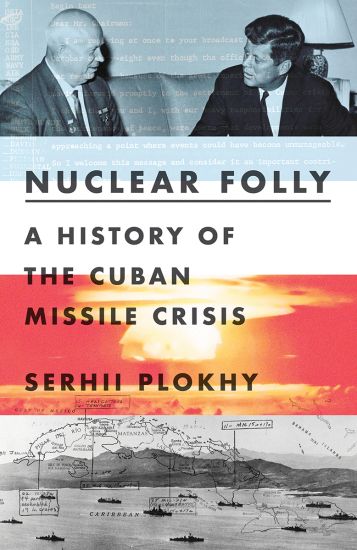
Nearly thirty years after the end of the Cold War, today's world leaders are abandoning disarmament treaties, building up their nuclear arsenals, and exchanging threats of nuclear strikes. To survive this new atomic age, we must relearn the lessons of the most dangerous moment of the Cold War: the Cuban missile crisis. Serhii Plokhy's Nuclear Folly offers an international perspective on the crisis, tracing the tortuous decision-making that produced and then resolved it, which involved John Kennedy and his advisers, Nikita Khrushchev and Fidel Castro, and their commanders on the ground. In breathtaking detail, Plokhy vividly recounts the young JFK being played by the canny Khrushchev; the hotheaded Castro willing to defy the USSR and threatening to align himself with China; the Soviet troops on the ground clearing jungle foliage in the tropical heat, and desperately trying to conceal nuclear installations on Cuba, which were nonetheless easily spotted by U-2 spy planes; and the hair-raising near misses at sea that nearly caused a Soviet nuclear-armed submarine to fire its weapons. More often than not, the Americans and Soviets misread each other, operated under false information, and came perilously close to nuclear catastrophe. Despite these errors, nuclear war was ultimately avoided for one central reason: fear, and the realization that any escalation on either the Soviets' or the Americans' part would lead to mutual destruction. Drawing on a range of Soviet archival sources, including previously classified KGB documents, as well as White House tapes, Plokhy masterfully illustrates the drama and anxiety of those tense days, and provides a way for us to grapple with the problems posed in our present day.