Kirjojen hintavertailu – 12 859 828 kirjaa ja 27 kauppaa

Kirjailija

Serhii Plokhy

Kirjat ja teokset yhdessä paikassa: 65 kirjaa, julkaisuja vuosilta 2001–2027, suosituimpiin kuuluu Chernobyl : The History of a Nuclear Catastrophe. Vertaile teosten hintoja ja tarkista saatavuus suomalaisista kirjakaupoista.

65 kirjaa

Kirjojen julkaisuvuodet: 2001–2027.

The Cossack Myth

The Cossack Myth

Serhii Plokhy

Cambridge University Press
2012
sidottu
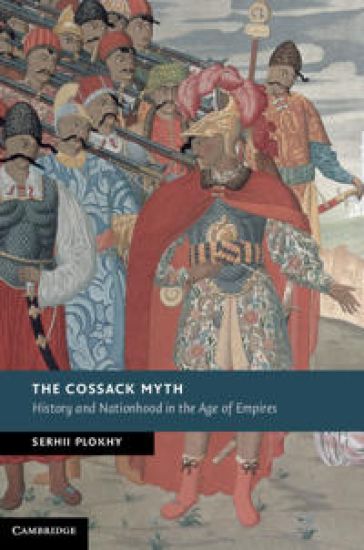
In the years following the Napoleonic Wars, a mysterious manuscript began to circulate among the dissatisfied noble elite of the Russian Empire. Entitled The History of the Rus', it became one of the most influential historical texts of the modern era. Attributed to an eighteenth-century Orthodox archbishop, it described the heroic struggles of the Ukrainian Cossacks. Alexander Pushkin read the book as a manifestation of Russian national spirit, but Taras Shevchenko interpreted it as a quest for Ukrainian national liberation, and it would inspire thousands of Ukrainians to fight for the freedom of their homeland. Serhii Plokhy tells the fascinating story of the text's discovery and dissemination, unravelling the mystery of its authorship and tracing its subsequent impact on Russian and Ukrainian historical and literary imagination. In so doing he brilliantly illuminates the relationship between history, myth, empire and nationhood from Napoleonic times to the fall of the Soviet Union.
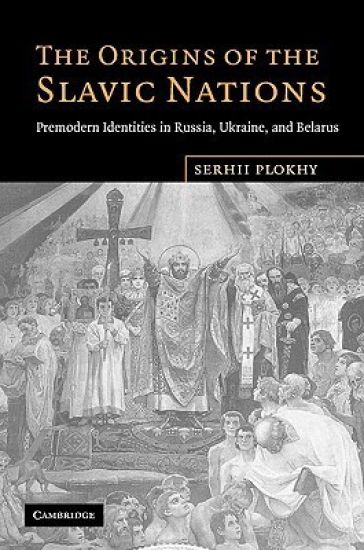
The Origins of the Slavic Nations

The Origins of the Slavic Nations

Serhii Plokhy

Cambridge University Press
2010
pokkari

Halvin toimitettuna 33,80 €

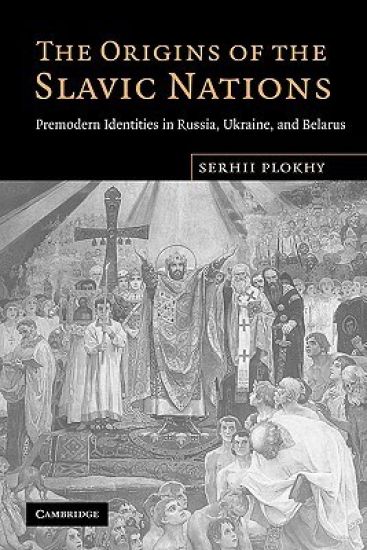
This book documents developments in the countries of eastern Europe, including the rise of authoritarian tendencies in Russia and Belarus, as well as the victory of the democratic 'Orange Revolution' in Ukraine, and poses important questions about the origins of the East Slavic nations and the essential similarities or differences between their cultures. It traces the origins of the modern Russian, Ukrainian and Belarusian nations by focusing on pre-modern forms of group identity among the Eastern Slavs. It also challenges attempts to 'nationalize' the Rus' past on behalf of existing national projects, laying the groundwork for understanding of the pre-modern history of Russia, Ukraine and Belarus. The book covers the period from the Christianization of Kyivan Rus' in the tenth century to the reign of Peter I and his eighteenth-century successors, by which time the idea of nationalism had begun to influence the thinking of East Slavic elites.
The Origins of the Slavic Nations

The Origins of the Slavic Nations

Serhii Plokhy

Cambridge University Press
2006
sidottu
This book documents developments in the countries of eastern Europe, including the rise of authoritarian tendencies in Russia and Belarus, as well as the victory of the democratic 'Orange Revolution' in Ukraine, and poses important questions about the origins of the East Slavic nations and the essential similarities or differences between their cultures. It traces the origins of the modern Russian, Ukrainian and Belarusian nations by focusing on pre-modern forms of group identity among the Eastern Slavs. It also challenges attempts to 'nationalize' the Rus' past on behalf of existing national projects, laying the groundwork for understanding of the pre-modern history of Russia, Ukraine and Belarus. The book covers the period from the Christianization of Kyivan Rus' in the tenth century to the reign of Peter I and his eighteenth-century successors, by which time the idea of nationalism had begun to influence the thinking of East Slavic elites.
Tsars and Cossacks

Tsars and Cossacks

Serhii Plokhy

Harvard Ukrainian Research Institute,U.S.
2003
nidottu
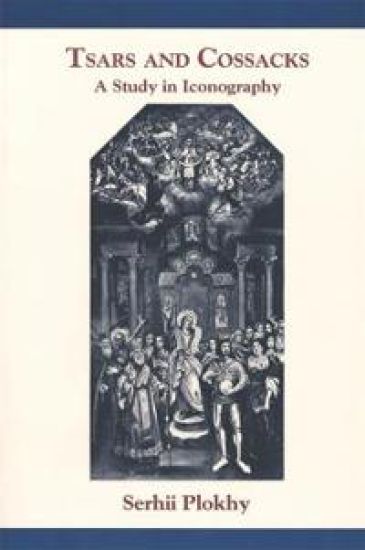
Ukrainian Cossacks used icon painting to investigate their relationship not only with God but also their relationship with the Russian tsar. Could Emperor Peter I and his adversary in the Battle of Poltava (1709)—the Cossack Hetman Ivan Mazepa—be depicted in the same icon? Why did the Cossack colonels commission icons with the portraits of their tsars, but not of their own Cossack leaders, the hetmans? Could a Catholic king be portrayed in an Orthodox icon? Why are the Russian tsars and Orthodox hierarchs missing on some of the Zaporozhian Cossack icons? In this groundbreaking study, Serhii Plokhy provides answers to these and many other questions pertaining to the political and religious culture of Ukrainian Cossackdom, as reflected in the Cossack-era paintings, icons, and woodcuts. By encouraging the iconography to “speak,” Tsars and Cossacks helps to broaden and deepen our understanding of Ukrainian iconography as well as Russian imperial political culture.