

Kirjailija
Sigmund Freud
Kirjat ja teokset yhdessä paikassa: 1 311 kirjaa, julkaisuja vuosilta 1920–2027, suosituimpiin kuuluu The Freud/Jung Letters. Vertaile teosten hintoja ja tarkista saatavuus suomalaisista kirjakaupoista.
1 311 kirjaa
Kirjojen julkaisuvuodet: 1920–2027.


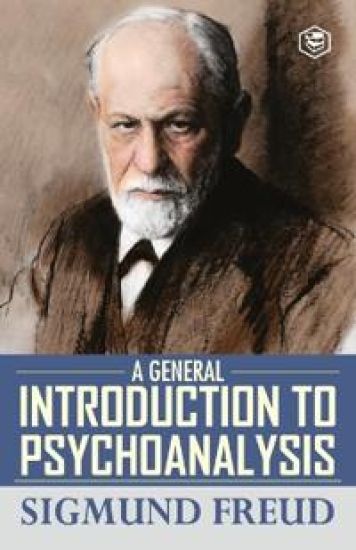
This work has been selected by scholars as being culturally important, and is part of the knowledge base of civilization as we know it. This work is in the "public domain in the United States of America, and possibly other nations. Within the United States, you may freely copy and distribute this work, as no entity (individual or corporate) has a copyright on the body of the work. Scholars believe, and we concur, that this work is important enough to be preserved, reproduced, and made generally available to the public. We appreciate your support of the preservation process, and thank you for being an important part of keeping this knowledge alive and relevant.
Freud's timeless lectures on psychoanalytic thought, dream interpretation, and his theory of the neuroses are presented here in their authoritative translation to English by G. Stanley Hall. 'A General Introduction to Psychoanalysis' is widely held to be the seminal work introducing Freud's central ideas about the psyche. Large parts of the work are from lectures given during the First World War and the entire book is an important explanation of Freud's investigative work in the late nineteenth and early twentieth century. Designed to introduce the enthusiastic layman to the psychoanalytic techniques Freud spent decades developing and refining, A General Introduction to Psychoanalysis ranges across several key tenets of Freudian thought. Several lectures concern the means by which dreams may be interpreted as an insight into the state of the patient's psyche, with symbols and distant memories particularly cited. The latter lectures see Freud discuss aspects of his theories of neurosis; various manifestations of mental disorder, their causes and the means by which they are identified and treated, are detailed. Freud is careful to differentiate between the normal realms in which the mind operates - such as in everyday fears and anxieties - and the point at which mental illness and malady is considered to have surfaced. In the context of dreams and neurosis, Freud relates the sexual impulses and his opinions that the drive for sex has a great bearing on the individual's state of mind. The notion of healthy human development, and the contrasts between it and the abnormal psyche, form a constant thread through all twenty-eight of these lectures.

"Als letzten Charakterzug einer Kultur haben wir zu w rdigen, in welcher Weise die Beziehungen der Menschen zueinander, die sozialen Beziehungen, geregelt sind, die den Menschen als Nachbarn, als Hilfskraft, als Sexualobjekt eines anderen, als Mitglied einer Familie, eines Staates betreffen." Sigmund Freud - Gr ls-Verlag (Edition Werke der Weltliteratur)
Sur le rêve de Sigmund Freud (fiche de lecture et analyse complète de l'oeuvre)
Sigmund Freud
Comprendre la philosophie
2022
pokkari
L'Interprétation des rêves de Freud (fiche de lecture et analyse complète de l'oeuvre)
Sigmund Freud
Comprendre la philosophie
2022
pokkari
Cinq leçons sur la psychanalyse de Freud (fiche de lecture et analyse complète de l'oeuvre)
Sigmund Freud
Comprendre la philosophie
2022
pokkari


Sigmund Freud's The Interpretation of Dreams argues that dreams are the mechanism whereby the thoughts of the unconscious mind pass through the preconscious to the conscious mind in an altered state and thus require interpretation through psychoanalysis.
On a visit to one of the great antique collections of Rome, Norbert Hanold had discovered a bas-relief which was exceptionally attractive to him, so he was much pleased, after his return to Germany, to be able to get a splendid plaster-cast of it. This had now been hanging for some years on one of the walls of his work-room, all the other walls of which were lined with bookcases. Here it had the advantage of a position with the right light exposure, on a wall visited, though but briefly, by the evening sun. About one-third life-size, the bas-relief represented a complete female figure in the act of walking; she was still young, but no longer in childhood and, on the other hand, apparently.

Leonardo da Vinci, A Memory of His ChildhoodSigmund Freud Leonardo da Vinci and A Memory of His Childhood (German: Eine Kindheitserinnerung des Leonardo da Vinci) is a 1910 essay by Sigmund Freud about Leonardo da Vinci. It consists of a psychoanalytic study of Leonardo's life based on his paintings. In the Codex Atlanticus Leonardo recounts being attacked as an infant in his crib by a bird. Freud cites the passage as: "It seems that it had been destined before that I should occupy myself so thoroughly with the vulture, for it comes to my mind as a very early memory, when I was still in the cradle, a vulture came down to me, he opened my mouth with his tail and struck me a few times with his tail against my lips." According to Freud, this was a childhood fantasy based on the memory of sucking his mother's nipple. He backed up his claim with the fact that Egyptian hieroglyphs represent the mother as a vulture, because the Egyptians believed that there are no male vultures and that the females of the species are impregnated by the wind. In most representations the vulture-headed maternal deity was formed by the Egyptians in a phallic manner, her body which was distinguished as feminine by its breasts also bore the penis in a state of erection. However, the translation "Geier" (vulture), which Maria Herzfeld had used for "nibbio" in 1904 in the first edition of her book Leonardo da Vinci, der Denker, Forscher und Poet, was not exactly the kite Leonardo da Vinci had meant: a small hawk-like bird of prey, common in the Vinci area, which is occasionally a scavenger. This disappointed Freud because, as he confessed to Lou Andreas-Salom in a letter of 9 February 1919, he regarded the Leonardo essay as "the only beautiful thing I have ever written". The psychologist Erich Neumann, writing in Art and the Creative Unconscious, attempted to repair the theory by incorporating the kite. Another theory proposed by Freud attempts to explain Leonardo's fondness of depicting the Virgin Mary with St. Anne in the picture The Virgin and Child with St. Anne. Leonardo, who was illegitimate, was raised by his blood mother initially before being "adopted" by the wife of his father Ser Piero. The idea of depicting the Mother of God with her own mother was therefore particularly close to Leonardo's heart, because he, in a sense, had 'two mothers' himself.

In einem Kreise von M nnern, denen es als ausgemacht gilt, da die wesentlichsten R tsel des Traumes durch die Bem hung des Verfassers gel st worden sind, erwachte eines Tages die Neugierde, sich um jene Tr ume zu k mmern, die berhaupt niemals getr umt worden, die von Dichtern geschaffen und erfundenen Personen im Zusammenhange einer Erz hlung beigelegt werden. Der Vorschlag, diese Gattung von Tr umen einer Untersuchung zu unterziehen, mochte m ig und befremdend erscheinen; von einer Seite her konnte man ihn als berechtigt hinstellen. Es wird ja keineswegs allgemein geglaubt, da der Traum etwas Sinnvolles und Deutbares ist. Die Wissenschaft und die Mehrzahl der Gebildeten l cheln, wenn.

Ta b u ist ein polynesisches Wort, dessen bersetzung uns Schwierigkeiten bereitet, weil wir den damit bezeichneten Begriff nicht mehr besitzen. Den alten R mern war er noch gel ufig ihr s a c e r war dasselbe wie das Tabu der Polynesier. Auch das ἄ γ ο ς der Griechen, das K o d a u s c h der Hebr er mu das n mliche bedeutet haben, was die Polynesier durch ihr Tabu, viele V lker in Amerika, Afrika (Madagaskar), Nord- und Zentral-Asien durch analoge Bezeichnungen ausdr cken. Uns geht die Bedeutung des Tabu nach zwei entgegengesetzten Richtungen auseinander. Es hei t uns einerseits: heilig, geweiht, anderseits: unheimlich, gef hrlich, verboten, unrein. Der Gegensatz von Tabu hei t im Polynesischen noa = gew hnlich, allgemein zug nglich. Somit haftet am Tabu etwas wie der Begriff einer Reserve, das Tabu u ert sich auch wesentlich in Verboten und Einschr nkungen. Unsere Zusammensetzung heilige Scheu w rde sich oft mit dem Sinn des Tabu decken. Die Tabubeschr nkungen sind etwas anderes als die religi sen oder die moralischen Verbote. Sie werden nicht auf das Gebot eines Gottes zur ckgef hrt, sondern verbieten sich eigentlich von selbst von den Moralverboten scheidet sie das Fehlen der Einreihung in ein System, welches ganz allgemein Enthaltungen f r notwendig erkl rt und diese Notwendigkeit auch begr ndet. Die Tabuverbote entbehren jeder Begr ndung sie sind unbekannter Herkunft f r uns unverst ndlich, erscheinen sie jenen selbstverst ndlich, die unter ihrer Herrschaft stehen. Wu n d t nennt das Tabu den ltesten ungeschriebenen Gesetzeskodex der Menschheit. Es wird allgemein angenommen, da das Tabu lter ist als die G tter und in die Zeiten vor jeder Religion zur ckreicht. Da wir einer unparteiischen Darstellung des Tabu bed rfen, um dieses der psychoanalytischen Betrachtung zu unterziehen, lasse ich nun einen Auszug aus dem Artikel Taboo der Encyclopedia Britannica folgen, der den Anthropologen N o rt h c o t e W. Th oma szum Verfasser hat. Streng genommen umfa t tabu nur a) den heiligen (oder unreinen) Charakter von Personen oder Dingen, b) die Art der Beschr nkung, welche sich aus diesem Charakter ergibt und c) die Heiligkeit (oder Unreinheit), welche aus der Verletzung dieses Verbotes hervorgeht. Das Gegenteil von tabu hei t in Polynesien >n o a gew hnlichgemein

Ta b u ist ein polynesisches Wort, dessen bersetzung uns Schwierigkeiten bereitet, weil wir den damit bezeichneten Begriff nicht mehr besitzen. Den alten R mern war er noch gel ufig ihr s a c e r war dasselbe wie das Tabu der Polynesier. Auch das ἄ γ ο ς der Griechen, das K o d a u s c h der Hebr er mu das n mliche bedeutet haben, was die Polynesier durch ihr Tabu, viele V lker in Amerika, Afrika (Madagaskar), Nord- und Zentral-Asien durch analoge Bezeichnungen ausdr cken. Uns geht die Bedeutung des Tabu nach zwei entgegengesetzten Richtungen auseinander. Es hei t uns einerseits: heilig, geweiht, anderseits: unheimlich, gef hrlich, verboten, unrein. Der Gegensatz von Tabu hei t im Polynesischen noa = gew hnlich, allgemein zug nglich. Somit haftet am Tabu etwas wie der Begriff einer Reserve, das Tabu u ert sich auch wesentlich in Verboten und Einschr nkungen. Unsere Zusammensetzung heilige Scheu w rde sich oft mit dem Sinn des Tabu decken. Die Tabubeschr nkungen sind etwas anderes als die religi sen oder die moralischen Verbote. Sie werden nicht auf das Gebot eines Gottes zur ckgef hrt, sondern verbieten sich eigentlich von selbst von den Moralverboten scheidet sie das Fehlen der Einreihung in ein System, welches ganz allgemein Enthaltungen f r notwendig erkl rt und diese Notwendigkeit auch begr ndet. Die Tabuverbote entbehren jeder Begr ndung sie sind unbekannter Herkunft f r uns unverst ndlich, erscheinen sie jenen selbstverst ndlich, die unter ihrer Herrschaft stehen. Wu n d t nennt das Tabu den ltesten ungeschriebenen Gesetzeskodex der Menschheit. Es wird allgemein angenommen, da das Tabu lter ist als die G tter und in die Zeiten vor jeder Religion zur ckreicht. Da wir einer unparteiischen Darstellung des Tabu bed rfen, um dieses der psychoanalytischen Betrachtung zu unterziehen, lasse ich nun einen Auszug aus dem Artikel Taboo der Encyclopedia Britannica folgen, der den Anthropologen N o rt h c o t e W. Th oma szum Verfasser hat. Streng genommen umfa t tabu nur a) den heiligen (oder unreinen) Charakter von Personen oder Dingen, b) die Art der Beschr nkung, welche sich aus diesem Charakter ergibt und c) die Heiligkeit (oder Unreinheit), welche aus der Verletzung dieses Verbotes hervorgeht. Das Gegenteil von tabu hei t in Polynesien >n o a gew hnlichgemein

Das UnheimlicheSigmund Freud Das Unheimliche (englisch uncanny, franz sisch Inqui tant, l'inqui tante tranget ) ist als Gef hl des Schreckhaften, Angst und Grauen Erregenden nicht auf den Bereich sthetischer Erfahrung beschr nkt, sondern beunruhigt den Menschen als verst rende Irritation nicht selten in allt glichen Situationen. Ernst Jentsch erkl rt das Gef hl des Unheimlichen durch intellektuelle Unsicherheit gegen ber Fremdem und Unvertrautem. Der typische Fall ist f r ihn der Zweifel an der Beseeltheit eines anscheinend lebendigen Wesens und umgekehrt der Zweifel dar ber, ob ein lebloser Gegenstand nicht etwa doch beseelt sei. In der Literatur kann das Gef hl des Unheimlichen, Jentsch zufolge, am sichersten dadurch hergestellt werden, dass der Autor den Leser dar ber im Unklaren l sst, ob er in einer bestimmten Gestalt eine lebendige Person oder einen Automaten vor sich hat Jentsch verweist hierf r auf die Figur der belebt scheinenden Puppe Olimpia in E. T. A. Hoffmanns Erz hlung Der Sandmann. Sigmund Freuds Essay Das Unheimliche blieb auch f r die aktuelle Diskussion wegweisend, obwohl der Begr nder der Psychoanalyse mit der sthetischen Debatte ber das Erhabene, Schreckliche, H ssliche und Groteske wohl kaum vertraut war. Gegen Jentsch wendet Freud ein, das Unheimliche sei nicht nur das Unvertraute, sondern zugleich das Vertraute - unheimlich ist f r Freud das, was zugleich unvertraut und vertraut ist. Er begreift das Gef hl des Unheimlichen als eine bestimmte Form der Angst, und er f hrt diese Angst auf zwei Quellen zur ck: auf die Wiederkehr des Verdr ngten und auf die Wiederbelebung eines berwundenen Realit tsverst ndnisses. Eine verdr ngte Vorstellung ist beispielsweise die Kastrationsphantasie. In Hoffmanns Erz hlung Der Sandmann ruft das Herausrei en der Augen, Freud zufolge, die verdr ngte Kastrationsvorstellung wach und erzeugt so das Gef hl des Unheimlichen. Ein berwundenes Realit tsverst ndnis ist beispielsweise die berzeugung, blo es W nschen sei in der Lage, in der Wirklichkeit Ver nderungen hervorzurufen. Dieser infantile Realit tsglaube wird nicht verdr ngt, sondern berwunden, befindet sich danach also nicht im Zustand der "Verdr ngung", sondern des " berwundenseins". Falls sich Reste dieses Glaubens erhalten haben, kann er durch bestimmte Situationen scheinbar best tigt werden und dies ruft das Gef hl des Unheimlichen hervor.

NEW PRINT WITH PROFESSIONAL TYPE-SET IN CONTRAST TO SCANNED PRINTS OFFERED BY OTHERS Reflections On War And Death: Authorized English Translation By Dr. A. A. Brill And Alfred B. Kuttner This book is a result of an effort made by us towards making a contribution to the preservation and repair of original classic literature. In an attempt to preserve, improve and recreate the original content, we have worked towards: 1. Type-setting & Reformatting: The complete work has been re-designed via professional layout, formatting and type-setting tools to re-create the same edition with rich typography, graphics, high quality images, and table elements, giving our readers the feel of holding a 'fresh and newly' reprinted and/or revised edition, as opposed to other scanned & printed (Optical Character Recognition - OCR) reproductions. 2. Correction of imperfections: As the work was re-created from the scratch, therefore, it was vetted to rectify certain conventional norms with regard to typographical mistakes, hyphenations, punctuations, blurred images, missing content/pages, and/or other related subject matters, upon our consideration. Every attempt was made to rectify the imperfections related to omitted constructs in the original edition via other references. However, a few of such imperfections which could not be rectified due to intentional\unintentional omission of content in the original edition, were inherited and preserved from the original work to maintain the authenticity and construct, relevant to the work. We believe that this work holds historical, cultural and/or intellectual importance in the literary works community, therefore despite the oddities, we accounted the work for print as a part of our continuing effort towards preservation of literary work and our contribution towards the development of the society as a whole, driven by our beliefs. We are grateful to our readers for putting their faith in us and accepting our imperfections with regard to preservation of the historical content. HAPPY READING
NEW PRINT WITH PROFESSIONAL TYPE-SET IN CONTRAST TO SCANNED PRINTS OFFERED BY OTHERS Totem And Taboo: Resemblances Between The Psychic Lives Of Savages And Neurotics Authorized English Translation, With Introduction By A. A. Brill, Ph. B., M. D. This book is a result of an effort made by us towards making a contribution to the preservation and repair of original classic literature. In an attempt to preserve, improve and recreate the original content, we have worked towards: 1. Type-setting & Reformatting: The complete work has been re-designed via professional layout, formatting and type-setting tools to re-create the same edition with rich typography, graphics, high quality images, and table elements, giving our readers the feel of holding a 'fresh and newly' reprinted and/or revised edition, as opposed to other scanned & printed (Optical Character Recognition - OCR) reproductions. 2. Correction of imperfections: As the work was re-created from the scratch, therefore, it was vetted to rectify certain conventional norms with regard to typographical mistakes, hyphenations, punctuations, blurred images, missing content/pages, and/or other related subject matters, upon our consideration. Every attempt was made to rectify the imperfections related to omitted constructs in the original edition via other references. However, a few of such imperfections which could not be rectified due to intentional\unintentional omission of content in the original edition, were inherited and preserved from the original work to maintain the authenticity and construct, relevant to the work. We believe that this work holds historical, cultural and/or intellectual importance in the literary works community, therefore despite the oddities, we accounted the work for print as a part of our continuing effort towards preservation of literary work and our contribution towards the development of the society as a whole, driven by our beliefs. We are grateful to our readers for putting their faith in us and accepting our imperfections with regard to preservation of the historical content. HAPPY READING
NEW PRINT WITH PROFESSIONAL TYPE-SET IN CONTRAST TO SCANNED PRINTS OFFERED BY OTHERS Three Contributions To The Theory Of Sex: Authorized Translation By A. A. Brill, Ph. B., M. D. With Introduction By James J. Putnam, M. D. Edited By Drs. Smith Ely Jelliffe And Wm. A. White This book is a result of an effort made by us towards making a contribution to the preservation and repair of original classic literature. In an attempt to preserve, improve and recreate the original content, we have worked towards: 1. Type-setting & Reformatting: The complete work has been re-designed via professional layout, formatting and type-setting tools to re-create the same edition with rich typography, graphics, high quality images, and table elements, giving our readers the feel of holding a 'fresh and newly' reprinted and/or revised edition, as opposed to other scanned & printed (Optical Character Recognition - OCR) reproductions. 2. Correction of imperfections: As the work was re-created from the scratch, therefore, it was vetted to rectify certain conventional norms with regard to typographical mistakes, hyphenations, punctuations, blurred images, missing content/pages, and/or other related subject matters, upon our consideration. Every attempt was made to rectify the imperfections related to omitted constructs in the original edition via other references. However, a few of such imperfections which could not be rectified due to intentional\unintentional omission of content in the original edition, were inherited and preserved from the original work to maintain the authenticity and construct, relevant to the work. We believe that this work holds historical, cultural and/or intellectual importance in the literary works community, therefore despite the oddities, we accounted the work for print as a part of our continuing effort towards preservation of literary work and our contribution towards the development of the society as a whole, driven by our beliefs. We are grateful to our readers for putting their faith in us and accepting our imperfections with regard to preservation of the historical content. HAPPY READING