Kirjailija
Sinclair Lewis
Kirjat ja teokset yhdessä paikassa: 346 kirjaa, julkaisuja vuosilta 1905–2026, suosituimpiin kuuluu Main Street. Vertaile teosten hintoja ja tarkista saatavuus suomalaisista kirjakaupoista.
346 kirjaa
Kirjojen julkaisuvuodet: 1905–2026.




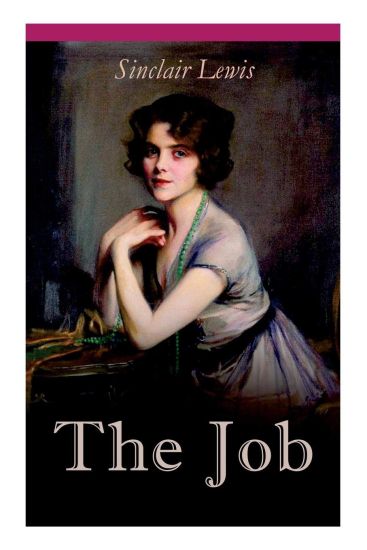
After a family member tragically falls ill, Una Golden was forced to move from Pennsylvania to New York in order to get a job to help support her family. Set in the early 1900s, going to the big city as a single woman was daunting and unconventional, but Una is dedicated to helping her family. After diligently job searching and excelling in additional training and education, Una discovers that she has the skills to be a talented commercial real estate agent. Though Una is very good at her job, and the company value her, the male-dominant real estate field suggests that it is a job exclusive to men. Because of this, Una is forced to work twice as hard to earn the same respect and equity that her male coworkers are freely given. Meanwhile, Una tries to manage her love life, because it is expected for a woman to get married and Una desires a partnership. However, the sexist social standard for women expects women to work a meaningless job before marriage, and since Una is so skilled in her field, many men are too intimidated or insecure to consider her as a potential wife. Frustrated and overworked, Una is about to give up hope when she meets Edward, a charming salesman. As their romance begins to develop and Una remains dedicated to her career, she learns more about herself, encouraging her to defy convention to achieve her dreams. The Job is praised as an early advocate for the rights of working women, a cause that author Sinclair Lewis was very dedicated to. With unforgettable and authentic prose and characters, The Job is an intriguing depiction of the 20th century workplace in America, accompanying the compelling perspective with themes of equality, gender roles, and class divides. This edition of The Job by Sinclair Lewis features a new, eye-catching cover design and is printed in a stylish font, making it both readable and modern.

Bored of the parties and luxuries that come with her socialite lifestyle, Claire Boltwood longs for something more authentic in her life. Desperate for adventure, Claire and her father decide to travel from New York City to the Pacific Northwest in their automobile, a new privilege enjoyed by the rich. Though he is a clever businessman, Claire’s father knows nothing about cars, so he encourages Claire to drive, challenging the gender stereotypes of the early 20th century. Starting in New York City, Claire and her father hit the open road, feeling exhilarated and free. As they travel northwest, they eat food from cuisine below their usual standards, see new sights, and face everyday problems that people of their privilege usually do not. Among these problems is an unexpected trouble with their car, and so the Boltwood’s are forced to stay in a small town nearby as they leave their automobile in the hands of a mechanic named Milt Daggett. Born and raised in the small, unassuming town, Milt is one of the few people within the town that aspires for more in his life. But, he was caught in a rut before he met Claire. As the two grow closer and inspire drastic changes in the other’s personality, Claire and Milt realize that the unfortunate circumstances that led to their chance encounter might have been the best thing to ever happen in their lives. With surprising sentimentality and authenticity, Sinclair Lewis’ Free Air awakens a yearning in its reader’s soul. Featuring detailed descriptions of the Boltwood’s travels and the people they meet, Free Air creates a visceral reading experience. Set during the early 20th century in various states in America, Lewis depicts themes of class, feminism, and egalitarianism as Free Air provides an intimate look into American culture. This edition of Free Air by Sinclair Lewis features an eye-catching new cover design and is printed in a modern font to cater to contemporary audiences.

The Appleby’s are happy couple. Often referring to the other as “father” or “mother”, the couple have remained as affectionate and passionate as newlyweds, and both are energetic despite their old age. Though they feel young and full of life, their adult daughter, with whom they share a difficult relationship with, and the rest of society, hardly agrees. It is suggested that the couple consider retiring and moving to an assisted living facility. Disenfranchised and underestimated, Mrs. and Mr. Appleby resent the assumption that their lives are over, and in attempt to satiate their desires and prove the others wrong, they decide to take a risk. Working toward a long-held dream, the Appleby’s risk their life savings to open a roadside café in New England, despite the protests and doubts of their daughter. Excited and optimistic, the two begin their business journey ready for any obstacle in their way, or so they thought. Though first published in 1917, The Innocents: A Story for Lovers by Sinclair Lewis depicts themes and attitudes applicable to modern audiences over one hundred years later. With themes of identity and ageism, The Innocents: A Story for Lovers examines the issue of discrimination against the elderly and the dissonance often present between one’s own identity and the identity that is perceived by society. With memorable characters and sweet sentiment, The Innocents: A Story of Lovers encourages optimism and the defiance of convention. This edition of The Innocents: A Story for Lovers by Sinclair Lewis is now presented in an easy-to-read font and features a new, eye-catching cover design. With these accommodations, The Innocents: A Story for Lovers is restored to modern standards while preserving the original mastery and heart of Sinclair Lewis.

Born into the first generation of an immigrant family from Norway, Carl Ericson was always bound to have differing philosophies than his parents. However, when these new, free-thinking ideas result in an expulsion from college, Carl must find a way to fit in with the society’s culture and values without stifling his independence. However, Carl has a difficult time achieving this in the rigid workplace standards of the 20th century. He becomes a vagabond of sorts, jumping from job to job, each making Carl feel suffocated and unsatisfied. Slowly, he feels himself sinking into despair, feeling unmotivated until he hears of a career opportunity in aviation. Excited, Carl begins training to fly airplanes immediately, working long enough to earn the nickname of “Hawk”. Since airplanes were a relatively new invention, flying was highly experimental and dangerous. This hadn’t bothered Carl when he first started, but now, as an older man, Carl begins to worry when he hears the rising deaths in the field. Conflicted and concerned, Carl decides to quit the job. As Carl continues on with his life, he feels that he made the right choice but is still sad to leave the profession. Now back in the same position he was in years before, Carl tries to find a way to champion his individuality and entrepreneurship while managing a new romance. Featuring themes and topics of immigration, societal expectations, entrepreneurship, love, maturity, and passion, The Trail of the Hawk by Sinclair Lewis is introspective and relatable to a wide audience, including modern readers. With comedy and heart, The Trail of the Hawk is both care-free and serious, capturing attention with its authenticity. This edition of The Trail of the Hawk by Sinclair Lewis features a new, eye-catching cover design and is printed in an easy-to-read font. With these accommodations, this edition restores The Trail of the Hawk to modern standards while preserving its original heart and mastery.

The book, Babbitt, has been considered important throughout the human history, and so that this work is never forgotten we have made efforts in its preservation by republishing this book in a modern format for present and future generations. This whole book has been reformatted, retyped and designed. These books are not made of scanned copies of their original work and hence the text is clear and readable.

After a family member tragically falls ill, Una Golden was forced to move from Pennsylvania to New York in order to get a job to help support her family. Set in the early 1900s, going to the big city as a single woman was daunting and unconventional, but Una is dedicated to helping her family. After diligently job searching and excelling in additional training and education, Una discovers that she has the skills to be a talented commercial real estate agent. Though Una is very good at her job, and the company value her, the male-dominant real estate field suggests that it is a job exclusive to men. Because of this, Una is forced to work twice as hard to earn the same respect and equity that her male coworkers are freely given. Meanwhile, Una tries to manage her love life, because it is expected for a woman to get married and Una desires a partnership. However, the sexist social standard for women expects women to work a meaningless job before marriage, and since Una is so skilled in her field, many men are too intimidated or insecure to consider her as a potential wife. Frustrated and overworked, Una is about to give up hope when she meets Edward, a charming salesman. As their romance begins to develop and Una remains dedicated to her career, she learns more about herself, encouraging her to defy convention to achieve her dreams. The Job is praised as an early advocate for the rights of working women, a cause that author Sinclair Lewis was very dedicated to. With unforgettable and authentic prose and characters, The Job is an intriguing depiction of the 20th century workplace in America, accompanying the compelling perspective with themes of equality, gender roles, and class divides. This edition of The Job by Sinclair Lewis features a new, eye-catching cover design and is printed in a stylish font, making it both readable and modern.

The Appleby’s are happy couple. Often referring to the other as “father” or “mother”, the couple have remained as affectionate and passionate as newlyweds, and both are energetic despite their old age. Though they feel young and full of life, their adult daughter, with whom they share a difficult relationship with, and the rest of society, hardly agrees. It is suggested that the couple consider retiring and moving to an assisted living facility. Disenfranchised and underestimated, Mrs. and Mr. Appleby resent the assumption that their lives are over, and in attempt to satiate their desires and prove the others wrong, they decide to take a risk. Working toward a long-held dream, the Appleby’s risk their life savings to open a roadside café in New England, despite the protests and doubts of their daughter. Excited and optimistic, the two begin their business journey ready for any obstacle in their way, or so they thought. Though first published in 1917, The Innocents: A Story for Lovers by Sinclair Lewis depicts themes and attitudes applicable to modern audiences over one hundred years later. With themes of identity and ageism, The Innocents: A Story for Lovers examines the issue of discrimination against the elderly and the dissonance often present between one’s own identity and the identity that is perceived by society. With memorable characters and sweet sentiment, The Innocents: A Story of Lovers encourages optimism and the defiance of convention. This edition of The Innocents: A Story for Lovers by Sinclair Lewis is now presented in an easy-to-read font and features a new, eye-catching cover design. With these accommodations, The Innocents: A Story for Lovers is restored to modern standards while preserving the original mastery and heart of Sinclair Lewis.

Bored of the parties and luxuries that come with her socialite lifestyle, Claire Boltwood longs for something more authentic in her life. Desperate for adventure, Claire and her father decide to travel from New York City to the Pacific Northwest in their automobile, a new privilege enjoyed by the rich. Though he is a clever businessman, Claire’s father knows nothing about cars, so he encourages Claire to drive, challenging the gender stereotypes of the early 20th century. Starting in New York City, Claire and her father hit the open road, feeling exhilarated and free. As they travel northwest, they eat food from cuisine below their usual standards, see new sights, and face everyday problems that people of their privilege usually do not. Among these problems is an unexpected trouble with their car, and so the Boltwood’s are forced to stay in a small town nearby as they leave their automobile in the hands of a mechanic named Milt Daggett. Born and raised in the small, unassuming town, Milt is one of the few people within the town that aspires for more in his life. But, he was caught in a rut before he met Claire. As the two grow closer and inspire drastic changes in the other’s personality, Claire and Milt realize that the unfortunate circumstances that led to their chance encounter might have been the best thing to ever happen in their lives. With surprising sentimentality and authenticity, Sinclair Lewis’ Free Air awakens a yearning in its reader’s soul. Featuring detailed descriptions of the Boltwood’s travels and the people they meet, Free Air creates a visceral reading experience. Set during the early 20th century in various states in America, Lewis depicts themes of class, feminism, and egalitarianism as Free Air provides an intimate look into American culture. This edition of Free Air by Sinclair Lewis features an eye-catching new cover design and is printed in a modern font to cater to contemporary audiences.

Born into the first generation of an immigrant family from Norway, Carl Ericson was always bound to have differing philosophies than his parents. However, when these new, free-thinking ideas result in an expulsion from college, Carl must find a way to fit in with the society’s culture and values without stifling his independence. However, Carl has a difficult time achieving this in the rigid workplace standards of the 20th century. He becomes a vagabond of sorts, jumping from job to job, each making Carl feel suffocated and unsatisfied. Slowly, he feels himself sinking into despair, feeling unmotivated until he hears of a career opportunity in aviation. Excited, Carl begins training to fly airplanes immediately, working long enough to earn the nickname of “Hawk”. Since airplanes were a relatively new invention, flying was highly experimental and dangerous. This hadn’t bothered Carl when he first started, but now, as an older man, Carl begins to worry when he hears the rising deaths in the field. Conflicted and concerned, Carl decides to quit the job. As Carl continues on with his life, he feels that he made the right choice but is still sad to leave the profession. Now back in the same position he was in years before, Carl tries to find a way to champion his individuality and entrepreneurship while managing a new romance. Featuring themes and topics of immigration, societal expectations, entrepreneurship, love, maturity, and passion, The Trail of the Hawk by Sinclair Lewis is introspective and relatable to a wide audience, including modern readers. With comedy and heart, The Trail of the Hawk is both care-free and serious, capturing attention with its authenticity. This edition of The Trail of the Hawk by Sinclair Lewis features a new, eye-catching cover design and is printed in an easy-to-read font. With these accommodations, this edition restores The Trail of the Hawk to modern standards while preserving its original heart and mastery.
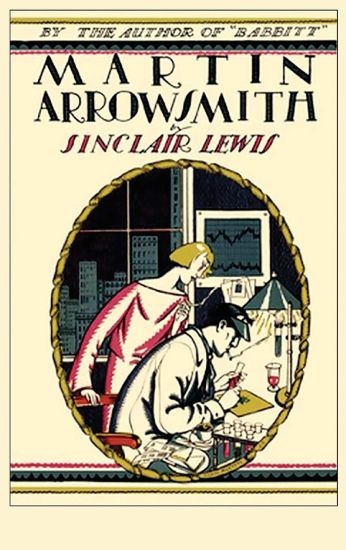
Arrowsmith is a novel by American author Sinclair Lewis, first published in 1925. It won the 1926 Pulitzer Prize (which Lewis declined). Lewis was greatly assisted in its preparation by science writer Paul de Kruif, who received 25% of the royalties on sales, although Lewis was listed as the sole author. Arrowsmith is an early major novel dealing with the culture of science. It was written in the period after the reforms of medical education flowing from the Flexner Report on Medical Education in the United States and Canada: A Report to the Carnegie Foundation for the Advancement of Teaching, 1910, which had called on medical schools in the United States to adhere to mainstream science in their teaching and research. The book contains considerable social commentary on the state and prospects of medicine in the United States in the 1920s. Arrowsmith is a progressive, even something of a rebel, and often challenges the existing state of things when he finds it wanting. This novel has been inspirational for several generations of pre-medical and medical students. There is much agonizing along the way concerning career and life decisions. While detailing Arrowsmith's pursuit of the noble ideals of medical research for the benefit of mankind and of selfless devotion to the care of patients, Lewis throws many less noble temptations and self-deceptions in Arrowsmith's path. The attractions of financial security, recognition, even wealth and power distract Arrowsmith from his original plan to follow in the footsteps of his first mentor, Max Gottlieb, a brilliant but abrasive bacteriologist.

Arrowsmith has been inspirational for several generations of med students. Martin Arrowsmith agonizes over his career and life decisions never sure if he's making the correct descisions. While the book details Arrowsmith's pursuit of the noble ideals of medical research for the benefit of mankind and of selfless devotion to the care of patients, Lewis throws many less noble temptations and self-deceptions in Arrowsmith's path. The attractions of financial security, recognition, even wealth and power distract Arrowsmith from his original plan to follow in the footsteps of his first mentor, Max Gottlieb, a brilliant but abrasive bacteriologist. A powerful novel that asks more questions than it answers. Winner of the Pulitzer Prize. In the course of the novel Lewis describes many aspects of medical training, medical practice, scientific research, scientific fraud, medical ethics, public health, and of personal/professional conflicts that are still relevant today. Professional jealousy, institutional pressures, greed, stupidity, and negligence are all satirically depicted, and Arrowsmith himself is exasperatingly self-involved. But there is also tireless dedication, and respect for the scientific method and intellectual honesty.

Arrowsmith has been inspirational for several generations of med students. Martin Arrowsmith agonizes over his career and life decisions never sure if he's making the correct descisions. While the book details Arrowsmith's pursuit of the noble ideals of medical research for the benefit of mankind and of selfless devotion to the care of patients, Lewis throws many less noble temptations and self-deceptions in Arrowsmith's path. The attractions of financial security, recognition, even wealth and power distract Arrowsmith from his original plan to follow in the footsteps of his first mentor, Max Gottlieb, a brilliant but abrasive bacteriologist. A powerful novel that asks more questions than it answers. Winner of the Pulitzer Prize.


Babbitt blev ett fenomen i sin kritik mot sociala normer och medelklassliv. Den väckte starka känslor och debatt när den gavs ut. Huvudpersonen George F Babbitt är den typiske amerikanske framtidsmannen. En hårt arbetande familjefar, ständigt på språng och mån om sin status på samhällsstegen. För att säkra sin plats engagerar han sig i varenda förening och struntar i att bara njuta av livet. Tills han en dag börjar fundera över om hans liv inte är lite väl innehållslöst. Romanen hittar ständigt nya läsare och ordet "babbitt" har till och med blivit ett begrepp för en karriärist som desperat vill hålla sig i kvar i medelklassens rum. För just Babbitt tilldelades Sinclair Lewis Nobelpriset i litteratur 1930. Romanen är nyöversatt av Johan Nilsson.