Kirjojen hintavertailu – 12 859 819 kirjaa ja 27 kauppaa

Kirjailija

Swami Vivekananda

Kirjat ja teokset yhdessä paikassa: 338 kirjaa, julkaisuja vuosilta 1947–2026, suosituimpiin kuuluu Gyan Ka Marg: Gyan Ka Maarg. Vertaile teosten hintoja ja tarkista saatavuus suomalaisista kirjakaupoista.

Nimi esiintyy myös muodoissa: Swâmi Vivekânanda, Swâmi Vivekananda, Swami. Vivekananda

338 kirjaa

Kirjojen julkaisuvuodet: 1947–2026.

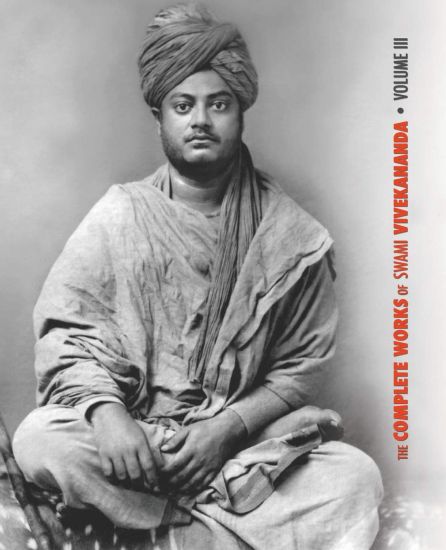
The Complete Works of Swami Vivekananda, Volume 3

The Complete Works of Swami Vivekananda, Volume 3

Swami Vivekananda

Discovery Publisher
2018
pokkari
This is the third volume of the collection of the books, lectures, letters, and poetry of Swami Vivekananda. This Special Master Edition has been crafted with great care in a 7.5" x 9.5" two-columns format. This edition is confirm to the original edition. ContentsLectures and Discourses Unity, the Goal of Religion, The Free Soul, One Existence Appearing as Many. Bhakti-Yoga Definition of Bhakti, The Philosophy of Ishvara, Spiritual Realisation, the aim of Bhakti-Yoga, The Need of Guru, Qualifications of the Aspirant and the Teacher, Incarnate Teachers and Incarnation, The Mantra: Om: Word and Wisdom, Worship of Substitutes and Images, The Chosen Ideal, The Method and the Means. Para-Bhakti or Supreme Devotion The Preparatory Renunciation, The Bhakta's Renunciation Results from Love, The Naturalness of Bhakti-Yoga and its Central Secret, The Forms of Love -- Manifestation, Universal Love and How it Leads to Self Surrender, The Higher Knowledge and the Higher Love are One to the True Lover, The Triangle of Love, The God of Love is His Own Proof, Human Representations of the Divine Ideal of Love, Conclusion. Lectures from Colombo to Almora First Public Lecture in the East (Colombo), Vedantism, Reply to the Address of Welcome at Pamban, Address at the Rameswaram Temple on Real Worship, Reply to the Address of Welcome at Ramnad, Reply to the Address of Welcome at Paramakudi, Reply to the Address of Welcome at Shivaganga and Manamadura, Reply to the Address of Welcome at Madura, The Mission of the Vedanta, Reply to the Address of Welcome at Madras, My Plan of Campaign, Vedanta in its Application to Indian Life, The Sages of India, The Work before us, The Future of India, On Charity, Address of Welcome Presented at Calcutta and Reply, The Vedanta in all its phases, Address of Welcome at Almora and Reply, Vedic Teaching in Theory and Practice, Bhakti, The Common Bases of Hinduism, Bhakti, The Vedanta, Vedantism, The Influence of Indian Spiritual Thought in England, Sannyasa: Its Ideal and Practice, What have I learnt?, The Religion we are born inReports in American Newspapers India: Her Religion and Customs, Hindus at the Fair, At the Parliament of Religions, Personal Traits, Reincarnation, Hindu Civilisation, An Interesting Lecture, The Hindoo Religion, The Hindoo Monk, Plea for Tolerance, Manners and Customs in India, Hindoo Philosophy, Miracles, The Divinity of Man, The Love of God, The Women of IndiaBuddhistic IndiaEditor's Note: This Special Master Edition has been crafted with great care. In order to be more enjoyable during reading and research, it has been set in a 7.5" x 9.5" two-columns format. All our publications are carefully crafted, both in terms of typography as well as design.
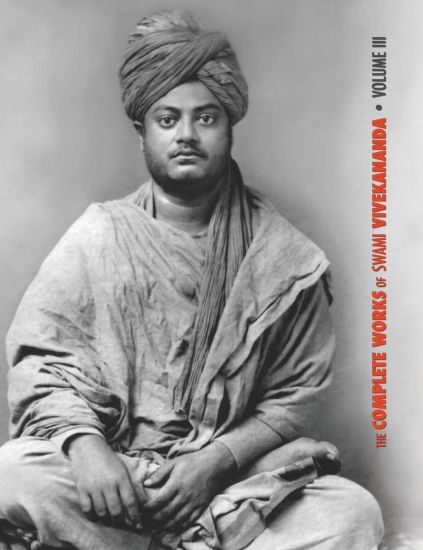
The Complete Works of Swami Vivekananda, Volume 3

The Complete Works of Swami Vivekananda, Volume 3

Swami Vivekananda

Discovery Publisher
2018
sidottu
This is the third volume of the collection of the books, lectures, letters, and poetry of Swami Vivekananda. This Special Master Edition has been crafted with great care in a 7.5" x 9.5" two-columns format. This edition is confirm to the original edition. ContentsLectures and Discourses Unity, the Goal of Religion, The Free Soul, One Existence Appearing as Many. Bhakti-Yoga Definition of Bhakti, The Philosophy of Ishvara, Spiritual Realisation, the aim of Bhakti-Yoga, The Need of Guru, Qualifications of the Aspirant and the Teacher, Incarnate Teachers and Incarnation, The Mantra: Om: Word and Wisdom, Worship of Substitutes and Images, The Chosen Ideal, The Method and the Means. Para-Bhakti or Supreme Devotion The Preparatory Renunciation, The Bhakta's Renunciation Results from Love, The Naturalness of Bhakti-Yoga and its Central Secret, The Forms of Love -- Manifestation, Universal Love and How it Leads to Self Surrender, The Higher Knowledge and the Higher Love are One to the True Lover, The Triangle of Love, The God of Love is His Own Proof, Human Representations of the Divine Ideal of Love, Conclusion. Lectures from Colombo to Almora First Public Lecture in the East (Colombo), Vedantism, Reply to the Address of Welcome at Pamban, Address at the Rameswaram Temple on Real Worship, Reply to the Address of Welcome at Ramnad, Reply to the Address of Welcome at Paramakudi, Reply to the Address of Welcome at Shivaganga and Manamadura, Reply to the Address of Welcome at Madura, The Mission of the Vedanta, Reply to the Address of Welcome at Madras, My Plan of Campaign, Vedanta in its Application to Indian Life, The Sages of India, The Work before us, The Future of India, On Charity, Address of Welcome Presented at Calcutta and Reply, The Vedanta in all its phases, Address of Welcome at Almora and Reply, Vedic Teaching in Theory and Practice, Bhakti, The Common Bases of Hinduism, Bhakti, The Vedanta, Vedantism, The Influence of Indian Spiritual Thought in England, Sannyasa: Its Ideal and Practice, What have I learnt?, The Religion we are born inReports in American Newspapers India: Her Religion and Customs, Hindus at the Fair, At the Parliament of Religions, Personal Traits, Reincarnation, Hindu Civilisation, An Interesting Lecture, The Hindoo Religion, The Hindoo Monk, Plea for Tolerance, Manners and Customs in India, Hindoo Philosophy, Miracles, The Divinity of Man, The Love of God, The Women of IndiaBuddhistic IndiaEditor's Note: This Special Master Edition has been crafted with great care. In order to be more enjoyable during reading and research, it has been set in a 7.5" x 9.5" two-columns format. All our publications are carefully crafted, both in terms of typography as well as design.
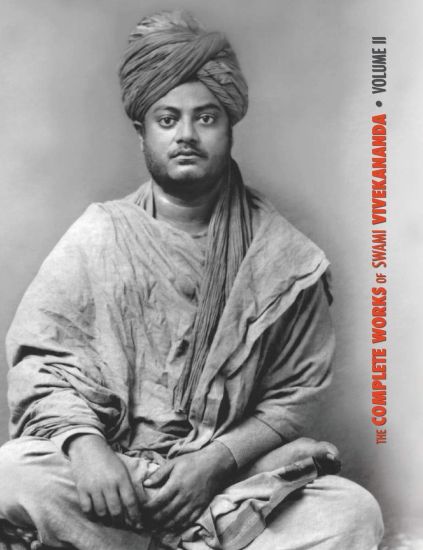
The Complete Works of Swami Vivekananda, Volume 2

The Complete Works of Swami Vivekananda, Volume 2

Swami Vivekananda

Discovery Publisher
2018
sidottu
This is the second volume of the collection of the books, lectures, letters, poetry of Swami Vivekananda. This Special Master Edition has been crafted with great care in a 7.5" x 9.5" two-columns format. This edition is confirm to the original edition. ContentsWork, Mind, Spirituality and Devotion Work and its Secret, The Powers of the Mind, Hints on Practical Spirituality, Bhakti or Devotion. Jnana-Yoga The Necesssity of Religion, The Real Nature of Man, Maya and Illusion, Maya and the Evolution of the Conception of God, Maya and Freedom, The Absolute and Manifestation, God in Everything, Realisation, Unity in Diversity, The Freedom of the Soul, The Cosmos: The Macrocosm, The Cosmos: The Microcosm, Immortality, The Atman, The Atman: Its Bondage and Freedom, The Real and the Apparent Man. Practical Vedanta and other lectures Practical Vedanta: Part I, Practical Vedanta: Part II, Practical Vedanta: Part III, Practical Vedanta: Part IV, The Way to the Realisation of a Universal Religion, The Ideal of a Universal Religion, The Open Secret, The Way to Blessedness, Yajnavalkya and Maitreyi, Soul, Nature and God, Cosmology, A study of the Sankhya philosophy, Sankhya and Vedanta, The Goal. Reports in American Newspapers Note, Divinity of Man, Swami Vivekananda on India, Religious Harmony, From far off India, An Evening with our Hindu Cousins, The Manners and Customs of India, The Religions of India, Sects and Doctrines in India, Less Doctrine and more Bread, The Religion of Buddha, All Religions are Good, The Hindu way of life, Ideals of Womanhood, True Buddhism, India's Gift to the World, Child Widows of India, Some Customs of the Hindus." In the volumes of the works of the Swami Vivekananda we have what is not only a gospel to the world at large, but also to its own children, the Charter of the Hindu Faith. What Hinduism needed, amidst the general disintegration of the modern era, was a rock where she could lie at anchor, an authoritative utterance in which she might recognise her self. And this was given to her, in these words and writings of the Swami Vivekananda. For the first time in history, as has been said elsewhere, Hinduism itself forms here the subject of generalisation of a Hindu mind of the highest order. For ages to come the Hindu man who would verify, the Hindu mother who would teach her children, what was the faith of their ancestors will turn to the pages of these books for assurance and light. Long after the English language has disappeared from India, the gift that has here been made, through that language, to the world, will remain and bear its fruit in East and West alike. What Hinduism had needed, was the organising and consolidating of its own idea. What the world had needed was a faith that had no fear of truth. Both these are found here. Nor could any greater proof have been given of the eternal vigour of the San tana Dharma, of the fact that India is as great in the present as ever in the past, than this rise of the individual who, at the critical moment, gathers up and voices the communal consciousness." - Sister NiveditaEditor's Note: This Special Master Edition has been crafted with great care. In order to be more enjoyable during reading and research, it has been set in a 7.5" x 9.5" two-columns format. All our publications are carefully crafted, both in terms of typography as well as design.
Los Cuatro Caminos para la Realización Espiritual

Los Cuatro Caminos para la Realización Espiritual

Swami Vivekananda

Discovery Publisher
2018
sidottu
Los habitantes del subcontinente indio llevan practicando desde tiempos ancestrales disciplinas espirituales cuyo prop sito consiste en liberar la mente y alcanzar un estado de consciencia serena y libre de ataduras. El conjunto de estas pr cticas que pretenden desarrollar este estado de equilibrio, pureza, sabidur a y paz interior se conoce como yoga. Esta palabra significa « acoplamiento o « uni n , en referencia a la uni n con el Yo superior, que es el objetivo descrito en los « Upanishads . Los sabios distingu an cuatro tipos b sicos de personas y desarrollaron pr cticas de yoga adaptadas a cada uno de estos tipos con el objetivo de que cada hombre pudiese alcanzar la deseada uni n con el Yo superior. Para las personas racionales, existe el Camino del Conocimiento. As , para las personas meditativas, existe el Camino del Conocimiento de S . Para las personas activas por naturaleza existe el Camino de la Acci n Desinteresada. Para las personas emocionales existe el Camino de la Devoci n.
Les Quatre Voies Du Yoga

Les Quatre Voies Du Yoga

Swami Vivekananda

Discovery Publisher
2018
pokkari
Depuis les temps anciens, les habitants de l'Inde ont pratiqu des disciplines spirituelles visant clairer l'esprit et atteindre un tat de conscience serein et lib r . L'ensemble des pratiques visant d velopper cet tat voulu d' quilibre, de puret , de sagesse et de paix de l'esprit, est g n ralement connu sous le nom de « yoga .« Yoga signifie « joug ou « union , en r f rence l'union avec le v ritable Soi, l'objectif d crit dans les Upanishads. Les sages distinguaient quatre principaux types de personnes et ont d velopp des pratiques sp cialement adapt es chaque type, afin que chaque homme puisse atteindre l'union d sir e avec le v ritable Soi. Pour les personnes rationnelles, il existe la Voie de la Connaissance. Pour les personnes m ditatives, il existe la Voie de la Connaissance de Soi. Pour les personnes naturellement actives, il existe la Voie de l'Abn gation. Pour les personnes motionnelles, il existe la Voie de la D votion. Note de l' diteur: Afin d' tre plus agr able lors de la lecture, cet ouvrage est au format 23cm x 15cm. Dans la m me optique, le papier est de couleur cr me, ce qui fatigue beaucoup moins les yeux que le papier blanc. Toutes nos publications font l'objet d'un travail soign tant au niveau typographique qu'au niveau du design.
I Quattro Percorsi dello Yoga

I Quattro Percorsi dello Yoga

Swami Vivekananda

Discovery Publisher
2018
sidottu
Sin dall'antichit , il popolo del subcontinente indiano pratica discipline spirituali allo scopo di liberare la mente e di mantenere uno stato di coscienza sereno e distaccato. Le pratiche utilizzate per raggiungere quest'agognata condizione di equilibrio, purezza, saggezza, pace dei sensi sono comunemente note con il nome di «yoga .«Yoga dire «giogo o «unione -- in riferimento all'unione con il vero S , il fine descritto nelle Upanishad. I saggi distinguevano principalmente principalmente quattro tipi di persone e hanno elaborato esercizi particolarmente adatti a ciascun tipo, in modo tale che ogni uomo possa raggiungere l'ambita unione con il S . Per le persone razionali c' la Via della Conoscenza. Per le persone meditative c' la Via della Conoscenza di S . Per le persone attive per natura c' la Via dell'Altruismo. Per le persone emotive c' la Via della Devozione.
The Complete Works of Swami Vivekananda, Volume 1

The Complete Works of Swami Vivekananda, Volume 1

Swami Vivekananda

Discovery Publisher
2018
pokkari
This is the first volume of the collection of the books, lectures, letters, poetry of Swami Vivekananda. This Special Master Edition has been crafted with great care in a 7.5" x 9.5" two-columns format. This edition is confirm to the original edition. ContentsAddresses at The Parliament of Religions Response to Welcome, Why We Disagree, Paper on Hinduism, Religion not the Crying Need of India, Buddhism, the Fulfilment of Hinduism, Address at the Final Session. Karma-Yoga Karma in its Effect on Character, Each is great in his own place, The Secret of Work, What is Duty?, We help ourselves, not the world, Non-attachment is complete self-abnegation, Freedom, The Ideal of Karma-Yoga. Raja-Yoga Preface, Introductory, The First Steps, Prana, The Psychic Prana, The Control of Psychic Prana, Pratyahara and Dharana, Dhyana and Samadhi, Raja-Yoga in brief Patanjali's Yoga Aphorisms: Introduction, Concentration: Its spiritual uses, Concentration: Its practice, Powers, Independence, Appendix. Lectures and Discourses Soul, God and Religion, The Hindu Religion, What is Religion?, Vedic Religious Ideals, The Vedanta Philosophy, Reason and Religion, Vedanta as a Factor in Civilisation, The Spirit and Influence of Vedanta, Steps of Hindu Philosophic Thought, Steps to Realisation, Vedanta and Privilege, Privilege, Krishna, Gita I, Gita II, Gita III, Mohammed, Vilvamangala, The Soul and God, Breathing, Practical Religion: Breathing and Meditation." In the volumes of the works of the Swami Vivekananda we have what is not only a gospel to the world at large, but also to its own children, the Charter of the Hindu Faith. What Hinduism needed, amidst the general disintegration of the modern era, was a rock where she could lie at anchor, an authoritative utterance in which she might recognise her self. And this was given to her, in these words and writings of the Swami Vivekananda. For the first time in history, as has been said elsewhere, Hinduism itself forms here the subject of generalisation of a Hindu mind of the highest order. For ages to come the Hindu man who would verify, the Hindu mother who would teach her children, what was the faith of their ancestors will turn to the pages of these books for assurance and light. Long after the English language has disappeared from India, the gift that has here been made, through that language, to the world, will remain and bear its fruit in East and West alike. What Hinduism had needed, was the organising and consolidating of its own idea. What the world had needed was a faith that had no fear of truth. Both these are found here. Nor could any greater proof have been given of the eternal vigour of the San tana Dharma, of the fact that India is as great in the present as ever in the past, than this rise of the individual who, at the critical moment, gathers up and voices the communal consciousness." - Sister NiveditaEditor's Note: This Special Master Edition has been crafted with great care. In order to be more enjoyable during reading and research, it has been set in a 7.5" x 9.5" two-columns format. All our publications are carefully crafted, both in terms of typography as well as design.
Les Quatre Voies du Yoga

Les Quatre Voies du Yoga

Swami Vivekananda

Discovery Publisher
2018
sidottu
Depuis les temps anciens, les habitants de l'Inde ont pratiqu des disciplines spirituelles visant clairer l'esprit et atteindre un tat de conscience serein et lib r . L'ensemble des pratiques visant d velopper cet tat voulu d' quilibre, de puret , de sagesse et de paix de l'esprit, est g n ralement connu sous le nom de « yoga .« Yoga signifie « joug ou « union , en r f rence l'union avec le v ritable Soi, l'objectif d crit dans les Upanishads. Les sages distinguaient quatre principaux types de personnes et ont d velopp des pratiques sp cialement adapt es chaque type, afin que chaque homme puisse atteindre l'union d sir e avec le v ritable Soi. Pour les personnes rationnelles, il existe la Voie de la Connaissance. Pour les personnes m ditatives, il existe la Voie de la Connaissance de Soi. Pour les personnes naturellement actives, il existe la Voie de l'Abn gation. Pour les personnes motionnelles, il existe la Voie de la D votion. Note de l' diteur: Afin d' tre plus agr able lors de la lecture, cet ouvrage est au format 23cm x 15cm. Dans la m me optique, le papier est de couleur cr me, ce qui fatigue beaucoup moins les yeux que le papier blanc. Toutes nos publications font l'objet d'un travail soign tant au niveau typographique qu'au niveau du design.
The Complete Works of Swami Vivekananda, Volume 1

The Complete Works of Swami Vivekananda, Volume 1

Swami Vivekananda

Discovery Publisher
2018
sidottu
This is the first volume of the collection of the books, lectures, letters, poetry of Swami Vivekananda. This Special Master Edition has been crafted with great care in a 7.5" x 9.5" two-columns format. This edition is confirm to the original edition. ContentsAddresses at The Parliament of Religions Response to Welcome, Why We Disagree, Paper on Hinduism, Religion not the Crying Need of India, Buddhism, the Fulfilment of Hinduism, Address at the Final Session. Karma-Yoga Karma in its Effect on Character, Each is great in his own place, The Secret of Work, What is Duty?, We help ourselves, not the world, Non-attachment is complete self-abnegation, Freedom, The Ideal of Karma-Yoga. Raja-Yoga Preface, Introductory, The First Steps, Prana, The Psychic Prana, The Control of Psychic Prana, Pratyahara and Dharana, Dhyana and Samadhi, Raja-Yoga in brief Patanjali's Yoga Aphorisms: Introduction, Concentration: Its spiritual uses, Concentration: Its practice, Powers, Independence, Appendix. Lectures and Discourses Soul, God and Religion, The Hindu Religion, What is Religion?, Vedic Religious Ideals, The Vedanta Philosophy, Reason and Religion, Vedanta as a Factor in Civilisation, The Spirit and Influence of Vedanta, Steps of Hindu Philosophic Thought, Steps to Realisation, Vedanta and Privilege, Privilege, Krishna, Gita I, Gita II, Gita III, Mohammed, Vilvamangala, The Soul and God, Breathing, Practical Religion: Breathing and Meditation." In the volumes of the works of the Swami Vivekananda we have what is not only a gospel to the world at large, but also to its own children, the Charter of the Hindu Faith. What Hinduism needed, amidst the general disintegration of the modern era, was a rock where she could lie at anchor, an authoritative utterance in which she might recognise her self. And this was given to her, in these words and writings of the Swami Vivekananda. For the first time in history, as has been said elsewhere, Hinduism itself forms here the subject of generalisation of a Hindu mind of the highest order. For ages to come the Hindu man who would verify, the Hindu mother who would teach her children, what was the faith of their ancestors will turn to the pages of these books for assurance and light. Long after the English language has disappeared from India, the gift that has here been made, through that language, to the world, will remain and bear its fruit in East and West alike. What Hinduism had needed, was the organising and consolidating of its own idea. What the world had needed was a faith that had no fear of truth. Both these are found here. Nor could any greater proof have been given of the eternal vigour of the San tana Dharma, of the fact that India is as great in the present as ever in the past, than this rise of the individual who, at the critical moment, gathers up and voices the communal consciousness." - Sister NiveditaEditor's Note: This Special Master Edition has been crafted with great care. In order to be more enjoyable during reading and research, it has been set in a 7.5" x 9.5" two-columns format. All our publications are carefully crafted, both in terms of typography as well as design.
Les Quatre Voies de la Réalisation Spirituelle

Les Quatre Voies de la Réalisation Spirituelle

Swami Vivekananda

Discovery Publisher
2018
pokkari
Depuis les temps anciens, les habitants de l'Inde ont pratiqu des disciplines spirituelles visant clairer l'esprit et atteindre un tat de conscience serein et lib r . L'ensemble des pratiques visant d velopper cet tat voulu d' quilibre, de puret , de sagesse et de paix de l'esprit, est g n ralement connu sous le nom de « yoga .« Yoga signifie « joug ou « union , en r f rence l'union avec le v ritable Soi, l'objectif d crit dans les Upanishads. Les sages distinguaient quatre principaux types de personnes et ont d velopp des pratiques sp cialement adapt es chaque type, afin que chaque homme puisse atteindre l'union d sir e avec le v ritable Soi. Pour les personnes rationnelles, il existe la Voie de la Connaissance. Pour les personnes m ditatives, il existe la Voie de la Connaissance de Soi. Pour les personnes naturellement actives, il existe la Voie de l'Abn gation. Pour les personnes motionnelles, il existe la Voie de la D votion. Note de l' diteur: Afin d' tre plus agr able lors de la lecture, cet ouvrage est au format 23cm x 15cm. Dans la m me optique, le papier est de couleur cr me, ce qui fatigue beaucoup moins les yeux que le papier blanc. Toutes nos publications font l'objet d'un travail soign tant au niveau typographique qu'au niveau du design.
Les Quatre Voies de la Réalisation Spirituelle

Les Quatre Voies de la Réalisation Spirituelle

Swami Vivekananda

Discovery Publisher
2018
sidottu
Depuis les temps anciens, les habitants de l'Inde ont pratiqu des disciplines spirituelles visant clairer l'esprit et atteindre un tat de conscience serein et lib r . L'ensemble des pratiques visant d velopper cet tat voulu d' quilibre, de puret , de sagesse et de paix de l'esprit, est g n ralement connu sous le nom de « yoga .« Yoga signifie « joug ou « union , en r f rence l'union avec le v ritable Soi, l'objectif d crit dans les Upanishads. Les sages distinguaient quatre principaux types de personnes et ont d velopp des pratiques sp cialement adapt es chaque type, afin que chaque homme puisse atteindre l'union d sir e avec le v ritable Soi. Pour les personnes rationnelles, il existe la Voie de la Connaissance. Pour les personnes m ditatives, il existe la Voie de la Connaissance de Soi. Pour les personnes naturellement actives, il existe la Voie de l'Abn gation. Pour les personnes motionnelles, il existe la Voie de la D votion. Note de l' diteur: Afin d' tre plus agr able lors de la lecture, cet ouvrage est au format 23cm x 15cm. Dans la m me optique, le papier est de couleur cr me, ce qui fatigue beaucoup moins les yeux que le papier blanc. Toutes nos publications font l'objet d'un travail soign tant au niveau typographique qu'au niveau du design.
I Quattro Percorsi della Realizzazione Spirituale

I Quattro Percorsi della Realizzazione Spirituale

Swami Vivekananda

Discovery Publisher
2018
pokkari
Sin dall'antichit , il popolo del subcontinente indiano pratica discipline spirituali allo scopo di liberare la mente e di mantenere uno stato di coscienza sereno e distaccato. Le pratiche utilizzate per raggiungere quest'agognata condizione di equilibrio, purezza, saggezza, pace dei sensi sono comunemente note con il nome di «yoga .«Yoga dire «giogo o «unione -- in riferimento all'unione con il vero S , il fine descritto nelle Upanishad. I saggi distinguevano principalmente principalmente quattro tipi di persone e hanno elaborato esercizi particolarmente adatti a ciascun tipo, in modo tale che ogni uomo possa raggiungere l'ambita unione con il S . Per le persone razionali c' la Via della Conoscenza. Per le persone meditative c' la Via della Conoscenza di S . Per le persone attive per natura c' la Via dell'Altruismo. Per le persone emotive c' la Via della Devozione.
I Quattro Percorsi della Realizzazione Spirituale

I Quattro Percorsi della Realizzazione Spirituale

Swami Vivekananda

Discovery Publisher
2018
sidottu
Sin dall'antichit , il popolo del subcontinente indiano pratica discipline spirituali allo scopo di liberare la mente e di mantenere uno stato di coscienza sereno e distaccato. Le pratiche utilizzate per raggiungere quest'agognata condizione di equilibrio, purezza, saggezza, pace dei sensi sono comunemente note con il nome di «yoga .«Yoga dire «giogo o «unione -- in riferimento all'unione con il vero S , il fine descritto nelle Upanishad. I saggi distinguevano principalmente principalmente quattro tipi di persone e hanno elaborato esercizi particolarmente adatti a ciascun tipo, in modo tale che ogni uomo possa raggiungere l'ambita unione con il S . Per le persone razionali c' la Via della Conoscenza. Per le persone meditative c' la Via della Conoscenza di S . Per le persone attive per natura c' la Via dell'Altruismo. Per le persone emotive c' la Via della Devozione.
Los Cuatro Caminos para la Realización Espiritual

Los Cuatro Caminos para la Realización Espiritual

Swami Vivekananda

Discovery Publisher
2018
pokkari
Los habitantes del subcontinente indio llevan practicando desde tiempos ancestrales disciplinas espirituales cuyo prop sito consiste en liberar la mente y alcanzar un estado de consciencia serena y libre de ataduras. El conjunto de estas pr cticas que pretenden desarrollar este estado de equilibrio, pureza, sabidur a y paz interior se conoce como yoga. Esta palabra significa « acoplamiento o « uni n , en referencia a la uni n con el Yo superior, que es el objetivo descrito en los « Upanishads . Los sabios distingu an cuatro tipos b sicos de personas y desarrollaron pr cticas de yoga adaptadas a cada uno de estos tipos con el objetivo de que cada hombre pudiese alcanzar la deseada uni n con el Yo superior. Para las personas racionales, existe el Camino del Conocimiento. As , para las personas meditativas, existe el Camino del Conocimiento de S . Para las personas activas por naturaleza existe el Camino de la Acci n Desinteresada. Para las personas emocionales existe el Camino de la Devoci n.
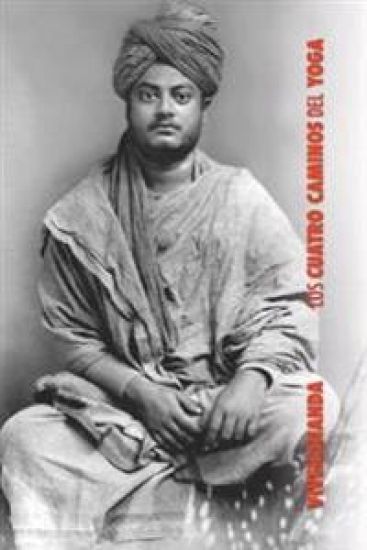
Los Cuatro Caminos del Yoga

Los Cuatro Caminos del Yoga

Swami Vivekananda

Discovery Publisher
2018
pokkari
Los habitantes del subcontinente indio llevan practicando desde tiempos ancestrales disciplinas espirituales cuyo prop sito consiste en liberar la mente y alcanzar un estado de consciencia serena y libre de ataduras. El conjunto de estas pr cticas que pretenden desarrollar este estado de equilibrio, pureza, sabidur a y paz interior se conoce como yoga. Esta palabra significa « acoplamiento o « uni n , en referencia a la uni n con el Yo superior, que es el objetivo descrito en los « Upanishads . Los sabios distingu an cuatro tipos b sicos de personas y desarrollaron pr cticas de yoga adaptadas a cada uno de estos tipos con el objetivo de que cada hombre pudiese alcanzar la deseada uni n con el Yo superior. Para las personas racionales, existe el Camino del Conocimiento. As , para las personas meditativas, existe el Camino del Conocimiento de S . Para las personas activas por naturaleza existe el Camino de la Acci n Desinteresada. Para las personas emocionales existe el Camino de la Devoci n.
The Complete Works of Swami Vivekananda, Volume 2

The Complete Works of Swami Vivekananda, Volume 2

Swami Vivekananda

Discovery Publisher
2018
pokkari
This is the second volume of the collection of the books, lectures, letters, poetry of Swami Vivekananda. This Special Master Edition has been crafted with great care in a 7.5" x 9.5" two-columns format. This edition is confirm to the original edition. ContentsWork, Mind, Spirituality and Devotion Work and its Secret, The Powers of the Mind, Hints on Practical Spirituality, Bhakti or Devotion. Jnana-Yoga The Necesssity of Religion, The Real Nature of Man, Maya and Illusion, Maya and the Evolution of the Conception of God, Maya and Freedom, The Absolute and Manifestation, God in Everything, Realisation, Unity in Diversity, The Freedom of the Soul, The Cosmos: The Macrocosm, The Cosmos: The Microcosm, Immortality, The Atman, The Atman: Its Bondage and Freedom, The Real and the Apparent Man. Practical Vedanta and other lectures Practical Vedanta: Part I, Practical Vedanta: Part II, Practical Vedanta: Part III, Practical Vedanta: Part IV, The Way to the Realisation of a Universal Religion, The Ideal of a Universal Religion, The Open Secret, The Way to Blessedness, Yajnavalkya and Maitreyi, Soul, Nature and God, Cosmology, A study of the Sankhya philosophy, Sankhya and Vedanta, The Goal. Reports in American Newspapers Note, Divinity of Man, Swami Vivekananda on India, Religious Harmony, From far off India, An Evening with our Hindu Cousins, The Manners and Customs of India, The Religions of India, Sects and Doctrines in India, Less Doctrine and more Bread, The Religion of Buddha, All Religions are Good, The Hindu way of life, Ideals of Womanhood, True Buddhism, India's Gift to the World, Child Widows of India, Some Customs of the Hindus." In the volumes of the works of the Swami Vivekananda we have what is not only a gospel to the world at large, but also to its own children, the Charter of the Hindu Faith. What Hinduism needed, amidst the general disintegration of the modern era, was a rock where she could lie at anchor, an authoritative utterance in which she might recognise her self. And this was given to her, in these words and writings of the Swami Vivekananda. For the first time in history, as has been said elsewhere, Hinduism itself forms here the subject of generalisation of a Hindu mind of the highest order. For ages to come the Hindu man who would verify, the Hindu mother who would teach her children, what was the faith of their ancestors will turn to the pages of these books for assurance and light. Long after the English language has disappeared from India, the gift that has here been made, through that language, to the world, will remain and bear its fruit in East and West alike. What Hinduism had needed, was the organising and consolidating of its own idea. What the world had needed was a faith that had no fear of truth. Both these are found here. Nor could any greater proof have been given of the eternal vigour of the San tana Dharma, of the fact that India is as great in the present as ever in the past, than this rise of the individual who, at the critical moment, gathers up and voices the communal consciousness." - Sister NiveditaEditor's Note: This Special Master Edition has been crafted with great care. In order to be more enjoyable during reading and research, it has been set in a 7.5" x 9.5" two-columns format. All our publications are carefully crafted, both in terms of typography as well as design.
Los Cuatro Caminos del Yoga

Los Cuatro Caminos del Yoga

Swami Vivekananda

Discovery Publisher
2018
sidottu
Los habitantes del subcontinente indio llevan practicando desde tiempos ancestrales disciplinas espirituales cuyo prop sito consiste en liberar la mente y alcanzar un estado de consciencia serena y libre de ataduras. El conjunto de estas pr cticas que pretenden desarrollar este estado de equilibrio, pureza, sabidur a y paz interior se conoce como yoga. Esta palabra significa « acoplamiento o « uni n , en referencia a la uni n con el Yo superior, que es el objetivo descrito en los « Upanishads . Los sabios distingu an cuatro tipos b sicos de personas y desarrollaron pr cticas de yoga adaptadas a cada uno de estos tipos con el objetivo de que cada hombre pudiese alcanzar la deseada uni n con el Yo superior. Para las personas racionales, existe el Camino del Conocimiento. As , para las personas meditativas, existe el Camino del Conocimiento de S . Para las personas activas por naturaleza existe el Camino de la Acci n Desinteresada. Para las personas emocionales existe el Camino de la Devoci n.
Los Cuatro Caminos para la Realizaci?n Espiritual

Los Cuatro Caminos para la Realizaci?n Espiritual

Swami Vivekananda

Discovery Publisher
2018
sidottu
Los habitantes del subcontinente indio llevan practicando desde tiempos ancestrales disciplinas espirituales cuyo prop sito consiste en liberar la mente y alcanzar un estado de consciencia serena y libre de ataduras. El conjunto de estas pr cticas que pretenden desarrollar este estado de equilibrio, pureza, sabidur a y paz interior se conoce como yoga. Esta palabra significa « acoplamiento o « uni n , en referencia a la uni n con el Yo superior, que es el objetivo descrito en los « Upanishads . Los sabios distingu an cuatro tipos b sicos de personas y desarrollaron pr cticas de yoga adaptadas a cada uno de estos tipos con el objetivo de que cada hombre pudiese alcanzar la deseada uni n con el Yo superior. Para las personas racionales, existe el Camino del Conocimiento. As , para las personas meditativas, existe el Camino del Conocimiento de S . Para las personas activas por naturaleza existe el Camino de la Acci n Desinteresada. Para las personas emocionales existe el Camino de la Devoci n.
I Quattro Percorsi dello Yoga

I Quattro Percorsi dello Yoga

Swami Vivekananda

Discovery Publisher
2018
pokkari
Sin dall'antichit , il popolo del subcontinente indiano pratica discipline spirituali allo scopo di liberare la mente e di mantenere uno stato di coscienza sereno e distaccato. Le pratiche utilizzate per raggiungere quest'agognata condizione di equilibrio, purezza, saggezza, pace dei sensi sono comunemente note con il nome di «yoga .«Yoga dire «giogo o «unione -- in riferimento all'unione con il vero S , il fine descritto nelle Upanishad. I saggi distinguevano principalmente principalmente quattro tipi di persone e hanno elaborato esercizi particolarmente adatti a ciascun tipo, in modo tale che ogni uomo possa raggiungere l'ambita unione con il S . Per le persone razionali c' la Via della Conoscenza. Per le persone meditative c' la Via della Conoscenza di S . Per le persone attive per natura c' la Via dell'Altruismo. Per le persone emotive c' la Via della Devozione.
The Four Paths of Yoga

The Four Paths of Yoga

Swami Vivekananda

Discovery Publisher
2018
pokkari
From ancient times, people of India have practiced spiritual disciplines designed to clear the mind and support a state of serene, detached awareness. The practices for developing this desired state of balance, purity, wisdom, and peacefulness of mind are known collectively as "yoga.""Yoga" means "yoke" or "union" - referring to union with the true Self, the goal described in the Upanishads. The sages distinguished four basic types of people and developed practices that are particularly suitable for each type, in order that each man can attain the desired union with the Self. For rational people, there is the path of Knowledge. For meditative people, there is the path of Self-Knowledge. For naturally active people, there is the path of Selfless Action. For emotional people, there is the Path of Devotion. Editor's Note: In order to be more enjoyable during reading, this book is in 6" x 9" format. In the same spirit, the paper is cream-colored, which causes less fatigue to the eyes than white paper. All our publications are carefully handled both in terms of typography and design.