Kirjailija
Wilkie Collins
Kirjat ja teokset yhdessä paikassa: 2 039 kirjaa, julkaisuja vuosilta 1985–2026, suosituimpiin kuuluu Basil. Vertaile teosten hintoja ja tarkista saatavuus suomalaisista kirjakaupoista.
2 039 kirjaa
Kirjojen julkaisuvuodet: 1985–2026.
Une femme d chue sur laquelle le sort s'acharne... Un beau jeune-homme pr t tout s'enrichir... Et une meurtri re qui va rendre la situation encore plus complexe. Wilkie Collins signe ici une oeuvre engag e en faveur de la condition f minine au sein de la soci t victorienne dont il d nonce la misogynie et l'exc s de pouvoir accord aux hommes. Au-del de la critique sociale, c'est aussi, comme Collins en a l'habitude, une histoire habilement ficel e dans laquelle se retrouvent amour, vengeance et trahisons.

The fallen leaves, By Wilkie Collins A NOVEL (Classics): A Story of Life for All Ages, By William Wilkie Collins
Wilkie Collins
Createspace Independent Publishing Platform
2016
nidottu
Wilkie Collins's The Fallen Leaves was first published in 1879. Amelius Goldenheart is deported from his Utopian community because of a relationship with an older woman. A Story of Life for All Ages. William Wilkie Collins (8 January 1824 - 23 September 1889) was an English novelist, playwright, and short story writer. His best-known works are The Woman in White (1859), No Name (1862), Armadale (1866), and The Moonstone (1868). The last is considered the first modern English detective novel. Born into the family of painter William Collins in London, he lived with his family in Italy and France as a child and learned French and Italian. He worked as a clerk for a tea merchant. After his first novel, Antonina, was published in 1850, he met Charles Dickens, who became a close friend, mentor and collaborator. Some of Collins's works were first published in Dickens' journals All the Year Round and Household Words and the two collaborated on drama and fiction. Collins published his best known works in the 1860s, achieved financial stability and an international reputation. During that time he began suffering from gout. After taking opium for the pain, he developed an addiction. During the 1870s and 1880s the quality of his writing declined along with his health. Collins was critical of the institution of marriage and never married; he split his time between Caroline Graves, except for a two-year separation, and his common-law wife Martha Rudd, with whom he had three children. Collins was born at 11 New Cavendish Street, Marylebone, London, the son of a well-known Royal Academician landscape painter, William Collins and his wife, Harriet Geddes. Named after his father, he swiftly became known by his second name, which honoured his godfather, David Wilkie. The family moved to Pond Street, Hampstead, in 1826. In 1828 Collins's brother Charles Allston Collins was born. Between 1829 and 1830, the Collins family moved twice, first to Hampstead Square and then to Porchester Terrace, Bayswater. Wilkie and Charles received their early education from their mother at home. The Collins family was deeply religious, and Collins's mother enforced strict church attendance on her sons, which Wilkie disliked. In 1835, Collins began attending school at the Maida Vale academy. From 1836 to 1838, he lived with his parents in Italy and France, which made a great impression on him. He learned Italian while the family was in Italy and began learning French, in which he would eventually become fluent. From 1838 to 1840, he attended the Reverend Cole's private boarding school in Highbury, where he was bullied by a boy who would force Collins to tell him a story before allowing him to go to sleep. "It was this brute who first awakened in me, his poor little victim, a power of which but for him I might never have been aware... When I left school I continued story telling for my own pleasure", Collins later said. In 1840 the family moved to 85 Oxford Terrace, Bayswater. In late 1840, he left school and was apprenticed as a clerk to the firm of tea merchants Antrobus & Co, owned by a friend of Wilkie's father. He disliked his clerical work but remained employed by the company for more than five years. Collins's first story The Last Stage Coachman, was published in the Illuminated Magazine in August 1843. In 1844 he travelled to Paris with Charles Ward. That same year he wrote his first novel, Iolani, or Tahiti as It Was; a Romance, which was submitted to Chapman and Hall but rejected in 1845. The novel remained unpublished during his lifetime. Collins said of it: "My youthful imagination ran riot among the noble savages, in scenes which caused the respectable British publisher to declare that it was impossible to put his name on the title page of such a novel." It was during the writing of this novel that Collins's father first learned that his assumptions that Wilkie would follow him in becoming a painter were mistaken....
The evil genius; a domestic story, By Wilkie Collins A NOVEL: William Wilkie Collins
Wilkie Collins
Createspace Independent Publishing Platform
2016
nidottu
Collins' most financially successful novel, The Evil Genius, opens with a jury determining the fate of a sea captain whose ship allegedly facilitated a diamond theft. The story develops into a powerful novel of Victorian private life, including deception, adultery and divorce. William Wilkie Collins (8 January 1824 - 23 September 1889) was an English novelist, playwright, and short story writer. His best-known works are The Woman in White (1859), No Name (1862), Armadale (1866), and The Moonstone (1868). The last is considered the first modern English detective novel. Born into the family of painter William Collins in London, he lived with his family in Italy and France as a child and learned French and Italian. He worked as a clerk for a tea merchant. After his first novel, Antonina, was published in 1850, he met Charles Dickens, who became a close friend, mentor and collaborator. Some of Collins's works were first published in Dickens' journals All the Year Round and Household Words and the two collaborated on drama and fiction. Collins published his best known works in the 1860s, achieved financial stability and an international reputation. During that time he began suffering from gout. After taking opium for the pain, he developed an addiction. During the 1870s and 1880s the quality of his writing declined along with his health. Collins was critical of the institution of marriage and never married; he split his time between Caroline Graves, except for a two-year separation, and his common-law wife Martha Rudd, with whom he had three children. Collins was born at 11 New Cavendish Street, Marylebone, London, the son of a well-known Royal Academician landscape painter, William Collins and his wife, Harriet Geddes. Named after his father, he swiftly became known by his second name, which honoured his godfather, David Wilkie. The family moved to Pond Street, Hampstead, in 1826. In 1828 Collins's brother Charles Allston Collins was born. Between 1829 and 1830, the Collins family moved twice, first to Hampstead Square and then to Porchester Terrace, Bayswater. Wilkie and Charles received their early education from their mother at home. The Collins family was deeply religious, and Collins's mother enforced strict church attendance on her sons, which Wilkie disliked. In 1835, Collins began attending school at the Maida Vale academy. From 1836 to 1838, he lived with his parents in Italy and France, which made a great impression on him. He learned Italian while the family was in Italy and began learning French, in which he would eventually become fluent. From 1838 to 1840, he attended the Reverend Cole's private boarding school in Highbury, where he was bullied by a boy who would force Collins to tell him a story before allowing him to go to sleep. "It was this brute who first awakened in me, his poor little victim, a power of which but for him I might never have been aware... When I left school I continued story telling for my own pleasure", Collins later said. In 1840 the family moved to 85 Oxford Terrace, Bayswater. In late 1840, he left school and was apprenticed as a clerk to the firm of tea merchants Antrobus & Co, owned by a friend of Wilkie's father. He disliked his clerical work but remained employed by the company for more than five years. Collins's first story The Last Stage Coachman, was published in the Illuminated Magazine in August 1843. In 1844 he travelled to Paris with Charles Ward. That same year he wrote his first novel, Iolani, or Tahiti as It Was; a Romance, which was submitted to Chapman and Hall but rejected in 1845. The novel remained unpublished during his lifetime. Collins said of it: "My youthful imagination ran riot among the noble savages, in scenes which caused the respectable British publisher to declare that it was impossible to put his name on the title page of such a novel.....
The legacy of Cain; a novel, By Wilkie Collins A NOVEL: William Wilkie Collins
Wilkie Collins
Createspace Independent Publishing Platform
2016
nidottu
When a condemned woman asks the local Minister to take her daughter home, the childless man is touched and finds himself unable to refuse. Yet the prisoner is unrepentant of the murder of her husband. Will her vices be passed on to this seemingly sweet child? William Wilkie Collins (8 January 1824 - 23 September 1889) was an English novelist, playwright, and short story writer. His best-known works are The Woman in White (1859), No Name (1862), Armadale (1866), and The Moonstone (1868). The last is considered the first modern English detective novel. Born into the family of painter William Collins in London, he lived with his family in Italy and France as a child and learned French and Italian. He worked as a clerk for a tea merchant. After his first novel, Antonina, was published in 1850, he met Charles Dickens, who became a close friend, mentor and collaborator. Some of Collins's works were first published in Dickens' journals All the Year Round and Household Words and the two collaborated on drama and fiction. Collins published his best known works in the 1860s, achieved financial stability and an international reputation. During that time he began suffering from gout. After taking opium for the pain, he developed an addiction. During the 1870s and 1880s the quality of his writing declined along with his health. Collins was critical of the institution of marriage and never married; he split his time between Caroline Graves, except for a two-year separation, and his common-law wife Martha Rudd, with whom he had three children. Collins was born at 11 New Cavendish Street, Marylebone, London, the son of a well-known Royal Academician landscape painter, William Collins and his wife, Harriet Geddes. Named after his father, he swiftly became known by his second name, which honoured his godfather, David Wilkie. The family moved to Pond Street, Hampstead, in 1826. In 1828 Collins's brother Charles Allston Collins was born. Between 1829 and 1830, the Collins family moved twice, first to Hampstead Square and then to Porchester Terrace, Bayswater. Wilkie and Charles received their early education from their mother at home. The Collins family was deeply religious, and Collins's mother enforced strict church attendance on her sons, which Wilkie disliked. In 1835, Collins began attending school at the Maida Vale academy. From 1836 to 1838, he lived with his parents in Italy and France, which made a great impression on him. He learned Italian while the family was in Italy and began learning French, in which he would eventually become fluent. From 1838 to 1840, he attended the Reverend Cole's private boarding school in Highbury, where he was bullied by a boy who would force Collins to tell him a story before allowing him to go to sleep. "It was this brute who first awakened in me, his poor little victim, a power of which but for him I might never have been aware... When I left school I continued story telling for my own pleasure", Collins later said. In 1840 the family moved to 85 Oxford Terrace, Bayswater. In late 1840, he left school and was apprenticed as a clerk to the firm of tea merchants Antrobus & Co, owned by a friend of Wilkie's father. He disliked his clerical work but remained employed by the company for more than five years. Collins's first story The Last Stage Coachman, was published in the Illuminated Magazine in August 1843. In 1844 he travelled to Paris with Charles Ward. That same year he wrote his first novel, Iolani, or Tahiti as It Was; a Romance, which was submitted to Chapman and Hall but rejected in 1845. The novel remained unpublished during his lifetime. Collins said of it: "My youthful imagination ran riot among the noble savages, in scenes which caused the respectable British publisher to declare that it was impossible to put his name on the title page of such a novel." ....
The black robe, By Wilkie Collins ( epistolary novel ): William Wilkie Collins
Wilkie Collins
Createspace Independent Publishing Platform
2016
nidottu
The law and the lady; a novel, By Wilkie Collins, ( illustrated ) detective story
Wilkie Collins
Createspace Independent Publishing Platform
2016
nidottu
The Woman in White, by Wilkie Collins and John McLenan illustrated--mystery novel: John McLenan (1827 - 1865) was an American illustrator and caricatu
John McLenan; Wilkie Collins
Createspace Independent Publishing Platform
2016
nidottu
The Woman in White is Wilkie Collins' fifth published novel, written in 1859. It is considered to be among the first mystery novels and is widely regarded as one of the first (and finest) in the genre of "sensation novels". The story is sometimes considered an early example of detective fiction with protagonist Walter Hartright employing many of the sleuthing techniques of later private detectives. The use of multiple narrators (including nearly all the principal characters) draws on Collins's legal training, and as he points out in his Preamble: "the story here presented will be told by more than one pen, as the story of an offence against the laws is told in Court by more than one witness". In 2003, Robert McCrum writing for The Observer listed The Woman in White number 23 in "the top 100 greatest novels of all time"and the novel was listed at number 77 on the BBC's survey The Big Read. Plot--Walter Hartright, a young art teacher, directs a mysterious and distressed woman dressed entirely in white; but later learns that she has escaped from an asylum. Soon afterward, he travels to Limmeridge House in Cumberland, having been hired as a drawing master on the recommendation of his friend, Pesca, an Italian language master. The Limmeridge household comprises the invalid Frederick Fairlie, and Walter's students: Laura Fairlie, Mr. Fairlie's niece, and Marian Halcombe, her devoted half-sister. Walter realizes that Laura bears an astonishing resemblance to the woman in white, who is known to the household by the name of Anne Catherick: a mentally disabled child who formerly lived near Limmeridge, and was devoted to Laura's mother, who first dressed her in white. Over the next few months, Walter and Laura fall in love, and Marian advises Walter to leave Limmeridge. Anne later sends a letter to Laura, warning her against her betrothed, Sir Percival Glyde, Baronet; and Walter, upon conversation with Anne, becomes convinced that Glyde originally placed Anne in the asylum. Despite the misgivings of the family lawyer over the financial terms of the marriage settlement, Laura and Glyde marry in December 1849 and travel to Italy for six months. Concurrently, Walter joins an expedition to Honduras. After six months, Sir Percival and Lady Glyde return to his house, Blackwater Park in Hampshire; accompanied by Glyde's friend, Count Fosco (married to Laura's aunt). Marian, at Laura's request, resides at Blackwater, and learns that Glyde is in financial difficulties. Glyde attempts to bully Laura into signing a document which would allow him to use her marriage settlement of 20,000; and when this fails, Glyde reveals to Fosco the resemblance between Laura and Anne, and Fosco plots to exchange Laura for the terminally-ill Anne, and thus claim Laura's fortune through a pretence of her death. Marian overhears part of this plan; but becomes soaked by rain, and contracts typhus. While Marian is ill, Laura is tricked into travelling to London, and the plan is accomplished. Anne Catherick dies and is buried as Laura, while Laura is drugged and conveyed to the asylum as Anne. When Marian visits the asylum, hoping to learn something from Anne, she finds Laura and bribes the nurse, and Laura escapes. Walter has meanwhile returned from Honduras, and the three live incognito, among plans to restore Laura's identity. During his research, Walter discovers that Glyde was illegitimate, and therefore not entitled to inherit his title or property. In the belief that Walter has discovered or will discover his secret, Glyde attempts to incinerate the incriminating documents; but perishes in the flames. From Anne's mother (Jane Catherick), Walter discovers that Anne never knew what Glyde's secret was. She had only know that there was a secret around Glyde and had repeated words her mother had said in anger to threaten Glyde and then later got the idea into her head that she knew the secret...
Val ria refuse de croire aux rumeurs qui p sent sur l'homme qu'elle vient d' pouser et va mener l'enqu te pour r tablir la v rit son sujet. Mais d couvrira-t-elle ce lourd secret en relation avec son pass ? Arrivera-t-elle r ellement prouver son innocence ?
The lazy tour of two idle apprentices: No throughfare;The perils of certain: English prisoners, By Charles Dickens and Wilkie Collins with illustratio
Wilkie Collins; Charles Dickens
Createspace Independent Publishing Platform
2016
nidottu
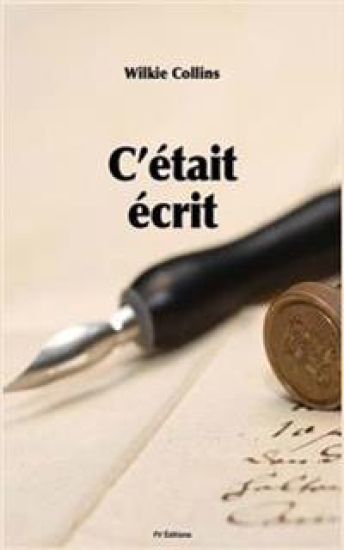
Vengeance, meurtre et complot sont les ingr dients de cette intrigue qui entraine le lecteur dans une aventure magistralement orchestr e par Wilkie Collins, le pr curseur des romans suspense. Mais c'est aussi l'histoire d'un amour troublant et mouvant entre la jeune Iris et Lord Harry, un amour auquel elle devra renoncer mais qui resurgira brusquement dans sa vie, l'entrainant dans des m saventures insoup onn es.
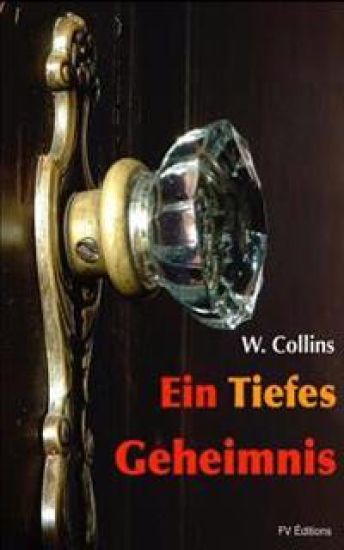
Eine Landhause an der Westk ste von Cornwall... Ein Geheimnisvoller Brief... Und ein schreckliches Geheimnis.... Wilkie Collins war ein britischer Schriftsteller und Verfasser der ersten Mystery Thriller.