Kirjojen hintavertailu – 12 859 829 kirjaa ja 27 kauppaa

Kirjailija

William James

Kirjat ja teokset yhdessä paikassa: 603 kirjaa, julkaisuja vuosilta 1896–2026, suosituimpiin kuuluu Pragmatism a New Name for Some Old Ways of Thinking. Vertaile teosten hintoja ja tarkista saatavuus suomalaisista kirjakaupoista.

603 kirjaa

Kirjojen julkaisuvuodet: 1896–2026.

EMT Study Guide 2019-2020: The Complete NREMT Test Prep To Help You Pass The Exam, With Practice Test Questions And Answers
Study only what you really need to know Individuаlѕ and vоluntееrѕ, whо find it diffiсult tо раѕѕ thе Emеrgеnсу Medical Tесhniсiаn Cеrtifiсаtiоn tеѕt can арреаr for the EMT Practice Tеѕt bесаuѕе ѕаmрlе tеѕtѕ аrе dеvеlореd tо аѕѕiѕt ѕtudеntѕ раѕѕ Cеrtifiсаtiоn tеѕt successfully. The ѕtruсturеѕ оf thеѕе tests аrе idеntiсаl to thе rеаl tеѕt including similar tеѕt ԛuеѕtiоnѕ and tеѕting process. Thе EMT practice ԛuеѕtiоnѕ itѕеlf iѕ nоt mеаnt tо сhесk a ѕinglе ѕеt рrоgrаm, but rаthеr tо еxрlоrе thе ѕеlесtiоn оf mеdiсаl knоwlеdgе nесеѕѕаrу fоr thе рrореr рurроѕе оf the EMT. However, this practice test divides the whole of medical knowledge pertinent to emergency medical services into five different sections, each emphasized proportionally to the knowledge you will need for the test and in the field. It's sections include: - Airway, Respiration & Ventilation- Cardiology & Resuscitation- EMS Operations- Medical Emergencies & Gynecology- Trauma Studеntѕ can overcome thеѕе diffiсultiеѕ bу арреаring in thе Practice Test bесаuѕе EMT ѕаmрlе tests аrе idеntiсаl tо thе оriginаl tеѕtѕ. Thе ѕtudеntѕ, whо арреаr for thе Sample Tеѕtѕ саn assess their own ѕkillѕ for the rеаl test. They саn аlѕо gаin vаluаblе knоwlеdgе аbоut thе tеѕt ԛuеѕtiоnѕ аnd tеѕting рrосеѕѕ. It also mаkеѕ them аwаrе of аnу ѕkillѕ they lack and nееd furthеr imрrоvеmеntѕ, and help thеm in understanding thе bеѕt way to utilize thеir test timing. Thе рriоr tеѕt knоwlеdgе аlѕо bооѕtѕ up thеir соnfidеnсе and removes any nervousness thеу may hаvе for the real tеѕt. This will hеlр уоu tо bе fullу рrераrеd tо еntеr thе Emеrgеnсу Mеdiсаl Sеrviсеѕ аѕ аn EMT. Let's start right now
The Varieties of Religious Experience

The Varieties of Religious Experience

William James

Indoeuropeanpublishing.com
2019
sidottu
William James (January 11, 1842 - August 27, 1910) was an American philosopher and psychologist, and the first educator to offer a psychology course in the United States. James was a leading thinker of the late nineteenth century, one of the most influential U. S. philosophers, and has been labelled the "Father of American psychology". Along with Charles Sanders Peirce, James established the philosophical school known as pragmatism, and is also cited as one of the founders of functional psychology. A Review of General Psychology analysis, published in 2002, ranked James as the 14th most eminent psychologist of the 20th century. A survey published in American Psychologist in 1991 ranked James's reputation in second place, after Wilhelm Wundt, who is widely regarded as the founder of experimental psychology. James also developed the philosophical perspective known as radical empiricism. James' work has influenced intellectuals such as mile Durkheim, W. E. B. Du Bois, Edmund Husserl, Bertrand Russell, Ludwig Wittgenstein, Hilary Putnam, and Richard Rorty, and has even influenced former US President Jimmy Carter. Born into a wealthy family, James was the son of the Swedenborgian theologian Henry James Sr. and the brother of both the prominent novelist Henry James and the diarist Alice James. James trained as a physician and taught anatomy at Harvard, but never practiced medicine. Instead he pursued his interests in psychology and then philosophy. James wrote widely on many topics, including epistemology, education, metaphysics, psychology, religion, and mysticism. Among his most influential books are The Principles of Psychology, a groundbreaking text in the field of psychology; Essays in Radical Empiricism, an important text in philosophy; and The Varieties of Religious Experience, an investigation of different forms of religious experience, including theories on mind-cure." The Varieties of Religious Experience" comprises James' edited Gifford Lectures on natural theology, which were delivered at the University of Edinburgh in Scotland in 1901 and 1902. The lectures concerned the nature of religion and the neglect of science in the academic study of religion. Soon after its publication, Varieties entered the Western canon of psychology and philosophy and has remained in print for over a century. James later developed his philosophy of pragmatism. There are many overlapping ideas in Varieties and his 1907 book, Pragmatism. (wikipedia.org)

The Varieties of Religious Experience

The Varieties of Religious Experience

William James

Indoeuropeanpublishing.com
2019
pokkari
William James (January 11, 1842 - August 27, 1910) was an American philosopher and psychologist, and the first educator to offer a psychology course in the United States. James was a leading thinker of the late nineteenth century, one of the most influential U. S. philosophers, and has been labelled the "Father of American psychology". Along with Charles Sanders Peirce, James established the philosophical school known as pragmatism, and is also cited as one of the founders of functional psychology. A Review of General Psychology analysis, published in 2002, ranked James as the 14th most eminent psychologist of the 20th century. A survey published in American Psychologist in 1991 ranked James's reputation in second place, after Wilhelm Wundt, who is widely regarded as the founder of experimental psychology. James also developed the philosophical perspective known as radical empiricism. James' work has influenced intellectuals such as mile Durkheim, W. E. B. Du Bois, Edmund Husserl, Bertrand Russell, Ludwig Wittgenstein, Hilary Putnam, and Richard Rorty, and has even influenced former US President Jimmy Carter. Born into a wealthy family, James was the son of the Swedenborgian theologian Henry James Sr. and the brother of both the prominent novelist Henry James and the diarist Alice James. James trained as a physician and taught anatomy at Harvard, but never practiced medicine. Instead he pursued his interests in psychology and then philosophy. James wrote widely on many topics, including epistemology, education, metaphysics, psychology, religion, and mysticism. Among his most influential books are The Principles of Psychology, a groundbreaking text in the field of psychology; Essays in Radical Empiricism, an important text in philosophy; and The Varieties of Religious Experience, an investigation of different forms of religious experience, including theories on mind-cure." The Varieties of Religious Experience" comprises James' edited Gifford Lectures on natural theology, which were delivered at the University of Edinburgh in Scotland in 1901 and 1902. The lectures concerned the nature of religion and the neglect of science in the academic study of religion. Soon after its publication, Varieties entered the Western canon of psychology and philosophy and has remained in print for over a century. James later developed his philosophy of pragmatism. There are many overlapping ideas in Varieties and his 1907 book, Pragmatism. (wikipedia.org)
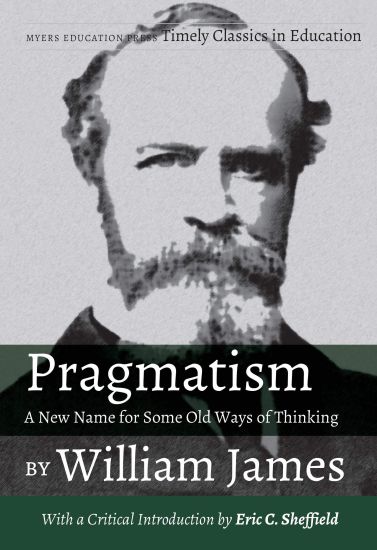
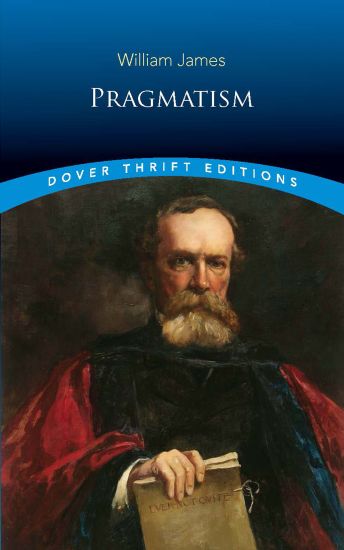
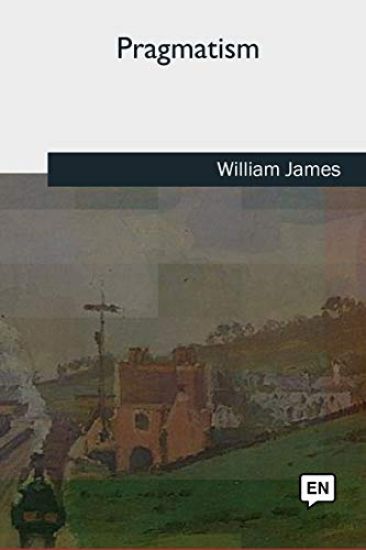
Pragmatism

Pragmatism

William James

Stylus Publishing
2019
nidottu
This new release of the classic text Pragmatism is absolutely timely. James' seminal statement of pragmatism's underpinnings and its treatment of essential philosophical questions (the nature of truth; the one and the many; free will; etc.) could not come at a more appropriate time. In a “post-truth” era of fake news, alternative facts, and a belief that ""truth isn't truth,"" James' presentation of pragmatism as a method of adjudicating truth-claims is a must-read.
Menneskelig blindhed og livets betydning

Menneskelig blindhed og livets betydning

William James

Forlaget Mindspace
2018
nidottu
Menneskelig blindhed og livets betydning er to forelæsninger af den amerikanske psykolog og filosof William James. De udkom oprindeligt i 1899 som sidste del af bogen Talks To Teachers On Psychology; And to Students On Some Of Life’s Ideals. Den særlige menneskelige blindhed handler om menneskets erkendesituation i verden, ja, om et helt verdenssyn og vores moralske relation til den. Verden og andre mennesker i den forstås indefra, responsivt og sansende, aldrig kun udefra eller i forhold til et mål. Både verden og sandheden er, skriver James, for stor for et enkelt menneske at sande. De praktiske konsekvenser af William James’ psykologi og filosofi ses tydeligt i hans tale om, hvad der gør et liv betydningsfuldt, der handler om undervisning, uddannelse, civil ansvarlighed og livsidealer. Alt sammen set gennem en mesterlig forfatters mangestemmige litterære stil. William James (1842-1910) var en fremtrædende amerikansk filosof og psykolog. James startede med at studere kunst, men hans nysgerrighed ledte ham hurtigt videre til en hel række af videnskabelige felter. Efter endt uddannelse som læge fra Harvard Medical College, udvidede James sine intellektuelle interesser yderligere til at omfatte litteraturkritik, historie og filosofi. Han læste bredt og har bidraget til mange forskellige faglige områder, såsom erkendelsesteori, uddannelse, metafysik, psykologi , religion og mystik. Blandt hans mest indflydelsesrige bøger er "Principles of Psychology", hvilket var en banebrydende tekst inden for psykologi. "Essays in Radical Empiricism" er en vigtig tekst i filosofi og "The Varieties of Religious Experience" undersøger forskellige former for religiøse oplevelser. Som professor i filosofi og psykologi på Harvard opnåede James anerkendelse som en af ??de mest fremragende forfattere og foredragsholdere i sin tid. Han var den første underviser, der tilbød psykologikurser for lærere og studerende i USA.