
Kirjailija
Bernard Shaw
Kirjat ja teokset yhdessä paikassa: 669 kirjaa, julkaisuja vuosilta 1968–2026, suosituimpiin kuuluu Herra Byronin ammatti. Vertaile teosten hintoja ja tarkista saatavuus suomalaisista kirjakaupoista.
669 kirjaa
Kirjojen julkaisuvuodet: 1968–2026.
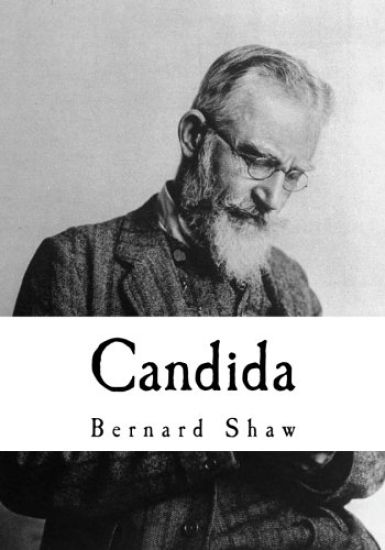
Candida - Bernard Shaw - Candida, a comedy by playwright George Bernard Shaw, was written in 1894 and first published in 1898, as part of his Plays Pleasant. The central characters are clergyman James Morell, his wife Candida and a youthful poet, Eugene Marchbanks, who tries to win Candida's affections. The play questions Victorian notions of love and marriage, asking what a woman really desires from her husband. The cleric is a Christian Socialist, allowing Shaw-himself a Fabian Socialist-to weave political issues, current at the time, into the story. Shaw attempted but failed to have a London production of the play put on in the 1890s, but there were two small provincial productions. However, in late 1903 actor Arnold Daly had such a great success with the play that Shaw would write by 1904 that New York was seeing "an outbreak of Candidamania." The Royal Court Theatre in London performed the play in six matinees in 1904. The same theatre staged several other of Shaw's plays from 1904 to 1907, including further revivals of Candida.

Man and Superman: A Comedy and a Philosophy
Bernard Shaw
Createspace Independent Publishing Platform
2016
nidottu

Heartbreak House: A Fantasia in the Russian Manner on English Themes
Bernard Shaw
Createspace Independent Publishing Platform
2016
nidottu
Heartbreak House - A Fantasia in the Russian Manner on English Themes - By Bernard Shaw Ellie Dunn, her father, and her fianc




Fanny's First Play; An Easy Play for a Little Theatre
Bernard Shaw; Lucile Heming Koshland; Daniel Edward Koshland
Palala Press
2015
sidottu

An Unsocial Socialist was published in 1887, having been written in 1883. The tale begins with a humorous description of student antics at a girl's school then changes focus to a seemingly uncouth laborer who, it soon develops, is really a wealthy gentleman in hiding from his overly affectionate wife




The Soldier Boy; or, Tom Somers in the Army: A Story of the Great Rebellion
Bernard Shaw
Createspace Independent Publishing Platform
2015
nidottu

Poor and Proud; Or, The Fortunes of Katy Redburn
Bernard Shaw
Createspace Independent Publishing Platform
2015
nidottu
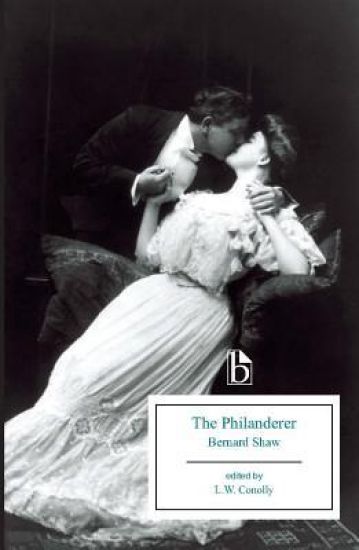
The second of Shaw's "unpleasant" plays, written in 1893, published in 1898, but not performed until 1905, The Philanderer is subtitled "A Topical Comedy." The eclectic range of topical subjects addressed in the play includes the influence of Norwegian playwright Henrik Ibsen on British middle-class social mores (the second act of The Philanderer is set in the fictional Ibsen Club), medical follies, the rise of the "New Woman," and, in particular, the destructive impact of Victorian marriage and divorce laws. Just as Shaw's other "unpleasant" plays, Widowers' Houses and Mrs Warren's Profession, call, respectively, for reform of laws that allow corrupt property owners to exploit the poor and for radical change to economic structures that drive women into prostitution, so The Philanderer makes the case for more liberal legislation to allow easier divorce-particularly for women-when marriages become irretrievably broken. Shaw's attack on divorce laws becomes even clearer and stronger in the final act that he wrote for the play but discarded in favour of the version he published. The discarded version is published for the first time in this Broadview edition of the play.

Treatise on Parents and Children
Bernard Shaw
Createspace Independent Publishing Platform
2015
nidottu


At the most wretched hour between a black night and a wintry morning in the year 1777, Mrs. Dudgeon, of New Hampshire, is sitting up in the kitchen and general dwelling room of her farm house on the outskirts of the town of Websterbridge. She is not a prepossessing woman. No woman looks her best after sitting up all night; and Mrs. Dudgeon's face, even at its best, is grimly trenched by the channels into which the barren forms and observances of a dead Puritanism can pen a bitter temper and a fierce pride. She is an elderly matron who has worked hard and got nothing by it except dominion and detestation in her sordid home, and an unquestioned reputation for piety and respectability among her neighbors, to whom drink and debauchery are still so much more tempting than religion and rectitude, that they conceive goodness simply as self-denial. This conception is easily extended to others