Kirjojen hintavertailu – 12 903 725 kirjaa ja 27 kauppaa

Kirjailija

Charles River

Kirjat ja teokset yhdessä paikassa: 4 673 kirjaa, julkaisuja vuosilta 2013–2022, suosituimpiin kuuluu William Powell and Myrna Loy: The Lives and Careers of One of Classical Hollywood's Most Iconic Duos. Vertaile teosten hintoja ja tarkista saatavuus suomalaisista kirjakaupoista.

4 673 kirjaa

Kirjojen julkaisuvuodet: 2013–2022.

Ty Cobb: The Life and Legacy of the Player Who Set the Most Major League Baseball Records
*Includes pictures*Includes excerpts of contemporary accounts*Includes a bibliography for further reading"I had to fight all my life to survive. They were all against me, but I beat the bastards and left them in the ditch." - Ty Cobb"Cobb is a prick. But he sure can hit. God Almighty, that man can hit." - Babe RuthAs one of America's oldest and most beloved sports, baseball has long been touted as the national pastime, but of all the millions of people who have played it over the last few centuries, few have influenced Major League Baseball like Ty Cobb, whose career spanned over 20 seasons. The Georgia Peach overcame early hardships to set nearly 100 MLB records in his time as a player and player-manager for the Detroit Tigers and Philadelphia Athletics. With an MVP and Triple Crown under his belt by the age of 25, Cobb went on to produce statistics that still lead MLB in several categories, including 4,065 combined runs scored and RBIs, a career batting average over .365, and at least 11 batting titles. In cases where he's no longer the record holder, it would take decades for players like Pete Rose to play in more games and collect more at bats and hits, for Rickey Henderson to score as many runs, and for Lou Brock to steal more bases. Even Americans who are relatively unfamiliar with baseball's storied history have likely heard of Ty Cobb and can recognize him as one of the sport's all time greats, but today his legacy is better known for controversy. In his day, Cobb was cast as a villain by fans of teams he played against, but he was portrayed in flattering manners shortly after his death. Things changed when other contemporary accounts came out and cast him as a vile racist, among other personal failings, much of which can be credited to the writing of sportswriter Al Stump and the modern biopic Cobb, released in 1994. It has only been recently that modern historians have pushed back a bit on those portrayals of Cobb and attempted to depict him in a more balanced light, and even then some of them have struggled. For example, in The Journal of American Culture, writer Hunter M. Hampton noted that biographer Charles Leerhsen's Ty Cobb: A Terrible Beauty, released in 2015, "succeeds in debunking the myth of Cobb that Stump created, but...spawned a new myth by conflating Stump's shortcomings to depict Cobb as an egalitarian"Ty Cobb: The Life and Legacy of the Player Who Set the Most Major League Baseball Records profiles the controversial legend, both on the field and off it. Along with pictures of important people, places, and events, you will learn about Ty Cobb like never before.

The Internment of German-Americans during World War II: The History of the American Government's Controversial Decision to Intern and Deport Citizens
*Includes pictures*Includes a bibliography for further readingThe internment of Japanese Americans in the wake of the attack on Pearl Harbor is second only to slavery in terms of America's most tragic and regrettable chapters in history. While the forced relocation and internment of Japanese Americans living on the West Coast during the Second World War is widely recognized - they have even received apologies and compensation from the U. S. government - what is not as well-known is that between 1941 and 1948, approximately 10,000 Americans of German descent were also forcibly interned at camps scattered across the United States. Some refugees, who had fled from Germany in an attempt to escape Nazi persecution, were rounded up, interned, and later used in a prisoner exchange program between the United States and German governments. The American government also went to great lengths to secure Germans living across Latin America who they believed posed a tangible threat should they cross America's southern border. The Roosevelt administration's policy on enemy aliens, and German-Americans in particular, favored an intelligence-based, targeted approach for interning and deporting those who might be deemed a threat to national security. Political pressures from within the administration and the public at large led to carrying out this policy of interning and deporting enemy aliens. Sadly, this ultimately violated the civil rights of German-American citizens and refugees fleeing Nazi-controlled Germany. As the war in Europe continued to rage and American involvement became increasingly likely, Congress passed the Alien Registration Act on June 29th, 1940. The Smith Act effectively required aliens of enemy ancestry to register their locations and a statement of personal and political beliefs. Any "violations" of the Smith Act could result in prosecution, and upon America's entry into the war, detention for the conflict's duration. Within four months of the law's passage, 4,741,971 so-called aliens of enemy ancestry had complied and registered. Thus, things were already somewhat in motion when Pearl Harbor happened, and it took just a few days for President Roosevelt to issue a series of proclamations authorizing the arrest and detention of those of Japanese, German, and Italian ancestry. On December 8, 1941, a memo from J. Edgar Hoover directed "All Special Agents in Charge" to " i]mmediately take into custody all German and Italian aliens previously classified in groups A, B, and C, in material previously transmitted to you...in addition, you are authorized to immediately arrest any German or Italian aliens, not previously classified in the above categories in the event you possess information indicating the arrest of such individuals necessary for the internal security of this country." Germany did not officially declare war on the United States until three days later, and without a technical declaration of war between the United States and Germany, the president turned to the "tangible threat" clause of the Alien Enemies Act of 1798 to justify the carrying out of Hoover's December 8th memo. As recently as the last decade, historians have persisted in their denial of the internment of German and Italian Americans, but today, the facts are indisputable. Government documents and hundreds of personal accounts make clear that the detainment, internment, and deportation of individuals of German ancestry did occur during World War II, despite the fact the American public had already endured a period of racial and ethnic hysteria during the First World War. The Internment of German-Americans during World War II: The History of the American Government's Controversial Decision to Intern and Deport Citizens of German Descent examines one of the darkest chapters in American history.
The Internment of German-Americans during World War II: The History of the American Government's Controversial Decision to Intern and Deport Citizens
*Includes pictures*Includes a bibliography for further readingThe internment of Japanese Americans in the wake of the attack on Pearl Harbor is second only to slavery in terms of America's most tragic and regrettable chapters in history. While the forced relocation and internment of Japanese Americans living on the West Coast during the Second World War is widely recognized - they have even received apologies and compensation from the U. S. government - what is not as well-known is that between 1941 and 1948, approximately 10,000 Americans of German descent were also forcibly interned at camps scattered across the United States. Some refugees, who had fled from Germany in an attempt to escape Nazi persecution, were rounded up, interned, and later used in a prisoner exchange program between the United States and German governments. The American government also went to great lengths to secure Germans living across Latin America who they believed posed a tangible threat should they cross America's southern border. The Roosevelt administration's policy on enemy aliens, and German-Americans in particular, favored an intelligence-based, targeted approach for interning and deporting those who might be deemed a threat to national security. Political pressures from within the administration and the public at large led to carrying out this policy of interning and deporting enemy aliens. Sadly, this ultimately violated the civil rights of German-American citizens and refugees fleeing Nazi-controlled Germany. As the war in Europe continued to rage and American involvement became increasingly likely, Congress passed the Alien Registration Act on June 29th, 1940. The Smith Act effectively required aliens of enemy ancestry to register their locations and a statement of personal and political beliefs. Any "violations" of the Smith Act could result in prosecution, and upon America's entry into the war, detention for the conflict's duration. Within four months of the law's passage, 4,741,971 so-called aliens of enemy ancestry had complied and registered. Thus, things were already somewhat in motion when Pearl Harbor happened, and it took just a few days for President Roosevelt to issue a series of proclamations authorizing the arrest and detention of those of Japanese, German, and Italian ancestry. On December 8, 1941, a memo from J. Edgar Hoover directed "All Special Agents in Charge" to " i]mmediately take into custody all German and Italian aliens previously classified in groups A, B, and C, in material previously transmitted to you...in addition, you are authorized to immediately arrest any German or Italian aliens, not previously classified in the above categories in the event you possess information indicating the arrest of such individuals necessary for the internal security of this country." Germany did not officially declare war on the United States until three days later, and without a technical declaration of war between the United States and Germany, the president turned to the "tangible threat" clause of the Alien Enemies Act of 1798 to justify the carrying out of Hoover's December 8th memo. As recently as the last decade, historians have persisted in their denial of the internment of German and Italian Americans, but today, the facts are indisputable. Government documents and hundreds of personal accounts make clear that the detainment, internment, and deportation of individuals of German ancestry did occur during World War II, despite the fact the American public had already endured a period of racial and ethnic hysteria during the First World War. The Internment of German-Americans during World War II: The History of the American Government's Controversial Decision to Intern and Deport Citizens of German Descent examines one of the darkest chapters in American history.
Heliopolis: The History and Legacy of Ancient Egypt's Cult Center for the Sun God Atum
*Includes pictures*Includes excerpts of ancient accounts*Includes a bibliography for further readingAfrica may have given rise to the first human beings, and Egypt probably gave rise to the first great civilizations, which continue to fascinate modern societies across the globe nearly 5,000 years later. From the Library and Lighthouse of Alexandria to the Great Pyramid at Giza, the Ancient Egyptians produced several wonders of the world, revolutionized architecture and construction, created some of the world's first systems of mathematics and medicine, and established language and art that spread across the known world. With world-famous leaders like King Tut and Cleopatra, it's no wonder that today's world has so many Egyptologists. What makes the accomplishments of the Ancient Egyptians all the more remarkable is that Egypt was historically a place of great political turbulence. Its position made it both valuable and vulnerable to tribes across the Mediterranean and the Middle East, and Ancient Egypt had no shortage of its own internecine warfare. Its most famous conquerors would come from Europe, with Alexander the Great laying the groundwork for the Hellenic Ptolemy line and the Romans extinguishing that line after defeating Cleopatra and driving her to suicide. Part of the reason Egyptian history is so intriguing is because it is so enigmatic - even today, despite the wealth of written materials and countless monuments, Egyptologists constantly uncover more mysteries about ancient Egypt, even if many of those mysteries are somewhat mundane and appeal more to academics. For example, historians still debate precise chronologies of dynasties, theological nuances, and architectural details. The city of Heliopolis was one of ancient Egypt's most important religious centers, the focus of the civilization's solar cult, and a destination for pilgrims for nearly 3,000 years. It was at Heliopolis where Egyptian priests developed one of Egypt's three major creation myths, which, like any aspect of a culture that survived for as long as Egypt's did, evolved throughout the centuries. Heliopolis' origins were quite humble though, and it does not appear that it was ever planned to be a great city. The city began as a small settlement in the late 4th millennium BC, but within a couple of hundred years it became the center of Egypt's solar religion, due to several fortuitous circumstances. Heliopolis' proximity to the political capital of Memphis no doubt helped with its early growth, as did its patronage by some important early kings. By the Middle Kingdom (c. 2055-1650 BCE), Heliopolis was one of the most important religious centers in Egypt, and the most important kings saw it as essential to erect monuments in the city. As Egypt's dynasties and kingdoms rose and fell, Heliopolis, the "City of the Sun," kept shining, attracting numerous kings to leave their mark. Throughout the New Kingdom (1550-1069 BCE) and the Late Period (728-332 BCE), Heliopolis continued to attract kings, sometimes foreigners, who wanted to establish their legitimacy as pharaohs. Although Heliopolis faded and eventually disappeared as an important religious center after the Greeks and Romans took control of Egypt, its memory remained. The name Heliopolis is actually Greek for "city of the sun," while the Hebrews knew it as "On," proving that its historical memory was (and remains) quite strong. Heliopolis: The History and Legacy of Ancient Egypt's Cult Center for the Sun God Atum examines the city and the various purposes it served. Along with pictures depicting important people, places, and events, you will learn about Heliopolis like never before.
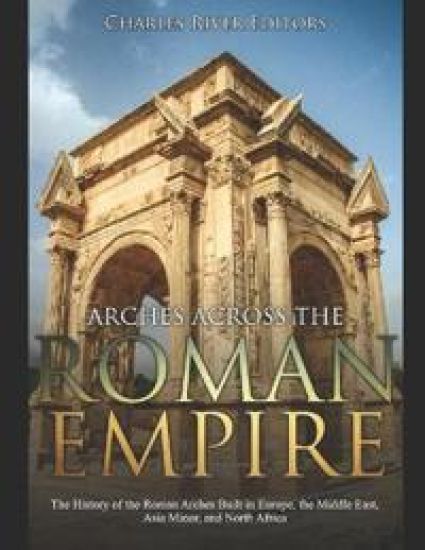
Arches across the Roman Empire: The History of the Roman Arches Built in Europe, the Middle East, Asia Minor, and North Africa
*Includes pictures*Includes a bibliography for further readingSome of the most iconic symbols of the Roman Empire that have survived into the modern world today are the arches that Romans erected to commemorate military victories and glorify individual emperors. The story of how arches came to be used throughout the Roman world in such a way is one that involves the evolution of the military and its leaders into the political forces that came to dominate the state, and those arches, along with the triumphs that came to be associated with many of them, were key parts in the process of exhibiting the might of both Rome. At the same time, they were meant to mark the individual achievements of Rome's rulers, making them an enormous and expensive PR exercise that steadily grew over the years. At its most basic, and in its earliest incarnation, the arch was a celebration of achievement and, as such, was part of a whole series of methods used by the Romans to record, reward, and publicize success. However, as the imperial period progressed, the arch came to symbolize much more and became exclusively associated with imperial might through the building of Triumphal Arches. The story of those arches is inextricably linked to the promotion of Rome as the greatest of all powers, and of its leaders as the most worthy and able of all commanders. While the rational behind developing "triumphal" arches in Rome and Italy stemmed from a system designed to recognize and reward individual bravery or cement and legitimize the successes of an emperor and his successors, the role of arches across the rest of the empire is even more complex. These monuments were primarily intended to promote Rome's invincibility while serving as constant reminders of the power that could be brought to bear on any subjugated people. They also provided an opportunity for new citizens to demonstrate their loyalty to the empire, advertising their virtues and wealth at the same time. For these aspiring new citizens, sponsorship could prove an invaluable way to climb the social and political ladder on local and imperial levels. Triumphal arches in Rome provided a centerpiece for triumphs that were restricted to the emperors and their immediate families after the establishment of the Roman Empire, but arches in the wider empire did not have this specific function. That said, as with those in Italy, foreign arches were strategically placed to ensure they were seen and passed through by the maximum number of people, subjecting them to scenes depicting Roman victories on a regular basis. These arches were inextricably linked to promoting Rome as the greatest of all powers, and also bound up in the policy of Romanization and assimilation of conquered territories and populations. Of course, these arches have intrigued historians for years. Franz Botho Graef, a German classical archaeologist and art historian, a prominent expert in the area, devoted his life to the identification and cataloguing of Roman arches. He documented 125 extant arches, and 30 further examples discerned from the literature or other sources, scattered throughout Rome and its provinces. Graef's listing is usually taken as the starting point for subsequent researchers, but another eminent historian in the field, A. Frothingham, has disputed Graef s listings, arguing that only 115 of the 125 identified arches actually existed. He also claimed to have identified 280 further "monuments and arches," the majority of which were located within Asia Minor, North Africa, and Syria. However, this methodological approach introduced a new category - monuments - into the cataloguing process, which has only served to complicate the debate. Arches across the Roman Empire: The History of the Roman Arches Built in Europe, the Middle East, Asia Minor, and North Africa analyzes the various arches, their influence, and lingering debates over them.
Mysterious Egypt: A Collection of Ancient Egyptian Mysteries, Strange Stories, and Archaeological Oddities
*Includes pictures*Includes a bibliography for further readingAfrica may have given rise to the first human beings, and Egypt probably gave rise to the first great civilizations, which continue to fascinate modern societies across the globe nearly 5,000 years later. From the Library and Lighthouse of Alexandria to the Great Pyramid at Giza, the Ancient Egyptians produced several wonders of the world, revolutionized architecture and construction, created some of the world's first systems of mathematics and medicine, and established language and art that spread across the known world. With world-famous leaders like King Tut and Cleopatra, it's no wonder that today's world has so many Egyptologists. What makes the accomplishments of the Ancient Egyptians all the more remarkable is that Egypt was historically a place of great political turbulence. Its position made it both valuable and vulnerable to tribes across the Mediterranean and the Middle East, and Ancient Egypt had no shortage of its own internecine warfare. Its most famous conquerors would come from Europe, with Alexander the Great laying the groundwork for the Hellenic Ptolemy line and the Romans extinguishing that line after defeating Cleopatra and driving her to suicide. Although the Egyptians may not have passed their civilization directly on to later peoples, the key elements that comprised Egyptian civilization, including their religion, early ideas of state, and art and architecture, can be seen in other pre-modern civilizations. Indeed, since Egyptian civilization represented some fundamental human concepts, a study of their culture can be useful when trying to understand many other pre-modern cultures. Part of the reason Egyptian history is so intriguing is because it is so enigmatic. The imposing monuments, the strange practice of mummification, the picturesque form of writing, the colorful art, and other aspects of Egyptian life all make for an inspiring and somewhat baffling culture. To this day, despite the wealth of written materials and countless monuments, Egyptologists constantly uncover more mysteries about ancient Egypt, even if many of those mysteries are somewhat mundane and appeal more to academics. Historians still debate precise chronologies of dynasties, theological nuances, and architectural details. At the same time, such a great and alien civilization has inevitably inspired many strange theories about how it was founded, and how its grand monuments were built. Some of them border on the absurd, including associations with UFOs and Atlantis that have plagued Egyptologists from the beginning. Not only does the "evidence" for these wild theories vanish under close scrutiny, but they emit a whiff of racism as well by implying the Egyptians weren't capable of building the great monuments themselves. The reality is far more interesting, and almost as weird. Despite being the most intensely studied ancient culture in the world, there is no shortage of Egyptian mysteries worth studying, and even some of Egypt's most famous monuments, such as the Sphinx and the Great Pyramid of Giza, are the subjects of heated controversies among scholars. Serious, educated researchers have debated the eras in which they were built, and whether there could be hidden chambers with untold riches inside. Even among the experts who have dedicated their lives to studying this ancient civilization, Egypt has not given up all of its mysteries. Mysterious Egypt: A Collection of Ancient Egyptian Mysteries, Strange Stories, and Archaeological Oddities chronicles some of the most interesting stories and lingering controversies associated with the ancient Egyptians. Along with pictures of important people, places, and events, you will learn about mysterious Egypt like never before.
Mysterious Egypt: A Collection of Ancient Egyptian Mysteries, Strange Stories, and Archaeological Oddities
*Includes pictures*Includes a bibliography for further readingAfrica may have given rise to the first human beings, and Egypt probably gave rise to the first great civilizations, which continue to fascinate modern societies across the globe nearly 5,000 years later. From the Library and Lighthouse of Alexandria to the Great Pyramid at Giza, the Ancient Egyptians produced several wonders of the world, revolutionized architecture and construction, created some of the world's first systems of mathematics and medicine, and established language and art that spread across the known world. With world-famous leaders like King Tut and Cleopatra, it's no wonder that today's world has so many Egyptologists. What makes the accomplishments of the Ancient Egyptians all the more remarkable is that Egypt was historically a place of great political turbulence. Its position made it both valuable and vulnerable to tribes across the Mediterranean and the Middle East, and Ancient Egypt had no shortage of its own internecine warfare. Its most famous conquerors would come from Europe, with Alexander the Great laying the groundwork for the Hellenic Ptolemy line and the Romans extinguishing that line after defeating Cleopatra and driving her to suicide. Although the Egyptians may not have passed their civilization directly on to later peoples, the key elements that comprised Egyptian civilization, including their religion, early ideas of state, and art and architecture, can be seen in other pre-modern civilizations. Indeed, since Egyptian civilization represented some fundamental human concepts, a study of their culture can be useful when trying to understand many other pre-modern cultures. Part of the reason Egyptian history is so intriguing is because it is so enigmatic. The imposing monuments, the strange practice of mummification, the picturesque form of writing, the colorful art, and other aspects of Egyptian life all make for an inspiring and somewhat baffling culture. To this day, despite the wealth of written materials and countless monuments, Egyptologists constantly uncover more mysteries about ancient Egypt, even if many of those mysteries are somewhat mundane and appeal more to academics. Historians still debate precise chronologies of dynasties, theological nuances, and architectural details. At the same time, such a great and alien civilization has inevitably inspired many strange theories about how it was founded, and how its grand monuments were built. Some of them border on the absurd, including associations with UFOs and Atlantis that have plagued Egyptologists from the beginning. Not only does the "evidence" for these wild theories vanish under close scrutiny, but they emit a whiff of racism as well by implying the Egyptians weren't capable of building the great monuments themselves. The reality is far more interesting, and almost as weird. Despite being the most intensely studied ancient culture in the world, there is no shortage of Egyptian mysteries worth studying, and even some of Egypt's most famous monuments, such as the Sphinx and the Great Pyramid of Giza, are the subjects of heated controversies among scholars. Serious, educated researchers have debated the eras in which they were built, and whether there could be hidden chambers with untold riches inside. Even among the experts who have dedicated their lives to studying this ancient civilization, Egypt has not given up all of its mysteries. Mysterious Egypt: A Collection of Ancient Egyptian Mysteries, Strange Stories, and Archaeological Oddities chronicles some of the most interesting stories and lingering controversies associated with the ancient Egyptians. Along with pictures of important people, places, and events, you will learn about mysterious Egypt like never before.
Fritz Lang: The Life and Legacy of the Influential German-American Film Legend
*Includes pictures*Includes a bibliography for further reading"I was something that is always hated in Hollywood - a perfectionist; nobody likes a perfectionist, you know." - Fritz LangWhile it's easily forgotten today, during the early 20th century, various European countries had vibrant film industries, and even though Hollywood had already staked its claim as the forerunner of the international cinematic landscape by the 1920s, national cinemas in Sweden, Germany, and elsewhere throughout Western Europe enjoyed great power during this period. During that time, Germany's most renowned film directors were pioneering the genre known as Expressionism, and within it, Fritz Lang was known as the "Master of Darkness." Together with his eventual wife, Thea von Harbou, Lang wrote a number of acclaimed movies, including Dr. Mabuse the Gambler (1922), Die Nibelungen (1924), Metropolis (1927), and Woman in the Moon (1929). Eventually, a number of Europe's biggest movie stars and directors came to Hollywood, such as Greta Garbo, Ingrid Bergman, and Alfred Hitchcock, but Lang's course to America came under far different circumstances. As Adolf Hitler rose to power and strengthened the Nazis' grip over Germany, the party's coarse antisemitism took root across all segments of society. As Jews were further persecuted, German Jews from all walks of life went into exile, and the loss of so many bright minds has led historians to the conclusion that the exodus could have made the difference in World War II. As scientists like Albert Einstein made their way out of the country to safety, they served as further proof that in addition to being dogmatically racist, the Nazis were also incompetent and self-defeating. Coinciding with Hitler's rise, Lang was filming The Testament of Dr. Mabuse, and it was quickly viewed as a biting commentary on the Nazi Party. On March 30, 1933, the Nazi regime banned it, and Lang later claimed that propaganda minister Joseph Goebbels confided to him that he loved the movie. By then, Lang was known for noir films, especially M, a dark movie about a child murderer. Compelled to leave Germany, Lang made his way to Hollywood and quickly established himself there, leading to a career spanning 20 years. Continuing with the same themes as the ones he used in Germany, Lang helped establish noir as one of the most popular film genres of the 1950s in America, with influential works like Scarlett Street, and his most famous film, The Big Heat (1953). By 1960, however, his health began to decline, and thus so did his output, which was somewhat ironic because he brought the Mabuse series of films full circle with 1960's The Thousand Eyes of Dr. Mabuse, which revived interest in Mabuse and led to more films being made for the series. As fate would have it, though, those films would be produced by German producer Artur Brauner, not Lang himself. Fritz Lang: The Life and Legacy of the Influential German-American Film Legend chronicles his career in front of the camera and behind it. Along with pictures depicting important people, places, and events, you will learn about Lang like never before.
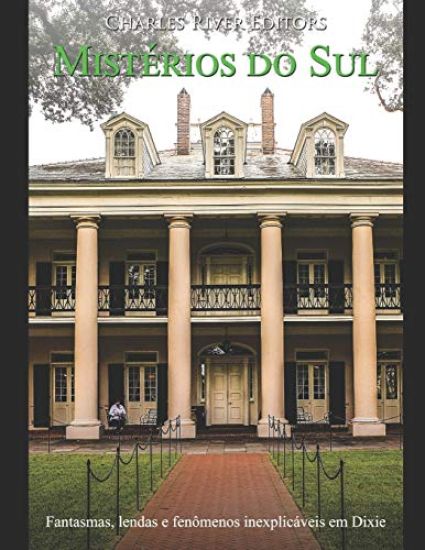
Mistérios do Sul: Fantasmas, lendas e fenômenos inexplicáveis em Dixie
O sul da Am rica deu origem a muitas das grandes hist rias e lendas do pa s. Desde os primeiros tempos coloniais, tem sido um lugar de mist rio, repleto de col nias desaparecidas e apari es estranhas na floresta, mas a longa e orgulhosa hist ria do Sul sempre teve um lado mais sombrio e estranho. Um dos mist rios mais famosos da Am rica foi o primeiro. Apesar de ter deixado mais de 100 colonos na ilha de Roanoke em 1587, John White voltou a literalmente nada, com todos os vest gios do assentamento desaparecidos e nenhuma evid ncia de luta ou qualquer outra coisa que pudesse explicar o desaparecimento dos habitantes. White encontrou a palavra "Croatoan" esculpida em uma rvore pr xima, o que ele imaginou que poderia significar que os colonos se mudaram para uma ilha pr xima, mas ele n o foi capaz de realizar uma expedi o de busca por l . Os espanh is tamb m procuraram a col nia na esperan a de destru -la, mas nenhum dos europeus conseguiu encontrar os colonos de Roanoke ou explicar o que aconteceu com a col nia "perdida". O destino de Roanoke fascina as pessoas h mais de 400 anos, e n o faltam teorias sobre o desaparecimento da col nia. Al m da possibilidade de os colonos se mudarem para a ilha Croatoan, a maioria das teorias especula que eles foram exterminados por nativos americanos pr ximos ou assimilados por uma tribo. Os futuros assentamentos na rea sobreviveriam e come ariam a florescer, o que traria mais mist rio e fen menos inexplic veis. Contos de monstros e fantasmas espreita em seus bosques e casas antigas, e estranhos monumentos que podem ser de uma civiliza o esquecida, confundem os investigadores locais. Enquanto isso, os primeiros habitantes sempre foram supersticiosos, seja na Fl rida, Ge rgia, Maryland, Carolina do Norte, Carolina do Sul, Virg nia, Virg nia Ocidental, Alabama, Kentucky, Mississippi, Tennessee e leste da Louisiana. Mist rios do Sul: Fantasmas, lendas e fen menos inexplic veis em Dixie mostram uma amostra de hist rias estranhas, inexplic veis e simplesmente estranhas do Sul que fascinam as pessoas na regi o e nos arredores h s culos. Juntamente com fotos de pessoas, lugares e eventos importantes, voc aprender sobre o lado misterioso do Sul como nunca antes, em nenhum momento.
A estranha costa oeste: monstros, mistérios e loucos na orla do Pacífico
"Na costa leste, as pessoas tentam tornar a vida interessante. Na costa oeste, eles tentam torn -lo confort vel. A nfase aqui est nos carros de luxo, como se parece, menos na mente em si. "- Al SeckelA costa oeste dos Estados Unidos sempre foi um centro de mist rio. Lendas nativas americanas, tra os tentadores de visitas chinesas na Idade M dia, minas de ouro perdidas e visitas sobrenaturais s o apenas alguns dos fen menos em uma regi o rica em hist rias do desconhecido. Este livro oferece uma amostra de hist rias estranhas, inexplic veis e simplesmente estranhas da costa oeste que fascinam as pessoas na regi o e nos arredores h s culos. Junto com fotos de pessoas importantes, lugares e eventos, voc aprender sobre a estranha Costa Oeste como nunca antes, em nenhum momento.
A estranha costa oeste: monstros, mistérios e loucos na orla do Pacífico
"Na costa leste, as pessoas tentam tornar a vida interessante. Na costa oeste, eles tentam torn -lo confort vel. A nfase aqui est nos carros de luxo, como se parece, menos na mente em si. "- Al SeckelA costa oeste dos Estados Unidos sempre foi um centro de mist rio. Lendas nativas americanas, tra os tentadores de visitas chinesas na Idade M dia, minas de ouro perdidas e visitas sobrenaturais s o apenas alguns dos fen menos em uma regi o rica em hist rias do desconhecido. Este livro oferece uma amostra de hist rias estranhas, inexplic veis e simplesmente estranhas da costa oeste que fascinam as pessoas na regi o e nos arredores h s culos. Junto com fotos de pessoas importantes, lugares e eventos, voc aprender sobre a estranha Costa Oeste como nunca antes, em nenhum momento.
México misterioso: uma história de fantasmas, lendas e lugares desconcertantes nos Estados mexicanos
Na antiguidade, quando a maior parte da Europa estava coberta de florestas e tribos errantes, o M xico j havia desenvolvido civiliza es complexas, come ando pelos olmecas e depois pelos maias, uma civiliza o com conhecimentos avan ados de medicina, engenharia e astronomia. Os maias calcularam a precess o dos equin cios e ciclos das Pl iades, nos quais basearam seu ano, pois acreditavam ter vindo daquela constela o. A ltima, e talvez mais famosa, grande civiliza o antes da chegada dos europeus foram os astecas. Com tantos povos antigos cuja influ ncia, cren as e modifica es na paisagem se estendem at os dias atuais, o M xico uma terra f rtil para lendas, fantasmas, lugares surpreendentes e mist rios. A cren a em comunh o com coisas que est o al m (estrelas, constela es e vida ap s a morte), misticismo e apari es est o intimamente tecidas no tecido colorido da na o mexicana, a ponto de um evento metaf sico (a apari o da Virgem de Guadalupe) considerado por muitos como um dos elementos fundadores da na o. Nossa Senhora de Guadalupe tem uma contraparte sinistra, outra mulher que apareceu na mesma poca: La Llorona, a mulher que chora. Se o conte do da vis o anterior amoroso e conciliador, o ltimo est cheio de arrependimento e agonia. La Llorona apenas o primeiro de uma longa prociss o de fantasmas ainda menos benignos. Por muitos anos, sacrif cios humanos e infinitas crueldades foram cometidos na atual Cidade do M xico. As pessoas em todo o pa s acreditam que uma legi o de vozes fantasmag ricas - se algu m acredita em fantasmas como um subproduto da repeti o, lembran a e re-experi ncia de mem rias tr gicas - ainda pode ser ouvida nas cidades e vales do M xico. Afinal, os arque logos encontraram evid ncias de arrepiantes sacrif cios humanos na capital mexicana, prova de que os habitantes antigos honravam seus deuses decapitando os corpos de seus prisioneiros e colocando a cabe a sangrando em um peda o de pau. V rios locais foram encontrados, e o maior foi descoberto na antiga Tenochtitlan (atual Cidade do M xico), que pode conter at 60.000 cr nios humanos. O territ rio do M xico era relativamente desconhecido at o in cio do s culo 20, mesmo para seu pr prio povo, pois muitas de suas ru nas e maravilhas naturais estavam fora de alcance ou enterradas sob densas selvas. N o foi at o desenvolvimento da ferrovia, na virada do s culo 20, que esse vasto pa s (o 14 maior do mundo) come ou a revelar seus segredos. Uma vez pacificado o M xico, o interesse pelas ru nas maias e astecas e as estranhas hist rias que circulavam nas aldeias trouxeram dezenas de arque logos, antrop logos, fot grafos e historiadores de todo o mundo. A partir desse ponto, a na o p de mostrar seus encantos e mist rios ao seu pr prio povo e a estranhos. O sul guardava lembran as de uma ra a que falava com as estrelas, o centro possu a fantasmas cheios de arrependimento e ressentimento, e o norte fervilhava de lugares que apenas um escritor de fic o cient fica podia imaginar. O resultado uma cole o dos aspectos mais surpreendentes, misteriosos e aterrorizantes do M xico, incluindo lugares m gicos, quebra-cabe as da hist ria e seres e apari es estranhos. O M xico um pa s m stico, onde as pessoas comuns aprendem a conviver com seus fantasmas, antigos e novos. Como Octavio Paz, vencedor do Pr mio Nobel de Literatura, disse certa vez: "Um dos tra os mais not veis do personagem mexicano sua disposi o de contemplar o horror - o mexicano at familiar e complacente ao lidar com ele". M xico misterioso: uma hist ria de fantasmas, lendas e lugares desconcertantes nos Estados mexicanos abrange os mist rios e esquisitices da regi o, com uma amostra de hist rias estranhas, inexplic veis e simplesmente estranhas do M xico que fascinaram as pessoas dentro e ao redor da regi o durante s culos. Juntamente
Enigmas da América do Norte: Mistérios, Lendas e Fenómenos Inexplicados nos Estados Unidos, no México e no Canadá
O Canad tem fama de ser um lugar aborrecido. Mais tranquilo do que o seu vizinho do Sul, preserva descansadamente uma das democracias mais pr speras e est veis do mundo, e f -lo sem dar nas vistas. N o frequentemente referido pelos jornais, o que positivo, atendendo natureza das not cias comummente veiculadas. Os seus cidad os vivem em harmonia, a sua economia encontra-se em crescimento, e n o costuma ser assolado por desastres. Embora tudo isto fa a do Canad um bom pa s para viver, n o o torna particularmente interessante. Mas se investigarmos um pouco, descobrimos um Canad diferente, estranho, um lugar de homic dio, mist rio e experi ncias paranormais. As hist rias que se seguem ir o mostrar que o Canad , longe de ser uma na o imperturb vel e enfadonha onde nada acontece, um foco de eventos peculiares. Quando, durante a Antiguidade, a Europa se encontrava maioritariamente pejada de florestas e tribos n madas, o M xico albergava j civiliza es complexas, as quais inclu am os Olmecas e os Maias, uma civiliza o tecnicamente evolu da nos campos da medicina, da engenharia e da astronomia. Os Maias calcularam a precess o dos equin cios e os ciclos das Pl iades, eventos nos quais basearam o seu calend rio, uma vez que acreditavam serem oriundos dessa constela o. A ltima grande civiliza o, e porventura a mais famosa, antes da chegada dos Europeus, foi a dos Astecas. Com tantos povos antigos cujas influ ncias, cren as e altera es paisagem natural se fizeram sentir at aos dias atuais, o M xico f rtil em lendas, fantasmas, lugares surpreendentes e mist rios. Uma cren a na comunh o com coisas distantes (estrelas, constela es e o al m-mundo), o misticismo, e tamb m apari es, s o temas profundamente arraigados no esp rito da na o Mexicana, ao ponto de um evento de natureza milagrosa (a apari o da Nossa Senhora de Guadalupe) ser considerado por muitos como um dos pilares fundacionais do pa s. A Nossa Senhora de Guadalupe tem um correspondente sombrio, uma outra mulher que se manifestou sensivelmente pela mesma altura: La Llorona, a mulher que chora. Se a primeira vis o evoca amor e comunh o, a segunda encontra-se permeada de arrependimento e agonia. No que respeita aos Estados Unidos, o Nordeste sempre teve um lugar de destaque na mem ria nacional. Os estados de Connecticut, do Maine, de Massachusetts, de Nova Hampshire, de Rhode Island, de Vermont e de Nova Iorque albergaram algumas das mais antigas col nias Europeias no Novo Mundo. O seu passado cativante e o seu folclore fecundo encontram-se enraizados na identidade nacional, e destinos como Plymouth Rock, os far is do Maine, e as paisagens outonais de Vermont s o s mbolos quintessenciais dos Estados Unidos. Por m, o Nordeste sempre teve um lado negro e estranho. Monstros e fantasmas escondem-se nas suas florestas e nas suas casas antigas; e monumentos bizarros, possivelmente constru dos por civiliza es perdidas, confundem os investigadores locais. Ademais, os primeiros colonos eram indiv duos supersticiosos, conforme no-lo demonstram os julgamentos de bruxas mais famosos da Hist ria. Hoje, os Julgamentos das Bruxas de Sal m s o sobretudo lembrados como s mbolo de um passado supersticioso, e a pr pria cidade de Sal m transformou-se num santu rio tur stico e num destino de Halloween, ao capitalizar os Julgamentos das Bruxas de Sal m; por m, em 1692, a atitude dos seus habitantes foi bem s ria: 19 homens e mulheres foram levados para "Gallows Hill" e enforcados por serem bruxos e bruxas. Um outro homem, com mais de 80 anos, foi morto por esmagamento ao se recusar a ser julgado por bruxaria; e, entre fevereiro de 1692 e maio de 1693, centenas de outras pessoas foram acusadas de feiti aria. Dezenas delas permaneceram encarceradas durante meses, at que a histeria generalizada acabou por desvanecer.
Heliopolis: The History and Legacy of Ancient Egypt's Cult Center for the Sun God Atum
*Includes pictures*Includes excerpts of ancient accounts*Includes a bibliography for further readingAfrica may have given rise to the first human beings, and Egypt probably gave rise to the first great civilizations, which continue to fascinate modern societies across the globe nearly 5,000 years later. From the Library and Lighthouse of Alexandria to the Great Pyramid at Giza, the Ancient Egyptians produced several wonders of the world, revolutionized architecture and construction, created some of the world's first systems of mathematics and medicine, and established language and art that spread across the known world. With world-famous leaders like King Tut and Cleopatra, it's no wonder that today's world has so many Egyptologists. What makes the accomplishments of the Ancient Egyptians all the more remarkable is that Egypt was historically a place of great political turbulence. Its position made it both valuable and vulnerable to tribes across the Mediterranean and the Middle East, and Ancient Egypt had no shortage of its own internecine warfare. Its most famous conquerors would come from Europe, with Alexander the Great laying the groundwork for the Hellenic Ptolemy line and the Romans extinguishing that line after defeating Cleopatra and driving her to suicide. Part of the reason Egyptian history is so intriguing is because it is so enigmatic - even today, despite the wealth of written materials and countless monuments, Egyptologists constantly uncover more mysteries about ancient Egypt, even if many of those mysteries are somewhat mundane and appeal more to academics. For example, historians still debate precise chronologies of dynasties, theological nuances, and architectural details. The city of Heliopolis was one of ancient Egypt's most important religious centers, the focus of the civilization's solar cult, and a destination for pilgrims for nearly 3,000 years. It was at Heliopolis where Egyptian priests developed one of Egypt's three major creation myths, which, like any aspect of a culture that survived for as long as Egypt's did, evolved throughout the centuries. Heliopolis' origins were quite humble though, and it does not appear that it was ever planned to be a great city. The city began as a small settlement in the late 4th millennium BC, but within a couple of hundred years it became the center of Egypt's solar religion, due to several fortuitous circumstances. Heliopolis' proximity to the political capital of Memphis no doubt helped with its early growth, as did its patronage by some important early kings. By the Middle Kingdom (c. 2055-1650 BCE), Heliopolis was one of the most important religious centers in Egypt, and the most important kings saw it as essential to erect monuments in the city. As Egypt's dynasties and kingdoms rose and fell, Heliopolis, the "City of the Sun," kept shining, attracting numerous kings to leave their mark. Throughout the New Kingdom (1550-1069 BCE) and the Late Period (728-332 BCE), Heliopolis continued to attract kings, sometimes foreigners, who wanted to establish their legitimacy as pharaohs. Although Heliopolis faded and eventually disappeared as an important religious center after the Greeks and Romans took control of Egypt, its memory remained. The name Heliopolis is actually Greek for "city of the sun," while the Hebrews knew it as "On," proving that its historical memory was (and remains) quite strong. Heliopolis: The History and Legacy of Ancient Egypt's Cult Center for the Sun God Atum examines the city and the various purposes it served. Along with pictures depicting important people, places, and events, you will learn about Heliopolis like never before.
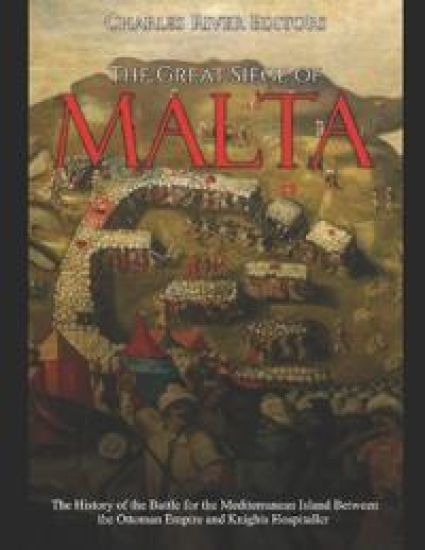
The Great Siege of Malta: The History of the Battle for the Mediterranean Island Between the Ottoman Empire and Knights Hospitaller
*Includes pictures*Includes a bibliography for further reading"The darkness of the night then became as bright as day, due to the vast quantity of artificial fires. So bright was it indeed that we could see St Elmo quite clearly. The gunners of St Angelo... were able to lay and train their pieces upon the advancing Turks, who were picked out in the light of the fires." - Francisco Balbi, a Spanish soldier at the siegeFor centuries, Christians and Muslims were embroiled in one of the most infamous territorial disputes of all time, viciously and relentlessly battling one another for the Holy Land. In the heart of Jerusalem sat one of the shining jewels of the Christian faith, the Church of the Holy Sepulchre. Legend has it that this was where their Savior had been buried before his fabled resurrection. What was more, it was said to house the very cross Jesus Christ had died upon. It was for precisely these reasons that fearless pilgrims, near and far, risked their lives and made the treacherous trek to Jerusalem. Like other secretive groups, the mystery surrounding the Catholic military orders that sprung up in the wake of the First Crusade helped their legacies endure. While some conspiracy theorists attempt to tie the groups to other alleged secret socities like the Illuminati, other groups have tried to assert connections with them to bolster their own credentials. Who they were and what they had in their possession continue to be a source of great intrigue. After being forced out of Rhodes by the Ottomans in the early 16th century, the Knights Hospitaller spent seven years residing in Sicily without an official home or garrison, but around 1530, Holy Roman Emperor Charles V decided to gift the order the islands of Malta and Gozo, as well as the port city of Tripoli in North Africa, as a fiefdom. The emperor's motivations varied, but most historians believe he granted the knights the territory partially out of religious devotion and mainly to protect those regions from the looming Ottoman threat. Both Malta and Gozo were between Sicily and the North African coast and were prime locations for the Ottoman Empire to try to make their next move to gain inroads into Europe. In 1565, the Knights Hospitaller were attacked by Suleiman, who sent 40,000 soldiers to attempt to wrest control of Malta from them. This would become known as the Great Siege of Malta, lasting from May 18-September 11. The first two months of the siege were devastating for the Hospitallers, who lost most of their cities and half of their 8,000 knights. Resources were scarce and supplies were running low, resulting in starvation and disease. By August 18, the lines were ready to crumble, especially since the series of fortifications were spread out and difficult to defend. No help was forthcoming from the Viceroy of Sicily, who was under no obligation to assist because of the vague wording of the orders he received from King Philip II of Spain. Indeed, it could have been disastrous for Sicily since sacrificing their own troops would have left Sicily and Naples open to Ottoman invasion. When told to withdraw to spare the rest of the order, Grand Master Jean Parisot de Valette refused and held his ground, and finally, after months of ignoring the issue, the Viceroy of Sicily sent aid to the Knights Hospitaller after being badgered by his outraged officers. On August 23, the Ottomans launched their last assault upon Malta. The fighting was intense, and even wounded knights participated. The Ottoman army was unable to break through the Order's fortifications, as the garrison had repaired the worst of the damages and any breakages to avoid giving the Ottomans an advantage. After the Great Siege of Malta, the Knights Hospitaller would have no more decisive victories against their enemies, which should come as no surprise given that by the time the Ottomans left, the order only had 600 men capable of fighting.
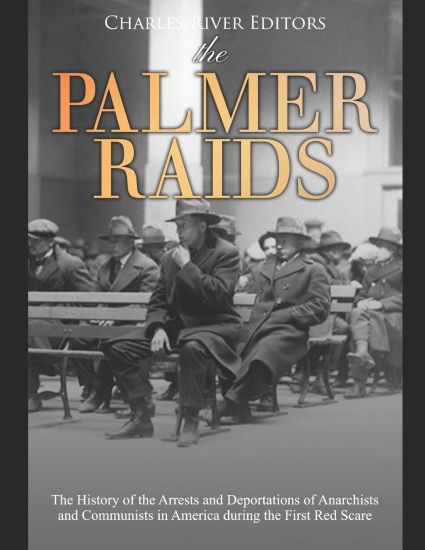
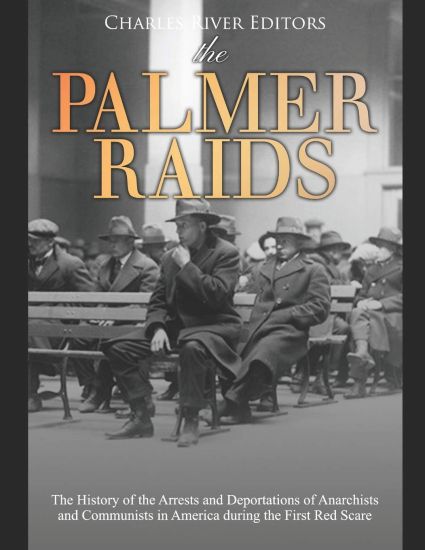
The Palmer Raids: The History of the Arrests and Deportations of Anarchists and Communists in America during the First Red Scare
*Includes pictures*Includes excerpts of contemporary accounts*Includes a bibliography for further reading"The war power is of necessity an inherent power in every sovereign nation. It is the power of self-reservation and that power has no limits other than the extent of the emergency." - Attorney General A. Mitchell Palmer, December 1918While the period from 1945-1955 was the longest and most extensive period of time in American history when a fear of communism gripped the country, it was not the first. World War I was the first major foreign conflict the U. S. was involved in, after being safe behind the Atlantic Ocean, and Americans were now afraid of espionage and sabotage. As a result, people of German descent came under suspicion, and this subjected innocent German-Americans to mob violence, much of it perpetrated by a vigilante group called the American Protective League (APL), which had a quarter of a million members dedicated to rooting out German spies. When they did not find enough, they turned their sights on homegrown subversives, namely the International Workers of the World, the "Wobblies." With the end of the war, concern over German subversives was replaced with concerns over communist subversives. By 1919, the Bolshevik Revolution had spread throughout Central Europe and seemed to threaten the rest of the world. In America, newspaper stories openly worried about a similar revolution in the country. A rash of strikes fed fears that class warfare, fomented by foreign communist forces, would break out at any moment. In this powder keg, all that was needed was a spark to create full-blown hysteria, and the spark came on June 2, 1919, when the home of Attorney General A. Mitchell Palmer was bombed, injuring Palmer and killing the bomber. The anarchist leaflets he was carrying were scattered in the bomb debris, and this attack on his home prompted Palmer, who had been a reformist Quaker, to launch an all-out war against left-wing radicals. In the process, the Attorney General, who had already been impressed with a self-confident and energetic young man named J. Edgar Hoover, put him in charge of the battle against radicalism. The Red Scare had begun in earnest. Palmer decided that the way to eliminate the radical threat in America was to get rid of the radicals by deporting them en masse out of the country. There were just two problems with Palmer's solution: most "radicals" were American citizens and not aliens, and the Justice Department had no authority to deport aliens for radical activities. Undeterred, Palmer set up the General Intelligence Division (GID) under Hoover, who set about collecting and organizing information (both factual and unsubstantiated rumors) about radical organizations and individuals that came in from state, local, and federal agencies. One of the first things Hoover did, drawing on his library experience, was to set up a card index listing every radical individual and organization in the country. In short order, the number of cards had grown to 450,000. The raids succeeded in rounding up 10,000 people, many at meetings open to the general public. The problems inherent in this approach were apparent several days later when almost 5,000 had to be released because they were either not Communist Party members or because they were otherwise law-abiding citizens. Those who remained in custody were questioned using "third degree" tactics of intimidation and forced to sign statements regardless of their accuracy. While the investigators were obtaining the evidence necessary to deport dangerous radicals, Hoover initiated a carefully orchestrated publicity campaign designed to inflame fears of the radicals among the American public. This was the first time Hoover engaged in such activities, and from it he learned the value of public opinion in law enforcement. It was a lesson he would carry with him when he became Director of the FBI.
The Palmer Raids: The History of the Arrests and Deportations of Anarchists and Communists in America during the First Red Scare
*Includes pictures*Includes excerpts of contemporary accounts*Includes a bibliography for further reading"The war power is of necessity an inherent power in every sovereign nation. It is the power of self-reservation and that power has no limits other than the extent of the emergency." - Attorney General A. Mitchell Palmer, December 1918While the period from 1945-1955 was the longest and most extensive period of time in American history when a fear of communism gripped the country, it was not the first. World War I was the first major foreign conflict the U. S. was involved in, after being safe behind the Atlantic Ocean, and Americans were now afraid of espionage and sabotage. As a result, people of German descent came under suspicion, and this subjected innocent German-Americans to mob violence, much of it perpetrated by a vigilante group called the American Protective League (APL), which had a quarter of a million members dedicated to rooting out German spies. When they did not find enough, they turned their sights on homegrown subversives, namely the International Workers of the World, the "Wobblies." With the end of the war, concern over German subversives was replaced with concerns over communist subversives. By 1919, the Bolshevik Revolution had spread throughout Central Europe and seemed to threaten the rest of the world. In America, newspaper stories openly worried about a similar revolution in the country. A rash of strikes fed fears that class warfare, fomented by foreign communist forces, would break out at any moment. In this powder keg, all that was needed was a spark to create full-blown hysteria, and the spark came on June 2, 1919, when the home of Attorney General A. Mitchell Palmer was bombed, injuring Palmer and killing the bomber. The anarchist leaflets he was carrying were scattered in the bomb debris, and this attack on his home prompted Palmer, who had been a reformist Quaker, to launch an all-out war against left-wing radicals. In the process, the Attorney General, who had already been impressed with a self-confident and energetic young man named J. Edgar Hoover, put him in charge of the battle against radicalism. The Red Scare had begun in earnest. Palmer decided that the way to eliminate the radical threat in America was to get rid of the radicals by deporting them en masse out of the country. There were just two problems with Palmer's solution: most "radicals" were American citizens and not aliens, and the Justice Department had no authority to deport aliens for radical activities. Undeterred, Palmer set up the General Intelligence Division (GID) under Hoover, who set about collecting and organizing information (both factual and unsubstantiated rumors) about radical organizations and individuals that came in from state, local, and federal agencies. One of the first things Hoover did, drawing on his library experience, was to set up a card index listing every radical individual and organization in the country. In short order, the number of cards had grown to 450,000. The raids succeeded in rounding up 10,000 people, many at meetings open to the general public. The problems inherent in this approach were apparent several days later when almost 5,000 had to be released because they were either not Communist Party members or because they were otherwise law-abiding citizens. Those who remained in custody were questioned using "third degree" tactics of intimidation and forced to sign statements regardless of their accuracy. While the investigators were obtaining the evidence necessary to deport dangerous radicals, Hoover initiated a carefully orchestrated publicity campaign designed to inflame fears of the radicals among the American public. This was the first time Hoover engaged in such activities, and from it he learned the value of public opinion in law enforcement. It was a lesson he would carry with him when he became Director of the FBI.
The Battle of Ain Jalut: The History and Legacy of the Decisive Mamluk Victory that Halted the Mongol Empire's Expansion across the Middle East
*Includes pictures*Includes a bibliography for further readingEgypt in the 13th century was a glorious kingdom to behold. Spice merchants from Europe, Asia and Africa sailed up the Nile River to the great port city of Alexandria, carrying riches such as silk, jewels and spices. Cairo, the capital of Egypt, was the greatest city in the Islamic world, with a larger population and more wealth and splendor than any city in Europe. Cairo was a shining pinnacle of cosmopolitan splendor in the medieval world, and besides being a major trading hub, Cairo was famous for its scholars and intellectual class, offering countless academic opportunities for scholars across the Islamic world. The culture of Cairo was dynamic and famous for its wide range of intellectual debates on Islamic sciences and other academic fields, all of which far surpassed any contemporary city at the time. From across the Islamic world, scholars from all the major schools of thought were represented in Cairo. Spirited lectures occurred frequently in public squares and madrasas were often packed with patrons eagerly listening to readings by famed scholars. Cairo was a city filled with art, trade and knowledge. However, there was another factor that made Cairo infamous. The city represented the last bastion of the Muslim world. A great Islamic caliphate, centered in Iraq, had once stretched from the edges of Central Asia to Spain, but invasions by outside enemies had mostly overrun this once mighty empire. The Mongol armies, pouring forth from their grasslands in Asia, had sacked Baghdad in 1258, destroying the caliphate and sending the Islamic world into a state of deep peril. Moreover, the Crusaders had launched multiple invasions into Palestine and the Levant, threatening the very existence of the Muslim world. From the vast grasslands of the Asian steppes arose what is perhaps one of the most unstoppable armies in the history of the world: the Mongol Empire. A loosely aligned horde of tribal pastoral nomads, these warring tribes were united under one banner by Genghis Khan. Under his legendary leadership, the Mongols left their ancestral home in Mongolia on a campaign of conquest. Turning their eyes south toward China, the Mongols eventually conquered the rich empire to establish the Mongol Yuan Dynasty of China, but this did not satisfy the Mongol quest for conquest. The Mongols pushed west into Central Asia, defeating a series of kingdoms and empires and leaving carnage in their wake. These armies of elite horse archers crushed every foe in their path, conquering land all the way to Poland and Austria. The Middle East was not spared their wrath, as the Mongols staged some of their most devastating campaigns in Arab lands. In 1258, the Mongols sacked Baghdad, destroying the capital of the mighty Islamic Abbasid Caliphate, which was a major blow to the Islamic world. The Mongol armies continued west into the holy land of Syria and Palestine. There, the Mongols met the foe to rival them in war: the Mamluks. Hailing from the Eurasian steppes, the Mamluks were not Arab, but ethnically Turkish, enslaved at a young age, and sold into military service in Egypt, where they underwent intense military training in Cairo. Thus, these Turkish warriors were utterly alien from the Arab populations they eventually ruled over in ethnicity, language, and culture, but they were remarkably skilled in the mounted warfare styles of the nomadic tribes of the Eurasian grasslands and other aspects of medieval warfare. As a result, the Mamluks were some of the finest professional soldiers of their time, which they proved on multiple occasions through their brilliant military campaigns against the numerous enemies of Egypt.
Catalonia: The History and Legacy of Spain's Most Famous Autonomous Community
*Includes pictures*Includes a bibliography for further readingSet in the northeastern corner of Spain and nestled next to France is the autonomous region of Catalonia. The name Catalonia is thought to mean the Land of Castellans (castlan means the governor of a castle), while another version of the story suggests that the name actually comes from Gothalanda, or Land of the Goths, who occupied it in the 5th century. More than seeing themselves as Spaniards, Catalonian people see themselves as Catalan first and foremost, and they all are natively fluent in the language, Catalan. This fiercely guarded sense of identity no doubt comes from having been squeezed between the two major empires of France and Spain, as well as having been at the crossroads of those two powers' violent struggles for centuries. Shaped like an uneven triangle, Catalonia is comprised of four provinces that occupy an area of 12,390 square miles: Girona, Barcelona, Tarragona and Lleida. Catalonia also has a variety of different kinds of communities surrounding it, as its northern neighbors include the powerful country of France and the tiny nation of Andorra. To the south it has the autonomous community of Valencia, to the west is the autonomous community of Aragon, and on the east, it borders the Mediterranean Sea. Furthermore, there are natural boundaries that serve to divide Catalonia from its neighbors, namely the Pyrenees mountains, which separate it from France, and the pre-Pyrenees and the Ebro River basin, which mark its border with Aragon. It is home to several main rivers, including the Ter, Llobregat, and the Ebro, all of which end in the Mediterranean Sea. Due to the considerable topographical diversity found in Catalonia, each of the four provinces are quite distinctive in their landscape and, therefore, in their economy. Three of the provinces (all but Lleida) have access to the Mediterranean Sea, and in contrast to the three other provinces that share a piece of the coastline, the inland Lleida province is found to the north of the Catalanides and is a high tableland. The Catalanides, a low-lying mountain range, divides the coastal plain from the Ebro river basin, a natural division between the towns of the coast that historically tended to be more industrial, as opposed to the settlements of the hinterlands that tended to be more predominantly agricultural. The main agricultural outputs of Catalonia were the foods associated with a Mediterranean diet, including wine, almonds, olives and olive oil, along with rice, potatoes and corn, many of which were actually brought there by ancient Greek settlers. In addition to these foodstuffs, there is a modest tradition of raising cows, sheep, and pigs, but only a third of Catalonia is currently dedicated to agricultural production. The most significant part of Catalonia, in terms of population density, is found in the towns on the Catalan coast, whereas the hinterland is rather sparsely populated. Over the course of the 20th century, Barcelona and its closely surrounding towns continued to attract more and more residents, further increasing this disparity. After a tumultuous history during which it bounced back and forth in terms of its political status and relationship to Spain's central government, Catalonia was granted its autonomy on December 18, 1979. In 2006, it came close to acquiring its total independence, but that status is still being hotly contested. For now, it is still formally part of the country of Spain, but it is governed by an executive council that is headed by a president. The executive branch of the government is called the Generalitat, and it also has a parliament with one chamber. It is currently home to an estimated 7.5 million people, many of whom continue pushing for the region's total independence from Spain.
Catalonia: The History and Legacy of Spain's Most Famous Autonomous Community
*Includes pictures*Includes a bibliography for further readingSet in the northeastern corner of Spain and nestled next to France is the autonomous region of Catalonia. The name Catalonia is thought to mean the Land of Castellans (castlan means the governor of a castle), while another version of the story suggests that the name actually comes from Gothalanda, or Land of the Goths, who occupied it in the 5th century. More than seeing themselves as Spaniards, Catalonian people see themselves as Catalan first and foremost, and they all are natively fluent in the language, Catalan. This fiercely guarded sense of identity no doubt comes from having been squeezed between the two major empires of France and Spain, as well as having been at the crossroads of those two powers' violent struggles for centuries. Shaped like an uneven triangle, Catalonia is comprised of four provinces that occupy an area of 12,390 square miles: Girona, Barcelona, Tarragona and Lleida. Catalonia also has a variety of different kinds of communities surrounding it, as its northern neighbors include the powerful country of France and the tiny nation of Andorra. To the south it has the autonomous community of Valencia, to the west is the autonomous community of Aragon, and on the east, it borders the Mediterranean Sea. Furthermore, there are natural boundaries that serve to divide Catalonia from its neighbors, namely the Pyrenees mountains, which separate it from France, and the pre-Pyrenees and the Ebro River basin, which mark its border with Aragon. It is home to several main rivers, including the Ter, Llobregat, and the Ebro, all of which end in the Mediterranean Sea. Due to the considerable topographical diversity found in Catalonia, each of the four provinces are quite distinctive in their landscape and, therefore, in their economy. Three of the provinces (all but Lleida) have access to the Mediterranean Sea, and in contrast to the three other provinces that share a piece of the coastline, the inland Lleida province is found to the north of the Catalanides and is a high tableland. The Catalanides, a low-lying mountain range, divides the coastal plain from the Ebro river basin, a natural division between the towns of the coast that historically tended to be more industrial, as opposed to the settlements of the hinterlands that tended to be more predominantly agricultural. The main agricultural outputs of Catalonia were the foods associated with a Mediterranean diet, including wine, almonds, olives and olive oil, along with rice, potatoes and corn, many of which were actually brought there by ancient Greek settlers. In addition to these foodstuffs, there is a modest tradition of raising cows, sheep, and pigs, but only a third of Catalonia is currently dedicated to agricultural production. The most significant part of Catalonia, in terms of population density, is found in the towns on the Catalan coast, whereas the hinterland is rather sparsely populated. Over the course of the 20th century, Barcelona and its closely surrounding towns continued to attract more and more residents, further increasing this disparity. After a tumultuous history during which it bounced back and forth in terms of its political status and relationship to Spain's central government, Catalonia was granted its autonomy on December 18, 1979. In 2006, it came close to acquiring its total independence, but that status is still being hotly contested. For now, it is still formally part of the country of Spain, but it is governed by an executive council that is headed by a president. The executive branch of the government is called the Generalitat, and it also has a parliament with one chamber. It is currently home to an estimated 7.5 million people, many of whom continue pushing for the region's total independence from Spain.