Kirjojen hintavertailu – 12 903 725 kirjaa ja 27 kauppaa

Kirjailija

Charles River

Kirjat ja teokset yhdessä paikassa: 4 673 kirjaa, julkaisuja vuosilta 2013–2022, suosituimpiin kuuluu William Powell and Myrna Loy: The Lives and Careers of One of Classical Hollywood's Most Iconic Duos. Vertaile teosten hintoja ja tarkista saatavuus suomalaisista kirjakaupoista.

4 673 kirjaa

Kirjojen julkaisuvuodet: 2013–2022.

Fritz Lang: The Life and Legacy of the Influential German-American Film Legend
*Includes pictures*Includes a bibliography for further reading"I was something that is always hated in Hollywood - a perfectionist; nobody likes a perfectionist, you know." - Fritz LangWhile it's easily forgotten today, during the early 20th century, various European countries had vibrant film industries, and even though Hollywood had already staked its claim as the forerunner of the international cinematic landscape by the 1920s, national cinemas in Sweden, Germany, and elsewhere throughout Western Europe enjoyed great power during this period. During that time, Germany's most renowned film directors were pioneering the genre known as Expressionism, and within it, Fritz Lang was known as the "Master of Darkness." Together with his eventual wife, Thea von Harbou, Lang wrote a number of acclaimed movies, including Dr. Mabuse the Gambler (1922), Die Nibelungen (1924), Metropolis (1927), and Woman in the Moon (1929). Eventually, a number of Europe's biggest movie stars and directors came to Hollywood, such as Greta Garbo, Ingrid Bergman, and Alfred Hitchcock, but Lang's course to America came under far different circumstances. As Adolf Hitler rose to power and strengthened the Nazis' grip over Germany, the party's coarse antisemitism took root across all segments of society. As Jews were further persecuted, German Jews from all walks of life went into exile, and the loss of so many bright minds has led historians to the conclusion that the exodus could have made the difference in World War II. As scientists like Albert Einstein made their way out of the country to safety, they served as further proof that in addition to being dogmatically racist, the Nazis were also incompetent and self-defeating. Coinciding with Hitler's rise, Lang was filming The Testament of Dr. Mabuse, and it was quickly viewed as a biting commentary on the Nazi Party. On March 30, 1933, the Nazi regime banned it, and Lang later claimed that propaganda minister Joseph Goebbels confided to him that he loved the movie. By then, Lang was known for noir films, especially M, a dark movie about a child murderer. Compelled to leave Germany, Lang made his way to Hollywood and quickly established himself there, leading to a career spanning 20 years. Continuing with the same themes as the ones he used in Germany, Lang helped establish noir as one of the most popular film genres of the 1950s in America, with influential works like Scarlett Street, and his most famous film, The Big Heat (1953). By 1960, however, his health began to decline, and thus so did his output, which was somewhat ironic because he brought the Mabuse series of films full circle with 1960's The Thousand Eyes of Dr. Mabuse, which revived interest in Mabuse and led to more films being made for the series. As fate would have it, though, those films would be produced by German producer Artur Brauner, not Lang himself. Fritz Lang: The Life and Legacy of the Influential German-American Film Legend chronicles his career in front of the camera and behind it. Along with pictures depicting important people, places, and events, you will learn about Lang like never before.

The Ottoman Empire's Greatest Victories: The History and Legacy of the Most Important Battles Won by the Ottomans
*Includes pictures*Includes excerpts of contemporary accounts*Includes a bibliography for further readingIn terms of geopolitics, perhaps the most seminal event of the Middle Ages was the successful Ottoman siege of Constantinople in 1453. The city had been an imperial capital as far back as the 4th century, when Constantine the Great shifted the power center of the Roman Empire there, effectively establishing two almost equally powerful halves of antiquity's greatest empire. Constantinople would continue to serve as the capital of the Byzantine Empire even after the Western half of the Roman Empire collapsed in the late 5th century. Naturally, the Ottoman Empire would also use Constantinople as the capital of its empire after their conquest effectively ended the Byzantine Empire, and thanks to its strategic location, it has been a trading center for years and remains one today under the Turkish name of Istanbul. The end of the Byzantine Empire had a profound effect not only on the Middle East but Europe as well. Constantinople had played a crucial part in the Crusades, and the fall of the Byzantines meant that the Ottomans now shared a border with Europe. The Islamic empire was viewed as a threat by the predominantly Christian continent to their west, and it took little time for different European nations to start clashing with the powerful Turks. In fact, the Ottomans would clash with Russians, Austrians, Venetians, Polish, and more before collapsing as a result of World War I, when they were part of the Central powers. The Ottoman conquest of Constantinople also played a decisive role in fostering the Renaissance in Western Europe. The Byzantine Empire's influence had helped ensure that it was the custodian of various ancient texts, most notably from the ancient Greeks, and when Constantinople fell, Byzantine refugees flocked west to seek refuge in Europe. Those refugees brought books that helped spark an interest in antiquity that fueled the Italian Renaissance and essentially put an end to the Middle Ages altogether. In the wake of taking Constantinople, the Ottoman Empire would spend the next few centuries expanding its size, power, and influence, bumping up against Eastern Europe and becoming one of the world's most important geopolitical players. It was a rise that would not truly start to wane until the 19th century. Throughout that time, they would inflict crushing defeats on a number of adversaries, including Russians to the north, the Iranian Safavid dynasty to the east, and Christian coalitions put together by various European powers. Preserving its mixed heritage, coming from both its geographic position rising above the ashes of the Byzantine Empire and the tradition inherited from the Muslim Conquests, the Ottoman Empire lasted more than six centuries. Its soldiers fought, died, and conquered lands on three different continents, making it one of the few stable multi-ethnic empires in history, and likely one of the last. Thus, it's somewhat inevitable that the history of its decline is at the heart of complex geopolitical disputes, as well as sectarian tensions that are still key to understanding the Middle East, North Africa and the Balkans. The Ottoman Empire's Greatest Victories: The History and Legacy of the Most Important Battles Won by the Ottomans chronicles the most important conflicts that helped propel the Ottoman Empire into a superpower. Along with pictures of important people, places, and events, you will learn about the Ottoman Empire's greatest victories like never before.
The Ottoman Empire's Greatest Victories: The History and Legacy of the Most Important Battles Won by the Ottomans
*Includes pictures*Includes excerpts of contemporary accounts*Includes a bibliography for further readingIn terms of geopolitics, perhaps the most seminal event of the Middle Ages was the successful Ottoman siege of Constantinople in 1453. The city had been an imperial capital as far back as the 4th century, when Constantine the Great shifted the power center of the Roman Empire there, effectively establishing two almost equally powerful halves of antiquity's greatest empire. Constantinople would continue to serve as the capital of the Byzantine Empire even after the Western half of the Roman Empire collapsed in the late 5th century. Naturally, the Ottoman Empire would also use Constantinople as the capital of its empire after their conquest effectively ended the Byzantine Empire, and thanks to its strategic location, it has been a trading center for years and remains one today under the Turkish name of Istanbul. The end of the Byzantine Empire had a profound effect not only on the Middle East but Europe as well. Constantinople had played a crucial part in the Crusades, and the fall of the Byzantines meant that the Ottomans now shared a border with Europe. The Islamic empire was viewed as a threat by the predominantly Christian continent to their west, and it took little time for different European nations to start clashing with the powerful Turks. In fact, the Ottomans would clash with Russians, Austrians, Venetians, Polish, and more before collapsing as a result of World War I, when they were part of the Central powers. The Ottoman conquest of Constantinople also played a decisive role in fostering the Renaissance in Western Europe. The Byzantine Empire's influence had helped ensure that it was the custodian of various ancient texts, most notably from the ancient Greeks, and when Constantinople fell, Byzantine refugees flocked west to seek refuge in Europe. Those refugees brought books that helped spark an interest in antiquity that fueled the Italian Renaissance and essentially put an end to the Middle Ages altogether. In the wake of taking Constantinople, the Ottoman Empire would spend the next few centuries expanding its size, power, and influence, bumping up against Eastern Europe and becoming one of the world's most important geopolitical players. It was a rise that would not truly start to wane until the 19th century. Throughout that time, they would inflict crushing defeats on a number of adversaries, including Russians to the north, the Iranian Safavid dynasty to the east, and Christian coalitions put together by various European powers. Preserving its mixed heritage, coming from both its geographic position rising above the ashes of the Byzantine Empire and the tradition inherited from the Muslim Conquests, the Ottoman Empire lasted more than six centuries. Its soldiers fought, died, and conquered lands on three different continents, making it one of the few stable multi-ethnic empires in history, and likely one of the last. Thus, it's somewhat inevitable that the history of its decline is at the heart of complex geopolitical disputes, as well as sectarian tensions that are still key to understanding the Middle East, North Africa and the Balkans. The Ottoman Empire's Greatest Victories: The History and Legacy of the Most Important Battles Won by the Ottomans chronicles the most important conflicts that helped propel the Ottoman Empire into a superpower. Along with pictures of important people, places, and events, you will learn about the Ottoman Empire's greatest victories like never before.
Mistérios do Sul: Fantasmas, lendas e fenômenos inexplicáveis em Dixie
O sul da Am rica deu origem a muitas das grandes hist rias e lendas do pa s. Desde os primeiros tempos coloniais, tem sido um lugar de mist rio, repleto de col nias desaparecidas e apari es estranhas na floresta, mas a longa e orgulhosa hist ria do Sul sempre teve um lado mais sombrio e estranho. Um dos mist rios mais famosos da Am rica foi o primeiro. Apesar de ter deixado mais de 100 colonos na ilha de Roanoke em 1587, John White voltou a literalmente nada, com todos os vest gios do assentamento desaparecidos e nenhuma evid ncia de luta ou qualquer outra coisa que pudesse explicar o desaparecimento dos habitantes. White encontrou a palavra "Croatoan" esculpida em uma rvore pr xima, o que ele imaginou que poderia significar que os colonos se mudaram para uma ilha pr xima, mas ele n o foi capaz de realizar uma expedi o de busca por l . Os espanh is tamb m procuraram a col nia na esperan a de destru -la, mas nenhum dos europeus conseguiu encontrar os colonos de Roanoke ou explicar o que aconteceu com a col nia "perdida". O destino de Roanoke fascina as pessoas h mais de 400 anos, e n o faltam teorias sobre o desaparecimento da col nia. Al m da possibilidade de os colonos se mudarem para a ilha Croatoan, a maioria das teorias especula que eles foram exterminados por nativos americanos pr ximos ou assimilados por uma tribo. Os futuros assentamentos na rea sobreviveriam e come ariam a florescer, o que traria mais mist rio e fen menos inexplic veis. Contos de monstros e fantasmas espreita em seus bosques e casas antigas, e estranhos monumentos que podem ser de uma civiliza o esquecida, confundem os investigadores locais. Enquanto isso, os primeiros habitantes sempre foram supersticiosos, seja na Fl rida, Ge rgia, Maryland, Carolina do Norte, Carolina do Sul, Virg nia, Virg nia Ocidental, Alabama, Kentucky, Mississippi, Tennessee e leste da Louisiana. Mist rios do Sul: Fantasmas, lendas e fen menos inexplic veis em Dixie mostram uma amostra de hist rias estranhas, inexplic veis e simplesmente estranhas do Sul que fascinam as pessoas na regi o e nos arredores h s culos. Juntamente com fotos de pessoas, lugares e eventos importantes, voc aprender sobre o lado misterioso do Sul como nunca antes, em nenhum momento.
O Oeste Selvagem Estranho: Contos e Lendas Altos sobre a Fronteira
O espa o pode ser a fronteira final, mas nenhuma fronteira jamais capturou a imagina o americana como o "Oeste Selvagem", que ainda evoca imagens de cowboys empoeirados, foras da lei, tiroteios, jogadores e brigas de bares mais de 100 anos depois que o Ocidente foi estabelecido. Um elemento constante na cultura pop americana, o oeste americano do s culo XIX continua a ser vividamente e colorido, retratado n o apenas como um lugar, mas como um estado de esp rito. Mesmo para quem viaja hoje pelo Ocidente, h muitos vest gios dos velhos tempos. As cidades fantasmas ainda est o em partes remotas do deserto e da pradaria, a arte rupestre dos nativos americanos ainda conta suas lendas mudas e as antigas minas dos garimpeiros ainda pontilham as encostas. At alguns nomes de lugares, como Bloody Basin, Arizona e Soldier's Hill, Novo M xico, t m suas hist rias para contar. Em novembro de 2014, um sortudo arque logo no Parque Nacional da Grande Bacia de Nevada viu um velho rifle encostado a um pinheiro; o sol e o vento haviam resistido ao estoque de madeira at ficar t o cinza quanto o tronco da rvore, tornando-o quase invis vel para os transeuntes. Quando a arma foi examinada, acabou sendo um rifle Winchester. O n mero de s rie ainda era leg vel e os registros mostravam que ele havia sido fabricado e enviado em 1882. Algum garimpeiro ou ca ador havia encostado o rifle contra uma rvore h mais de um s culo e nunca mais o procurou. Estava inclinado l desde ent o. T o populares quanto as obras sobre o Ocidente permanecem hoje, o Oeste Selvagem capturou a imagina o das pessoas desde os dias em que realmente era selvagem. Mesmo no s culo 19, sua fama se espalhou gra as a novelas de dez centavos, di rios de viagem, shows no Velho Oeste e pe as de teatro, e as pessoas ficaram emocionadas com hist rias de explora o e tiroteios. Naturalmente, no processo de estabelecimento da fronteira, as aventuras continham in meras hist rias estranhas, variando de contos de monstros e minas perdidas a hist rias de cidades escondidas e homens voltando dos mortos. Era um pa s vasto e inexplorado, e muitos mist rios podiam se esconder nas cordilheiras n o mapeadas e nas plan cies aparentemente intermin veis. O Oeste Selvagem Estranho: Contos Altos e Lendas sobre a Fronteira uma cole o de contos sobre a fronteira da Am rica que variam do poss vel ao rid culo. Algumas s o adapta es de contos populares antigos que os imigrantes trouxeram com eles ou cria es de rep rteres de jornais ansiosos demais, mas muitos t m sua base de fato. Junto com fotos e uma bibliografia, voc aprender sobre o Oeste Selvagem Estranho como nunca antes, em pouco tempo.
O Oeste Selvagem Estranho: Contos e Lendas Altos sobre a Fronteira
O espa o pode ser a fronteira final, mas nenhuma fronteira jamais capturou a imagina o americana como o "Oeste Selvagem", que ainda evoca imagens de cowboys empoeirados, foras da lei, tiroteios, jogadores e brigas de bares mais de 100 anos depois que o Ocidente foi estabelecido. Um elemento constante na cultura pop americana, o oeste americano do s culo XIX continua a ser vividamente e colorido, retratado n o apenas como um lugar, mas como um estado de esp rito. Mesmo para quem viaja hoje pelo Ocidente, h muitos vest gios dos velhos tempos. As cidades fantasmas ainda est o em partes remotas do deserto e da pradaria, a arte rupestre dos nativos americanos ainda conta suas lendas mudas e as antigas minas dos garimpeiros ainda pontilham as encostas. At alguns nomes de lugares, como Bloody Basin, Arizona e Soldier's Hill, Novo M xico, t m suas hist rias para contar. Em novembro de 2014, um sortudo arque logo no Parque Nacional da Grande Bacia de Nevada viu um velho rifle encostado a um pinheiro; o sol e o vento haviam resistido ao estoque de madeira at ficar t o cinza quanto o tronco da rvore, tornando-o quase invis vel para os transeuntes. Quando a arma foi examinada, acabou sendo um rifle Winchester. O n mero de s rie ainda era leg vel e os registros mostravam que ele havia sido fabricado e enviado em 1882. Algum garimpeiro ou ca ador havia encostado o rifle contra uma rvore h mais de um s culo e nunca mais o procurou. Estava inclinado l desde ent o. T o populares quanto as obras sobre o Ocidente permanecem hoje, o Oeste Selvagem capturou a imagina o das pessoas desde os dias em que realmente era selvagem. Mesmo no s culo 19, sua fama se espalhou gra as a novelas de dez centavos, di rios de viagem, shows no Velho Oeste e pe as de teatro, e as pessoas ficaram emocionadas com hist rias de explora o e tiroteios. Naturalmente, no processo de estabelecimento da fronteira, as aventuras continham in meras hist rias estranhas, variando de contos de monstros e minas perdidas a hist rias de cidades escondidas e homens voltando dos mortos. Era um pa s vasto e inexplorado, e muitos mist rios podiam se esconder nas cordilheiras n o mapeadas e nas plan cies aparentemente intermin veis. O Oeste Selvagem Estranho: Contos Altos e Lendas sobre a Fronteira uma cole o de contos sobre a fronteira da Am rica que variam do poss vel ao rid culo. Algumas s o adapta es de contos populares antigos que os imigrantes trouxeram com eles ou cria es de rep rteres de jornais ansiosos demais, mas muitos t m sua base de fato. Junto com fotos e uma bibliografia, voc aprender sobre o Oeste Selvagem Estranho como nunca antes, em pouco tempo.
Nova Inglaterra misteriosa: uma história dos mistérios, assombrações e criaturas estranhas da região
"Acho que uma das raz es pelas quais as hist rias de Stephen King funcionam t o bem que ele as coloca na velha e assustadora Nova Inglaterra, de onde vieram muitas lendas folcl ricas americanas." - Ted NaifehA Nova Inglaterra sempre teve um lugar especial na mem ria nacional. Os estados de Connecticut, Maine, Massachusetts, New Hampshire, Rhode Island e Vermont t m uma longa hist ria como algumas das primeiras col nias do Novo Mundo. Seu rico folclore e hist ria colorida est o entrela adas na identidade nacional, e destinos como Plymouth Rock, os far is do Maine e as folhas de outono de Vermont s o s mbolos por excel ncia dos Estados Unidos. Mas a Nova Inglaterra sempre teve um lado sombrio, um lado estranho. Monstros e fantasmas espreitam em seus bosques e casas antigas, e estranhos monumentos que podem ser de uma civiliza o esquecida confundem os investigadores locais. Enquanto isso, os primeiros habitantes sempre foram supersticiosos, como evidenciado pelos julgamentos de bruxas mais famosos da hist ria. Hoje, os julgamentos das bruxas de Salem s o frequentemente lembrados como uma rel quia de um passado supersticioso, e Salem se transformou em um para so tur stico e destino de Halloween, capitalizando os julgamentos das bruxas de Salem, mas era muito grave em 1692, quando 19 homens e mulheres viram-se levados para "Gallows Hill" e enforcados por serem bruxos. Outro homem com mais de 80 anos foi morto por se recusar a ser julgado por bruxaria, e de fevereiro de 1692 a maio de 1693, centenas de outros foram acusados de bruxaria. Dezenas ficaram presos por meses at a histeria em massa finalmente desaparecer. Nova Inglaterra misteriosa: uma hist ria dos mist rios, assombra es e criaturas estranhas da regi o mostra uma amostra de hist rias estranhas, inexplic veis e simplesmente estranhas da Nova Inglaterra que fascinam as pessoas na regi o h s culos. Juntamente com fotos de pessoas importantes, lugares e eventos, voc aprender sobre a Nova Inglaterra misteriosa como nunca antes, em nenhum momento.
Nova Inglaterra misteriosa: uma história dos mistérios, assombrações e criaturas estranhas da região
"Acho que uma das raz es pelas quais as hist rias de Stephen King funcionam t o bem que ele as coloca na velha e assustadora Nova Inglaterra, de onde vieram muitas lendas folcl ricas americanas." - Ted NaifehA Nova Inglaterra sempre teve um lugar especial na mem ria nacional. Os estados de Connecticut, Maine, Massachusetts, New Hampshire, Rhode Island e Vermont t m uma longa hist ria como algumas das primeiras col nias do Novo Mundo. Seu rico folclore e hist ria colorida est o entrela adas na identidade nacional, e destinos como Plymouth Rock, os far is do Maine e as folhas de outono de Vermont s o s mbolos por excel ncia dos Estados Unidos. Mas a Nova Inglaterra sempre teve um lado sombrio, um lado estranho. Monstros e fantasmas espreitam em seus bosques e casas antigas, e estranhos monumentos que podem ser de uma civiliza o esquecida confundem os investigadores locais. Enquanto isso, os primeiros habitantes sempre foram supersticiosos, como evidenciado pelos julgamentos de bruxas mais famosos da hist ria. Hoje, os julgamentos das bruxas de Salem s o frequentemente lembrados como uma rel quia de um passado supersticioso, e Salem se transformou em um para so tur stico e destino de Halloween, capitalizando os julgamentos das bruxas de Salem, mas era muito grave em 1692, quando 19 homens e mulheres viram-se levados para "Gallows Hill" e enforcados por serem bruxos. Outro homem com mais de 80 anos foi morto por se recusar a ser julgado por bruxaria, e de fevereiro de 1692 a maio de 1693, centenas de outros foram acusados de bruxaria. Dezenas ficaram presos por meses at a histeria em massa finalmente desaparecer. Nova Inglaterra misteriosa: uma hist ria dos mist rios, assombra es e criaturas estranhas da regi o mostra uma amostra de hist rias estranhas, inexplic veis e simplesmente estranhas da Nova Inglaterra que fascinam as pessoas na regi o h s culos. Juntamente com fotos de pessoas importantes, lugares e eventos, voc aprender sobre a Nova Inglaterra misteriosa como nunca antes, em nenhum momento.
México misterioso: uma história de fantasmas, lendas e lugares desconcertantes nos Estados mexicanos
Na antiguidade, quando a maior parte da Europa estava coberta de florestas e tribos errantes, o M xico j havia desenvolvido civiliza es complexas, come ando pelos olmecas e depois pelos maias, uma civiliza o com conhecimentos avan ados de medicina, engenharia e astronomia. Os maias calcularam a precess o dos equin cios e ciclos das Pl iades, nos quais basearam seu ano, pois acreditavam ter vindo daquela constela o. A ltima, e talvez mais famosa, grande civiliza o antes da chegada dos europeus foram os astecas. Com tantos povos antigos cuja influ ncia, cren as e modifica es na paisagem se estendem at os dias atuais, o M xico uma terra f rtil para lendas, fantasmas, lugares surpreendentes e mist rios. A cren a em comunh o com coisas que est o al m (estrelas, constela es e vida ap s a morte), misticismo e apari es est o intimamente tecidas no tecido colorido da na o mexicana, a ponto de um evento metaf sico (a apari o da Virgem de Guadalupe) considerado por muitos como um dos elementos fundadores da na o. Nossa Senhora de Guadalupe tem uma contraparte sinistra, outra mulher que apareceu na mesma poca: La Llorona, a mulher que chora. Se o conte do da vis o anterior amoroso e conciliador, o ltimo est cheio de arrependimento e agonia. La Llorona apenas o primeiro de uma longa prociss o de fantasmas ainda menos benignos. Por muitos anos, sacrif cios humanos e infinitas crueldades foram cometidos na atual Cidade do M xico. As pessoas em todo o pa s acreditam que uma legi o de vozes fantasmag ricas - se algu m acredita em fantasmas como um subproduto da repeti o, lembran a e re-experi ncia de mem rias tr gicas - ainda pode ser ouvida nas cidades e vales do M xico. Afinal, os arque logos encontraram evid ncias de arrepiantes sacrif cios humanos na capital mexicana, prova de que os habitantes antigos honravam seus deuses decapitando os corpos de seus prisioneiros e colocando a cabe a sangrando em um peda o de pau. V rios locais foram encontrados, e o maior foi descoberto na antiga Tenochtitlan (atual Cidade do M xico), que pode conter at 60.000 cr nios humanos. O territ rio do M xico era relativamente desconhecido at o in cio do s culo 20, mesmo para seu pr prio povo, pois muitas de suas ru nas e maravilhas naturais estavam fora de alcance ou enterradas sob densas selvas. N o foi at o desenvolvimento da ferrovia, na virada do s culo 20, que esse vasto pa s (o 14 maior do mundo) come ou a revelar seus segredos. Uma vez pacificado o M xico, o interesse pelas ru nas maias e astecas e as estranhas hist rias que circulavam nas aldeias trouxeram dezenas de arque logos, antrop logos, fot grafos e historiadores de todo o mundo. A partir desse ponto, a na o p de mostrar seus encantos e mist rios ao seu pr prio povo e a estranhos. O sul guardava lembran as de uma ra a que falava com as estrelas, o centro possu a fantasmas cheios de arrependimento e ressentimento, e o norte fervilhava de lugares que apenas um escritor de fic o cient fica podia imaginar. O resultado uma cole o dos aspectos mais surpreendentes, misteriosos e aterrorizantes do M xico, incluindo lugares m gicos, quebra-cabe as da hist ria e seres e apari es estranhos. O M xico um pa s m stico, onde as pessoas comuns aprendem a conviver com seus fantasmas, antigos e novos. Como Octavio Paz, vencedor do Pr mio Nobel de Literatura, disse certa vez: "Um dos tra os mais not veis do personagem mexicano sua disposi o de contemplar o horror - o mexicano at familiar e complacente ao lidar com ele". M xico misterioso: uma hist ria de fantasmas, lendas e lugares desconcertantes nos Estados mexicanos abrange os mist rios e esquisitices da regi o, com uma amostra de hist rias estranhas, inexplic veis e simplesmente estranhas do M xico que fascinaram as pessoas dentro e ao redor da regi o durante s culos. Juntamente
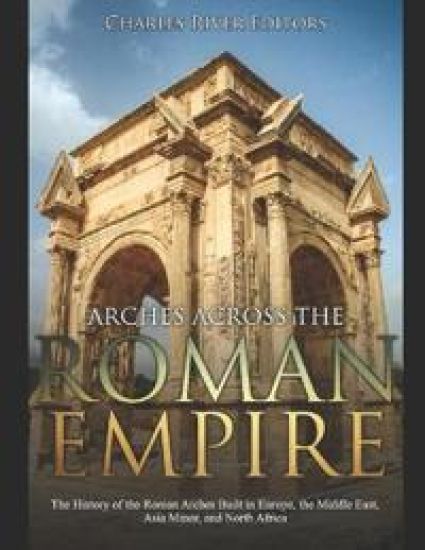
Arches across the Roman Empire: The History of the Roman Arches Built in Europe, the Middle East, Asia Minor, and North Africa
*Includes pictures*Includes a bibliography for further readingSome of the most iconic symbols of the Roman Empire that have survived into the modern world today are the arches that Romans erected to commemorate military victories and glorify individual emperors. The story of how arches came to be used throughout the Roman world in such a way is one that involves the evolution of the military and its leaders into the political forces that came to dominate the state, and those arches, along with the triumphs that came to be associated with many of them, were key parts in the process of exhibiting the might of both Rome. At the same time, they were meant to mark the individual achievements of Rome's rulers, making them an enormous and expensive PR exercise that steadily grew over the years. At its most basic, and in its earliest incarnation, the arch was a celebration of achievement and, as such, was part of a whole series of methods used by the Romans to record, reward, and publicize success. However, as the imperial period progressed, the arch came to symbolize much more and became exclusively associated with imperial might through the building of Triumphal Arches. The story of those arches is inextricably linked to the promotion of Rome as the greatest of all powers, and of its leaders as the most worthy and able of all commanders. While the rational behind developing "triumphal" arches in Rome and Italy stemmed from a system designed to recognize and reward individual bravery or cement and legitimize the successes of an emperor and his successors, the role of arches across the rest of the empire is even more complex. These monuments were primarily intended to promote Rome's invincibility while serving as constant reminders of the power that could be brought to bear on any subjugated people. They also provided an opportunity for new citizens to demonstrate their loyalty to the empire, advertising their virtues and wealth at the same time. For these aspiring new citizens, sponsorship could prove an invaluable way to climb the social and political ladder on local and imperial levels. Triumphal arches in Rome provided a centerpiece for triumphs that were restricted to the emperors and their immediate families after the establishment of the Roman Empire, but arches in the wider empire did not have this specific function. That said, as with those in Italy, foreign arches were strategically placed to ensure they were seen and passed through by the maximum number of people, subjecting them to scenes depicting Roman victories on a regular basis. These arches were inextricably linked to promoting Rome as the greatest of all powers, and also bound up in the policy of Romanization and assimilation of conquered territories and populations. Of course, these arches have intrigued historians for years. Franz Botho Graef, a German classical archaeologist and art historian, a prominent expert in the area, devoted his life to the identification and cataloguing of Roman arches. He documented 125 extant arches, and 30 further examples discerned from the literature or other sources, scattered throughout Rome and its provinces. Graef's listing is usually taken as the starting point for subsequent researchers, but another eminent historian in the field, A. Frothingham, has disputed Graef s listings, arguing that only 115 of the 125 identified arches actually existed. He also claimed to have identified 280 further "monuments and arches," the majority of which were located within Asia Minor, North Africa, and Syria. However, this methodological approach introduced a new category - monuments - into the cataloguing process, which has only served to complicate the debate. Arches across the Roman Empire: The History of the Roman Arches Built in Europe, the Middle East, Asia Minor, and North Africa analyzes the various arches, their influence, and lingering debates over them.
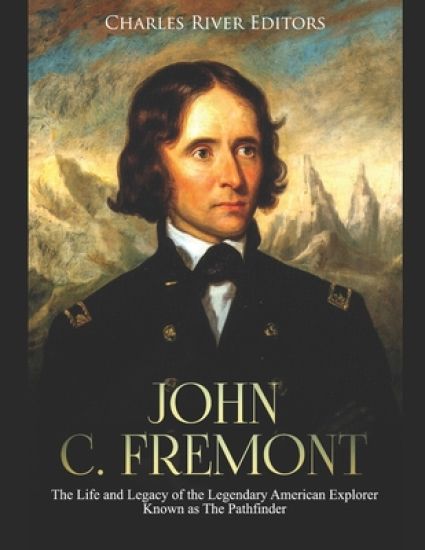
John C. Fremont: The Life and Legacy of the Legendary American Explorer Known as The Pathfinder
*Includes pictures*Includes excerpts of contemporary accounts*Includes a bibliography for further readingThe exploration of the American West, beginning with Lewis and Clark's transcontinental trek at the behest of President Thomas Jefferson, was not accomplished by standing armies, the era's new steam train technology, or by way of land grabs. These came later, but not until pathways known only to a few of the land's indigenous people were discovered, carved out, and charted in an area stretching from the eastern Rocky Mountains to the Pacific Ocean, and the present-day borders of Mexico and Canada. Even the great survey parties, such as Colonel William Powell's exploration of the Colorado River, came decades later. The first views of the West's enormity by white Americans were seen by individuals of an entirely different personality, in an era that could only exist apart from its home civilization. Naturally, the West was an endless source of fascination for those who were either personally or circumstantially ill-suited to travel there. As explorers opened trails and people expanded the frontier, unusual walks of life like cattle drives and hunting became commonplace, as did images of dusty boomtowns. Before the Transcontinental Railroad connected the Atlantic and Pacific, the West possessed a distinctly separate culture from the East Coast, and cowboys, early settlers, and an enormous array of indigenous peoples produced a hybrid culture that seemed doomed to disappear as a result of the inevitable modernization. Of all the Americans who became renowned for expeditions to the West, few were as famous - or infamous - as John Charles Fremont, whose work produced some of the region's most detailed maps and propelled him to national fame. Among other things, he taught mathematics to midshipmen on a Navy warship on a long cruise off South America, served as governor of two states and a Senator for one, was court-martialed for insubordination, issued the first emancipation proclamation, and eloped with the daughter of a powerful U. S. Senator. Today, Fremont is best known for leading five expeditions west, three of which were official U. S. expeditions and two of which were private. On his third official expedition, he was given secret instructions for when he reached California. While in California, he bought a lot of property with cloudy titles and found gold on his land, making him rich, but he also indulged in diplomacy and fighting that may have been a part of his instructions, which remain a topic of heavily contested debate today. Fremont subsequently joined a U. S. Navy commodore to set up a civil government, became military governor of California, claimed to outrank other local military figures, and set up an Army-Navy dispute that came close to being an actual battle and resulted in a court-martial in which he was convicted and subsequently pardoned by the president. Fremont retired after resigning his battlefield command in a huff. In 1864, radical Republicans who were unhappy with President Lincoln formed their own party and nominated Fremont to run for president. He could have split the Republican Party in two and assured a Democrat victory in 1864, but he dropped out of the race, assuring Lincoln's win in the election. Was he a patriot or a realist? As this all indicates, Fremont's life was full of intrigue, adventure, and controversy. John C. Fremont: The Life and Legacy of the Legendary American Explorer Known as The Pathfinder chronicles his colorful life and career in an attempt to separate fact from fiction. Along with pictures depicting important people, places, and events, you will learn about The Pathfinder like never before.
The La Brea Tar Pits: The History and Legacy of One of the World's Most Famous Fossil Sites
*Includes pictures*Includes a bibliography for further readingEven at a distance, the acrid stench of asphalt and sulfur singes the hairs of people's nostrils, and when the blustering winds subside, the potent miasma lingers in the air. To the untrained eye, the La Brea Tar Pits seem to be nothing more than simply pools of thick, viscous black sludge, its obsidian-like surface bestrewn with an assortment of autumn leaves and dirt. Gooey methane bubbles spurt up periodically, shattering the glassy veneer of the grease-black lakes, and the shiny bubbles swell to varying sizes and wiggle from side to side before popping, the sticky collapse almost reminiscent of cracking open a chocolate molten lava cake. This black sludge might seem rather unremarkable after a few moments, as it appears to just sit there in its idle state, but in fact, the seemingly innocuous bubbles are symptomatic of the treacly dark substance lurking on the bottom of the pit. The pit's contents have spelled the doom for a countless number of creatures both large and small, from legions of insects to mighty mastodons, mammoths, and snarling saber-toothed cats from the Pleistocene Era. Of course, this is what makes the area a natural landmark in the first place, and today the La Brea Tar Pits are considered by many scientists to be among the greatest finds in modern history. Technically, these lustrous lakes of ink-black, while branded "tar," are in actuality pools of asphalt seeps that have remained in place for several millennia, gushing forth from a natural subterranean petroleum spring underneath the city of Los Angeles known as the "Salt Lake Oil Field." Needless to say, the tar pits are a far cry from the glittering, crystalline ponds cooled by the shade of surrounding palm trees found throughout the City of Angels. Indeed, the pungent reek of asphalt, pulsing methane bubbles, and their hauntingly black surfaces, making it impossible to gauge the true depth of the asphalt abysses, should have seemingly served as clear deterrents to the animals that roamed the vicinity prior to their entrapment. Instead, judging by the treasure trove of bones and remnants that have been uncovered within the pits, the sludge seemed to have figuratively emitted a siren song that no animal, regardless of stature or physical power, could resist. The disturbing and fascinating implications of the silent death traps, situated in what is now 5801 Wilshire Boulevard, Los Angeles, only further heightens their mystery. Evidence shows that the slow, torturous deaths of many of the creatures who became permanently ensnared in the asphalt quicksand were worsened by passing predators who essentially stumbled upon supper served on a sticky platter. Unfortunate, or rather, clumsy predators sometimes slipped, struggled, and were ultimately swallowed up by the tar pit themselves, creating a macabre, yet natural cycle of death and despair. Unsurprisingly, the La Brea Tar Pits have also become a wellspring of supernatural legends. According to one such legend, the disembodied, bone-chilling shrieks of a desperate woman, supposedly the La Brea Woman, victim of Los Angeles' oldest cold murder case, can still be heard in the dead of the night. More curious yet, these liquid time capsules are swaddled in another layer of mystique, its fossils not only solving mysterious riddles of a bygone age, but also offering up even more questions that are begging to be answered. The La Brea Tar Pits: The History and Legacy of One of the World's Most Famous Fossil Sites looks at the geological origins of the area and analyzes the fossil finds from the tar. Along with pictures depicting important people, places, and events, you will learn about the tar pits like never before.
Enigmas da América do Norte: Mistérios, Lendas e Fenómenos Inexplicados nos Estados Unidos, no México e no Canadá
O Canad tem fama de ser um lugar aborrecido. Mais tranquilo do que o seu vizinho do Sul, preserva descansadamente uma das democracias mais pr speras e est veis do mundo, e f -lo sem dar nas vistas. N o frequentemente referido pelos jornais, o que positivo, atendendo natureza das not cias comummente veiculadas. Os seus cidad os vivem em harmonia, a sua economia encontra-se em crescimento, e n o costuma ser assolado por desastres. Embora tudo isto fa a do Canad um bom pa s para viver, n o o torna particularmente interessante. Mas se investigarmos um pouco, descobrimos um Canad diferente, estranho, um lugar de homic dio, mist rio e experi ncias paranormais. As hist rias que se seguem ir o mostrar que o Canad , longe de ser uma na o imperturb vel e enfadonha onde nada acontece, um foco de eventos peculiares. Quando, durante a Antiguidade, a Europa se encontrava maioritariamente pejada de florestas e tribos n madas, o M xico albergava j civiliza es complexas, as quais inclu am os Olmecas e os Maias, uma civiliza o tecnicamente evolu da nos campos da medicina, da engenharia e da astronomia. Os Maias calcularam a precess o dos equin cios e os ciclos das Pl iades, eventos nos quais basearam o seu calend rio, uma vez que acreditavam serem oriundos dessa constela o. A ltima grande civiliza o, e porventura a mais famosa, antes da chegada dos Europeus, foi a dos Astecas. Com tantos povos antigos cujas influ ncias, cren as e altera es paisagem natural se fizeram sentir at aos dias atuais, o M xico f rtil em lendas, fantasmas, lugares surpreendentes e mist rios. Uma cren a na comunh o com coisas distantes (estrelas, constela es e o al m-mundo), o misticismo, e tamb m apari es, s o temas profundamente arraigados no esp rito da na o Mexicana, ao ponto de um evento de natureza milagrosa (a apari o da Nossa Senhora de Guadalupe) ser considerado por muitos como um dos pilares fundacionais do pa s. A Nossa Senhora de Guadalupe tem um correspondente sombrio, uma outra mulher que se manifestou sensivelmente pela mesma altura: La Llorona, a mulher que chora. Se a primeira vis o evoca amor e comunh o, a segunda encontra-se permeada de arrependimento e agonia. No que respeita aos Estados Unidos, o Nordeste sempre teve um lugar de destaque na mem ria nacional. Os estados de Connecticut, do Maine, de Massachusetts, de Nova Hampshire, de Rhode Island, de Vermont e de Nova Iorque albergaram algumas das mais antigas col nias Europeias no Novo Mundo. O seu passado cativante e o seu folclore fecundo encontram-se enraizados na identidade nacional, e destinos como Plymouth Rock, os far is do Maine, e as paisagens outonais de Vermont s o s mbolos quintessenciais dos Estados Unidos. Por m, o Nordeste sempre teve um lado negro e estranho. Monstros e fantasmas escondem-se nas suas florestas e nas suas casas antigas; e monumentos bizarros, possivelmente constru dos por civiliza es perdidas, confundem os investigadores locais. Ademais, os primeiros colonos eram indiv duos supersticiosos, conforme no-lo demonstram os julgamentos de bruxas mais famosos da Hist ria. Hoje, os Julgamentos das Bruxas de Sal m s o sobretudo lembrados como s mbolo de um passado supersticioso, e a pr pria cidade de Sal m transformou-se num santu rio tur stico e num destino de Halloween, ao capitalizar os Julgamentos das Bruxas de Sal m; por m, em 1692, a atitude dos seus habitantes foi bem s ria: 19 homens e mulheres foram levados para "Gallows Hill" e enforcados por serem bruxos e bruxas. Um outro homem, com mais de 80 anos, foi morto por esmagamento ao se recusar a ser julgado por bruxaria; e, entre fevereiro de 1692 e maio de 1693, centenas de outras pessoas foram acusadas de feiti aria. Dezenas delas permaneceram encarceradas durante meses, at que a histeria generalizada acabou por desvanecer.
The Dead Sea: The History and Legacy of the Most Unique Lake in the World
*Includes pictures*Includes excerpts of the Bible and ancient accounts*Includes a bibliography for further readingIf the world had a navel, it would be the Dead Sea, the lowest point on Earth where one can still stand on dry land. The photographs of this unique lake seem to be taken from a science fiction movie, or a land devastated after a nuclear holocaust. To others, the fluffy shores could remind them of Antarctica although it is in one of the warmest spots on the planet. Its white, creamy masses, scattered along golden beaches, are not ice floes or frozen water, but effervescent salt formations. The famous Jordan River, where the Hebrew people entered the Promised Land and Jesus was baptized, flows into the lake, but the basin is so deeply sunk into the face of the planet that the waters never leave, as if they had fallen into a small black hole where nothing can escape. If the level of the lake does not increase, despite having no drainage to the sea, it is as a result of intense evaporation. The Dead Sea is also an archaeological site loaded with history. Known among the first civilizations in the region as "Sea of Asphalt" and "Salt Sea," innumerable myths and legends lend it an air of mystery, as if it attracted sterility and misfortune while eradicating all life from its waters. It was perhaps the inhospitable feel of the place, the almost total desolation surrounding it, which led the writer of the Pentateuch to imagine that many years ago, a cataclysm sent to annihilate perverted people had taken place there. The Book of Genesis, possibly picking up the memory of a catastrophic event, placed the cities of Sodom and Gomorrah near the Dead Sea, and they were left desolate after fire rained from the sky. An Arab explorer from the Middle Ages called it "the gate of hell" due to its desolate landscapes, extreme temperature, and stinking air. Nothing can live in the waters of the Dead Sea aside from some single-celled organisms and certain fungi due to its high salinity - the third part of the blue that fills the basin are minerals. If the waters contain no life, the desert shores, which in some places form fantastic salt statues, reflect this desolation. As a reminder of its scanty hospitality, the largest group of cemeteries in the ancient world, with tens of thousands of graves, are located in the area. The Dead Sea truly lives up to its name. Today the Dead Sea is of interest not only to historians, archaeologists, and geologists, but also for tourists, as it has become one of the preferred destinations in visits to the Middle East. The sight of naked bathers covered in dark mud, like black statues of asphalt floating without sinking on the silent waters may have inspired ancient travelers to say that some sorcerers lived there. However, in recent years, the growing demand for water for the development of Israel and Jordan, which has required more and more extraction from the Jordan River, is jeopardizing the viability of this wonder of nature. In the last 50 years, it is estimated that the lake area decreased to almost half of what it was a century ago. Reviving the Dead Sea is one of the priorities for the nations that share its waters, and to achieve this, pharaonic projects have been resurrected, such as carrying water from other oceans to prevent Lake Asphaltites, which has never been conducive to life, to end up dying itself. The Dead Sea: The History and Legacy of the Most Unique Lake in the World traces the tragedies and stories associated with one of the most fascinating sites on Earth. Along with pictures of important people, places, and events, you will learn about the Dead Sea like never before.
America's Westward Expansion Trails: The History and Legacy of the 19th Century's Most Famous Routes to the West
*Includes pictures*Includes excerpts of contemporary accounts*Includes a bibliography for further readingThe Lewis and Clark Expedition, notwithstanding its merits as a feat of exploration, was also the first tentative claim on the vast interior and the western seaboard of North America by the United States. It set in motion the great movement west that began almost immediately with the first commercial overland expedition funded by John Jacob Astor's Pacific Fur Company and would continue with the establishment of the Oregon Trail and California Trail. The westward movement of Americans in the 19th century was one of the largest and most consequential migrations in history, and as it so happened, the paths were being formalized and coming into use right around the time gold was discovered in the lands that became California in January 1848. Located thousands of miles away from the country's power centers on the East Coast at the time, the announcement came a month before the Mexican-American War had ended, and among the very few Americans that were near the region at the time, many of them were Army soldiers who were participating in the war and garrisoned there. San Francisco was still best known for being a Spanish military and missionary outpost during the colonial era, and only a few hundred called it home. Mexico's independence, and its possession of those lands, had come only a generation earlier. The most well-known is the Oregon Trail, which was not a single trail but a network of paths that began at one of four "jumping off" points. The eastern section of the Oregon Trail, which followed the Missouri River through Kansas, Nebraska, and Wyoming, was shared by people traveling along the California, Bozeman, and Mormon Trails. These trails branched off at various points, and the California Trail diverged from the Oregon Trail at Fort Hall in southern Idaho. From there, the Oregon Trail moved northward, along the Snake River, then through the Blue Mountains to Fort Walla Walla. From there, travelers would cross the prairie before reaching the Methodist mission at The Dalles, which roughly marked the end of the trail. As it so happened, many of the paths were being formalized and coming into use right around the time gold was discovered in the lands that became California in January 1848. Located thousands of miles away from the country's power centers on the East Coast at the time, the announcement came a month before the Mexican-American War had ended, and among the very few Americans that were near the region at the time, many of them were Army soldiers who were participating in the war and garrisoned there. San Francisco was still best known for being a Spanish military and missionary outpost during the colonial era, and only a few hundred called it home. Mexico's independence, and its possession of those lands, had come only a generation earlier. The announcement of gold brought an influx of an estimated 90,000 "Forty-Niners" to the region in 1849, hailing from other parts of America and even as far away as Asia. All told, an estimated 300,000 people would come to California over the next few years, as men dangerously trekked thousands of miles in hopes of making a fortune, and in a span of months, San Francisco's population exploded, making it one of the first mining boomtowns to truly spring up in the West. This was a pattern that would repeat itself across the West anytime a mineral discovery was made, from the Southwest and Tombstone to the Dakotas and Deadwood. While many would look back romantically at the various trails over time, 19th century Americans were all too happy and eager for the Transcontinental Railroad to help speed their passage west and render overland paths obsolete. This book examines how the paths were forged, the people most responsible for them, and the most famous events associated with the trails' history.
The Battle of Manzikert: The History and Legacy of the Seljuk Turks' Decisive Victory over the Byzantine Empire
*Includes pictures*Includes a bibliography for further readingThe Byzantine Empire existed for over a thousand years, with a history spanning from the division of the Roman Empire in 395 until the Ottomsn conquest of Constantinople in 1453. It was formed from the previous Eastern Roman Empire, and during its long existence, the Byzantine inhabitants were very proud to call themselves Romans. However, many things changed during the long lifespan of the Byzantine Empire, starting with a Hellenization in the 6th century. The use of the Latin language diminished and Greek took its place, while the typical Roman culture gave way to a more Hellenistic one. The Hellenization of Byzantium was detrimental to the relationship with the Holy Roman Empire, and the Christian world from that point would be split in two. The subsequent strengthening of the Orthodox Church caused many civil wars and conflicts to arise during the centuries, which shattered and reshaped the territory time after time. By the end of the Byzantine Empire's existence, the old age had weakened both the state and church, making it an easy target for invading forces. The most notable invaders were the the Turkish-speaking Seljuks, led through a series of battles by Kutalmishouglu Suleiman, who supported different usurpers against the Byzantine emperor. The expansion of the Seljuks was so successful that when Suleiman died, he had put all of Bithynia under his control as well as several important harbor towns along the shores on the Asian side of Bosphorus. With that accomplishment, he had managed to separate the Byzantines living in Anatolia from their emperor in Constantinople. This immediately weakened the unity of the Byzantine Empire. When another invading Muslim army took control of what is now Syria, Israel, and Northern Africa, the dismembered Byzantine Empire lost significant portions of land, but that allowed it to grow into a smaller and stronger unity. It took a lot of power struggles and battles on many fronts for the empire to recapture some of the lands, but gradually the Byzantine Empire lost all influence in Anatolia. By the end of the 11th century, the Hellenic culture and Greek language were replaced by Islam and Turkish. Of all the conflicts that brought this state of affairs into being, perhaps none were as instrumental as the Battle of Manzikert, a fact noted by Turkey's current leader. In the Republic of Turkey, Victory Day is an important commemoration that remembers the Battle of Dumlupinar (August 26-30, 1922), when a Greek invasion of western Anatolia was effectively halted. Mustafa Kemal Pasha, the founder of modern Turkey, rescued Anatolia (Asia Minor) from an attempt by Greece to conquer the Greek-speaking regions. This nationalistic conflict severed Turkey from its imperial Ottoman past and set it on a path as a free, independent, and secular nation. The memory of the battle still stirs up powerful emotions in the national psyche, not only in Turkey but amongst Armenians, Greeks, and other ethnicities who recall hundreds of years of oppression, particularly the Turkish-initiated genocides of the early 20th century. For all these nations, the Battle of Manzikert is no simple matter of historical record: its consequences reach down to the present day and impact their lives. For historians, the study of the battle is usually a more academic consideration. Traditionally, it has been regarded as marking the end of Christian hegemony in Asia Minor and the beginning of the rise of Islam as a rival to Christianity in the battle over the fate of Western Civilization. While contemporary historians do agree that Manzikert had momentous consequences, the extent to which it actually changed the course of history is a matter of lively debate.
The Galápagos: The History of the Famous Pacific Islands and Their Unique Ecosystem
*Includes pictures*Includes a bibliography for further readingA white seabird with a teal beak dappled with pink and orange colors and a set of apple-red webbed feet hops from one branch to another with all the grace of a toddler learning to take his first steps. Not far from this charming bird, the red-footed booby, a majestic lizard the size of a plump house cat with coral-pink scales and black stripes, scuttles across the earth and ducks underneath a shrub for some much-needed shade. Feet away from the aptly-named pink iguana, a scolopendra centipede lies in wait. The long, slender insect, about the size of a large twig, has a chocolate-colored, ribbed shell for a body, its fiery orange-tipped legs piercing into the sand as it scours its surroundings for unsuspecting lava lizards and rice rats. Unaware of the impending bloodbath, a pocket-sized penguin, no more than 19 inches long, emerges from the crystal-clear waters and splashes about with its stubby flippers before waddling onto the beach. These are only a handful of the seemingly whimsical creatures that reside in the gorgeous Gal pagos Islands, a fantastic paradise of an archipelago brimming with life and unexpected heterogeneity. Come nightfall, this natural nirvana is equally, if not more disarmingly spellbinding. Unperturbed by the poisons of pollution, the charcoal-black canvas is almost completely dotted with dazzling constellations from both the Northern and Southern Hemispheres, a mesmerizing panorama unique only to this beautiful nest of islands. On the surface, the Gal pagos could have been plucked out of the imagination of a vastly creative author of adventure fiction, or perhaps a starry-eyed spinner of fairy tales. But of course, the astounding archipelago is indeed real, a picturesque product of Mother Nature's endless mastery, and the archipelago has become almost synonymous with British naturalist Charles Darwin, who produced several groundbreaking theories about natural selection and evolution based on his time there. Darwin discovered that the mockingbird species varied from each island in the Gal pagos, which served as the catalyst for his theory on natural selection, published nearly 30 years later in his 1859 book On the Origin of Species. While Darwin's theories are taken for granted today by scientists and most people, Darwin had to overcome strong criticism and the earlier scientific rejection of similar concepts such as the transmutation of species. Given the fame Darwin brought the islands with his legendary work, it is no surprise people continue to be fascinated by the islands. Hollywood has profited from the beauty of these islands time and again, with the Gal pagos appearing as a scenic backdrop in multiple films and TV shows over the years (the most notable of them being the 2003 period war-drama Master & Commander). The Gal pagos: The History of the Famous Pacific Islands and Their Unique Ecosystem examines the geography of the islands, the different species there, and famous events that took place in the Gal pagos. Along with pictures of important people, places, and events, you will learn about the Gal pagos like never before.
The Battle of Red Cliffs: The History and Legacy of the Decisive Battle Fought Near the Start of Ancient China's Three Kingdoms Period
*Includes pictures*Includes excerpts from ancient accounts*Includes a bibliography for further readingEven before the first Chinese dynasty, complex societies inhabiting the area now known as China organized into settlements, and the most important settlements were protected by rammed earth walls. The first dynasty, the Shang (1600-1050 BCE), built large walls as early as around 1,550 BCE. Differing from later walls, which were built along a strategic defense line, these walls were built to enclose the settlements and areas. The Shang would eventually be conquered from the west by the Zhou Dynasty (1046-256 BCE), which developed a complex system of government. In fact, it was the Zhou system's decline that Confucius (551-479 BCE) witnessed and drew from greatly for his political philosophy. The Zhou also created walled cities, and it was at this time that the first major conflicts with northern tribesman, the Xianyun, were recorded. As the newly independent states vied for supremacy in a state of constant warfare, northern barbarians were also a constant menace. Eventually, the Chinese succeeded in eliminating many of those on their immediate northern border, but it was a bittersweet victory because it meant there was no longer a buffer between China and the even fiercer Mongols further north. This new proximity led to increased cultural exchange, as well as the Chinese adoption of nomadic fighting techniques. At the forefront of the Three Kingdoms was one of ancient China's most famous battles, fought in late 208 CE. An area of the Yangtze River located near modern Chibi City in the central Chinese province of Hubei was filled with ships as far as the eye could see. They were swift wooden vessels, built for speed and filled with hard faced men, arrows strung on their backs, ready to be released on the enemy. Massive warships with imposing war towers piled high with soldiers were also anchored in the river. These military ships were part of the mightiest naval invasion ever seen in China, but on the ships, the sailors were weary. Contrary to their imposing facade, these men were unfamiliar with the trials of river combat - they were northerners, more familiar with the frigid weather and the flat plains of northern China than being marooned on wooden ships in the water. Some of the men were ill, seasick from the prolonged exposure to life on the water. To combat this, Cao Cao, the supreme warlord of the northern Wei Kingdom and leader of the fleet, had ordered his men to tie their ships together to limit the swaying and to alleviate the sea sickness. It seemed to help, ironically, this seemingly simple solution would also spell doom for the invaders. The ensuing Battle of Red Cliffs changed Chinese history. It marked the end of the Han Dynasty, one of the greatest in China's history, and pushed China into the era of the Three Kingdoms, an era of perpetual warfare and chaos. Furthermore, the battle also had a dramatic effect on Chinese culture, media, and literature, and the battle and its major participants remain legendary in China. Even today, movies, videogames, and comic books about this battle can be found in China, from the blockbuster film Red Cliff in 2009 to the video game series Dynasty Warriors. Clearly, the ramifications of this period of Chinese history can still be felt nearly 2,000 years later. The Battle of Red Cliffs: The History and Legacy of the Decisive Battle Fought Near the Start of Ancient China's Three Kingdoms Period examines how the Han Dynasty unraveled and the fighting that ensued. Along with pictures depicting important people, places, and events, you will learn about the Battle of Red Cliffs like never before.