Kirjojen hintavertailu – 12 903 725 kirjaa ja 27 kauppaa

Kirjailija

Charles River

Kirjat ja teokset yhdessä paikassa: 4 673 kirjaa, julkaisuja vuosilta 2013–2022, suosituimpiin kuuluu William Powell and Myrna Loy: The Lives and Careers of One of Classical Hollywood's Most Iconic Duos. Vertaile teosten hintoja ja tarkista saatavuus suomalaisista kirjakaupoista.

4 673 kirjaa

Kirjojen julkaisuvuodet: 2013–2022.

Harappa: The History of the Ancient Indus Valley Civilization's Most Famous City
*Includes pictures*Includes a bibliography for further readingWhen one thinks of the world's first cities, Sumer, Memphis, and Babylon are some of the first to come to mind, but if the focus then shifts to India, then Harappa and Mohenjo-daro will likely come up. These cities owe their existence to India's oldest civilization, known as the Indus Valley Civilization or the Harappan Civilization, which was contemporary with ancient Mesopotamia and ancient Egypt and had extensive contacts with the former, making it one of the most important early civilizations in the world. Spread out along the rivers of the Indus River Valley, hundreds of settlements began forming around 3300 BCE, eventually coalescing into a society that had all of the hallmarks of a true civilization, including writing, well-developed cities, a complex social structure, and long-distance trade. The fact that the ancient Indus Valley Civilization is also often referred to as the Harappan Civilization demonstrates how important the discovery of Harappa is. As archaeologists and historians began to uncover more of the ancient Harappa site in the 19th and early 20th centuries, a more complete picture of the city emerged, namely its importance. Research has shown that Harappa was one of the three most important Indus Valley cities, if not the most important, with several mounds of settlements uncovered that indicate building activities took place there for over 1,000 years. At its height, Harappa was a booming city of up to 50,000 people who were divided into neighborhoods by walls and who went about their daily lives in well-built, orderly streets. Harappa also had drainage systems, markets, public baths, and other large structures that may have been used for public ceremonies. Ancient Harappa was truly a thriving and vibrant city that was on par with contemporary cities in Mesopotamia such as Ur and Memphis in Egypt. The research that has been done at Harappa over the last several decades has helped scholars understand various aspects of life there, and it has provided answers to many of the questions that had previously bewildered people about the Indus Valley Civilization. Work at Harappa has revealed that settlement was quite orderly, suggesting a strong leadership structure, but at the same time details about the ancient Harappan government itself are absent. Other discoveries show that Harappa was a very active city, where neighborhoods were subject to movement and outsiders visited regularly for trade. A series of well-built streets and walls separated the neighborhoods within Harappa and moved trade traffic in and out of the city in an orderly manner. Perhaps most interestingly, Harappa became depopulated in the early 2nd millennium BCE as all Indus Valley cities did, but there are no signs of violent struggle, which make its collapse a mystery that remains to be solved. Harappa: The History of the Ancient Indus Valley Civilization's Most Famous City examines the region, the civilization that built it, and what life was like there thousands of years ago. Along with pictures and a bibliography, you will learn about Harappa like never before.

Uxmal: La historia de la antigua ciudad maya

Uxmal: La historia de la antigua ciudad maya

Charles River

Independently Published
2019
nidottu
Muchas civilizaciones antiguas han influenciado e inspirado a las personas en el siglo XXI. Los griegos y romanos contin an fascinando a Occidente hoy en d a. Pero, de todas las civilizaciones del mundo, ninguna ha intrigado tanto a las personas como los mayas, cuya cultura, astronom a, lengua y misteriosa desaparici n siguen siendo cautivantes. En 2012 especialmente, hubo un enfoque renovado sobre los mayas, cuyo avanzado calendario llev a muchos a especular que el mundo terminar a en la misma fecha en que termina el calendario maya, pero en todo caso, el enfoque en el escenario del "d a del juicio final" eclips la verdadera contribuci n de los mayas a la astronom a, la lengua, los deportes y el arte. Los mayas mantuvieron el poder en Yucat n durante m s de mil a os, y en el apogeo de su "periodo Cl sico" (siglos III al IX EC), la ciudad de Uxmal fue uno de sus lugares m s notables. Si bien no fue tan poderosa como como Tikal y otras ciudades, Uxmal aparentemente estaba a la vanguardia de la cultura maya, particularmente cuando de arquitectura se trataba. No obstante, aunque Uxmal utiliz terreno elevado para mostrar su prominencia, y las ruinas a n se encuentran entre los lugares m s populares para los turistas en la regi n, el sitio permanece envuelto en misterio. Incluso aunque los acad micos contin an trabajando en el sitio para seguir interpret ndolo, todav a no est claro cu ndo exactamente se fund Uxmal, cu ntas personas la llamaron su hogar, y cu ndo fue abandonada, a pesar de la existencia de cr nicas y leyendas orales mayas. Lo que s es evidente son las habilidades de los artesanos de Uxmal, ya sea mediante la construcci n de estructuras como la Pir mide del Adivino, de cinco niveles, y el amplio Palacio del Gobernador, o adornado estructuras con arte y esculturas precisamente detallados. De hecho, a esta maestr a puede acredit rsele ayudar a preservar a Uxmal. Uxmal: La historia de la antigua ciudad maya cubre la historia de la ciudad, as como la especulaci n y debate que la rodea. En conjunto con fotograf as y una bibliograf a, aprender sobre Uxmal como nunca antes, y en nada de tiempo.
Uxmal: La historia de la antigua ciudad maya

Uxmal: La historia de la antigua ciudad maya

Charles River

Independently Published
2019
nidottu
Muchas civilizaciones antiguas han influenciado e inspirado a las personas en el siglo XXI. Los griegos y romanos contin an fascinando a Occidente hoy en d a. Pero, de todas las civilizaciones del mundo, ninguna ha intrigado tanto a las personas como los mayas, cuya cultura, astronom a, lengua y misteriosa desaparici n siguen siendo cautivantes. En 2012 especialmente, hubo un enfoque renovado sobre los mayas, cuyo avanzado calendario llev a muchos a especular que el mundo terminar a en la misma fecha en que termina el calendario maya, pero en todo caso, el enfoque en el escenario del "d a del juicio final" eclips la verdadera contribuci n de los mayas a la astronom a, la lengua, los deportes y el arte. Los mayas mantuvieron el poder en Yucat n durante m s de mil a os, y en el apogeo de su "periodo Cl sico" (siglos III al IX EC), la ciudad de Uxmal fue uno de sus lugares m s notables. Si bien no fue tan poderosa como como Tikal y otras ciudades, Uxmal aparentemente estaba a la vanguardia de la cultura maya, particularmente cuando de arquitectura se trataba. No obstante, aunque Uxmal utiliz terreno elevado para mostrar su prominencia, y las ruinas a n se encuentran entre los lugares m s populares para los turistas en la regi n, el sitio permanece envuelto en misterio. Incluso aunque los acad micos contin an trabajando en el sitio para seguir interpret ndolo, todav a no est claro cu ndo exactamente se fund Uxmal, cu ntas personas la llamaron su hogar, y cu ndo fue abandonada, a pesar de la existencia de cr nicas y leyendas orales mayas. Lo que s es evidente son las habilidades de los artesanos de Uxmal, ya sea mediante la construcci n de estructuras como la Pir mide del Adivino, de cinco niveles, y el amplio Palacio del Gobernador, o adornado estructuras con arte y esculturas precisamente detallados. De hecho, a esta maestr a puede acredit rsele ayudar a preservar a Uxmal. Uxmal: La historia de la antigua ciudad maya cubre la historia de la ciudad, as como la especulaci n y debate que la rodea. En conjunto con fotograf as y una bibliograf a, aprender sobre Uxmal como nunca antes, y en nada de tiempo.
John Barrymore: The Life and Legacy of Early 20th Century America's Most Famous Actor
*Includes pictures*Includes a bibliography for further reading"A man is not old until regrets take the place of dreams." - John BarrymoreMovie stars are revered for their ability to captivate audiences, and Hollywood began to flourish before the onset of television, allowing movies to enjoy relatively uncontested supremacy over American entertainment. The popularity of various actors would thus extend well beyond the success of any of their individual films, reflecting their much broader cultural significance as monuments of Hollywood during its Golden Age. In the 1920s, the burgeoning movie industry was starting to come into its own, and virtually no actor was as famous - or infamous - as John Barrymore. Like many other film stars his age, Barrymore's career had started in other forms of entertainment, in his case theater, and by the time movies were becoming popular, Barrymore was one of the world's foremost Shakespearean actors. After standout performances in productions of Richard III and Hamlet, Barrymore transitioned for a time to working on films, including Dr. Jekyll and Mr. Hyde (1920), Sherlock Holmes (1922) and The Sea Beast (1926). His career would not be hampered by the end of the silent film era either, and he would continue to star in movies throughout the 1930s, including in critically acclaimed films like Grand Hotel (1932), Twentieth Century (1934) and Midnight (1939). For a time, Barrymore was one of the most popular actors of the day, but more than 75 years after his death, he is likely better remembered more for his family lineage and his contributions to pop culture, voluntarily and involuntarily. Barrymore hailed from an acting family, and he would become the patriarch whose descendants continued to be acclaimed actors, most recently his granddaughter Drew Barrymore. But while that might be his most tangential legacy in the 21st century, Barrymore's personal life continues to draw interest, from his many marriages and paramours to the substance abuse that was common knowledge by the end of his life. Barrymore even tried to play to his reputation and get in on the joke, often taking on roles that served as parodies of his own outlandish behavior. In a self-deprecating reference to his love life, he once joked, "I am thinking of taking a fifth wife. Why not? Solomon had a thousand wives and he is a synonym for wisdom." And when he appeared in My Dear Children in 1939, a critic for the New York Times noted, "Although he has recklessly played the fool for a number of years, he is nobody's fool in My Dear Children but a superbly gifted actor on a tired holiday." As it turned out, he didn't have much time left after that performance, as all of his excesses took a fatal toll on him in 1942, at the age of 60. John Barrymore: The Life and Legacy of Early 20th Century America's Most Famous Actor chronicles the dramatic life and career of Barrymore on and off the screen. Along with pictures depicting important people, places, and events, you will learn about Barrymore like never before.
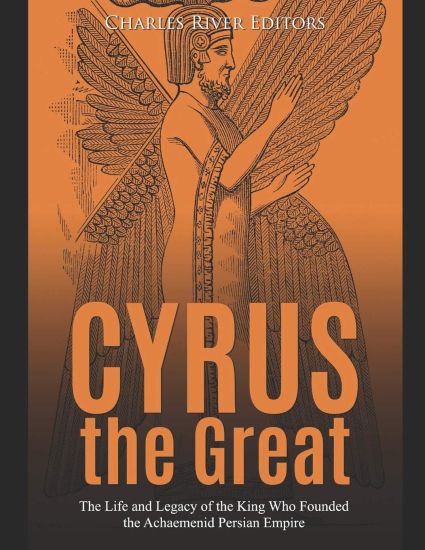
Cyrus the Great: The Life and Legacy of the King Who Founded the Achaemenid Persian Empire
*Includes pictures*Includes excerpts of ancient accounts*Includes a bibliography for further reading"I am Cyrus the king, an Achaemenian." - An inscription found at the Persian capital of PasargadaeAt one point in antiquity, the Achaemenid Persian Empire was the largest empire the world had ever seen, but aside from its role in the Greco-Persian Wars and its collapse at the hands of Alexander the Great, it has been mostly overlooked. When it has been studied, the historical sources have mostly been Greek, the very people the Persians sought to conquer. Needless to say, their versions were biased. It was not until excavations in the region during the 20th century that many of the relics, reliefs, and clay tablets that offer so much information about Persian life could be studied for the first time. Through archaeological remains, ancient texts, and work by a new generation of historians, a picture can today be built of this remarkable civilization and their most famous leaders. When considering this empire's rulers, the two most often referenced are Xerxes, the leader of the Persian invasion of Greece which caused the heroic sacrifice of the Spartans and their allies at Thermopylae, or Cyrus the Great, the man who created the empire. While he was one of the most influential men in the ancient world, research on Cyrus the Great is simultaneously fascinating and frustrating. The Persians' ancestors did not write (in fact, in their epic poems and myths, they claim that it was something taught to man by demons and therefore something to be avoided), and though the Iranians had taken up writing in their governmental and administrative functions by the time Cyrus lived, the kings still did not learn to write. Put simply, it was considered a functional skill, but not of the greatest importance. As a result, while plenty of ancient sources mention the great Persian king, Persian sources themselves are rare, and those sources that do exist, such as the Babylonian Chronicle, are largely dry and state only the basic facts and large events. By contrast, Greek sources about Cyrus embrace the artistic aspect of their work so highly that the accuracy often comes into question, and sometimes deep scrutiny is necessary to attempt to separate the fact from the fiction. In the end, the full truth about Cyrus and his reign may never be truly understood. Of course, this reality has deepened the mystique that surrounds Cyrus even to this day, and it has elevated his status from conqueror and king to enlightened humanist monarch and ideal ruler. In fact, a modern misconception based on the Cyrus Cylinder has labeled him the first proponent of civil rights, though this is somewhat of an exaggeration. The argument hinges on the Cylinder being a unique artifact in listing the ideology by which Cyrus intended to rule, but it equally ignores the fact that such declarations were commonplace among kings of the ancient Near East and more a tool of monarchal propaganda than a sweeping declaration of human rights. That said, Cyrus was a fair and rational leader, particularly compared to the many brutal kings and warlords of ancient times. The high praise he received, even from his enemies, must certainly not be dismissed, and the admiration directed toward him came from many other exceptional individuals, including Alexander the Great, a bitter enemy of the empire Cyrus founded. Whatever the underlying issues, the incredible achievements of Cyrus distinguish him as one of the greatest kings in history, and his life, conquests, reforms, and rule continue to be of great interest over 2,500 years later. Cyrus the Great: The Life and Legacy of the King Who Founded the Achaemenid Persian Empire looks at the life of the Persian leader and the major legacy he left. Along with pictures depicting important people, places, and events, you will learn about Cyrus the Great like never before.
The Galápagos: The History of the Famous Pacific Islands and Their Unique Ecosystem
*Includes pictures*Includes a bibliography for further readingA white seabird with a teal beak dappled with pink and orange colors and a set of apple-red webbed feet hops from one branch to another with all the grace of a toddler learning to take his first steps. Not far from this charming bird, the red-footed booby, a majestic lizard the size of a plump house cat with coral-pink scales and black stripes, scuttles across the earth and ducks underneath a shrub for some much-needed shade. Feet away from the aptly-named pink iguana, a scolopendra centipede lies in wait. The long, slender insect, about the size of a large twig, has a chocolate-colored, ribbed shell for a body, its fiery orange-tipped legs piercing into the sand as it scours its surroundings for unsuspecting lava lizards and rice rats. Unaware of the impending bloodbath, a pocket-sized penguin, no more than 19 inches long, emerges from the crystal-clear waters and splashes about with its stubby flippers before waddling onto the beach. These are only a handful of the seemingly whimsical creatures that reside in the gorgeous Gal pagos Islands, a fantastic paradise of an archipelago brimming with life and unexpected heterogeneity. Come nightfall, this natural nirvana is equally, if not more disarmingly spellbinding. Unperturbed by the poisons of pollution, the charcoal-black canvas is almost completely dotted with dazzling constellations from both the Northern and Southern Hemispheres, a mesmerizing panorama unique only to this beautiful nest of islands. On the surface, the Gal pagos could have been plucked out of the imagination of a vastly creative author of adventure fiction, or perhaps a starry-eyed spinner of fairy tales. But of course, the astounding archipelago is indeed real, a picturesque product of Mother Nature's endless mastery, and the archipelago has become almost synonymous with British naturalist Charles Darwin, who produced several groundbreaking theories about natural selection and evolution based on his time there. Darwin discovered that the mockingbird species varied from each island in the Gal pagos, which served as the catalyst for his theory on natural selection, published nearly 30 years later in his 1859 book On the Origin of Species. While Darwin's theories are taken for granted today by scientists and most people, Darwin had to overcome strong criticism and the earlier scientific rejection of similar concepts such as the transmutation of species. Given the fame Darwin brought the islands with his legendary work, it is no surprise people continue to be fascinated by the islands. Hollywood has profited from the beauty of these islands time and again, with the Gal pagos appearing as a scenic backdrop in multiple films and TV shows over the years (the most notable of them being the 2003 period war-drama Master & Commander). The Gal pagos: The History of the Famous Pacific Islands and Their Unique Ecosystem examines the geography of the islands, the different species there, and famous events that took place in the Gal pagos. Along with pictures of important people, places, and events, you will learn about the Gal pagos like never before.
Harappa: The History of the Ancient Indus Valley Civilization's Most Famous City
*Includes pictures*Includes a bibliography for further readingWhen one thinks of the world's first cities, Sumer, Memphis, and Babylon are some of the first to come to mind, but if the focus then shifts to India, then Harappa and Mohenjo-daro will likely come up. These cities owe their existence to India's oldest civilization, known as the Indus Valley Civilization or the Harappan Civilization, which was contemporary with ancient Mesopotamia and ancient Egypt and had extensive contacts with the former, making it one of the most important early civilizations in the world. Spread out along the rivers of the Indus River Valley, hundreds of settlements began forming around 3300 BCE, eventually coalescing into a society that had all of the hallmarks of a true civilization, including writing, well-developed cities, a complex social structure, and long-distance trade. The fact that the ancient Indus Valley Civilization is also often referred to as the Harappan Civilization demonstrates how important the discovery of Harappa is. As archaeologists and historians began to uncover more of the ancient Harappa site in the 19th and early 20th centuries, a more complete picture of the city emerged, namely its importance. Research has shown that Harappa was one of the three most important Indus Valley cities, if not the most important, with several mounds of settlements uncovered that indicate building activities took place there for over 1,000 years. At its height, Harappa was a booming city of up to 50,000 people who were divided into neighborhoods by walls and who went about their daily lives in well-built, orderly streets. Harappa also had drainage systems, markets, public baths, and other large structures that may have been used for public ceremonies. Ancient Harappa was truly a thriving and vibrant city that was on par with contemporary cities in Mesopotamia such as Ur and Memphis in Egypt. The research that has been done at Harappa over the last several decades has helped scholars understand various aspects of life there, and it has provided answers to many of the questions that had previously bewildered people about the Indus Valley Civilization. Work at Harappa has revealed that settlement was quite orderly, suggesting a strong leadership structure, but at the same time details about the ancient Harappan government itself are absent. Other discoveries show that Harappa was a very active city, where neighborhoods were subject to movement and outsiders visited regularly for trade. A series of well-built streets and walls separated the neighborhoods within Harappa and moved trade traffic in and out of the city in an orderly manner. Perhaps most interestingly, Harappa became depopulated in the early 2nd millennium BCE as all Indus Valley cities did, but there are no signs of violent struggle, which make its collapse a mystery that remains to be solved. Harappa: The History of the Ancient Indus Valley Civilization's Most Famous City examines the region, the civilization that built it, and what life was like there thousands of years ago. Along with pictures and a bibliography, you will learn about Harappa like never before.

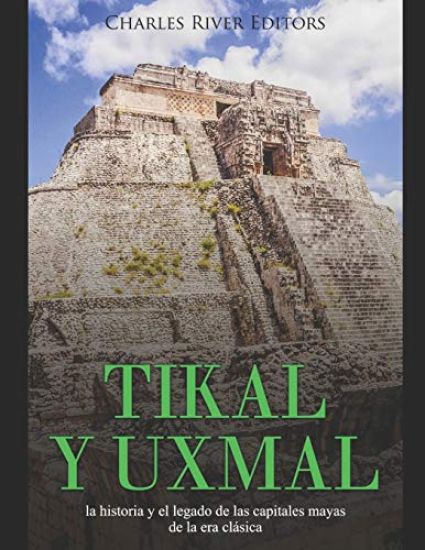
Tikal y Uxmal: la historia y el legado de las capitales mayas de la era clásica
Muchas civilizaciones antiguas han influenciado e inspirado a las personas en el siglo XXI. Los griegos y romanos contin an fascinando a Occidente hoy en d a. Pero, de todas las civilizaciones del mundo, ninguna ha intrigado tanto a las personas como los mayas, cuya cultura, astronom a, lengua y misteriosa desaparici n siguen siendo cautivantes. En 2012 especialmente, hubo un enfoque renovado sobre los mayas, cuyo avanzado calendario llev a muchos a especular que el mundo terminar a en la misma fecha en que termina el calendario maya, pero en todo caso, el enfoque en el escenario del "d a del juicio final" eclips la verdadera contribuci n de los mayas a la astronom a, la lengua, los deportes y el arte. Los mayas mantuvieron el poder en Yucat n durante m s de mil a os, y en el apogeo de su "periodo Cl sico" (siglos III al IX EC), la ciudad de Tikal fue uno de los centros de poder del imperio. Los arque logos creen que Tikal se hab a construido ya en el siglo V o IV AEC, y que con el tiempo se convirti en una capital pol tica, econ mica y militar que era parte importante de una amplia red a lo largo y ancho de Mesoam rica, a pesar del hecho de que fue aparentemente conquistada por Teotihuac n en el siglo IV EC. Parece que los gobernantes extranjeros llegaron a asimilar la cultura maya, asegurando as que Tikal continuara siendo una base de poder, y como resultado, la ciudad no ser a abandonada hasta aproximadamente el siglo X de nuestra era. Como uno de los lugares m s importantes de los antiguos mayas, la construcci n en Tikal fue impresionante, y aunque al parecer fue conquistada, los registros de la ciudad estaban inusualmente bien conservados. Estos incluyen una lista de los gobernantes din sticos de la ciudad, as como de las tumbas y monumentos a ellos dedicados. Gracias a esta preservaci n, Tikal ofrece a los investigadores su mejor vistazo al mundo de los antiguos mayas, y ha hecho mucho por ayudar a los estudiosos a comprender la historia maya. Lo que s es evidente son las habilidades de los artesanos de Uxmal, ya sea mediante la construcci n de estructuras como la Pir mide del Adivino, de cinco niveles, y el amplio Palacio del Gobernador, o adornado estructuras con arte y esculturas precisamente detallados. De hecho, a esta maestr a puede acredit rsele ayudar a preservar a Uxmal.
The Battle of Red Cliffs: The History and Legacy of the Decisive Battle Fought Near the Start of Ancient China's Three Kingdoms Period
*Includes pictures*Includes excerpts from ancient accounts*Includes a bibliography for further readingEven before the first Chinese dynasty, complex societies inhabiting the area now known as China organized into settlements, and the most important settlements were protected by rammed earth walls. The first dynasty, the Shang (1600-1050 BCE), built large walls as early as around 1,550 BCE. Differing from later walls, which were built along a strategic defense line, these walls were built to enclose the settlements and areas. The Shang would eventually be conquered from the west by the Zhou Dynasty (1046-256 BCE), which developed a complex system of government. In fact, it was the Zhou system's decline that Confucius (551-479 BCE) witnessed and drew from greatly for his political philosophy. The Zhou also created walled cities, and it was at this time that the first major conflicts with northern tribesman, the Xianyun, were recorded. As the newly independent states vied for supremacy in a state of constant warfare, northern barbarians were also a constant menace. Eventually, the Chinese succeeded in eliminating many of those on their immediate northern border, but it was a bittersweet victory because it meant there was no longer a buffer between China and the even fiercer Mongols further north. This new proximity led to increased cultural exchange, as well as the Chinese adoption of nomadic fighting techniques. At the forefront of the Three Kingdoms was one of ancient China's most famous battles, fought in late 208 CE. An area of the Yangtze River located near modern Chibi City in the central Chinese province of Hubei was filled with ships as far as the eye could see. They were swift wooden vessels, built for speed and filled with hard faced men, arrows strung on their backs, ready to be released on the enemy. Massive warships with imposing war towers piled high with soldiers were also anchored in the river. These military ships were part of the mightiest naval invasion ever seen in China, but on the ships, the sailors were weary. Contrary to their imposing facade, these men were unfamiliar with the trials of river combat - they were northerners, more familiar with the frigid weather and the flat plains of northern China than being marooned on wooden ships in the water. Some of the men were ill, seasick from the prolonged exposure to life on the water. To combat this, Cao Cao, the supreme warlord of the northern Wei Kingdom and leader of the fleet, had ordered his men to tie their ships together to limit the swaying and to alleviate the sea sickness. It seemed to help, ironically, this seemingly simple solution would also spell doom for the invaders. The ensuing Battle of Red Cliffs changed Chinese history. It marked the end of the Han Dynasty, one of the greatest in China's history, and pushed China into the era of the Three Kingdoms, an era of perpetual warfare and chaos. Furthermore, the battle also had a dramatic effect on Chinese culture, media, and literature, and the battle and its major participants remain legendary in China. Even today, movies, videogames, and comic books about this battle can be found in China, from the blockbuster film Red Cliff in 2009 to the video game series Dynasty Warriors. Clearly, the ramifications of this period of Chinese history can still be felt nearly 2,000 years later. The Battle of Red Cliffs: The History and Legacy of the Decisive Battle Fought Near the Start of Ancient China's Three Kingdoms Period examines how the Han Dynasty unraveled and the fighting that ensued. Along with pictures depicting important people, places, and events, you will learn about the Battle of Red Cliffs like never before.
The Battle of Chaldiran: The History and Legacy of the Ottoman Empire's Decisive Victory Over the Safavid Dynasty in Anatolia
*Includes pictures*Includes a bibliography for further readingThe town of Caldiran (Chaldiran) in Turkey is home to about 60,000 people. On a plain close to the Iranian border, it it backdropped by the Armenian Ranges and very close to a Faultline, which has ensured it's suffered from seismic activity many times in the past. But in the early 16th century, it was the site of different kinds of faultlines, serving as a battleground between the region's two greatest powers as they clashed over politics and religion. In the wake of taking Constantinople, the Ottoman Empire would spend the next few centuries expanding its size, power, and influence on the way to becoming one of the world's most important geopolitical players. It was a rise that would not truly start to wane until the 19th century, and while its most memorable conflicts were fought against the Europeans, the course of Ottoman history was greatly impacted by events against the other major Muslim power in its region: the Safavid Empire. Naturally, the two powers quickly took up the geopolitical positions of the old Byzantine and Persian Empires in the time before Islam and fought over much of the same territory, including Mesopotamia, the Caucuses, today's eastern Turkey and the Persian Gulf. Their first battle was fought in 1514, their first real war was fought from 1532-1555, and they continued to spar regularly until the early 19th century, when European colonialism forced them both onto the defensive. Echoes of these conflicts can be seen in the recent sparring between Iran and Turkey through proxies in Iraq and Syria. On August 23, 1514 the two sides clashed at Chaldiran in a contest for hegemony over the Middle East, and the results have affected the Middle East ever since. Regrettably, few concrete details of the actual battle survive, a not uncommon obstacle when studying battles from the Middle Ages. However, the course of the conflict can be reconstructed from the politics of the time, knowledge of the characters involved, the contemporary records are available, and what followed the battle. There is no lasting monument to the battle in Chaldiran on site, but there is on the Iranian side of the border, nearly 20 miles to the east near the village of Gala Ashaki. It consists of a domed tomb for a Persian general, Sayyed Sharif-al-Din Ali Shirazi, who fell in the battle. He was the chief religious cleric of Shah Ismail I, the first of the Safavid rulers of Persia and a leader who brought a monumental religious shift to the Middle East. Believing himself the "Shadow of God" and his chosen vessel, he set about transforming Persia and the globe through his fanatical religious militia, the Qizilbash. He meant to lead not only Persia but the entire Islamic world, but this vision was vehemently opposed by Sultan Selim I of the Ottoman Empire. Selim the Grim had fought tenaciously for possession of his throne, and he too believed himself chosen by God to rule all Muslims. The battle is depicted in a magnificent painting in Sayyed Sharif-al-Din Ali Shirazi's tomb. In the foreground of the representation, Shah Ismail I of Persia leads his Qizilbash in a charge against the Ottoman cavalry, riding over the corpses of the slain. In the middle, Sultan Selim (who did not actually participate in the battle, though he was present) leads an almost leisurely advance toward the Persian cavalry, preceded by two Janissaries armed with axes. In the background, the Ottoman artillery delivers a barrage into the Qizilbash, who are falling or fleeing. It seems to be a chronological depiction of the conflict, and though the figure Ismail is clearly the centerpiece, there is no attempt to mask the fact that the battle was a catastrophic defeat for the Persians.
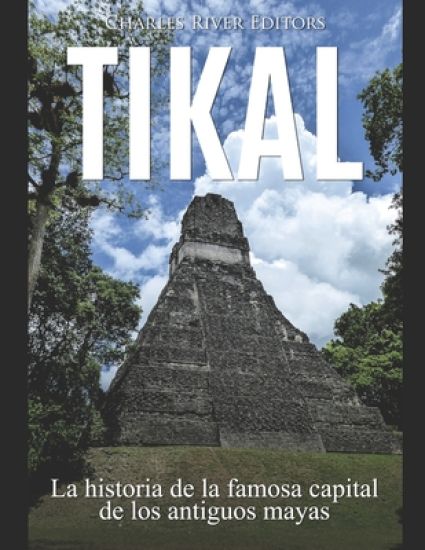
Tikal: La historia de la famosa capital de los antiguos mayas
* Incluye fotos* Incluye una bibliograf a para leer m sMuchas civilizaciones antiguas han influenciado e inspirado a las personas en el siglo XXI. Los griegos y romanos contin an fascinando a Occidente hoy en d a. Pero, de todas las civilizaciones del mundo, ninguna ha intrigado tanto a las personas como los mayas, cuya cultura, astronom a, lengua y misteriosa desaparici n siguen siendo cautivantes. En 2012 especialmente, hubo un enfoque renovado sobre los mayas, cuyo avanzado calendario llev a muchos a especular que el mundo terminar a en la misma fecha en que termina el calendario maya, pero en todo caso, el enfoque en el escenario del "d a del juicio final" eclips la verdadera contribuci n de los mayas a la astronom a, la lengua, los deportes y el arte. Los mayas mantuvieron el poder en Yucat n durante m s de mil a os, y en el apogeo de su "periodo Cl sico" (siglos III al IX EC), la ciudad de Tikal fue uno de los centros de poder del imperio. Los arque logos creen que Tikal se hab a construido ya en el siglo V o IV AEC, y que con el tiempo se convirti en una capital pol tica, econ mica y militar que era parte importante de una amplia red a lo largo y ancho de Mesoam rica, a pesar del hecho de que fue aparentemente conquistada por Teotihuac n en el siglo IV EC. Parece que los gobernantes extranjeros llegaron a asimilar la cultura maya, asegurando as que Tikal continuara siendo una base de poder, y como resultado, la ciudad no ser a abandonada hasta aproximadamente el siglo X de nuestra era. Como uno de los lugares m s importantes de los antiguos mayas, la construcci n en Tikal fue impresionante, y aunque al parecer fue conquistada, los registros de la ciudad estaban inusualmente bien conservados. Estos incluyen una lista de los gobernantes din sticos de la ciudad, as como de las tumbas y monumentos a ellos dedicados. Gracias a esta preservaci n, Tikal ofrece a los investigadores su mejor vistazo al mundo de los antiguos mayas, y ha hecho mucho por ayudar a los estudiosos a comprender la historia maya. Tikal: La historia de la famosa capital de los antiguos mayas abarca la historia de la ciudad, as como la especulaci n y debate que la rodean. En conjunto con fotograf as y una bibliograf a, aprender sobre Tikal como nunca antes, y en muy poco tiempo.
Darius the Great and Xerxes I: The History of the Achaemenid Persian Emperors Who Invaded Ancient Greece
*Includes pictures*Includes excerpts of ancient accounts*Includes a table of contentsIt was not until the excavations of the 1930s that many of the relics, reliefs, and clay tablets that offer so much information about Persian life could be studied for the first time. Through archaeological remains, ancient texts, and work by a new generation of historians, a picture can today be built of this remarkable civilization and their capital city. Although the city had been destroyed, the legacy of the Persians survived, even as they mostly remain an enigma to the West and are not nearly as well understood as the Greeks, Romans, or Egyptians. In a sense, the Achaemenid Persian Empire holds some of the most enduring mysteries of ancient civilization. When considering this empire's rulers, the two most often referenced are Xerxes, the leader of the Persian invasion of Greece which caused the heroic sacrifice of the Spartans and their allies at Thermopylae, or Cyrus the Great, the man who created the Persian Empire. But the Persians had another critical ruler sandwiched between them, and Cyrus's accomplishments and Xerxes's defeats would not have been possible without him. That king was Xerxes's own father, Darius I, best known as Darius the Great. Darius I took the throne after the death of Cyrus's son, Cambyses II, and though his reign would not have been possible without the construction of the empire and the administrative groundwork laid by Cyrus the Great before him, Darius proved himself just as worthy of the epithet. Reigning for over 35 years, Darius kept control of the massive Persian Empire despite numerous rebellions and uprisings, and he also managed to implement reforms and improvements that established the empire's golden age. He followed the example of Cyrus before him in his foreign policy and mode of kingship as well, offering tolerance and patience to various cultures and religions, and even treating his enemies fairly in most cases. Perhaps his ultimate success can be seen most clearly in the passage of power at the end of his life. By that time, his reign had been long and stable, and though he died of illness somewhat unexpectedly, his kingdom was still so firmly established that the kingship passed to his son Xerxes without any question or upheaval. Under Darius the Great's rule, the empire reached its greatest extent, stretching from the Indus Valley and Central Asia in the east to Libya and the Danube River in the west. Xerxes remains one of the most famous rulers in history because he led the Second Persian War against the Greeks. That war was a veritable clash of civilizations, and had the Persians triumphed, Classical Athens would have been snuffed out and Greece would never have formed the backbone of Roman and Western culture. Simply put, the West as it is today might never have existed. Not surprisingly, the majority of surviving sources regarding Xerxes are the product of Greek writers, so it was inevitable that the Persian king has been depicted in unflattering terms for thousands of years. The details of his invasion of Greece cast him as the villain in the dramatic Greek retelling of the tragic 300 Spartans holding the pass at Thermopylae, and focus on the loss at Salamis solidified his reputation as a failure despite another 15 years of successful rule after withdrawing from the Greek mainland. Although Herodotus's Histories offer a less biased account than some later sources, he still depicted Xerxes as a figure of tragic failings, listening too often to the wrong councilors and eventually collapsing on the weight of his own hubris. This classic appearance as a tragic hero figure gives some pause for doubt, as the literary stereotype is almost too perfect and suggests a lack of depth and nuance that characterizes all accurate investigations of historical individuals.
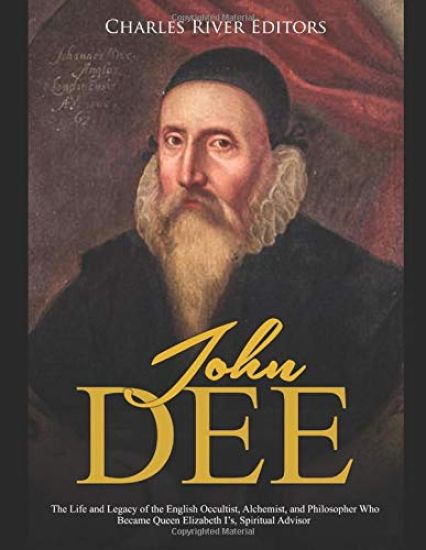
John Dee: The Life and Legacy of the English Occultist, Alchemist, and Philosopher Who Became Queen Elizabeth I's Spiritual Advisor
*Includes pictures*Includes excerpts of contemporary accounts*Includes a bibliography for further reading"Who does not understand should either learn, or be silent." - John DeeWith the golden glow of the candlelight kissing his cheeks, he hovered over a spirit mirror, a flat, exquisitely lustrous "shew-stone" fashioned out of raven-black obsidian. Gazing intently upon his reflection in the dark volcanic glass, he chanted in hushed tones as he ran his fingers across the engravings on the oat-colored wax wheel next to him, the Sigilla iEmeth, which featured a septogram and runic carvings and symbols in minuscule print. Contrary to what one might expect, it was not a phantom, hobgoblin, or demon that he sought, but rather, the seraphic voice, and perhaps even the face of an angel - the one bridge between mankind and their Creator, one who holds the key to all of life's unanswerable questions. Was this man delusional? Perhaps so, but perhaps not. But there was no question among those on hand that this was not an ignorant, philistine, unlettered buffoon of a man who readily boarded the train of groundless superstition. Far from it, this was a man who held not only a master's degree, but a doctorate, and his simultaneously stimulating and mesmerizing lectures drew crowds of royals and nobles from near and far. This was a man who was well-versed in a host of academic fields, and he would go on to serve as one of his queen's foremost personal advisers. He was also a prolific author whose revolutionary ideas helped charted the path for the burgeoning British Empire. The man in question is none other than John Dee, one of the greatest scientific minds of his time, but also one of the most controversial. He was a learned man in fields as varied as mathematics and astronomy, centuries before they became formalized fields of study, but he is better remembered for performing magic and alchemy. Instead of astronomy, he became renowned across England for astrology, and he was one of the country's most notorious occult writers during his life. Given the variety that the Elizabethan Era had to offer, it should come as little surprise that some eccentric characters with seemingly unique skills pushed to the forefront and became lauded members of society. Over the course of her long reign, Queen Elizabeth I became one of England's most famous and influential rulers, and it was an age when the arts, commerce, and trade flourished. It was the epoch of gallantry and great, enduring literature. It was also an age of wars and military conflicts in which men were the primary drivers and women often were pawns. John Dee himself has been credited with coming up with the name "British Empire" in the first place. As all of this suggests, to say that John Dee was a storied man would be a grave understatement, to say the least. His multifaceted reputation preceded him, and his name became synonymous with both brilliance and disconcerting eccentricity. By all means, he certainly looked the part - the occultist towered over his peers, his wiry frame cloaked in a charcoal-black "artist's gown" with a ruffled white collar, his veined hands peeking out of his flared sleeves. He bore a pasty, pallid complexion, which seemed almost ghostly, paired with a magnificent beard that was "as white as milk." Chilling rumors about his immeasurable magical abilities have kept his name alive for centuries. Legend has it that this was a man who singlehandedly cast a crippling curse on the Spanish Armada as the fleet sailed towards England, conjuring up the merciless storms and violent waves that threatened to swallow the ill-starred convoy whole, and left them with no choice but to turn back. This was a man who was once branded "the greatest rogue in the neighborhood of London."
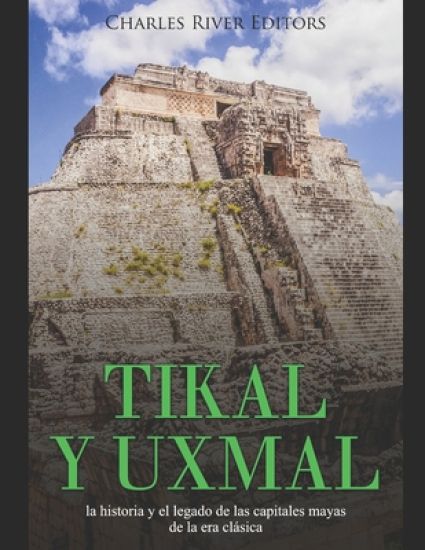
Tikal y Uxmal: la historia y el legado de las capitales mayas de la era clásica
Muchas civilizaciones antiguas han influenciado e inspirado a las personas en el siglo XXI. Los griegos y romanos contin an fascinando a Occidente hoy en d a. Pero, de todas las civilizaciones del mundo, ninguna ha intrigado tanto a las personas como los mayas, cuya cultura, astronom a, lengua y misteriosa desaparici n siguen siendo cautivantes. En 2012 especialmente, hubo un enfoque renovado sobre los mayas, cuyo avanzado calendario llev a muchos a especular que el mundo terminar a en la misma fecha en que termina el calendario maya, pero en todo caso, el enfoque en el escenario del "d a del juicio final" eclips la verdadera contribuci n de los mayas a la astronom a, la lengua, los deportes y el arte. Los mayas mantuvieron el poder en Yucat n durante m s de mil a os, y en el apogeo de su "periodo Cl sico" (siglos III al IX EC), la ciudad de Tikal fue uno de los centros de poder del imperio. Los arque logos creen que Tikal se hab a construido ya en el siglo V o IV AEC, y que con el tiempo se convirti en una capital pol tica, econ mica y militar que era parte importante de una amplia red a lo largo y ancho de Mesoam rica, a pesar del hecho de que fue aparentemente conquistada por Teotihuac n en el siglo IV EC. Parece que los gobernantes extranjeros llegaron a asimilar la cultura maya, asegurando as que Tikal continuara siendo una base de poder, y como resultado, la ciudad no ser a abandonada hasta aproximadamente el siglo X de nuestra era. Como uno de los lugares m s importantes de los antiguos mayas, la construcci n en Tikal fue impresionante, y aunque al parecer fue conquistada, los registros de la ciudad estaban inusualmente bien conservados. Estos incluyen una lista de los gobernantes din sticos de la ciudad, as como de las tumbas y monumentos a ellos dedicados. Gracias a esta preservaci n, Tikal ofrece a los investigadores su mejor vistazo al mundo de los antiguos mayas, y ha hecho mucho por ayudar a los estudiosos a comprender la historia maya. Lo que s es evidente son las habilidades de los artesanos de Uxmal, ya sea mediante la construcci n de estructuras como la Pir mide del Adivino, de cinco niveles, y el amplio Palacio del Gobernador, o adornado estructuras con arte y esculturas precisamente detallados. De hecho, a esta maestr a puede acredit rsele ayudar a preservar a Uxmal.
Buried Treasure: A Collection of Strange Mysteries, Golden Legends, and Lucky Finds in the Search for Hidden Wealth
*Includes pictures*Includes a bibliography for further readingWhen Robert Louis Stevenson published Treasure Island in the late 19th century, it all but created every stereotype now associated with pirates. The book is a coming of age adventure that mixes character studies, action, a vivid setting, and commentary on the ambiguity of morality, as embodied by the memorable Long John Silver. Its influence on the popularity of historical pirates is unmistakable, with its inclusion of treasure maps where X marks the spot, schooners, tropical islands, and one-legged pirates with parrots on their shoulders. Of course, Stevenson's work and the public's fascination with pirates were hardly new phenomena. After all, people had heard tales of hidden booty and gold for centuries, from rumors about Blackbeard and Captain William Kidd to stories about outlaws and criminals burying their booty to come back for it at a later date. It was only fitting that Stevenson's work came in the same era that people across the world were panning the earth for mineral resources, most notably the California Gold Rush in the late 1840s. As this all suggests, there's something about buried treasure that catches someone's attention like few other things. As soon as there's the potential for uncovering hidden wealth, otherwise sane and reliable people will abandon their homes and regular lives and become obsessed with tracking down the treasure. In the 1969 Western, Mackenna's Gold, word gets out that the Apaches have an entire canyon filled with gold deep in their territory. A gang of outlaws go after it, with the sheriff hot on their tails, but the sheriff's task gets immeasurably harder when the nearby locals rush out looking for the gold too. Soon the local cavalry captain gets corrupted by gold fever as well, and everyone is fighting everybody, with the Apaches picking off the survivors. Luckily, most treasure hunts aren't that bloody, but they can be dangerous and disappointing. Indeed, those who typically traveled to boomtowns to make their fortunes struck out. Nonetheless, the rare cases of success have always sparked imaginations, and they offer reminders that the latest treasure to be found is not the last one. They may be nearly impossible to find, but there are no doubt more caches of gold, silver, and jewels hidden in a shipwreck somewhere or buried at a secret location. Buried Treasure: A Collection of Strange Mysteries, Golden Legends, and Lucky Finds in the Search for Hidden Wealth chronicles some of the most interesting stories associated with hidden treasures and the people who went looking for them. Along with pictures of important people, places, and events, you will learn about buried treasures like never before.
Buried Treasure: A Collection of Strange Mysteries, Golden Legends, and Lucky Finds in the Search for Hidden Wealth
*Includes pictures*Includes a bibliography for further readingWhen Robert Louis Stevenson published Treasure Island in the late 19th century, it all but created every stereotype now associated with pirates. The book is a coming of age adventure that mixes character studies, action, a vivid setting, and commentary on the ambiguity of morality, as embodied by the memorable Long John Silver. Its influence on the popularity of historical pirates is unmistakable, with its inclusion of treasure maps where X marks the spot, schooners, tropical islands, and one-legged pirates with parrots on their shoulders. Of course, Stevenson's work and the public's fascination with pirates were hardly new phenomena. After all, people had heard tales of hidden booty and gold for centuries, from rumors about Blackbeard and Captain William Kidd to stories about outlaws and criminals burying their booty to come back for it at a later date. It was only fitting that Stevenson's work came in the same era that people across the world were panning the earth for mineral resources, most notably the California Gold Rush in the late 1840s. As this all suggests, there's something about buried treasure that catches someone's attention like few other things. As soon as there's the potential for uncovering hidden wealth, otherwise sane and reliable people will abandon their homes and regular lives and become obsessed with tracking down the treasure. In the 1969 Western, Mackenna's Gold, word gets out that the Apaches have an entire canyon filled with gold deep in their territory. A gang of outlaws go after it, with the sheriff hot on their tails, but the sheriff's task gets immeasurably harder when the nearby locals rush out looking for the gold too. Soon the local cavalry captain gets corrupted by gold fever as well, and everyone is fighting everybody, with the Apaches picking off the survivors. Luckily, most treasure hunts aren't that bloody, but they can be dangerous and disappointing. Indeed, those who typically traveled to boomtowns to make their fortunes struck out. Nonetheless, the rare cases of success have always sparked imaginations, and they offer reminders that the latest treasure to be found is not the last one. They may be nearly impossible to find, but there are no doubt more caches of gold, silver, and jewels hidden in a shipwreck somewhere or buried at a secret location. Buried Treasure: A Collection of Strange Mysteries, Golden Legends, and Lucky Finds in the Search for Hidden Wealth chronicles some of the most interesting stories associated with hidden treasures and the people who went looking for them. Along with pictures of important people, places, and events, you will learn about buried treasures like never before.