Kirjojen hintavertailu – 12 903 727 kirjaa ja 27 kauppaa

Kirjailija

Charles River

Kirjat ja teokset yhdessä paikassa: 4 673 kirjaa, julkaisuja vuosilta 2013–2022, suosituimpiin kuuluu William Powell and Myrna Loy: The Lives and Careers of One of Classical Hollywood's Most Iconic Duos. Vertaile teosten hintoja ja tarkista saatavuus suomalaisista kirjakaupoista.

4 673 kirjaa

Kirjojen julkaisuvuodet: 2013–2022.

Jesus and Judas: The Christian Messiah and the Disciple Who Betrayed Him

Jesus and Judas: The Christian Messiah and the Disciple Who Betrayed Him

Charles River

Createspace Independent Publishing Platform
2017
nidottu
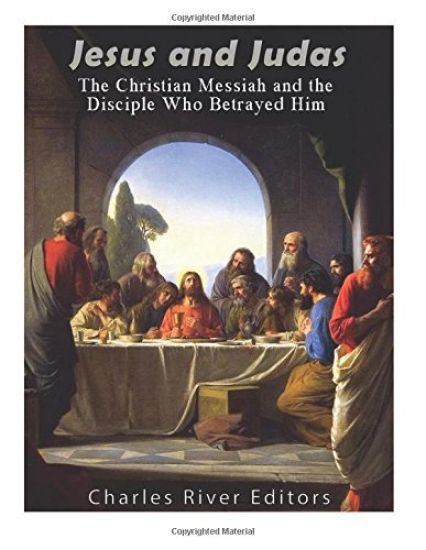
*Includes pictures *Discusses various theories surrounding Judas's betrayal *Includes excerpts from Scripture *Includes a bibliography for further reading The life story of Jesus of Nazareth, considered by billions of Christians to be the Messiah prophesized in the Old Testament of the Bible, is perhaps the most famous in history. Described in detail in the New Testament, Jesus comes from both divine yet humble roots, born in a manger to a young woman, but in time he leads a fervent following as tales of his miracles spread across the Holy Land. Some of the details are vividly depicted and instantly familiar. Jesus announces the imminent rule of God, the time when the true owner of this world will intervene decisively in Israel s history to make right all the wrongs, once and for all. He leaves his footprints by the lakeside. He has no shoes, just like the multitude of dispossessed behind him; he doesn t carry a money bag, not even a stick. He is followed not by the poor, since most of the people here live in poverty and resent in every way the invasive process of large-scale urbanization that the Roman Empire brought to Israel; he is instead followed by the dispossessed, the people who have nothing left, except their debts, the tax burden and the institutionalized violence that took away their means of livelihood, leaving them with not even a place to rest their heads. They avoid the roads full of armed rebels who have been resisting the Pax Romana for years, and they follow a leader who proclaimed himself Son of God throughout the Empire. The crucifixion and resurrection that follow create the climactic resolution of Jesus' life story and cement his status as the Christ, at least in the eyes of the burgeoning religious movement that would sweep across the region in the coming decades. An anonymous writer would compose the first gospel, Mark, and the major theme would be the way of Jesus to his death. His followers, whose movement would originally be called "the way," would also bring about a new religion that has lasted 20 centuries, and while it is focused on the figure of Jesus, the rural man of Israel who started it all, the historical Jesus was gradually enshrined under layers of sermons, chants, legends and philosophies that would be alien to Jews in Jesus's day. Like ideological strata, they covered the historical facts, obscuring the Jesus of history under the Christ of faith. Even someone with a casual knowledge of the Bible will recognize the name Judas Iscariot. Well known as the disciple who betrayed Jesus, the Messiah, with a kiss, Judas has become synonymous with betrayal and deception. The most infamous of the Apostles, Judas goes from true follower to a turncoat who seemingly sacrifices the cause for personal benefit. Not surprisingly, the names of the other disciples will appear in birth registries around the world, except for Judas, whose name is still associated with suspicion and even fear. It goes without saying that Judas is an interesting character in the development of the salvation history. His person, his act of betrayal and even his replacement were predicted by the Old Testament prophets, which some Biblical scholars take as evidence that Judas was doomed from the beginning to be the betrayer and had no choice. But by taking a closer look at the history, the reader will see several points along the way, even up to the moment of the final kiss, in which Jesus gave Judas the opportunity to repent. God's plan was going to be fulfilled, and God was going to use an individual to bring about the betrayal of Jesus, but at the same time, Judas made several conscious choices along the way to reject the Messiah and turn Jesus over to the Roman authorities. At the same time, a relatively recent discovery has cast doubt on the traditional understanding of Judas's life and actions. Any book about Judas must explore the known and unknown of his life, and the actions that led to Christ's crucifi

The History and Legacy of Germany's Most Controversial Events Between World War I and World War II
*Includes pictures *Includes online resources and a bibliography for further reading It is often claimed that Adolf Hitler rose to power in Germany through democratic means, and while that is a stretch, it is true that he managed to become an absolute dictator as Chancellor of Germany in the 1930s through a mixture of politics and intimidation. Ironically, he had set such a course only because of the failure of an outright coup attempt known as the Beer Hall Putsch about a decade earlier. At the close of World War I, Hitler was an impoverished young artist who scrapped by through selling souvenir paintings, but within a few years, his powerful oratory brought him to the forefront of the Nazi party in Munich and helped make the party much more popular. A smattering of followers in the hundreds quickly became a party of thousands, with paramilitary forces like the SA backing them, and at the head of it all was a man whose fiery orations denounced Jews, communists and other "traitors" for bringing upon the German nation the Treaty of Versailles, which had led to hyperinflation and a wrecked economy. During the first few years of the decade, the government in Munich had actually supported the fledgling Nazi party as a counterweight against the communists, which had attempted a coup years earlier, but it would nearly come back to haunt the authorities on November 8, 1923, when Hitler and his forces attempted to start a revolution and take over the city. Backed by men like Rudolf Hess, Hermann Goering, and Ernst R hm, Hitler and the Nazis came perilously close to succeeding, and they may have been undone only because of the SA's refusal to initiate violence against German police and Army members. By the following day, the police and Army put down the putsch, which climaxed with a short firefight in which the man standing next to Hitler was killed by a shot through the lungs, a bullet that came close to striking the future Fuhrer in the torso. However, despite being the instigator and being arrested in its aftermath as a traitor, the political atmosphere not only saved Hitler from a potential death sentence but practically made him a sympathetic figure. He would end up serving less than a year in prison (during which he dictated Mein Kampf to Hess), and as soon as he was released he went back to working with the Nazis, now convinced that the path to power lay through peaceful means. Still, the struggling Weimar Republic had become a breeding ground for extremist politics, including two opposed and powerful authoritarian entities: the right-wing National Socialists and the left-wing KPD Communist Party. As the 1930s dawned, these two totalitarian groups held one another in a temporary stalemate, enabling the fragile ghost of democracy to continue a largely illusory survival for a few more years. That stalemate was broken in dramatic fashion on a bitterly cold night in late February 1933, and it was the Nazis who emerged decisively as the victors. A single act of arson against the famous Reichstag building proved to be the catalyst that propelled Adolf Hitler to victory in the elections of March 1933, which set the German nation irrevocably on the path towards World War II. That war would plunge much of the planet into an existential battle that ultimately cost an estimated 60 million lives. The History and Legacy of Germany's Most Controversial Events Between World War I and World War II chronicles the most notorious events in German history in the 1920s and 1930s. Along with pictures of important people, places, and events, you will learn about them like never before.
The History and Legacy of Germany's Most Controversial Events Between World War I and World War II
*Includes pictures *Includes online resources and a bibliography for further reading It is often claimed that Adolf Hitler rose to power in Germany through democratic means, and while that is a stretch, it is true that he managed to become an absolute dictator as Chancellor of Germany in the 1930s through a mixture of politics and intimidation. Ironically, he had set such a course only because of the failure of an outright coup attempt known as the Beer Hall Putsch about a decade earlier. At the close of World War I, Hitler was an impoverished young artist who scrapped by through selling souvenir paintings, but within a few years, his powerful oratory brought him to the forefront of the Nazi party in Munich and helped make the party much more popular. A smattering of followers in the hundreds quickly became a party of thousands, with paramilitary forces like the SA backing them, and at the head of it all was a man whose fiery orations denounced Jews, communists and other "traitors" for bringing upon the German nation the Treaty of Versailles, which had led to hyperinflation and a wrecked economy. During the first few years of the decade, the government in Munich had actually supported the fledgling Nazi party as a counterweight against the communists, which had attempted a coup years earlier, but it would nearly come back to haunt the authorities on November 8, 1923, when Hitler and his forces attempted to start a revolution and take over the city. Backed by men like Rudolf Hess, Hermann Goering, and Ernst R hm, Hitler and the Nazis came perilously close to succeeding, and they may have been undone only because of the SA's refusal to initiate violence against German police and Army members. By the following day, the police and Army put down the putsch, which climaxed with a short firefight in which the man standing next to Hitler was killed by a shot through the lungs, a bullet that came close to striking the future Fuhrer in the torso. However, despite being the instigator and being arrested in its aftermath as a traitor, the political atmosphere not only saved Hitler from a potential death sentence but practically made him a sympathetic figure. He would end up serving less than a year in prison (during which he dictated Mein Kampf to Hess), and as soon as he was released he went back to working with the Nazis, now convinced that the path to power lay through peaceful means. Still, the struggling Weimar Republic had become a breeding ground for extremist politics, including two opposed and powerful authoritarian entities: the right-wing National Socialists and the left-wing KPD Communist Party. As the 1930s dawned, these two totalitarian groups held one another in a temporary stalemate, enabling the fragile ghost of democracy to continue a largely illusory survival for a few more years. That stalemate was broken in dramatic fashion on a bitterly cold night in late February 1933, and it was the Nazis who emerged decisively as the victors. A single act of arson against the famous Reichstag building proved to be the catalyst that propelled Adolf Hitler to victory in the elections of March 1933, which set the German nation irrevocably on the path towards World War II. That war would plunge much of the planet into an existential battle that ultimately cost an estimated 60 million lives. The History and Legacy of Germany's Most Controversial Events Between World War I and World War II chronicles the most notorious events in German history in the 1920s and 1930s. Along with pictures of important people, places, and events, you will learn about them like never before.
The Roman Province of Judea: The Turbulent History and Legacy of Rome's Rule in Ancient Israel and Judah
*Includes pictures *Includes ancient accounts *Includes online resources and a bibliography for further reading Judea is one of the most important regions in the modern world. It is the center of two of the world's great religions and extremely important to a 3rd. Politically, the whole area is the focus of conflict between Jews and Arabs, as well as different Muslim sects. Its history is littered with wars, insurrections, and religious revolutions. To say that it has had a turbulent past is to understate the case in the extreme. The history of Judea is, of course, inextricably linked to the history of the Jewish people, their dispersal throughout the Mediterranean world, and their reestablishment of the modern state of Israel in the wake of the horrors of the Holocaust. And among all the tumultuous events associated with Jewish history, few can rival the period of Roman rule during the 1st century CE, when Roman attempts to suppress Jewish nationalism met with violent resistance. Ultimately, the Romans forcibly removed much of the Jewish population from the region, setting the scene for later events that have impacted so directly on world history. Events in the region during the 1st century CE also brought about the birth of Christianity, a religious movement that has been at the forefront of European history ever since. The fact that Jerusalem has been sacked and razed on approximately 20 occasions since the assumed dates of King David has made it virtually impossible to find any evidence to corroborate the theory, but the task was made a little easier by the discovery of the Tel Dan Stele which has been dated to the late 9th century/early 8th century BCE and contains a reference to the House of David. Many scholars now accept the existence of some kind of state ruled by David and Solomon, though have concluded that it was on a much smaller scale than portrayed in the Bible. This whole period relating to the United Monarchy, and the events leading up to the Assyrian invasion, has been the subject of fierce debate between religious scholars and what might be termed more dispassionate academics. The issue of the "Historicity of the Bible" is a massive field of study in its own right but for the purposes of this paper the words of T. L Thompson sums up the position of those who refuse to consider any possibility that the Bible may contain historical facts in relation to the original origins of the Kingdoms centered on Judea: "There is no evidence of a United Monarchy, no evidence of a capital in Jerusalem or of any coherent, unified political force that dominated western Palestine let alone an empire of the size the legends describe. We do not have evidence for the existence of kings named Saul, David or Solomon, nor do we have evidence for any temple at Jerusalem in this early period." Despite the lack of definitive corroborating evidence, the myths surrounding the Kingdoms of Judah and Israel became so ingrained in the Jewish psyche that any attempt to prove them to be misguided, historically speaking, invariably fall on deaf ears. Even today, Jewish claims to the ownership of the lands disputed with the Arabs are based on the belief in this "historic kingdom." The belief, and absolute conviction, in Jewish rights to inhabit and rule this land as an independent entity has existed from the Classical period onwards, and was just as fiercely held in the period of Roman rule. As events played out, that proved to be central in shaping the whole history of the region. The Roman Province of Judea: The Turbulent History and Legacy of Rome's Rule in Ancient Israel and Judah examines one of the most fascinating chapters in the history of the Roman Empire. Along with pictures depicting important people, places, and events, you will learn about the Roman province like never before.
The Roman Province of Judea: The Turbulent History and Legacy of Rome's Rule in Ancient Israel and Judah
*Includes pictures *Includes ancient accounts *Includes online resources and a bibliography for further reading Judea is one of the most important regions in the modern world. It is the center of two of the world's great religions and extremely important to a 3rd. Politically, the whole area is the focus of conflict between Jews and Arabs, as well as different Muslim sects. Its history is littered with wars, insurrections, and religious revolutions. To say that it has had a turbulent past is to understate the case in the extreme. The history of Judea is, of course, inextricably linked to the history of the Jewish people, their dispersal throughout the Mediterranean world, and their reestablishment of the modern state of Israel in the wake of the horrors of the Holocaust. And among all the tumultuous events associated with Jewish history, few can rival the period of Roman rule during the 1st century CE, when Roman attempts to suppress Jewish nationalism met with violent resistance. Ultimately, the Romans forcibly removed much of the Jewish population from the region, setting the scene for later events that have impacted so directly on world history. Events in the region during the 1st century CE also brought about the birth of Christianity, a religious movement that has been at the forefront of European history ever since. The fact that Jerusalem has been sacked and razed on approximately 20 occasions since the assumed dates of King David has made it virtually impossible to find any evidence to corroborate the theory, but the task was made a little easier by the discovery of the Tel Dan Stele which has been dated to the late 9th century/early 8th century BCE and contains a reference to the House of David. Many scholars now accept the existence of some kind of state ruled by David and Solomon, though have concluded that it was on a much smaller scale than portrayed in the Bible. This whole period relating to the United Monarchy, and the events leading up to the Assyrian invasion, has been the subject of fierce debate between religious scholars and what might be termed more dispassionate academics. The issue of the "Historicity of the Bible" is a massive field of study in its own right but for the purposes of this paper the words of T. L Thompson sums up the position of those who refuse to consider any possibility that the Bible may contain historical facts in relation to the original origins of the Kingdoms centered on Judea: "There is no evidence of a United Monarchy, no evidence of a capital in Jerusalem or of any coherent, unified political force that dominated western Palestine let alone an empire of the size the legends describe. We do not have evidence for the existence of kings named Saul, David or Solomon, nor do we have evidence for any temple at Jerusalem in this early period." Despite the lack of definitive corroborating evidence, the myths surrounding the Kingdoms of Judah and Israel became so ingrained in the Jewish psyche that any attempt to prove them to be misguided, historically speaking, invariably fall on deaf ears. Even today, Jewish claims to the ownership of the lands disputed with the Arabs are based on the belief in this "historic kingdom." The belief, and absolute conviction, in Jewish rights to inhabit and rule this land as an independent entity has existed from the Classical period onwards, and was just as fiercely held in the period of Roman rule. As events played out, that proved to be central in shaping the whole history of the region. The Roman Province of Judea: The Turbulent History and Legacy of Rome's Rule in Ancient Israel and Judah examines one of the most fascinating chapters in the history of the Roman Empire. Along with pictures depicting important people, places, and events, you will learn about the Roman province like never before.
The Brandenburg Gate: The History and Legacy of Berlin's Famous Landmark

The Brandenburg Gate: The History and Legacy of Berlin's Famous Landmark

Charles River

Createspace Independent Publishing Platform
2017
nidottu
*Includes pictures *Includes online resources and a bibliography for further reading "To think what is true, to sense what is beautiful, and to what is good, hereby the spirit finds purpose of a life in reason." - Johann Gottfried Herder, 18th century German philosopher and poet In 2012, the German capital recorded a staggering 700,000 people at its CSD Parade, with about 500,000 making it all the way to the end of the joyous march, which is said to have been the biggest and most well-attended pride parade of the year. Berlin's mayor, Klaus Wowereit, among the first openly gay politicians in Germany, famous for uttering the now locally iconic phrase, "Ich bin schwul, und das ist auch gut so (I'm gay, and that is a good thing)," inaugurated the splendid march. Elaborately decorated floats carrying both muscular men in flamboyant period costumes and fabulous queens in their best lace-fronts and drag, wield rainbow flags and dance to techno music as they lead the tremendous party from the Kreuzberg District to the Pariser Platz. There, a live concert performed by a star-studded cast of DJs, singers, and other local legends entertained the blissful crowds until midnight. As the members of the LGBT community, local and from out of town, surrounded by their friends, family, and allies, grooved into the night, the Brandenburg Gate was converted to a colossal rainbow flag. Other than culture and love and equality, the Brandenburg Gate is also where the locals celebrate triumphant victories and honor their modern-day heroes, i.e. their sport stars. In mid-July of 2014, a throng of 400,000 ecstatic Germans flooded the streets (many of whom had camped out at the site overnight), starting a "fan mile" that originated from the fabled gate. It was here that they welcomed the FIFA World Cup champions with German flags, banners, capes, leis in black, red, and gold, and confetti poppers galore. The black Mercedes truck transporting the players, coaches, and crew members could barely move through the swarm of fans, but there was not a single man on board that was not at the very least, choked up about the overwhelming display of affection for them. "We're all world champions " team coach, Joachim L w, boomed to thunderous applause. "Of course, it was a long way to the title, and an incredibly tough one in the end. But we're incredibly happy to be here with the fans now." Till Uhlig, a die-hard fan from Hannover, said of the euphoric atmosphere, "It's indescribable. People traveled to the celebration from all over the country. They've taken their holidays to come here. It's absolutely crazy." To the locals today, the Brandenburg Gate, understandably one of the nation's top tourist attractions, is synonymous with spectacle, felicity, and victorious jubilation, but this monument has seen its fair share of dark days over the years. The Brandenburger Tor, which has now watched over the evolution of modern Berlin for well over 2 centuries, has witnessed as much torment, heartache, and devastation as it has love and success. Be that as it may, some would say this is precisely what makes the renowned gate all the more meaningful, and the city's mission to preserve in its full glory all the more worthwhile. The Brandenburg Gate: The History and Legacy of Berlin's Famous Landmark chronicles the remarkable history of one of Germany's most famous sites. Along with pictures depicting important people, places, and events, you will learn about the Brandenburg Gate like never before.
The Brandenburg Gate: The History and Legacy of Berlin's Famous Landmark

The Brandenburg Gate: The History and Legacy of Berlin's Famous Landmark

Charles River

Createspace Independent Publishing Platform
2017
nidottu
*Includes pictures *Includes online resources and a bibliography for further reading "To think what is true, to sense what is beautiful, and to what is good, hereby the spirit finds purpose of a life in reason." - Johann Gottfried Herder, 18th century German philosopher and poet In 2012, the German capital recorded a staggering 700,000 people at its CSD Parade, with about 500,000 making it all the way to the end of the joyous march, which is said to have been the biggest and most well-attended pride parade of the year. Berlin's mayor, Klaus Wowereit, among the first openly gay politicians in Germany, famous for uttering the now locally iconic phrase, "Ich bin schwul, und das ist auch gut so (I'm gay, and that is a good thing)," inaugurated the splendid march. Elaborately decorated floats carrying both muscular men in flamboyant period costumes and fabulous queens in their best lace-fronts and drag, wield rainbow flags and dance to techno music as they lead the tremendous party from the Kreuzberg District to the Pariser Platz. There, a live concert performed by a star-studded cast of DJs, singers, and other local legends entertained the blissful crowds until midnight. As the members of the LGBT community, local and from out of town, surrounded by their friends, family, and allies, grooved into the night, the Brandenburg Gate was converted to a colossal rainbow flag. Other than culture and love and equality, the Brandenburg Gate is also where the locals celebrate triumphant victories and honor their modern-day heroes, i.e. their sport stars. In mid-July of 2014, a throng of 400,000 ecstatic Germans flooded the streets (many of whom had camped out at the site overnight), starting a "fan mile" that originated from the fabled gate. It was here that they welcomed the FIFA World Cup champions with German flags, banners, capes, leis in black, red, and gold, and confetti poppers galore. The black Mercedes truck transporting the players, coaches, and crew members could barely move through the swarm of fans, but there was not a single man on board that was not at the very least, choked up about the overwhelming display of affection for them. "We're all world champions " team coach, Joachim L w, boomed to thunderous applause. "Of course, it was a long way to the title, and an incredibly tough one in the end. But we're incredibly happy to be here with the fans now." Till Uhlig, a die-hard fan from Hannover, said of the euphoric atmosphere, "It's indescribable. People traveled to the celebration from all over the country. They've taken their holidays to come here. It's absolutely crazy." To the locals today, the Brandenburg Gate, understandably one of the nation's top tourist attractions, is synonymous with spectacle, felicity, and victorious jubilation, but this monument has seen its fair share of dark days over the years. The Brandenburger Tor, which has now watched over the evolution of modern Berlin for well over 2 centuries, has witnessed as much torment, heartache, and devastation as it has love and success. Be that as it may, some would say this is precisely what makes the renowned gate all the more meaningful, and the city's mission to preserve in its full glory all the more worthwhile. The Brandenburg Gate: The History and Legacy of Berlin's Famous Landmark chronicles the remarkable history of one of Germany's most famous sites. Along with pictures depicting important people, places, and events, you will learn about the Brandenburg Gate like never before.
Odin y Thor: Los orígenes, historia y evolución religiosa de los dios nórdico

Odin y Thor: Los orígenes, historia y evolución religiosa de los dios nórdico

Jesse Harasta; Charles River

Createspace Independent Publishing Platform
2017
nidottu
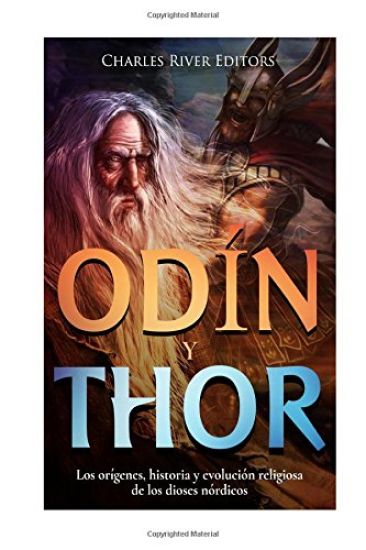
Un anciano con un solo ojo, con un manto gris y sombrero de ala ancha, apoy ndose de un bast n. Un vagabundo que aparece cuando menos se le espera, trayendo triunfo o perdici n. El dios de la profec a, la poes a y el destino. Un cambiaformas. Un hechicero. El dios Od n es una figura dram tica en la mitolog a n rdica y es a n parte del imaginario popular. Ha sido la inspiraci n para figuras como Gandalf el Gris, de J. R. R. Tolkien, y todav a figura en literatura moderna tan variada como los c mics de Marvel o la novela de Neil Gaiman American Gods (2001). Junto a su hijo Thor, Od n es uno de los dioses n rdicos mejor conocidos y a menudo es f cil olvidar que alguna vez estuvo en el coraz n de un pante n adorado con devoci n por millones de europeos en la Edad Media. Od n tiene muchos nombres y t tulos (m s de doscientos, seg n una fuente), pero su t tulo m s conocido es el de "Padre de todos" o "Padre Universal", el co-creador de la Tierra (el "Midgard"), la humanidad y todas las criaturas que habitan este mundo. Es tambi n, de forma importante, el dios de la profec a, el xtasis y la poes a, todos roles conectados muy estrechamente en el mundo n rdico, donde la l nea entre poeta y profeta era borrosa y eran vistos como poseedores de inspiraci n a trav s de una especie de furia ext tica. Estos roles estaban conectados al patronazgo de Od n sobre el conocimiento, en especial aquel de tipo m stico, ya que l era el descubridor de las runas m gicas y canciones que luego transmiti a la humanidad. Esto no lleg sin sacrificio, puesto que hubo de arrancarse su propio ojo y yacer muerto por nueve d as para adquirirlo. Un martillo que ning n mortal puede levantar. Un flamante dios de la tormenta, con cabello cual llamas. Un h roe-dios-alien gena que defiende a la humanidad. La esv stica. Incluso el nombre Thursday jueves en ingl s] es "Thor's Day" el d a de Thor]. A pesar de la virtual desaparici n de la religi n aut ctona y mitolog a n rdica siglos atr s, a n se encuentra con regularidad en la sociedad moderna al dios de la tormenta, Thor, quien contin a siendo tra do de vuelta a la vida en forma de literatura y m s recientemente, como protagonista de pel culas taquilleras de Hollywood. Qu tiene en particular este dios, entre los cientos (si no miles) de deidades que fueron arrojadas al basurero de la historia por las grandes religiones del mundo, que captura de tal manera la imaginaci n de las personas hasta el d a de hoy? Una mejor comprensi n del atractivo de Thor puede hallarse pr cticamente en cualquiera de los aspectos de la historia y evoluci n de esta figura a lo largo de los siglos, incluyendo los or genes del dios, las im genes evocativas con las que es descrito, e incluso los paralelismos entre Thor y otros dioses y h roes similares. Todo esto ha sido alimentado por la literatura, como las historias sobre Thor encontradas en la Edda Mayor o po tica y la Edda Menor o prosaica, as como la conexi n que las sociedades han tenido con Thor por cientos de a os, incluso hoy en d a. El presente trabajo tambi n examina el declive y desplazamiento de la mitolog a escandinava/n rdica por parte del Cristianismo, las razones por las que Thor fue a menudo el ltimo dios que adoraron los n rdicos y los vestigios actuales del "Thorismo", incluyendo los paralelos con otras fes, su rol en el renacimiento de un Neo-paganismo y su aparici n en otros medios como un h roe de historietas y pel culas. En conjunto con fotograf as y bibliograf a, aprender s sobre Thor como nunca antes, y en nada de tiempo.
Legendary Scientists: The Life and Legacy of Galileo Galilei

Legendary Scientists: The Life and Legacy of Galileo Galilei

Charles River

Createspace Independent Publishing Platform
2017
nidottu
*Includes pictures of Galileo and important people, places, and events in his life. *Includes quotes from Galileo's letters and works. *Includes a Bibliography for further reading. "What has philosophy got to do with measuring anything? It's the mathematicians you have to trust..." - Galileo It would be impossible to overstate the accomplishments and legacy of a man history has dubbed the "Father of Modern Science". In his lifetime, Galileo straddled the epochs of the Renaissance and the Scientific Revolution, and it was his work and technological advances that helped usher in a brand new understanding of the solar system and the scientific method. Stephen Hawking himself has asserted, "Galileo, perhaps more than any other single person, was responsible for the birth of modern science." Of course, part of what made Galileo such a monumental figure was the fact that he was ahead of his time, and that he mostly refused to conform to the accepted dogmas of contemporary society. As he once put it, "Philosophy is written in that great book which ever lies before our eyes - I mean the universe - but we cannot understand it if we do not first learn the language and grasp the symbols, in which it is written. This book is written in the mathematical language, and the symbols are triangles, circles and other geometrical figures, without whose help it is impossible to comprehend a single word of it." Galileo has been one of history's most famous and influential scientists ever since his life and death over 350 years ago, but it's somewhat ironic that he might be best known for being subjected to the Inquisition and for making a comment that he almost certainly never said. His insistence in defending Copernicus' heliocentric solar system led to charges of heresy, even though he attempted to square his heliocentric system with Scripture and offered up St. Augustine's teachings as a partial defense. In private, however, Galileo was far more scathing, at one point writing in a private letter to fellow astronomer Johannes Kepler in 1610, "My dear Kepler, what would you say of the learned here, who...have steadfastly refused to cast a glance through the telescope? What shall we make of this? Shall we laugh, or shall we cry?" And according to a legend that refuses to die, Galileo refused to recant; after being charged with heresy, sentenced to imprisonment, and having his books banned, Galileo allegedly uttered, "And yet it moves", in a barely veiled reference to the Earth moving around the Sun. The story is one of the most famous aspects of Galileo's life, even though it's likely apocryphal. Galileo may not have challenged authority as the legend holds, but he was undeterred by house arrest. He continued to write almost all the way up until his death, and by the time his 77 years on Earth were finished, he had greatly improved the use of telescopes, revolutionized our understanding of the universe, made discoveries on Jupiter and Venus, posited the idea that physics was a study of mathematics, and much more. Legendary Scientists: The Life and Legacy of Galileo Galilei profiles the life, legends, and legacy of the famous scientist, while examining his career and contributions to science and technology. Along with pictures of important people, places, and events, you will learn about Galileo like you never have before, in no time at all.
Legendary Scientists: The Life and Legacy of Albert Einstein

Legendary Scientists: The Life and Legacy of Albert Einstein

Charles River

Createspace Independent Publishing Platform
2017
nidottu
*Includes pictures of Einstein and important people and places in his life. *Includes a list of Einstein's most colorful quotes and quotes about his life and views. *Includes a Bibliography for further reading. "Nature shows us only the tail of the lion. But there is no doubt in my mind that the lion belongs with it even if he cannot reveal himself to the eye all at once because of his huge dimension." - Albert Einstein Albert Einstein (1879-1955) needs no formal introduction. He is remembered around the world as one of history's most brilliant geniuses, and one of its most influential scientists. Einstein is often regarded as the father of modern physics, and he received the 1921 Nobel Prize in Physics "for his services to theoretical physics, and especially for his discovery of the law of the photoelectric effect". And though he is best known for his contributions to science with over 300 scientific papers, the witty Einstein also wrote over 150 non-scientific works, many of them infused with his humor. The entire package of his life and career has ensured that people continue to describe intelligent people as "Einsteins". Einstein's greatest and most famous theory is the theory of relativity, which fundamentally changed the understanding of physics and astronomy during the 20th century. When first published, relativity superseded a 200-year-old theory of mechanics put forth by Isaac Newton. The theory of relativity overturned the concept of motion from Newton's day, into all motion is relative. Time was no longer uniform and absolute. Therefore, physics is no longer understood as space by itself, and time by itself. Instead, an added dimension had to be taken into account in the form of curved spacetime. Time now depended on velocity, and contraction became a fundamental consequence at appropriate speeds. With Einstein's theory of relativity, cosmology and astrophysics have been able to explain some of the most mysterious and amazing workings of the universe, including neutron stars, black holes, and gravitational waves. More than half a century after his death, Einstein remains the foundation that today's astronomers and astrophysicists rely on in their studies. Legendary Scientists: The Life and Legacy of Albert Einstein profiles the life and legacy of the famous scientist, while examining his career and contributions to science and technology. Along with pictures of important people, places, and events, you will learn about Einstein like you never have before, in no time at all.
Legendary Explorers: The Life and Legacy of Marco Polo

Legendary Explorers: The Life and Legacy of Marco Polo

Charles River

Createspace Independent Publishing Platform
2017
nidottu
*Includes quotes from The Travels of Marco Polo describing Kublai Khan and some of the things Marco Polo saw, including rhinoceros, crocodiles, coal, and more. *Explains how Marco Polo's travels influenced cartographers and subsequent explorers like Columbus. *Includes maps and pictures of important people and places in Marco Polo's life and travels. *Includes a Bibliography for further reading. "I have not told half of what I saw." - Marco Polo A lot of ink has been spilled covering the lives of history's most influential figures, but how much of the forest is lost for the trees? In Charles River Editors' Legends of the Middle Ages series, readers can get caught up to speed on the lives of important medieval men and women in the time it takes to finish a commute, while learning interesting facts long forgotten or never known. Marco Polo (1254-1324) is an instantly recognizable name, and he is known for his travels, but it's safe to say that his influence and importance has been greatly overlooked in the nearly 700 years since he died. Born in Venice, Marco Polo was in a fortuitous position to participate in the Mediterranean trade, but he was still a young man when he went on the journey that would make him famous and greatly inspire the Age of Exploration. Though he was destined to become famous, Marco Polo was simply following in the footsteps of his own family, and it's believed that he was already a teenager before he met his father and uncle, who had been traveling to the Far East and, according to Marco Polo, had met Kublai Khan, the famous grandson of Genghis Khan. A few years later, they set off for Asia again, this time with Marco Polo, and they would not return to Venice for 24 years. When they came back, they had allegedly traveled about 15,000 miles and brought back plenty of riches and treasure. Marco Polo was hardly the only European merchant or trader who traveled to the Far East, but it was his written account of his travels that would generate extreme interest in Asia. Having described such a rich land full of desired resources, Marco Polo's travels became a source for European cartographers of the era, and they became the impetus for men like Christopher Columbus, who added his own annotations to Marco Polo's account and used it as a reference for his own legendary expedition in search of the Far East. Centuries later, historians have scoured over the account and what was written in an effort to validate its authenticity, leading to sharp debates today. Legendary Explorers: The Life and Legacy of Marco Polo chronicles the life and travels of the Venetian merchant, while analyzing how his account influenced subsequent explorers. Along with pictures of important people, places, and events, you will learn about Marco Polo like you never have before, in no time at all.
Legendary Explorers: The Life and Legacy of Francisco Pizarro

Legendary Explorers: The Life and Legacy of Francisco Pizarro

Charles River

Createspace Independent Publishing Platform
2017
nidottu
*Includes pictures of Pizarro and important people, places, and events in his life. *Describes the Inca Empire and Pizarro's conquest of it. "Friends and comrades On that side south] are toil, hunger, nakedness, the drenching storm, desertion, and death; on this side ease and pleasure. There lies Peru with its riches; here, Panama and its poverty. Choose, each man, what best becomes a brave Castilian. For my part, I go to the south." - Francisco Pizarro A lot of ink has been spilled covering the lives of history's most influential figures, but how much of the forest is lost for the trees? The Age of Exploration and the explorers who set out on their history-making expeditions left many legacies and profoundly influenced history around the world. The voyages of men like Columbus and the conquests of men like Cort s had dramatic consequences for the natives, escalated tensions between the European nations, initiated imperialistic empires on a global scale, helped birth the United States, and ensured that the wars in the 20th century were truly world wars. In Charles River Editors' Legendary Explorers series, readers can get caught up to speed on the lives of the most important explorers of history in the time it takes to finish a commute, while learning interesting facts long forgotten or never known. During the Age of Exploration, some of the most famous and infamous individuals were Spain's best known conquistadors. Naturally, as one of the best known conquistadors, Francisco Pizarro (1471/6-1541) is also one of the most controversial. Like Christopher Columbus and Hernan Cort s before him, Pizarro was celebrated in Europe for subduing the Inca Empire, a culture that fascinated his contemporaries. At the same time, naturally, indigenous views of the man have been overwhelmingly negative. If Columbus and Cort s were the pioneers of Spain's new global empire, Pizarro consolidated its immense power and riches, and his successes inspired a further generation to expand Spain's dominions to unheard of dimensions. Furthermore, he participated in the forging of a new culture: like Cort s, he took an indigenous mistress with whom he had two mixed-race children, and yet the woman has none of the lasting fame of Cort s's Do a Marina. With all of this in mind, it is again remarkable that Pizarro remains one of the less well-known and less written about of the explorers of his age. On the other hand, there are certain factors that may account for the conqueror of Peru's relative lack of lasting glory. For one, he was a latecomer in more than one sense. Cort s's reputation was built on being the first to overthrow a great empire, so Pizarro's similar feat, even if it bore even greater fruit in the long run, would always be overshadowed by his predecessor's precedent. But Pizarro also lacked the youthful glamour of Cort s: already a wizened veteran in his 50s by the time he undertook his momentous expedition, he proceeded with the gritty determination of a hardened soldier rather than the audacity and cunning of a young courtier. Legendary Explorers: The Life and Legacy of Francisco Pizarro chronicles Pizarro's life, but it also examines the aftermath of his conquest and analyzes the controversy surrounding his legacy. Along with pictures of important people, places, and events in his life, you will learn about Pizarro like you never have before, in no time at all.
Amphibious Warfare in World War II: The History and Legacy of the War's Most Important Landing Operations
*Includes pictures *Includes accounts of the fighting *Includes online resources and a bibliography for further reading A swift, sudden attack from the ocean, putting soldiers ashore on a hostile coast at some point weakly defended by the enemy, has been a powerful tactical and strategic tool since the late Bronze Age. Utilized by the Sea Peoples against New Kingdom Egypt and the Greek city-states in their internecine wars, amphibious warfare combined high mobility with a strong chance of complete surprise. The technique continued in use through such periods as the early Medieval era, when Viking armies numbering up to 10,000 men struck suddenly and devastatingly from the sea using their highly seaworthy longships or "dragonships" (drekkar). At around the same time, the Normans carried out amphibious landings of invasion forces, including mounted men, in Muslim-occupied Sicily (1061) and Saxon England (1066). As navies grew larger and the Spanish clashed with the Turks in the Mediterranean during the Renaissance, some military forces introduced specialized marines for the first time. These men, trained specially for landings carried out using ships' boats, formed a part of many European navies from the 16th century onward. World War II, however, witnessed a sudden explosion in the scope and metamorphosis in the methods of amphibious warfare. With battlefields covering significant portions of the planetary surface, combined with the availability of the modern era's powerful technology and vehicles, the mighty conflict witnessed tactical and strategic amphibious operations unlike any the world had seen before. All major powers involved in the war utilized amphibious operations to one degree or another. Even the Soviets launched more than 150 amphibious assaults during the war, albeit with very mixed success given the lack of dedicated landing craft and their variable troop quality. However, as the war continued, the United States developed the largest and most sophisticated assortment of amphibious warfare tactics, strategies, and equipment. The invasion of Sicily in 1943 was the largest amphibious operation in history, but it would be dwarfed on June 6, 1944. That day, forever known as D-Day, the Allies commenced Operation Overlord by staging the largest and most complex amphibious invasion in human history. The complex operation would require tightly coordinated naval and air bombardment, paratroopers, and even inflatable tanks that would be able to fire on fortifications from the coastline, all while landing over 150,000 men across nearly 70 miles of French beaches. Given the incredibly complex plan, it's no surprise that Supreme Commander Dwight D. Eisenhower had already written a letter apologizing for the failure of the invasion, which he carried in his coat pocket throughout the day. Ultimately, amphibious operations at places like Okinawa, Iwo Jima, and various parts of Europe determined the course of the war, and Amphibious Warfare in World War II: The History and Legacy of the War's Most Important Landing Operations examines these crucial events. Along with pictures of important people, places, and events, you will learn about World War II's amphibious warfare like never before.
Amphibious Warfare in World War II: The History and Legacy of the War's Most Important Landing Operations
*Includes pictures *Includes accounts of the fighting *Includes online resources and a bibliography for further reading A swift, sudden attack from the ocean, putting soldiers ashore on a hostile coast at some point weakly defended by the enemy, has been a powerful tactical and strategic tool since the late Bronze Age. Utilized by the Sea Peoples against New Kingdom Egypt and the Greek city-states in their internecine wars, amphibious warfare combined high mobility with a strong chance of complete surprise. The technique continued in use through such periods as the early Medieval era, when Viking armies numbering up to 10,000 men struck suddenly and devastatingly from the sea using their highly seaworthy longships or "dragonships" (drekkar). At around the same time, the Normans carried out amphibious landings of invasion forces, including mounted men, in Muslim-occupied Sicily (1061) and Saxon England (1066). As navies grew larger and the Spanish clashed with the Turks in the Mediterranean during the Renaissance, some military forces introduced specialized marines for the first time. These men, trained specially for landings carried out using ships' boats, formed a part of many European navies from the 16th century onward. World War II, however, witnessed a sudden explosion in the scope and metamorphosis in the methods of amphibious warfare. With battlefields covering significant portions of the planetary surface, combined with the availability of the modern era's powerful technology and vehicles, the mighty conflict witnessed tactical and strategic amphibious operations unlike any the world had seen before. All major powers involved in the war utilized amphibious operations to one degree or another. Even the Soviets launched more than 150 amphibious assaults during the war, albeit with very mixed success given the lack of dedicated landing craft and their variable troop quality. However, as the war continued, the United States developed the largest and most sophisticated assortment of amphibious warfare tactics, strategies, and equipment. The invasion of Sicily in 1943 was the largest amphibious operation in history, but it would be dwarfed on June 6, 1944. That day, forever known as D-Day, the Allies commenced Operation Overlord by staging the largest and most complex amphibious invasion in human history. The complex operation would require tightly coordinated naval and air bombardment, paratroopers, and even inflatable tanks that would be able to fire on fortifications from the coastline, all while landing over 150,000 men across nearly 70 miles of French beaches. Given the incredibly complex plan, it's no surprise that Supreme Commander Dwight D. Eisenhower had already written a letter apologizing for the failure of the invasion, which he carried in his coat pocket throughout the day. Ultimately, amphibious operations at places like Okinawa, Iwo Jima, and various parts of Europe determined the course of the war, and Amphibious Warfare in World War II: The History and Legacy of the War's Most Important Landing Operations examines these crucial events. Along with pictures of important people, places, and events, you will learn about World War II's amphibious warfare like never before.
The Origins of the British Army: The History of England's Establishment of a Professional Modern Army
*Includes pictures *Includes online resources and a bibliography for further reading World domination is a vision most kings, queens, and emperors can only dream of, and is a path less visited for good reason. It is one that requires above all, patience, as well as skill, tenacity, and an impenetrable plan of action. The only one to ever come close to this impossible level of prestige is none other than the legendary British Empire. It was under the reign of King Henry VII of England that this ambitious idea of global expansion was first planted. In March of 1496, the king granted an exploratory charter to John Cabot, who would pilot a successful voyage that resulted in the occupation of an uninhabited island in Newfoundland. Though Cabot's second voyage ended in disaster, the courage and will he displayed during these endeavors inspired English explorers to organize more ventures and take to the seas themselves, as they hoped to see just how far they could push the envelope. Today, the British Army is one of the most powerful fighting forces in the world. Its highly trained professional soldiers are equipped with the most advanced military technology ever made. Its international interventions, while controversial both at home and abroad, are carried out with incredible professionalism and little loss of life among British servicemen and servicewomen. Naturally, the history and traditions behind this army are also impressive. Britain has not been successfully invaded in centuries. Its soldiers once created and defended a global empire, and during the Second World War, it was one of the leading nations standing against the brutal Axis forces, leading the way in the greatest seaborne invasion in military history. But it was not always like this. For most of its history, Britain was a patchwork of competing nations. England, the largest of its constituent countries, was often relatively weak as a land power compared with its European neighbors. Moreover, Britain's armies, like those of the other European powers, were neither professional nor standing armies for hundreds of years. The Origins of the British Army: The History of England's Establishment of a Professional Modern Army covers that period before the development of the British Army as it is now recognized. This book examines how a professional standing army emerged from the feudal systems of the Middle Ages to become a centrally organized and professional force, always at the ready when conflict came. And tied to that is the story of a nation uniting, as civil war ceased to be a part of politics and the countries of the union were brought together, often by force. Along with pictures of important people, places, and events, you will learn about the British Army's origins like never before.
Colonial New York City: La historia de la ciudad bajo control británico antes de la Revolución Americana
"Uno pertenece a Nueva York instant neamente; uno pertenece tanto en cinco minutos como en cinco a os." - Tom Wolfe. Nueva York. La Gran Manzana. La ciudad de los sue os. La ciudad es tan bonita que la llamaron dos veces. Estos son s lo algunos de los apodos dados no s lo a la ciudad m s poblada de Am rica del Norte, sino tambi n a la regi n con mayor diversidad cultural de todo el mundo. La era moderna de Nueva York est marcada en el mapa por sus impresionantes rascacielos y centros financieros ic nicos, adem s de ser el punto de encuentro por excelencia, donde la gente va a "hacerla grande" y arriesgarse a realizar sue os largamente esperados. Lo que es menos conocido es el rico tapiz de la historia detr s de esta ciudad nica. Es una que cuenta una historia de esperanza vigorizante, nuevos descubrimientos y horizontes cada vez m s amplios, formados por disputas de poder y derramamiento de sangre, todo por el bien de la conquista. 1626 fue el a o en que tuvo lugar la famosa "compra" de Manhattan, una transacci n de la que no ha sobrevivido ning n registro. Peter Minuit, el Director General de New msterdam, pag el valor de sesenta florines de bienes comerciales como telas, teteras, herramientas y wampum, una cantidad que ha pasado a la historia por valor de 24 d lares. Si bien eso suena perversamente bajo hoy en d a, a los contadores les gusta especular con esta cantidad, si los Lenni-Lenapes lo hubieran invertido a una tasa de inter s del 10% a trav s de los siglos, hoy valdr a $117 cuatrillones, lo suficiente para comprar el actual Manhattan muchas, muchas veces m s. Cuando la West India Company, que presidi el comercio holand s en las Am ricas, fue creada en 1621, el peque o asentamiento en la punta de Manhattan comenz a crecer y flaquear. Cuando Willem Kieft lleg como director en 1638, ya era una especie de guarida de iniquidad, llena de "calumnias y perversidad", donde los residentes eran dados a fumar y beber grog y cerveza. Bajo el reinado de Kieft, m s tierras se adquirieron sobre todo a trav s de guerras sangrientas, pero exterminantes con la poblaci n nativa americana, cuyo n mero tambi n disminuy a causa de las enfermedades transmitidas por Europa. En 1652, Inglaterra y los Pa ses Bajos estaban en guerra, pero las grandes p rdidas de ambas partes precipitaron la perspectiva de paz. Sin embargo, los representantes de los dos pa ses en el Nuevo Mundo eran cada vez m s hostiles entre s , a pesar de que estaban con un oc ano de por medio de los principales beligerantes. Se dec a que los puritanos de Nueva Inglaterra ten an la intenci n de atacar Manhattan, as que se hicieron preparativos en Nueva msterdam. Se erigir a un muro en la frontera norte de Nueva msterdam, a un costo de 5.000 florines, con mano de obra barata suministrada por esclavos. Hecho de tablas de 15 pies, bastiones, ca ones, y dos puertas (una en la esquina de la actual Wall y Pearl, la otra en la Wall y Broadway) la ubicaci n de la pared se convertir a no en una barrera a la invasi n, pero el centro del mundo financiero. Sin embargo, mientras tanto, el muro result ser tan in til como todas las dem s defensas y estrategias holandesas. En 1664, el coronel Richard Nicolls fue enviado por el duque ingl s de York para tomar Manhattan y todas las dem s propiedades holandesas. Nicol s envi a Stuyvesant una carta que promet a vida y libertad para todos si los habitantes dejaban las armas y se rend an. Stuyvesant escondi esta carta y destroz otra, pero los residentes muy influyentes de Nueva msterdam le obligaron a rendirse ante un enemigo demasiado formidable. Al final, la diversidad de Nueva msterdam ayud a asegurar que la gente preferir a formar parte de la ciudad de Nueva York antes que perderlo todo. Los holandeses reclamaron brevemente la ciudad, pero la marea hab a cambiado, y Nueva York se convirti en un asentamiento ingl s.
Colonial New York City: La historia de la ciudad bajo control británico antes de la Revolución Americana
"Uno pertenece a Nueva York instant neamente; uno pertenece tanto en cinco minutos como en cinco a os." - Tom Wolfe. Nueva York. La Gran Manzana. La ciudad de los sue os. La ciudad es tan bonita que la llamaron dos veces. Estos son s lo algunos de los apodos dados no s lo a la ciudad m s poblada de Am rica del Norte, sino tambi n a la regi n con mayor diversidad cultural de todo el mundo. La era moderna de Nueva York est marcada en el mapa por sus impresionantes rascacielos y centros financieros ic nicos, adem s de ser el punto de encuentro por excelencia, donde la gente va a "hacerla grande" y arriesgarse a realizar sue os largamente esperados. Lo que es menos conocido es el rico tapiz de la historia detr s de esta ciudad nica. Es una que cuenta una historia de esperanza vigorizante, nuevos descubrimientos y horizontes cada vez m s amplios, formados por disputas de poder y derramamiento de sangre, todo por el bien de la conquista. 1626 fue el a o en que tuvo lugar la famosa "compra" de Manhattan, una transacci n de la que no ha sobrevivido ning n registro. Peter Minuit, el Director General de New msterdam, pag el valor de sesenta florines de bienes comerciales como telas, teteras, herramientas y wampum, una cantidad que ha pasado a la historia por valor de 24 d lares. Si bien eso suena perversamente bajo hoy en d a, a los contadores les gusta especular con esta cantidad, si los Lenni-Lenapes lo hubieran invertido a una tasa de inter s del 10% a trav s de los siglos, hoy valdr a $117 cuatrillones, lo suficiente para comprar el actual Manhattan muchas, muchas veces m s. Cuando la West India Company, que presidi el comercio holand s en las Am ricas, fue creada en 1621, el peque o asentamiento en la punta de Manhattan comenz a crecer y flaquear. Cuando Willem Kieft lleg como director en 1638, ya era una especie de guarida de iniquidad, llena de "calumnias y perversidad", donde los residentes eran dados a fumar y beber grog y cerveza. Bajo el reinado de Kieft, m s tierras se adquirieron sobre todo a trav s de guerras sangrientas, pero exterminantes con la poblaci n nativa americana, cuyo n mero tambi n disminuy a causa de las enfermedades transmitidas por Europa. En 1652, Inglaterra y los Pa ses Bajos estaban en guerra, pero las grandes p rdidas de ambas partes precipitaron la perspectiva de paz. Sin embargo, los representantes de los dos pa ses en el Nuevo Mundo eran cada vez m s hostiles entre s , a pesar de que estaban con un oc ano de por medio de los principales beligerantes. Se dec a que los puritanos de Nueva Inglaterra ten an la intenci n de atacar Manhattan, as que se hicieron preparativos en Nueva msterdam. Se erigir a un muro en la frontera norte de Nueva msterdam, a un costo de 5.000 florines, con mano de obra barata suministrada por esclavos. Hecho de tablas de 15 pies, bastiones, ca ones, y dos puertas (una en la esquina de la actual Wall y Pearl, la otra en la Wall y Broadway) la ubicaci n de la pared se convertir a no en una barrera a la invasi n, pero el centro del mundo financiero. Sin embargo, mientras tanto, el muro result ser tan in til como todas las dem s defensas y estrategias holandesas. En 1664, el coronel Richard Nicolls fue enviado por el duque ingl s de York para tomar Manhattan y todas las dem s propiedades holandesas. Nicol s envi a Stuyvesant una carta que promet a vida y libertad para todos si los habitantes dejaban las armas y se rend an. Stuyvesant escondi esta carta y destroz otra, pero los residentes muy influyentes de Nueva msterdam le obligaron a rendirse ante un enemigo demasiado formidable. Al final, la diversidad de Nueva msterdam ayud a asegurar que la gente preferir a formar parte de la ciudad de Nueva York antes que perderlo todo. Los holandeses reclamaron brevemente la ciudad, pero la marea hab a cambiado, y Nueva York se convirti en un asentamiento ingl s.
Legendary Explorers: The Life and Legacy of Ferdinand Magellan

Legendary Explorers: The Life and Legacy of Ferdinand Magellan

Charles River

Createspace Independent Publishing Platform
2017
nidottu
*Includes descriptions of the voyage from crew member Antonio Pigafetta's journal. *Includes maps and pictures of important people and places in Magellan's life. "Most versed in nautical charts, he knew better than any other the true art of navigation, of which it is certain proof that he by his genius, and his intrepidity, without anyone having given him the example, how to attempt the circuit of the globe which he had almost completed... The glory of Magellan will survive him." - Antonio Pigafetta A lot of ink has been spilled covering the lives of history's most influential figures, but how much of the forest is lost for the trees? The Age of Exploration and the explorers who set out on their history-making expeditions left many legacies and profoundly influenced history around the world. The voyages of men like Columbus and the conquests of men like Cortes escalated tensions between the European nations, initiated imperialistic empires on a global scale, helped birth the United States, and ensured that the wars in the 20th century were truly world wars. In Charles River Editors' Legendary Explorers series, readers can get caught up to speed on the lives of the most important explorers of history in the time it takes to finish a commute, while learning interesting facts long forgotten or never known. Ferdinand Magellan was unquestionably one of the more remarkable figures of the Age of Exploration, and given his fateful expedition, he has the era's most unique legacy. Today he is remembered as the first man to circumnavigate the globe, despite the fact he died thousands of miles away from Spain in the Philippines. It is also commonly overlooked that among the famous and historic expeditions in the early 16th century, Magellan's was by far the most dangerous, unique, and adventurous. Nearly 240 men would set sail from Spain in August 1519 aboard 5 ships, and 18 would return to Spain in September 1522 aboard 1 ship. Given his legacy and the fact that he died half a world away from Spain, the nature of his achievements has sometimes been misunderstood. Though he personally didn't circumnavigate the globe, Magellan was one of the most accomplished navigators of his time, and during his expedition he crucially charted territories previously unexplored by Europeans, including the Strait of Magellan at the southern tip of South America. Perhaps the most important fact about Magellan, though, is that he succeeded precisely where Christopher Columbus before him had failed. While Columbus has gone down in history as the discoverer of America (for Europeans), finding a new continent was never his true goal. For the Europeans of the time, the establishment of trade routes to Asia remained the most important commercial ambition of all, and though he is not as notorious as Columbus or Cortes, it was Magellan who established a westward route to the Spice Islands of the Indian Ocean. In the early 16th century, that was a more important accomplishment to Europeans than the discovery of a New World. In economic terms, the opening up of new trade routes with Asia was a more significant development than the conquest of the Americas, and the development of the new American colonial economies is unimaginable without the expansion of commerce with the East. Legendary Explorers: The Life and Legacy of Ferdinand Magellan chronicles Magellan's life and his historic expedition, analyzing the aftermath of his expeditions and his legacy. Along with pictures of important people, places, and events in his life, you will learn about Magellan like you never have before, in no time at all.
Legendary Explorers: The Life and Legacy of Christopher Columbus

Legendary Explorers: The Life and Legacy of Christopher Columbus

Charles River

Createspace Independent Publishing Platform
2017
nidottu
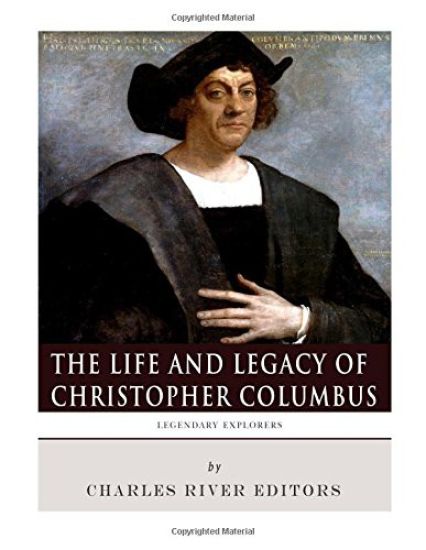
*Includes Columbus's journal entries of his first voyage to the New World from August-October 1492. *Includes maps of Columbus's voyages and pictures depicting Columbus and important people, places, and events in his life. "At two o'clock in the morning the land was discovered... As I saw that they were very friendly to us, and perceived that they could be much more easily converted to our holy faith by gentle means than by force, I presented them with some red caps, and strings of beads to wear upon the neck, and many other trifles of small value, wherewith they were much delighted, and became wonderfully attached to us." - Christopher Columbus's diary, October 11-12, 1492 A lot of ink has been spilled covering the lives of history's most influential figures, but how much of the forest is lost for the trees? The Age of Exploration and the explorers who set out on their history-making expeditions left many legacies and profoundly influenced history around the world. The voyages of men like Columbus and the conquests of men like Cortes escalated tensions between the European nations, initiated imperialistic empires on a global scale, helped birth the United States, and ensured that the wars in the 20th century were truly world wars. In Charles River Editors' Legendary Explorers series, readers can get caught up to speed on the lives of the most important explorers of history in the time it takes to finish a commute, while learning interesting facts long forgotten or never known. The most seminal event of the last millennium might also be its most controversial. As schoolchildren have been taught for over 500 years, "In 1492 Columbus sailed the ocean blue." In October of that year, the Italian Christopher Columbus immortalized himself by landing in the New World and beginning the process of European settlement in the Americas for Spain, bringing the Age of Exploration to a new hemisphere with him. Ironically, the Italian had led a Spanish expedition, in part because the Portuguese rejected his offers in the belief that sailing west to Asia would take too long. Columbus had better luck with the Spanish royalty, successfully persuading Queen Isabella to commission his expedition. In August 1492, Columbus set west for India at the helm of the Nina, Pinta and Santa Maria. After a harrowing trip that nearly left his crew mutinous, on October 7, 1492, the three ships spotted flocks of birds, suggesting land was nearby, so Columbus followed the direction in which the birds flew. On the night of October 11, the expedition sighted land, and when Columbus came ashore the following day in the Bahamas, he thought he was in Japan, but the natives he came into contact with belied the descriptions of the people and lands of Asia as wealthy and resourceful. Instead, the bewildered Columbus would note in his journal that the natives painted their bodies, wore no clothes and had primitive weapons, leading him to the conclusion they would be easily converted to Catholicism. When he set sail for home in January 1493, he brought several imprisoned natives back to Spain with him. Everyone agrees that Columbus's discovery of the New World was one of the turning points in history, but agreements over his legacy end there. Columbus became such a towering figure in Western history that the United States' capital was named after George Washington and him. Conversely, among the Native Americans and indigenous tribes who suffered epidemics and enslavement at the hands of the European settlers, Columbus is widely portrayed as an archvillain. Legendary Explorers: The Life and Legacy of Christopher Columbus chronicles Columbus's life and his historic voyages, but it also examines the aftermath of his expeditions and analyzes the controversy surrounding his legacy. Along with maps and pictures, you will learn about Columbus like you never have before, in no time at all.
Legendary Explorers: The Life and Legacy of Captain John Smith

Legendary Explorers: The Life and Legacy of Captain John Smith

Charles River

Createspace Independent Publishing Platform
2017
nidottu
*Includes pictures. *Includes quotes from Smith's accounts of his adventures. *Explains the controversies and debates over Smith's relationship with Pocahontas. "Here every man may be master and owner of his owne labour and land... If he have nothing but his hands, he may...by industrie quickly grow rich." - Captain John Smith John Smith is one of the most common names in the English language and akin to the use of John Doe, but every Briton and American is familiar with the explorer and mercenary Captain John Smith, who helped found the first permanent British colony in the New World at Jamestown in 1607. From there, he went on to become the first Englishman to explore New England, and it was Smith who named the Chesapeake Bay. He wrote several accounts of his exploration and his time spent in the New World, becoming one of the first and most invaluable primary sources on European settlement in North America. In America, John Smith is better known for his association with the Native American princess Pocahontas. She was the daughter of the paramount chief (mamanatowick) Powhatan, leader of an Algonquian-speaking native group in eastern Virginia. It was this group that Smith and the other English settlers came into contact with, and Smith credited her with saving him from being killed by the Native Americans. After that, Smith was able to establish relatively friendly relations and trade with the local inhabitants, ensuring Jamestown's survival. Subsequent retellings of the story have often fictitiously cast Smith and Pocahontas lovers and even husband and wife, portraying both characters in a more romantic and positive light. Smith's central role in the establishment of the British colonies has helped obscure the more controversial elements of his story, including his time as a mercenary in Turkey. Naturally, the conflicts between English settlers and the Native Americans were also glossed over for a long time. Today, historians have a much more mixed view of Smith's career and legacy. Legendary Explorers: The Life and Legacy of Captain John Smith chronicles the life and travels of the English explorer, while analyzing his writings and legacy. Along with pictures of important people, places, and events, you will learn about John Smith like you never have before, in no time at all.