Kirjojen hintavertailu – 12 903 725 kirjaa ja 27 kauppaa

Kirjailija

Charles River

Kirjat ja teokset yhdessä paikassa: 4 673 kirjaa, julkaisuja vuosilta 2013–2022, suosituimpiin kuuluu William Powell and Myrna Loy: The Lives and Careers of One of Classical Hollywood's Most Iconic Duos. Vertaile teosten hintoja ja tarkista saatavuus suomalaisista kirjakaupoista.

4 673 kirjaa

Kirjojen julkaisuvuodet: 2013–2022.

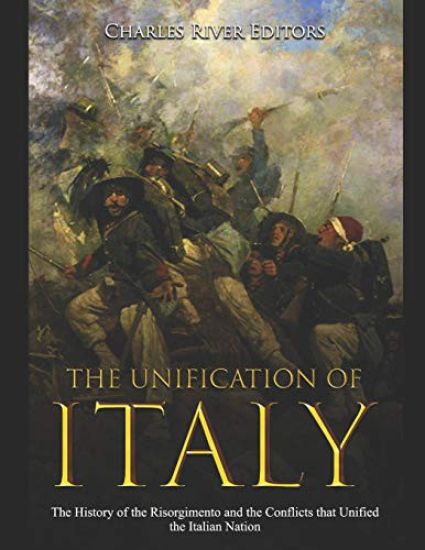
The Unification of Italy: The History of the Risorgimento and the Conflicts that Unified the Italian Nation
*Includes pictures*Includes a bibliography for further readingIn the 18th century, Italy was still divided into smaller states, but differently than during medieval times when the political entities were independent and were flourishing economic and cultural centers almost unrivaled in Europe. During the 18th century, all of them were submitted, in one way or another, to one of the greater hegemonic powers. This process of conquest and submission began during the early 16th century, when France was called on by the Duke Milan to intervene in his favor and from there never stopped. Starting from the northwest, the kingdom of Sardinia was controlling the alpine western area and the island from which it took its name and ruled by the Savoy family. The kingdom of Sardinia was the youngest political entity in Italy and, possibly because of that, the strongest and most independent. Milan was found dominating part of the central plane, Venice was in control of the east, and Genova was dominating the coastal area south of the kingdom of Sardinia. Central Italy was ruled by the Duchy of Tuscany and the Papal States, while the south was united under the kingdom of Sicily. While the kingdom of Sardinia and the republic of Venice could be considered independent, Milan was submitted to Austrian direct authority through vassalage. The Duchy of Tuscany was part of their sphere of influence as a vassal state, given as a fiefdom to the Empress Maria of Habsburg's husband. Finally, the southern state, the kingdom of Sicily, was historically a Spanish domain. In 1847, the Austrian Chancellor Klement von Metternich referred to Italy as merely a "geographical expression," and to some extent, he was not far off the mark. The inhabitants did not speak Italian; only a literate few wrote in the Italian of Dante and of Machiavelli, and a mere estimated two and a half percent spoke the language. The rest spoke their own regional dialects, which were so distinct from one another as to be incomprehensible from town to town. Similarly, most future Italian citizens knew nothing of the history of the peninsula, but instead learned of their own local traditions and histories. The events of 1848-1849 began to pull the peninsula together, however. In January 1848, Sicily had a major revolution, which provoked widespread uprisings and riots, after which the kingdoms of Sardinia, the Two Sicilies, the Papal States and the Grand Duchy of Tuscany all were granted constitutions. In February, the Pope fled Rome and a three-month long Republic was declared, headed by Giuseppe Mazzini. In March, a revolution in Venice led to the declaration of a republic. In April, Milan also rebelled and became a republic. Soon, the Austrian government clamped down again on the peninsula with such intensity that not even the most optimistic would have been able to fathom the nationalist Risorgimento movement would unify Italy a little more than a decade later. The Italian state may have come together thanks to ideals, but the success of the Second Italian War of Independence owed a lot of its success to chance, foreign intervention, and the wheeling and dealing of a few powerful men. Its story is long and complex, and the ultimate unification of Italy as it's recognized today would require no less than four wars. Nonetheless, despite its difficult birthing process and rocky start, the Italian state has survived over 150 years, and it even managed to remain united in the aftermath of World War II, escaping the fate of Nazi Germany. The Unification of Italy: The History of the Risorgimento and the Conflicts that Unified the Italian Nation chronicles the turbulent events and wars that unified Italy, and the struggle to maintain the new nation. Along with pictures of important people, places, and events, you will learn about Italian unification like never before.
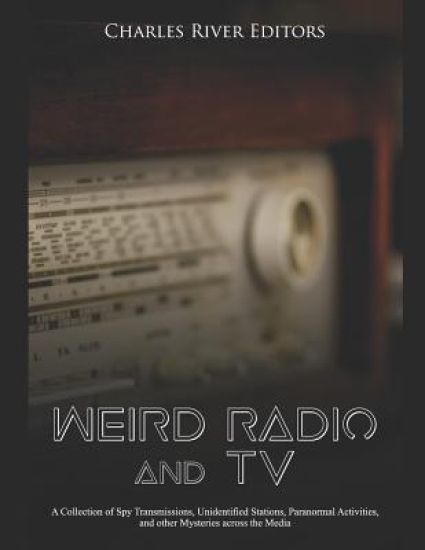
Weird Radio and Television: A Collection of Spy Transmissions, Unidentified Stations, Paranormal Activities, and other Mysteries across the Media
*Includes pictures*Includes a bibliography for further readingFor more than a century, radio has been a part of people's lives. No one alive today remembers a time when it hadn't always been there as a familiar, reliable source of information and entertainment. Today, it seems a bit mundane, overtaken by the Internet and satellite television. Even in the 1980s, the development of cable television (50 channels instead of five) and the start of MTV made radio seem quaint, and as many once claimed, "Radio is dead." It wasn't, of course. Radio is still popular today, with as many stations as ever, and it remains a part of the world that is taken for granted. While not dead, its familiarity has made it seem a bit mundane, but people shouldn't think of it that way. In fact, the airwaves have always been a place of mystery, a battleground of competing ideologies, and a source of anonymous voices. Radio has been used to support war efforts, topple governments, communicate secretly, and even attempt to communicate with the dead. Likewise, for more than two generations, television has been a part of most people's lives, and few could remember a time when it wasn't there. Today, viewers are accustomed to broadcasts running seamlessly with commercials following programming before more programs come on. The occasional glitch might happen here or there, including temporary blackouts due to storms, but for the most part, television runs incredibly smoothly. Of course, that wasn't all the case. At times, pranksters or political activists hacked into satellite feeds, protestors took over studios while live and on air, and intriguing paranormal events with few good explanations have been seen. Weird Radio and Television: A Collection of Spy Transmissions, Unidentified Stations, Paranormal Activities, and other Mysteries across the Media includes strange stories that will make these famous forms of media seem a bit less familiar and far more interesting. Along with pictures of important people, places, and events, you will learn about some of the world's strangest radio and television stories like never before.
Weird Radio and Television: A Collection of Spy Transmissions, Unidentified Stations, Paranormal Activities, and other Mysteries across the Media
*Includes pictures*Includes a bibliography for further readingFor more than a century, radio has been a part of people's lives. No one alive today remembers a time when it hadn't always been there as a familiar, reliable source of information and entertainment. Today, it seems a bit mundane, overtaken by the Internet and satellite television. Even in the 1980s, the development of cable television (50 channels instead of five) and the start of MTV made radio seem quaint, and as many once claimed, "Radio is dead." It wasn't, of course. Radio is still popular today, with as many stations as ever, and it remains a part of the world that is taken for granted. While not dead, its familiarity has made it seem a bit mundane, but people shouldn't think of it that way. In fact, the airwaves have always been a place of mystery, a battleground of competing ideologies, and a source of anonymous voices. Radio has been used to support war efforts, topple governments, communicate secretly, and even attempt to communicate with the dead. Likewise, for more than two generations, television has been a part of most people's lives, and few could remember a time when it wasn't there. Today, viewers are accustomed to broadcasts running seamlessly with commercials following programming before more programs come on. The occasional glitch might happen here or there, including temporary blackouts due to storms, but for the most part, television runs incredibly smoothly. Of course, that wasn't all the case. At times, pranksters or political activists hacked into satellite feeds, protestors took over studios while live and on air, and intriguing paranormal events with few good explanations have been seen. Weird Radio and Television: A Collection of Spy Transmissions, Unidentified Stations, Paranormal Activities, and other Mysteries across the Media includes strange stories that will make these famous forms of media seem a bit less familiar and far more interesting. Along with pictures of important people, places, and events, you will learn about some of the world's strangest radio and television stories like never before.
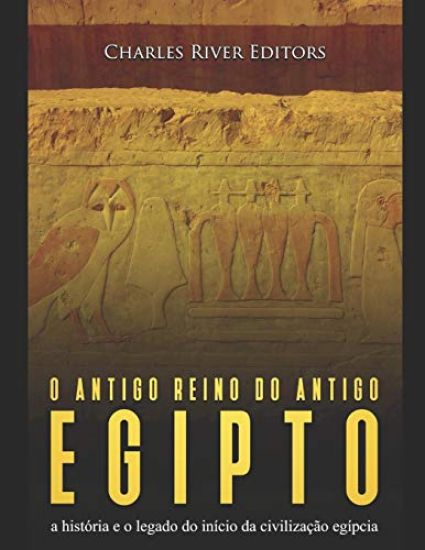
O antigo reino do antigo Egito: a história e o legado do início da civilização egípcia
A frica pode ter dado origem aos primeiros seres humanos, e o Egito provavelmente deu origem s primeiras grandes civiliza es, que continuam a fascinar as sociedades modernas em todo o mundo quase 5.000 anos depois. Da Biblioteca e Farol de Alexandria Grande Pir mide de Giz , os antigos eg pcios produziram v rias maravilhas do mundo, revolucionaram a arquitetura e a constru o, criaram alguns dos primeiros sistemas de matem tica e medicina do mundo e estabeleceram a linguagem e a arte que se espalham pelo mundo. mundo conhecido. Com l deres mundialmente famosos como o rei Tut e Cle patra, n o de admirar que o mundo de hoje tenha tantos egipt logos. O que torna ainda mais not veis as conquistas dos antigos eg pcios que o Egito era historicamente um lugar de grande turbul ncia pol tica. Sua posi o tornou-a valiosa e vulner vel para as tribos do Mediterr neo e do Oriente M dio, e o Egito Antigo n o teve escassez de sua pr pria guerra interna. Seus conquistadores mais famosos viriam da Europa, com Alexandre, o Grande, lan ando as bases para a linha hel nica de Ptolomeu e os romanos extinguindo essa linha depois de derrotar Cle patra e lev -la ao suic dio. Talvez o aspecto mais intrigante da antiga civiliza o eg pcia tenha surgido desde o in cio, j que os antigos eg pcios n o tinham uma civiliza o anterior que pudessem usar como modelo. De fato, o antigo Egito se tornou um modelo para as civiliza es que se seguiram. Os gregos e os romanos ficaram t o impressionados com a cultura eg pcia que frequentemente atribu am muitos atributos de sua pr pria cultura - geralmente erroneamente - aos eg pcios. Com isso dito, alguns elementos secund rios da cultura eg pcia antiga foram, de fato, passados para civiliza es posteriores. A estatu ria eg pcia parece ter tido uma influ ncia inicial na vers o grega, e a antiga l ngua eg pcia continuou muito depois do per odo fara nico na forma da l ngua copta. Embora os eg pcios possam n o ter passado sua civiliza o diretamente para os povos posteriores, os elementos-chave que compunham a civiliza o eg pcia - sua religi o, primeiras id ias de estado, arte e arquitetura - podem ser vistos em outras civiliza es pr -modernas. Por exemplo, civiliza es muito separadas no tempo e no espa o - como a China e a Mesoam rica - possu am elementos-chave semelhantes aos encontrados no antigo Egito. De fato, como a civiliza o eg pcia representava alguns conceitos humanos fundamentais, um estudo da cultura fara nica pode ser til ao tentar entender muitas outras culturas pr -modernas. Assim, quem l sobre a antiga civiliza o eg pcia a este respeito melhor servido olhando para as suas fases iniciais: o Per odo Din stico Inicial e o Reino Antigo. Examinando o Reino Antigo e o per odo imediatamente anterior, os atributos considerados essencialmente "eg pcios" em per odos posteriores se tornar o mais claros. O antigo reino do antigo Egito: a hist ria e o legado do in cio da civiliza o eg pcia narra a tumultuosa hist ria que inaugurou o in cio da antiga civiliza o eg pcia. Junto com fotos que retratam pessoas, lugares e eventos importantes, voc aprender sobre o Reino Antigo como nunca antes.
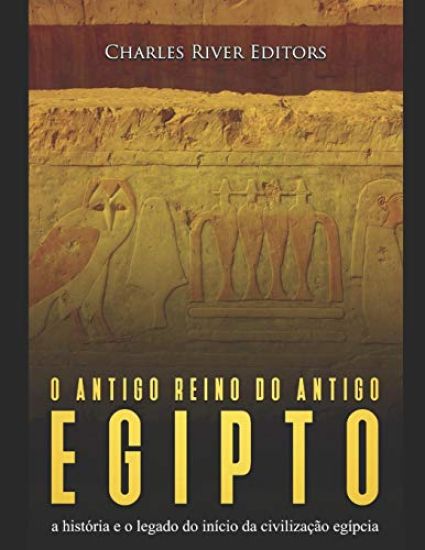
O antigo reino do antigo Egito: a história e o legado do início da civilização egípcia
A frica pode ter dado origem aos primeiros seres humanos, e o Egito provavelmente deu origem s primeiras grandes civiliza es, que continuam a fascinar as sociedades modernas em todo o mundo quase 5.000 anos depois. Da Biblioteca e Farol de Alexandria Grande Pir mide de Giz , os antigos eg pcios produziram v rias maravilhas do mundo, revolucionaram a arquitetura e a constru o, criaram alguns dos primeiros sistemas de matem tica e medicina do mundo e estabeleceram a linguagem e a arte que se espalham pelo mundo. mundo conhecido. Com l deres mundialmente famosos como o rei Tut e Cle patra, n o de admirar que o mundo de hoje tenha tantos egipt logos. O que torna ainda mais not veis as conquistas dos antigos eg pcios que o Egito era historicamente um lugar de grande turbul ncia pol tica. Sua posi o tornou-a valiosa e vulner vel para as tribos do Mediterr neo e do Oriente M dio, e o Egito Antigo n o teve escassez de sua pr pria guerra interna. Seus conquistadores mais famosos viriam da Europa, com Alexandre, o Grande, lan ando as bases para a linha hel nica de Ptolomeu e os romanos extinguindo essa linha depois de derrotar Cle patra e lev -la ao suic dio. Talvez o aspecto mais intrigante da antiga civiliza o eg pcia tenha surgido desde o in cio, j que os antigos eg pcios n o tinham uma civiliza o anterior que pudessem usar como modelo. De fato, o antigo Egito se tornou um modelo para as civiliza es que se seguiram. Os gregos e os romanos ficaram t o impressionados com a cultura eg pcia que frequentemente atribu am muitos atributos de sua pr pria cultura - geralmente erroneamente - aos eg pcios. Com isso dito, alguns elementos secund rios da cultura eg pcia antiga foram, de fato, passados para civiliza es posteriores. A estatu ria eg pcia parece ter tido uma influ ncia inicial na vers o grega, e a antiga l ngua eg pcia continuou muito depois do per odo fara nico na forma da l ngua copta. Embora os eg pcios possam n o ter passado sua civiliza o diretamente para os povos posteriores, os elementos-chave que compunham a civiliza o eg pcia - sua religi o, primeiras id ias de estado, arte e arquitetura - podem ser vistos em outras civiliza es pr -modernas. Por exemplo, civiliza es muito separadas no tempo e no espa o - como a China e a Mesoam rica - possu am elementos-chave semelhantes aos encontrados no antigo Egito. De fato, como a civiliza o eg pcia representava alguns conceitos humanos fundamentais, um estudo da cultura fara nica pode ser til ao tentar entender muitas outras culturas pr -modernas. Assim, quem l sobre a antiga civiliza o eg pcia a este respeito melhor servido olhando para as suas fases iniciais: o Per odo Din stico Inicial e o Reino Antigo. Examinando o Reino Antigo e o per odo imediatamente anterior, os atributos considerados essencialmente "eg pcios" em per odos posteriores se tornar o mais claros. O antigo reino do antigo Egito: a hist ria e o legado do in cio da civiliza o eg pcia narra a tumultuosa hist ria que inaugurou o in cio da antiga civiliza o eg pcia. Junto com fotos que retratam pessoas, lugares e eventos importantes, voc aprender sobre o Reino Antigo como nunca antes.
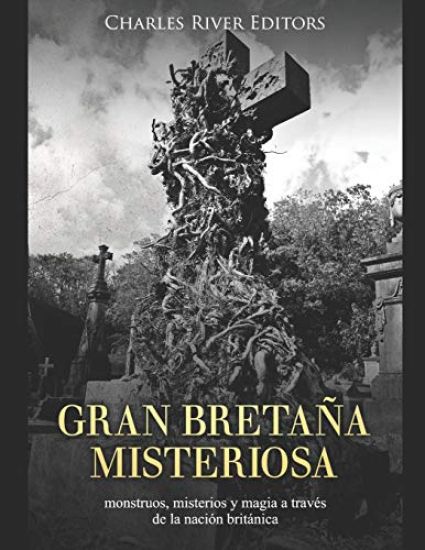
Gran Bretaña misteriosa: monstruos, misterios y magia a través de la nación británica
"Los amuletos anglosajones... son de suma importancia porque proporcionan m s que vagas referencias de textos cortos y excepcionales. No puede decirse que lo revelan todo, pues en numerosos puntos lamentablemente nos fallan, pero son lo suficientemente numerosos y, tomados como un cuerpo, lo suficientemente completos para ofrecer m s que un intrigante atisbo de un mundo extra o. El velo de mistificaci n que envuelve a la magia parece ser aqu delgado y transparente". - G. Storms. Anglo-Saxon Magic Magia anglosajona] (1948)"En Escocia, hermosa como es, siempre estaba lloviendo. Incluso cuando no estaba lloviendo, estaba a punto de llover, o acababa de llover. Tiene un cielo muy enojado." - Colin HayInglaterra es una tierra antigua empapada de historia y tradici n, llena de ruinas prehist ricas, castillos majestuosos y un campo esculpido por milenios de habitaci n humana. Su ondulante campi a est salpicada de t mulos funerarios y c rculos de piedra prehist ricos. Melanc licos castillos contienen historias de sangre y honor. Iglesias medievales tienen ventanas con intrincados vitrales y tallas truculentas, que reflejan una mezcla de esperanza y oscuridad. Cada aldea y caser o posee relatos que se remontan siglos, y festivales tradicionales con ra ces paganas. Por lo tanto, no sorprende que Inglaterra sea una tierra llena de misterios. Durante siglos la gente ha contado historias de fantasmas que acechan en edificios hist ricos, criaturas extra as que merodean en pr stinos bosques, e inexplicables caminos que enlazan sus sitios antiguos. Escocia evoca fuertes im genes en la mente de la mayor a de las personas: castillos y faldas escocesas, brezos y las Tierras Altas. Es un lugar del que muchos son originarios, y un pa s al que muchos les gustar a conocer. Es una tierra antigua, llena de historia y con un futuro prometedor. Sin embargo, no todo en Escocia es lo que parece. Algunos escoceses dicen que es una tierra frecuentada por esp ritus, un lugar de extra as desapariciones y fen menos inexplicables. No hay escasez cuando se trata de hablar de las extra as historias que Escocia tiene para ofrecernos, y las leyendas y las tradiciones orales han llevado a muchos a profundizar un poco m s e incluso a explorar esta maravillosa tierra por s mismos.
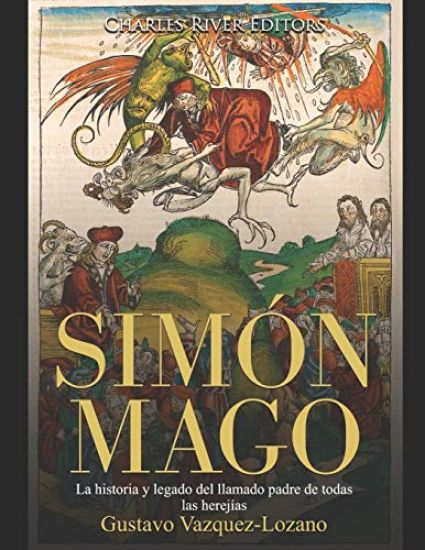
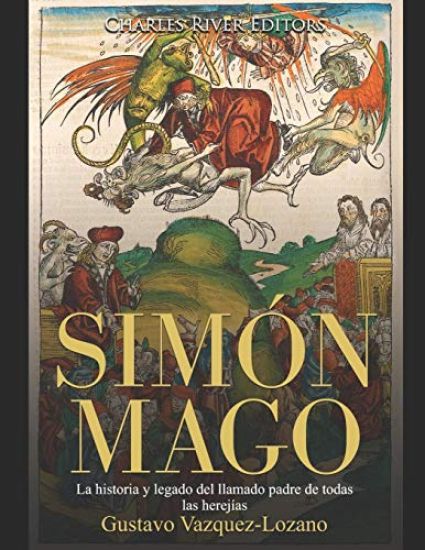
Simón Mago: La historia y legado del llamado padre de todas las herejías
"Sim n, el mago samaritano, fue el primer ministro de las malvadas pr cticas del demonio que surgi . Quien habiendo llegado a la cumbre de la brujer a, al principio convenci a muchos, por los hechos asombrosos que realiz , de asistir a su escuela y llamarlo persona de poderes divinos." - Teodoretus, H reticarum Fabularum CompendiumAparece una sola vez en el Nuevo Testamento, mencionado s lo de pasada en el libro de los Hechos de los Ap stoles; apenas unos vers culos en el canon, pero para la Iglesia primitiva Sim n Mago fue su m s formidable antagonista, un enemigo de proporciones tan colosales que mereci ser llamado "padre de todas las herej as." Su nica menci n en la Biblia ocurre al principio del segundo volumen de Lucas, un peque o altercado con San Pedro que tuvo una feliz resoluci n. Ninguna otra cosa sobre el mago de Samaria que se hac a llamar a s mismo Gran Poder pudo colarse a las escrituras aprobadas. Pero a diferencia de muchos otros personajes que una vez cerrada la Biblia desaparecieron para nunca m s ser mencionados por las fuentes antiguas -Pilatos es el ejemplo t pico- Sim n Mago sobrevivi en los tratados contra las herej as y en la leyenda popular para convertirse en el m s grande ap stata de todos los tiempos, el mal personificado, un hechicero responsable de la mayor corrupci n en la Iglesia, una suerte de demonio con poderes tan espectaculares que, de acuerdo al libro ap crifo Pasi n de San Pedro y San Pablo, fue necesaria la oraci n de los dos pilares de la cristiandad -es decir, la Iglesia toda-, postrados de rodillas ante Dios, para derrotarlo, pues Sim n era asistido por demonios. Fue sin duda el exorcismo m s espectacular de todos los tiempos. ste no fue, sin embargo, el final de Sim n Mago. Despu s de los primeros tres o cuatro siglos de la Iglesia primitiva, cuando todos los te logos de la antig edad le dedicaron p ginas enteras para desaprobarlo y refutar sus doctrinas -las que con frecuencia ni siquiera mencionan- su figura y su leyenda continuaron creciendo. Todav a en la Edad Media circulaban relatos sobre su vida, como compa ero del profeta Mahoma; socio de un poderoso druida de Irlanda llamado Mug Ruith, culpable de que una maldici n cayera sobre los irlandeses; e im genes de c mo sufr a por toda la eternidad en el infierno, enterrado boca abajo, con las piernas de fuera. A pesar de que en la Biblia no se narra la confrontaci n final en Roma entre los ap stoles y Sim n Mago, que volaba sobre la ciudad eterna sostenido por demonios, el momento clim tico de la batalla fue plasmado en innumerables obras de arte, lo que indica que el episodio era bien conocido y pr cticamente gozaba de estatus can nico. Numerosas ilustraciones en antiguos tomos, pinturas y relieves se pueden ver en las iglesias del Viejo Mundo; incluso una de ellas, con una mancha en el piso, presume ser el lugar exacto sobre el que este poderoso mago se desplom a su muerte y encontr su final. Si algo llama la atenci n sobre Sim n Mago en lo que puede leerse sobre l en las fuentes antiguas, es la virulencia -rayando en temor- con la que los Padres de la Iglesia se refieren a l. No sobreviven sus doctrinas, ni los tratados de sus seguidores, si los hubo; lo poco que sabemos sobre l es porque Or genes, Ireneo, Eusebio y otros citan sus ense anzas, para ridiculizarlas, o para filtrar cr menes innombrables y acusarlo de toda clase de perversiones morales. Esta unanimidad en tratar de pintar a Sim n Mago con los colores m s oscuros posibles es justamente lo que lleva a preguntarse qu era exactamente lo que estaban atacando los heresiologistas cristianos, y qu hab a realmente del otro lado, el que ya no podemos escuchar; preguntarse qu responder an sus seguidores ante aquellos ep tetos, y sobre todo, imaginar qu figura formidable pudo haber provocado tal repulsi n a los viejos te logos. Posiblemente el Sim n hist rico podr a ofrecernos
Simón Mago: La historia y legado del llamado padre de todas las herejías
"Sim n, el mago samaritano, fue el primer ministro de las malvadas pr cticas del demonio que surgi . Quien habiendo llegado a la cumbre de la brujer a, al principio convenci a muchos, por los hechos asombrosos que realiz , de asistir a su escuela y llamarlo persona de poderes divinos." - Teodoretus, H reticarum Fabularum CompendiumAparece una sola vez en el Nuevo Testamento, mencionado s lo de pasada en el libro de los Hechos de los Ap stoles; apenas unos vers culos en el canon, pero para la Iglesia primitiva Sim n Mago fue su m s formidable antagonista, un enemigo de proporciones tan colosales que mereci ser llamado "padre de todas las herej as." Su nica menci n en la Biblia ocurre al principio del segundo volumen de Lucas, un peque o altercado con San Pedro que tuvo una feliz resoluci n. Ninguna otra cosa sobre el mago de Samaria que se hac a llamar a s mismo Gran Poder pudo colarse a las escrituras aprobadas. Pero a diferencia de muchos otros personajes que una vez cerrada la Biblia desaparecieron para nunca m s ser mencionados por las fuentes antiguas -Pilatos es el ejemplo t pico- Sim n Mago sobrevivi en los tratados contra las herej as y en la leyenda popular para convertirse en el m s grande ap stata de todos los tiempos, el mal personificado, un hechicero responsable de la mayor corrupci n en la Iglesia, una suerte de demonio con poderes tan espectaculares que, de acuerdo al libro ap crifo Pasi n de San Pedro y San Pablo, fue necesaria la oraci n de los dos pilares de la cristiandad -es decir, la Iglesia toda-, postrados de rodillas ante Dios, para derrotarlo, pues Sim n era asistido por demonios. Fue sin duda el exorcismo m s espectacular de todos los tiempos. ste no fue, sin embargo, el final de Sim n Mago. Despu s de los primeros tres o cuatro siglos de la Iglesia primitiva, cuando todos los te logos de la antig edad le dedicaron p ginas enteras para desaprobarlo y refutar sus doctrinas -las que con frecuencia ni siquiera mencionan- su figura y su leyenda continuaron creciendo. Todav a en la Edad Media circulaban relatos sobre su vida, como compa ero del profeta Mahoma; socio de un poderoso druida de Irlanda llamado Mug Ruith, culpable de que una maldici n cayera sobre los irlandeses; e im genes de c mo sufr a por toda la eternidad en el infierno, enterrado boca abajo, con las piernas de fuera. A pesar de que en la Biblia no se narra la confrontaci n final en Roma entre los ap stoles y Sim n Mago, que volaba sobre la ciudad eterna sostenido por demonios, el momento clim tico de la batalla fue plasmado en innumerables obras de arte, lo que indica que el episodio era bien conocido y pr cticamente gozaba de estatus can nico. Numerosas ilustraciones en antiguos tomos, pinturas y relieves se pueden ver en las iglesias del Viejo Mundo; incluso una de ellas, con una mancha en el piso, presume ser el lugar exacto sobre el que este poderoso mago se desplom a su muerte y encontr su final. Si algo llama la atenci n sobre Sim n Mago en lo que puede leerse sobre l en las fuentes antiguas, es la virulencia -rayando en temor- con la que los Padres de la Iglesia se refieren a l. No sobreviven sus doctrinas, ni los tratados de sus seguidores, si los hubo; lo poco que sabemos sobre l es porque Or genes, Ireneo, Eusebio y otros citan sus ense anzas, para ridiculizarlas, o para filtrar cr menes innombrables y acusarlo de toda clase de perversiones morales. Esta unanimidad en tratar de pintar a Sim n Mago con los colores m s oscuros posibles es justamente lo que lleva a preguntarse qu era exactamente lo que estaban atacando los heresiologistas cristianos, y qu hab a realmente del otro lado, el que ya no podemos escuchar; preguntarse qu responder an sus seguidores ante aquellos ep tetos, y sobre todo, imaginar qu figura formidable pudo haber provocado tal repulsi n a los viejos te logos. Posiblemente el Sim n hist rico podr a ofrecernos
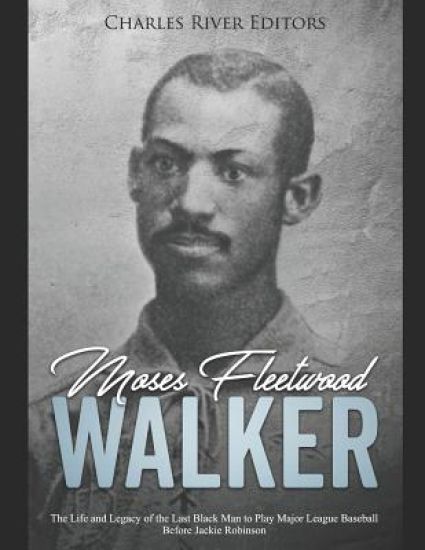
Moses Fleetwood Walker: The Life and Legacy of the Last Black Man to Play Major League Baseball Before Jackie Robinson
*Includes pictures*Includes contemporary accounts*Includes a bibliography for further readingGiven his legacy, many Americans today believe Jackie Robinson was the first black man to play in Major League Baseball, but that answer is wrong. As far back as the late 19th century, there had been professional baseball leagues that were every bit as segregated as any other aspect of society, but before that, there were, for a brief shining moment, there were teams of black and white men playing with and against each other. One of the first black men to play on such a team was Moses Fleetwood Walker, and he was the first who openly identified as black. In an essay entitled "African-Americans in Toledo Sports," one author observed, "Moses Fleetwood Walker's promising but all too short professional baseball career mirrors the experience of most of the great African American ballplayers before the Negro Leagues began play in the early twentieth century. Walker was a gifted defensive catcher and adequate offensive player, but his career would be cut short by racism... Walker, well educated for a man of any race in the late 19th century, respond to this racism first with ambivalence, later with anger, and finally with prose. Walker's seminal work, Our Home Colony put him directly in line with the thoughts and words of future leader Marcus Garvey in his call for a separation of the races and a return of African Americans to Africa." As racism and segregation successfully pushed black players out of professional baseball, it was all but forgotten that professional baseball had once been integrated before Jackie Robinson broke the color barrier, ensuring that the contributions of Walker and other early black athletes would be obscured and then eclipsed. As one of Walker's biographers, David Zang, put it, "Walker was one of a handful of players who were playing in the predominantly white leagues in the 1880s. It doesn't seem that at any point he thought of himself as the 'first.' It was unusual, but others were doing it as well. Given his class and educational background, it is more likely that he was expecting to be absorbed into the mainstream. ... Walker's story is not a happy one, and I realize that people would rather celebrate the high points of history instead of looking back at the lows. Still, I am a little surprised that he hasn't gotten more attention, as he is a truly fascinating character." To this day, over 130 years after he played, Walker's life and his contributions to baseball history remain mostly forgotten, obscuring how a fascinating athlete with many talents experienced racism without letting it break him. Moses Fleetwood Walker: The Life and Legacy of the Last Black Man to Play Major League Baseball Before Jackie Robinson profiles Walker's career, and the influence he had on subsequent players. Along with pictures of important people, places, and events, you will learn about Moses Fleetwood Walker like never before.
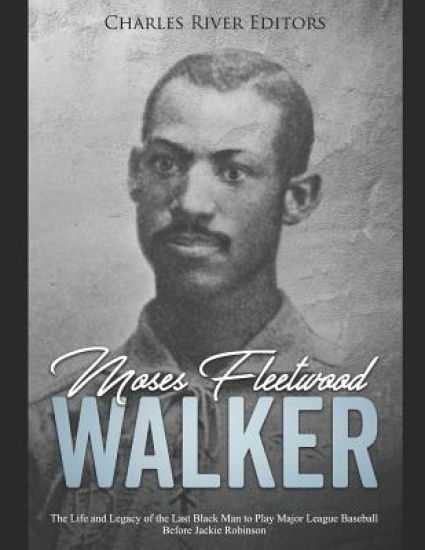
Moses Fleetwood Walker: The Life and Legacy of the Last Black Man to Play Major League Baseball Before Jackie Robinson
*Includes pictures*Includes contemporary accounts*Includes a bibliography for further readingGiven his legacy, many Americans today believe Jackie Robinson was the first black man to play in Major League Baseball, but that answer is wrong. As far back as the late 19th century, there had been professional baseball leagues that were every bit as segregated as any other aspect of society, but before that, there were, for a brief shining moment, there were teams of black and white men playing with and against each other. One of the first black men to play on such a team was Moses Fleetwood Walker, and he was the first who openly identified as black. In an essay entitled "African-Americans in Toledo Sports," one author observed, "Moses Fleetwood Walker's promising but all too short professional baseball career mirrors the experience of most of the great African American ballplayers before the Negro Leagues began play in the early twentieth century. Walker was a gifted defensive catcher and adequate offensive player, but his career would be cut short by racism... Walker, well educated for a man of any race in the late 19th century, respond to this racism first with ambivalence, later with anger, and finally with prose. Walker's seminal work, Our Home Colony put him directly in line with the thoughts and words of future leader Marcus Garvey in his call for a separation of the races and a return of African Americans to Africa." As racism and segregation successfully pushed black players out of professional baseball, it was all but forgotten that professional baseball had once been integrated before Jackie Robinson broke the color barrier, ensuring that the contributions of Walker and other early black athletes would be obscured and then eclipsed. As one of Walker's biographers, David Zang, put it, "Walker was one of a handful of players who were playing in the predominantly white leagues in the 1880s. It doesn't seem that at any point he thought of himself as the 'first.' It was unusual, but others were doing it as well. Given his class and educational background, it is more likely that he was expecting to be absorbed into the mainstream. ... Walker's story is not a happy one, and I realize that people would rather celebrate the high points of history instead of looking back at the lows. Still, I am a little surprised that he hasn't gotten more attention, as he is a truly fascinating character." To this day, over 130 years after he played, Walker's life and his contributions to baseball history remain mostly forgotten, obscuring how a fascinating athlete with many talents experienced racism without letting it break him. Moses Fleetwood Walker: The Life and Legacy of the Last Black Man to Play Major League Baseball Before Jackie Robinson profiles Walker's career, and the influence he had on subsequent players. Along with pictures of important people, places, and events, you will learn about Moses Fleetwood Walker like never before.
The Battle of Khe Sanh: The History and Legacy of the Major Battle that Preceded the Tet Offensive during the Vietnam War
*Includes pictures*Includes a bibliography for further readingBy the end of 1967, with nearly half a million troops deployed, more than 19,000 deaths, and a war that cost $2 billion a month and seemed to grow bloodier by the day, President Lyndon Johnson's administration faced an increasingly impatient and skeptical nation regarding the Vietnam War. Regardless, by then, both sides were preparing to take the war into a new phase. U. S. General William "Westy" Westmoreland, commander of American forces in the theater, planned an aggressive strategy to send forces into Laos and Cambodia to sever the "Ho Chi Minh Trail" and other lines of supply. Without the steady flow of materiel, the efforts of both the Viet Cong and the NVA units beginning to move into action would wither on the vine, laying the groundwork for an American and South Vietnamese triumph. However, unbeknownst to the Americans, the North Vietnamese were planning their own major, hopefully decisive campaign for early 1968. This would come in the form of the Tet Offensive, a coordinated surprise assault on many key locations throughout the conflict zone. Van Tien Dung and Le Duan devised this scheme over the objections of the famous general Vo Nguyen Giap, who left in disgust on medical leave to communist Hungary. Key to both sets of plans was an American base in the extreme northwest of South Vietnam, close to Laos and part of a chain of US and ARVN (South Vietnamese military) bases designed to screen the South from direct invasion by the North. This base bore the name of a town at its location, Khe Sanh. Whether as a jumping off point for potential American operations in Laos, or a relatively isolated target for a sudden offensive, Khe Sanh entered the thoughts of planners on both sides as 1967 drew to a close. As a result, a long siege, punctuated by shorter, more bloody encounters, developed in the early days of 1968. Shortly after the battle, a massive coordinated Viet Cong operation - the Tet Offensive - briefly paralyzed American and South Vietnamese forces across the country, threatening even the American embassy compound in Saigon. With this, the smiling mask slipped even further, inflaming the burgeoning antiwar movement. Although American soldiers didn't lose a battle strategically during the campaign, the Tet Offensive made President Johnson non-credible and historically unpopular, to the extent that he did not run for reelection in 1968. By then, Vietnam had already fueled the hippie counterculture, and anti-war protests spread across the country. On campuses and in the streets, some protesters spread peace and love, but others rioted. In August 1968, riots broke out in the streets of Chicago, as the National Guard and police took on 10,000 anti-war rioters during the Democratic National Convention. By the end of the decade, Vietnam had left tens of thousands of Americans dead, spawned a counterculture with millions of protesters, and destroyed a presidency, and more was still yet to come. Nearly 50 years after the fighting, the Battle of Khe Sanh and the Tet Offensive continue to inspire impassioned and occasionally bitter debates among historians, military officers, government officials, veterans, journalists, and the public at large. Perhaps the only proposition to win universal agreement is that the fighting at the start of 1968 represented a significant turning point. The conflict in Vietnam would continue for years, but it would never be the same. The Battle of Khe Sanh: The History and Legacy of the Major Battle that Preceded the Tet Offensive during the Vietnam War chronicles one of the most controversial battles of the war, and the effects it had on both sides. Along with pictures of important people, places, and events, you will learn about the Battle of Khe Sanh like never before.

The Battle of Khe Sanh: The History and Legacy of the Major Battle that Preceded the Tet Offensive during the Vietnam War
*Includes pictures*Includes a bibliography for further readingBy the end of 1967, with nearly half a million troops deployed, more than 19,000 deaths, and a war that cost $2 billion a month and seemed to grow bloodier by the day, President Lyndon Johnson's administration faced an increasingly impatient and skeptical nation regarding the Vietnam War. Regardless, by then, both sides were preparing to take the war into a new phase. U. S. General William "Westy" Westmoreland, commander of American forces in the theater, planned an aggressive strategy to send forces into Laos and Cambodia to sever the "Ho Chi Minh Trail" and other lines of supply. Without the steady flow of materiel, the efforts of both the Viet Cong and the NVA units beginning to move into action would wither on the vine, laying the groundwork for an American and South Vietnamese triumph. However, unbeknownst to the Americans, the North Vietnamese were planning their own major, hopefully decisive campaign for early 1968. This would come in the form of the Tet Offensive, a coordinated surprise assault on many key locations throughout the conflict zone. Van Tien Dung and Le Duan devised this scheme over the objections of the famous general Vo Nguyen Giap, who left in disgust on medical leave to communist Hungary. Key to both sets of plans was an American base in the extreme northwest of South Vietnam, close to Laos and part of a chain of US and ARVN (South Vietnamese military) bases designed to screen the South from direct invasion by the North. This base bore the name of a town at its location, Khe Sanh. Whether as a jumping off point for potential American operations in Laos, or a relatively isolated target for a sudden offensive, Khe Sanh entered the thoughts of planners on both sides as 1967 drew to a close. As a result, a long siege, punctuated by shorter, more bloody encounters, developed in the early days of 1968. Shortly after the battle, a massive coordinated Viet Cong operation - the Tet Offensive - briefly paralyzed American and South Vietnamese forces across the country, threatening even the American embassy compound in Saigon. With this, the smiling mask slipped even further, inflaming the burgeoning antiwar movement. Although American soldiers didn't lose a battle strategically during the campaign, the Tet Offensive made President Johnson non-credible and historically unpopular, to the extent that he did not run for reelection in 1968. By then, Vietnam had already fueled the hippie counterculture, and anti-war protests spread across the country. On campuses and in the streets, some protesters spread peace and love, but others rioted. In August 1968, riots broke out in the streets of Chicago, as the National Guard and police took on 10,000 anti-war rioters during the Democratic National Convention. By the end of the decade, Vietnam had left tens of thousands of Americans dead, spawned a counterculture with millions of protesters, and destroyed a presidency, and more was still yet to come. Nearly 50 years after the fighting, the Battle of Khe Sanh and the Tet Offensive continue to inspire impassioned and occasionally bitter debates among historians, military officers, government officials, veterans, journalists, and the public at large. Perhaps the only proposition to win universal agreement is that the fighting at the start of 1968 represented a significant turning point. The conflict in Vietnam would continue for years, but it would never be the same. The Battle of Khe Sanh: The History and Legacy of the Major Battle that Preceded the Tet Offensive during the Vietnam War chronicles one of the most controversial battles of the war, and the effects it had on both sides. Along with pictures of important people, places, and events, you will learn about the Battle of Khe Sanh like never before.