Kirjojen hintavertailu – 12 903 725 kirjaa ja 27 kauppaa

Kirjailija

Charles River

Kirjat ja teokset yhdessä paikassa: 4 673 kirjaa, julkaisuja vuosilta 2013–2022, suosituimpiin kuuluu William Powell and Myrna Loy: The Lives and Careers of One of Classical Hollywood's Most Iconic Duos. Vertaile teosten hintoja ja tarkista saatavuus suomalaisista kirjakaupoista.

4 673 kirjaa

Kirjojen julkaisuvuodet: 2013–2022.

Los cananeos y los filisteos: la historia y el legado de los antiguos enemigos de los israelitas en la tierra que se convirtió en Israel
Las personas que deciden aprender sobre el Antiguo Testamento de la Biblia se enfrentan de inmediato a la dif cil propuesta de identificar a los diversos pueblos con los que se encontraron los hebreos y que a veces entraron en conflicto cuando entraron en el territorio que finalmente se convirti en Israel. Los moabitas y los edomitas eran solo dos de los muchos grupos cananeos con los que trataban los hebreos, a menudo de manera violenta, pero hab a docenas de otros grupos cananeos, que en su mayor a se identificaban a trav s de los nombres de sus respectivas ciudades. De hecho, antes de que los hebreos establecieran un reino y antes de que los fenicios colonizaran gran parte del Mediterr neo, los cananeos fueron el grupo m s importante en el Levante durante gran parte de la Edad del Bronce y en la temprana Edad del Hierro. Aunque los cananeos nunca crearon un estado-naci n o reino unificado, su importancia en el antiguo Cercano Oriente no puede ser subestimada. Fue al menos en parte debido a que los cananeos no pudieron resistir a sus vecinos m s grandes y poderosos que la persona promedio de hoy sabe muy poco sobre su historia, pero los estudios modernos han revelado que desarrollaron una religi n nica que influy en los no cananeos. pueblos y continuaron practic ndose en alguna forma siglos despu s de que los cananeos dejaron de ser un pueblo identificable. Adem s, durante el apogeo de la Edad de Bronce, los cananeos proporcionaron importantes recursos a los imperios egipcios e hititas y jugaron un papel clave en el juego geopol tico de ajedrez entre esos dos reinos. Tampoco hace falta decir que los cananeos tambi n fueron un factor en el establecimiento del Reino de Israel, ya que las batallas que perdieron a los hebreos se convirtieron en la base del reino jud o. Hoy en d a, el t rmino "filisteo" se usa a menudo como un eufemismo para una persona que es particularmente grosera, inculta, ignorante y posiblemente violenta. La mayor a de las personas probablemente no conocen la etimolog a de la palabra cuando la usan, y aquellos que probablemente solo conocen a los filisteos como villanos del Antiguo Testamento que fueron los enemigos eternos de los hebreos antes e inmediatamente despu s de que ste formara el reino de Israel. Otros pueden conocer a los filisteos de la historia b blica de David y Goliat, ya que el "gigante" no solo era mucho m s grande que David, sino que tambi n era un l der filisteo que comandaba una gran cantidad de hombres. Aunque el Antiguo Testamento proporciona una fuente cre ble para algunos aspectos de la cultura filistea, naturalmente pinta una imagen de ellos como un grupo de guerreros sedientos de sangre cuyo nico prop sito era oprimir a los hebreos / israelitas. Cuando se corrobor con fuentes egipcias y mesopot micas antiguas, junto con estudios arqueol gicos modernos, un examen revela que la reputaci n que ganaron los filisteos del Antiguo Testamento estaba parcialmente justificada, pero que tambi n hab a mucho m s en la cultura filistea. De hecho, la evidencia indica que si bien los filisteos fueron una sociedad guerrera que luch con los israelitas durante varios a os, tambi n desarrollaron aspectos avanzados de su cultura, incluido el gobierno sofisticado, una religi n nica y el arte (especialmente la cer mica). Es posible que los filisteos no hayan desarrollado un extenso imperio como lo hicieron los egipcios, babilonios y asirios, pero sus contribuciones a la historia del antiguo Cercano Oriente tampoco fueron m nimas. La presencia e influencia de los filisteos en la historia del antiguo Oriente Pr ximo fue breve, y su salida del registro hist rico fue especialmente r pida, pero mientras estaban alrededor de ellos, eran una fuerza a tener en cuenta en la regi n.
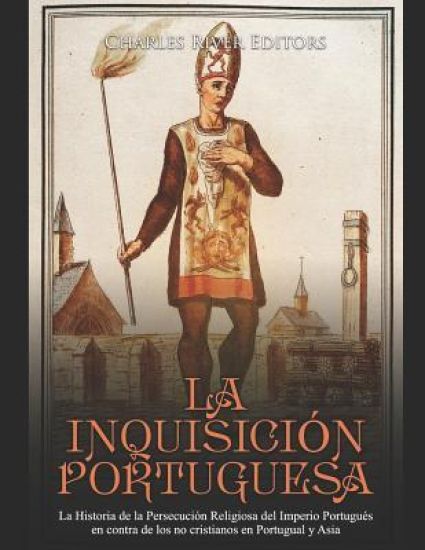
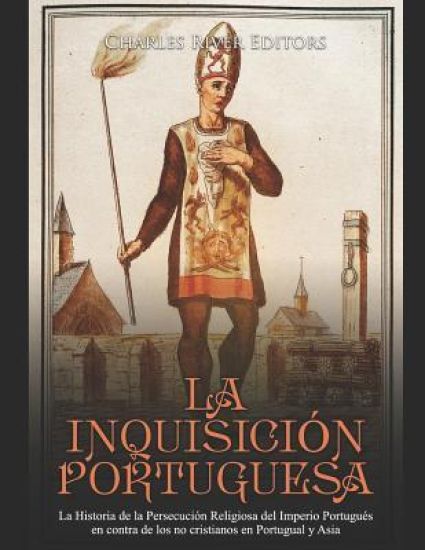
La Inquisición Portuguesa: La Historia de la Persecución Religiosa del Imperio Portugués en contra de los no cristianos en Portugual y Asia
"Goa es tristemente famosa por su inquisici n, contraria por igual a la humanidad y el comercio. Los monjes portugueses nos hicieron creer que la gente adoraba al diablo, y son ellos quienes lo han servido." - VoltairePara mediados del siglo XV, el Imperio Bizantino se hab a derrumbado y las diversas Cruzadas que hab an tenido lugar en la regi n hab an trastocado el buen funcionamiento de las rutas terrestres del comercio y la Ruta de la Seda. Para agravar las dificultades, en lugar de los bizantinos surgi el Imperio otomano y el estall la Muerte Negra en Europa. Fue aproximadamente en esa poca cuando comenz un per odo de exploraci n en Europa. Los factores principales que contribuyeron a ese auge de la exploraci n se deben a los chinos, aunque de manera indirecta. La br jula magn tica ya hab a sido desarrollada y utilizada por los navegantes chinos desde el siglo XII, aunque se hab a creado en el siglo III AC como un dispositivo para la adivinaci n. Luego, la Dinast a Song comenz a usar ese instrumento para la navegaci n terrestre en el siglo XI, y poco despu s los marineros comenzaron a utilizarlo. El avance tecnol gico se disemin lentamente hacia el occidente a trav s de los comerciantes rabes, aunque se puede argumentar que la br jula tambi n se cre de manera independiente en Europa (Southey 1812: 210). En cualquier caso, en el siglo XIII la br jula ya hab a llegado a manos de los comerciantes occidentales, justo en el momento en que la actividad comercial aumentaba en toda Europa. El comercio europeo pudo aumentar en todo el mundo debido a la introducci n de barcos m s efectivos, y algunas de las mejoras que se hicieron a stos fueron introducidas por primera vez por los chinos. La introducci n de barcos de varios m stiles y timones de popa permitieron a los barcos viajar m s r pido y hacerlos m s maniobrables. A comienzos del siglo XV los barcos eran mucho m s grandes y capaces de soportar viajes de gran distancia con un menor n mero de tripulantes a bordo. As , los portugueses comenzaron a explorar la costa oeste de frica y el Atl ntico bajo las rdenes del pr ncipe Enrique el Navegante. En este punto, los europeos a n no hab an sido capaces de navegar completamente alrededor de frica, ya que los barcos que se estaban construyendo todav a no eran capaces de navegar muy lejos de la costa y la navegaci n en aguas abiertas era dif cil, pero los portugueses continuaron avanzando hacia el sur por la costa occidental africana buscando la manera de evitar a los otomanos y musulmanes de frica, que hab an estado dificultando las rutas comerciales por tierra. En 1451, el pr ncipe Enrique el Navegante ayud a financiar y desarrollar un nuevo tipo de barco, la carabela, que contaba con velas de cuchillo triangulares y pod a viajar en mar abierto y navegar contra el viento. En 1488 Bartolom D az remont el extremo sur de frica, que fue nombrado Cabo de Buena Esperanza por el rey Juan de Portugal, y entr al Oc ano ndico desde el Atl ntico. Un explorador, Crist bal Col n, busc fondos de los portugueses para encontrar un pasaje a Asia navegando hacia el oeste, pero fue rechazado. En ese momento, a finales del siglo XV, el dominio portugu s de las rutas mar timas en frica occidental impuls a la vecina Corona de Castilla y a los monarcas cat licos de Espa a a buscar una ruta alternativa hacia el sur y el este de Asia (la zona denominada las Indias), por lo que proporcionaron a Col n el dinero que requer a. En ltima instancia, Col n descubri Am rica en 1492, y con el tiempo se establecier an los espa oles en las "Indias Occidentales".
La Inquisición Portuguesa: La Historia de la Persecución Religiosa del Imperio Portugués en contra de los no cristianos en Portugual y Asia
"Goa es tristemente famosa por su inquisici n, contraria por igual a la humanidad y el comercio. Los monjes portugueses nos hicieron creer que la gente adoraba al diablo, y son ellos quienes lo han servido." - VoltairePara mediados del siglo XV, el Imperio Bizantino se hab a derrumbado y las diversas Cruzadas que hab an tenido lugar en la regi n hab an trastocado el buen funcionamiento de las rutas terrestres del comercio y la Ruta de la Seda. Para agravar las dificultades, en lugar de los bizantinos surgi el Imperio otomano y el estall la Muerte Negra en Europa. Fue aproximadamente en esa poca cuando comenz un per odo de exploraci n en Europa. Los factores principales que contribuyeron a ese auge de la exploraci n se deben a los chinos, aunque de manera indirecta. La br jula magn tica ya hab a sido desarrollada y utilizada por los navegantes chinos desde el siglo XII, aunque se hab a creado en el siglo III AC como un dispositivo para la adivinaci n. Luego, la Dinast a Song comenz a usar ese instrumento para la navegaci n terrestre en el siglo XI, y poco despu s los marineros comenzaron a utilizarlo. El avance tecnol gico se disemin lentamente hacia el occidente a trav s de los comerciantes rabes, aunque se puede argumentar que la br jula tambi n se cre de manera independiente en Europa (Southey 1812: 210). En cualquier caso, en el siglo XIII la br jula ya hab a llegado a manos de los comerciantes occidentales, justo en el momento en que la actividad comercial aumentaba en toda Europa. El comercio europeo pudo aumentar en todo el mundo debido a la introducci n de barcos m s efectivos, y algunas de las mejoras que se hicieron a stos fueron introducidas por primera vez por los chinos. La introducci n de barcos de varios m stiles y timones de popa permitieron a los barcos viajar m s r pido y hacerlos m s maniobrables. A comienzos del siglo XV los barcos eran mucho m s grandes y capaces de soportar viajes de gran distancia con un menor n mero de tripulantes a bordo. As , los portugueses comenzaron a explorar la costa oeste de frica y el Atl ntico bajo las rdenes del pr ncipe Enrique el Navegante. En este punto, los europeos a n no hab an sido capaces de navegar completamente alrededor de frica, ya que los barcos que se estaban construyendo todav a no eran capaces de navegar muy lejos de la costa y la navegaci n en aguas abiertas era dif cil, pero los portugueses continuaron avanzando hacia el sur por la costa occidental africana buscando la manera de evitar a los otomanos y musulmanes de frica, que hab an estado dificultando las rutas comerciales por tierra. En 1451, el pr ncipe Enrique el Navegante ayud a financiar y desarrollar un nuevo tipo de barco, la carabela, que contaba con velas de cuchillo triangulares y pod a viajar en mar abierto y navegar contra el viento. En 1488 Bartolom D az remont el extremo sur de frica, que fue nombrado Cabo de Buena Esperanza por el rey Juan de Portugal, y entr al Oc ano ndico desde el Atl ntico. Un explorador, Crist bal Col n, busc fondos de los portugueses para encontrar un pasaje a Asia navegando hacia el oeste, pero fue rechazado. En ese momento, a finales del siglo XV, el dominio portugu s de las rutas mar timas en frica occidental impuls a la vecina Corona de Castilla y a los monarcas cat licos de Espa a a buscar una ruta alternativa hacia el sur y el este de Asia (la zona denominada las Indias), por lo que proporcionaron a Col n el dinero que requer a. En ltima instancia, Col n descubri Am rica en 1492, y con el tiempo se establecier an los espa oles en las "Indias Occidentales".
Krampus: A História e o Legado da Figura Mitológica que Castiga Crianças na Época de Natal
"' tarde noite na Baviera e por toda a aldeia Os adultos est o embriagados, cheios de cerveja e outras bebidas;Enquanto as crian as tremem, escondendo-se fundo nas suas camas, Receosos de que o Krampus arranque as suas cabe as." - Ann Hart, "Krampusnacht" (2016) "O Natal o feriado mais importante do ano. Ap s os dias que exaltam o orgulho nacional de cada pa s, como o Dia da Independ ncia nos Estados Unidos, o Dia da Vit ria na R ssia ou o Dia da Bastilha em Fran a, o 25 de Dezembro que articula a vida, o trabalho e a economia em grande parte do mundo, inclusive em muitos pa ses n o crist os. Desde a antiguidade que o come o do inverno tem sido a ocasi o para a maioria das pessoas comerem, beberem, dan arem e reunirem-se para tamborilar e fazer uma pausa. Um dos aspetos mais famosos do Natal o Pai Natal, uma figura mitol gica com muitos cognomes, como Kris Kringle, Santa Claus e Papai Noel, entre outros. Os entusiastas da cultura pop sabem retra ar as ra zes do Pai Natal at S o Nicolau, e amplamente aceite que a Coca-Cola fabricou a imagem contempor nea do Pai Natal assumida pelo mundo de hoje. Em ambos os casos, eles est o apenas parcialmente corretos porque, na realidade, o Pai Natal uma fus o vibrante de diferentes figuras que aparecem no folclore de diversos pa ses ao longo de v rios s culos. Embora o Pai Natal tivesse muitas influ ncias, a mais famosa a de S o Nicolau, um filantropo ferozmente religioso que dedicou a sua vida a ajudar os mais desfavorecidos. Ele n o era apenas um bispo estimado, era tamb m um fervoroso defensor da f que permaneceu destemido quando confrontado com a persegui o. Marc -lo como um indiv duo piedoso e temente a Deus seria um eufemismo enorme - na verdade, ele era, para aqueles que o rodeavam, a defini o de uma divindade ambulante e um milagreiro inigual vel enviado diretamente do C u. Ap s a morte de Nicolau de Mira, o 6 de Dezembro tornou-se o dia da sua comemora o e, ao longo dos s culos, as crian as anteciparam a sua vinda com presentes. No entanto, outras crian as, particularmente as de natureza mais travessa, tremiam sob as cobertas no dia 6 de Dezembro, porque n o podiam ansiar pelo tinir dos sinos do tren ou pelas risadas contagiantes. Em vez disso, elas temiam os sons desconcertantes da respira o pesada, dos grunhidos guturais e do chocalhar das correntes pesadas que acompanhavam o terr fico Krampus. Apesar dos melhores esfor os da Igreja Cat lica e de outros grupos conservadores, o Krampus est no centro de um importante renascimento, imiscuindo-se n o s na literatura moderna, mas surgindo, inclusivamente, como um elemento permanente da cultura pop. Isto evidenciado pelos recentes pap is de protagonista da criatura nos filmes Krampus: O Terror do Natal, Night of the Krampus e Krampus: 12 Mortes no Natal, e as suas apari es em programas de televis o e anima es como Grimm, Supernatural, American Dad e Venture Brothers. Krampus: A Hist ria e o Legado da Figura Mitol gica que Castiga Crian as na poca de Natal examina as influ ncias pag s e crist s do vil o do Yuletide e mergulha na hist ria fascinante e assustadora por detr s da criatura. Com fotos que retratam pessoas, lugares e eventos importantes, o seu conhecimento sobre o Krampus ser enriquecido como nunca imaginou.
Krampus: A História e o Legado da Figura Mitológica que Castiga Crianças na Época de Natal
"' tarde noite na Baviera e por toda a aldeia Os adultos est o embriagados, cheios de cerveja e outras bebidas;Enquanto as crian as tremem, escondendo-se fundo nas suas camas, Receosos de que o Krampus arranque as suas cabe as." - Ann Hart, "Krampusnacht" (2016) "O Natal o feriado mais importante do ano. Ap s os dias que exaltam o orgulho nacional de cada pa s, como o Dia da Independ ncia nos Estados Unidos, o Dia da Vit ria na R ssia ou o Dia da Bastilha em Fran a, o 25 de Dezembro que articula a vida, o trabalho e a economia em grande parte do mundo, inclusive em muitos pa ses n o crist os. Desde a antiguidade que o come o do inverno tem sido a ocasi o para a maioria das pessoas comerem, beberem, dan arem e reunirem-se para tamborilar e fazer uma pausa. Um dos aspetos mais famosos do Natal o Pai Natal, uma figura mitol gica com muitos cognomes, como Kris Kringle, Santa Claus e Papai Noel, entre outros. Os entusiastas da cultura pop sabem retra ar as ra zes do Pai Natal at S o Nicolau, e amplamente aceite que a Coca-Cola fabricou a imagem contempor nea do Pai Natal assumida pelo mundo de hoje. Em ambos os casos, eles est o apenas parcialmente corretos porque, na realidade, o Pai Natal uma fus o vibrante de diferentes figuras que aparecem no folclore de diversos pa ses ao longo de v rios s culos. Embora o Pai Natal tivesse muitas influ ncias, a mais famosa a de S o Nicolau, um filantropo ferozmente religioso que dedicou a sua vida a ajudar os mais desfavorecidos. Ele n o era apenas um bispo estimado, era tamb m um fervoroso defensor da f que permaneceu destemido quando confrontado com a persegui o. Marc -lo como um indiv duo piedoso e temente a Deus seria um eufemismo enorme - na verdade, ele era, para aqueles que o rodeavam, a defini o de uma divindade ambulante e um milagreiro inigual vel enviado diretamente do C u. Ap s a morte de Nicolau de Mira, o 6 de Dezembro tornou-se o dia da sua comemora o e, ao longo dos s culos, as crian as anteciparam a sua vinda com presentes. No entanto, outras crian as, particularmente as de natureza mais travessa, tremiam sob as cobertas no dia 6 de Dezembro, porque n o podiam ansiar pelo tinir dos sinos do tren ou pelas risadas contagiantes. Em vez disso, elas temiam os sons desconcertantes da respira o pesada, dos grunhidos guturais e do chocalhar das correntes pesadas que acompanhavam o terr fico Krampus. Apesar dos melhores esfor os da Igreja Cat lica e de outros grupos conservadores, o Krampus est no centro de um importante renascimento, imiscuindo-se n o s na literatura moderna, mas surgindo, inclusivamente, como um elemento permanente da cultura pop. Isto evidenciado pelos recentes pap is de protagonista da criatura nos filmes Krampus: O Terror do Natal, Night of the Krampus e Krampus: 12 Mortes no Natal, e as suas apari es em programas de televis o e anima es como Grimm, Supernatural, American Dad e Venture Brothers. Krampus: A Hist ria e o Legado da Figura Mitol gica que Castiga Crian as na poca de Natal examina as influ ncias pag s e crist s do vil o do Yuletide e mergulha na hist ria fascinante e assustadora por detr s da criatura. Com fotos que retratam pessoas, lugares e eventos importantes, o seu conhecimento sobre o Krampus ser enriquecido como nunca imaginou.
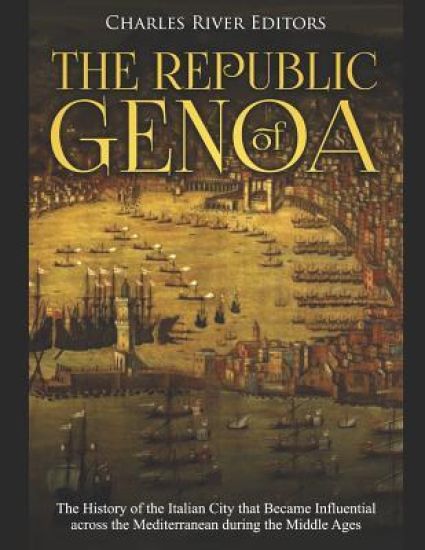
The Republic of Genoa: The History of the Italian City that Became Influential across the Mediterranean during the Middle Ages
*Includes pictures*Includes contemporary accounts*Includes online resources and a bibliography for further reading"Can we ascribe the stability and wisdom of the Venetian government, through so many ages, to any thing but the form of government? And is it not easy to point out those defects in the original constitution, which produced the tumultuous governments of Athens and Rome, and ended at last in the ruin of these two famous republics? And so little dependance has this affair on the humours and education of particular men, that one part of the same republic may be wisely conducted, and another weakly, by the same men, merely on account of the difference of the forms and institutions, by which these parts are regulated. Historians inform us that this was actually the case of Genoa. For while the state was always full of sedition, and tumult, and disorder, the bank of St. George, which had become a considerable part of the people, was conducted, for several ages, with the utmost integrity and wisdom." - David HumeIf Venice, Florence, and Rome are the top three, they are often followed by Pisa, Sienna, and Naples, not to mention the islands of Sardinia and Sicily. Indeed, Genoa would come towards the end of a much longer list, and it might be most closely associated with its famous native son, Christopher Columbus, who ultimately sailed for Spain. For avid tourists, Genoa might be the port of call for those wishing to visit the stunning Cinque Terre on the Ligurian coast nearby, and for an expert in world politics, the city of Genoa might recall the memories of the tragic events of the 27th G8 summit in July 2001, when, at the height of the anti-globalization movement, protests turned violent and resulted in the death of a 23-year-old Carlo Giuliani. In today's news, Genoa might represent Italy's crumbling infrastructure and the apparent powerlessness of its government to repair it - on Tuesday, August 14, 2018, one of the main bridges of the city, the Morandi Bridge, collapsed, killing 43 people and leaving 600 homeless. The bridge's demise also destroyed Italy's reputation as an expert in mechanical engineering. Although Genoa cannot compete in the popular imagination with some of Italy's more famous cities, this busy port town perched above the sea once boasted a powerful empire that rivaled that of Venice. It also lasted for roughly the same time period, rising in the early Middle Ages and coming to an end at the hands of Napoleon Bonaparte near the end of the 18th century. Beyond its own success, the city's position at the head of the Mediterranean gave it an important strategic location from which to observe Italian and European history, as well as the world beyond. Today, historians are starting to correct the imbalance that has focused on Venice, Florence and Rome, and new histories are gradually introducing Genoa to the world, even as much remains to be uncovered. The Republic of Genoa: The History of the Italian City that Became Influential across the Mediterranean during the Middle Ages examines the highs and lows of Genoa La Superba ("The Proud"), including its humble origins in the 1st century CE, its felicitous rise after the fall of the Roman Empire, its golden age as a mercantile power during the "Genoese Century," and its demise at the hands of Napoleon Bonaparte in 1797. Along with pictures of important people, places, and events, you will learn about Genoa like never before.
Mansa Musa and Timbuktu: The History of the West African Emperor and Medieval Africa's Most Fabled City
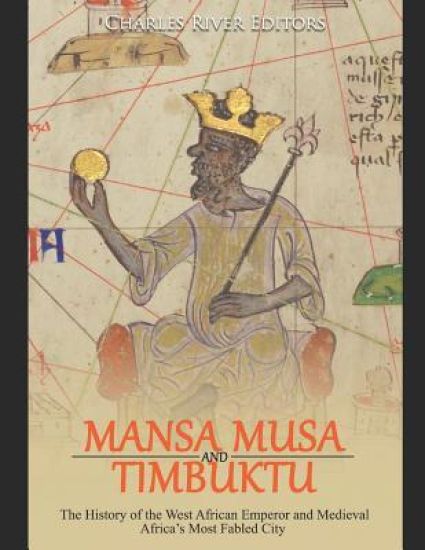
*Includes pictures*Includes contemporary accounts*Includes online resources and a bibliography for further reading"From the far reaches of the Mediterranean Sea to the Indus River, the faithful approached the city of Mecca. All had the same objective to worship together at the most sacred shrine of Islam, the Kaaba in Mecca. One such traveler was Mansa Musa, Sultan of Mali in Western Africa. Mansa Musa had prepared carefully for the long journey he and his attendants would take. He was determined to travel not only for his own religious fulfillment but also for recruiting teachers and leaders so that his realms could learn more of the Prophet's teachings." - Mahmud Kati, Chronicle of the SeekerRecent research has revealed that the richest person of all time lived in the 14th century in West Africa and went by many names, including Kankan Musa Keita, Emir of Melle, Lord of the Mines of Wangara, Conqueror of Ghanata and the Lion of Mali II, but today he is usually referred to as Mansa Musa. Adjusting his wealth to modern values, he was worth about an estimated $400 billion as the Sultan of ancient Mali, which controlled the trade routes across the Sahara Desert. About 6,000 years ago, the ancient Sahara was a tropical jungle with lush grasslands and substantial rivers until it moved north of the Equator as a result of tectonic plate movements. The seismic activity changed the location of land and the composition of the atmosphere. The African Humid Period seems to have ended relatively quickly, taking a couple of thousand years before being replaced by a much drier climate, and this started a process of desertification that forced many animals and human inhabitants to the outer edges of the immense desert. There would have been passages through the area that vanished as the harsh climate inexorably clawed at the mountains and hills, turning them into the sand that obliterated all traces of their ever having been there. By about 600 BCE, the terrain and habitat had become much less hospitable, so much so that it was no longer possible to use horses and oxen to carry commodities. As a result, trading became difficult and sporadic and slowly disappeared. This all changed when camels were introduced to the Sahara, initially via Roman invaders and then with the Berber traders from Arabia moving across North Africa in search of gold and salt. As they reached the southern Sahel, they encountered the old established trading system and routes of the Garamantes, the people who handled the trade in and out of the Sahara from West Africa. The combination of the use of camels with the already re-established West African trade routes brought about rapid economic progress that resulted in the area supplying more than half the world's gold for more than 1,000 years, beginning around 400 CE. Of course, this timing coincided with the rise of global trade routes such as the Silk Road and the beginning of Europe's Age of Discovery. By the 12th century, it was believed that far to the east, beyond the lands controlled by the Muslim armies, lived a powerful Christian king named Prester John in the land of India. While he was a king, he was also a priest ("Prester" means Priest and was supposedly the only title he took). His kingdom was believed to be grand and contained many wonders. Marco Polo looked for Prester John, and the Crusaders wanted to reach out to Prester John. Portugal's Henry the Navigator sent his ships out with explicit instructions of what they should do if they met Prester John, and on his historic voyages, Columbus carried two books, The Travels of Marco Polo and The Travels of Sir John Mandeville, both of which have long passages on Prester John. The belief in the existence of fabled African kingdoms and kings ensured that real African kings were also shrouded in lore, and few would become as legendary as Mansa Musa.
Jan Hus: The Life and Legacy of the Christian Theologian Executed for Heresy Before the Reformation
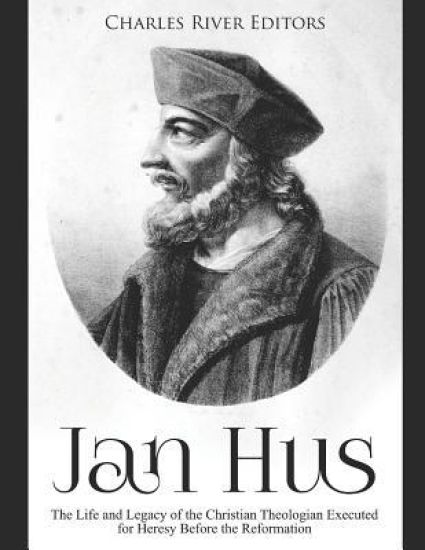
*Includes pictures*Includes contemporary accounts*Includes a bibliography for further reading"Therefore, faithful Christian, seek the truth, listen to the truth, learn the truth, love the truth, tell the truth, learn the truth, defend the truth even to death." - Jan HusTheologian and reformer John Wycliffe never had the opportunity to take his doctrines outside of his native England, but he could never have imagined that his teachings would one day travel as far as 920 miles east to Bohemia. In fact, while his contentious convictions aroused much ado at home, receiving both praise and contempt from followers and ecclesiastical figures, his messages would be far more resonant across the Channel than they ever were back home. The revival of Wycliffe's ideas, many believe, was ignited by receptive Bohemian students who were introduced to the reformer's works at Oxford University and became so moved by his thoughts that they felt it absolutely imperative to spread the good word in their own kingdoms. Questioning Christians quietly perused compilations of Wycliffe's books and were, at the very least, intrigued by the nonconformist's opinions. One curious mind, however, was supposedly so inspired by Wycliffe that he was at once galvanized into action. Instead of simply parroting Wycliffe's seditious ideas, he launched an entire movement and remained fervidly true to his cause, even when his own life was at stake. This fearless firebrand was none other than Jan Hus, the father of the Bohemian Reformation and one of the most infamous heretics in all of Europe. The parallels between the lives of Wycliffe and his Czech devotee were as numerous as they were uncanny. For starters, both Wycliffe and Hus came from humble beginnings, and they shared a number of similar accomplishments, including the translation of the Bible into their native languages well before Gutenberg invented the printing press. Wycliffe was apparently the first to render the Bible into English, while Hus and his successors revised the Bohemian (medieval Czech) Bible. If Wycliffe was the "Morning Star of the Reformation," Hus was the Guiding Star of the movement. Hus started as a Czech priest, but he quickly became notorious for debating several Church doctrines such as the Eucharist, Church ecclesiology, and many more topics. Today, he is viewed as a predecessor of the Lutherans, but the Church viewed him as a threat, and the Catholics eventually engaged Hus' followers (known as Hussites) in several battles in the early 15th century. Hus himself was burned at the stake in 1415, but his followers fought on in a series of battles known as the Hussite Wars, and Czechoslovakia's inhabitants by and large remained Hussite afterward. About 100 years later, Martin Luther would spark the Reformation across the continents. Jan Hus: The Life and Legacy of the Christian Theologian Executed for Heresy Before the Reformation chronicles the reformer's life and teachings, and the influence he had in the wake of his death. Along with pictures of important people and places, you will learn about Hus like never before.
Motor City: The History of the Fur Trade Outpost that Became Detroit
*Includes pictures*Includes a bibliography for further readingFew cities epitomize the best and worst of the United States like Detroit, which started as a remote trading post and grew into an industrious town before exploding into a bustling city. That city then fell, leaving a legacy of anger and despair only recently beginning to turn things around. At the same time, the same mighty city that proved capable of arming a nation at war found itself seething with social conflict. The massive labor force fought hard for their rights, as did the African-Americans fleeing Jim Crow in the South. Through conflict, compromise, and industry, Detroit, but like many others across the nation, the city failed to prepare for a post-industrial age, and the once prosperous city descended into disrepair and disuse. From that despair came anger, then resolution. Detroit would rebuild, and though those efforts were in many ways successful, the city is still reaching for its former glory. Motor City: The History of the Fur Trade Outpost that Became Detroit looks at the history of one of the Midwest's biggest cities. Along with pictures of important people, places, and events, you will learn about Detroit like never before.
Motor City: The History of the Fur Trade Outpost that Became Detroit
*Includes pictures*Includes a bibliography for further readingFew cities epitomize the best and worst of the United States like Detroit, which started as a remote trading post and grew into an industrious town before exploding into a bustling city. That city then fell, leaving a legacy of anger and despair only recently beginning to turn things around. At the same time, the same mighty city that proved capable of arming a nation at war found itself seething with social conflict. The massive labor force fought hard for their rights, as did the African-Americans fleeing Jim Crow in the South. Through conflict, compromise, and industry, Detroit, but like many others across the nation, the city failed to prepare for a post-industrial age, and the once prosperous city descended into disrepair and disuse. From that despair came anger, then resolution. Detroit would rebuild, and though those efforts were in many ways successful, the city is still reaching for its former glory. Motor City: The History of the Fur Trade Outpost that Became Detroit looks at the history of one of the Midwest's biggest cities. Along with pictures of important people, places, and events, you will learn about Detroit like never before.
Czechoslovakia and Yugoslavia: The History and Legacy of the Multiethnic Nations that Split Apart after the Cold War
*Includes pictures*Includes a bibliography for further readingOn New Year's Day 1993, Czechoslovakia broke into two separate countries, the Czech Republic and Slovakia. Thus ended one of the creations brought about by the Treaty of Versailles after World War I, and as a country that had existed for just under 75 years, Czechoslovakia spent most of its time under the tyranny of fascism or communism. Of course, the country's origins go back far longer than the 1910s, and they were complex and convoluted. The very geography of central Europe meant this territory had been conquered and occupied many times over the course of history, and for much of the modern era, the area belonged to much larger empires, including the Holy Roman Empire, the Austrian Habsburg Empire, and finally the Austro-Hungarian Empire. Nevertheless, two distinct ethnicities had come to make up the bulk of the territory's inhabitants: the Czechs, predominantly in the areas of Bohemia and Moravia, and the Slovaks, in Slovakia. Both peoples had their own Slavic-based languages, but the languages were similar enough to be mutually intelligible. Czechoslovakia's split was mostly peaceful, which stands in stark contrast to that of Yugoslavia, arguably one of the most unusual geopolitical creations of the 20th century. The Yugoslav state had never existed in any historical sense, and the ties that bound together its constituent peoples were tenuous at best. Although nominally all "Slavs," the country was an amalgamation of languages, alphabets, cultures, religions and traditions, which ensured its short existence was littered with splits, conflicts, and shocking violence. In a sense, it's somewhat surprising that it lasted as long as it did. In the wake of World War I, as the political boundaries of Europe and the Middle East were redrawn, the Kingdom of Yugoslavia, initially known as the Kingdom of Serbs, Croats and Slovenes, came into existence with a monarch as its head of state. Confirmed at the 1919 Versailles Conference, the "first" Yugoslavia was a particularly fragile enterprise, and there was almost constant tension between the majority Serbs and the other Yugoslav nationalities, especially the Croats. As a result, the Kingdom was a land of political assassinations, underground terrorist organizations, and ethnic animosities. In 1929, King Alexander I suspended democracy and ruled as a dictator until he himself was assassinated in 1934. The Kingdom of Yugoslavia was particularly vulnerable to the forces that engulfed the rest of Europe at the end of the 1930s, including fascism and communism. When the Axis forces attacked in 1941, the country quickly capitulated and was dismembered by the Nazis and their allies. A separate Croatian state was formed, led by Ante Pavelic, who committed some of the worst crimes and human rights abuses of the war. The Balkan region was virtually emptied of its Jewish population, victims of the Nazi Holocaust. During his reign, Tito managed to quash the intense national feelings of the diverse groups making up the Yugoslavian population, and he did so through several methods. He managed to successfully play the two superpower rivals, the United States and Soviet Union, off against each other during the Cold War, and in doing so, he maintained a considerable amount of independence from both, even as he additionally received foreign aid to keep his regime afloat. All the while he remained defiant, once penning a legendary letter to Joseph Stalin warning the Soviet dictator, "To Joseph Stalin: Stop sending people to kill me We've already captured five of them, one of them with a bomb and another with a rifle... If you don't stop sending killers, I'll send a very fast working one to Moscow and I certainly won't have to send another."
Japan and World War I: The History of the Japanese Empire's Participation in the Great War
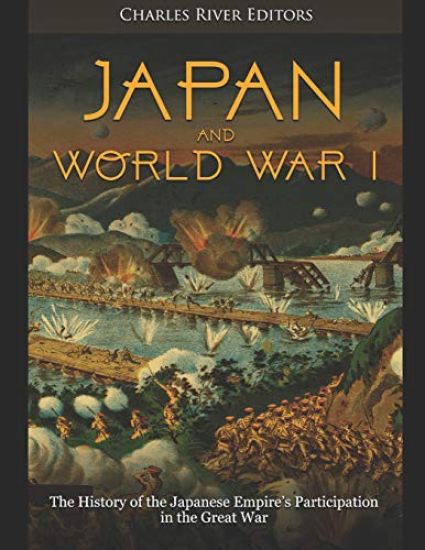
*Includes pictures*Includes online resources and a bibliography for further readingWorld War I, also known in its time as the "Great War" or the "War to End all Wars", was an unprecedented holocaust in terms of its sheer scale. Fought by men who hailed from all corners of the globe, it saw millions of soldiers do battle in brutal assaults of attrition which dragged on for months with little to no respite. Tens of millions of artillery shells and untold hundreds of millions of rifle and machine gun bullets were fired in a conflict that demonstrated man's capacity to kill each other on a heretofore unprecedented scale, and as always, such a war brought about technological innovation at a rate that made the boom of the Industrial Revolution seem stagnant. Needless to say, the First World War came at an unfortunate time for those who would fight in it, and while the role of Japan in World War II is widely known, Japan's important role in the First World War is mostly overlooked. The Japanese contribution to the defeat of Germany and the Central Powers was important enough for Japan to be included among the Big Five Allied delegations at the 1919 peace negotiations, along with the British, French, Italians and Americans, but it also served as a precursor of sorts for what would transpire a generation later. In the Second World War, Japanese forces ranged over an immense portion of the globe, from Hawaii to Sri Lanka, but during World War I, Japanese naval forces spanned an even larger portion of the globe. Japanese warships escorted troopships carrying Australian and New Zealand Army Corps troops to the Middle East, Japanese cruisers hunted German commerce raiders in the Indian Ocean, the Bay of Bengal and all over the Pacific, and Japanese destroyers plowed Mediterranean waters as they escorted British convoys from Egypt to Gibraltar and searched for German and Austrian submarines. Japanese troops besieged the German citadel of Qingdao in China, forcing that German colonial city and naval base to surrender, and through it all, Japanese naval forces stood guard off Mexico, Hawaii and the American West Coast. All of this was accomplished with by far the fewest military losses of any of the major Allies. Japan lost perhaps 4,000 soldiers and sailors during the war, while the French and Germans lost several million. For comparison, tiny Montenegro had 20,000 World War 1 casualties, Portugal 33,000, and Bulgaria suffered 267,000. Indeed, the Japanese losses in World War I represented a small fraction of the losses incurred in the Russo-Japanese War of 1904-1905. Yet Japanese strategic gains were far greater that what was obtained in the previous war, as they took the German North Pacific islands, they had a relatively free hand to exploit China, and they gained an uneasy peace with the young Soviet Union. In short, World War 1 brought Japan recognition as one of the world's primary military and economic powers. Japan and World War I: The History of the Japanese Empire's Participation in the Great War analyzes the actions of the forgotten ally, and how Japan's participation helped set the stage for its expansion across the Pacific. Along with pictures of important people, places, and events, you will learn about Japan and World War I like never before.
Maimonides and St. Thomas Aquinas: The Lives and Works of the Middle Ages' Most Influential Religious Philosophers
*Includes pictures*Includes online resources and a bibliography for further reading"One should accept the truth from whatever source it proceeds." - Maimonides Moses Ben Maimon, frequently called Maimonides, was a medieval philosopher who revolutionized thinking about ethics, reason, and the Jewish Torah through his emphasis on reason and evidence. His works were broadly accepted by the Sephardi Jewish community and spread across the medieval world, reaching the Jewish populations as far as Yemen, and though he lived in the 12th century, Maimonides continues to be one of the most studied scholars of Jewish law, philosophy, and theology. Many consider him forward-thinking for his time, and his texts continue to reach numerous modern audiences through translations, commentaries, and in-depth study. Maimonides' ideas and theological interpretations remain influential in contemporary times. His work influenced numerous Jewish and Islamic scholars for centuries and contributed to the modern understanding of the Torah and Jewish law, while outside of religion, his ideas were popular topics in philosophy and went on to influence thinkers like Thomas Aquinas, Leibnitz, Leo Strauss, and the Humanist intellectual movement. Of particular importance was his emphasis on personal humility, forming decisions based on a body of evidence, and reasoning through arguments before arriving at a conclusion. His work was diverse, forward-thinking for his time, and demonstrated his intellectual pursuits across numerous fields. As a result, despite living almost 1,000 years ago, he continues to be one of the most influential scholars of ethics and Jewish philosophy and law due to the comprehensive and rationalist nature of his work. It would be hard to overstate the influence that St. Thomas Aquinas (1225-1274) has had on both the Catholic world and the West as a whole over the last 750 years. Even in secular circles, Aquinas is known as one of the most important medieval philosophers, and in many respects a harbinger of the Renaissance that began to flourish across Europe in the centuries that followed his life. His groundbreaking work, Summa Theologica, remains one of the most influential philosophical texts in history, earning him a place in the pantheon alongside Plato, Aristotle, and Socrates. Aquinas had just as great an influence on Christianity as well. His philosophical works forged and established natural theology, squaring Catholicism with reason and logic, the ideals and aspects of modern thought that really took hold during the Renaissance. With his work on logic, theology, and metaphysics, as one of the Church's Doctors, Thomas Aquinas remains the Catholic Church's greatest theologian and philosopher, and he is still held out by the Church as the role model for those studying to become a Catholic priest. Maimonides and St. Thomas Aquinas: The Lives and Works of the Middle Ages' Most Influential Religious Philosophers profiles the two philosophers, from their backgrounds to their most important ideas. Along with pictures of important people, places, and events, you will learn about Maimonides and St. Thomas Aquinas like never before.
America's Most Influential Jazz Artists

America's Most Influential Jazz Artists

Charles River

Independently Published
2019
nidottu
*Includes pictures*Includes online resources and a bibliography for further reading "Art is dangerous. It is one of the attractions: when it ceases to be dangerous you don't want it." - Duke EllingtonLouis Armstrong once claimed that "Every time I close my eyes blowing that trumpet of mine-I look right in the heart of good old New Orleans... It has given me something to live for." This statement conjures an image which most anyone familiar with jazz music can recall: Armstrong clutching his trumpet forcefully, his eyes closed in a manner that distances him from his physical surroundings in favor of a perfect harmony between the man and his instrument. As Armstrong alludes to in this remark, this connection also speaks to the enduring influence of his New Orleans background, which informed his musical style and indeed continued to live on through his music. To be sure, while performing, Armstrong appeared lost in a reverie, a condition that imbued his performances with a kind of mythical flair, as if one were watching a man consumed by a moment of transcendence. In other words, if the music of Louis Armstrong produced an emotional response in the listener, this invariably paled in comparison with the deep, organic pathos he was able to produce through his music. In 1956, Duke Ellington was featured on the cover of Time Magazine after a bravura performance at the Newport Jazz Festival that summer. This remains one of his most iconic achievements, and a landmark for jazz music as a whole (only four jazz musicians were ever displayed on the cover of Time). At the same time, however, this recognition stands as one of the prevailing ironies of Ellington's career, as he was deep into the latter stages of his performing life by this point. Indeed, there is a way in which everything that Ellington had done up to that point in his career was obscured. Put differently, it is misleading to recognize Duke simply for his accomplished performance at the festival, as one could justifiably argue that he transformed the very nature of jazz (both its stylistic qualities and its cultural identity) in his career up until this point. While those two men became jazz's most famous performers, others rose as legendary singers. If Billie Holiday wanted to become a jazz singer, she chose the best of all eras in which to attempt it. A wave of great jazz and jazz/pop crossover artists swept over the United States from the 1920s through the 1950s, generating a golden age for the genre. This wondrous jazz era was well represented by both black and white master artists, men, women, vocalists, and instrumentalists, and Billie Holiday has stood the test of time as well as any, despite struggling with an environment that easily could have doomed such aspirations. Etta James, the legendary jazz, gospel, rhythm & blues, and soul singer, was perfectly positioned to reign as the supreme artist in the emerging soul genre of the '40s and '50s in America. No one ever doubted her talent, the highly distinctive and versatile nature of her voice, or her drive to succeed, and yet, she has been "woefully overlooked" in the history of indigenous rock and blues music in the United States. She is famous and recognized for several iconic hits with which she is eternally associated, such as "I'd Rather Go Blind" and "At Last," but her place in the pantheon of great soul artists is unsteady and not always instantly recognizable by those outside of a knowledgeable group of devotees. For the rest of soul music's listeners, mention of her name will result in a hasty inclusion into the inner circle of leading artists, as though James had been momentarily forgotten. Once the object of focus, however, she is revered as one of the titans of the genre, and those who had allowed her to slip from their minds are immediately reawakened to her powerful vocal and interpretive gifts.
Madame de Pompadour: The Life and Legacy of French King Louis XV's Chief Mistress
*Includes pictures*Includes contemporary accounts*Includes online resources and a bibliography for further reading"After us, the deluge. I care not what happens when I am dead and gone." - Madame de Pompadour Jean Antoinette Poussin, the woman who would become known as Madame de Pompadour, was a middle-class girl of uncertain parenthood who became one of many in a long line of King Louis XV's mistresses before she died at the age of 42. While none of that stands out on its own when it comes to French history and royalty, historians have labeled her "no ordinary king's mistress... She made and unmade ministers, she selected ambassadors, she appointed generals, and] she conferred pensions and places." In fact, her most savage critics concede her vital importance and historical legacy, even if begrudgingly, as one 1869 magazine noted: "If one could create an expurgated edition of history, one might put Madame de Pompadour out of sight; but alas the eighteenth century, and even the French Revolution, cannot be understood without taking her into consideration. She was possessed of greater power in Europe than any woman of modern times, with the exception, perhaps, of Elizabeth of England, and Catherine of Russia. She was the Sultana of France for twenty years, with the Sultan in leading-strings. Therefore history, with a blush, is obliged to chronicle the doings of the Pompadour." Indeed, one writer compared her influence to some of the most famous Frenchmen to emerge from non-royal backgrounds: "Except for Bonaparte, and perhaps Robespierre, whose tenures were briefer, and de Gaulle, who was in principle answerable to an electorate, no French commoner-and certainly no woman-ever achieved such imperial sway." King Louis XV reigned for 72 years, and his predecessors had survived multiple palace intrigues and challenges to their thrones, sometimes by their mothers, wives, and members of the court. Louis XV had used Versailles, his grandfather's getaway hunting lodge, to control the nobility and center court life around the king's personality cult. Rather than seek political power, the nobility sought proximity to the king at Versailles as all other venues paled in comparison. In Madame de Pompadour, author Nancy Mitford explained that "all fashion and all fun were gathered together at Versailles. Parisian society, though very middle-class, hummed with life and could be enjoyed from time to time as a change from the Court; the provinces were unthinkable. The heaviest blow that could befall a man was banishment to his estates; this did not only mean loss of place and influence; the exile, condemned to live in the country became ridiculous in the eyes of his friends. Let him embellish his house and garden, let him give expensive parties and make a social and intellectual center for the whole neighborhood, the poor man was a dowdy provincial; he counted for nothing anymore." Given that she was surrounded by glory and merely one of many of Louis XV's mistresses, Madame de Pompadour could have been a footnote in history, but instead, she "made up and enacted an 'aristocratic' and eventually even a courtly identity. Her success at it made her a symbol of erosion of the clear distinctions between classes, and, to members of the 'true' aristocracy, a disturbing reminder of how fragile and ultimately performative those distinctions were." How did this woman rise the social ranks to exert such influence over her king and her country? Madame de Pompadour: The Life and Legacy of French King Louis XV's Chief Mistress chronicles the colorful and controversial life of one of France's most famous women. Along with pictures of important people, places, and events, you will learn about Pompadour like never before.
Madame de Pompadour: The Life and Legacy of French King Louis XV's Chief Mistress
*Includes pictures*Includes contemporary accounts*Includes online resources and a bibliography for further reading"After us, the deluge. I care not what happens when I am dead and gone." - Madame de Pompadour Jean Antoinette Poussin, the woman who would become known as Madame de Pompadour, was a middle-class girl of uncertain parenthood who became one of many in a long line of King Louis XV's mistresses before she died at the age of 42. While none of that stands out on its own when it comes to French history and royalty, historians have labeled her "no ordinary king's mistress... She made and unmade ministers, she selected ambassadors, she appointed generals, and] she conferred pensions and places." In fact, her most savage critics concede her vital importance and historical legacy, even if begrudgingly, as one 1869 magazine noted: "If one could create an expurgated edition of history, one might put Madame de Pompadour out of sight; but alas the eighteenth century, and even the French Revolution, cannot be understood without taking her into consideration. She was possessed of greater power in Europe than any woman of modern times, with the exception, perhaps, of Elizabeth of England, and Catherine of Russia. She was the Sultana of France for twenty years, with the Sultan in leading-strings. Therefore history, with a blush, is obliged to chronicle the doings of the Pompadour." Indeed, one writer compared her influence to some of the most famous Frenchmen to emerge from non-royal backgrounds: "Except for Bonaparte, and perhaps Robespierre, whose tenures were briefer, and de Gaulle, who was in principle answerable to an electorate, no French commoner-and certainly no woman-ever achieved such imperial sway." King Louis XV reigned for 72 years, and his predecessors had survived multiple palace intrigues and challenges to their thrones, sometimes by their mothers, wives, and members of the court. Louis XV had used Versailles, his grandfather's getaway hunting lodge, to control the nobility and center court life around the king's personality cult. Rather than seek political power, the nobility sought proximity to the king at Versailles as all other venues paled in comparison. In Madame de Pompadour, author Nancy Mitford explained that "all fashion and all fun were gathered together at Versailles. Parisian society, though very middle-class, hummed with life and could be enjoyed from time to time as a change from the Court; the provinces were unthinkable. The heaviest blow that could befall a man was banishment to his estates; this did not only mean loss of place and influence; the exile, condemned to live in the country became ridiculous in the eyes of his friends. Let him embellish his house and garden, let him give expensive parties and make a social and intellectual center for the whole neighborhood, the poor man was a dowdy provincial; he counted for nothing anymore." Given that she was surrounded by glory and merely one of many of Louis XV's mistresses, Madame de Pompadour could have been a footnote in history, but instead, she "made up and enacted an 'aristocratic' and eventually even a courtly identity. Her success at it made her a symbol of erosion of the clear distinctions between classes, and, to members of the 'true' aristocracy, a disturbing reminder of how fragile and ultimately performative those distinctions were." How did this woman rise the social ranks to exert such influence over her king and her country? Madame de Pompadour: The Life and Legacy of French King Louis XV's Chief Mistress chronicles the colorful and controversial life of one of France's most famous women. Along with pictures of important people, places, and events, you will learn about Pompadour like never before.
The Whitman Massacre: The History and Legacy of the Native American Attack on Missionaries that Started the Cayuse War
*Includes pictures*Includes contemporaneous accounts*Includes online resources and a bibliography for further reading"I and some others went upstairs where we could look from a window and see a part of the conflict near the Doctor's house. Three or four men were butchering a beef there. I saw them engaged with quite a number of Indians. Mr. Kimball was dealing hard with several, he having an axe to fight with. He fought desperately for awhile but they killed him at last." - Mary Marsh Cason's account of the attackAt the start of the 1840s, the Oregon Country had no political boundaries or effective government. The only administrative organization in the territory was the Hudson's Bay Company, which applied only to British subjects, and aside from natives, the region was populated by a handful of independent traders, hunters, and prospectors, as well as those employed in the various company depots. The first to begin showing up in large numbers were missionaries. The native populations were by then diminished by disease and dispirited, which meant they were more receptive to missionary aid and the Christian message. Christianity, of course, was not entirely unknown among the indigenous populations, given that marriages between white men and Indian women created a hybrid of "folk" Christianity that was commonly observed among the Indians. The first wave of missionaries represented the American Methodists, arriving in or around 1834, followed a year or two later by a second series of arrivals, sponsored this time by the American Board of Commissioners for Foreign Missions (ABCFM). The ABCFM was an ecumenical organization founded to promote the general outreach of the Presbyterian and Dutch Reform churches in the United States. Roman Catholics arrived around 1830, bringing missionaries mostly from Canada and Europe. Perhaps the most famous missionary party of this era consisted of a Presbyterian missionary group including Marcus Whitman and his wife Narcissa, who established their mission on the confluence of the Walla Walla and Columbia Rivers. The Whitman Mission later became an important staging post on the Oregon Trail. The fortunes of the Whitman Mission, however, became something of an object lesson in race relations in the new territory, ultimately with very tragic results. The mission was well funded, and its settlement, at least by the standards of native society, was lavish. Initially, the couple and their followers treated the neighboring Cayuse tribe with generosity, distributing material largess as well as medicine and rudimentary education. The relationship between the two parties, however, was complicated, and Marcus Whitman appeared to grow disenchanted with persistent demands for material goods made upon the mission. Eventually, he stopped providing goods, which sowed a certain amount of discontent among the Cayuse, and animosity took root. When an epidemic of measles swept through the community, killing hundreds of natives, they blamed the mission for poisoning them. In November 1847, Marcus and Narcissa Whitman, along with 11 other missionaries, were massacred by a Cayuse war party. That attack would have profound implications not only for the Cayuse and other native tribes of the region, but also for the future direction of the territory. The immediate aftermath brought conflicts known as the Cayuse Wars, which resulted in the banishment of the native peoples of the region to reservations and galvanized the federal government to act over the status of the Oregon Country. The Whitman Massacre: The History and Legacy of the Native American Attack on Missionaries that Started the Cayuse War looks at the chain of events that led to one of the most notorious attacks of the 19th century on the frontier. Along with pictures depicting important people, places, and events, you will learn about the Whitman Massacre like never before.