Kirjojen hintavertailu – 12 903 725 kirjaa ja 27 kauppaa

Kirjailija

Charles River

Kirjat ja teokset yhdessä paikassa: 4 673 kirjaa, julkaisuja vuosilta 2013–2022, suosituimpiin kuuluu William Powell and Myrna Loy: The Lives and Careers of One of Classical Hollywood's Most Iconic Duos. Vertaile teosten hintoja ja tarkista saatavuus suomalaisista kirjakaupoista.

4 673 kirjaa

Kirjojen julkaisuvuodet: 2013–2022.

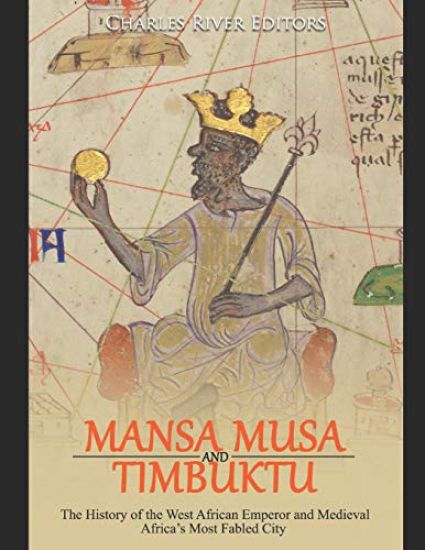
Mansa Musa and Timbuktu: The History of the West African Emperor and Medieval Africa's Most Fabled City
*Includes pictures*Includes contemporary accounts*Includes online resources and a bibliography for further reading"From the far reaches of the Mediterranean Sea to the Indus River, the faithful approached the city of Mecca. All had the same objective to worship together at the most sacred shrine of Islam, the Kaaba in Mecca. One such traveler was Mansa Musa, Sultan of Mali in Western Africa. Mansa Musa had prepared carefully for the long journey he and his attendants would take. He was determined to travel not only for his own religious fulfillment but also for recruiting teachers and leaders so that his realms could learn more of the Prophet's teachings." - Mahmud Kati, Chronicle of the SeekerRecent research has revealed that the richest person of all time lived in the 14th century in West Africa and went by many names, including Kankan Musa Keita, Emir of Melle, Lord of the Mines of Wangara, Conqueror of Ghanata and the Lion of Mali II, but today he is usually referred to as Mansa Musa. Adjusting his wealth to modern values, he was worth about an estimated $400 billion as the Sultan of ancient Mali, which controlled the trade routes across the Sahara Desert. About 6,000 years ago, the ancient Sahara was a tropical jungle with lush grasslands and substantial rivers until it moved north of the Equator as a result of tectonic plate movements. The seismic activity changed the location of land and the composition of the atmosphere. The African Humid Period seems to have ended relatively quickly, taking a couple of thousand years before being replaced by a much drier climate, and this started a process of desertification that forced many animals and human inhabitants to the outer edges of the immense desert. There would have been passages through the area that vanished as the harsh climate inexorably clawed at the mountains and hills, turning them into the sand that obliterated all traces of their ever having been there. By about 600 BCE, the terrain and habitat had become much less hospitable, so much so that it was no longer possible to use horses and oxen to carry commodities. As a result, trading became difficult and sporadic and slowly disappeared. This all changed when camels were introduced to the Sahara, initially via Roman invaders and then with the Berber traders from Arabia moving across North Africa in search of gold and salt. As they reached the southern Sahel, they encountered the old established trading system and routes of the Garamantes, the people who handled the trade in and out of the Sahara from West Africa. The combination of the use of camels with the already re-established West African trade routes brought about rapid economic progress that resulted in the area supplying more than half the world's gold for more than 1,000 years, beginning around 400 CE. Of course, this timing coincided with the rise of global trade routes such as the Silk Road and the beginning of Europe's Age of Discovery. By the 12th century, it was believed that far to the east, beyond the lands controlled by the Muslim armies, lived a powerful Christian king named Prester John in the land of India. While he was a king, he was also a priest ("Prester" means Priest and was supposedly the only title he took). His kingdom was believed to be grand and contained many wonders. Marco Polo looked for Prester John, and the Crusaders wanted to reach out to Prester John. Portugal's Henry the Navigator sent his ships out with explicit instructions of what they should do if they met Prester John, and on his historic voyages, Columbus carried two books, The Travels of Marco Polo and The Travels of Sir John Mandeville, both of which have long passages on Prester John. The belief in the existence of fabled African kingdoms and kings ensured that real African kings were also shrouded in lore, and few would become as legendary as Mansa Musa.
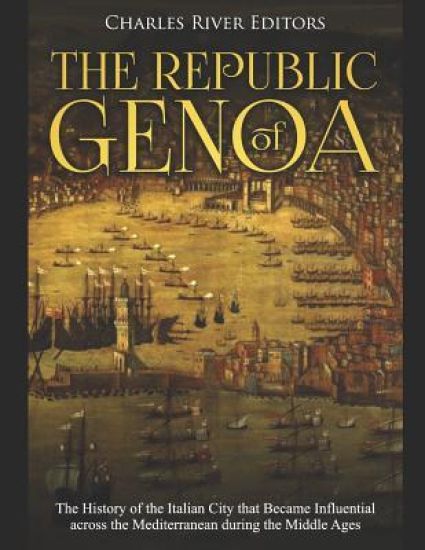
The Republic of Genoa: The History of the Italian City that Became Influential across the Mediterranean during the Middle Ages
*Includes pictures*Includes contemporary accounts*Includes online resources and a bibliography for further reading"Can we ascribe the stability and wisdom of the Venetian government, through so many ages, to any thing but the form of government? And is it not easy to point out those defects in the original constitution, which produced the tumultuous governments of Athens and Rome, and ended at last in the ruin of these two famous republics? And so little dependance has this affair on the humours and education of particular men, that one part of the same republic may be wisely conducted, and another weakly, by the same men, merely on account of the difference of the forms and institutions, by which these parts are regulated. Historians inform us that this was actually the case of Genoa. For while the state was always full of sedition, and tumult, and disorder, the bank of St. George, which had become a considerable part of the people, was conducted, for several ages, with the utmost integrity and wisdom." - David HumeIf Venice, Florence, and Rome are the top three, they are often followed by Pisa, Sienna, and Naples, not to mention the islands of Sardinia and Sicily. Indeed, Genoa would come towards the end of a much longer list, and it might be most closely associated with its famous native son, Christopher Columbus, who ultimately sailed for Spain. For avid tourists, Genoa might be the port of call for those wishing to visit the stunning Cinque Terre on the Ligurian coast nearby, and for an expert in world politics, the city of Genoa might recall the memories of the tragic events of the 27th G8 summit in July 2001, when, at the height of the anti-globalization movement, protests turned violent and resulted in the death of a 23-year-old Carlo Giuliani. In today's news, Genoa might represent Italy's crumbling infrastructure and the apparent powerlessness of its government to repair it - on Tuesday, August 14, 2018, one of the main bridges of the city, the Morandi Bridge, collapsed, killing 43 people and leaving 600 homeless. The bridge's demise also destroyed Italy's reputation as an expert in mechanical engineering. Although Genoa cannot compete in the popular imagination with some of Italy's more famous cities, this busy port town perched above the sea once boasted a powerful empire that rivaled that of Venice. It also lasted for roughly the same time period, rising in the early Middle Ages and coming to an end at the hands of Napoleon Bonaparte near the end of the 18th century. Beyond its own success, the city's position at the head of the Mediterranean gave it an important strategic location from which to observe Italian and European history, as well as the world beyond. Today, historians are starting to correct the imbalance that has focused on Venice, Florence and Rome, and new histories are gradually introducing Genoa to the world, even as much remains to be uncovered. The Republic of Genoa: The History of the Italian City that Became Influential across the Mediterranean during the Middle Ages examines the highs and lows of Genoa La Superba ("The Proud"), including its humble origins in the 1st century CE, its felicitous rise after the fall of the Roman Empire, its golden age as a mercantile power during the "Genoese Century," and its demise at the hands of Napoleon Bonaparte in 1797. Along with pictures of important people, places, and events, you will learn about Genoa like never before.
Los cananeos y los filisteos: la historia y el legado de los antiguos enemigos de los israelitas en la tierra que se convirtió en Israel
Las personas que deciden aprender sobre el Antiguo Testamento de la Biblia se enfrentan de inmediato a la dif cil propuesta de identificar a los diversos pueblos con los que se encontraron los hebreos y que a veces entraron en conflicto cuando entraron en el territorio que finalmente se convirti en Israel. Los moabitas y los edomitas eran solo dos de los muchos grupos cananeos con los que trataban los hebreos, a menudo de manera violenta, pero hab a docenas de otros grupos cananeos, que en su mayor a se identificaban a trav s de los nombres de sus respectivas ciudades. De hecho, antes de que los hebreos establecieran un reino y antes de que los fenicios colonizaran gran parte del Mediterr neo, los cananeos fueron el grupo m s importante en el Levante durante gran parte de la Edad del Bronce y en la temprana Edad del Hierro. Aunque los cananeos nunca crearon un estado-naci n o reino unificado, su importancia en el antiguo Cercano Oriente no puede ser subestimada. Fue al menos en parte debido a que los cananeos no pudieron resistir a sus vecinos m s grandes y poderosos que la persona promedio de hoy sabe muy poco sobre su historia, pero los estudios modernos han revelado que desarrollaron una religi n nica que influy en los no cananeos. pueblos y continuaron practic ndose en alguna forma siglos despu s de que los cananeos dejaron de ser un pueblo identificable. Adem s, durante el apogeo de la Edad de Bronce, los cananeos proporcionaron importantes recursos a los imperios egipcios e hititas y jugaron un papel clave en el juego geopol tico de ajedrez entre esos dos reinos. Tampoco hace falta decir que los cananeos tambi n fueron un factor en el establecimiento del Reino de Israel, ya que las batallas que perdieron a los hebreos se convirtieron en la base del reino jud o. Hoy en d a, el t rmino "filisteo" se usa a menudo como un eufemismo para una persona que es particularmente grosera, inculta, ignorante y posiblemente violenta. La mayor a de las personas probablemente no conocen la etimolog a de la palabra cuando la usan, y aquellos que probablemente solo conocen a los filisteos como villanos del Antiguo Testamento que fueron los enemigos eternos de los hebreos antes e inmediatamente despu s de que ste formara el reino de Israel. Otros pueden conocer a los filisteos de la historia b blica de David y Goliat, ya que el "gigante" no solo era mucho m s grande que David, sino que tambi n era un l der filisteo que comandaba una gran cantidad de hombres. Aunque el Antiguo Testamento proporciona una fuente cre ble para algunos aspectos de la cultura filistea, naturalmente pinta una imagen de ellos como un grupo de guerreros sedientos de sangre cuyo nico prop sito era oprimir a los hebreos / israelitas. Cuando se corrobor con fuentes egipcias y mesopot micas antiguas, junto con estudios arqueol gicos modernos, un examen revela que la reputaci n que ganaron los filisteos del Antiguo Testamento estaba parcialmente justificada, pero que tambi n hab a mucho m s en la cultura filistea. De hecho, la evidencia indica que si bien los filisteos fueron una sociedad guerrera que luch con los israelitas durante varios a os, tambi n desarrollaron aspectos avanzados de su cultura, incluido el gobierno sofisticado, una religi n nica y el arte (especialmente la cer mica). Es posible que los filisteos no hayan desarrollado un extenso imperio como lo hicieron los egipcios, babilonios y asirios, pero sus contribuciones a la historia del antiguo Cercano Oriente tampoco fueron m nimas. La presencia e influencia de los filisteos en la historia del antiguo Oriente Pr ximo fue breve, y su salida del registro hist rico fue especialmente r pida, pero mientras estaban alrededor de ellos, eran una fuerza a tener en cuenta en la regi n.
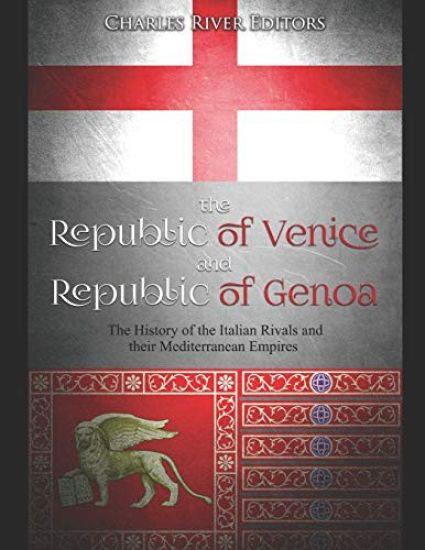
The Republic of Venice and Republic of Genoa: The History of the Italian Rivals and their Mediterranean Empires
*Includes pictures*Includes contemporary accounts*Includes a bibliography for further readingThe mystical floating city of Venice has inspired awe for generations, and it continues to be one of the most visited European cities for good reason. Tourists are drawn to the stunning blend of classical, Gothic, and Renaissance-inspired architecture across the picturesque towns and villages, the charming open-air markets, the mouthwatering traditional cuisine, and of course, the famous gondolas drifting down the twinkling blue waters. While these gondolas, along with the time-honored models of the Venetian vessels docked in the harbors, are one of the city's most defining landmarks, their beginnings are shrouded in a more obscure part of Venetian history. Founded in the wake of the decline of the Roman Empire, the Republic of Venice lasted for more than a thousand years, from 697-1797, and in order to understand its singular position in world history, it is necessary to first note its geographical positioning and its topographical make-up: Located in northeastern Italy at the head of the Adriatic, the city is made up of 120 islands that are connected by 430 bridges that cross over 170 canals, referred to as a "rio" or plural "rii" (Italian for river). As a maritime power, the interests of Venice once reached all the way to Asia, which allowed it to form an important crossroads within the Eastern Mediterranean, in terms of trade. In Venice, a vast array of products (raw materials, spices, cloth) came all the way from North Africa, Russia, and India and were exchanged for the goods and wealth of Europe." In a country that is as crowded with famous cities as Italy, Genoa is usually not one that first leaps to mind, at least for an English-speaking audience. If Venice, Florence, and Rome are the top three, they are often followed by Pisa, Sienna, and Naples, not to mention the islands of Sardinia and Sicily. Indeed, Genoa would come towards the end of a much longer list, and it might be most closely associated with its famous native son, Christopher Columbus, who ultimately sailed for Spain. For avid tourists, Genoa might be the port of call for those wishing to visit the stunning Cinque Terre on the Ligurian coast nearby, and for an expert in world politics, the city of Genoa might recall the memories of the tragic events of the 27th G8 summit in July 2001, when, at the height of the anti-globalization movement, protests turned violent and resulted in the death of a 23-year-old Carlo Giuliani. In today's news, Genoa might represent Italy's crumbling infrastructure and the apparent powerlessness of its government to repair it - on Tuesday, August 14, 2018, one of the main bridges of the city, the Morandi Bridge, collapsed, killing 43 people and leaving 600 homeless. The bridge's demise also destroyed Italy's reputation as an expert in mechanical engineering. Although Genoa cannot compete in the popular imagination with some of Italy's more famous cities, this busy port town perched above the sea once boasted a powerful empire that rivaled that of Venice. It also lasted for roughly the same time period, rising in the early Middle Ages and coming to an end at the hands of Napoleon Bonaparte near the end of the 18th century. Beyond its own success, the city's position at the head of the Mediterranean gave it an important strategic location from which to observe Italian and European history, as well as the world beyond. Today, historians are starting to correct the imbalance that has focused on Venice, Florence and Rome, and new histories are gradually introducing Genoa to the world, even as much remains to be uncovered. The Republic of Venice and Republic of Genoa: The History of the Italian Rivals and their Mediterranean Empires looks at the origins of the cities, their rise to power across the Mediterranean, and their inevitable demises.

La Inquisición española y la Inquisición portuguesa: la historia y el legado de las instituciones más infames de la Iglesia Católica Romana
En muchas sociedades modernas, se han establecido leyes para proteger a los ciudadanos de la discriminaci n basada en el g nero, las creencias, la raza y la sexualidad. La simple idea de ver esos derechos violados de alguna manera es algo que la gente del mundo occidental considera impensable. En estos tiempos, la gente pelear con dientes y con u as contra los casos de discriminaci n e injusticia, bien sea buscando acci n legal o acusando legalmente a la parte que discrimina. Hay muchas organizaciones alrededor del mundo que ayudam a combatir y a proteger a los ciudadanos de las desigualdades arbitrarias. Los medios de comunicaci n social se han convertido tambi n en canales por medio de los cuales la gente de todo el mundo puede denunciar estas injusticias. Las personas de todo el mundo que se solidarizan con los discriminados se unen para condenar a los fan ticos. Se ha visto que los boicots, las solicitudes y las reacciones negativas en los medios y en el internet han jugado un papel significativo en la ca da de individuos y corporaciones que han sido acusados de alguna clase de discriminaci n. El camino hacia la edad moderna de armon a y aceptaci n cultural es una de las haza as m s hermosas del progreso humano, pero habiendo dicho esto, hubo un tiempo en que la simple duda de la existencia de una figura religiosa era no solo un crimen punible legalmente, sino que muy bien pod a costarle a una persona la vida. Este era el crimen de herej a. Esta clase de persecuci n religiosa ha estado presente por miles de a os, y los cristianos fueron con frecuencia sus v ctimas, pero cuando la Iglesia Cat lica comenz su r pida difusi n a trav s de Europa durante la edad media, las cosas cambiaron. En 1184, el Papa Lucio III promulg una bula papal que iba a desatar una larga tradici n de caza de brujas, lo que dio como resultado el comienzo de la poca de la Inquisici n. Los portugueses hab an conseguido acceso a las regiones comerciales que hab an estado buscando, pero navegar de Portugal a la India y m s all requer a demasiados recursos para llevar en un solo viaje. Para remediar este problema, Portugal comenz a establecer una serie de fuertes y puestos comerciales a lo largo de la ruta. Los portugueses pudieron establecer un fuerte en la costa oeste de la India, Fort Manuel, en 1500, y en 1505 se erigi otro frente a la costa de Tanzania, comenzando as la colonizaci n europea de frica y Asia que durar a los siguientes 400 a os. El camino a la actual era moderna de respeto y aceptaci n culturales es una de las mayores haza as del progreso humano, pero habiendo dicho esto, hubo un tiempo en que la mera duda de la existencia de una figura religiosa no s lo era castigable por ley, sino que tambi n pod a costarle la vida a un hombre. ste fue el llamado crimen de herej a. Este tipo de persecuci n religiosa ha existido durante miles de a os, y los cristianos a menudo fueron v ctimas de otros, pero cuando la Iglesia Cat lica comenz su r pida expansi n por toda Europa durante la Edad Media, la situaci n dio un giro de 360 grados. En 1184 el papa Lucio III emiti una bula papal que iniciar a una larga tradici n de cazar herejes, y como resultado comenz la era de las inquisiciones. En lo que constituy un verdadero giro hist rico, los perseguidos se convirtieron en los perseguidores. A partir de entonces, la Iglesia Cat lica Romana se encarg de celebrar tribunales o de establecer cortes judiciales, en la b squeda de erradicar las herej as de una vez por todas. Se cree que estas inquisiciones, que asolar an a Europa durante siglos, atestiguaron la persecuci n de miles de personas a quienes se hostig por tener creencias contrarias a la Iglesia. Una sorprendente parte de ellos ser an brutalmente torturados y enviados a la muerte, y cuando los imperios cat licos se expandieran por todo el mundo, la persecuci n ir a de la mano con ellos.
La Inquisición española y la Inquisición portuguesa: la historia y el legado de las instituciones más infames de la Iglesia Católica Romana
En muchas sociedades modernas, se han establecido leyes para proteger a los ciudadanos de la discriminaci n basada en el g nero, las creencias, la raza y la sexualidad. La simple idea de ver esos derechos violados de alguna manera es algo que la gente del mundo occidental considera impensable. En estos tiempos, la gente pelear con dientes y con u as contra los casos de discriminaci n e injusticia, bien sea buscando acci n legal o acusando legalmente a la parte que discrimina. Hay muchas organizaciones alrededor del mundo que ayudam a combatir y a proteger a los ciudadanos de las desigualdades arbitrarias. Los medios de comunicaci n social se han convertido tambi n en canales por medio de los cuales la gente de todo el mundo puede denunciar estas injusticias. Las personas de todo el mundo que se solidarizan con los discriminados se unen para condenar a los fan ticos. Se ha visto que los boicots, las solicitudes y las reacciones negativas en los medios y en el internet han jugado un papel significativo en la ca da de individuos y corporaciones que han sido acusados de alguna clase de discriminaci n. El camino hacia la edad moderna de armon a y aceptaci n cultural es una de las haza as m s hermosas del progreso humano, pero habiendo dicho esto, hubo un tiempo en que la simple duda de la existencia de una figura religiosa era no solo un crimen punible legalmente, sino que muy bien pod a costarle a una persona la vida. Este era el crimen de herej a. Esta clase de persecuci n religiosa ha estado presente por miles de a os, y los cristianos fueron con frecuencia sus v ctimas, pero cuando la Iglesia Cat lica comenz su r pida difusi n a trav s de Europa durante la edad media, las cosas cambiaron. En 1184, el Papa Lucio III promulg una bula papal que iba a desatar una larga tradici n de caza de brujas, lo que dio como resultado el comienzo de la poca de la Inquisici n. Los portugueses hab an conseguido acceso a las regiones comerciales que hab an estado buscando, pero navegar de Portugal a la India y m s all requer a demasiados recursos para llevar en un solo viaje. Para remediar este problema, Portugal comenz a establecer una serie de fuertes y puestos comerciales a lo largo de la ruta. Los portugueses pudieron establecer un fuerte en la costa oeste de la India, Fort Manuel, en 1500, y en 1505 se erigi otro frente a la costa de Tanzania, comenzando as la colonizaci n europea de frica y Asia que durar a los siguientes 400 a os. El camino a la actual era moderna de respeto y aceptaci n culturales es una de las mayores haza as del progreso humano, pero habiendo dicho esto, hubo un tiempo en que la mera duda de la existencia de una figura religiosa no s lo era castigable por ley, sino que tambi n pod a costarle la vida a un hombre. ste fue el llamado crimen de herej a. Este tipo de persecuci n religiosa ha existido durante miles de a os, y los cristianos a menudo fueron v ctimas de otros, pero cuando la Iglesia Cat lica comenz su r pida expansi n por toda Europa durante la Edad Media, la situaci n dio un giro de 360 grados. En 1184 el papa Lucio III emiti una bula papal que iniciar a una larga tradici n de cazar herejes, y como resultado comenz la era de las inquisiciones. En lo que constituy un verdadero giro hist rico, los perseguidos se convirtieron en los perseguidores. A partir de entonces, la Iglesia Cat lica Romana se encarg de celebrar tribunales o de establecer cortes judiciales, en la b squeda de erradicar las herej as de una vez por todas. Se cree que estas inquisiciones, que asolar an a Europa durante siglos, atestiguaron la persecuci n de miles de personas a quienes se hostig por tener creencias contrarias a la Iglesia. Una sorprendente parte de ellos ser an brutalmente torturados y enviados a la muerte, y cuando los imperios cat licos se expandieran por todo el mundo, la persecuci n ir a de la mano con ellos.
La partición de la India y el mandato británico de Palestina: la polémica historia de los planes de partición de posguerra de Gran Bretaña y sus conse
El conflicto entre los israel es y los palestinos es t cnicamente de 69 a os y contando, pero tiene sus ra ces en m s de 2,000 a os de historia. Con tanto tiempo e historia, el proceso de paz en Medio Oriente se ha cargado de conceptos nicos y pol ticamente delicados como el derecho de retorno, las fronteras contiguas, las fronteras seguras, las zonas desmilitarizadas y los requisitos de seguridad, con jugadores como el Cuarteto, la Autoridad Palestina, Fatah., Hamas, la Liga rabe e Israel. Con el tiempo, se ha vuelto extremadamente dif cil incluso para los expertos pol ticos sofisticados y sus seguidores hacer un seguimiento de todo esto. El Imperio Otomano se derrumb r pidamente despu s de la Primera Guerra Mundial, y sus extensas tierras fueron repartidas entre los franceses y los brit nicos. Mientras que los franceses obtuvieron el control del Levante, que m s tarde se convertir a en naciones modernas como Siria, los brit nicos recibieron el Mandato para Palestina de la reci n creada Liga de las Naciones. El Mandato brit nico para Palestina le dio el control brit nico sobre las tierras que desde entonces se han convertido en Jordania, Israel, Cisjordania y la Franja de Gaza. Los t rminos del Mandato brit nico incorporaron el lenguaje de la Declaraci n Balfour, reconociendo la "conexi n hist rica del pueblo jud o con Palestina". Los brit nicos tambi n ten an la tarea de crear un estado jud o, que el Congreso de los Estados Unidos aprob en 1922. En 1947, los brit nicos delegaron el tema de la partici n del Mandato brit nico a las Naciones Unidas, y la Asamblea General de los Estados Unidos cre el Comit Especial sobre Palestina (UNSCOP). A la UNSCOP se le ocurri lo que ahora se conoce como el Plan de Partici n de la ONU de 1947. El Plan de Partici n dividi dos estados de aspecto extra o, pero su motivo fue crear un Israel en el que la poblaci n jud a tuviera una mayor a del 55%, mientras que Palestina ten a una M s del 90% de mayor a rabe palestina. Mientras tanto, la ciudad de Jerusal n ser a administrada internacionalmente, debido a las delicadas preocupaciones religiosas de los musulmanes, cristianos y jud os. Adem s de varios lugares sagrados cristianos, la mezquita Al-Aqsa de Jerusal n es el tercer sitio m s sagrado del Islam, y est situada justo al lado del Muro Occidental, el lugar m s sagrado que queda de los jud os. Gracias a su complexi n comercial y al poder invertido en una junta directiva, el gobierno brit nico en la India se caracteriz por monopolios econ micos, pr cticas comerciales agresivas, impuestos punitivos y el empobrecimiento de vastas regiones de la India. Gran parte de la industria de la Compa a se basaba en una pol tica de producci n y exportaci n de materias primas de la India e importaci n de productos manufacturados para satisfacer un mercado local casi ilimitado. Las industrias dom sticas y la industria textil dom stica, en particular, se vieron muy afectadas por esto, y con la adici n de impuestos a la tierra y un r gimen general de explotaci n econ mica, la Compa a Brit nica de las Indias Orientales se convirti en una pesada carga para los indios comunes. . La India brit nica finalmente cubri alrededor del 54 por ciento de la masa y el 77 por ciento de la poblaci n. Cuando los brit nicos comenzaron a contemplar una retirada de la India, 565 estados principescos fueron oficialmente reconocidos, adem s de miles de zamindaris y jagirs, que en realidad eran estados feudales. La estatura de cada estado principesco se defini por el n mero de armas disparadas en saludo en una ocasi n ceremonial en honor a uno u otro de los pr ncipes. Estos iban desde saludos desde nueve hasta veinti n y, en muchos casos, ning n saludo.
La partición de la India y el mandato británico de Palestina: la polémica historia de los planes de partición de posguerra de Gran Bretaña y sus conse
El conflicto entre los israel es y los palestinos es t cnicamente de 69 a os y contando, pero tiene sus ra ces en m s de 2,000 a os de historia. Con tanto tiempo e historia, el proceso de paz en Medio Oriente se ha cargado de conceptos nicos y pol ticamente delicados como el derecho de retorno, las fronteras contiguas, las fronteras seguras, las zonas desmilitarizadas y los requisitos de seguridad, con jugadores como el Cuarteto, la Autoridad Palestina, Fatah., Hamas, la Liga rabe e Israel. Con el tiempo, se ha vuelto extremadamente dif cil incluso para los expertos pol ticos sofisticados y sus seguidores hacer un seguimiento de todo esto. El Imperio Otomano se derrumb r pidamente despu s de la Primera Guerra Mundial, y sus extensas tierras fueron repartidas entre los franceses y los brit nicos. Mientras que los franceses obtuvieron el control del Levante, que m s tarde se convertir a en naciones modernas como Siria, los brit nicos recibieron el Mandato para Palestina de la reci n creada Liga de las Naciones. El Mandato brit nico para Palestina le dio el control brit nico sobre las tierras que desde entonces se han convertido en Jordania, Israel, Cisjordania y la Franja de Gaza. Los t rminos del Mandato brit nico incorporaron el lenguaje de la Declaraci n Balfour, reconociendo la "conexi n hist rica del pueblo jud o con Palestina". Los brit nicos tambi n ten an la tarea de crear un estado jud o, que el Congreso de los Estados Unidos aprob en 1922. En 1947, los brit nicos delegaron el tema de la partici n del Mandato brit nico a las Naciones Unidas, y la Asamblea General de los Estados Unidos cre el Comit Especial sobre Palestina (UNSCOP). A la UNSCOP se le ocurri lo que ahora se conoce como el Plan de Partici n de la ONU de 1947. El Plan de Partici n dividi dos estados de aspecto extra o, pero su motivo fue crear un Israel en el que la poblaci n jud a tuviera una mayor a del 55%, mientras que Palestina ten a una M s del 90% de mayor a rabe palestina. Mientras tanto, la ciudad de Jerusal n ser a administrada internacionalmente, debido a las delicadas preocupaciones religiosas de los musulmanes, cristianos y jud os. Adem s de varios lugares sagrados cristianos, la mezquita Al-Aqsa de Jerusal n es el tercer sitio m s sagrado del Islam, y est situada justo al lado del Muro Occidental, el lugar m s sagrado que queda de los jud os. Gracias a su complexi n comercial y al poder invertido en una junta directiva, el gobierno brit nico en la India se caracteriz por monopolios econ micos, pr cticas comerciales agresivas, impuestos punitivos y el empobrecimiento de vastas regiones de la India. Gran parte de la industria de la Compa a se basaba en una pol tica de producci n y exportaci n de materias primas de la India e importaci n de productos manufacturados para satisfacer un mercado local casi ilimitado. Las industrias dom sticas y la industria textil dom stica, en particular, se vieron muy afectadas por esto, y con la adici n de impuestos a la tierra y un r gimen general de explotaci n econ mica, la Compa a Brit nica de las Indias Orientales se convirti en una pesada carga para los indios comunes. . La India brit nica finalmente cubri alrededor del 54 por ciento de la masa y el 77 por ciento de la poblaci n. Cuando los brit nicos comenzaron a contemplar una retirada de la India, 565 estados principescos fueron oficialmente reconocidos, adem s de miles de zamindaris y jagirs, que en realidad eran estados feudales. La estatura de cada estado principesco se defini por el n mero de armas disparadas en saludo en una ocasi n ceremonial en honor a uno u otro de los pr ncipes. Estos iban desde saludos desde nueve hasta veinti n y, en muchos casos, ning n saludo.
The Berlin Airlift and Berlin Wall: The History and Legacy of the Fight Over the Occupied City during the Cold War
*Includes pictures*Includes online resources and a bibliography for further readingIn the wake of World War II, the European continent was devastated, and the conflict left the Soviet Union and the United States as uncontested superpowers. This ushered in over 45 years of the Cold War, and a political alignment of Western democracies against the Communist Soviet bloc that produced conflicts pitting allies on each sides fighting, even as the American and Soviet militaries never engaged each other. Though it never got "hot" between the two superpowers, the Cold War was a tense era until the dissolution of the USSR, and nothing symbolized the split more than the division of Berlin. Berlin had been a flashpoint even before World War II ended, and the city was occupied by the different Allies even as the close of the war turned them into adversaries. If anyone wondered whether the Cold War would dominate geopolitics, any hopes that it wouldn't were dashed by the Soviets' blockade of West Berlin in April 1948, ostensibly to protest the currency being used in West Berlin but unquestionably aiming to extend their control over Germany's capital. By cutting off all access via roads, rail, and water, the Soviets hoped to force the Allies out, and at the same time, Stalin's action would force a tense showdown that would test their mettle. As the success of the Berlin Airlift became clear, the Soviets realized the blockade was ineffective, and both sides were able to save face by negotiating an end to the blockade in April 1949, with the Soviets ending it officially on May 12. The Airlift would technically continue until September, but for all intents and purposes, the first crisis of the Cold War had come to an end, and most importantly, the confrontation remained "cold." After the Soviets' blockade of West Berlin was prevented by the Berlin Airlift, the Eastern Bloc and the Western powers continued to control different sections of the city, and by the 1960s, East Germany was pushing for a solution to the problem of an enclave of freedom within its borders. West Berlin was a haven for highly-educated East Germans who wanted freedom and a better life in the West, and this "brain drain" was threatening the survival of the East German economy. In order to stop this, access to the West through West Berlin had to be cut off, so in August 1961, Soviet premier Nikita Khrushchev authorized East German leader Walter Ulbricht to begin construction of what would become known as the Berlin Wall. The wall, begun on Sunday August 13, would eventually surround the city, in spite of global condemnation, and the Berlin Wall itself would become the symbol for Communist repression in the Eastern Bloc. It also ended Khrushchev's attempts to conclude a peace treaty among the Four Powers (the Soviets, the Americans, the United Kingdom, and France) and the two German states. The fall of the Berlin Wall is often considered the end of the Cold War, and the following month both President Bush and Gorbachev declared the Cold War over, but the Cold War had been thawing for most of the 1980s. President Reagan is remembered for calling the Soviet Union an "evil empire" and demanding that Gorbachev tear down the wall, but he spent the last several years of his presidency working with the Soviet leader to improve relations. The end of the Soviet Union came when Gorbachev resigned on December 25, 1991. The Soviet Union formally dissolved the next day, and the Cold War was over, with the United States outlasting its long-time adversary. The Berlin Airlift and Berlin Wall: The History and Legacy of the Fight Over the Occupied City during the Cold War chronicles the history that led to the Soviet blockade, the famous relief efforts undertaken to beat it, and the construction of the 20th century's most notorious wall.
The Berlin Airlift and Berlin Wall: The History and Legacy of the Fight Over the Occupied City during the Cold War
*Includes pictures*Includes online resources and a bibliography for further readingIn the wake of World War II, the European continent was devastated, and the conflict left the Soviet Union and the United States as uncontested superpowers. This ushered in over 45 years of the Cold War, and a political alignment of Western democracies against the Communist Soviet bloc that produced conflicts pitting allies on each sides fighting, even as the American and Soviet militaries never engaged each other. Though it never got "hot" between the two superpowers, the Cold War was a tense era until the dissolution of the USSR, and nothing symbolized the split more than the division of Berlin. Berlin had been a flashpoint even before World War II ended, and the city was occupied by the different Allies even as the close of the war turned them into adversaries. If anyone wondered whether the Cold War would dominate geopolitics, any hopes that it wouldn't were dashed by the Soviets' blockade of West Berlin in April 1948, ostensibly to protest the currency being used in West Berlin but unquestionably aiming to extend their control over Germany's capital. By cutting off all access via roads, rail, and water, the Soviets hoped to force the Allies out, and at the same time, Stalin's action would force a tense showdown that would test their mettle. As the success of the Berlin Airlift became clear, the Soviets realized the blockade was ineffective, and both sides were able to save face by negotiating an end to the blockade in April 1949, with the Soviets ending it officially on May 12. The Airlift would technically continue until September, but for all intents and purposes, the first crisis of the Cold War had come to an end, and most importantly, the confrontation remained "cold." After the Soviets' blockade of West Berlin was prevented by the Berlin Airlift, the Eastern Bloc and the Western powers continued to control different sections of the city, and by the 1960s, East Germany was pushing for a solution to the problem of an enclave of freedom within its borders. West Berlin was a haven for highly-educated East Germans who wanted freedom and a better life in the West, and this "brain drain" was threatening the survival of the East German economy. In order to stop this, access to the West through West Berlin had to be cut off, so in August 1961, Soviet premier Nikita Khrushchev authorized East German leader Walter Ulbricht to begin construction of what would become known as the Berlin Wall. The wall, begun on Sunday August 13, would eventually surround the city, in spite of global condemnation, and the Berlin Wall itself would become the symbol for Communist repression in the Eastern Bloc. It also ended Khrushchev's attempts to conclude a peace treaty among the Four Powers (the Soviets, the Americans, the United Kingdom, and France) and the two German states. The fall of the Berlin Wall is often considered the end of the Cold War, and the following month both President Bush and Gorbachev declared the Cold War over, but the Cold War had been thawing for most of the 1980s. President Reagan is remembered for calling the Soviet Union an "evil empire" and demanding that Gorbachev tear down the wall, but he spent the last several years of his presidency working with the Soviet leader to improve relations. The end of the Soviet Union came when Gorbachev resigned on December 25, 1991. The Soviet Union formally dissolved the next day, and the Cold War was over, with the United States outlasting its long-time adversary. The Berlin Airlift and Berlin Wall: The History and Legacy of the Fight Over the Occupied City during the Cold War chronicles the history that led to the Soviet blockade, the famous relief efforts undertaken to beat it, and the construction of the 20th century's most notorious wall.
The Dissolution of Czechoslovakia: The History of the Central European Nation from Its Founding to Its Breakup
*Includes pictures*Includes a bibliography for further readingOn New Year's Day 1993, Czechoslovakia broke into two separate countries, the Czech Republic and Slovakia. Thus ended one of the creations brought about by the Treaty of Versailles after World War I, and as a country that had existed for just under 75 years, Czechoslovakia spent most of its time under the tyranny of fascism or communism. Of course, the country's origins go back far longer than the 1910s, and they were complex and convoluted. The very geography of central Europe meant this territory had been conquered and occupied many times over the course of history, and for much of the modern era, the area belonged to much larger empires, including the Holy Roman Empire, the Austrian Habsburg Empire, and finally the Austro-Hungarian Empire. Nevertheless, two distinct ethnicities had come to make up the bulk of the territory's inhabitants: the Czechs, predominantly in the areas of Bohemia and Moravia, and the Slovaks, in Slovakia. Both peoples had their own Slavic-based languages, but the languages were similar enough to be mutually intelligible. Despite any ethnic similarities, the country that formed in 1918 among the ashes of the Austro-Hungarian Empire was by no means a "nation-state" as most people understand that term. In fact, much of the territory which bordered Germany was inhabited by ethnic German speakers, including one of Prague's most famous sons, the writer Franz Kafka. One of the 20th century's most celebrated authors spoke German as his first language. As such, the lands that became Czechoslovakia had usually existed in some kind of supranational system where identity was allowed to be relatively fluid. Czechoslovakia would also play a crucial role in bringing about World War II, a sign that the area's nationalism, which ultimately split Czechoslovakia apart in 1993, had long spelled danger in a place where so many groups competed for power. The presence of German speakers would serve as a pretext for Hitler's acquisition of the Sudetenland, creating a crisis ahead of history's deadliest war and serving as a harbinger of things to come. The Dissolution of Czechoslovakia: The History of the Central European Nation from Its Founding to Its Breakup examines how the multicultural nation was founded, the inherent tensions there, and how it eventually came apart. Along with pictures of important people and places, you will learn about Czechoslovakia like never before.
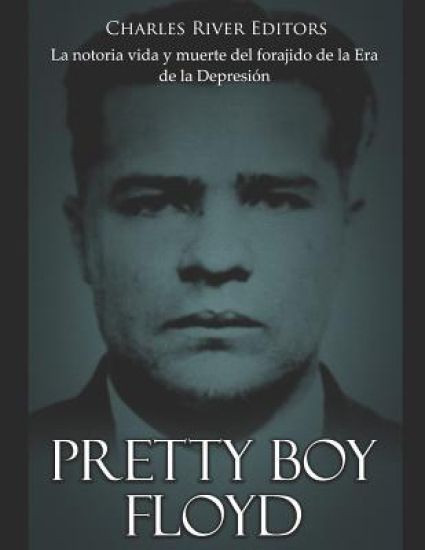
Pretty Boy Floyd: La notoria vida y muerte del forajido de la Era de la Depresión
"Si se congregan en torno a m , ni os, una historia contar sobre Pretty Boy Floyd, un forajido, Oklahoma lo conoci bien". - Woody Guthrie, "La balada de Pretty Boy Floyd" (1939)El 1ero de noviembre de 1932 fue un lindo d a oto al en la adormilada y algodonera ciudad de Sallisaw, Oklahoma, el coraz n el condado de Sequoyah. Los rayos cegadores del sol de mediod a estaban brillando con toda intensidad, pero el calor de otra manera abrasador era compensado por una brisa fresca. Estas eran condiciones ideales para un martes, un d a de la semana aparentemente com n y corriente, pero lo que estaba teniendo lugar en el Banco Estatal de Sallisaw era todo menos ordinario. A primera vista, parecer a que un carnaval ambulante o una celebridad local hubiera llegado a la ciudad. Las aceras frente al banco y sus establecimientos circundantes estaban llenos de lugare os, generaciones de familias, j venes enamorados y grupos de amigos. Ciertamente se hab an reunido para presenciar un espect culo, aunque de un tipo completamente diferente. Las puertas del Banco Estatal de Sallisaw se abrieron con un sonoro golpe, dando inicio al espect culo. Salieron tambale ndose un par de ladrones, cada uno cargando abultados sacos de billetes y monedas, y empu ando brillantes pistolas Colt .45. Los cajeros, atados de manos y pies dentro del banco se retorc an desesperadamente por el suelo para expresar su angustia, estirando el cuello y dirigiendo sus gritos apagados hacia la puerta abierta. Uno incluso hab a logrado liberarse de su mordaza y estaba pidiendo ayuda a la multitud al otro lado de la calle. Desafortunadamente, sus gritos fueron superados, no por los propios gritos de alarma de los espectadores, sino por un estruendoso aplauso, complementado por v tores, silbidos y una constelaci n de pa uelos agit ndose. Algunos de quienes despejaron el camino para el auto de escape de los ladrones eran supuestamente clientes presentes en el establecimiento durante el mismo atraco. El gallardo l der, aclamado por muchos como el "Robin Hood de Cookson Hills", no era otro que Pretty Boy Floyd, un personaje desconcertante, tan aborrecido como era venerado. Para los federales, Pretty Boy Floyd era un canalla manipulador y venenoso que hab a sido notoriamente ensalzado como un antih roe con un coraz n de oro. Como un ladr n de bancos de carrera, presuntamente asociado con hasta 40 robos a bancos, su rostro pronto quedar a estampado en el cartel de los M s Buscados del FBI de 1934 junto a John Dillinger, Baby Face Nelson y Alvin Karper. Tambi n estuvo implicado en m ltiples asesinatos, y sin embargo, los admiradores de Pretty Boy Floyd han estado dispuestos a pasar por alto estos cr menes. Algunos incluso han proporcionado justificaciones para su comportamiento y sostienen que fue injustamente vilipendiado por luchar contra un sistema injusto. Para ellos, hab a sido tomado como un chivo expiatorio, y l mismo us ese ngulo, se alando en una oportunidad: "Supongo que me han acusado de todo lo que sucedi , a excepci n del secuestro del ni o Lindbergh, la primavera pasada". Como todo esto sugiere, es virtualmente imposible construir un perfil completamente objetivo de este bandido, m s de 80 a os despu s de su vida delictiva. Aparte de las inexactitudes y la informaci n conflictiva que resulta de la mala calidad de los registros, la verdad absoluta sobre los cr menes de Pretty Boy Floyd muri con l y con aquellos supuestamente involucrados, d cadas atr s. Dicho esto, explorar la infancia del forajido, sus a os de formaci n y vida personal, as como los detalles de sus delitos m s graves, permite a las personas sacar sus propias conclusiones. Pretty Boy Floyd: la notoria vida y muerte del forajido de la Era de la Depresi n describe c mo se convirti en uno de los forajidos m s famosos de los Estados Unidos, y los atrevidos cr menes que lo hicieron tan temido.