Kirjojen hintavertailu – 12 903 727 kirjaa ja 27 kauppaa

Kirjailija

Charles River

Kirjat ja teokset yhdessä paikassa: 4 673 kirjaa, julkaisuja vuosilta 2013–2022, suosituimpiin kuuluu William Powell and Myrna Loy: The Lives and Careers of One of Classical Hollywood's Most Iconic Duos. Vertaile teosten hintoja ja tarkista saatavuus suomalaisista kirjakaupoista.

4 673 kirjaa

Kirjojen julkaisuvuodet: 2013–2022.

Týr: The Origins and History of the Norse God of Law, War, and Justice

Týr: The Origins and History of the Norse God of Law, War, and Justice

Andrew Scott; Charles River

Createspace Independent Publishing Platform
2018
nidottu
*Includes pictures *Includes medieval accounts *Includes online resources and a bibliography for further reading "Yet remains that one of the sir who is called T r: he is most daring, and best in stoutness of heart, and he has much authority over victory in battle; it is good for men of valour to invoke him. It is a proverb, that he is T r-valiant, who surpasses other men and does not waver. He is wise, so that it is also said, that he that is wisest is T r-prudent. This is one token of his daring: when the sir enticed Fenris-Wolf to take upon him the fetter Gleipnir, the wolf did not believe them, that they would loose him, until they laid T r's hand into his mouth as a pledge. But when the sir would not loose him, then he bit off the hand at the place now called 'the wolf's joint;' and T r is one-handed, and is not called a reconciler of men." Much of what is known of the Norse myths comes from the 10th century onwards. Until this time and, indeed, for centuries afterwards, Norse culture (particularly that of Iceland, where the myths were eventually transcribed) was an oral culture. In fact, in all Scandinavian countries well into the thirteenth century laws were memorized by officials known as "Lawspeakers" who recited them at the "Thing." The Thing was the legislative assembly in Scandinavia "held for judicial purposes." One of the most famous of these Lawspeakers was the Icelander Snorri Sturluson, a masterful writer who wrote the Prose Edda in the thirteenth century. There are other sources for the Norse myths, namely the later "Poetic Edda," a collection of poems and prose work, and other sagas but the Snorri's Prose Edda is the most complete work whose attribution is known to modern scholars. The Prose Edda is a collection of Norse Myths split into three sections, the Gylfaginning (the Deluding of Gylfi), the Sk ldskaparm l (the Language of Poetry) and the H ttatal (the Enumeration of Meters). The first has a frame story that entails a Swedish King, Gylfi, disguising himself as an old man, Gangleri, when he journeys to Asgard to meet the gods. When he arrives, he meets three men - "High One, Just-As-High, and Third" - who reveal to him stories of the world and the gods. The second section contains a warning for Christians not to believe in the Norse gods, specifically the two families, the sir and the Vanir, but also refutes the notion that they were demons, which was a common supposition among some Christians at the time. The Prose Edda begins in this line of thought with a euhemeristic prologue, which traces the history of the Norse Gods as human heroes of Troy, making Thor one of King Priam's sons. Timeless characters like Thor, Loki, and the All-Father Odin never fail to inspire new treatments of their stories, while many of the great characters from Norse myths wither, their secrets kept silent. Such secrets are inherent to the character of T r. More closely aligned with the Greek Athena than Mars or Ares, T r was once so highly regarded and devoutly worshiped that his name was synonymous with "godlike". "T r-valiant" and "T r-prudent" are but two of many such examples. Moreover, unlike most gods of war, T r has much to offer modern historians in terms of religious practices, cultural unity, and the question of justice in northern Europe. T r: The Origins and History of the Norse God of Law, War, and Justice looks at the stories about the legendary Norse deity. Along with pictures depicting important people, places, and events, you will learn about T r like never before.
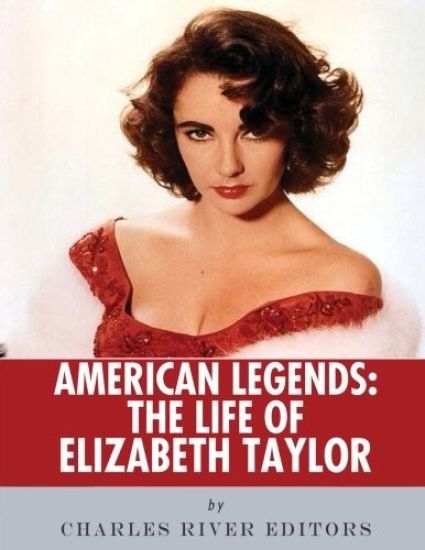
American Legends: The Life of Elizabeth Taylor

American Legends: The Life of Elizabeth Taylor

Charles River

Createspace Independent Publishing Platform
2018
nidottu
*Includes pictures of Taylor and important people, places, and scenes. *Includes Taylor's own quotes about her upbringing, films and relationships. *Includes a Bibliography for further reading. "I've always admitted that I'm ruled by my passions." - Elizabeth Taylor A lot of ink has been spilled covering the lives of history's most influential figures, but how much of the forest is lost for the trees? In Charles River Editors' American Legends series, readers can get caught up to speed on the lives of America's most important men and women in the time it takes to finish a commute, while learning interesting facts long forgotten or never known. Hollywood is full of cautionary tales for child actors like Judy Garland, Jackie Coogan, and Macaulay Caulkin, who all soared to fame in their youth only to suffer family feuds, drug addiction, or other ill effects of becoming famous so early in life. Even those child actors for whom stardom was not traumatic, such as Shirley Temple, had great difficulty succeeding in Hollywood as an adult, with their careers effectively over by the time they reached adulthood. Child actors may or may not enjoy the fame bestowed upon them so early in life, but their fame has almost always come at a cost, especially since it has traditionally been difficult for audiences to disassociate them from their early roles. On the other hand, the life of Elizabeth Taylor bears little in common with the paradigm of the troubled child star. After arriving in the United States at the age of 9, Taylor was indoctrinated into the life of the Hollywood studio system shortly after child stars Judy Garland and Mickey Rooney, but while Garland suffered great trauma at the hands of the studio system, Taylor's early experience in Hollywood represented the flip side of the coin. Groomed for a life in Hollywood by her zealous mother, Taylor enjoyed her life in the motion picture industry and reveled in the privileged lifestyle and opportunities she enjoyed by virtue of her profession. Acting supplied her with a lavish lifestyle and, more importantly for her, constant attention. From an early age, Taylor displayed a vociferous love for living in the public eye. Another difference separating her from other child stars is that Taylor was able to successfully transition from child star to major adult actress; in fact, her fame only escalated as she grew into adulthood. In many ways, Taylor enjoyed being in the public spotlight and living the lifestyle of the rich and famous, and her personal life very much resembled a performance suitable for Hollywood. Taylor faced great adversity throughout her life, including being married on eight different occasions to seven different spouses and fighting battles with weight and drug addiction. Still, while many actors grow resentful of public attention, even during her moments of personal struggle Taylor thrived on public attention and enjoyed a mutually adoring relationship with the American public. She was a creature of the studio system, yet she maintained a dynamic with the public that deviated sharply from the norms of child actors. American Legends: The Life of Elizabeth Taylor examines the life and career of Elizabeth Taylor, putting the spotlight on Taylor's child roles and her adult films, and the relationship between the two main stages of her career. Of course, it also documents the notorious elements of her personal life as well. Along with pictures of important people, places, and events, you will learn about Elizabeth Taylor like never before, in no time at all.
Týr: The Origins and History of the Norse God of Law, War, and Justice

Týr: The Origins and History of the Norse God of Law, War, and Justice

Andrew Scott; Charles River

Createspace Independent Publishing Platform
2018
nidottu
*Includes pictures *Includes medieval accounts *Includes online resources and a bibliography for further reading "Yet remains that one of the sir who is called T r: he is most daring, and best in stoutness of heart, and he has much authority over victory in battle; it is good for men of valour to invoke him. It is a proverb, that he is T r-valiant, who surpasses other men and does not waver. He is wise, so that it is also said, that he that is wisest is T r-prudent. This is one token of his daring: when the sir enticed Fenris-Wolf to take upon him the fetter Gleipnir, the wolf did not believe them, that they would loose him, until they laid T r's hand into his mouth as a pledge. But when the sir would not loose him, then he bit off the hand at the place now called 'the wolf's joint;' and T r is one-handed, and is not called a reconciler of men." Much of what is known of the Norse myths comes from the 10th century onwards. Until this time and, indeed, for centuries afterwards, Norse culture (particularly that of Iceland, where the myths were eventually transcribed) was an oral culture. In fact, in all Scandinavian countries well into the thirteenth century laws were memorized by officials known as "Lawspeakers" who recited them at the "Thing." The Thing was the legislative assembly in Scandinavia "held for judicial purposes." One of the most famous of these Lawspeakers was the Icelander Snorri Sturluson, a masterful writer who wrote the Prose Edda in the thirteenth century. There are other sources for the Norse myths, namely the later "Poetic Edda," a collection of poems and prose work, and other sagas but the Snorri's Prose Edda is the most complete work whose attribution is known to modern scholars. The Prose Edda is a collection of Norse Myths split into three sections, the Gylfaginning (the Deluding of Gylfi), the Sk ldskaparm l (the Language of Poetry) and the H ttatal (the Enumeration of Meters). The first has a frame story that entails a Swedish King, Gylfi, disguising himself as an old man, Gangleri, when he journeys to Asgard to meet the gods. When he arrives, he meets three men - "High One, Just-As-High, and Third" - who reveal to him stories of the world and the gods. The second section contains a warning for Christians not to believe in the Norse gods, specifically the two families, the sir and the Vanir, but also refutes the notion that they were demons, which was a common supposition among some Christians at the time. The Prose Edda begins in this line of thought with a euhemeristic prologue, which traces the history of the Norse Gods as human heroes of Troy, making Thor one of King Priam's sons. Timeless characters like Thor, Loki, and the All-Father Odin never fail to inspire new treatments of their stories, while many of the great characters from Norse myths wither, their secrets kept silent. Such secrets are inherent to the character of T r. More closely aligned with the Greek Athena than Mars or Ares, T r was once so highly regarded and devoutly worshiped that his name was synonymous with "godlike". "T r-valiant" and "T r-prudent" are but two of many such examples. Moreover, unlike most gods of war, T r has much to offer modern historians in terms of religious practices, cultural unity, and the question of justice in northern Europe. T r: The Origins and History of the Norse God of Law, War, and Justice looks at the stories about the legendary Norse deity. Along with pictures depicting important people, places, and events, you will learn about T r like never before.

Mining for Michigan: The History of Mining along the Great Lakes and the Upper Peninsula
*Includes pictures *Includes online resources and a bibliography for further reading Copper mining is as ubiquitous to the Upper Peninsula of Michigan as the automobile industry is to the Lower. Centuries before the first white man set foot in the New World, local natives used rocks to pound copper free from the earth, shaping it into goods traded across the continent. It was not long before European settlers followed up on the natives' work, and when industry came to Copper Country, mines sprung up, quickly dominating the economy and lives of the Upper Peninsula's residents. Copper was not the only mineral harvested from the earth. Iron mines spread out as well, becoming profitable if less known than their copper cousins. Even less well known but just as integral to the Peninsula's history, gold and silver prospectors prowled the land, looking for metals whose value had started and ended empires. Mining, especially copper mining, left a deep mark in the Upper Peninsula by affecting the region's growth, landscape, culture, and economic structure. Where once a booming industry churned out tons of copper, feeding the nation's need for the ever utilitarian metal, there now lay empty shafts and a few mines, still scraping metals from the earth. Though the heyday of mining in the state has long passed, its mark on the region, the state, and the nation itself remains, and it all started long before the first men of Europe set foot in the Americas. Iron mining continues, though the industry is now a pale shadow of its former self. Though not as extensive or well known as copper mining, the iron mines also played an important role in the region, and they also supported much of the region's silver and gold prospecting and mining. Though no great gold or silver mines came as a result of the exploring conducted by the many prospectors, the constant efforts to pull the precious metals from the region demonstrate the grit, determination, and sheer gumption of those who traveled north to stake their claims and build new lives. The miners and workers faced their hard times like many others, but, by and large, the history of the mines, as well as the companies that ran them and the miners who worked them, is one of technological progress and impressive output that proved a great boon to the region, the state, and the nation. Though the mining companies faced their share of ups and downs, their story is largely one of success, even if it offers little comfort to those living in the shadows of the companies' remains. Mining for Michigan: The History of Mining along the Great Lakes and the Upper Peninsula examines the effects of the mining in the region and the results. Along with pictures of important people, places, and events, you will learn about mining in the area like never before.
The Ghosts of Scotland: A Collection of Ghost Stories across the Scottish Nation

The Ghosts of Scotland: A Collection of Ghost Stories across the Scottish Nation

Charles River

Createspace Independent Publishing Platform
2018
nidottu
*Includes pictures *Includes online resources and a bibliography for further reading "In Scotland, beautiful as it is, it was always raining. Even when it wasn't raining, it was about to rain, or had just rained. It's a very angry sky." - Colin Hay Scotland is a fascinating and ancient land filled with history. It has produced explorers, warriors, inventors, writers, and more than a few murderers. For many centuries, it fought bitter wars against England to maintain its independence, and even when those wars were finally lost, Scotland retained its distinct culture and identity. Though a part of the United Kingdom, it would be a mistake to lump it in with England, Wales, and Northern Ireland, as Scotland has its own tales to tell and traditions to maintain. Not everything in Scotland is as it appears, however. Some Scots say this is a land haunted by spirits, a place of strange disappearances and unexplained phenomena. There is no shortage when it comes to the strange stories Scotland has to offer, and the legends and lore have compelled many to dig a little deeper and even explore this wonderful land for themselves. Some of those tales are downright grisly. Scotland has always been a rival to its southern neighbor, and the rivalry extends to the number of hauntings in its medieval castles, stately homes, and old cobblestone streets. While many Englishmen claim that their country is the most haunted, the Scots can point to their own stories of ghosts as evidence they may beat the English in this dubious distinction. The Ghosts of Scotland: A Collection of Ghost Stories across the Scottish Nation is a collection of such tales, just a few among the thousands of local legends and modern sightings that make Scotland one of the most haunted countries in the world. It is part of a collection of other books written by Sean McLachlan, including The Ghosts of England: A Collection of Ghost Stories across the English Nation and The Ghosts of Ireland: A Collection of Ghost Stories across the Emerald Isle. For other strange occurrences in Scotland, ranging from Nessie to jelly falling from the sky, check out another title in the series, Weird Scotland: Monsters, Mysteries, and Magic Across the Scottish Nation. Along with pictures of important people, places, and events, you will learn about the ghosts of Scotland like never before.
Operation Catapult: The History of the Controversial British Campaign against the Vichy French Navy during World War II
*Includes pictures *Includes accounts *Includes online resources and a bibliography for further reading "You are charged with one of the most difficult and disagreeable tasks that a British admiral has ever been faced with. But we have complete confidence in you and rely on you to carry it out relentlessly." - Prime Minister Winston Churchill "90% of senior naval officers, including myself, thought Operation Catapult] a ghastly error and still do." - Royal Navy Admiral Andrew Cunningham, 1950 Emerging from France's catastrophic 1940 defeat like a bedraggled and rather sinister phoenix, the French State - better known to history as "Vichy France" or the "Vichy Regime" after its spa-town capital - stands in history as a unique and bizarre creation of German Fuhrer Adolf Hitler's European conquests. A patchwork of paradoxes and contradictions, the Vichy Regime maintained a quasi-independent French nation for some time after the Third Reich invasion until the Germans decided to include it in their occupation zone. While the French later disowned the Vichy government with considerable vehemence, evidence such as fairly broad-based popular support prior to Case Anton suggests a somewhat different story. The Petain government expressed one facet of French culture and thought. Its conservative, imperialistic nature did not represent the widespread love of "liberty, fraternity, and equality" also deeply ingrained in French thinking, but neither did it constitute a complete divergence from a national history that produced such famous authoritarians as Louis XIV and Napoleon Bonaparte. Of course, this precarious position left Britain in the unenviable position of figuring out what to do with its once erstwhile ally. France is seldom deemed a maritime power, yet during World War I and in the interwar period, the French Navy developed into a relatively powerful fighting force. While it could not rival the British, American, or Japanese forces, it represented one of the medium-sized naval powers like Germany or Italy. As such, the French Navy would have an interesting role to play in the development of the Vichy state during World War II. While the Third Reich naturally cast covetous eyes at the powerful French naval vessels in the hands of their ostensible Vichy ally, they proved content to see those ships remain neutral for several years after their victory in Western Europe. Only when the French changed their allegiance in the direction of the Allies did the Germans make an attempt to seize the French vessels. British Prime Minister Winston Churchill was not so content. The actions he initiated - opposed by many of the British naval officers involved, but nevertheless dutifully carried out - embittered relations between France and England for a generation. The stern leader showed a certain ruthlessness and even spitefulness in dealing with both neutrals and weaker allies during the war. England failed to provide material aid to Poland when the Germans and Soviets invaded it in 1939, and even neglected to declare war on the USSR. Churchill sacrificed Poland to Stalin's territorial ambition almost without a murmur of protest at war's end, and his successor, Clement Attlee, then carried on his existing policies by insisting the Poles pay a large sum to the Britain for British assistance, despite the fact that hundreds of thousands of Polish soldiers fought for the British only to see their homeland given away almost casually by their allies. This somewhat unflattering side of Churchill's character emerged in his dealings with Vichy as well. Despite the assurances of Darlan and others that the French would never hand their ships over to Germany, Churchill would put in motion a campaign attempting to destroy their fleet. As a result, the one-sided Operation Catapult would be one of the most controversial and unique episodes of World War II.
American Legends: The Life of Susan B. Anthony

American Legends: The Life of Susan B. Anthony

Charles River

Createspace Independent Publishing Platform
2018
nidottu
*Includes pictures. *Includes a Bibliography for further reading. "The true woman will not be exponent of another, or allow another to be such for her. She will be her own individual self... Stand or fall by her own individual wisdom and strength... She will proclaim the 'glad tidings of good news' to all women, that woman equally with man was made for her own individual happiness, to develop... every talent given to her by God, in the great work of life." - Susan B. Anthony A lot of ink has been spilled covering the lives of history's most influential figures, but how much of the forest is lost for the trees? In Charles River Editors' American Legends series, readers can get caught up to speed on the lives of America's most important men and women in the time it takes to finish a commute, while learning interesting facts long forgotten or never known. During the last 100 years, Susan B. Anthony has been one of the most venerated women in American history, but in the 80 years before that, she was one of the most hated women in American history. Anthony took note of her contemporaries' distaste for her but remained defiant, asserting, "I have encountered riotous mobs and have been hung in effigy, but my motto is: Men's rights are nothing more. Women's rights are nothing less." Today, of course, every American is taught about their nation's most famous suffragist, who tirelessly advocated and lobbied for women to be granted the right to vote. Though it wouldn't become legal until 14 years after Anthony's death, Anthony took it upon herself to illegally vote in 1872, which initiated one of the late 19th century's most famous political court cases. Anthony was able to publicize women's plight and her cause even as she was subjected to a kangaroo court in which the judge ordered the jury to find her guilty, but she managed to embarrass authorities so much that they released her from jail instead of allowing her to appeal the conviction and continue to bring attention to her case. Though Anthony is best remembered today for working towards women's suffrage with other women like Elizabeth Cady Stanton, she was an active and progressive advocate for all of the leading human rights issues of her time. Anthony was an ardent abolitionist from day one, and she spent much of the first 40 years of her life championing the cause of African-Americans, even befriending men like Frederick Douglass and William Lloyd Garrison along the way. She also championed "radical" ideas as 8 hour work days, minimum wage laws, and equal pay for women. American Legends: The Life of Susan B. Anthony chronicles the life of America's greatest human rights champion, examining her writings and her work across the political spectrum. Along with pictures, you will learn about Susan B. Anthony like you never have before, in no time at all.
American Legends: The Life of Mickey Rooney

American Legends: The Life of Mickey Rooney

Charles River

Createspace Independent Publishing Platform
2018
nidottu
*Includes pictures. *Includes Rooney's own quotes about his life and career. *Includes a bibliography for further reading. "I was a 13 year old boy for 30 years." - Mickey Rooney A lot of ink has been spilled covering the lives of history's most influential figures, but how much of the forest is lost for the trees? In Charles River Editors' American Legends series, readers can get caught up to speed on the lives of America's most important men and women in the time it takes to finish a commute, while learning interesting facts long forgotten or never known. The 1930s were the height of the classical Hollywood era, with lavish studio productions and MGM, RKO, Warner Brothers, Paramount, and 20th Century Fox all operating at the height of their powers. Every major studio possessed a long roster of contract players, with films released at such a rapid pace that it made for an especially competitive environment within the industry. Even while America remained in the throes of the Great Depression, the film industry continued to flourish, and movies easily supplanted the theater as the main attraction for American entertainment. Indeed, it would be no exaggeration to claim that the film industry reached its zenith during the decade precisely because it offered an affordable (if very temporary) escape from the anxieties of the economic woes of the era. The 1930s were also a time in which Hollywood boasted an unprecedented array of famous leading men. Gary Cooper, Cary Grant, Jimmy Stewart, Clark Gable, and Fred Astaire were just a handful of the A-list stars of the decade. And yet, in 1939, the year of Gone With the Wind and The Wizard of Oz, Time magazine noted, "Hollywood's No. 1 box office bait in 1939 was not Clark Gable, Errol Flynn or Tyrone Power, but a rope-haired, kazoo-voiced kid with a comic-strip face, who until this week had never appeared in a picture without mugging or overacting it. His name (assumed) was Mickey Rooney, and to a large part of the more articulate U. S. cinema audience, his name was becoming a frequently used synonym for brat." Alongside Shirley Temple and Judy Garland, with whom he acted in a series of films, Mickey Rooney was one of America's most beloved child stars during the 1930s. Rooney had already made his mark in A Family Affair (1937), but he was the face of the incredibly successful Andy Hardy series, which produced several box office hits and featured Rooney in 13 movies, several alongside Judy Garland, who shot to fame as a teen in The Wizard of Oz. At the same time, the fact that the peak of his success came when he was so young has helped obscure the fact that he has acted in 10 different decades. Rooney is one of the only actors still alive who worked in the silent film era, yet he recently appeared in 2012's Last Will and Embezzlement. In the process, Rooney has been awarded a Juvenile Academy Award, an Honorary Academy Award, two Golden Globes and an Emmy Award. American Legends: The Life of Mickey Rooney examines the life and career of one of America's favorite child stars. Along with pictures of important people, places, and events, you will learn about Mickey Rooney like never before, in no time at all.
British Legends: The Life and Legacy of Arthur Wellesley, Duke of Wellington

British Legends: The Life and Legacy of Arthur Wellesley, Duke of Wellington

Charles River

Createspace Independent Publishing Platform
2018
nidottu
*Includes pictures of Wellington and important people, places, and events in his life. *Includes a Bibliography for further reading. "Believe me, nothing except a battle lost can be half so melancholy as a battle won." - Duke of Wellington, at Waterloo A lot of ink has been spilled covering the lives of history's most influential figures, but how much of the forest is lost for the trees? In Charles River Editors' British Legends series, readers can get caught up to speed on the lives of Great Britain's most important men and women in the time it takes to finish a commute, while learning interesting facts long forgotten or never known. In September 1852, a steam train carried the body of Arthur Wellesley, First Duke of Wellington, from Kent to London, where he was to be interred at St. Paul's Cathedral after a huge state funeral. A million would flock to pay their final respects, and young Queen Victoria wept openly, lamenting that "his loss will be quite irreparable". By the time of his death, Wellington had been prime minister twice, a shrewd personal advisor to four British monarchs and one of the nation's most prominent politicians for three decades. But despite his nearly four decades of peacetime service in and out of politics, Wellington has remained one of the titans of the 19th century because of one June day in 1815. Then, as now, the Duke of Wellington is best remembered for defeating Napoleon in the most famous battle of modern history at Waterloo. Even then, the fact Wellington is remembered for Waterloo belies his extraordinary military career, which saw him come up through fighting in the Netherlands and India before opposing Napoleon's forces on the Iberian Peninsula for several years. By the time Wellington took command of allied forces during the Hundred Days Campaign and decisively finished the Napoleonic Era at Waterloo, he had participated in about 60 battles and was one of Britain's greatest war heroes. Historical memory of Wellington often stops there, but he spent half his lifetime in politics after Waterloo, serving as a prime minister in the 1820s and an influential Tory in the House of Lords in the 1830s and 1840s, serving all the while as Commander-in-Chief of Britain's military. Though he had earned the nickname Iron Duke at the height of his political unpopularity, the originally derisive nickname came to represent his stern will and personality. British Legends: The Life and Legacy of Arthur Wellesley, Duke of Wellington covers the life of one of Britain's greatest warheros and one of its most erstwhile politicians. Along with pictures of important people, places, and events in his life, you will learn about the Duke of Wellington like you never have before, in no time at all.
The Bozeman Trail: The History and Legacy of the Exploration Route that Led to Red Cloud's War
*Includes pictures *Includes contemporary accounts *Includes online resources and a bibliography for further reading "When the Great Father at Washington sent us his chief soldier to ask for a path through our hunting grounds, a way for his iron road to the mountains and the western sea, we were told that they wished merely to pass through our country, not to tarry among us, but to seek for gold in the far west. Our old chiefs thought to show their friendship and good will, when they allowed this dangerous snake in our midst. They promised to protect the wayfarers. Yet before the ashes of the council fire are cold, the Great Father is building his forts among us. You have heard the sound of the white soldier's ax upon the Little Piney. His presence here is an insult and a threat. It is an insult to the spirits of our ancestors. Are we then to give up their sacred graves to be plowed for corn? Dakotas, I am for war " - Red Cloud Even before the American Revolution, Americans traveled west. From the narrow strip of the 13 colonies, across the Appalachians, ever westward they journeyed, and by the end of the 19th century, the United States of America stretched from sea to shining sea. Of course, just because the names on the borders changed, it did not tame the land or its previous residents. Americans desired California and Oregon, going to war for one and nearly going to war for the other. Once acquired, it now fell to the salt of the earth to settle these claimed lands, and everything in between. To do this meant crossing terrain unused to the heavy traffic of Westerners on the move. Though Indian trails followed rivers, hills, and valleys across the plains, Westerners often needed to create new paths capable of handling the heaver traffic and bulky covered wagons. At the same time, safety often required avoiding the natives. Though sometimes co-opting Indian trails for this purpose, oftentimes pioneering settlers worked to avoid such routes as well, especially when the natives took exception to their new neighbors. From this need came two adventurers determined to find a path north to the latest gold rush at the end of the road. Though such trails already existed, these two men forged a new trail, one that would bring a great deal of woe to the local natives. Why build such a trail through such a tumultuous land, exacerbating already tenuous relations with the natives and even souring those of the few the United States could call allies? As is often the case with such questions, the answer begins with geography, the greatest boon and bane to adventurers since mankind first started traveling. The Bozeman Trail ran through the Powder River country, which included the traditional hunting grounds of Lakota, Cheyenne, and Arapaho peoples. Attempts by the natives to prevent encroachment and armed defense of settlers along the trail led to conflicts in short order. Shortly after the Civil War, the U. S. found itself engaged against the Sioux in what came to be known as Red Cloud's War, and after a series of battles, including the notorious Fetterman Massacre, the ongoing hostilities ultimately convinced American officials to head back to the negotiating table with the natives. As a result, Red Cloud has often been labeled the only Indian chief to win a war against the Americans. The Bozeman Trail: The History and Legacy of the Exploration Route that Led to Red Cloud's War analyzes the forging of the trail and the impact it had on the region. Along with pictures depicting important people, places, and events, you will learn about the Bozeman Trail like never before.
La Revolución de Texas: La historia y el legado de la Guerra del estado de Texas por la Independencia de México

La Revolución de Texas: La historia y el legado de la Guerra del estado de Texas por la Independencia de México

Gustavo Vazquez-Lozano; Charles River

Createspace Independent Publishing Platform
2018
nidottu
*incluye fotos *incluye las cuentas de las batallas Aqu va una adivinanza. Qu parte de Estados Unidos ha estado bajo la soberan a de seis pa ses diferentes? La respuesta, por el t tulo de este libro, es obvia. "Texas es un estado mental, pero creo que es mucho m s que eso. Es una m stica que se aproxima a una religi n. A pesar de su enorme extensi n, variedad de climas y diferencias en el paisaje, Texas tiene una cohesi n interna quiz m s s lida que cualquier otra parte de la Uni n Americana", escribi John Steinbeck en Travels with Charley: In Search of America. No es raro que el texano promedio sienta un gran orgullo por el simple hecho de serlo, e incluso juegue con la noci n de que su estado podr a, y quiz deber a ser una gran naci n alg n d a. Terminada la colonizaci n europea en el continente, Texas dej de pertenecer a Espa a y Francia para formar parte del Imperio Mexicano; despu s fue un pa s independiente y actualmente es uno de los 50 estados de la Uni n Americana, aunque durante un breve periodo la rebelde Texas volvi a separarse para formar, junto con otros aliados, los Estados Confederados de Am rica. Decir que algo es "del tama o de Texas" expresa grandiosidad y abundancia, y sus habitantes ciertamente han mostrado la laboriosidad para hacer de esta parte de Norteam rica uno de los estados que mayormente contribuye al producto interno bruto de su pa s. Las historias sobre la revoluci n que en el siglo XIX la libr de la intolerancia, opresi n y crueldad mexicanas se cuenta lo mismo en las escuelas que en la astuta museograf a de las principales centros culturales del "Estado de la Estrella Solitaria". En particular la batalla del lamo, rodeada de leyendas y testimonios de hero smo, es un ejemplo de libro de texto de c mo se ve ah la conquista de la libertad, comparable a la batalla de Masada para los jud os. Las palabras "m rtires", por un lado, y "tiran a mexicana" por el otro, casi siempre est n presentes en los recuentos. Remember the Alamo es a la vez un slogan de auto-glorificaci n como de martirio. Pero sta es, desafortunadamente, una visi n pintada de rosa. Como en cada historia, todo depende del lado en que nos coloquemos y las historias de qui n estemos leyendo. La guerra de Texas ciertamente buscaba la libertad, pero no el ideal abstracto of "las masas cansadas, despojadas que anhelan respirar libres; los rechazados expulsados de lejanas costas". Era m s bien la libertad para ir comi ndose las tierras de un pa s d bil y mantener la esclavitud en sus campos de algod n, as como la ambici n de tierras baratas e inagotables recursos naturales. Texas no viv a bajo una tiran a, los colonos no hab an sido esclavizados por nadie -por el contrario, se les hab an regalado tierras y permitido todas las facilidades para prosperar-, ni el ej rcito mexicano era las fuerzas del mal cuyo nico objetivo era, en palabras de la poca, imponer "la barbarie y el despotismo (...) de la raza h brida hispanoamericana y la raza negra contra la civilizaci n" (Pacheco, 1997). Los colonos texanos, en su mayor parte familias pac ficas y trabajadoras, hicieron por a os lo que har a cualquier grupo humano en busca de mejores oportunidades teniendo ante s territorios deshabitados y no vigilados: entrar, asentarse en ellos, trabajarlos y defender lo logrado. Por su parte, M xico reaccion como lo hubiera hecho cualquier pa s que viera visto invadido su territorio por rebeldes extranjeros armados: expulsarlos o apaciguarlos. Sin embargo, durante la guerra de Texas y hasta la fecha, tiende a verse con actitud rom ntica el recuerdo de aquella rebeli n. La guerra de independencia que ah se llev a cabo fue el pre mbulo de otra m s extensa, destructiva y sangrienta: la guerra entre M xico y Estados Unidos en 1847. No es sta una historia de h roes ni de villanos.
El Santuario de Nuestra Señora de Lourdes: La Historia y Legado del Centro de Milagros de la Iglesia Católica
Aunque es una admirable obra de arte creada por la acci n de las aguas del otrora turquesa r o Gave de Pau, la modesta gruta a sus orillas, escondida en el desfiladero al norte de la Massabielle ("Vieja Misa") en la pintoresca ciudad de Lourdes dif cilmente sea la m s majestuosa en la colecci n de la Madre Naturaleza. De hecho, la estrecha cueva era tan poco excepcional que permaneci , en buena parte, sin ser perturbada hasta mediados del siglo XVII, a excepci n de alguno que otro pescador o arriero que se refugiara all durante una tempestad inesperada. Rodeada de tupidos arbustos y envuelta en enredaderas de hiedra, la peque a gruta, tan h meda como es oscura, no es lo suficientemente espaciosa para albergar ni a un aquelarre de brujas. A pesar de su exterior com n y dimensiones menos que impresionantes, la gruta atrae hoy en d a a millones y millones de visitantes cada a o sin falta. Largas filas zigzagueantes de lugare os, visitantes y peregrinos cristianos por igual esperan pacientemente su oportunidad para no solo apreciar, sino ofrecer sus respetos a la fascinantemente magn tica gruta. Muchos de los creyentes, conmovidos, levantan sus manos, sus ojos llenos de l grimas sinceras, hacia la estatua de quienes los lugare os alaban como "Nuestra Se ora de Lourdes", la cual se encuentra en un nicho iluminado por un candelabro en forma de rbol de navidad, lleno de velas blancas. Adem s de servir como una referencia simb lica a la proclamaci n de Cristo -"Yo soy la luz del mundo"-, las velas representan la "fe, ansiedades y votos" de todos aquellos que visitan la gruta, descargando todas sus miserias e infortunios a los pies de la Se ora. Tan sagrado es este espacio, que la parte inferior de las r sticas paredes se ha ido alisando, por los incontables peregrinos que buscan recibir las bendiciones divinas tocando la piedra sagrada. Algunos levantan a sus hijos sobre sus hombros y los instan a tocar las h medas y musgosas paredes. Otros que llevan reci n nacidos en brazos, tocan gentilmente las suaves cabezas de sus infantes contra la piedra de la gruta. Tambi n est n aquellos que presionan prendas de ropa de sus hijos u otros parientes contra las paredes, mientras murmuran a ojos cerrados una plegaria por ellos. Una escena tal vez a n m s conmovedora es el fen meno de la extasiada congregaci n que se re ne all para escuchar la misa especial que se celebra cada 11 de febrero. Resaltan al frente de la congregaci n las docenas de visitantes en sillas de ruedas, sentados lado a lado en grupos de ocho. Parados juntos a ellos en esta multitud de varios miles, est n cientos de asistentes sosteni ndose en muletas, y otros m s que padecen aflicciones y angustias invisibles, tanto f sicas como mentales. Cualesquiera sean las propias creencias e historia de vida, la mirada pura de anhelo y esperanza que brilla en los ojos de quienes con tanta intensidad observan el manantial de la gruta -rodeado por plexigl s y delimitado por cuerdas- es suficiente para llegar al coraz n. Visto con m s detalle, el manantial en cuesti n no es m s que una apertura perfectamente circular en el suelo, que recuerda a una alcantarilla. Y, sin embargo, este manantial no es solo preservado, sino fervientemente elogiado, como evidencia el incesante n mero de visitantes y la variedad cual arco ris de hermosos buqu s florales, refrescados regularmente. Dicen que el juicio no existe en Lourdes. Una vez que uno pone un pie en este suelo sagrado, todas las barreras de raza, condici n social, antecedentes y diferencias de religi n dejan de existir. No es uno m s que un alma humilde en busca de la renovaci n de la propia conexi n con Dios. El Santuario de Nuestra Se ora de Lourdes: La Historia y Legado del Centro de Milagros de la Iglesia Cat lica narra la notable historia del sitio y c mo se convirti en uno de los lugares m s influyentes de la religi n.
American Legends: The Life of Michael Jackson

American Legends: The Life of Michael Jackson

Charles River

Createspace Independent Publishing Platform
2018
nidottu
*Includes pictures *Includes Jackson's own quotes about his life and career *Includes footnotes and a bibliography for further reading "The minute I started breaking the all-time record in record sales-I broke Elvis's records, I broke Beatles records-the minute it became the all-time best-selling album in the history of the Guinness Book of World Records, overnight they called me a freak. They called me a homosexual. They called me a child molester. They said I bleached my skin. They made everything to turn the public against me." - Michael Jackson In the majority of cases, a pop or rock fan who is asked about a particular celebrity will answer in unambiguous terms. Artists such as Elvis Presley engage the public in their entirety, their personae fully revealed as on and offstage personalities. Most artists are judged by what they say of themselves and their art, and fans can express in distinct terms why they like or do not like them or their music. Michael Jackson, on the other hand, projected a different sort of fascination to the global public, based upon his many contradictions and hidden characteristics. The unorthodox artist was described by one author as "paradoxical and incomplete," and while audiences attended a Presley event to revel in a known quantity, Jackson's charisma depended in part on the audience's need "to understand, or fill in the knowledge that was missing." If anything, the mystical, half-revealed Jackson was as strong an attraction as his more forceful and renowned colleagues, for by the end of his career, he was "arguably the most notable popular culture virtuoso of the late twentieth century" and had set almost every record known to his industry, all in an age that featured not only Presley but The Beatles, Barbara Streisand, and other superstars. Jackson was literally bred for success. From childhood, he was rehearsed by his father as part of the Jackson 5 to extreme lengths, and he was never without multiple projects, even as he managed to juggle several genres with apparent ease. In his time at Motown alone, he recorded fourteen albums with The Jackson 5, then six more as The Jacksons. Numerous solo albums, films, and music videos, which he called "short films," garnered thirteen Grammy Awards, and twenty-six American Music Awards, among numerous others. He is one of few artists to be inducted into the Hall of Fame twice, for his work with The Jacksons, and as a solo performer. The music and video to "Thriller" stands as the best-selling ever, with thirteen number one singles. In all, Jackson's records and videos sold 750 million copies worldwide and continue to sell at a brisk pace after his death. Given that career, it's no surprise that The Guinness Book of Records lists him as "The Most Successful Entertainer of All Time." In the end, the child star who grew up perfecting the old vaudevillian moonwalk step and made crotch-grabbing and robot dancing some of his signature moves was overcome by an extensive combination of drugs provided to help him cope with anxiety and financial collapse. While he died prematurely at the age of 50 and his personal physician was later tried for offering those drugs illegally, Jackson's death could hardly have come as a surprise to anyone remotely familiar with the troubles and controversies that surrounded him for the last several decades of his life. American Legends: The Life of Michael Jackson looks at the life and career of the King of Pop, from his defining albums to the controversies swirling around him. Along with pictures of important people, places, and events, you will learn about Jackson like never before, in no time at all.
The Desert Rats: The History and Legacy of the British Army's 7th Armoured Division during World War II
*Includes pictures *Includes online resources and a bibliography for further reading The fighting in North Africa during World War II is commonly overlooked, aside from the famous battle at El Alamein that pitted the British under General Bernard Montgomery against the legendary "Desert Fox," Erwin Rommel. But while the Second Battle of El Alamein would be the pivotal action in North Africa, the conflict in North Africa began all the way back in the summer of 1940 when Italian dictator Benito Mussolini declared Italy's entrance into the war. From his perspective, the fact that the British and French had their hands full with the Germans created an opportunity for Italy to enlarge its colonial holdings in Africa by seizing portions of the British Empire. However, British troops in the colony of Egypt responded to Italy's declaration of war by driving through the Egyptian-Ethiopian border and attacking Italian troops stationed in the Italian colony of Ethiopia. By September 13, 1940, Italian commanders in Ethiopia were finally ready to put Mussolini's plan into action and attack British colonial holdings, but British troops had already attacked a series of Italian frontier posts and had inflicted 3,500 casualties among Italy's North African troops. Despite Italy's advantages, in December 1940, Operation Compass was launched under the overall command of British General Archibald Percival Wavell. In a mobile campaign, the Italian 10th Army was swiftly routed and pitched into retreat. A headlong pursuit followed, spearheaded by the 7th Armoured Division, who would become known as the legendary Desert Rats, and supported by a variety of British and Commonwealth troops. It was during this advance that the important port of Tobruk was taken, mainly by Australians troops, and held for 241 days, despite the ebb and flow of Allied military fortunes. Dealing with the Italians was one thing, but the British faced an entirely different monster in North Africa when Erwin Rommel, a German general who had gained much fame for his role in the invasions of Poland and France, was sent to North Africa in February 1941 along with the Afrika Korps. Rommel's directives from the German headquarters were to maneuver in a way that would allow him to hide the fact that his ultimate goal was the capture of Cairo and the Suez Canal. The ultimate plan was that Rommel would not reveal the Germans' true intentions in North Africa until after the Germans had made headway in their invasion of the Soviet Union. With the Axis forces trying to push through Egypt towards the Suez Canal and the British Mandate of Palestine, American forces landed to their west in North Africa, which ultimately compelled Rommel to try to break through before the Allies could build up and overwhelm them with superior numbers. Given that the combined Allied forces under Montgomery already had an advantage in manpower, Montgomery also wanted to be aggressive, and the fighting would start in late October 1942 with an Allied attack. The Second Battle of El Alamein was a turning point in the campaign. While the scale of the battle paled in comparison to the battles of the Eastern Front, where the majority of German troops were concentrated, it still marked an important victory in World War II, especially from the British perspective. The fighting at the end of 1942 inevitably compelled all Axis forces to quit the theater, the first time since the beginning of the war that Africa was safe for the Allies. The Desert Rats: The History and Legacy of the British Army's 7th Armoured Division during World War II chronicles the legendary unit's war record, and how the Desert Rats earned their name in North Africa. Along with pictures of important people, places, and events, you will learn about the Desert Rats like never before.
American Legends: The Life of Ulysses S. Grant

American Legends: The Life of Ulysses S. Grant

Charles River

Createspace Independent Publishing Platform
2018
nidottu
*Includes 30 pictures of Grant and important people, places, and events in his life. *Includes anecdotes about Grant's life, such as how Hiram Ulysses Grant came to be known as Ulysses S. Grant. A lot of ink has been spilled covering the lives of history's most influential figures, but how much of the forest is lost for the trees? In Charles River Editors' American Legends series, readers can get caught up to speed on the lives of America's most important men and women in the time it takes to finish a commute, while learning interesting facts long forgotten or never known. In the 19th century, one of the surest ways to rise to prominence in American society was to be a war hero, like Andrew Jackson and William Henry Harrison. But few would have predicted such a destiny for Hiram Ulysses Grant, who had been a career soldier with little experience in combat and a failed businessman when the Civil War broke out in 1861. However, while all eyes were fixed on the Eastern theater at places like Manassas, Richmond, the Shenandoah Valley and Antietam, Grant went about a steady rise up the ranks through a series of successes in the West. His victory at Fort Donelson, in which his terms to the doomed Confederate garrison earned him the nickname "Unconditional Surrender" Grant, could be considered the first major Union victory of the war, and Grant's fame and rank only grew after that at battlefields like Shiloh and Vicksburg. Along the way, Grant nearly fell prey to military politics and the belief that he was at fault for the near defeat at Shiloh, but President Lincoln famously defended him, remarking, "I can't spare this man. He fights." Lincoln's steadfastness ensured that Grant's victories out West continued to pile up, and after Vicksburg and Chattanooga, Grant had effectively ensured Union control of the states of Kentucky and Tennessee, as well as the entire Mississippi River. At the beginning of 1864, Lincoln put him in charge of all federal armies, and he led the Army of the Potomac against Robert E. Lee in the Overland campaign, the siege of Petersburg, and famously, the surrender of the Army of Northern Virginia at Appomattox. Although Grant was instrumental in winning the war and eventually parlayed his fame into two terms in the White House, his legacy and accomplishments are still the subjects of heavy debate today. His presidency is remembered mostly due to rampant fraud within his Administration, although he was never personally accused of wrongdoing, and even his victories in the Civil War have been countered by charges that he was a butcher. Like the other American Legends, much of Grant's personal life has been eclipsed by the momentous battles and events in which he participated, from Fort Donelson to the White House. American Legends: The Life of Ulysses S. Grant covers the amazing accomplishments of Grant's life and career while putting a human touch on the Westerner who rose from virtually nothing to become the most influential general and author of the Civil War, and an important president. Along with pictures of Grant and other important people, places and events in his life, you will learn about Grant like you never have before, in no time at all.
They Must Be Made of Iron: An Historical Drama of the Iron Brigade at the Battle of Gettysburg
*Includes pictures of Gettysburg and the area where the Iron Brigade fought *Includes a table of contents Without question, the most famous battle of the American Civil War took place outside of the small town of Gettysburg, Pennsylvania, which happened to be a transportation hub, serving as the center of a wheel with several roads leading out to other Pennsylvanian towns. From July 1-3, Robert E. Lee's Confederate Army of Northern Virginia tried everything in its power to decisively defeat George Meade's Union Army of the Potomac, unleashing ferocious assaults that inflicted nearly 50,000 casualties in all. Day 1 of the battle would have been one of the 25 biggest battles of the Civil War itself, and it ended with a tactical Confederate victory. To an important degree, Gettysburg played out as it did because of the Union Army's most famous brigade. The title of "Iron Brigade" has been given to a number of different U. S. Army brigades over the last century and a half, but it has become almost entirely synonymous with the Civil War soldiers who fought in the brigade for the Army of the Potomac. Also known as the "Iron Brigade of the West," "Rufus King's Brigade" and the "Black Hat Brigade," the Iron Brigade was comprised of the 2nd, 6th, and 7th Wisconsin Volunteer Infantry Regiments, the 19th Indiana, Battery B of the 4th U. S. Light Artillery, and later, the 24th Michigan The Eastern Theater of the Civil War saw the bloodiest and most famous battles, as well as the biggest losses, giving the brigade a chance to demonstrate its mettle during legendary confrontations with Robert E. Lee's Army of Northern Virginia, most notably during its heroic actions on the first day of Gettysburg, which historian Alan T. Nolan once called the Iron Brigade's "last stand." However, thanks to that stand, the Union army held high ground outside the town after the first day's fighting, and over the next two days, Lee would try and fail to dislodge the Union army with attacks on both of its flanks during the second day and Pickett's Charge on the third and final day. Meade's stout defense held, barely, repulsing each attempted assault, handing the Union a desperately needed victory that ended up being one of the Civil War's turning points. They Must Be Made of Iron: An Historical Drama of the Iron Brigade at the Battle of Gettysburg dramatizes some of the most famous fighting of the Civil War. It includes pictures of important people and the parts of the battlefield where the Iron Brigade fought.
British Legends: The Life and Legacy of Admiral Horatio Nelson

British Legends: The Life and Legacy of Admiral Horatio Nelson

Charles River

Createspace Independent Publishing Platform
2018
nidottu
*Includes famous art depicting Nelson and important people, places, and events in his life. *Includes detailed descriptions of Nelson's greatest victories, including the Battle of Trafalgar. *Includes Nelson's most famous quotes. *Includes a bibliography for further reading. "England expects that every man will do his duty" - Nelson before the Battle of Trafalgar Over the course of its history, England has engaged in an uncountable number of battles, but none of her military heroes has had a greater military legacy than Admiral Lord Horatio Nelson, 1st Viscount Nelson, 1st Duke of Bront . Whether traveling to Trafalgar Square or one of the hundreds of pubs named after him, seemingly it becomes easy to believe that no Briton has cast as long a shadow. Nelson is well known across the world for his decisive victory at Trafalgar, made all the more legendary by the fact that he was mortally wounded at the height of his greatest feat. And it is understandable that any man who could thwart Napoleon's ambitions as well as Nelson did would earn a place in the history books. But Nelson embodied every virtue of his homeland; a dashing, courageous military officer who was impeccably cultured, and, of course, the best at what he did. Indeed, as the personification of the supremacy of the Royal Navy, the man and his life had a powerful resonance well before his death. When Nelson's body was immersed in rum during the homeward voyage from Trafalgar, it is said that the sailors would steal a drink, thereby imbibing the spirit of their hero. Rum is still called "Nelson's Blood" in Britain's Royal Navy, and consumers can buy a spiced version at the pub in Burnham Thorpe. Nelson's strategy and tactics are taught at naval colleges around the world, and the current U. K. government is, more than 200 years after his death, considering establishing a public holiday on the anniversary of Trafalgar. It is tempting simply to ascribe Nelson's place in history to his decisive naval victories; but he was far more complex than that. In fact, the man described by Professor Lambert as "Brittania's God of War" took a very modern approach to his own public image, which he carefully cultivated. The enduring Nelson cult was therefore as much his creation as anyone else's, but that's not to say he didn't earn it. Good fortune, hard work, bravery and supreme talent across a range of fields enabled Nelson to go down as history's greatest admiral. British Legends: The Life and Legacy of Admiral Horatio Nelson looks at the life, career, and legacy of Britain's foremost military hero, but it also humanizes the courageous and charismatic man who was as effective at leading and inspiring his men as he was at inspiring the British public. Along with pictures of important people, places, and events in his life, you will learn about Admiral Nelson like you never have before, in no time at all.
American Legends: The Life of General George Patton

American Legends: The Life of General George Patton

Charles River

Createspace Independent Publishing Platform
2018
nidottu
*Includes Patton's most colorful and inspiring quotes, including his famous Speech to the Third Army. *Includes pictures of Patton and other important people. *Includes a Bibliography for further reading. "Americans love to fight, traditionally. All real Americans love the sting and clash of battle. You are here today for three reasons. First, because you are here to defend your homes and your loved ones. Second, you are here for your own self respect, because you would not want to be anywhere else. Third, you are here because you are real men and all real men like to fight." - George Patton, Speech to the Third Army A lot of ink has been spilled covering the lives of history's most influential figures, but how much of the forest is lost for the trees? In Charles River Editors' American Legends series, readers can get caught up to speed on the lives of America's most important men and women in the time it takes to finish a commute, while learning interesting facts long forgotten or never known. Rommel, Guderian, Liddell-Hart and JFC Fuller were all early exponents and practitioners of armored warfare, tactics that were to break the stalemate that had characterized World War I. Advocates of the tank and above all speed, it was their ideas which decimated Saddam Hussein's forces in the 1990 Gulf War. But among the proponents and practitioners of armored warfare, the brash, bold, arrogant and eccentric George S. Patton remains the world's greatest armored commander by the one yardstick that really counts: the battlefield. In 1944-45, Patton's Third Army raced across northern Europe, covering more ground and destroying more enemy resources than any other equivalent force in history. Patton is one of America's most celebrated generals and one of the most famous generals of the 20th century, but his story has its origins in the form of a shy, dyslexic boy who could cry uncontrollably and who viewed his own emotional intelligence as unmanly. Patton was a fascinating, complicated and controversial man whose life story ranges between genius, folly and tragedy, with absolute determination the one constant theme. He was also a man constantly on the move, whether it was as an Olympic athlete or as one of the first American soldiers to work with tanks in World War I, but his life's work truly went toward revolutionizing warfare on and off the battlefield. Between the two World Wars, he wrote at length about mechanized warfare and tactics, and during the Second World War he worked his way up colorfully, controversially, and capably, all of which made him more conspicuous during the war. Patton's shocking death just a few months after the war ended ensured that the general died at the height of his fame and would always be remembered for his legendary attitude and exploits. American Legends: The Life of General George Patton profiles the amazing life and career of the American war hero, while also examining his personality and analyzing his lasting legacy. Along with pictures of important people, places, and events, you will learn about Patton like you never have before, in no time at all.
British Legends: The Life and Legacy of Queen Elizabeth I

British Legends: The Life and Legacy of Queen Elizabeth I

Charles River

Createspace Independent Publishing Platform
2018
nidottu
*Includes pictures depicting Elizabeth and other important people in her life. "Video et taceo." ("I see, and say nothing") - Queen Elizabeth I A lot of ink has been spilled covering the lives of history's most influential figures, but how much of the forest is lost for the trees? In Charles River Editors' British Legends series, readers can get caught up to speed on the lives of Great Britain's most important men and women in the time it takes to finish a commute, while learning interesting facts long forgotten or never known. When Queen Elizabeth II came to the throne in 1952, many commentators heralded the beginning of her reign as the second Elizabethan age. The first one, of course, concerned the reign of Henry VIII's second surviving daughter and middle surviving child, Queen Elizabeth I, one of England's most famous and influential rulers. It was an age when the arts, commerce and trade flourished. It was the epoch of gallantry and great, enduring literature. It was also an age of wars and military conflicts in which men were the primary drivers and women often were pawns. Elizabeth I changed the rules of the game and indeed she herself was changed by the game. She was a female monarch of England, a kingdom that had unceremoniously broken with the Catholic Church, and the Vatican and the rest of Christendom was baying for her blood. She had had commercial and militaristic enemies galore. In the end, she helped change the entire structure of female leadership. Elizabeth was the last Tudor sovereign, the daughter of the cruel and magnificent King Henry VIII and a granddaughter of the Tudor House's founder, the shrewd Henry VII. Elizabeth, hailed as "Good Queen Bess," "Gloriana" and "The Virgin Queen" to this day in the public firmament, would improve upon Henry VIII's successes and mitigate his failures, and despite her own failings would turn out to "have the heart and stomach of a king, and a king of England too". Indeed, that was the phrase she would utter in describing herself while exhorting her troops to fight for England against the Spanish Armada). Elizabeth often has been featured in biographies that were more like hagiographies, glossing over her fits of temper, impatience and other frailties. It is fair to say, however, that she had also inherited her grandfather's political acumen and her father's magnificence, thus creating not just one of the most colourful courts in Europe but also one of the most effective governments in English history. It was an age of Christopher Marlowe's and William Shakespeare's flourishing creativity that still enhances English as well as comparative literature. Elizabeth was also patroness of Sir Francis Drake, the pirate, thereby promoting English settlement of foreign colonies. The Jamestown Settlement in Virginia would come in 1607, four years after Elizabeth's passing, and the Plymouth colony in Massachusetts would come in 1620. Elizabeth had also fought for her life time and time again in an era that was already unsafe for female leaders and she probably had remembered the searing feeling of realizing that her mother Queen Anne (Anne Boleyn) had been executed by her father arguably on a trumped-up charge. Danger was pervasive; strategy was needed not just to thrive but just to survive. British Legends: The Life and Legacy of Queen Elizabeth I chronicles the life and reign of England's most famous queen, but it also humanizes the woman who ruled one of the world's most powerful kingdoms in an age dominated by men. Along with pictures of important people, places, and events in her life, you will learn about Elizabeth I like you never have before, in no time at all.
British Legends: The Life and Legacy of Audrey Hepburn

British Legends: The Life and Legacy of Audrey Hepburn

Charles River

Createspace Independent Publishing Platform
2018
nidottu
*Includes pictures of Audrey and important people, places, and scenes. *Includes Audrey's own words about her upbringing and relationships. *Includes a Bibliography for further reading. "One might guess this is Miss Hepburn's picture, since she has the title role and has come to it trailing her triumphs from last year's 'Roman Holiday.' And, indeed, she is wonderful in it - a young lady of extraordinary range of sensitive and moving expressions within such a frail and slender frame. She is even more luminous as the daughter and pet of the servants' hall than she was as a princess last year, and no more than that can be said." - Bosley Crowther, movie critic for The New York Times, 1954 A lot of ink has been spilled covering the lives of history's most influential figures, but how much of the forest is lost for the trees? In Charles River Editors' British Legends series, readers can get caught up to speed on the lives of Britain's most important men and women in the time it takes to finish a commute, while learning interesting facts long forgotten or never known. For someone whose career ended over 30 years ago, Audrey Hepburn continues to retain her popularity and exert a strong influence over how people view beauty and sophistication. She remains an American icon, despite the fact that she did not even move to the United States until 1953 (at the age of 24) and spent the majority of her life living in Europe, while her characters in films such as Roman Holiday (1953) and Breakfast at Tiffany's (1961) are still held up as the paragon of delicate femininity and elegance. After undergoing a revival in popularity throughout the 1990s, her renewed popularity has refused to wane, and even though she acted in just 25 films, Hepburn is viewed in high regard by the entertainment establishment. When the American Film Institute listed their Top 100 actresses of the past century, Hepburn trailed only Katherine Hepburn and Bette Davis. Audrey Hepburn has been canonized as one of the preeminent actresses in history, but the majority of the other actresses on the American Film Institute list appeared in far more films than she did, and many of her films are almost entirely forgotten at the present moment. People are still familiar with Breakfast at Tiffany's, Roman Holiday, and Funny Face (1957), but Paris When it Sizzles (1964) and How to Steal a Million (1966) were virtually forgotten not long after their release. In light of the relative obscurity of many of Hepburn's films, it is worthwhile to consider exactly what Hepburn possessed that gave her such enduring popularity and significance. Obviously, she was very attractive, but so are many actresses; in fact, it seemed to be Hepburn's ability to be both attractive and angelic that seemed to set her apart. She brought a different kind of beauty to Hollywood; in the words of Barry Paris, she was the "diametric opposite of the European sex goddess." She combined the graceful movement of a classically-trained dancer with the unconventional facial features that made her impossible to forget, and her legacy has only grown in significance since her premature death in 1993. British Legends: The Life and Legend of Audrey Hepburn looks at the life of the iconic actress on and off the silver screen. Along with pictures of important people, places, and events, you will learn about Audrey Hepburn like you never have before, in no time at all.