Kirjojen hintavertailu – 12 903 725 kirjaa ja 27 kauppaa
Kirjailija
Charles River
Kirjat ja teokset yhdessä paikassa: 4 673 kirjaa, julkaisuja vuosilta 2013–2022, suosituimpiin kuuluu William Powell and Myrna Loy: The Lives and Careers of One of Classical Hollywood's Most Iconic Duos. Vertaile teosten hintoja ja tarkista saatavuus suomalaisista kirjakaupoista.
Desde que la mente humana desarroll la capacidad de pensamiento, las personas han considerado no solo el significado de la vida, sino la g nesis del mundo, el universo y todas las maravillas naturales y formas de vida preciosas dentro de l. Hasta el d a de hoy, todos estos temas intrincados contin an siendo asuntos muy discutidos, a menudo mejor encapsulados en el debate entre el creacionismo y la evoluci n. Considerando las discusiones saludables en los paneles organizados y conversaciones cotidianas, y los con frecuencia abrasadores argumentos en los foros en l nea y otras plataformas o redes sociales, es seguro decir que las llamas de este interminable discurso arden m s salvajes y brillantes que nunca hoy en d a. En el 2014, un debate p blico que se centr en si la creaci n es o no un modelo viable de or genes fue celebrado entre el cient fico comunicador y personalidad de televisi n Bill Nye, en el lado de los evolucionistas, y Ken Ham, un cristiano fundamentalista y creacionista "de la Tierra joven". Los 900 asientos en el auditorio del Museo de la Creaci n en Cincinnati se vendieron en 48 horas. Los ojos de los m s de tres millones de espectadores en vivo que el evento de dos horas reuni estaban pegados a las pantallas de sus televisores, computadoras y tel fonos, todos ansiosos por que sus portavoces designados argumentaran sus casos. El iniciador de esta apasionada disputa existencial, por supuesto, no es otro que Charles Darwin, quien acu el t rmino "creacionistas" y propuls a la prominencia la controvertida teor a de la evoluci n. Dado que iba contra corriente con su trabajo cient fico, era claramente uno de los hombres m s polarizadores de su poca, y no dudaba en cuestionar uno de los principios centrales de la civilizaci n occidental en sus publicaciones: "No me puedo persuadir a m mismo de que un Dios ben fico y omnipotente haya creado deliberadamente avispas paras ticas con la intenci n expresa de que se alimenten dentro de los cuerpos vivos de las orugas". Aunque la mayor a hoy en d a respeta y alaba al hombre, hay quien todav a resiente a Darwin, afirmando que ha envenenado innumerables mentes con ideas virulentas y rid culas que socavan lo que ellos creen es la palabra infalible del Se or. Teniendo esto en cuenta, si bien fue l quien aviv el fuego, Darwin no era el ateo extremo y despreciativo de la deidad, que se obsesion por refutar a Dios, que la mayor a presume que fue. Este fascinante hombre era en su interior un individuo complicado, neur tico y algo torturado, cosa que, sobra decirlo, solo hace a n m s convincente a este pionero. La mayor a de los cient ficos cree que la evoluci n de los humanos tiene una historia tan larga como la vida misma. Los humanos anat micamente modernos y toda la dem s vida que ha existido en el planeta tuvieron su origen en los organismos unicelulares que emergieron hace aproximadamente cuatro mil millones de a os. A trav s de los procesos de mutaci n y selecci n natural, se desarrollaron todas las formas de vida, y este linaje continuo de la vida hace dif cil poder decir precisamente cu ndo una especie se separa completamente de otra. En otras palabras, los cient ficos a n debaten cu ndo un humano se convirti en humano, en lugar de las especies ancestrales que le precedieron. Para entender la historia de la evoluci n humana, deben comprenderse los mecanismos que esencialmente "crearon" a los humanos modernos. Estos procesos son la selecci n natural y la evoluci n. Evoluci n humana: La historia de la evoluci n y los procesos de selecci n natural que dieron origen a los humanos modernos examina c mo evolucionaron los humanos a partir de microorganismos, y las teor as evolutivas que surgieron en el siglo XIX para explicarlo todo. En conjunto con fotograf as de personas, lugares y eventos importantes, aprender acerca de la evoluci n humana como nunca antes.
En t rminos de geopol tica, quiz s el acontecimiento m s importante de la Edad Media fue el exitoso asedio otomano a Constantinopla en 1453. La ciudad hab a sido una capital imperial ya en el siglo IV, cuando Constantino el Grande cambi el centro de poder del Imperio Romano, estableciendo efectivamente dos mitades casi igualmente poderosas del imperio m s grande de la antig edad. Constantinopla seguir a siendo la capital del Imperio Bizantino incluso despu s de que la mitad occidental del Imperio Romano se derrumbara a finales del siglo V. Naturalmente, el Imperio Otomano tambi n usar a a Constantinopla como capital de su imperio despu s de que su conquista terminara efectivamente con el Imperio Bizantino, y gracias a su ubicaci n estrat gica, ha sido un centro comercial durante a os y sigue siendo uno de ellos hoy en d a bajo el nombre turco de Estambul. El fin del Imperio Bizantino tuvo un profundo efecto no s lo en el Medio Oriente sino tambi n en Europa. Constantinopla hab a jugado un papel crucial en las Cruzadas, y la ca da de los bizantinos signific que los otomanos ahora compart an frontera con Europa. El imperio isl mico fue visto como una amenaza por el continente predominantemente cristiano en el oeste, y tom poco tiempo para que diferentes naciones europeas empezaran a chocar con los poderosos turcos. De hecho, los otomanos chocar an con rusos, austr acos, venecianos, polacos y m s, antes de colapsar como resultado de la Primera Guerra Mundial, cuando formaban parte de los poderes centrales. Durante el per odo que precedi a su colapso, el Imperio Otomano estuvo en el coraz n de una creciente rivalidad entre dos de las potencias globales rivales de la poca, Inglaterra y Francia. Ambas potencias afirmaron su influencia sobre un imperio en declive, cuya historia est anclada tanto en Europa como en Asia. Sin embargo, mientras que las dos potencias fueron instrumentales en la derrota final y el colapso del Imperio Otomano, su postura hacia lo que lleg a conocerse como la "Cuesti n Oriental" - el destino del Imperio Otomano - no es de clara enemistad. Tanto Inglaterra como Francia encontraron, a veces, razones para prolongar la vida del enfermo europeo hasta que finalmente se pusieron de parte de sus enemigos comunes. La postura de Rusia hacia el Imperio Otomano es mucho m s clara; las crecientes potencias asi ticas y europeas vieron a los otomanos como un rival, que se esforzaron por contener, dividir y finalmente destruir durante m s de 300 a os en una serie de guerras contra su viejo adversario. Por ltimo, pero no menos importante, el surgimiento del nacionalismo entre los pueblos bajo dominaci n otomana fue un factor clave en la disoluci n del imperio. A finales del siglo XIX, poco antes de su colapso final, el territorio del Imperio Otomano disminuy debido a la creciente demanda de independencia proveniente de diferentes etnias que gobern durante cientos de a os. La inclusividad del Imperio, que lo marc como sucesor directo del Imperio Bizantino, fue ciertamente desafiada por un viejo liderazgo. La incapacidad del Imperio Otomano para crear una identidad compartida, un Estado central d bil y las crecientes disensiones internas fueron algunos de los principales factores que explicaron su larga desaparici n. Tal fracaso tambi n explica la necesidad de crear una nueva forma de identidad, que en ltima instancia fue provista por Mustaf Kemal, el padre fundador de la Turqu a moderna. En general, la historia de la disoluci n puede definirse como una carrera entre la creciente "enfermedad" del Imperio por un lado (la incapacidad del otomano para apaciguar y federar a las diversas personas dentro de su territorio), y los constantes intentos de encontrar una cura en forma de amplias reformas.
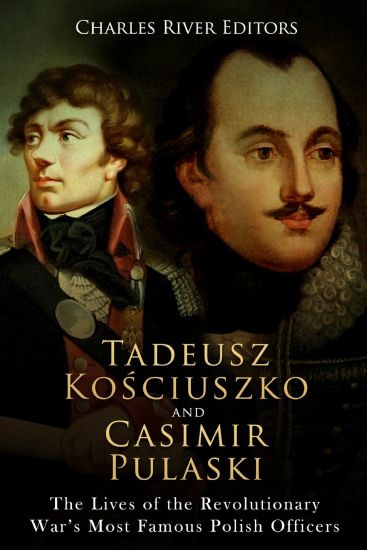
*Includes pictures*Includes contemporary accounts*Includes online resources and a bibliography for further readingBy the time the Revolutionary War started, military confrontations between the world powers had become so common that combat was raised to the status of a fine art, consuming a large portion of time for adolescent males in training and comprising a sizeable component of the economy. Weaponry was developed to a degree of quality not accessible to most North Americans, and European aristocrats were reared in the mastery of swordsmanship with an emphasis on the saber for military use. Likewise, the cavalry, buoyed by a tradition of expert horsemanship and saddle-based combat, was a fighting force largely beyond reach for colonists, which meant that fighting on horses was an undeveloped practice in the fledgling Continental Army, and the American military did not yet fully comprehend the value of cavalry units. Few sword masters were to find their way to North America in time for the war, and the typical American musket was a fair hunting weapon rather than a military one. Even the foot soldier knew little of European military discipline. However, with European nations unceasingly at war, soldiers from one side or the other often found themselves in disfavor, were marked men in exile, or were fleeing from a superior force. To General George Washington's good fortune, a few found their way to the colonies to join in the cause. Some were adventurers recently cut off from their own borders, while others embraced the American urge for freedom that so closely mirrored the same movements in their home countries. Nations such as France undoubtedly had an elevating effect on America's capacity to make formal war, and Lafayette is the most famous foreigner to serve in the Continental Army, but some of the most important individuals who fought for the colonists came from Poland. One of the most important individuals who arrived at Washington's door was Polish aristocrat Kazimierz Michal Wladyslaw Wiktor Pulaski, known to future generations as the "Father of the American Cavalry." Few foreign participants in early American events are as widely decorated in non-military society as this Polish cavalry officer driven into exile from his own nation's fight for independence. Pulaski considered the American urge for resistance against Britain to be an inseparable principle from Poland's lengthy struggle against Russian domination. Tadeusz Kosciuszko possessed a uniquely expanded vision that perceived the American conflict as the test of a new universal paradigm. A philosophical revolution in itself, the vision held by Locke and Jefferson for a previously unknown standard of individual liberty found an obsessive place in Kosciuszko's life view. His response to its power was to make him a much-heralded citizen of both continents in perpetuity, in war and peacetime. A hero in Poland, Lithuania, and Belarus, Kosciuszko not only fought as an officer in the Continental Army of General Washington, but also designed and constructed the defenses for some of America's earliest cities and important military defenses. As a friend to the fledgling state, he went on to lead a "national insurrection" in his Polish homeland against centuries-old Russian domination, mirroring the American effort. Denying allegiance and assistance to Tsars and Emperors such as Catherine and Napoleon unless Polish independence was guaranteed, Kosciuszko witnessed the disappearance of Poland from the world map, an absence not rectified for well over a century. Today, streets, bridges, monuments, and even neighborhoods bear both men's names across the country, and in Polish-American communities, they are often hailed as heroes equal to Washington himself. Tadeusz Kosciuszko and Casimir Pulaski: The Lives of the Revolutionary War's Most Famous Polish Officers profiles two of the Revolutionary War's most important figures.
*Includes pictures*Includes contemporary accounts*Includes online resources and a bibliography for further readingBy the time the Revolutionary War started, military confrontations between the world powers had become so common that combat was raised to the status of a fine art, consuming a large portion of time for adolescent males in training and comprising a sizeable component of the economy. Weaponry was developed to a degree of quality not accessible to most North Americans, and European aristocrats were reared in the mastery of swordsmanship with an emphasis on the saber for military use. Likewise, the cavalry, buoyed by a tradition of expert horsemanship and saddle-based combat, was a fighting force largely beyond reach for colonists, which meant that fighting on horses was an undeveloped practice in the fledgling Continental Army, and the American military did not yet fully comprehend the value of cavalry units. Few sword masters were to find their way to North America in time for the war, and the typical American musket was a fair hunting weapon rather than a military one. Even the foot soldier knew little of European military discipline. However, with European nations unceasingly at war, soldiers from one side or the other often found themselves in disfavor, were marked men in exile, or were fleeing from a superior force. To General George Washington's good fortune, a few found their way to the colonies to join in the cause. Some were adventurers recently cut off from their own borders, while others embraced the American urge for freedom that so closely mirrored the same movements in their home countries. Nations such as France undoubtedly had an elevating effect on America's capacity to make formal war, and Lafayette is the most famous foreigner to serve in the Continental Army, but some of the most important individuals who fought for the colonists came from Poland. One of the most important individuals who arrived at Washington's door was Polish aristocrat Kazimierz Michal Wladyslaw Wiktor Pulaski, known to future generations as the "Father of the American Cavalry." Few foreign participants in early American events are as widely decorated in non-military society as this Polish cavalry officer driven into exile from his own nation's fight for independence. Pulaski considered the American urge for resistance against Britain to be an inseparable principle from Poland's lengthy struggle against Russian domination. Tadeusz Kosciuszko possessed a uniquely expanded vision that perceived the American conflict as the test of a new universal paradigm. A philosophical revolution in itself, the vision held by Locke and Jefferson for a previously unknown standard of individual liberty found an obsessive place in Kosciuszko's life view. His response to its power was to make him a much-heralded citizen of both continents in perpetuity, in war and peacetime. A hero in Poland, Lithuania, and Belarus, Kosciuszko not only fought as an officer in the Continental Army of General Washington, but also designed and constructed the defenses for some of America's earliest cities and important military defenses. As a friend to the fledgling state, he went on to lead a "national insurrection" in his Polish homeland against centuries-old Russian domination, mirroring the American effort. Denying allegiance and assistance to Tsars and Emperors such as Catherine and Napoleon unless Polish independence was guaranteed, Kosciuszko witnessed the disappearance of Poland from the world map, an absence not rectified for well over a century. Today, streets, bridges, monuments, and even neighborhoods bear both men's names across the country, and in Polish-American communities, they are often hailed as heroes equal to Washington himself. Tadeusz Kosciuszko and Casimir Pulaski: The Lives of the Revolutionary War's Most Famous Polish Officers profiles two of the Revolutionary War's most important figures.
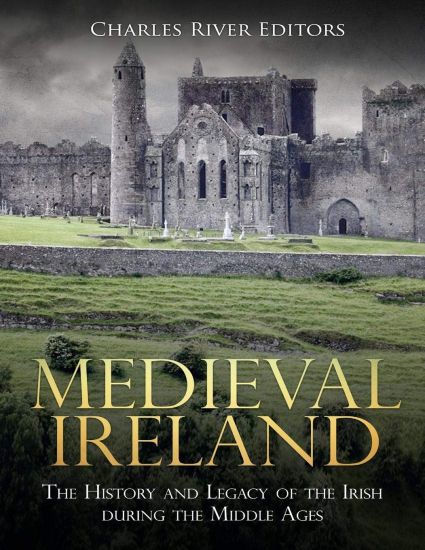
*Includes pictures*Includes online resources and a bibliography for further reading"What have you done for Ireland? How have you answered the Call? Are you pleased with the part you're playing in the job that demands us all? Have you changed the tweed for the khaki to serve with rank and file, as your comrades are gladly serving, or isn't it worth your while?" - An extract from World War I recruitment posterThere are very few national relationships quite as complicated and enigmatic as the one that exists between the English and the Irish. For two peoples so interconnected by geography and history, the depth of animosity that is often expressed is difficult at times to understand. At the same time, historic links of family and clan, and common Gaelic roots, have at times fostered a degree of mutual regard, interdependence, and cooperation that is also occasionally hard to fathom. During World War I, for example, Ireland fought for the British Empire as part of that empire, and the Irish response to the call to arms was at times just as enthusiastic as that of other British dominions such as Canada, Australia, and New Zealand. And yet, at the same time, plots were unearthed to cooperate with the Germans in toppling British rule in Ireland, which would have virtually ensured an Allied defeat. In World War II, despite Irish neutrality, 12,000 Irish soldiers volunteered to join the Khaki line, returning after the war to the scorn and vitriol of a great many of their more radical countrymen. One of the most bitter and divisive struggles in the history of the British Isles, and in the history of the British Empire, played out over the question of Home Rule and Irish independence, and then later still as the British province of Northern Ireland grappled within itself for the right to secede from the United Kingdom or the right to remain. What is it within this complicated relationship that has kept this strange duality of mutual love and hate at play? A rendition of "Danny Boy" has the power to reduce both Irishmen and Englishmen to tears, and yet they have torn at one another in a violent conflict that can be traced to the very dawn of their contact. This history of the British Isles themselves is in part responsible. The fraternal difficulties of two neighbors so closely aligned, but so unequally endowed, can be blamed for much of the trouble. The imperialist tendencies of the English themselves, tendencies that created an empire that embodied the best and worst of humanity, alienated them from not only the Irish, but the Scots and Welsh too. However, the British also extended that colonial duality to other great societies of the world, India not least among them, without the same enduring suspicion and hostility. There is certainly something much more than the sum of its parts in this curious combination of love and loathing that characterizes the Anglo-Irish relationship. Medieval Ireland: The History and Legacy of the Irish during the Middle Ages analyzes the tumultuous events that marked Irish history, and Ireland's relations with England. Along with pictures of important people, places, and events, you will learn about medieval Ireland like never before.
*Includes pictures *Includes accounts of the fighting *Includes online resources and a bibliography for further reading Before Trafalgar, Admiral Horatio Nelson had already earned enduring fame for the British victory at the Battle of the Nile. In 1798, he was given command of a small squadron and sent ahead to Gibraltar, and eventually given instructions to hunt down and destroy Napoleon's fleet. An initial review of France's naval forces had led Napoleon to conclude his navy could not hope to outfight the power of the Royal Navy, which had been the dominant naval power for centuries, so he was forced to look elsewhere. After months of planning, Napoleon crafted a scheme to attack and conquer Egypt, denying the British easy access to their colonies in India, with the ultimate goal of linking up with the Sultan Tipoo in India itself and defeating the British in the field there. Napoleon sailed with Admiral Brueys and 30,000 troops that June, heading for Egypt. Notionally part of the Ottoman Empire, Egypt was de facto a weak independent regime run by the breakaway Mamelukes. For France, it offered an overland route to India and a chance to beat Britain at her own game via economic strangulation. Nelson however, could only speculate at French intentions. Whatever the destination of the French fleet, he sought a battle of annihilation, the culmination of all he had learned as an officer and admiral. Only by that means could Britain secure the Mediterranean and neutralize the threat of a French army operating overseas. His understanding was icily accurate. Ironically, Nelson and the British forces beat the French to Africa, failing to take into account their slower troop transports. While the British turned north, only two days later, on June 28, Napoleon's army disembarked at Alexandria. Back in Sicily, Nelson heard further reports about the French and again sailed south. Arriving at Alexandria late in the afternoon of August 1, he found the port crowded with French transports, but no battle fleet. At the same time, Brueys was only a few miles up the coast, anchored at Aboukir Bay. Nelson's scouts soon spotted the fleet at anchor, and without hesitation, the British attacked, their captains racing each other to be the first to engage. Brueys had made a number of mistakes, for which he paid with his life. His disposition was sloppy, with gaps between the ships and sufficient room between the line of his fleet at anchor and the shallows for an enemy to interpose himself. Many of his sailors were ashore, unable to rejoin their vessels quickly enough to defend them. Fundamentally though, he shouldn't have been there at all, as it was Napoleon, nervous about the Royal Navy and without a clear understanding of naval strategy, who had insisted that the French fleet anchor itself helplessly on the Egyptian coast. A patrolling French fleet at sea would at least have had a chance against Nelson. As it was, they were sitting ducks. It was the battle of annihilation Nelson had sought - of 13 French battleships engaged, 2 were destroyed and 9 were captured. British losses were negligible, with no ships lost and about 900 killed or wounded. French casualties were at least 2,000, with thousands more captured. The French Mediterranean fleet had been wiped out, and Napoleon's expeditionary force was now stranded. With Nelson's decisive victory, the Royal Navy had once again asserted itself as the dominant power in the Mediterranean. At the same time, Nelson's inability to intercept Napoleon at sea allowed the French transports and ground forces to survive unscathed, and they eventually made their way back to France. The stage was now set for over a decade of massive campaigns and battles that would only end more than 15 years later at Waterloo.
*Includes pictures *Includes accounts *Includes online resources and a bibliography for further reading The enduring image of World War I is of men stuck in muddy trenches, and of vast armies deadlocked in a fight neither could win. It was a war of barbed wire, poison gas, and horrific losses as officers led their troops on mass charges across No Man's Land and into a hail of bullets. While these impressions are all too true, they hide the fact that trench warfare was dynamic and constantly evolving throughout the war as all armies struggled to find a way to break through the opposing lines. The arms race before the war and the attempt to break the deadlock of the Western and Eastern Fronts by any means possible changed the face of battle in ways that would have previously been deemed unthinkable. Before 1914, flying machines were objects of public curiosity; the first flights of any account on rotor aircraft had been made less than 5 years before and were considered to be the province of daredevils and lunatics. By 1918, all the great powers were fielding squadrons of fighting aircraft armed with machine-guns and bombs, to say nothing of light reconnaissance planes. Tanks, a common feature on the battlefield by 1918, had not previously existed outside of the realm of science fiction stories written by authors like H. G. Wells. Machine guns had gone from being heavy, cumbersome pieces with elaborate water-cooling systems to single-man-portable, magazine-fed affairs like the Chauchat, the Lewis Gun and the M1918 BAR. To these grim innovations were added flamethrowers, hand grenades, zeppelins, observation balloons, poison gas, and other improvements or inventions that revolutionized the face of warfare. These technological developments led to an imbalance. Before the introduction of the man-portable light machine gun (which took place in the second half of the war), not to mention tanks (which also joined the fight late in the game), defensive firepower vastly outweighed offensive capability. Massed batteries of artillery, emplaced heavy machine guns, barbed wire entanglements, and bewildering fortifications meant that ground could not be taken except at incredible cost. This led to the (somewhat unjustified) criticism famously leveled at the generals of World War I that their soldiers were "lions led by donkeys". Needless to say, the First World War came at an unfortunate time for those who would fight in it. After an initial period of relatively rapid maneuver during which the German forces pushing through Belgium and the French and British forces attempting to stymie them made an endless series of abortive flanking movements that extended the lines to the sea, a stalemate naturally tended to develop. The infamous trench lines soon snaked across the French and Belgian countryside, creating an essentially futile static slaughterhouse whose sinister memory remains to this day. Until the war of maneuver returned in 1918 and led to a decisive outcome for the war, the nexus of this horror lay in the rainy, sodden levels and low ridges of Flanders, near the medieval town of Ypres. In this tiny fragment of Europe, half a million men died over the course of three major battles and the times of attrition between, perishing in a squelching pit of mud, blood-tinged water, and rotting human flesh. The First Battle of Ypres: The History of the Indecisive World War I Battle that Produced a Stalemate along the Belgian Coast analyzes one of the Great War's first major conflicts, and how it was emblematic of the stalemate that came from new technology and trench warfare. Along with pictures of important people, places, and events, you will learn about the First Battle of Ypres like never before.
*Includes pictures*Includes ancient accounts*Includes online resources and a bibliography for further readingTo the ancient Egyptians, as was the case with any society made up of inquiring humans, the world was a confusing and often terrifying place of destruction, death and unexplained phenomena. In order to make sense of such an existence, they resorted to teleological stories. Giving a phenomenon a story made it less horrifying, and it also helped them make sense of the world around them. Unsurprisingly, then, the ancient Egyptian gods permeated every aspect of existence. Given the abundance of funerary artifacts that have been found within the sands of Egypt, it sometimes seems as though the Ancient Egyptians were more concerned with the matters of the afterlife than they were with matters of the life they experienced from day to day. This is underscored most prominently by the pyramids, which have captured the world's imagination for centuries. Thus, it's little surprise that Osiris was one of the most important gods in the Egyptian pantheon, and he could well be the most famous of the Egyptian gods today. Aside from the ubiquity of the sun-god Re in much of modern popular culture, it is Osiris who captivates the minds of modern readers most. His story is both familiar and strangely alien. He is the god of the dead, but he became so by the very fact of his mortality. All the gods of ancient Egypt were capable of dying, but Osiris was also a symbol of resurrection, not unlike Christ in Christian theology. Osiris was betrayed by somebody close to him (in this case, his brother Seth) and was murdered and reborn, but here is where Osiris and Christ part ways. Osiris's death is brutal, and his resurrection is the product of his wife Isis's love for him. Furthermore, Osiris was associated with the kings of Egypt because the Egyptians believed he was a king himself. The ancient Egyptians could trace their kings back, one by one, to a time when the gods were believed to have ruled the land in person. Osiris was the third or fourth successor to the Egyptian throne after creation, and the Egyptians believed that Osiris's connection with kingship is what allowed their kings to be reborn in a way themselves. He was also said to be physically enormous - almost 15 and a half feet according to some sources - which was said to have aided him in his military campaigns. Despite his grotesque appearance - it's likely that his green and black skin coloration was an early attempt at depicting putrefaction - Osiris was the epitome of hope and renewal. His skin later came to represent the lush green of the crops around the Nile and the fertile black land they grew out of nearby. He was often shown as a mummified king sitting on a throne with the flail of a pharaoh and the crook of a shepherd, since he was the shepherd of people to the land of the dead, Duat. In fact, although Osiris was said to be capable of sending "demons" to the world of the living, he was generally considered to be a benevolent king of the underworld. Depending on the phenomenon or feeling the ancient Egyptians experienced, there was a corresponding deity and a story to explain the connection. Acclaimed Egyptologist Garry Shaw described this ethos an "an endless repetition of creations, destructions and rebirths, entangled in a net of divine interactions ... each person living] as the hero of his own mythic narrative each day." In this way, the ancient Egyptian would "assimilate" themselves with the corresponding deity that defined their situation at any given time. Osiris: The History and Legacy of the Ancient Egyptian God of the Dead looks at the mythology surrounding one of antiquity's most famous deities. Along with pictures depicting important people, places, and events, you will learn about Osiris like never before.
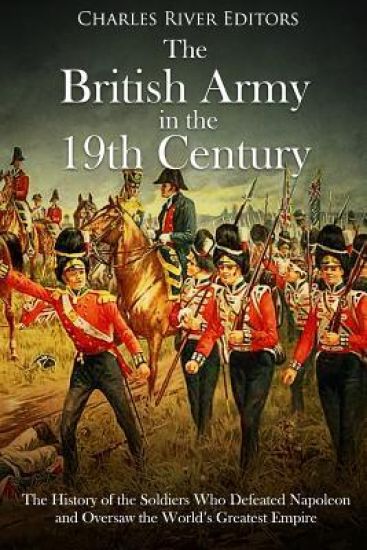
*Includes pictures *Includes online resources and a bibliography for further reading Today, the British Army is one of the most powerful fighting forces in the world. Its highly trained professional soldiers are equipped with the most advanced military technology ever made. Its international interventions, while controversial both at home and abroad, are carried out with incredible professionalism and little loss of life among British servicemen and servicewomen. Naturally, the history and traditions behind this army are also impressive. Britain has not been successfully invaded in centuries. Its soldiers once created and defended a global empire, and during the Second World War, it was one of the leading nations standing against the brutal Axis forces, leading the way in the greatest seaborne invasion in military history. But it was not always like this. For most of its history, Britain was a patchwork of competing nations. England, the largest of its constituent countries, was often relatively weak as a land power compared with its European neighbors. Moreover, Britain's armies, like those of the other European powers, were neither professional nor standing armies for hundreds of years. The 18th century was a tumultuous period for the British army, one often overlooked in popular accounts of British history. It began with the formal unification of Britain-a period of great success for the nation's armies-led by one of Britain's greatest generals, the Duke of Marlborough. This was followed by a period of global activity and military reform as the British Empire expanded. Though naval power played a greater part in this success, it led to new obligations and challenges for the army. Even as the empire soared to new heights, the 18th century was one that was initially marked by triumph but ended in failure and decline. The late 1770s and early 1780s brought about a disastrous war for control of the American colonies, during which the British Army was ultimately defeated by colonial militiamen allied with French forces. In the aftermath came a period of decline and complacency, leaving the nation ill-prepared for war with Napoleon and France. In the wake of the French Revolution, other European powers were eager to suppress the revolutionary example before it spread to their nations, and to capitalize on France's turmoil to their advantage. Encouraged by exiled French aristocrats, they went to war to restore the old France, only for the resulting wars to make France more powerful than it had ever been. Under Napoleon, the nation's armies took control of the Iberian and Italian Peninsulas, as well as large swathes of central Europe, and humbled great states such as Prussia and Austria. Though their march against Russia in 1812 ended in disaster, that it happened at all was remarkable. Wellington famously referred to his men as the scum of the earth, even as he took pride in their skill and successes. This was an army that took rough material and shaped it into something refined and effective. The demoralized army emerging after the American Revolution became something new and powerful, respected around the world. These were the men who had given Britain its era of greatest glory. These were Wellington's scum. Wellington's Scum: The History and Legacy of the British Army during the Napoleonic Wars examines the history of the British Army during one of history's most pivotal eras. Along with pictures of important people, places, and events, you will learn about the British Army during the Napoleonic Wars like never before.
*Includes pictures *Includes online resources and a bibliography for further reading Today, the British Army is one of the most powerful fighting forces in the world. Its highly trained professional soldiers are equipped with the most advanced military technology ever made. Its international interventions, while controversial both at home and abroad, are carried out with incredible professionalism and little loss of life among British servicemen and servicewomen. Naturally, the history and traditions behind this army are also impressive. Britain has not been successfully invaded in centuries. Its soldiers once created and defended a global empire, and during the Second World War, it was one of the leading nations standing against the brutal Axis forces, leading the way in the greatest seaborne invasion in military history. But it was not always like this. For most of its history, Britain was a patchwork of competing nations. England, the largest of its constituent countries, was often relatively weak as a land power compared with its European neighbors. Moreover, Britain's armies, like those of the other European powers, were neither professional nor standing armies for hundreds of years. The 18th century was a tumultuous period for the British army, one often overlooked in popular accounts of British history. It began with the formal unification of Britain-a period of great success for the nation's armies-led by one of Britain's greatest generals, the Duke of Marlborough. This was followed by a period of global activity and military reform as the British Empire expanded. Though naval power played a greater part in this success, it led to new obligations and challenges for the army. Even as the empire soared to new heights, the 18th century was one that was initially marked by triumph but ended in failure and decline. The late 1770s and early 1780s brought about a disastrous war for control of the American colonies, during which the British Army was ultimately defeated by colonial militiamen allied with French forces. In the aftermath came a period of decline and complacency, leaving the nation ill-prepared for war with Napoleon and France. In the wake of the French Revolution, other European powers were eager to suppress the revolutionary example before it spread to their nations, and to capitalize on France's turmoil to their advantage. Encouraged by exiled French aristocrats, they went to war to restore the old France, only for the resulting wars to make France more powerful than it had ever been. Under Napoleon, the nation's armies took control of the Iberian and Italian Peninsulas, as well as large swathes of central Europe, and humbled great states such as Prussia and Austria. Though their march against Russia in 1812 ended in disaster, that it happened at all was remarkable. Wellington famously referred to his men as the scum of the earth, even as he took pride in their skill and successes. This was an army that took rough material and shaped it into something refined and effective. The demoralized army emerging after the American Revolution became something new and powerful, respected around the world. These were the men who had given Britain its era of greatest glory. These were Wellington's scum. Wellington's Scum: The History and Legacy of the British Army during the Napoleonic Wars examines the history of the British Army during one of history's most pivotal eras. Along with pictures of important people, places, and events, you will learn about the British Army during the Napoleonic Wars like never before.
*Includes pictures *Includes online resources and a bibliography for further reading "We must, however, acknowledge...that man with all his noble qualities... still bears in his bodily frame the indelible stamp of his lowly origin." - Charles Darwin Ever since the human mind developed the capacity for thought, people have pondered not just the meaning of life, but the genesis of the world, the universe, and all the natural marvels and precious forms of life within it. To this day, all of these intricate subjects continue to be matters of great contention, and they are often best encapsulated in the debate between creationism and evolution. On the one hand are those who are adamant that it was God, or some other supreme being, that designed and crafted every detail of the universe, as evidenced by the plethora of creation myths from various creeds and traditions. Among one of the most well-known etiological tales is the classic story of the Christian God who constructed the world in 6 days, and man and woman out of clay and man's rib, respectively. This is a concept that many still cling to today; approximately 38% of Americans believed in creationism in 2017, as reported by a Gallup Poll. Then, there are the more obscure narratives, such as the Japanese creation myth, which recounts how the god and goddess, Izanagi and Izanami, birthed from "elements mixed together with one germ of life," shaped the Japanese islands with some mud and the aid of a sacred staff. The Mayans preached about Tepeu, the maker of all things, and Gucumatz, the "feathered spirit," who produced the world with nothing but their thoughts, and placed on Earth the first quartet of humans fashioned out of white and yellow corn. On the other hand are those who believe (or as they would say, "accept") evolution and scientific processes as facts. As enthralling as such creation myths may be, insist critics of creationism, who campaign for their retirement, there is not a sound shred of logic behind these time-worn tales. Renowned theoretical physicist Stephen Hawking, arguably one of the most brilliant people to have ever lived, stated, "Before we understand science, it is natural to believe that God created the universe. But now science offers a more convincing explanation." His sentiments are echoed by famous atheist and evolutionary biologist Richard Dawkins in The Selfish Gene: "Today the theory of evolution is about as much open to doubt as the theory that the earth goes round the sun..." "Some claim that evolution is just a theory, as if it were merely an opinion," esteemed astrophysicist Neil deGrasse Tyson, another leading proponent of evolution, adds. "The theory of evolution - like the theory of gravity - is a scientific fact. Evolution really happened. Accepting our kinship with all life on Earth is not only solid science. In my view, it's also a soaring spiritual experience." Most scientists believe the evolution of humans has a history as long as life itself. Anatomically modern humans and all other life that has existed on the planet first came about from the single-celled microorganisms that emerged approximately 4 billion years ago. Through the processes of mutation and natural selection, all forms of life developed, and this continuous lineage of life makes it difficult to say precisely when one species completely separates from another. In other words, scientists still debate when a human became a human rather than the ancestor species that came before. In order to understand the history of human evolution, an understanding of the mechanisms that essentially "created" modern humans needs to be understood. These processes are natural selection and evolution. Human Evolution: The History of the Evolution and Natural Selection Processes that Gave Rise to Modern Humans examines how humans evolved from microorganisms, and the evolutionary theories that came about in the 19th century to explain it all.
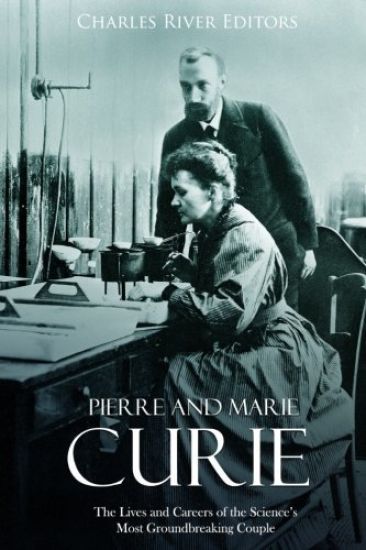
*Includes pictures *Includes online resources and a bibliography for further reading "Nothing in life is to be feared, it is only to be understood. Now is the time to understand more, so that we may fear less." - Marie Curie "Is it right to probe so deeply into Nature's secrets? The question must here be raised whether it will benefit mankind, or whether the knowledge will be harmful." - Pierre Curie The tens of millions who perished in the First World War - not to mention the horrendous turmoil that culminated in the outbreak of its successor - understandably marred the conception of the first decades of the 20th century. However, during that time, unparalleled minds from all over the globe unsnarled age-old mysteries and perfected prevailing theories, conjuring up wave after wave of breakthroughs that catapulted the world of science to unprecedented heights. Owing to this influx of novel ideas and innovative concepts, conferences had to be assembled to keep the relevant scientific spheres apprised of the latest advances. The formation of such conferences also allowed them to confront burning questions and investigate unexplored realms in their respective fields. The most notable of these gatherings was the Fifth Solvay International Conference on Electrons and Photons (attended by those pictured), 16 years after its inception. Not only did this batch of physicists aim to dissect the recently structured quantum theory, realists and instrumentalists intended to resolve the debate on scientific methods once and for all. The dispute ultimately ended in favor of the latter. In the picture of the conference participants, near none other than Albert Einstein, is an older scientist with a solemn face lined with wisdom, framed by the wispy, snow-white flyaways of her characteristic loose bun. Her thin lips are somewhat pursed in a scowl, and there is an aura of confidence radiating from her, the lone woman amidst a pack of exalted, intimidating men. Her shoulders are relaxed, her legs are crossed under her plain black cloak, and her felt bowler hat rests casually against her lap. This is none other than Madame Marie Curie, who not only cracked the glass ceiling but completely shattered it. Not surprisingly, early 20th century society, stunted by its narrow, patriarchal mindset, assailed her with double the toilsome trials and taxing tribulations, many of which were unique to her solely on account of her gender. Be that as it may, the tenacious pupil-turned-savant soldiered on through the discrimination and clambered over the often gratuitous stumbling blocks, ultimately cementing her place in history as one of the greatest scientists of all time. The fact Pierre has mostly been forgotten is the textbook definition of irony, because even the most enlightened minds of the early 20th century were stunted by a narrow, patriarchal mindset, forcing Marie to confront obstacles and tribulations that were unique solely to her as a scientist solely on account of gender. As such, some of her most groundbreaking moments would feature Pierre receiving the credit or giving the commemorative speech. It would be long after his death that his wife managed to ultimately cement her legacy as one of the greatest scientists of all time, and while their respective positions have changed over time, Pierre's personal discoveries continue to live on in a variety of vessels, from the ticking quartz watch on one's wrist to motors and engines, and even military-grade ultrasonic devices. Pierre and Marie Curie: The Lives and Careers of the Science's Most Groundbreaking Couple examines the life and career that made him one of the world's foremost scientists of his time. Along with pictures of important people, places, and events, you will learn about Pierre Curie like never before.
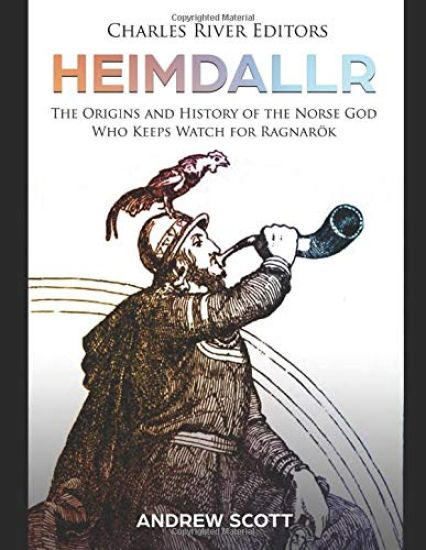
*Includes pictures*Includes medieval accounts*Includes online resources and a bibliography for further readingMuch of what is known of the Norse myths comes from the 10th century onwards. Until this time and, indeed, for centuries afterwards, Norse culture (particularly that of Iceland, where the myths were eventually transcribed) was an oral culture. In fact, in all Scandinavian countries well into the thirteenth century laws were memorized by officials known as "Lawspeakers" who recited them at the "Thing." The Thing was the legislative assembly in Scandinavia "held for judicial purposes." One of the most famous of these Lawspeakers was the Icelander Snorri Sturluson, a masterful writer who wrote the Prose Edda in the thirteenth century. There are other sources for the Norse myths, namely the later "Poetic Edda," a collection of poems and prose work, and other sagas but the Snorri's Prose Edda is the most complete work whose attribution is known to modern scholars. The Prose Edda is a collection of Norse Myths split into three sections, the Gylfaginning (the Deluding of Gylfi), the Sk ldskaparm l (the Language of Poetry) and the H ttatal (the Enumeration of Meters). The first has a frame story that entails a Swedish King, Gylfi, disguising himself as an old man, Gangleri, when he journeys to Asgard to meet the gods. When he arrives, he meets three men - "High One, Just-As-High, and Third" - who reveal to him stories of the world and the gods. The second section contains a warning for Christians not to believe in the Norse gods, specifically the two families, the sir and the Vanir, but also refutes the notion that they were demons, which was a common supposition among some Christians at the time. The Prose Edda begins in this line of thought with a euhemeristic prologue, which traces the history of the Norse Gods as human heroes of Troy, making Thor one of King Priam's sons. Thanks to recent modern Hollywood depictions of Heimdallr (by his Anglicized name Heimdall), played masterfully and enigmatically by the actor Idris Elba, this mysterious Norse god has once again emerged in pop culture. However, knowledge of his name has not brought with it many solutions to the problems of his character. The French philologist Georges Dum zil outlined the problems of Heimdallr excellently in his book Gods of the Ancient Northmen: "The god Heimdall poses one of the most difficult problems in Scandinavian mythography. As all who have dealt with him have emphasized, this is primarily because of a very fragmentary documentation; but even more because the few traits that have been saved from oblivion diverge in too many directions to be easily 'thought of together, ' or to be grouped as members of a unitary structure." Sadly, there is no known presence of any cult of Heimdallr that could help historians understand the practical role he played in Norse religion, though the myths surrounding him are many and varied. That being said, academics have not ceased to study Heimdallr because the enigmas surrounding him are precisely what make him so fascinating. In order to understand how this god, who was by no means a "lesser" deity in the Norse pantheon, could be so misunderstood today, it is worth analyzing the problems people still face when approaching the Norse "religion." Heimdallr: The Origins and History of the Norse God Who Keeps Watch for Ragnar k looks at the stories about the legendary Norse deity. Along with pictures depicting important people, places, and events, you will learn about Heimdallr like never before.
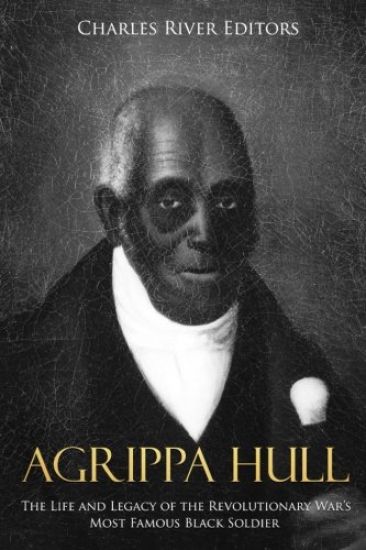
*Includes pictures *Includes contemporary accounts *Includes online resources and a bibliography for further reading By the time the Revolutionary War started, military confrontations between the world powers had become so common that combat was raised to the status of a fine art, consuming a large portion of time for adolescent males in training and comprising a sizable component of the economy. Weaponry was developed to a degree of quality not accessible to most North Americans, and European aristocrats were reared in the mastery of swordsmanship with an emphasis on the saber for military use. Likewise, the cavalry, buoyed by a tradition of expert horsemanship and saddle-based combat, was a fighting force largely beyond reach for colonists, which meant that fighting on horses was an undeveloped practice in the fledgling Continental Army, and the American military did not yet fully comprehend the value of cavalry units. Few sword masters were to find their way to North America in time for the war, and the typical American musket was a fair hunting weapon rather than a military one. Even the foot soldier knew little of European military discipline. However, with European nations unceasingly at war, soldiers from one side or the other often found themselves in disfavor, were marked men in exile, or were fleeing from a superior force. To General George Washington's good fortune, a few found their way to the colonies to join in the cause. Some were adventurers recently cut off from their own borders, while others embraced the American urge for freedom that so closely mirrored the same movements in their home countries. Nations such as France undoubtedly had an elevating effect on America's capacity to make formal war, and Lafayette is the most famous foreigner to serve in the Continental Army, but one of the most important individuals who arrived was a Polish nobleman named Tadeusz Kosciuszko, who had military and engineering experience. Raised in Stockbridge, Massachusetts, Hull's increasing fame is accessible in large part due to his association with Kosciuszko, who is still a hero across America today for helping design and construct the defenses of West Point, among other things. Serving as Kosciuszko's orderly for a period of 50 months in nearly every major battle, Hull was described by noted historian Gary Gary Nash as a great "unnoticed American." Nash further speaks of Hull's service to the Continental Army at the side of Kosciuszko as the core of his "hidden importance." By the end of the war, Hull had served for six years and two months in Washington's army, receiving a badge of honor for his extended service, and precious discharge papers signed by the commanding general himself. Beyond that unique professional collaboration and personal friendship, the savvy orderly set an example to all free blacks by achieving a lifestyle unthinkable for many white residents of Stockbridge or any American community. Likewise, excellence as an orderly to a high-ranking officer is not the most memorable story for an American biography; rather, Hull's influence on Kosciuszko's worldview constitutes the heightened social value of the alliance. Confident in his status as a full citizen, Hull's way of looking at the world reflected the sentiments that caused the colonies to consider revolution.. Accepted as an honored citizen in his community of Stockbridge, he lived a distinguished life that lasted until the outbreak of the Mexican-American War in the mid-19th century. Agrippa Hull: The Life and Legacy of the Revolutionary War's Most Famous Black Soldier profiles one of the Revolution's most unique participants. Along with pictures of important people, places, and events, you will learn about Hull like never before.
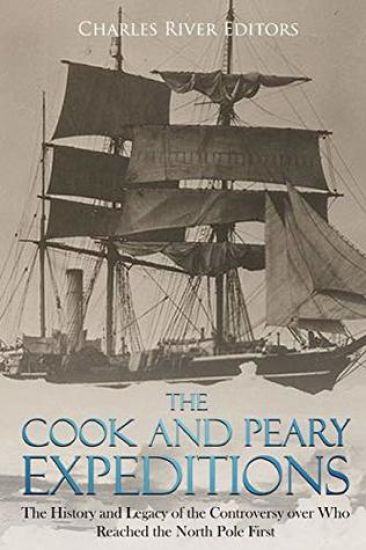
*Includes pictures *Includes contemporary accounts *Includes online resources and a bibliography for further reading "I have stated my case, presented my proofs. As to the relative merits of my claim, and Mr Peary's, place the two records side by side. Compare them. I shall be satisfied with your decision." - Frederick Albert Cook "Whatever the truth is, the situation is as wonderful as the Pole, and whatever they found there, those explorers, they have left there a story as great as a continent." - Lincoln Steffens It is the dreamland of most children in Europe and the Americas, and the mysterious home of the mythical Santa Claus, his devoted wife Mrs. Claus, the reindeer and the many elves who make Christmas toys each year. In many ways, the North Pole is the first geographical location many kids learn, if only because children over the age of 3 can manage to tell any interested adult that Santa Claus lives there. In reality, of course, the North Pole proved to be as elusive for many brave explorers as jolly old Santa has been for children who wait up at night by the chimney. The biggest problem, of course, is the North Pole's unforgiving location, far from sunshine or any sort of natural warmth. Another problem, one that would only became obvious in the 20th Century, was that it is located not on any piece of stable land but in the middle of the Arctic Ocean, usually covered by ever shifting ice floes. Finally, without modern technological advances, it was nearly impossible to tell when one has actually reached the planet's northernmost spot. The controversy truly began on September 1, 1909, when the New York Herald printed a headline that told readers, "The North Pole is Discovered by Doctor Frederick A. Cook." By mid-1909, almost everyone in the polar establishment believed that Frederick Cook was dead, since his expedition had not been seen or heard of for a year. Then, suddenly, the New York Herald broke the news - the indestructible Cook had returned to civilization, and what's more, he had reached the North Pole. The newspapers hailed it as a great American achievement, and overnight Cook found himself a hero and a major celebrity. However, less than a week later, on September 7, 1909, a rival newspaper, the New York Times, published their own version: "Peary Discovers the North Pole After Eight Trials in 23 Years." Who was to be believed? The physical characteristics of the North Pole were known to none, so no viable comparisons could be made, and since the North Pole lay on a shifting continent of ice, its position might be in one place today and another tomorrow. This has led to more than one argument about who actually made it and who did not; as historian E. Myles Standish put it, "Anyone who is acquainted with the facts and has any amount of logical reasoning can not avoid the conclusion that neither Cook, nor Peary, nor Byrd reached the North Pole; and they all knew it." Those sentiments were echoed by Canadian explorer Richard Weber, who asserted, "We came to the conclusion that Peary never got anywhere near the Pole. On the ice, everything looks the same. I'm afraid we'd have been lost without a global positioning system." The Cook and Peary Expeditions: The History and Legacy of the Controversy over Who Reached the North Pole First chronicles the groundbreaking expeditions. Along with pictures of important people, places, and events, you will learn about the expeditions like never before.
La guerra siempre ha sido una competencia entre defensiva y ofensiva. Por momentos ambas han estado relativamente balanceadas, pero en otros momentos, una llega a ser mucho m s poderosa. Es durante esos tiempos que ocurren las m s grandiosas innovaciones militares. El tanque fue desarrollado en primer lugar por los brit nicos y los franceses durante la Primera Guerra Mundial como un medio para romper con el deadlock en el Frente Occidental. M s que en ninguna guerra anterior, el balance de poder se inclinaba hacia la defensa, ya que las ametralladoras, trincheras, bunkers, alambre de p as y rifles de rapid-fire hac an prohibitivos los costos de ataques frontales sobre posiciones establecidas. En los meses culminantes de la guerra, el tanque igual parcialmente ese balance, incluso cuando los comandantes de la guerra se demostraron inicialmente no estar seguros de c mo usarlos. Si bien no se puede decir que el tanque gan la guerra, s contribuy a su fin, y si la lucha hubiera continuado otro a o, la producci n en masa que hab a comenzado en los pa ses aliados podr a haber sido decisiva. Todas las principales potencias, y muchas de menor envergadura, aprendieron su lecci n en la I Guerra Mundial. Durante el periodo de interguerra (finales de 1918 hasta mediados de 1939), una gran variedad de tanques y armas antitanque fueron desarrollados por un n mero de diversos pa ses, y esas naciones que no ten an sus propios modelos se apresuraron a comprarle algunos a los pa ses m s avanzados. Estos tanques dar an forma a la guerra que vendr a. La Segunda Guerra Mundial ser a, as , la culminaci n de un cuarto de siglo de desarrollo del tanque, y tambi n ser a la primera gran prueba de los tanques en la guerra m vil, durante la cual deb an enfrentarse a otros tanques. Sin embargo, muchos de los tanques fueron construidos con el tipo de guerra est tica del frente occidental en mente, y eran por ende lentos y de corto rango operacional. Otros eran demasiado livianos para enfrentarse a otros tanques o a la nueva generaci n de armas antitanque que no hab a existido en la I Guerra Mundial. R pidamente se reconoci que estos modelos de tanque no eran apropiados para el nuevo tipo de guerra, y las potencias beligerantes se afanaron por crear mejores dise os. A medida que sal a cada modelo nuevo y mejorado de las l neas de ensamblaje, los poderes enemigos se apresuraban a crear un tanque que pudiera derrotarlo. En ese sentido, la Segunda Guerra Mundial fue tambi n una guerra entre ingenieros rivales. Al mismo tiempo, los oficiales militares alemanes estaban a la vanguardia del desarrollo de nuevas ideolog as cuando se trataba de utilizar sus tanques con un m ximo efecto. Heinz Guderian incluso public un libro sobre el tema antes de convertirse en uno de los comandantes de tanque m s efectivos del Tercer Reich. Adem s, durante la invasi n alemana a Polonia, las fuerzas nazis ganaron experiencia que luego usar an a lo largo de Europa y en Rusia. Despu s de todo, fue en Polonia que la Wehrmacht vio acci n por primera vez, al conducir lo que fue no solo una invasi n sino tambi n una prueba de ensayo de su nuevo equipo y t cticas. La invasi n a Polonia proporcion al alto comando alem n un invaluable ejercicio de live fire de bajo riesgo y alto valor para estrenar su nueva m quina de guerra, mientras que la experiencia de combate resalt los defectos existentes en el sistema. Durante la campa a, los alemanes perfeccionaron sus t cticas y sistemas de armas, para la lucha masiva con los sovi ticos, ingleses y estadounidenses que asomaba en el horizonte. Blitzkrieg: la historia y legado de la guerra rel mpago de la Alemania nazi al comienzo de la Segunda Guerra Mundial examina el desarrollo de los tanques y de la doctrina que revolucion este tipo de guerra. En conjunto con fotograf as de personas, lugares y eventos importantes, aprender sobre el blitzkrieg como nunca antes.
La guerra siempre ha sido una competencia entre defensiva y ofensiva. Por momentos ambas han estado relativamente balanceadas, pero en otros momentos, una llega a ser mucho m s poderosa. Es durante esos tiempos que ocurren las m s grandiosas innovaciones militares. El tanque fue desarrollado en primer lugar por los brit nicos y los franceses durante la Primera Guerra Mundial como un medio para romper con el deadlock en el Frente Occidental. M s que en ninguna guerra anterior, el balance de poder se inclinaba hacia la defensa, ya que las ametralladoras, trincheras, bunkers, alambre de p as y rifles de rapid-fire hac an prohibitivos los costos de ataques frontales sobre posiciones establecidas. En los meses culminantes de la guerra, el tanque igual parcialmente ese balance, incluso cuando los comandantes de la guerra se demostraron inicialmente no estar seguros de c mo usarlos. Si bien no se puede decir que el tanque gan la guerra, s contribuy a su fin, y si la lucha hubiera continuado otro a o, la producci n en masa que hab a comenzado en los pa ses aliados podr a haber sido decisiva. Todas las principales potencias, y muchas de menor envergadura, aprendieron su lecci n en la I Guerra Mundial. Durante el periodo de interguerra (finales de 1918 hasta mediados de 1939), una gran variedad de tanques y armas antitanque fueron desarrollados por un n mero de diversos pa ses, y esas naciones que no ten an sus propios modelos se apresuraron a comprarle algunos a los pa ses m s avanzados. Estos tanques dar an forma a la guerra que vendr a. La Segunda Guerra Mundial ser a, as , la culminaci n de un cuarto de siglo de desarrollo del tanque, y tambi n ser a la primera gran prueba de los tanques en la guerra m vil, durante la cual deb an enfrentarse a otros tanques. Sin embargo, muchos de los tanques fueron construidos con el tipo de guerra est tica del frente occidental en mente, y eran por ende lentos y de corto rango operacional. Otros eran demasiado livianos para enfrentarse a otros tanques o a la nueva generaci n de armas antitanque que no hab a existido en la I Guerra Mundial. R pidamente se reconoci que estos modelos de tanque no eran apropiados para el nuevo tipo de guerra, y las potencias beligerantes se afanaron por crear mejores dise os. A medida que sal a cada modelo nuevo y mejorado de las l neas de ensamblaje, los poderes enemigos se apresuraban a crear un tanque que pudiera derrotarlo. En ese sentido, la Segunda Guerra Mundial fue tambi n una guerra entre ingenieros rivales. Al mismo tiempo, los oficiales militares alemanes estaban a la vanguardia del desarrollo de nuevas ideolog as cuando se trataba de utilizar sus tanques con un m ximo efecto. Heinz Guderian incluso public un libro sobre el tema antes de convertirse en uno de los comandantes de tanque m s efectivos del Tercer Reich. Adem s, durante la invasi n alemana a Polonia, las fuerzas nazis ganaron experiencia que luego usar an a lo largo de Europa y en Rusia. Despu s de todo, fue en Polonia que la Wehrmacht vio acci n por primera vez, al conducir lo que fue no solo una invasi n sino tambi n una prueba de ensayo de su nuevo equipo y t cticas. La invasi n a Polonia proporcion al alto comando alem n un invaluable ejercicio de live fire de bajo riesgo y alto valor para estrenar su nueva m quina de guerra, mientras que la experiencia de combate resalt los defectos existentes en el sistema. Durante la campa a, los alemanes perfeccionaron sus t cticas y sistemas de armas, para la lucha masiva con los sovi ticos, ingleses y estadounidenses que asomaba en el horizonte. Blitzkrieg: la historia y legado de la guerra rel mpago de la Alemania nazi al comienzo de la Segunda Guerra Mundial examina el desarrollo de los tanques y de la doctrina que revolucion este tipo de guerra. En conjunto con fotograf as de personas, lugares y eventos importantes, aprender sobre el blitzkrieg como nunca antes.
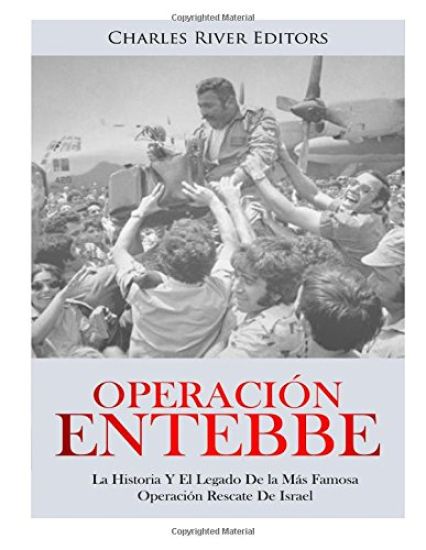
"De la sangrienta historia de la naci n jud a, aprendemos que la violencia que comienza con el asesinato de jud os termina con la propagaci n de la violencia y el peligro a todos los pueblos, en todas las naciones. No tenemos otra opci n que atacar a las organizaciones terroristas dondequiera que podamos llegar a ellas. Esa es nuestra obligaci n hacia nosotros mismos y hacia la paz". Golda Meir "El 4 de julio de 1976, fue un gran d a para ser americano, y un gran d a para ser jud o, y fue, estoy seguro, un d a absolutamente sensacional para ser americano y jud o." George Will Durante la Guerra de los Seis D as en 1967, las fuerzas israel es atacaron repentinamente el Sina en respuesta a la violaci n por parte de Egipto de un tratado anterior que permit a el paso de barcos israel es a trav s del importante Estrecho de Tir n. En una campa a rel mpago, las fuerzas israel es bien entrenadas y bien dirigidas, equipadas con veh culos y aviones americanos y franceses, destrozaron decisivamente a las fuerzas armadas egipcias de baja calidad. Cuando Jordania y Siria atacaron a Israel en apoyo de Egipto, los israel es tambi n aplastaron sus fuerzas. Israel adquiri la mayor parte del Sina , adem s de ocupar Cisjordania, la Franja de Gaza y los Altos del Gol n. El 8 de mayo de 1972, un nuevo estilo de guerra sali a la luz cuando cuatro miembros de la Organizaci n Septiembre Negro, una rama amorfa del movimiento Fatah, secuestraron el vuelo belga 571 de Sabena en ruta de Bruselas a Tel Aviv. Para ganar tiempo, el sistema de seguridad israel accedi a permitir que el vuelo 571 aterrizara en el Aeropuerto Internacional de Lod, al sureste de Tel Aviv, donde fue escoltado inmediatamente hasta el otro extremo de la pista. El Ministro de Defensa Moshe Dayan fue acompa ado en el aeropuerto por el Ministro de Transporte Shimon Peres, el Jefe de Estado Mayor de las FDI, Teniente General David Elazar, y varios otros altos oficiales de las FDI y funcionarios del gobierno. El jefe de la secci n de interrogatorios del Shin Bet, el servicio de seguridad interna de Israel, se enfrent a los cuatro terroristas -dos hombres y dos mujeres- en negociaciones espurias mientras se decid a lo que se iba a hacer. Las demandas de los secuestradores fueron muy simples: la liberaci n de 315 palestinos condenados por delitos de terrorismo que se encontraban recluidos en prisiones israel es en ese momento. Aunque se iniciaron las negociaciones, los israel es no ten an intenci n alguna de acceder a ninguna exigencia. El proceso fue ofuscado y deliberadamente enfangado simplemente para privar de sue o a los cuatro secuestradores, y para dar tiempo a que se montara una operaci n de rescate. Sin embargo, la violencia no hizo m s que aumentar despu s de que los israel es ganaran la guerra de Yom Kippur de 1973, a pesar de los primeros xitos rabes. En el proceso de contrarrestar estos ataques y secuestros, los israel es desarrollaron valiosas habilidades en operaciones de comando y rescate de rehenes. Esta experiencia les ayud mucho en el verano de 1976, cuando un secuestro a gran escala llev a una audaz operaci n israel a miles de kil metros del Levante en el aeropuerto ugand s de Entebbe, entonces parte del dominio del dictador Idi "Big Daddy" Amin. Operaci n Entebbe: La Historia Y El Legado De La Operaci n De Rescate M s Famosa De Israel se refiere a una de las operaciones de comando m s dram ticas de todos los tiempos. Junto con fotos y bibliograf a, usted aprender sobre Entebbe como nunca antes.