Kirjojen hintavertailu – 12 859 818 kirjaa ja 27 kauppaa

Kirjailija

Friedrich Nietzsche

Kirjat ja teokset yhdessä paikassa: 921 kirjaa, julkaisuja vuosilta 1885–2026, suosituimpiin kuuluu Näin puhui Zarathustra. Vertaile teosten hintoja ja tarkista saatavuus suomalaisista kirjakaupoista.

921 kirjaa

Kirjojen julkaisuvuodet: 1885–2026.

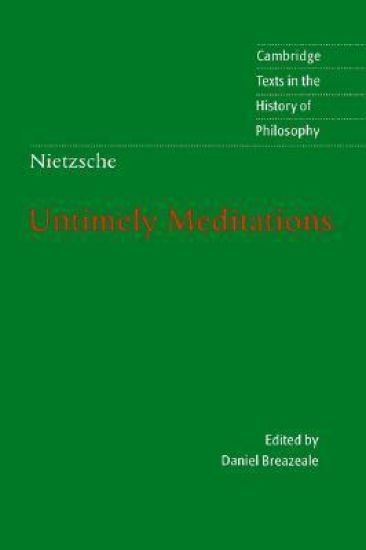
Nietzsche: Untimely Meditations

Nietzsche: Untimely Meditations

Friedrich Nietzsche

Cambridge University Press
1997
sidottu
The four short works in Untimely Meditations were published by Nietzsche between 1873 and 1876. They deal with such broad topics as the relationship between popular and genuine culture, strategies for cultural reform, the task of philosophy, the nature of education, and the relationship between art, science and life. They also include Nietzsche's earliest statement of his own understanding of human selfhood as a process of endlessly 'becoming who one is'. As Daniel Breazeale shows in his introduction to this new edition of R. J. Hollingdale's translation of the essays, these four early texts are key documents for understanding the development of Nietzsche's thought and clearly anticipate many of the themes of his later writings. Nietzsche himself always cherished his Untimely Meditations and believed that they provide valuable evidence of his 'becoming and self-overcoming' and constitute a 'public pledge' concerning his own distinctive task as a philosopher.
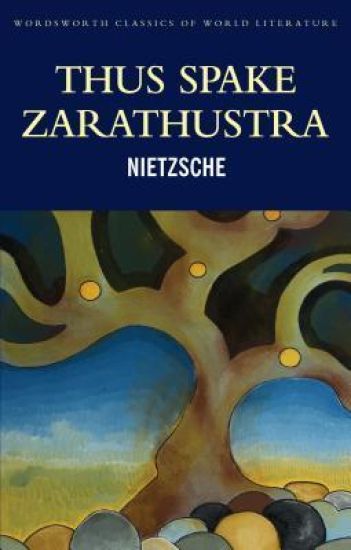
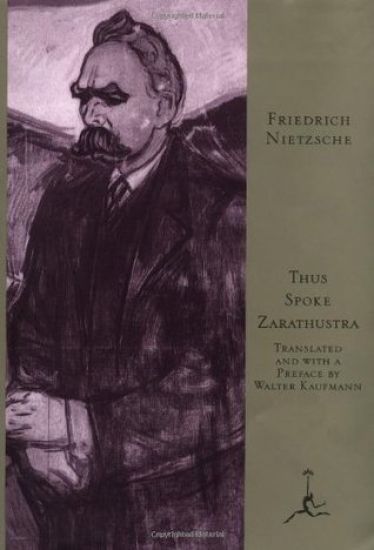
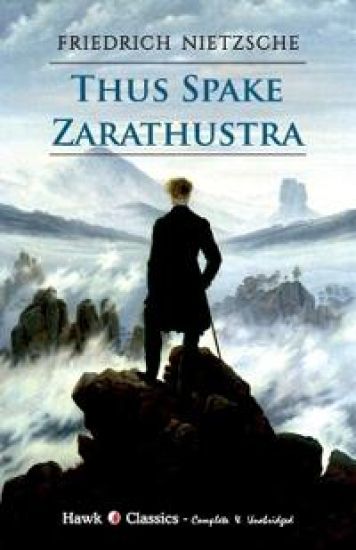
Thus Spake Zarathustra

Thus Spake Zarathustra

Friedrich Nietzsche

Wordsworth Editions Ltd
1997
nidottu

Halvin toimitettuna 11,90 €

Translated by Thomas Common. With an Introduction by Nicholas Davey. This astonishing series of aphorisms, put into the mouth of the Persian sage Zarathustra, or Zoroaster, contains the kernel of Nietzsche’s thought. ‘God is dead’, he tells us. Christianity is decadent, leading mankind into a slave morality concerned not with this life, but with the next. Nietzsche emphasises the Übermensch, or Superman, whose will to power makes him the creator of a new heroic mentality. The intensely felt ideas are expressed in prose-poetry of indefinable beauty. Though misused by the German National Socialist party as a spurious justification of their creed, the book also had a profound influence on early twentieth-century writers such as Shaw, Mann, Gide, Lawrence and Sartre.
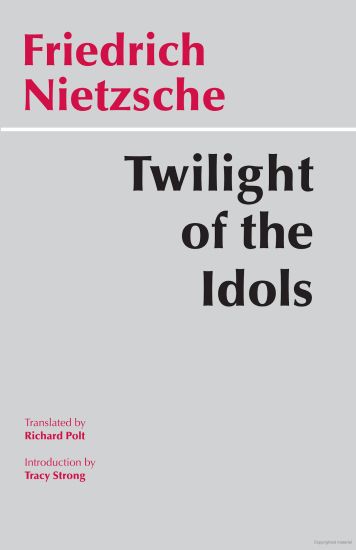
Twilight of the Idols

Twilight of the Idols

Friedrich Nietzsche

Hackett Publishing Co, Inc
1997
pokkari
Twilight of the Idols presents a vivid, compressed overview of many of Nietzsches mature ideas, including his attack on Platos Socrates and on the Platonic legacy in Western philosophy and culture. Polt provides a trustworthy rendering of Nietzsches text in contemporary American English, complete with notes prepared by the translator and Tracy Strong. An authoritative Introduction by Strong makes this an outstanding edition. Select Bibliography and Index.
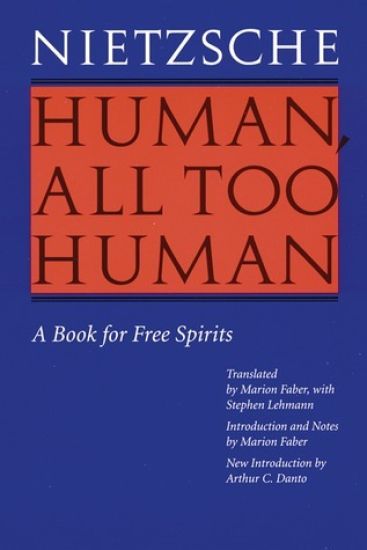
Human, All Too Human

Human, All Too Human

Friedrich Nietzsche

University of Nebraska Press
1996
pokkari
This English translation—the first since 1909—restores Human, All Too Human to its proper central position in the Nietzsche canon. First published in 1878, the book marks the philosophical coming of age of Friedrich Nietzsche. In it he rejects the romanticism of his early work, influenced by Wagner and Schopenhauer, and looks to enlightened reason and science. The "Free Spirit" enters, untrammeled by all accepted conventions, a precursor of Zarathustra. The result is 638 stunning aphorisms about everything under and above the sun.
Nietzsche: Human, All Too Human

Nietzsche: Human, All Too Human

Friedrich Nietzsche

Cambridge University Press
1996
pokkari
This remarkable collection of almost 1,400 aphorisms was originally published in three instalments. The first (now Volume I) appeared in 1878, just before Nietzsche abandoned academic life, with a first supplement entitled The Assorted Opinions and Maxims following in 1879, and a second entitled The Wanderer and his Shadow a year later. In 1886 Nietzsche republished them together in a two-volume edition, with new prefaces to each volume. Both volumes are presented here in R. J. Hollingdale’s distinguished translation (originally published in the series Cambridge Texts in German Philosophy) with a new introduction by Richard Schacht. In this wide-ranging work Nietzsche first employed his celebrated aphoristic style, so perfectly suited to his iconoclastic, penetrating and multi-faceted thought. Many themes of his later work make their initial appearance here, expressed with unforgettable liveliness and subtlety. Human, All Too Human well deserves its subtitle ‘A Book for Free Spirits’, and its original dedication to Voltaire, whose project of radical enlightenment here found a new champion.
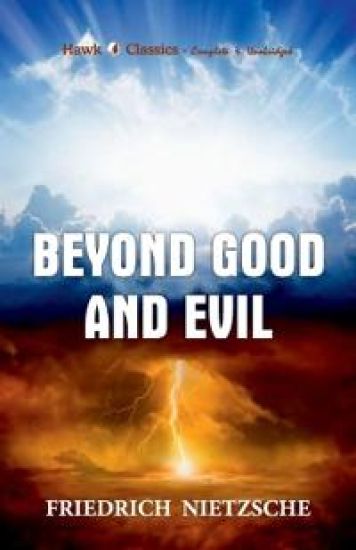
Beyond Good and Evil

Beyond Good and Evil

Friedrich Nietzsche

Hawk Press
1996
pokkari
Beyond Good and Evil is a captivating philosophical masterpiece that challenges conventional thinking and explores the depths of human nature. Written by Friedrich Nietzsche, this influential work delves into topics such as morality, truth, and the pursuit of individuality. With its thought-provoking insights and profound reflections, this book is a must-have for anyone seeking to broaden their intellectual horizons and engage in stimulating conversations. Immerse yourself in Nietzsche's brilliant mind and embark on a transformative journey of self-discovery.
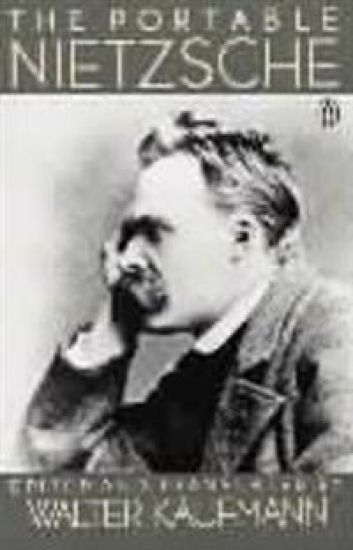
The Portable Nietzsche

The Portable Nietzsche

Friedrich Nietzsche; Walter Kaufmann

Penguin Classics
1994
pokkari

Halvin toimitettuna 22,00 €

The works of Friedrich Nietzsche have fascinated readers around the world ever since the publication of his first book more than a hundred years ago. As Walter Kaufmann, one of the world’s leading authorities on Nietzsche, notes in his introduction, “Few writers in any age were so full of ideas,” and few writers have been so consistently misinterpreted. The Portable Nietzsche includes Kaufmann’s definitive translations of the complete and unabridged texts of Nietzsche’s four major works: Twilight of the Idols, The Antichrist, Nietzsche Contra Wagner and Thus Spoke Zarathustra. In addition, Kaufmann brings together selections from his other books, notes, and letters, to give a full picture of Nietzsche’s development, versatility, and inexhaustibility. “In this volume, one may very conveniently have a rich review of one of the most sensitive, passionate, and misunderstood writers in Western, or any, literature.” —Newsweek
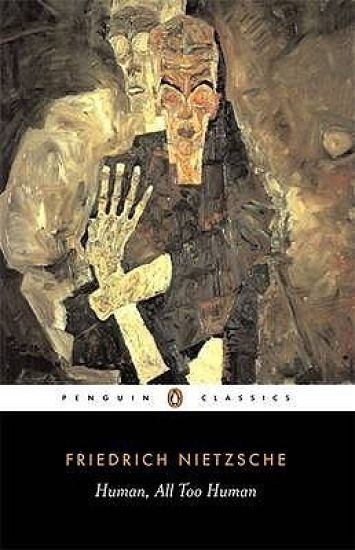
Human, All Too Human

Human, All Too Human

Friedrich Nietzsche

Penguin Classics
1994
pokkari

Halvin toimitettuna 17,00 €

Written after Nietzsche had ended his friendship with Richard Wagner and had been forced to leave academic life through ill health, Human, All Too Human (1878) can be read as a monument to his personal crisis. It also marks the point when he matured as a philosopher, rejecting the German romanticism espoused by Wagner and Schopenhauer and instead returning to sources in the French Enlightenment. Here he sets out his unsettling views in a series of 638 stunning aphorisms - assessing subjects ranging from art to arrogance, boredom to passion, science to vanity and women to youth. This work also contains the seeds of concepts crucial to Nietzsche's later philosophy, such as the will to power and the need to transcend conventional Christian morality. The result is one of the cornerstones of his life's work.
Introduction Aux Lecons Sur l'Oedipe-Roi de Sophocle
Parmi les cours que Nietzsche a donnes a Bale entre 1869 et 1875, l'Introduction aux lecons sur l'Oedipe-Roi de Sophocle annonce de facon fulgurante, deux ans a l'avance, la plupart des themes essentiels, comme celui du dionysiaque, qui seront developpes dans La Naissance de la tragedie (1872). Mais ce texte, inedit en francais, offre en outre l'interet unique d'etablir une comparaison tres detaillee entre le tragique moderne (Shakespeare, Schiller) et le tragique grec (Eschyle, Sophocle, Euripide).
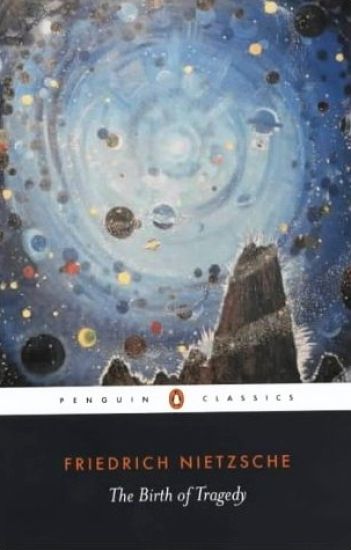
The Birth of Tragedy

The Birth of Tragedy

Friedrich Nietzsche

Penguin Classics
1993
pokkari

Halvin toimitettuna 16,20 €

Nietzsche's first published book, The Birth of Tragedy is a compelling argument for the necessity of art in lifeThis landmark work of criticism is fuelled by Nietzsche's enthusiasms for Greek tragedy, the philosophy of Schopenhauer and the music of Wagner, to whom the book was dedicated. Nietzsche outlined a distinction between two central forces in art: the Apolline, representing beauty and order, and the Dionysiac, a primal or ecstatic reaction to the sublime. He believed the combination of these states produced the highest forms of music and tragic drama, which not only reveal the truth about suffering in life, but also provide a consolation for it. Impassioned and exhilarating in its conviction, The Birth of Tragedy has become a key text in European culture. Translated by Shaun WhitesideEdited by Michael Tanner
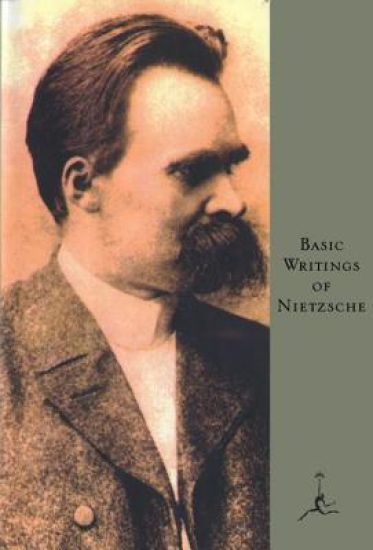
Basic Writings of Nietzsche

Basic Writings of Nietzsche

Friedrich Nietzsche

Modern Library Inc
1992
sidottu

Halvin toimitettuna 28,40 €

Introduction by Peter GayTranslated and edited by Walter Kaufmann Commentary by Martin Heidegger, Albert Camus, and Gilles Deleuze One hundred years after his death, Friedrich Nietzsche remains the most influential philosopher of the modern era. "Basic Writings of Nietzsche" gathers the complete texts of five of Nietzsche's most important works, from his first book to his last: "The Birth of Tragedy, Beyond Good and Evil, On the Genealogy of Morals, The Case of Wagner, "and "Ecce Homo." Edited and translated by the great Nietzsche scholar Walter Kaufmann, this volume also features seventy-five aphorisms, selections from Nietzsche's correspondence, and variants from drafts for "Ecce Homo." It is a definitive guide to the full range of Nietzsche's thought. Includes a Modern Library Reading Group Guide "From the Trade Paperback edition."
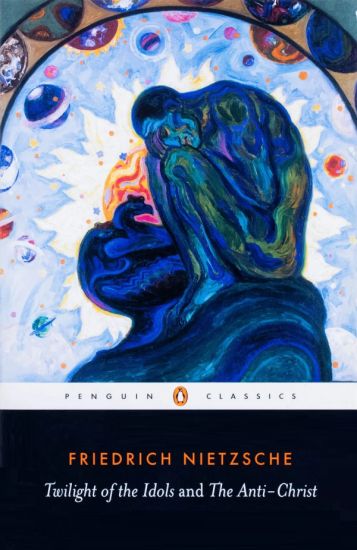
Twilight of Idols and Anti-Christ

Twilight of Idols and Anti-Christ

Friedrich Nietzsche

Penguin Classics
1990
pokkari

Halvin toimitettuna 15,40 €

In these two devastating late works, Nietzsche offers a powerful attack on the morality and the beliefs of his timeNietzsche's Twilight of the Idols is a 'grand declaration of war' on reason, psychology and theology, which combines highly charged personal attacks on his contemporaries (in particular Hegel, Kant and Schopenhauer) with a lightning tour of his own philosophy. It also paves the way for The Anti-Christ, Nietzsche's final assault on institutional Christianity, in which he identifies himself with the 'Dionysian' artist and confronts Christ: the only opponent he feels worthy of him. Translated by R. J. Hollingdale with an Introduction by Michael Tanner