Kirjojen hintavertailu – 12 859 818 kirjaa ja 27 kauppaa
Kirjailija
Friedrich Nietzsche
Kirjat ja teokset yhdessä paikassa: 921 kirjaa, julkaisuja vuosilta 1885–2026, suosituimpiin kuuluu Näin puhui Zarathustra. Vertaile teosten hintoja ja tarkista saatavuus suomalaisista kirjakaupoista.
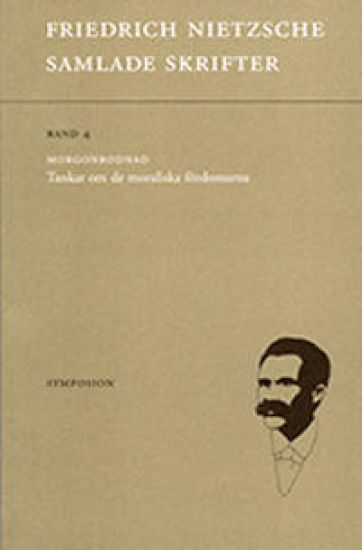
Friedrich Nietzsches samlade skrifter kommer nu på svenska på Symposion. Tio band med nyöversättningar planeras utkomma under en femårsperiod. Morgonrodnad publicerades första gången 1881. Efter avskedet från professuren i Basel hade aforismen kommit att bli Nietzsches dominerande uttrycksmedel. Här utvidgas de ofta till kompakta men briljant formulerade miniessäer, i vilka Nietzsche utarbetar sin uppgörelse med kristendom och moral. I det flödande infallande ljuset -- som bokens titel antyder - ryms såväl psykologiska betraktelser, kunskapsteori som vardagligt "fenomenologiska" iakttagelser: allt utifrån Nietzsches "nya" blick på människan. Boken presenteras här för första gången på svenska i översättning av Peter Handberg.
Nietzsche wrote The Gay Science, which he later described as ‘perhaps my most personal book’, when he was at the height of his intellectual powers, and the reader will find in it an extensive and sophisticated treatment of the philosophical themes and views which were most central to Nietzsche’s own thought and which have been most influential on later thinkers. These include the death of God, the problem of nihilism, the role of truth, falsity and the will-to-truth in human life, the doctrine of the eternal recurrence, and the question of the proper attitude to adopt toward human suffering and toward human achievement. This volume presents the work in a new translation by Josefine Nauckhoff, with an introduction by Bernard Williams that elucidates the work’s main themes and discusses their continuing philosophical importance.
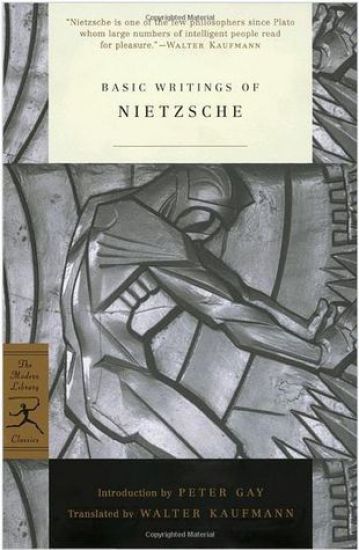
Introduction by Peter GayTranslated and edited by Walter Kaufmann Commentary by Martin Heidegger, Albert Camus, and Gilles Deleuze One hundred years after his death, Friedrich Nietzsche remains the most influential philosopher of the modern era. "Basic Writings of Nietzsche" gathers the complete texts of five of Nietzsche's most important works, from his first book to his last: "The Birth of Tragedy, Beyond Good and Evil, On the Genealogy of Morals, The Case of Wagner, "and "Ecce Homo." Edited and translated by the great Nietzsche scholar Walter Kaufmann, this volume also features seventy-five aphorisms, selections from Nietzsche's correspondence, and variants from drafts for "Ecce Homo." It is a definitive guide to the full range of Nietzsche's thought. Includes a Modern Library Reading Group Guide
Inom ramen för Symposions stora projekt, en vetenskaplig utgivning av Nietzsches samlade verk på svenska återfinns här Nietzsches Tragedins födelse från 1872. Det är Nietzsches första bok. Som klassisk filolog och romantisk filosof i Schopenhauers anda tar han sig här an den antika tragedins problem. Utifrån det berömda begreppsparet dionysiskt och apolliniskt leder det till en kritisk omvärdering av den västerländska konstnärliga och vetenskapliga kulturen. Boken trycks här i en ny svensk översättning av Martin Tegen tillsammans med Joachim Retzlaffs översättning av det ofullbordade utkastet "Filosofin under grekernas tragiska tidsålder" från 1873. "När Nietzsche själv blickar tillbaka på sitt förstlingsverk Tragedins födelse, i det förord som inleder nyutgåvan från 1886, framträder den för honom som en 'problematisk bok'. Dess författare beskrivs i milt ironiska termer som en 'gåttydare' och som en 'mystisk och nästan menadisk själ', som kanske 'hellre borde ha sjungit eller diktat' vad han hade att säga. Detta förord, skrivet femton år senare, är något av det märkligaste som formulerats i sin genre. Det är skrivet av någon som under denna tidsrymd förflyttat sig så långt från sin utgångspunkt, att han blivit som en främling för sig själv, men som samtidigt i detta första försök känner igen vad som skulle komma att bli bestämmande för hans gärning. I denna bok förtätas på sätt och vis vad vi vant oss att känna igen som modernitetens centrala problemställningar: dess kluvna förhållande till historien, brottet med det mimetiska inom konsten och den stegrade förhoppningen kring konstverket som förlösande utopi, liksom kritiken av vetenskap, förnuft och framstegsanda. Under täckmanteln av en vetenskaplig studie lanserar den sitt filosofiskt-estetiska manifest, som samtidigt pekar rakt mot filosofins och metafysikens grundfrågor." (Ur Hans Ruins efterord) Så här skrev några recensenter om den svenska utgåvan av Tragedins födelse: "Det som gör det hela så fascinerande, tror jag, är den spänning mellan distans och närhet som finns i texten. Ofta får man en känsla av att allt egentligen handlar om Nietzsche själv." Anders Johansson, Sydsvenska Dagbladet "Äntligen en nyöversättning av Nietzsches vulkaniskt pulserande debutbok" Christian Nilsson, BTJ "Nietzsches inflytande över 1900-talets litterära, psykoanalytiska, kulturteoretiska, idéhistoriska och politiska rörelser går knappast att överskatta Det mest frapperande vid läsningen av Tragedins födelse, mästerligt översatt av Martin Tegen, är inte så mycket den kunskapsrikedom Nietzsche uppenbarligen besitter, utan hans skapande metoder, hans sammanflätningar av olika temata, ja det rent musikaliska i hans språkliga kompositionsprinciper, liksom i de fullkomligt kompromisslösa dragen i hans argumentation, hans expansiva allusioner, djärva metaforer och tvärsäkra stil Mycket kan sägas om Nietzsche, men ofarlig har han aldrig varit " Martin Lagerholm, Smålandsposten
Friedrich Nietzsches samlade skrifter kommer nu på svenska på Symposion. Tio band med nyöversättningar planeras utkomma under en femårsperiod. Mänskligt, alltför mänskligt betecknar Nietzsches definitiva "avfall" från Richard Wagner och från idealismens och den religiösa romantikens värld. Med aforismen som sitt suveräna uttrycksmedel och vapen etablerar sig Nietzsche här som alla tiders största moralkritiker och moralpsykolog. "På ett magnifikt sätt förlöser Nietzsches aforismer världens rikedom. Hans blick fungerar som en murbräcka. Med Mänskligt, alltför mänskligt börjar den stora, riktigt väsentliga delen av det sena artoinhundralets kanske allra viktigaste författarskap." Jan Arnald, Göteborgs-Posten "Över 1400 magiskt välskrivna aforismer - Nietzsches reflektioner är lysande intressanta på nästan alla områden." Tomas Lappalainen, Aftonbladet "Det hela är oöverskådligt, orefererbart, motsägelsefullt, ibland svårsmält eller rentav obehagligt, men aldrig likgiltigt. Hela texten igenom pulserar ett ohejdbart frihetspatos." Anders Johansson, Sydsvenska Dagbladet
Forfatterens første værk er et lidenskabeligt angreb på datidens forskønnede billede af den græske oldtid, der ifølge Nietzsche var alt andet end skøn og harmonisk. Værket blev til under stor indflydelse af komponisten Richard Wagner.
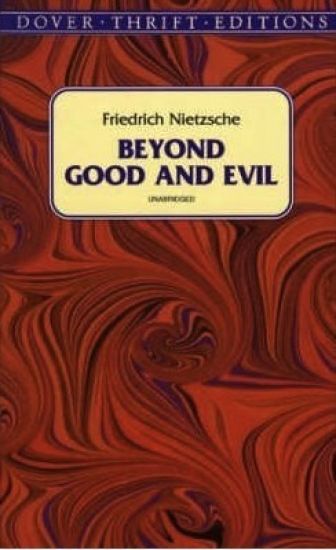
One of the most popular of the 19th-century philosophers refines his previously expressed ideal of the superman in a fascinating examination of human values and morality. This inexpensive, unabridged edition of one of Nietzsche's most important works offers a rich sampling of the philosopher's influential school of thought. Publisher's Introduction.
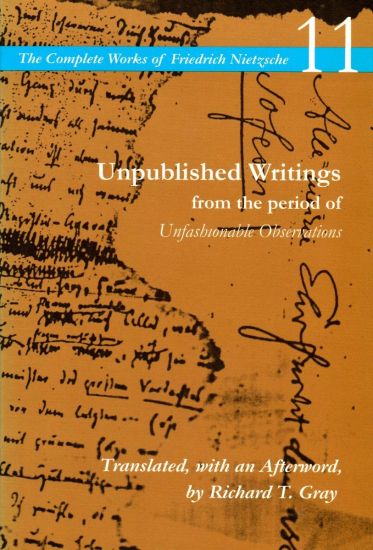
This is the third volume to appear in an edition that will be the first complete, critical, and annotated English translation of all of Nietzsche's work. Volume 2: Unfashionable Observations, translated by Richard T. Gray, was published in 1995; Volume 3: Human, All Too Human (I), translated by Gary Handwerk, was published in 1997. The edition is a new English translation, by various hands, of the celebrated Colli-Montinari edition, which has been acclaimed as one of the most important works of scholarship in the humanities in the last half century. The present volume provides for the first time English translations of all of Nietzsche's unpublished notebooks from the summer of 1872 to the end of 1874. The major works published in this period were the first three Unfashionable Observations: "David Strauss the Confessor and the Writer," "On the Utility and Liability of History for Life," and "Schopenhauer as Educator." Translations of the preliminary notes for these pieces are coordinated with the translations of the published texts printed in Volume 2: Unfashionable Observations. The content of these notebooks goes far beyond the notes and plans for published and unpublished Unfashionable Observations, encompassing numerous sketches related to Nietzsche's major philological project from this period, a book on the pre-Platonic Greek philosophers. The ideas that emerged from Nietzsche's deliberations on these early Greek thinkers are absolutely central to his thought from this period and contribute in significant ways to the development of several of his major themes: the role of the philosopher vis-à-vis his age and the surrounding culture; the relationships among philosophy, art, and culture; the metaphorical nature of language and its relationship to knowledge; the unmasking of the modern drive for absolute "truth" as a palliative against the horror of existence; and Nietzsche's "unfashionable" attack on modern science and modern culture, especially on the Germany of the Bismarck Reich. These notebooks represent important transitional documents in Nietzsche's intellectual development, marking, among other things, the shift away from philological studies toward unabashed cultural criticism.
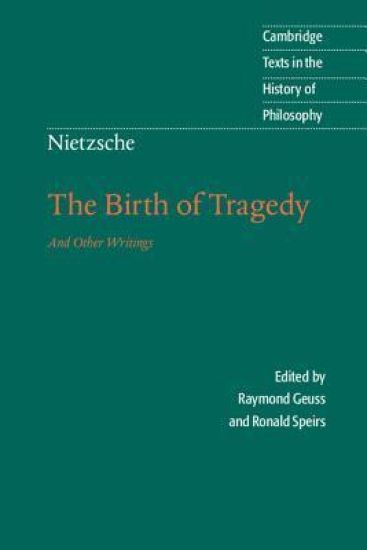
The Birth of Tragedy is one of the seminal philosophical works of the modern period. Nietzsche’s discussion of the nature of culture, of the conditions under which it can flourish and of those under which it will decline, his analysis of the sources of discontent with the modern world, his criticism of rationalism and of traditional morality, his aesthetic theories and his conception of the ‘Dionysiac’ have had a profound influence on the philosophy, literature, music, and politics of the twentieth century. This edition presents a new translation by Ronald Speirs and an introduction by Raymond Geuss that sets the work in its historical and philosophical context. The volume also includes two essays on related topics that Nietzsche wrote during the same period, and that throw further light on the themes treated in the main text.
The Birth of Tragedy is one of the seminal philosophical works of the modern period. Nietzsche's discussion of the nature of culture, of the conditions under which it can flourish and of those under which it will decline, his analysis of the sources of discontent with the modern world, his criticism of rationalism and of traditional morality, his aesthetic theories and his conception of the 'Dionysiac' have had a profound influence on the philosophy, literature, music, and politics of the twentieth century. This edition presents a new translation by Ronald Speirs and an introduction by Raymond Geuss that sets the work in its historical and philosophical context. The volume also includes two essays on related topics that Nietzsche wrote during the same period, and that throw further light on the themes treated in the main text.
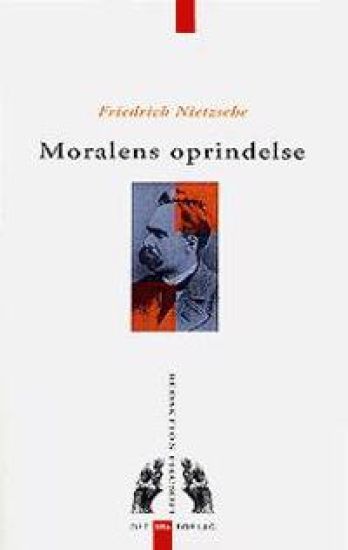
"Moralens oprindelse" er bredt anerkendt som Friedrich Nietzsches mest sammenhængende analyse af forfatterens yndlingstema: værdiernes oprindelse. I bogen præsenterer Nietzsche det såkaldte slaveopgør i moralen. Det fremstiller kristendommen som konsekvensen af andre menneskers følelse af hævnagtigt mindreværd og svage drifter. Så snart man ikke takker ja til livet, siger man nej og dermed presser man sine omgivelser ind i livsfornægtelsens evangelium. Derfor dykkes der også ned i skyldfølelsens historie, da den er starten på den selvcensur, der får en til at hylde religionens livstrætte værdier." Moralens oprindelse" er Nietzsches opfordring til læseren: vælg livet! Oversat af Niels Henningsen.
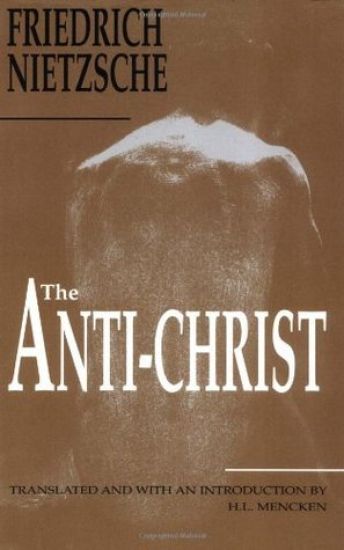
This is Nietzsche's last book and a fitting capstone to his career. It's succinct, biting, and encapsulates the criticisms of Christianity found in his other works. This edition contains an 8,000-word introduction by its translator, the famous iconoclastic writer H. L. Mencken.
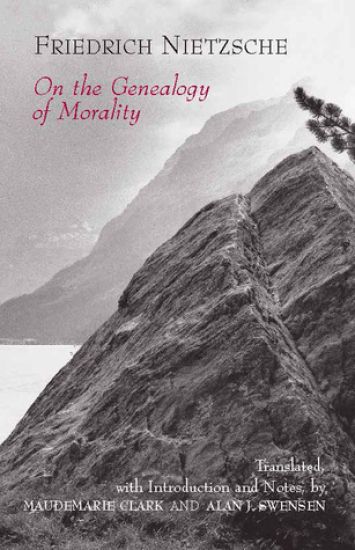
This new edition is the product of a collaboration between a Germanist and a philosopher who is also a Nietzsche scholar. The translation strives not only to communicate a sense of Nietzsche’s style but also to convey his meaning accurately—and thus to be an important advance on previous translations of this work. A superb set of notes ensures that Clark and Swensen's Genealogy will become the new edition of choice for classroom use.
The text contains some of Nietzsche's most disturbing ideas, including the "slave revolt" in morality, which he claims began with the Jews and has now triumphed, and the "blond beast" that must erupt, which he claims to find behind all civilisation.
Daybreak marks the arrival of Nietzsche’s ‘mature’ philosophy and is indispensable for an understanding of his critique of morality and ‘revaluation of all values’. This volume presents the distinguished translation by R. J. Hollingdale, with a new introduction that argues for a dramatic change in Nietzsche’s views from Human, All Too Human to Daybreak, and shows how this change, in turn, presages the main themes of Nietzsche’s later and better-known works such as On the Genealogy of Morality. The main themes of Daybreak are located in their intellectual and philosophical contexts: in Nietzsche’s training as a classical philologist and his fascination with the Sophists and Thucydides; in the moral philosophies of Kant and Schopenhauer, which are the central foci of Nietzsche’s critique of morality; and in the German Materialist movement of the 1850s and after, which shaped Nietzsche’s conception of persons. The edition is completed by a chronology, notes and a guide to further reading.
Daybreak marks the arrival of Nietzsche's 'mature' philosophy and is indispensable for an understanding of his critique of morality and 'revaluation of all values'. This volume presents the distinguished translation by R. J. Hollingdale, with a new introduction that argues for a dramatic change in Nietzsche's views from Human, All Too Human to Daybreak, and shows how this change, in turn, presages the main themes of Nietzsche's later and better-known works such as On the Genealogy of Morality. The main themes of Daybreak are located in their intellectual and philosophical contexts: in Nietzsche's training as a classical philologist and his fascination with the Sophists and Thucydides; in the moral philosophies of Kant and Schopenhauer, which are the central foci of Nietzsche's critique of morality; and in the German Materialist movement of the 1850s and after, which shaped Nietzsche's conception of persons. The edition is completed by a chronology, notes and a guide to further reading.
The four short works in Untimely Meditations were published by Nietzsche between 1873 and 1876. They deal with such broad topics as the relationship between popular and genuine culture, strategies for cultural reform, the task of philosophy, the nature of education, and the relationship between art, science and life. They also include Nietzsche’s earliest statement of his own understanding of human selfhood as a process of endlessly ‘becoming who one is’. As Daniel Breazeale shows in his introduction to this new edition of R. J. Hollingdale’s translation of the essays, these four early texts are key documents for understanding the development of Nietzsche’s thought and clearly anticipate many of the themes of his later writings. Nietzsche himself always cherished his Untimely Meditations and believed that they provide valuable evidence of his ‘becoming and self-overcoming’ and constitute a ‘public pledge’ concerning his own distinctive task as a philosopher.