
Kirjailija
G. K. Chesterton
Kirjat ja teokset yhdessä paikassa: 2 054 kirjaa, julkaisuja vuosilta 1900–2026, suosituimpiin kuuluu A Miscellany of Poems by G. K. Chesterton. Vertaile teosten hintoja ja tarkista saatavuus suomalaisista kirjakaupoista.
Nimi esiintyy myös muodoissa: G K Chesterton, G.K. Chesterton, G.K Chesterton, G. K Chesterton
2 054 kirjaa
Kirjojen julkaisuvuodet: 1900–2026.
Chesterton states that the purpose of his book is to attempt an explanation, not of whether the Christian faith can be believed, but of how he personally has come to believe it. In it, Chesterton presents an original view of the Christian religion. He sees it as the answer to natural human needs, the "answer to a riddle" in his own words, and not simply as an arbitrary truth received from somewhere outside the boundaries of human experience.
In the book's preface, Chesterton states the purpose is to attempt an explanation, not of whether the Christian faith can be believed, but of how he personally has come to believe it. In Orthodoxy Chesterton presents an original view of the Christian religion. He sees it as the answer to natural human needs, the "answer to a riddle" in his own words, and not simply as an arbitrary truth received from somewhere outside the boundaries of human experience.
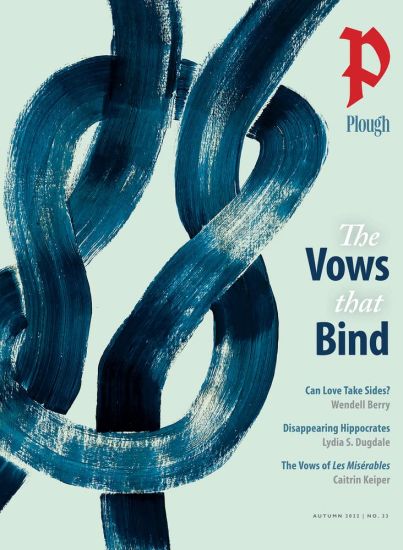
Plough Quarterly No. 33 – The Vows That Bind
Wendell Berry; Lydia S. Dugdale; Phil Christman; Kelsey Osgood; King-Ho Leung; Andreas Knapp; Starlette Thomas; G. K. Chesterton; Norann Voll
PLOUGH PUBLISHING HOUSE
2022
pokkari
In a culture that prizes keeping one’s options open, making commitments offers something more valuable. The consumerism and instant gratification of “liquid modernity” feed a general reluctance to make commitments, a refusal to be pinned down for the long term. Consider the decline of three forms of commitment that involve giving up options: marriage, military service, and monastic life. Yet increasing numbers of people question whether unprecedented freedom might be leading to less flourishing, not more. They are dissatisfied with an atomized way of life that offers endless choices of goods, services, and experiences but undermines ties of solidarity and mutuality. They yearn for more heroic virtues, more sacrificial commitments, more comprehensive visions of the individual and common good. It turns out that the American Founders were right: the Creator did endow us with an unalienable right of liberty. But he has endowed us with something else as well, a gift that is equally unalienable: desire for unreserved commitment of all we have and are. Our liberty is given us so that we in turn can freely dedicate ourselves to something greater. Ultimately, to take a leap of commitment, even without knowing where one will land, is the way to a happiness worth everything. On this theme: - Lydia S. Dugdale asks what happened to the Hippocratic Oath in modern medicine. - Caitrin Keiper looks at competing vows in Victor Hugo’s Les Misérables. - Kelsey Osgood, an Orthodox Jew, asks why lifestyle discipline is admired in sports but not religion. - Wendell Berry says being on the side of love does not allow one to have enemies. - Phil Christman spoofs the New York Times Vows column. - Andreas Knapp tells why he chose poverty. - Norann Voll recounts the places a vow of obedience took her. - Carino Hodder says chastity is for everyone, not just nuns. - Dori Moody revisits her grandparents’ broken but faithful marriage. - Randall Gauger, a Bruderhof pastor, finds that lifelong vows make faithfulness possible. - King-Ho Leung looks at vows, oaths, promises, and covenants in the Bible. Also in the issue: - A young Black pastor reads Clarence Jordan today. - Activists discuss the pro-life movement after Roe and Dobbs. - Children learn from King Arthur, Robin Hood, and the occasional cowboy. - Original poetry by Ned Balbo - Reviews of Montgomery and Biklé’s What Your Food Ate, Mohsin Hamid’s The Last White Man, and Bonnie Kristian’s Untrustworthy - A profile of Sadhu Sundar Singh Plough Quarterly features stories, ideas, and culture for people eager to apply their faith to the challenges we face. Each issue includes in-depth articles, interviews, poetry, book reviews, and art.
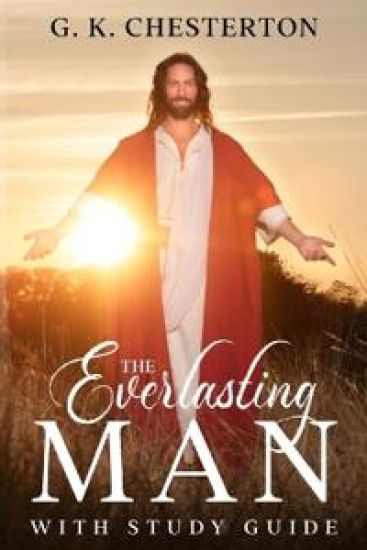
An original and controversial work of theology, "The Everlasting Man," is so persuasive in its defense of Christianity that it influenced C. S. Lewis to convert from atheism to Christianity. Though written more than a century ago, Chesterton's work reads like a commentary of our culture today. Considered by many to be Chesterton's greatest masterpiece, "The Everlasting Man" explains his comprehensive view of world history as informed by the Incarnation. As Chesterton retells mankind's story from the beginning, he demonstrates how Christ and the church fulfill all human desires. With characteristic brilliance and irony, he asserts that the Incarnation sets Christianity apart from other religions. All in all, "The Everlasting Man" offers a compelling perspective on world history while also powerfully restoring the reader's sense of wonder about God and the universe. This unique edition includes a thoughtful chapter summary and study guide for each chapter in the book.
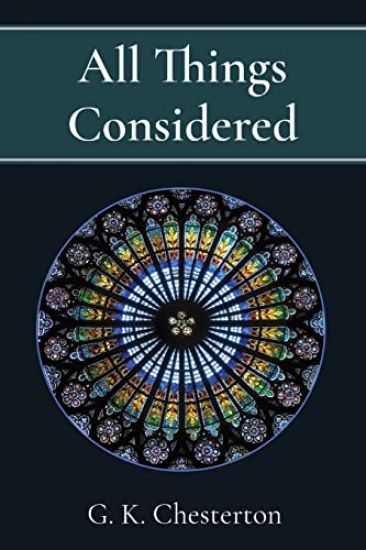
Nobody wrote like G. K. Chesterton, who (as the book title indicates) took great joy in penning intelligent, thoughtful, and witty essays on all sorts of themes and things. Chesterton's tendency to cover a vast, irregular range of essay topics began with his first book of prose, "The Defendant," which delightfully addressed a diversity of normally ho-hum subjects ranging from skeletons and Chinese shepherdesses to baby worship, ugliness, and humility. "All Things Considered" is perhaps even more expansive, as Chesterton tries to defend common sense in a society that, generally speaking, has ceased to make sense at all. Readers who open the pages of Chesterton's book will find themselves spending time in another era, yet noting that politics and human nature haven't changed much since Edwardian times. Throughout the book, Chesterton managed to weave in some laugh-out-loud humor while bringing forth moral lessons in his own gentle way. Since Chesterton was writing to his contemporaries of the 19th and early 20th century, his books often reference people or ideas that, though well-known in his day, are pretty obscure today. Despite the passing of people and time, Chesterton's writings deal with ideas and controversies that remain amazingly relevant. Now considered a classic, "All Things Considered" is an excellent and entertaining read.
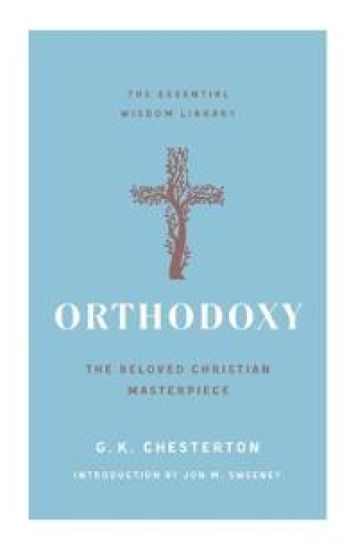
Part spiritual autobiography, part apologetics, Orthodoxy is G. K. Chesterton's account of his own journey to faith. Chesterton didn’t set out to write a defense of Christian thought, instead he hoped to recount how he personally came to faith. However, in doing so, he penned one of the great classics of Christian writing, a book that has influenced countless people and continues to speak compellingly to our modern day. Chesterton writes about his journey of faith with wit, charm, and a razor-sharp intellect, undermining casual assumptions and lazy speculations in a relentless search for truth and meaning. Orthodoxy is the latest title in the Essential Wisdom Library, a series of books that seeks to bring spiritual wisdom - both modern and ancient - to today’s readers. Featuring a foreword by Jon Sweeney, this new edition of the classic text is a must read for seekers and believers alike.
This book has been considered important throughout the human history, and so that this work is never forgotten we have made efforts in its preservation by republishing this book in a modern format for present and future generations. This whole book has been reformatted, retyped and designed. These books are not made of scanned copies and hence the text is clear and readable.
"What's Wrong with the World" by G. K. Chesterton is written with a strong point of view and perspective for his time. Chesterton tells of the struggles and challenges of his time, but also considers how to improve them. In this title G. K. Chesterton writes on education, big business, feminism, and many other topics. This important book of essays is just as readable today as when it was first written and offers a remarkable perceptive analysis on social and moral issues. With hints of a humorous tone, he handles serious philosophy and his views on society. Chesterton was genius in foreseeing the dangers of taking on modernist proposals, and he knew that with lax moral standards there would follow a slue of other issues and eventually lead to the dehumanization of man.
John Herring: A West of England Romance. Volume 1
G K Chesterton
VIJ Books (India) Pty Ltd
2022
nidottu
Dieses klassische Buch wurde urspr nglich vor Jahrzehnten ver ffentlicht als "" Magic A Fantastic Comedy "". Es wurde jetzt von Writat f r seine deutschsprachigen Leser ins Deutsche bersetzt. Bei Writat liegt uns die Bewahrung des literarischen Erbes der Vergangenheit sehr am Herzen. Wir haben dieses Buch ins Deutsche bersetzt, damit es heutige und zuk nftige Generationen lesen und bewahren k nnen.
John Herring: A West of England Romance. Volume 2
G K Chesterton
VIJ Books (India) Pty Ltd
2022
nidottu
Ce livre classique a t initialement publi il y a des d cennies sous le titre "" Magic A Fantastic Comedy "". Il a maintenant t traduit par Writat en langue fran aise pour leurs lecteurs francophones. Chez Writat, nous sommes passionn s par la pr servation du patrimoine litt raire du pass . Nous avons traduit ce livre en fran ais afin que les g n rations pr sentes et futures puissent le lire et le conserver.