Kirjojen hintavertailu – 12 859 818 kirjaa ja 27 kauppaa
Kirjailija
Nikolai Gogol
Kirjat ja teokset yhdessä paikassa: 300 kirjaa, julkaisuja vuosilta 1835–2026, suosituimpiin kuuluu Dead Souls (Translated by C. J. Hogarth with an Introduction by John Cournos). Vertaile teosten hintoja ja tarkista saatavuus suomalaisista kirjakaupoista.
Nimi esiintyy myös muodoissa: Nikolaï Gogol, Nikolai Gógol, Nikolái Gógol
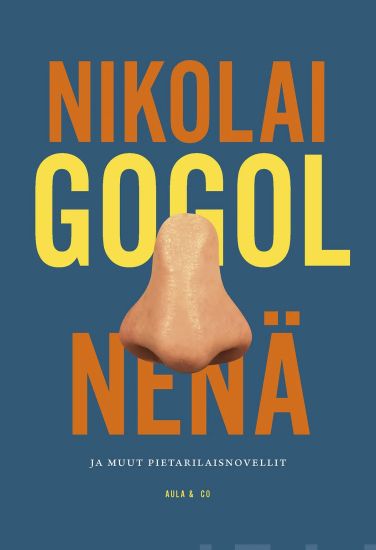
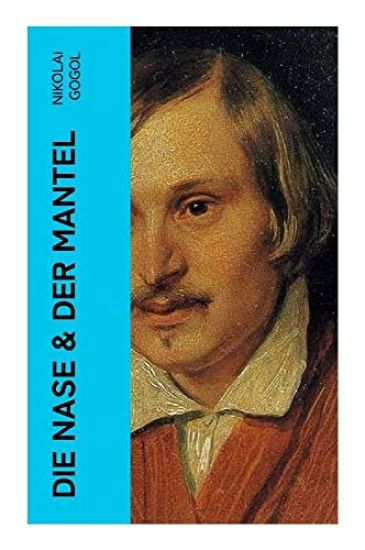
Nikolai Gogolin Nenä ja muut pietarilaisnovellit ovat hänen tuotantonsa ydinosa Kuolleiden sielujen ja Reviisori-näytelmän ohella. Mukana ovat kolme kuuluisaa tarinaa kolmesta pienestä ihmisestä: Kovaljovista jolta katoaa nenä, Bašmatškinista jolta riistetään takki, ja Poprištšinista joka menettää järkensä, sekä kaksi pitempää, Nevski prospekt ja Muotokuva, jotka myös kertovat vaikuttavista ihmiskohtaloista mutta samalla laajemmin tuosta Puškinin sanoin upeasta ja köyhästä kaupungista. Kirjassa on myös viime vuosina Suomessakin tunnetuksi tulleen kirjailija Mihail Šiškinin essee ”Elävistä nenistä ja kuolleista sieluista”, jossa hän kuvaa eläytyvästi Gogolin ankaraa kirjailijankohtaloa ja paljastaa, mitä tämän teokset kertovat Venäjän maasta ja kansasta. Šiškinin sanoin: ”Gogolin proosa on satoja vuosia orjuudessa kituneen kansakunnan heräävää tietoisuutta.” Nikolai Gogol (1809-1852) oli venäläisen kirjallisuuden suuria satiirikkoja. Hän syntyi Ukrainassa, vaikutti Pietarissa ja kuoli Moskovassa. Gogolinkin aikana Venäjällä oli käynnissä kamppailu, jossa länsimieliset uudistajat ja kansallismieliset konservatiivit kamppailivat keskenään. Pietarilaisnovellien kauan kaivatun uusintapainoksen on suomentanut Vappu Orlov.
"Then with the agility of a cat she sprang on his shoulders, struck him in the side with a broom, and he began to run like a race-horse, carrying her on his shoulders." Nikolai Gogol, ViyThe cradle of modern witch short stories began in the first half of the 19th century. This anthology unearths the very best of these stories. Andrew Barger, a leading voice in the Gothic literature space, searched forgotten magazines, newspapers, journals and scholarly articles, to uncover the best witch stories written in the English language over one hundred years after the horrific events of the Salem Witch Trials. They had a lasting effect in both the U. S. and Europe, as these publications reflect from the many authors who penned witch stories in this genre. Andrew includes in his introduction to the collection, the actual text from the Salem Witch Trials. These classic witch stories that have been uncovered are unmatched. One is a humorous tale that stands, in the grand Irish tradition of great storytelling, shoulder to shoulder with Washington Irving's "The Legend of Sleepy Hollow" (1819) and Charles Dickens's "The Goblins Who Stole a Sexton" (1836), as that rare combination of humor and horror that is so difficult to find. It is published for the first time in over a century and a half. What Andrew calls "America's first great witch short story" is also published for the first time in nearly two hundred years. As readers have come to expect from Andrew, he includes his scholarly touch to the anthology by providing introductions to each story and a foreword titled "Hags Hags Hags " There are also illustrations for each story. Last, Andrew provides a list of stories considered at the end of the anthology. Read these witchcraft classics tonight Hags Hags Hags (2023) by Andrew BargerThe Hollow of the Three Hills (1830) by Nathaniel HawthorneThe Marvelous Legend of Tom Connor's Cat (1847) by Samuel LoverThe Witch Caprusche (1845) by Elizabeth ElletThe Brownie of the Black Haggs (1827) by James HoggLydia Ashbaugh, the Witch (1836) by William DarbyYoung Goodman Brown (1835) by Nathaniel HawthorneViy (1835) by Nikolai GogolWitch Short Stories Considered