Kirjailija
Richard Taylor
Kirjat ja teokset yhdessä paikassa: 167 kirjaa, julkaisuja vuosilta 1979–2026, suosituimpiin kuuluu Social Work. Vertaile teosten hintoja ja tarkista saatavuus suomalaisista kirjakaupoista.
167 kirjaa
Kirjojen julkaisuvuodet: 1979–2026.


Destruction and Reconstruction - Personal Experiences of the Late War is an unchanged, high-quality reprint of the original edition of 1879. Hansebooks is editor of the literature on different topic areas such as research and science, travel and expeditions, cooking and nutrition, medicine, and other genres. As a publisher we focus on the preservation of historical literature. Many works of historical writers and scientists are available today as antiques only. Hansebooks newly publishes these books and contributes to the preservation of literature which has become rare and historical knowledge for the future.

BTEC Nationals Sport and Exercise Science Student Book + Activebook
Adam Gledhill; Amy Gledhill; Mark Adams; Chris Manley; Chris Lydon; Richard Taylor; Louise Sutton
Pearson Education Limited
2016
muu
Updates to BTEC National Set Tasks for external assessment - April 2017As a result of feedback from the Department for Education Pearson have made updates to the Set Tasks for some BTEC National qualifications. Therefore subsequent changes have been made to this product. If you have purchased this book before 13th April 2017, details of these changes can be found here. [link to www.pearsonfe.co.uk/BTECchanges]. Corrected copies will be available to purchase by June 2017. ? The Student Book and ActiveBook has clearly laid out pages with a range of supportive features to aid learning and teaching: • Getting to know your unit sections ensure learners understand the grading criteria and unit requirements. • Getting ready for assessment sections focus on preparation for external assessment with guidance for learners on what to expect. Hints and tips will help them prepare for assessment and sample answers are provided for a range of question types including, short and long answer questions, all with a supporting commentary. • Pause point features provide opportunities for learners to self-evaluate their learning at regular intervals. Each Pause point feature gives learners a Hint or Extend option to either revisit and reinforce the topic or encourage independent research or further study skills. • Case study and Theory into practice features enable development of problem-solving skills and place the theory into real life situations learners could encounter. • Assessment practice features provide scaffolded activities that help prepare learners for assessment. Within each assessment practice activity, a Plan, Do and Review section supports learners’ formative assessment by to making sure they fully understand what they are being asked to do, what their goals are and how to evaluate the task and consider how they could improve. • Dedicated Think future pages provide case studies from the industry, with a focus on aspects of skills development that can be put into practice in a real work environment and further study.

Interpreting Apocalyptic Literature – An Exegetical Handbook
Richard Taylor
Kregel Publications,U.S.
2016
nidottu
At one time, apocalyptic literature was relegated to the more obscure reaches of biblical scholarship, acceptable to occasionally refer to, but too thorny to delve into deeply. However, in recent decades it has moved to the forefront of research. The rich veins of wisdom to be mined therein are being rediscovered. Richard A. Taylor has crafted a handbook to explore those riches and uncover a way to understand apocalyptic literature more fully. Using the characteristic six-chapter structure of the Handbooks for Old Testament Exegesis series, Taylor offers an introduction to the genre; covers the purpose, message, and primary themes; and then discusses critical questions and helpful works for study. He provides guidelines for interpretation of the text, and then lays out sample texts on which to practice those guidelines. Taylor does more than simply consider the history of the texts and those who have previously studied them; he uses these as a foundation for and springboard into the proclamation of apocalyptic literature.
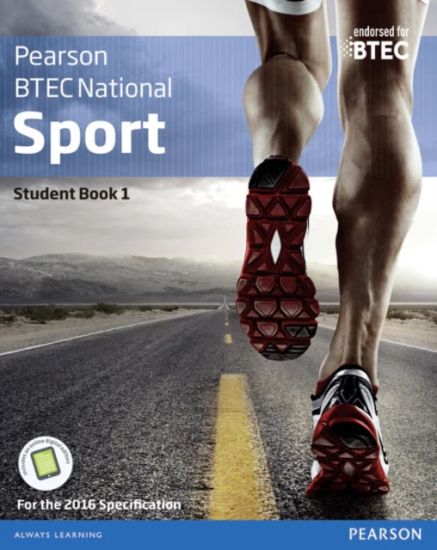
BTEC Nationals Sport Student Book 1 + Activebook
Adam Gledhill; Richard Taylor
PEARSON EDUCATION LIMITED
2016
muu


What the hell happened to my brain?
Kate Swaffer; Dr Shibley Rahman; Glenn Rees; Richard Taylor
Jessica Kingsley Publishers
2016
pokkari
Kate Swaffer was just 49 years old when she was diagnosed with a form of younger onset dementia. In this book, she offers an all-too-rare first-hand insight into that experience, sounding a clarion call for change in how we ensure a better quality of life for people with dementia. Kate describes vividly her experiences of living with dementia, exploring the effects of memory difficulties, loss of independence, leaving long-term employment, the impact on her teenage sons, and the enormous impact of the dementia diagnosis on her sense of self. Never shying away from difficult issues, she tackles head-on stigma, inadequacies in care and support, and the media's role in perpetuating myths about dementia, suggesting ways in which we can include and empower people with the diagnosis. She also reflects on the ways in which her writing and dementia advocacy work have taken her on a process of self-discovery and enabled her to develop a new and meaningful personal identity. Kate's powerful words will challenge misconceptions about dementia, and open our eyes to new ways of supporting people with the diagnosis. A must read for people with dementia and their families as well as for professionals and carers.
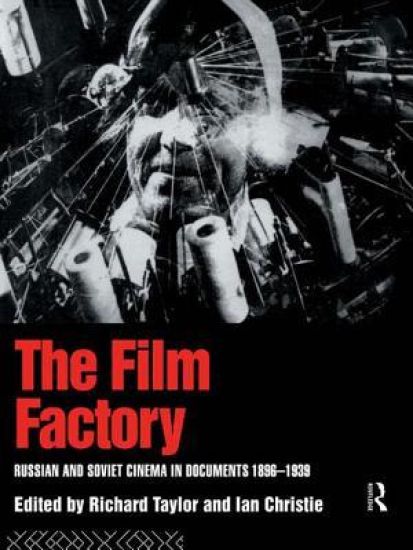
The Film Factory provides a comprehensive documentary history of Russian and Soviet cinema. It provokes a major reassessment of conventional Western understanding of Soviet cinema. Based on extensive research and in original translation, the documents selected illustrate both the aesthetic and political development of Russian and Soviet cinema, from its beginnings as a fairground novelty in 1896 to its emergence as a mass medium of entertainment and propaganda on the eve of World War II.
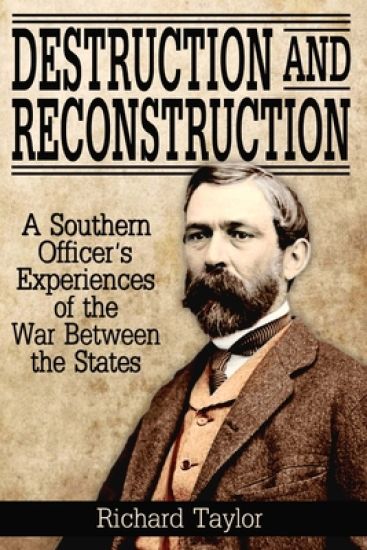
Destruction and Reconstruction: Personal Experiences of the Late War
Richard Taylor
Confederate Reprint Company
2015
nidottu

Destruction and Reconstruction
Richard Taylor
Createspace Independent Publishing Platform
2015
nidottu