
Kirjailija
Sigmund Freud
Kirjat ja teokset yhdessä paikassa: 1 311 kirjaa, julkaisuja vuosilta 1920–2027, suosituimpiin kuuluu The Freud/Jung Letters. Vertaile teosten hintoja ja tarkista saatavuus suomalaisista kirjakaupoista.
1 311 kirjaa
Kirjojen julkaisuvuodet: 1920–2027.

Sigmund Freud (Pr bor, 6 de mayo de 1856-Londres, 23 de septiembre de 1939) fue un m dico neur logo austriaco de origen jud o, padre del psicoan lisis y una de las mayores figuras intelectuales del siglo XX. Su inter s cient fico inicial como investigador se centr en el campo de la neurolog a, derivando progresivamente sus investigaciones hacia la vertiente psicol gica de las afecciones mentales, de la que dar a cuenta en su consultorio privado. Estudi en Par s con el neur logo franc s Jean-Martin Charcot las aplicaciones de la hipnosis en el tratamiento de la histeria. De vuelta a la ciudad de Viena y en colaboraci n con Josef Breuer desarroll el m todo cat rtico. Paulatinamente, reemplaz tanto la sugesti n hipn tica como el m todo cat rtico por la asociaci n libre y la interpretaci n de los sue os. De igual modo, la b squeda inicial centrada en la rememoraci n de los traumas psic genos como productores de s ntomas fue abriendo paso al desarrollo de una teor a etiol gica de las neurosis m s diferenciada. Todo esto se convirti en el punto de partida del psicoan lisis, al que se dedic ininterrumpidamente el resto de su vida.

Sigmund Freud (Pr bor, 6 de mayo de 1856-Londres, 23 de septiembre de 1939) fue un m dico neur logo austriaco de origen jud o, padre del psicoan lisis y una de las mayores figuras intelectuales del siglo XX. Su inter s cient fico inicial como investigador se centr en el campo de la neurolog a, derivando progresivamente sus investigaciones hacia la vertiente psicol gica de las afecciones mentales, de la que dar a cuenta en su consultorio privado. Estudi en Par s con el neur logo franc s Jean-Martin Charcot las aplicaciones de la hipnosis en el tratamiento de la histeria. De vuelta a la ciudad de Viena y en colaboraci n con Josef Breuer desarroll el m todo cat rtico. Paulatinamente, reemplaz tanto la sugesti n hipn tica como el m todo cat rtico por la asociaci n libre y la interpretaci n de los sue os. De igual modo, la b squeda inicial centrada en la rememoraci n de los traumas psic genos como productores de s ntomas fue abriendo paso al desarrollo de una teor a etiol gica de las neurosis m s diferenciada. Todo esto se convirti en el punto de partida del psicoan lisis, al que se dedic ininterrumpidamente el resto de su vida.



Sigmund Freud (Pr bor, 6 de mayo de 1856-Londres, 23 de septiembre de 1939) fue un m dico neur logo austriaco de origen jud o, padre del psicoan lisis y una de las mayores figuras intelectuales del siglo XX. Su inter s cient fico inicial como investigador se centr en el campo de la neurolog a, derivando progresivamente sus investigaciones hacia la vertiente psicol gica de las afecciones mentales, de la que dar a cuenta en su consultorio privado. Estudi en Par s con el neur logo franc s Jean-Martin Charcot las aplicaciones de la hipnosis en el tratamiento de la histeria. De vuelta a la ciudad de Viena y en colaboraci n con Josef Breuer desarroll el m todo cat rtico. Paulatinamente, reemplaz tanto la sugesti n hipn tica como el m todo cat rtico por la asociaci n libre y la interpretaci n de los sue os. De igual modo, la b squeda inicial centrada en la rememoraci n de los traumas psic genos como productores de s ntomas fue abriendo paso al desarrollo de una teor a etiol gica de las neurosis m s diferenciada. Todo esto se convirti en el punto de partida del psicoan lisis, al que se dedic ininterrumpidamente el resto de su vida.


Sigmund Freud (Pr bor, 6 de mayo de 1856-Londres, 23 de septiembre de 1939) fue un m dico neur logo austriaco de origen jud o, padre del psicoan lisis y una de las mayores figuras intelectuales del siglo XX. Su inter s cient fico inicial como investigador se centr en el campo de la neurolog a, derivando progresivamente sus investigaciones hacia la vertiente psicol gica de las afecciones mentales, de la que dar a cuenta en su consultorio privado. Estudi en Par s con el neur logo franc s Jean-Martin Charcot las aplicaciones de la hipnosis en el tratamiento de la histeria. De vuelta a la ciudad de Viena y en colaboraci n con Josef Breuer desarroll el m todo cat rtico. Paulatinamente, reemplaz tanto la sugesti n hipn tica como el m todo cat rtico por la asociaci n libre y la interpretaci n de los sue os. De igual modo, la b squeda inicial centrada en la rememoraci n de los traumas psic genos como productores de s ntomas fue abriendo paso al desarrollo de una teor a etiol gica de las neurosis m s diferenciada. Todo esto se convirti en el punto de partida del psicoan lisis, al que se dedic ininterrumpidamente el resto de su vida.
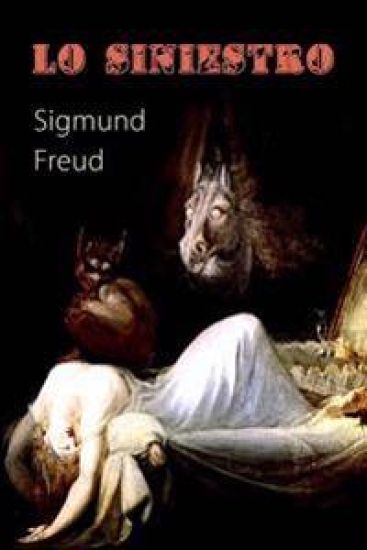
En este libro Freud reflexiona sobre El hombre de arena de E. T. A. Hoffmann. Lo siniestro es uno de los textos m s sorprendentes y complejos de la literatura freudiana; un profundo an lisis sobre un abundante material ling stico cuya sintaxis es coherente con la que Freud va elaborando a partir de otros discursos Relaciona el tratamiento del doble, o del otro yo, con las estaciones del miedo y del secreto, con los aut matas, lo oculto, la frontera continua entre la desesperaci n y la demencia hoffmanniana.
Psicologia de las Masas y Analisis del Yo (Spanish Edition)
Sigmund Freud
Createspace Independent Publishing Platform
2016
nidottu
Psicolog a de las masas y an lisis del yo es una obra de Sigmund Freud publicada en 1921. La simple idea de explicar la psicolog a de las masas surgir a en la primavera de 1919, iniciando su elaboraci n, borrador incluido, al a o siguiente. Su forma definitiva quedar a gestada en la primavera de 1921, no siendo publicada hasta el verano.1 Sus ilaciones de pensamiento se basan en tres fuentes: T tem y tab Introducci n del narcisismo Duelo y melancol a Retoma a su vez sus estudios sobre el hipnotismo y la sugesti n, ya tratados tempranamente en su etapa inicial con Jean-Martin Charcot. La importancia fundamental de la presente obra apunta en dos distintas direcciones:1 1. La psicolog a de las masas queda explicada a partir de los cambios en la psicolog a de la mente individual. 2. Resulta ser un avance en la investigaci n sobre la anatom a estructural de la psique, introducida en M s all del principio de placer y desarrollada en El yo y el ello.
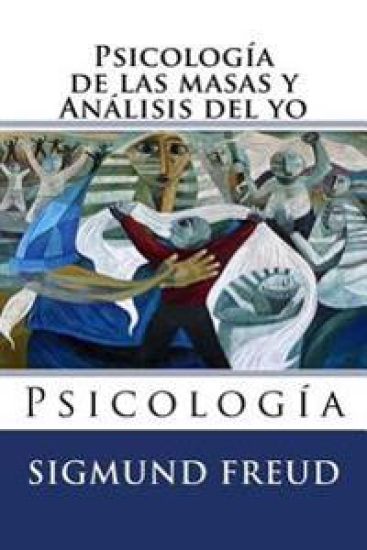
Psicologia de las masas y analisis del yo: Psicologia
Sigmund Freud
Createspace Independent Publishing Platform
2016
nidottu
Sigmund Freud, Naci en Pr bor, el 6 de mayo de 1856 y muri en Londres, el 23 de septiembre de 1939, fue un m dico neur logo austriaco de origen jud o, padre del psicoan lisis y una de las mayores figuras intelectuales del siglo XX. Psicolog a de las masas y an lisis del yo (en alem n Massenpsychologie und Ich-Analyse) es una obra de Sigmund Freud publicada en 1921. La simple idea de explicar la psicolog a de las masas surgir a en la primavera de 1919, iniciando su elaboraci n, borrador incluido, al a o siguiente. Su forma definitiva quedar a gestada en la primavera de 1921, no siendo publicada hasta el verano. Sus ilaciones de pensamiento se basan en tres fuentes: 1.- T tem y tab 2.- Introducci n del narcisismo 3.- Duelo y melancol a Retoma a su vez sus estudios sobre el hipnotismo y la sugesti n, ya tratados tempranamente en su etapa inicial con Jean-Martin Charcot. La importancia fundamental de la presente obra apunta en dos distintas direcciones: La psicolog a de las masas queda explicada a partir de los cambios en la psicolog a de la mente individual. Resulta ser un avance en la investigaci n sobre la anatom a estructural de la psique, introducida en M s all del principio de placer y desarrollada en El yo y el ello.

V svoe vremja ideja Zigmunda Frejda o vlijanii polovogo instinkta na psikhiku i razvitie chelovecheskogo obschestva proizvela effekt razorvavshejsja bomby. Teorija o bessoznatelnom, kotoroe vlijaet na vse nashi dejstvija i postupki, i o seksualnom vlechenii kak glavnoj dvizhuschej sile otdelnoj lichnosti i obschestva v tselom i po sej den vyzyvaet spory v nauchnoj srede, odnako nevozmozhno otritsat, chto uchenie Frejda o psikhoanalize vneslo neotsenimyj vklad v razvitie vsej mirovoj psikhologii. Predlagaemoe vnimaniju chitatelja izdanie predstavljaet soboj tsikl lektsij po vvedeniju v psikhoanaliz, prochitannykh Zigmundom Frejdom v 1915-1917 godakh

In Civilization and Its Discontents Freud extends and clarifies his analysis of religion; analyzes human unhappiness in contemporary civilization; ratifies the critical importance of the death drive theory; and contemplates the significance of guilt and conscience in everyday life. The result is Freud's most expansive work, one wherein he discusses mysticism, love, interpretation, narcissism, religion, happiness, technology, beauty, justice, work, the origin of civilization, phylogenetic development, Christianity, the Devil, communism, the sense of guilt, remorse, and ethics. A classic, important, accessible work, Freud reminds us again why we still read and debate his ideas today. Todd Dufresne's introduction expands on why, according to the late Freud, psychoanalysis is the key to understanding individual and collective realities or, better yet, collective truths. The Appendices include related writings by Freud, contemporary reviews, and scholarly responses from Marcuse, Rieff, and Ricoeur.

Warum Krieg? / Zeitgemäßes über Krieg und Tod
Sigmund Freud
Europäischer Literaturverlag
2015
nidottu

Group Psychology and the Analysis of the Ego (annotated)
Sigmund Freud
Createspace Independent Publishing Platform
2015
nidottu
Group Psychology and the Analysis of the Ego (German: Massenpsychologie und Ich-Analyse) is a work of Sigmund Freud from the year 1921. In this monograph, Freud describes psychological mechanisms at work within mass movements. A mass, according to Freud, is a "temporary entity, consisting of heterogeneous elements that have joined together for a moment." 1] He refers heavily to the writings of sociologist and psychologist Gustave Le Bon (1841-1931), summarizing his work at the beginning of the book in the chapter Le Bons Schilderung der Massenseele ("Le Bon's description of the group mind"). Like Le Bon, Freud says that as part of the mass, the individual acquires a sense of infinite power which allows him to act on impulses that he would otherwise have to curb as an isolated individual. These feelings of power and security allow the individual not only to act as part of the mass, but also to feel safety in numbers. This is accompanied, however, by a loss of conscious personality and a tendency of the individual to be infected by any emotion within the mass, and to amplify the emotion, in turn, by "mutual induction". Overall, the mass is "impulsive, changeable, and irritable. It is controlled almost exclusively by the unconscious." 2] Freud distinguishes between two types of masses. One is the short-lived kind, characterized by a rapidly transient interest, such as trends. The other kind consists of more permanent and enduring masses, which are highly organized, such as the Church or the military. "The masses of the former type, so to speak, ride on the latter, like the short but high waves on the long swell of the sea." However, the same basic mental processes operate in both kinds of masses. Freud refers back to his theory of instincts and believes that masses are held together by libidinal bonds. Each individual in the mass acts on impulses of love that are diverted from their original objectives. They pursue no direct sexual goal, but "do not therefore work less vigorously. Freud initially called the (largely unconscious) identification with the other individuals of the mass, all of whom are drawn in the same way to the leader, a binding element. The ego perceives a significant similarity with others in the group and identifies with them. In addition, admiration and idealization of the leader of the group takes place through the process of idealization. The narcissistic libido is displaced to the object which is "loved because of its perfection which the individual has sought for his own ego". 6] 7] Also, a process of identification with the aggressor can take place, for example, as happens in regression. Thus, Freud came to the conclusion: "A primary mass is a number of individuals who have put one and the same object in place of their ego ideal and consequently identify with each other.

Delusion & Dream: An Interpretation in the Light of Psychoanalysis of Gradiva (Aura Press)
Sigmund Freud
Createspace Independent Publishing Platform
2015
nidottu
Delusion and Dream in Jensen's GradivaAn Awesome Book On Eplaining The Psychoanalysis Of DreamsThe basic tenets of psychoanalysis include: a person's development is determined by often forgotten events in early childhood rather than by inherited traits alone.human attitude, mannerism, experience, and thought is largely influenced by irrational drives that are rooted in the unconsciousit is necessary to bypass psychological resistance in the form of defense mechanisms when bringing drives into awarenessconflicts between the conscious and the unconscious, or with repressed material can materialize in the form of mental or emotional disturbances, for example: neurosis, neurotic traits, anxiety, depression etc.liberating the elements of the unconscious is achieved through bringing this material into the conscious mind (via e.g. skilled guidance, i.e. therapeutic intervention). Analysis Of The d104An isolated, unworldly individual, Hanold has 'repressed the memory of a girl, Zo Bertgang, with whom he has grown up and to whom he had been affectionately attached'; but is unconsciously reminded of her by 'a bas-relief depicting a young, lovely woman with a distinctive gait. He calls her "Gradiva," which means "the woman who steps along"' After a dream about "Gradiva" and the destruction of Pompeii, Hanold 'leaves for Pompeii, where he meets a young woman, very much alive, whom he takes for Gradiva. In the course of the meetings that follow, he organizes his mania, stalking and interpreting signs (Gradiva appears at noon, the ghost hour, and the like). "Gradiva" seeks to cure him by gradually revealing her identity to him. The woman is of course Hanold's childhood sweetheart, Zo ; and 'fortunately his "Gradiva" is as shrewd as she is beautiful. Zo , the "source" of his malaise, also becomes the agent of its resolution; recognizing Hanold's delusions for what they are, she restores him to sanity, disentangling his fantasies from reality'- it 'is only Zo who can tell him that his archeological interest is sublimated desire for her'. With respect to 'the final paragraph, in which Jensen has Hanold asking Zo to walk ahead of him and she complies with a smile, Freud put, "Erotic...foot interest"'... By walking ahead of him in imitation of "Gradiva" on the plaque, she finds the key to his therapy'.
La divisi n de opiniones que la figura de Freud suscita, podr a resumirse del siguiente modo: por un lado, sus seguidores le consideran un gran cient fico en el campo de la medicina, que descubri gran parte del funcionamiento ps quico humano; y por otro, sus cr ticos lo ven como un fil sofo que replante la naturaleza humana y ayud a derribar tab es, pero cuyas teor as, como ciencia, fallan en un examen riguroso.
Psicologia de las masas y Analisis del yo
Sigmund Freud
Createspace Independent Publishing Platform
2015
nidottu
La divisi n de opiniones que la figura de Freud suscita, podr a resumirse del siguiente modo: por un lado, sus seguidores le consideran un gran cient fico en el campo de la medicina, que descubri gran parte del funcionamiento ps quico humano; y por otro, sus cr ticos lo ven como un fil sofo que replante la naturaleza humana y ayud a derribar tab es, pero cuyas teor as, como ciencia, fallan en un examen riguroso.
La divisi n de opiniones que la figura de Freud suscita, podr a resumirse del siguiente modo: por un lado, sus seguidores le consideran un gran cient fico en el campo de la medicina, que descubri gran parte del funcionamiento ps quico humano; y por otro, sus cr ticos lo ven como un fil sofo que replante la naturaleza humana y ayud a derribar tab es, pero cuyas teor as, como ciencia, fallan en un examen riguroso.