Kirjailija
Slavoj Zizek
Kirjat ja teokset yhdessä paikassa: 185 kirjaa, julkaisuja vuosilta 1991–2026, suosituimpiin kuuluu Nakanune Gospodina. Sotrjasaja ramki. Vertaile teosten hintoja ja tarkista saatavuus suomalaisista kirjakaupoista.
Nimi esiintyy myös muodoissa: Slavoj Žižek
185 kirjaa
Kirjojen julkaisuvuodet: 1991–2026.

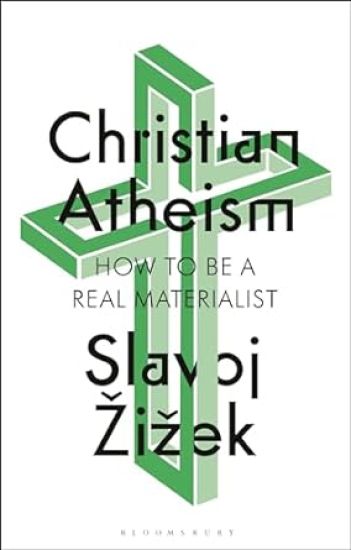
If we want to be true atheists, do we have to begin with a religious edifice and undermine it from within? Slavoj Žižek has long been a commentator on, and critic of, Christian theology. His preoccupation with Badiou's concept of 'the event' alongside the Pauline thought of the New Testament has led to a decidedly theological turn in his thinking. Drawing on traditions and subjects as broad as Buddhist thought, dialectical materialism, political subjectivity, quantum physics, AI and chatbots, this book articulates Žižek's idea of a religious life for the first time. Christian Atheism is a unique insight into Žižek's theological project and the first book-length exploration of his religious thinking. In his own words, "to become a true dialectical materialist, one should go through the Christian experience." Crucial to his whole conception of 'experience' is not some kind of spiritual revelation but rather the logic of materialistic thought. This affirmation of Christian theology whilst simultaneously deconstructing it is a familiar Žižekian move, but one that holds deep-seated political, philosophical and, in the end, personal import for him. Here is Žižek’s most extensive treatment of theology and religion to date.
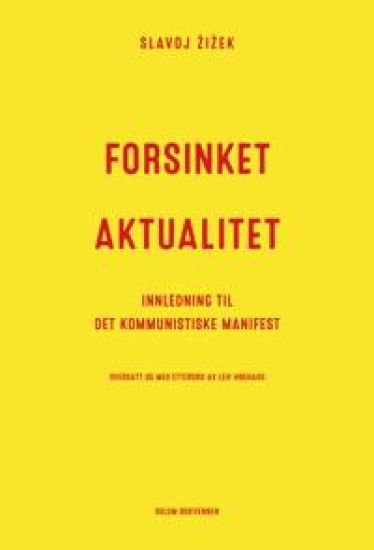
Med Forsinket aktualitet innleder Slavoj Zizek til fornyet refleksjon over en av den moderne tids viktigste tekster: Karl Marx og Friedrich Engels' Det kommunistiske manifest. Hva er det som gjør at det nå 175 år gamle budskapet fra Marx og Engels fremdeles må betraktes som aktuelt? Forsinket aktualitet er i aller høyeste grad et ideologikritisk essay. I senkapitalismen ser Zizek et brutalt system som opprettholder seg selv ved å knuse ethvert håp om en radikal forandring. «Den rådende ideologien i dag,» skriver Zizek, «er ikke en positiv visjon av en eller annen utopisk fremtid, men en kynisk resignasjon, en aksept av hvordan 'verden virkelig er', fulgt av en advarsel om at hvis vi ønsker å forandre verden (for mye), vil det ende med en totalitær katastrofe. Enhver visjon om en annen verden forkastes som ideologi.»
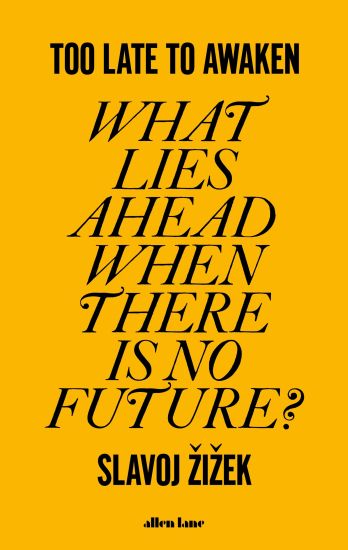
The most provocative philosopher of our times returns with a rousing and counterintuitive analysis of our global predicamentWe hear all the time that it's five minutes to global doomsday, so now is our last chance to avert disaster. But what if the only way to prevent a catastrophe is to assume that it has already happened - that we're already five minutes past zero hour? Why do we seem unable to avert our course to self-destruction? Too Late to Awaken sees Slavoj Žižek deliver his most forceful, hopeful account of our discontents yet. Surveying the interlocking crises we currently face - global warming, war, famine, disease - he points us towards the radical, emancipatory politics that we need in order to halt our drift towards disaster. Pithy, urgent and witty, Žižek's diagnosis reveals our current geopolitical nightmare in a startling new light, and shows why, in order to change our future, we must reimagine our past.
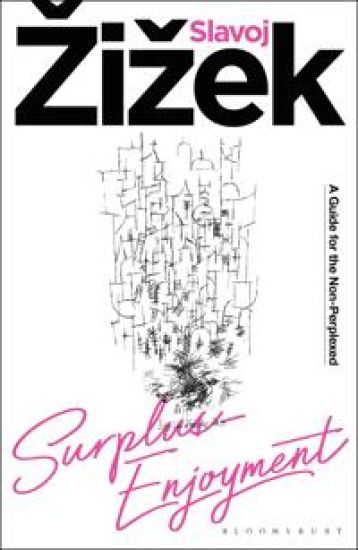
Contemporary life is defined by excess. There must always be more, there is never enough. We need a surplus to what we need to be able to truly enjoy what we have. Slavoj Žižek’s guide to surplus (and why it’s enjoyable) begins by arguing that what is surplus to our needs is by its very nature unsubstantial and unnecessary. But, perversely, without this surplus, we wouldn’t be able to enjoy, what is substantial and necessary. Indeed, without the surplus we wouldn’t be able to identify what was the perfect amount. Is there any escape from the vicious cycle of surplus enjoyment or are we forever doomed to simply want more? Engaging with everything from The Joker film to pop songs and Thomas Aquinas to the history of pandemics, Žižek argues that recognising the society of enjoyment we live in for what it is can provide an explanation for the political impasses in which we find ourselves today. And if we begin, even a little bit, to recognise that the nuggets of ‘enjoyment’ we find in excess are as flimsy and futile, might we find a way out?

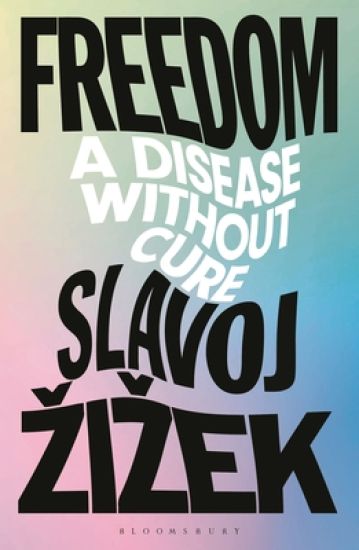
We are all afraid that new dangers pose a threat to our hard-won freedoms, so what deserves attention is precisely the notion of freedom. The concept of freedom is deceptively simple. We think we understand it, but the moment we try and define it we encounter contradictions. In this new philosophical exploration, Slavoj Žižek argues that the experience of true, radical freedom is transient and fragile. Countering the idea of libertarian individualism, Žižek draws on philosophers Hegel, Kierkegaard and Heidegger, as well as the work of Kandinsky and Agatha Christie to examine the many facets of freedom and what we can learn from each of them. Today, with the latest advances in digital control, our social activity can be controlled and regulated to such a degree that the liberal notion of a free individual becomes obsolete and even meaningless. How will we be obliged to reinvent (or limit) the contours of our freedom? Tracing its connection to everything from capitalism and war to the state and environmental breakdown, Žižek takes us on an illuminating and entertaining journey that shows how a deeper understanding of freedom can offer hope in dark times.

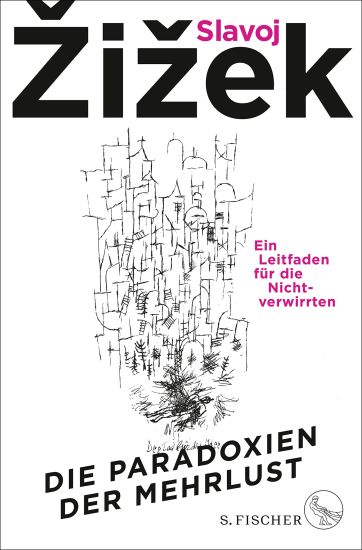
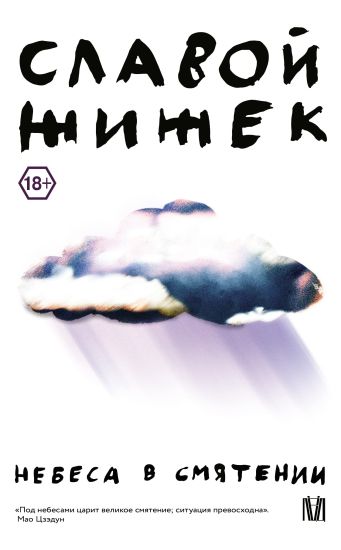
Po mere togo kak mir vykhodit (khotja, vozmozhno, tolko vremenno) iz pandemii, v tsentre vnimanija okazyvajutsja drugie krizisy: vopijuschee neravenstvo, klimaticheskaja katastrofa, otchajavshiesja bezhentsy i narastanie naprjazhennosti v rezultate novoj kholodnoj vojny. Neizmennyj motiv nashego vremeni - bezzhalostnyj khaos. Na pepelische neudach novogo veka Zhizhek zajavljaet o neobkhodimosti mezhdunarodnoj solidarnosti, ekonomicheskikh preobrazovanij i prezhde vsego bezotlagatelnogo kommunizma. V tsentre vnimanija novoj knigi Slavoja Zhizheka, traditsionno paradoksalnoj i filosofski-ostrosjuzhetnoj, - Tramp i Rammstein, Amazon i kovid, Afganistan i Khristos, Dzhordzh Oruell i internet-trolli, Lenin i litij, Bajden i Evropa, a takzhe desjatki drugikh znachimykh fenomenov, kotorye Zhizhek privlekaet dlja radikalnogo analiza sovremennosti.
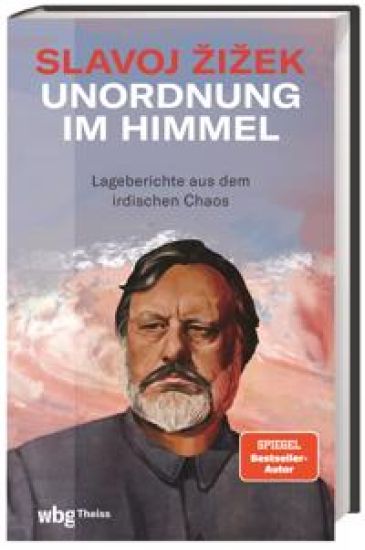
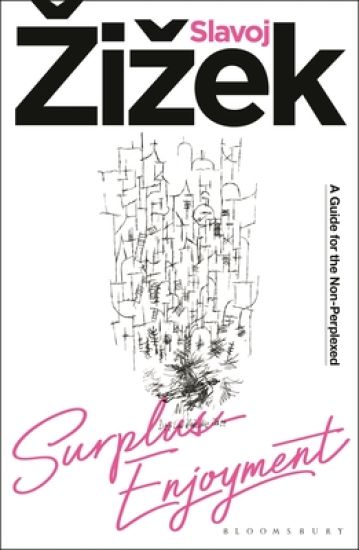
Contemporary life is defined by excess. There must always be more, there is never enough. We need a surplus to what we need to be able to truly enjoy what we have. Slavoj Žižek’s guide to surplus (and why it’s enjoyable) begins by arguing that what is surplus to our needs is by its very nature unsubstantial and unnecessary. But, perversely, without this surplus, we wouldn’t be able to enjoy what is substantial and necessary. Indeed, without the surplus we wouldn’t be able to identify what was the perfect amount. Is there any escape from the vicious cycle of surplus enjoyment or are we forever doomed to simply want more? Engaging with everything from The Joker film to pop songs and Thomas Aquinas to the history of pandemics, Žižek argues that recognising the society of enjoyment we live in for what it is can provide an explanation for the political impasses in which we find ourselves today. And if we begin, even a little bit, to recognise that the nuggets of ‘enjoyment’ we find in excess are as flimsy and futile, might we find a way out?
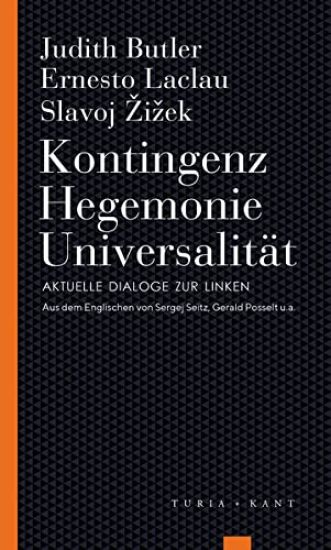
Kontingenz - Hegemonie - Universalität
Judith Butler; Ernesto Laclau; Slavoj Zizek
Turia + Kant, Verlag
2022
nidottu

A spirit is haunting contemporary thought – the spirit of Hegel. All the powers of academia have entered into a holy alliance to exorcize this spirit: Vitalists and Eschatologists, Transcendental Pragmatists and Speculative Realists, Historical Materialists and even ‘liberal Hegelians’. Which of these groups has not been denounced as metaphysically Hegelian by its opponents? And which has not hurled back the branding reproach of Hegelian metaphysics in its turn? Progressives, liberals and reactionaries alike receive this condemnation. In light of this situation, it is high time that true Hegelians should openly admit their allegiance and, without obfuscation, express the importance and validity of Hegelianism to the contemporary intellectual scene. To this end, a small group of Hegelians of different nationalities have assembled to sketch the following book – a book which addresses a number of pressing issues that a contemporary reading of Hegel allows a new perspective on: our relation to the future, our relation to nature and our relation to the absolute.

A spirit is haunting contemporary thought – the spirit of Hegel. All the powers of academia have entered into a holy alliance to exorcize this spirit: Vitalists and Eschatologists, Transcendental Pragmatists and Speculative Realists, Historical Materialists and even ‘liberal Hegelians’. Which of these groups has not been denounced as metaphysically Hegelian by its opponents? And which has not hurled back the branding reproach of Hegelian metaphysics in its turn? Progressives, liberals and reactionaries alike receive this condemnation. In light of this situation, it is high time that true Hegelians should openly admit their allegiance and, without obfuscation, express the importance and validity of Hegelianism to the contemporary intellectual scene. To this end, a small group of Hegelians of different nationalities have assembled to sketch the following book – a book which addresses a number of pressing issues that a contemporary reading of Hegel allows a new perspective on: our relation to the future, our relation to nature and our relation to the absolute.