Kirjojen hintavertailu – 12 859 829 kirjaa ja 27 kauppaa
Kirjailija
T. S. Eliot
Kirjat ja teokset yhdessä paikassa: 188 kirjaa, julkaisuja vuosilta 1922–2026, suosituimpiin kuuluu ??-??The Waste Land/The Love Song of J. Alfred Prufrock. Vertaile teosten hintoja ja tarkista saatavuus suomalaisista kirjakaupoista.
Nimi esiintyy myös muodoissa: T S Eliot, T.S. Eliot, T.S Eliot
The poems included are: Gerontion, Burbank with a Baedeker: Bleistein with a Cigar-Sweeney Erect, A Cooking Egg, Le Directeur, M lange adult re de tout, Lune de Miel, The Hippopotamus, Dans le Restaurant, Whispers of Immortality, Mr. Eliot's Sunday Morning Service, Sweeney Among the Nightingales, The Love Song of J. Alfred Prufrock, Portrait of a Lady, Preludes, Rhapsody on a Windy Night, Morning at the Window, The Boston Evening Transcript, Aunt Helen, Cousin Nancy, Mr. Apollinax, Hysteria, Conversation Galante, La Figlia Che Piange
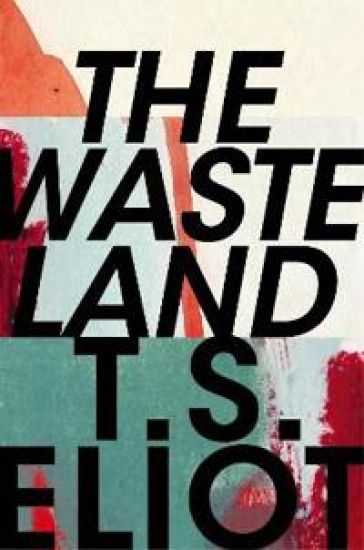
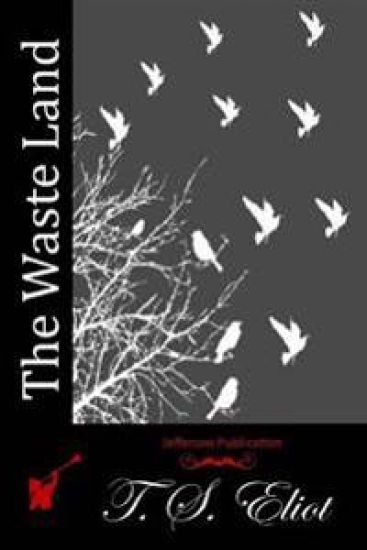
The Waste Land is a long poem by T. S. Eliot, widely regarded as one of the most important poems of the 20th century and a central work of modernist poetry. Published in 1922, the 434-line poem first appeared in the United Kingdom in the October issue of The Criterion and in the United States in the November issue of The Dial. It was published in book form in December 1922. Among its famous phrases are "April is the cruellest month," "I will show you fear in a handful of dust," and the mantra in the Sanskrit language "Shantih shantih shantih." Eliot's poem loosely follows the legend of the Holy Grail and the Fisher King combined with vignettes of contemporary British society. Eliot employs many literary and cultural allusions from the Western canon, Buddhism and the Hindu Upanishads. Because of this, critics and scholars regard the poem as obscure. The poem shifts between voices of satire and prophecy featuring abrupt and unannounced changes of speaker, location, and time and conjuring of a vast and dissonant range of cultures and literatures. The poem's structure is divided into five sections. The first section, "The Burial of the Dead," introduces the diverse themes of disillusionment and despair. The second, "A Game of Chess," employs vignettes of several characters-alternating narrations-that address those themes experientially. "The Fire Sermon," the third section, offers a philosophical meditation in relation to the imagery of death and views of self-denial in juxtaposition influenced by Augustine of Hippo and eastern religions. After a fourth section, "Death by Water," which includes a brief lyrical petition, the culminating fifth section, "What the Thunder Said," concludes with an image of judgment. Eliot probably worked on the text that became The Waste Land for several years preceding its first publication in 1922. In a May 1921 letter to New York lawyer and patron of modernism John Quinn, Eliot wrote that he had "a long poem in mind and partly on paper which I am wishful to finish." 5] Richard Aldington, in his memoirs, relates that "a year or so" before Eliot read him the manuscript draft of The Waste Land in London, Eliot visited him in the country. 6] While walking through a graveyard, they discussed Thomas Gray's Elegy Written in a Country Churchyard. Aldington writes: "I was surprised to find that Eliot admired something so popular, and then went on to say that if a contemporary poet, conscious of his limitations as Gray evidently was, would concentrate all his gifts on one such poem he might achieve a similar success." 6] Eliot, having been diagnosed with some form of nervous disorder, had been recommended rest, and applied for three months' leave from the bank where he was employed; the reason stated on his staff card was "nervous breakdown." He and his first wife, Vivienne Haigh-Wood Eliot, travelled to the coastal resort of Margate, Kent, for a period of convalescence. While there, Eliot worked on the poem, and possibly showed an early version to Ezra Pound when, after a brief return to London, the Eliots travelled to Paris in November 1921 and stayed with him. Eliot was en route to Lausanne, Switzerland, for treatment by Doctor Roger Vittoz, who had been recommended to him by Ottoline Morrell; Vivienne was to stay at a sanatorium just outside Paris. In Hotel Ste. Luce (where Hotel Elite stands since 1938) in Lausanne, Eliot produced a 19-page version of the poem. 7] He returned from Lausanne in early January 1922. Pound then made detailed editorial comments and significant cuts to the manuscript. Eliot later dedicated the poem to Pound.
"April is the cruelest month, breeding lilacs out of the dead land, mixing memory and desire, stirring dull roots with spring rain." --- T. S. Eliot, The Waste Land The Waste Land is a long poem by T. S. Eliot. It is widely regarded as one of the most important poems of the 20th century and a central text in Modernist poetry. Published in 1922, the 434-line poem first appeared in the United Kingdom in the October issue of The Criterion and in the United States in the November issue of The Dial. It was published in book form in December 1922. Among its famous phrases are "April is the cruellest month", "I will show you fear in a handful of dust", and the mantra in the Sanskrit language "Shantih shantih shantih". Eliot's poem loosely follows the legend of the Holy Grail and the Fisher King combined with vignettes of contemporary British society. Eliot employs many literary and cultural allusions from the Western canon, Buddhism and the Hindu Upanishads. Because of this, critics and scholars regard the poem as obscure. The poem shifts between voices of satire and prophecy featuring abrupt and unannounced changes of speaker, location, and time and conjuring of a vast and dissonant range of cultures and literatures. The poem's structure is divided into five sections. The first section, The Burial of the Dead, introduces the diverse themes of disillusionment and despair. The second, A Game of Chess, employs vignettes of several characters---alternating narrations---that address those themes experientially. The Fire Sermon, the third section, offers a philosophical meditation in relation to the imagery of death and views of self-denial in juxtaposition influenced by Augustine of Hippo and eastern religions. After a fourth section that includes a brief lyrical petition, the culminating fifth section, What the Thunder Said, concludes with an image of judgment.
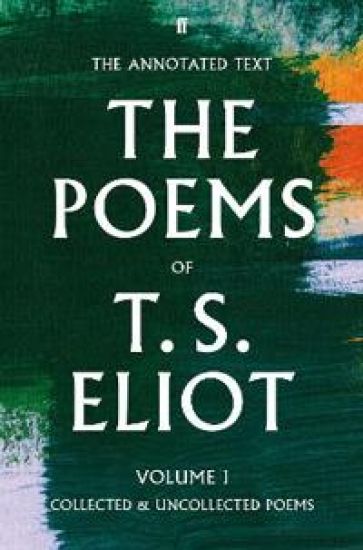
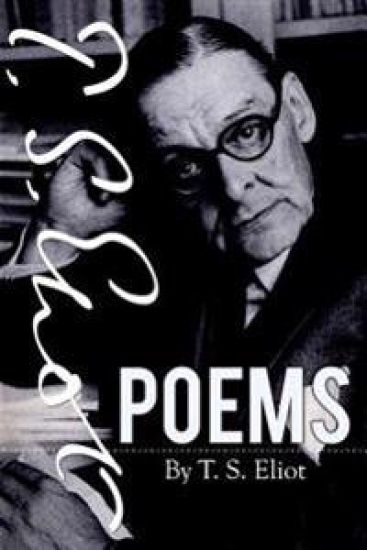
A monumental event in Eliot scholarship. Pegasus Award for Criticism 2016This critical edition of T. S. Eliot's Poems establishes a new text of the Collected Poems 1909-1962, rectifying accidental omissions and errors that have crept in during the century since Eliot's astonishing debut, "The Love Song of J. Alfred Prufrock." As well as the masterpieces, the edition contains the poems of Eliot's youth, which were rediscovered only decades later, others that circulated privately during his lifetime, and love poems from his final years, written for his wife Valerie Eliot. Christopher Ricks and Jim McCue have provided a commentary that illuminates the imaginative life of each poem. Calling upon Eliot's critical writings, as well as his drafts, letters, and other original materials, they illustrate not only the breadth of Eliot's interests and the range of his writings, but how it was that the author of "Gerontion" came to write "Triumphal March" and then Four Quartets. Thanks to the family and friends who recognized Eliot's genius and preserved his writings from an early age, the archival record is exceptionally complete, enabling us to follow in unique detail the progress of a mind that never ceased exploring. Following the collected and uncollected poems of the first volume, this second volume opens with the two books of verse of other kinds that Eliot issued: the children's verse of Old Possum's Book of Practical Cats and his translation of St.-John Perse's Anabase. This volume then gathers the verses Eliot contributed to the learnedly lighthearted exchanges of Noctes Binanian and others for intimate friends or written off the cuff. Each of these sections has its own commentary. Finally, and pertaining to the entire edition, there is a comprehensive textual history that contains not only variants from all known drafts and the many printings but also extended passages amounting to hundreds of lines of compelling verse." I do not know for certain how much of my own mind he invented."--William Empson
A monumental event in Eliot scholarship. Winner of the CHOICE Outstanding Academic Title of the Choice ACRL, Pegasus Award for Criticism of the Poetry MagazineThis critical edition of T. S. Eliot's Poems establishes a new text of the Collected Poems 1909-1962, rectifying accidental omissions and errors that have crept in during the century since Eliot's astonishing debut, "The Love Song of J. Alfred Prufrock." As well as the masterpieces, the edition contains the poems of Eliot's youth, which were rediscovered only decades later, others that circulated privately during his lifetime, and love poems from his final years, written for his wife Valerie Eliot. Christopher Ricks and Jim McCue have provided a commentary that illuminates the imaginative life of each poem. Calling upon Eliot's critical writings, as well as his drafts, letters, and other original materials, they illustrate not only the breadth of Eliot's interests and the range of his writings, but how it was that the author of "Gerontion" came to write "Triumphal March" and then Four Quartets. Thanks to the family and friends who recognized Eliot's genius and preserved his writings from an early age, the archival record is exceptionally complete, enabling us to follow in unique detail the progress of a mind that never ceased exploring. This first volume respects Eliot's decisions by opening with his Collected Poems 1909-1962 as he arranged and issued it, shortly before his death fifty years ago. This is followed by poems uncollected but either written for or suitable for publication, and by a new reading text of the drafts of The Waste Land. The volume concludes with the commentary on all of these poems. The second volume opens with the two books of verse of other kinds that Eliot issued, Old Possum's Book of Practical Cats and his translation of St.-John Perse's Anabase. Different again are the verses informal, improper, or clubmanlike. Each of these sections has its own commentary. Finally, pertaining to the entire edition, there is a textual history that contains not only variants from all known drafts and the many printings but also extended passages amounting to hundreds of lines of compelling verse." The more we know of Eliot, the better."--Ezra Pound
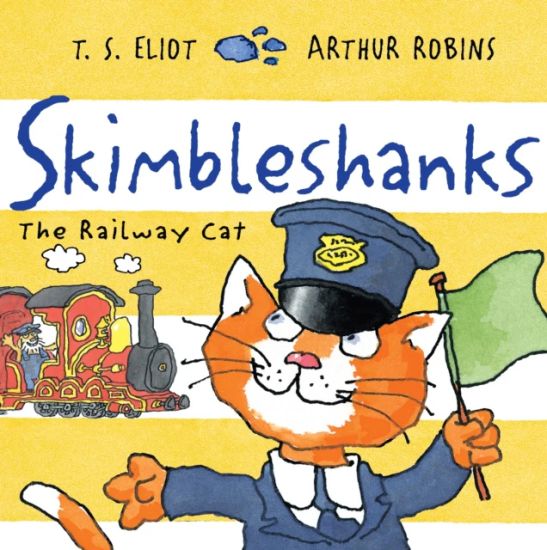
A wonderful new picture book version of one of T. S. Eliot's most popular cat poems from a timeless magical partnership. We must find him or the train can't start! All aboard as Skimbleshanks, the Railway Cat, stars in the third picture-book pairing from Arthur Robins and T. S. Eliot's Old Possum's cats, set on the Night Mail train where Skimble won't let anything go wrong. To sit alongside other classics such as The Gruffalo, The Tiger Who Came to Tea, and Spot.'Beautifully illustrated to bring the poem to life.' Independent'A fabulous way to introduce young readers to poetry.' Huffington Post
Times Literary Supplement Book of the YearPegasus Award for Poetry Criticism, Poetry Foundation, ChicagoRichard J. Finneran Award, Society for Textual ScholarshipBest Scholarly Edition Award, Modernist Studies AssociationThe Poems of T. S. Eliot is the authoritative edition of one of our greatest poets, scrupulously edited by Christopher Ricks and Jim McCue. It provides, for the first time, a fully scrutinized text of Eliot's poems, carefully restoring accidental omissions and removing textual errors that have crept in over the full century in which Eliot has been so frequently printed and reprinted. The edition also presents many poems from Eliot's youth which were published only decades later, as well as others that saw only private circulation in his lifetime, of which dozens are collected for the first time. To accompany Eliot's poems, Christopher Ricks and Jim McCue have provided a commentary that illuminates the creative activity that came to constitute each poem, calling upon drafts, correspondence and other original materials to provide a vivid account of the poet's working processes, his reading, his influences and his revisions. The first volume respects Eliot's decisions by opening with his Collected Poems 1909-1962 in the form in which he issued it, shortly before his death fifty years ago. There follow in this first volume the uncollected poems from his youth that he had chosen to publish, along with such other poems as could be considered suitable for publication. The second volume opens with the two books of poems of other kinds that he issued, Old Possum's Book of Practical Cats and his translation of Perse's Anabase, moving then to verses privately circulated as informal or improper or clubmanlike. Each of these sections is accompanied by its respective commentary, and then, pertaining to the entire edition, there is a comprehensive textual history recording variants both manuscript and published. The Poems of T. S. Eliot is a work of enlightening scholarship that will delight and inform all those who read Eliot for pleasure, as well as all those who read with pleasure and for study. Here are a new accuracy and an unparalleled insight into the marvels and landmarks from The Love Song of J. Alfred Prufrock and The Waste Land through to Four Quartets.
Published in 1922, The Waste Land was the most revolutionary poem of its time, offering a devastating vision of modern civilization between the two World Wars.
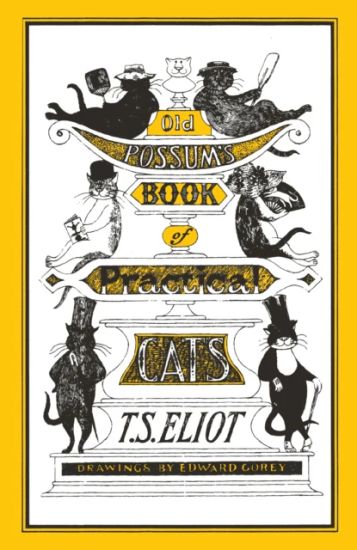
A stunning new gift edition of this much-loved classic, with the celebrated black-and-white illustrations by Edward Gorey. Cats! Some are sane, and some are mad. Some are good, and some are bad . . . The whimsical 1982 Old Possum's illustrations have been lovingly restored and are showcased in this beautiful new poetry edition, perfect for children and Eliot aficionados alike. These lovable cat poems were written by T. S. Eliot for his godchildren and continue to delight children and grown-ups. The collection inspired the musical Cats!, and features Macavity, Mr Mistofelees and Growltiger!
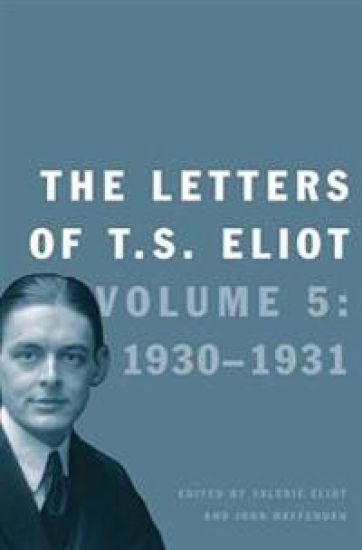
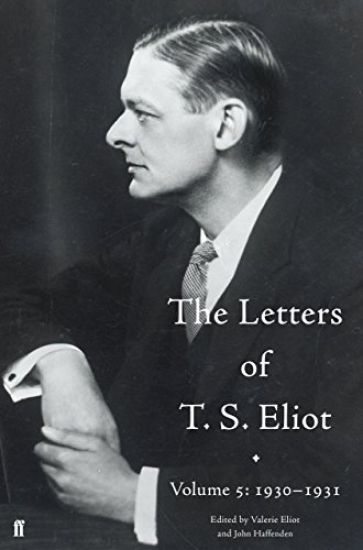
The fifth volume of the correspondence of literary giant T. S. Eliot This fifth volume of the collected letters of poet, playwright, essayist, and literary critic Thomas Stearns Eliot covers the years 1930 through 1931. It was during this period that the acclaimed American-born writer earnestly embraced his newly avowed Anglo-Catholic faith, a decision that earned him the antagonism of friends like Virginia Woolf and Herbert Read. Also evidenced in these correspondences is Eliot's growing estrangement from his wife Vivien, with the writer's newfound dedication to the Anglican Church exacerbating the unhappiness of an already tormented union. Yet despite his personal trials, this period was one of great literary activity for Eliot. In 1930 he composed the poems Ash-Wednesday and Marina, and he published Coriolan and a translation of Saint-John Perse's Anabase the following year. As director at the British publishing house Faber & Faber and editor of The Criterion, he encouraged W. H. Auden, Stephen Spender, Louis MacNeice, and Ralph Hogdson, published James Joyce's Haveth Childers Everywhere, and turned down a book proposal from Eric Blair, better known by his pen name, George Orwell. Through Eliot's correspondences from this time the reader gets a full-bodied view of a great artist at a personal, professional, and spiritual crossroads.
Eliot attracted widespread attention for his poem The Love Song of J. Alfred Prufrock in this book, which is seen as a masterpiece of the Modernist movement. It was followed by some of the best-known poems in the English language, including The Waste Land in this book, The Hollow Men, Ash Wednesday and Four Quartets . He is also known for his seven plays, particularly Murder in the Cathedral. He was awarded the Nobel Prize in Literature in 1948, "for his outstanding, pioneer contribution to present-day poetry".
Innovative poet and scholar, Dr. Hedwig Gorski, provides a scripted version of T. S. Eliot's poem The Waste Land encouraging public readings of the poem. Reading aloud helps students understand the voices speaking and provides a more complete experience with this master modernist poem. The scripted poem allows a group to cast and put the best voices to work in service of the lines for audio readings and performances of Eliot's masterwork. The script is perfect for an interactive class project in literature, radio production, and theater, an indispensable aid to introduce all levels of students and audiences to what many consider the most important poem of the twentieth century. Hearing these lines voiced in any number of ways provides a new experience for the listener and performer.
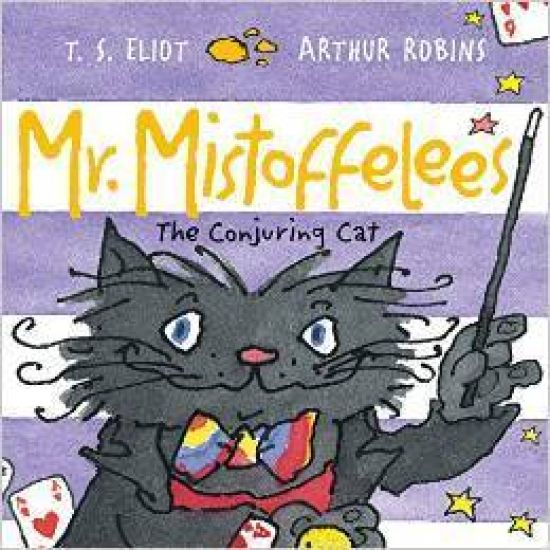
The Original Conjuring Cat stars in the second picture book from T. S. Eliot and Arthur Robins, a timeless magical partnership - perfect for ages 3+. Was there everA cat so cleverAs magical Mr. Mistoffelees! Following Arthur Robins' criticallly acclaimed picture book of Macavity (already sold 10k) he turns his attentions to the magical Mr. Mistoffelees with delightfully hilarious results. Perfect for ages 3+, children (and parents) will love reading aloud about the Original Conjuring Cat. To sit alongside other classics such as The Gruffalo, The Tiger Who Came to Tea, and Spot.'A lovely treat of a book and should be enjoyed by children and cat lovers of all ages.' Children's Books Ireland'A marvellous moggy-filled book!' Read it Daddy!'Original and funny interpretation.' Carousel
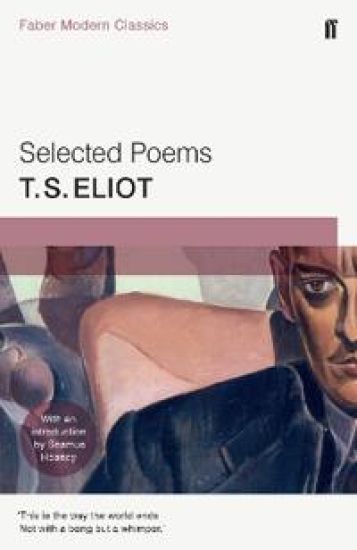
T. S. Eliot - editor, poet, critic and publisher - was the greatest poet of his generation. The winner of the 1948 Nobel Prize for Literature, virtually every English language poet since owes him a debt of gratitude. Voted as Britain's favourite poet in a 2009 BBC poll, Eliot selected and designed this collection himself in 1954 as an introduction to his work for new readers. Containing 'The Waste Land' and 'The Love Song of J. Alfred Prufrock', Selected Poems is the perfect way to begin with one of the defining figures of the twentieth century. This edition also features an introductory essay by Seamus Heaney.
'The book amounts to a comprehensive literary history of the time.' David Sexton, Evening StandardVolume 5 of The Letters of T. S. Eliot finds the poet, between the ages of forty-two and forty-four, reckoning with the strict implications of his Christian faith for his life, his work, and his poetry. The letters between Eliot and his associates, family and friends - his correspondents range from the Archbishop of York and the American philosopher Paul Elmer More to the writers Virginia Woolf, Herbert Read and Ralph Hodgson - serve to illuminate the ways in which his Anglo-Catholic convictions could, at times, prove a self-chastising and even alienating force. 'Anyone who has been moving among intellectual circles and comes to the Church, may experience an odd and rather exhilarating feeling of isolation,' he remarks. Notwithstanding, he becomes fully involved in doctrinal controversy: he espouses the Church as an arena of discipline and order. Eliot's relationship with his wife, Vivien, continues to be turbulent, and at times desperate, as her mental health deteriorates and the communication between husband and wife threatens, at the coming end of the year, to break down completely. At the close of this volume Eliot will accept a visiting professorship at Harvard University, which will take him away from England and Vivien for the academic year 1932-33.