Kirjojen hintavertailu – 12 859 828 kirjaa ja 27 kauppaa
Kirjailija
U. S. Department of Justice
Kirjat ja teokset yhdessä paikassa: 416 kirjaa, julkaisuja vuosilta 2001–2025, suosituimpiin kuuluu Drug Endangered Children: Guide for Law Enforcement. Vertaile teosten hintoja ja tarkista saatavuus suomalaisista kirjakaupoista.
Nimi esiintyy myös muodoissa: U.S. Department of Justice, U S Department of Justice
The Arrest-Related Deaths (ARD) program is an annual national census of persons who die either during the process of arrest or while in the custody of state or local law enforcement personnel. The Bureau of Justice Statistics (BJS) implemented the ARD program in 2003 as part of the Deaths in Custody Reporting Program (DCRP). The DCRP was initiated to fulfill the data collection requirement of the Deaths in Custody Reporting Act of 2000 (DICRA, P. L. 106- 247). It collects in-depth information on deaths during arrest and incarceration, and it provides national-level information on the deaths of suspects and offenders from their initial contact with law enforcement personnel through the time they are incarcerated in a jail or prison. ARD data are collected to quantify and describe the circumstances surrounding civilian deaths that take place during an arrest or while in the custody of law enforcement. These data describe the prevalence and incidence of arrest-related deaths across the nation, identify the circumstances or activities that contribute to these deaths, and reveal trends in the causes and circumstances of these deaths in custody at national and state levels. These data can be used to inform specific policies that may increase the safety of law enforcement officers and citizens, identify training needs in law enforcement agencies, and assist in developing prevention strategies. The current ARD program relies on state reporting coordinators (SRCs) in each of the 50 states and the District of Columbia to identify and report on all eligible cases of arrest-related deaths. BJS compiles data from the states to produce national-level statistics on deaths that occur in the process of arrest by, or while in the custody of, state and local law enforcement personnel. When the DICRA reporting requirements ended in 2006, BJS undertook efforts to understand the variability between SRCs, and within SRCs over time, in terms of data collection methodologies and available resources. This variability has led to concerns about definitions, data quality, and undercoverage error. This report responds to issues with variability and profiles the data quality of the ARD component of the DCRP. The report (1) gives an overview of the ARD program, (2) describes the data collection methods used by SRCs, and (3) assesses the quality of the resulting data and coverage for eligible ARD cases that involve law enforcement homicides.
Analysis has been a part of American policing for more than a century. Evolving from pin mapping to comparative data tables; from simple patterns analysis and batch processing on mainframe computers to user interface with real-time analysis; and eventually to more flexible and sophisticated analysis, such as the Geographic Information System (GIS), law enforcement has used a variety of analytics to respond to crime. After the terrorist attacks of September 11, 2001, the need for more robust intelligence capabilities and analytic capacity at the state and local law enforcement levels became more apparent than ever before. Today, the law enforcement analytic function can vary from agency to agency based on the needs of the organization. Whether accomplished by staff analysts who focus on departmental and organizational issues such as budget, policy, and systems, or by line analysts who focus on tactical and strategic analysis for various functions within an agency, effective integration of analysis has been shown to increase law enforcement efficiency and effectiveness in both urban and rural jurisdictions. However, while the benefits of a robust analytic function have been demonstrated through a variety of initiatives, the current economic crisis and the slow rate of change within the policing culture have resulted in an ongoing need to increase analytic capabilities. Considering the anticipated exponential growth in information and the consequential technology expansion, increased analytic capacity could become the single most-important resource for criminal justice agencies in America. Moving into the next century, agencies should invest in increased analytic capacity to move beyond a world of data analysis of past and current crime trends, and they should incorporate additional factors to efficiently and effectively create a more comprehensive policing strategy. This report provides an in-depth look at the successful integration of analytics within law enforcement agencies. It examines the application and impact of several initiatives, some of which are based on intelligence-led policing, to include: Bureau of Justice Assistance, Targeting Violent Crime InitiativeOffice of Justice Programs, Strategic Approach to Community Safety InitiativeNational Institute for Justice, Study of Law Enforcement IntelligenceMichigan State University, Intelligence Toolbox Training Program-Intelligence-Led Policing Self-AssessmentCommunity-Oriented Policing Services, Integrating Crime Analysis with Patrol Operations
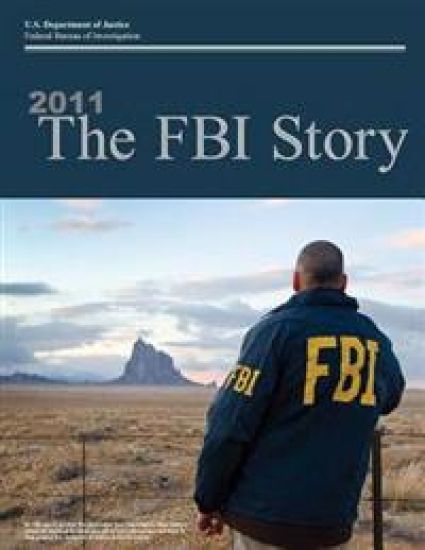
For the FBI and its partners, much has changed in the last decade. The terror attacks of 9/11 shifted the focus of national security, making prevention our collective mandate. Remarkable technological change also gave rise to online scams and cyber attacks. Gangs grew in size and strength, proliferating crime in some communities; and greed and corruption affected many Americans, along with banking and other institutions. The FBI, for its part, has emerged 10 years later a changed organization. More than ever, we are intelligence-driven and threat-focused, business-like in our operations and strategic in our use of resources. Our workforce has grown increasingly analytic and technologically savvy. We work more closely now than ever with our partners-not only across the country, but as a result of the growing globalization of crime and terror, across the world. You can get a telling glimpse into the FBI of today in this latest edition of The FBI Story, our annual collection of news and feature articles from the Bureau's public website. You can read a series of stories on our unprecedented efforts in the war zone of Afghanistan, where we have worked alongside the U. S. military and other partners to gather intelligence, conduct investigations, and mentor Afghan law enforcement. You can get an inside look at our growing cadre of intelligence analysts-how they operate and contribute daily to the FBI's mission. You can also get a glimpse into how we are addressing emerging scams like ATM skimming and enlisting the public's help in new ways to solve cold cases. Many of the year's most notable accomplishments are chronicled here as well-major cyber operations, large-scale health care fraud and gang takedowns, and historic Mafia busts. And most notably, in less than two months, two of the FBI's Ten Most Wanted Fugitives were removed from the list. On May 1, Osama bin Laden was killed by U. S. forces, not only closing a chapter in the 9/11 terror attacks but yielding valuable new intelligence in the global effort to end violent extremism. And on June 23, notorious Boston mobster James 'Whitey' Bulger was captured by FBI agents in California following a far-reaching public information campaign.
The abuse of drugs is not a harmless personaldecision: there are real, long-lasting, anddevastating outcomes for those who abusedrugs and for their families, friends, and communities. And for some, the outcome may be lethal. With the knowledge contained in this edition, you can make smart choices for yourself, and help others avoid the tragedy that inevitably comes from drug abuse and addiction. Whether you purchase drugs from a pharmacy, or you get them from a friend, knowing the truth about them will help you understand the dangers they pose. Measured in American lives, health, safety, andresources, this cost is enormous: More young Americans die from drugs thansuicides, firearms, or school violence; The use of illicit drugs, and the non-medical use of prescription drugs, directly led to the death of 38,000 Americans in 2006, nearly as many who died in automobile accidents; The only disease that affects more people thansubstance abuse in America today is heart disease; Substance abuse is the single largest contributor to crime in the United States; In the latest year measured, the direct cost of drug abuse was estimated at $52 billion, with indirect costs of $128 billion. I believe none of this is necessary, and that with accurate, honest information about drugs, more Americans will make the right choices. Drugs of Abuse is designed to be a reliable resource on the most popularly abused drugs. This publication delivers clear, scientific information about drugs in a factual, straightforward way, combined with scores of precise photographs shot to scale. We believe that Drugs of Abuse fulfills an important educational need in our society. Around the world and across the nation, the dedicated men and women of the DEA are working hard to investigate and arrest the traffickers of dangerous drugs, such as those described here. They help keep our schools and neighborhoods safe and secure. But just as important, they are working hard to educate America's youth, their parents, and their teachers about the very real dangers of illegal drugs. Drugs of Abuse is an important step in that direction.
This bulletin presents findings from the Pathways to Desistance study about the effects of transfer from juvenile court to adult court on a sample of serious adolescent offenders in Maricopa County, AZ. The authors compare the extant literature with findings from the Pathways study and discuss the possible implications of these findings for future changes in transfer statutes. Following aresome key points: - Adolescents in the adult system may be at risk for disruptions in their personal development, identity formation, relationships, learning, growth in skills and competencies, and positive movement into adult status.- Most of the youth in the study who were sent to adult facilities returned to the community within a few years, varying widely in their levels of adjustment. Youth were more likely to successfully adjust when they were not influenced by antisocial peers.- Prior work indicates that transferred youth are more likely to commit criminal acts than adolescents kept in the juvenile justice system.- Findings from the Pathways study indicate that transfer may have a differential effect (either reducing or increasing offending), dependingon the juvenile's presenting offense and prior offense history.
For the FBI and its partners, 2012 was a year that reminded us once again of the seriousness of the security threats facing our nation. During the year, extremists plotted to attack-unsuccessfully, thanks to the work of our Joint Terrorism Task Forces-the U. S. Capitol, the New York Federal Reserve Bank, and other landmarks on U. S. soil. Tragically, on the 11th anniversary of9/11, a hateful attack in Benghazi took the lives of the U. S. Ambassador to Libya and three other Americans. In the cyber realm, a rising tide of hackers took electronic aim at global cyber infrastructure, causing untold damages. High-dollar white-collar crimes of all kinds also continued to siphon significant sums from the pocketbooks of consumers. And in Newtown, Connecticut, 20 young children and six adults lost their lives in one of the worst mass shootings in American history, ending a year of violence that saw similar tragedies around the country. Working with its colleagues around the globe, the FBI is committed to taking a leadership role in protecting the nation. As you can see from this book-an annual compilation of stories from the FBI's public website that provides a snapshot of Bureau milestones, activities, and accomplishments-we used the full range of our intelligence, investigative, and operational skills to address major threats during the year. We helped avert terrorist attacks and derail terrorist supporters, putcyber criminals and fraudsters behind bars, and dismantled violent gangs and organized crime groups. Today, as these pages make clear, protecting our country and our communities is truly a team effort. National security and law enforcement organizations are working together more closely than ever. At the same time, Americans from allwalks of life can and do make a difference in solving and preventing crime and terrorism. Businesses can become aware of the warning signs of insider economic espionage (page 39). Community leaders can learn about such scourges as human trafficking (page 6). Consumers can get wise to online scams like the Reveton virus (page 66). Teachers can educate their students about cyber safety through our new Safe Online Surfing website (page 85). And citizens can contact us with tips and leads in our investigations, such as our search for a college student's killer (page 50).
A glimpse of the challenges we faced-and what we achieved together-can be found in this latest edition of The FBI Story, our annual collection of news and feature articles from the Bureau's public website. Here you can read about some of our most successful recent major investigations and operations. These include a three-day nationwide sweep targeting child prostitution in which we identified and rescued more than 100 young victims and arrested more than 150 pimps;the rescue of a 5-year-old boy held captive in a heavily armed bunker in Alabama; and the uncovering of the largest domestic bribery and bid-rigging scheme in the history of federal contracting cases-one that siphoned more than $30 million dollars of taxpayer money. This edition of The FBI Story also highlightssome of the Bureau's remarkable capabilities. You will find a multi-part series on our eliteHostage Rescue Team-which marked its30th anniversary this past year-and a featureon the Terrorist Explosive Device AnalyticalCenter (TEDAC)-an FBI-established, multiagencyoperation that celebrated its 10th anniversary in 2013. For the FBI, 2013 was a year of transition, as my predecessor, Robert S. Mueller, III, completed his extraordinary 12-year tenure at the helm of the Bureau. Director Mueller guided the FBI in the aftermath of the September 11th attacks and spearheaded the Bureau's transformation into an intelligence driven, threat-focused agency capable of confronting today's global security threats. Following Bob Mueller is both a great challengeand a tremendous privilege. In my first monthsas Director, I have been meeting with our partners in the law enforcement and intelligence communities both in the United States and abroad. I want to ensure that we maintain open lines of communication about the work we are doing in our respective communities so that we can continue to build strong relationships to carry us into the future. Those same open and honest lines of communication are equally crucial for our private sector partners and the citizens we serve. Ilook forward to working with all of you in the months and years to come.
The investigation of child abuse is a critical and sensitive issue that affects the safety and well-being of children nationwide. It is estimated that law enforcement agencies in the United States investigate more than 3.3 million cases of child maltreatment each year and that as many as 2,000 children die as a result of this maltreatment. Law enforcement personnel are responsible for protecting children and often have the difficult task of determining if a child's injury is accidental or deliberately inflicted. Careful investigation is required to determine whether a child's injuries are accidental or intentional. This guide, first developed in 1996, provides information about the many indicators of child maltreatment and abuse to help first responders and investigatorsdifferentiate between physical abuse and accidental injury. Over the years, advancementsin medicine have helped further distinguish between accidental and abusive injuries. Thisfourth edition of the guide reflects the most current literature on how to distinguish betweentypes of injuries and includes the questions that investigating officers must ask.
The sharing and safeguarding of critical information fundamentally enable the unique national security and law enforcement missions of the Federal Bureau of Investigation (FBI). Continued and significant progress in sharing and safeguarding characterized the FBI in 2012. With significant enhancements to several of its technical and operational sharing and safeguarding capabilities in 2012, the FBI reaffirmed its commitment to responsibly sharing timely, relevant, and actionable intelligence with the widest appropriate audience while protecting the privacy and civil liberties of the American people. In 2012 the President signed the National Strategy for Information Sharing and Safeguarding (NSISS), setting the stage for implementation of significant new initiatives and the continued structural, technical, and cultural advancements across the U. S. Government to further enhance national security. The FBI provided significant input to the strategy, and participated throughout 2012 in the coordination of the strategy's implementation guidance soon to be published. The FBI continued to lead and participate in significant information sharing initiatives in 2012. This report, presented by the FBI Chief Information Sharing Officer (CISO), provides a summary of the many activities ongoing throughout the past year. The report is presented again this year in a format intended to mirror strategic issues and initiatives across the entire U. S. Government's diverse information sharing environment. The FBI made several organizational changes in 2012, in part to enhance the visibility and effectiveness of information sharing and safeguarding. These changes included a realignment of Knowledge Management and Information Sharing executives to give them greater ability to shape and guide enterprise-wide information access and sharing policy; and reorganization of the FBI's Directorate of Intelligence (DI), which will enhance partner engagement and information reporting. In addition, the FBI undertook in 2012 a revision of its data access policies and implementation to better align with U. S. Government initiatives toward Attribute Based Access Controls for data. In 2012 strategic integration of technology and the continued evolution of sharing and safeguarding cultural changes increased FBI capacity to discover, access, share, and exploit information. Developments in technology tools and databases enhanced internal sharing and safeguarding of mission support, while organizational and cultural changes within the FBI itself significantly improved sharing with external partners throughout the year. Of particular note, in 2012 the FBI's Law Enforcement National Data Exchange (N-DEx) system made new categories and unprecedented amounts of information more accessible to the entire Justice Community. The FBI reaffirms its commitment to effectively and efficiently share information responsibly with authorized partners for mission success; and to safeguard sensitive information to protect privacy, civil liberties, and national security.
For the FBI and its partners, 2012 was a year that reminded us once again of the seriousness of the security threats facing our nation. During the year, extremists plotted to attack-unsuccessfully, thanks to the work of our Joint Terrorism Task Forces-the U. S. Capitol, the New York Federal Reserve Bank, and other landmarks on U. S. soil. Tragically, on the 11th anniversary of9/11, a hateful attack in Benghazi took the lives of the U. S. Ambassador to Libya and three other Americans. In the cyber realm, a rising tide of hackers took electronic aim at global cyber infrastructure, causing untold damages. High-dollar white-collar crimes of all kinds also continued to siphon significant sums from the pocketbooks of consumers. And in Newtown, Connecticut, 20 young children and six adults lost their lives in one of the worst mass shootings in American history, ending a year of violence that saw similar tragedies around the country. Working with its colleagues around the globe, the FBI is committed to taking a leadership role in protecting the nation. As you can see from this book-an annual compilation of stories from the FBI's public website that provides a snapshot of Bureau milestones, activities, and accomplishments-we used the full range of our intelligence, investigative, and operational skills to address major threats during the year. We helped avert terrorist attacks and derail terrorist supporters, putcyber criminals and fraudsters behind bars, and dismantled violent gangs and organized crime groups. Today, as these pages make clear, protecting our country and our communities is truly a team effort. National security and law enforcement organizations are working together more closely than ever. At the same time, Americans from allwalks of life can and do make a difference in solving and preventing crime and terrorism. Businesses can become aware of the warning signs of insider economic espionage (page 39). Community leaders can learn about such scourges as human trafficking (page 6). Consumers can get wise to online scams like the Reveton virus (page 66). Teachers can educate their students about cyber safety through our new Safe Online Surfing website (page 85). And citizens can contact us with tips and leads in our investigations, such as our search for a college student's killer (page 50).
For the FBI and its partners, much has changed in the last decade. The terror attacks of 9/11 shifted the focus of national security, making prevention our collective mandate. Remarkable technological change also gave rise to online scams and cyber attacks. Gangs grew in size and strength, proliferating crime in some communities; and greed and corruption affected many Americans, along with banking and other institutions. The FBI, for its part, has emerged 10 years later a changed organization. More than ever, we are intelligence-driven and threat-focused, business-like in our operations and strategic in our use of resources. Our workforce has grown increasingly analytic and technologically savvy. We work more closely now than ever with our partners-not only across the country, but as a result of the growing globalization of crime and terror, across the world. You can get a telling glimpse into the FBI of today in this latest edition of The FBI Story, our annual collection of news and feature articles from the Bureau's public website. You can read a series of stories on our unprecedented efforts in the war zone of Afghanistan, where we have worked alongside the U. S. military and other partners to gather intelligence, conduct investigations, and mentor Afghan law enforcement. You can get an inside look at our growing cadre of intelligence analysts-how they operate and contribute daily to the FBI's mission. You can also get a glimpse into how we are addressing emerging scams like ATM skimming and enlisting the public's help in new ways to solve cold cases. Many of the year's most notable accomplishments are chronicled here as well-major cyber operations, large-scale health care fraud and gang takedowns, and historic Mafia busts. And most notably, in less than two months, two of the FBI's Ten Most Wanted Fugitives were removed from the list. On May 1, Osama bin Laden was killed by U. S. forces, not only closing a chapter in the 9/11 terror attacks but yielding valuable new intelligence in the global effort to end violent extremism. And on June 23, notorious Boston mobster James 'Whitey' Bulger was captured by FBI agents in California following a far-reaching public information campaign.