Kirjojen hintavertailu – 12 859 827 kirjaa ja 27 kauppaa

Kirjailija

Zygmunt Bauman

Kirjat ja teokset yhdessä paikassa: 160 kirjaa, julkaisuja vuosilta 1989–2026, suosituimpiin kuuluu Trabajo, Consumismo Y Nuevos Pobres. Vertaile teosten hintoja ja tarkista saatavuus suomalaisista kirjakaupoista.

160 kirjaa

Kirjojen julkaisuvuodet: 1989–2026.

Liquid Times

Liquid Times

Zygmunt Bauman

Polity Press
2007
sidottu

Halvin toimitettuna 66,50 €

The passage from ‘solid’ to ‘liquid’ modernity has created a new and unprecedented setting for individual life pursuits, confronting individuals with a series of challenges never before encountered. Social forms and institutions no longer have enough time to solidify and cannot serve as frames of reference for human actions and long-term life plans, so individuals have to find other ways to organise their lives. They have to splice together an unending series of short-term projects and episodes that don’t add up to the kind of sequence to which concepts like ‘career’ and ‘progress’ could meaningfully be applied. Such fragmented lives require individuals to be flexible and adaptable – to be constantly ready and willing to change tactics at short notice, to abandon commitments and loyalties without regret and to pursue opportunities according to their current availability. In liquid modernity the individual must act, plan actions and calculate the likely gains and losses of acting (or failing to act) under conditions of endemic uncertainty. Zygmunt Bauman’s brilliant writings on liquid modernity have altered the way we think about the contemporary world. In this short book he explores the sources of the endemic uncertainty which shapes our lives today and, in so doing, he provides the reader with a brief and accessible introduction to his highly original account, developed at greater length in his previous books, of life in our liquid modern times.
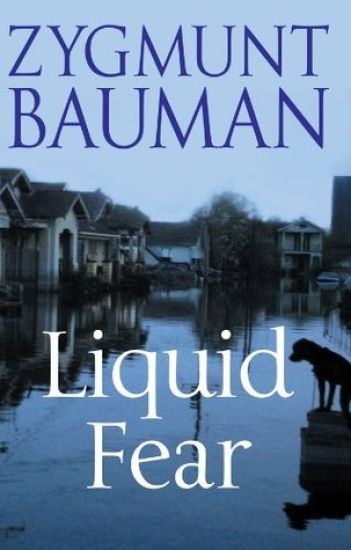
Liquid Fear

Liquid Fear

Zygmunt Bauman

Polity Press
2006
sidottu
Modernity was supposed to be the period in human history when the fears that pervaded social life in the past could be left behind and human beings could at last take control of their lives and tame the uncontrolled forces of the social and natural worlds. And yet, at the dawn of the twenty-first century, we live again in a time of fear. Whether its the fear of natural disasters, the fear of environmental catastrophes or the fear of indiscriminate terrorist attacks, we live today in a state of constant anxiety about the dangers that could strike unannounced and at any moment. Fear is the name we give to our uncertainty in the face of the dangers that characterize our liquid modern age, to our ignorance of what the threat is and our incapacity to determine what can and can't be done to counter it. This new book by Zygmunt Bauman one of the foremost social thinkers of our time is an inventory of liquid modern fears. It is also an attempt to uncover their common sources, to analyse the obstacles that pile up on the road to their discovery and to examine the ways of putting them out of action or rendering them harmless. Through his brilliant account of the fears and anxieties that weigh on us today, Bauman alerts us to the scale of the task which we shall have to confront through most of the current century if we wish our fellow humans to emerge at its end feeling more secure and self-confident than we feel at its beginning.
Liquid Fear

Liquid Fear

Zygmunt Bauman

Polity Press
2006
nidottu
Modernity was supposed to be the period in human history when the fears that pervaded social life in the past could be left behind and human beings could at last take control of their lives and tame the uncontrolled forces of the social and natural worlds. And yet, at the dawn of the twenty-first century, we live again in a time of fear. Whether its the fear of natural disasters, the fear of environmental catastrophes or the fear of indiscriminate terrorist attacks, we live today in a state of constant anxiety about the dangers that could strike unannounced and at any moment. Fear is the name we give to our uncertainty in the face of the dangers that characterize our liquid modern age, to our ignorance of what the threat is and our incapacity to determine what can and can't be done to counter it. This new book by Zygmunt Bauman one of the foremost social thinkers of our time is an inventory of liquid modern fears. It is also an attempt to uncover their common sources, to analyse the obstacles that pile up on the road to their discovery and to examine the ways of putting them out of action or rendering them harmless. Through his brilliant account of the fears and anxieties that weigh on us today, Bauman alerts us to the scale of the task which we shall have to confront through most of the current century if we wish our fellow humans to emerge at its end feeling more secure and self-confident than we feel at its beginning.
Flydende modernitet

Flydende modernitet

Zygmunt Bauman

Gyldendal
2006
nidottu
I de gode gamle dage var Rockefeller optaget af at eje stadig flere boreplatforme, bygninger, maskiner og jernbaner. I dag har den nye kapitalismes ikon, Bill Gates, gjort det til et succes-parameter, at nye produkter forsvinder lige så hurtigt som de lanceres for straks at blive afløst af noget lige så flygtigt. I Flydende modernitet viser Bauman sig endnu en gang som en blændende essayist med et sikkert blik for tidens paradokser og forskydninger – og for den usikkerhed som fraværet af normer skaber blandt samfundets svageste, der med god grund frygter at synke til bunds i udviklingens rivende strøm. Zygmunt Bauman var professor ved Warszawas Universitet indtil 1968, hvor han som følge af antisemitisk pres måtte forlade Polen. Efter tre år i Israel, slog han sig i 1971 ned i England som professor i sociologi ved universitetet i Leeds. Bauman – der er en flittig gæst i Danmark – er forfatter til en lang række bøger, hvoraf mange er udkommet på dansk. Bogen er oversat fra engelsk efter Liquid Modernity af Tom Havemann.
Moderne und Ambivalenz

Moderne und Ambivalenz

Zygmunt Bauman

Hamburger Edition
2005
nidottu
Die Moderne hat sich eine unlösbare Aufgabe gestellt. Ihr Anspruch, die Welt durchschaubar zu machen, war von vornherein zum Scheitern verurteilt, weil er die grundsätzliche Ambivalenz der Welt und die Zufälligkeit unserer Existenz, unserer Gesellschaft und unserer Kultur leugnete. Jeder Versuch, diese Tatsache aus der Welt zu schaffen, hat immer nur neue Ambivalenz erzeugt - ein Teufelskreis, der schließlich mit dem Nationalsozialismus in den Versuch mündete, alles Ambivalente zu vernichten. Erst die Postmoderne verabschiedet sich von dem Versprechen, eine übersichtliche Welt zu schaffen. Sie erkennt, daß der Wille, die unabänderliche Zweideutigkeit menschlicher Existenz zu beheben, gleichbedeutend ist mit dem Willen, den Menschen seiner Freiheit zu berauben. Möglicherweise bereitet die Postmoderne eine Zeit vor, in der wir gelernt haben werden, mit dem Zwei- und Vieldeutigen zu leben. Tolerant kann nur sein, wer die Ambivalenz alles Menschlichen anerkennt. Zygmunt Bauman konfrontiert uns in seiner brillanten Studie mit den Schattenseiten des Projekts der Moderne. Er verarbeitet die Einsichten einer Philosophie der Kontingenz (Richard Rorty) und zeigt, daß wir nie wieder Zuflucht bei der Eindeutigkeit suchen dürfen. Baumans Buch ist ein überzeugendes Plädoyer für eine tolerante Ambivalenz und damit ein wichtiger Beitrag zur aktuellen Diskussion um Fremdenfeindlichkeit, Rassismus und Nationalismus.
Forspildte liv

Forspildte liv

Zygmunt Bauman

Gyldendal
2005
nidottu
Den polsk-britiske sociolog og samfundsdebattør Zygmunt Baumans seneste bog handler om de mange arbejdsløse, fattige, flygtninge, sindslidende, stofmisbrugere og andre ”forspildte liv” i den flydende modernitet. Moderniteten har bredt sig overalt og producerer stadig større mængder af mennesker, der er berøvet deres eksistensgrundlag, men ikke har noget sted at flygte hen. De samfundsøkonomisk overflødige, der fylder op i flygtningelejre, ghettoer, hjemløseherberger og arbejdsløshedskøerne er uvelkomne overalt og mødes med mistænkeliggørelse og foragt. Frygten for fysiske overgreb eller social smitte fra disse ”forspildte liv” blander sig med angsten for selv en dag at havne i sumpen. Baumans analyse, der fortsætter, hvor []Flydende kærlighed[] slap, er pessimistisk, men præcis, og understreger endnu engang hans status som én af vor tids skarpeste og mest kompromisløse fortalere for de svage i en verden, der i stigende grad dyrker vinderne og lader taberne i stikken. Zygmunt Bauman er en af vor tids kendteste sociologer og en flittig gæst i Danmark. På Hans Reitzels Forlag er tidligere udkommet ]Modernitet og Holocaust (1994), Globalisering (1999), ]Arbejde, forbrugerisme og de nye fattige (2002), ]Fællesskab (2002), ]Frihed (2003), Det belejrede samfund (2004), Flydende kærlighed (2004) og Flydende modernitet (2006). Bogen er oversat fra engelsk efter Wasted Lives af Tom Havemann.
Europa : ett oavslutat äventyr

Europa : ett oavslutat äventyr

Zygmunt Bauman

Bokförlaget Daidalos
2005
nidottu
Samtidsdiagnostikern Zygmunt Bauman vänder i sin nya bok blicken mot Europa och reflekterar över dess framtidsutsikter mot bakgrund av kontinentens historiska erfarenheter och lärdomar. Han granskar föreställningen om Europa, om en europeisk identitet, och ställer frågan vilken roll Europa spelar och kan spela i dagens värld. För Bauman framstår Europa som ett »oavslutat äventyr». Europa uppfann nationalstaten och står nu inför uppgiften att finna en väg bortom den och den westfaliska ordningen. Vilken väg kommer den europeiska integrationen att ta, kommer den att bromsas av euroskeptiker eller att drivas på av eurofederalister? Är en postnationell demokrati möjlig i europeisk skala och kan det nya Europa som håller på att växa fram på nytt påta sig en mission, men denna gång som ett kosmopolitiskt uppdrag? »Det kan sägas ? med kraft och övertygelse ? att aldrig tidigare har Europa behövt vara lika äventyrligt som det behöver vara nu. Och att aldrig tidigare har denna planet, som miljonerna privilegierade och välbärgade européer delar med de fattiga och underprivilegierade, behövt ett äventyrligt Europa lika mycket som det behöver det nu: ett Europa som ser ut över sina gränser, ett Europa som försöker komma ifrån sin territoriella begränsning och överskrida sitt eget och på samma gång övriga världens tillstånd, ett Europa med en global mission att fylla.» Zygmunt Bauman, född 1925, lämnade Polen som dissident 1968, var professor i sociologi i Leeds 1972?1990. Kö
Liquid Life

Liquid Life

Zygmunt Bauman

Polity Press
2005
sidottu
'Liquid life’ is the kind of life commonly lived in our contemporary, liquid-modern society. Liquid life cannot stay on course, as liquid-modern society cannot keep its shape for long. Liquid life is a precarious life, lived under conditions of constant uncertainty. The most acute and stubborn worries that haunt this liquid life are the fears of being caught napping, of failing to catch up with fast moving events, of overlooking the ‘use by’ dates and being saddled with worthless possessions, of missing the moment calling for a change of tack and being left behind. Liquid life is also shot through by a contradiction: it ought to be a (possibly unending) series of new beginnings, yet precisely for that reason it is full of worries about swift and painless endings, without which new beginnings would be unthinkable. Among the arts of liquid-modern living and the skills needed to practice them, getting rid of things takes precedence over their acquisition. This and other challenges of life in a liquid-modern society are traced and unravelled in the successive chapters of this new book by one of the most brilliant and original social thinkers of our time.
Liquid Life

Liquid Life

Zygmunt Bauman

Polity Press
2005
nidottu
'Liquid life’ is the kind of life commonly lived in our contemporary, liquid-modern society. Liquid life cannot stay on course, as liquid-modern society cannot keep its shape for long. Liquid life is a precarious life, lived under conditions of constant uncertainty. The most acute and stubborn worries that haunt this liquid life are the fears of being caught napping, of failing to catch up with fast moving events, of overlooking the ‘use by’ dates and being saddled with worthless possessions, of missing the moment calling for a change of tack and being left behind. Liquid life is also shot through by a contradiction: it ought to be a (possibly unending) series of new beginnings, yet precisely for that reason it is full of worries about swift and painless endings, without which new beginnings would be unthinkable. Among the arts of liquid-modern living and the skills needed to practice them, getting rid of things takes precedence over their acquisition. This and other challenges of life in a liquid-modern society are traced and unravelled in the successive chapters of this new book by one of the most brilliant and original social thinkers of our time.
Europe

Europe

Zygmunt Bauman

Polity Press
2004
nidottu
More than ever before, our conflict-ridden, drifting planet needs the qualities that Europe, unique among the continents, has developed in more than two millennia of history: its self-criticism, its urge to self-transcendence, exploration and experiment, its conviction that alternative and better forms of human togetherness can be achieved, as well as its dedication to the cause of seeking and promoting this improvement in practice. But today Europe is unsure of itself and its place in a fast-changing world; it is devoid of vision, limited in resources and lacking the will to pursue its vocation. It is also struggling with the consequences of a one-sided process of globalization which is divorcing power from politics, inciting the shift from the social state to security-focused governance and piling up the casualties of uncontrolled market expansion and the ethically blind commercialization of human life. Bauman argues that despite the odds Europe still has much to offer in dealing with the great challenges that face us in the twenty-first century. Through sharing its own hard-won historical lessons, Europe can play a vital role in moving from the Hobbesian-like world in which we find ourselves today towards the kind of peaceful unification of humanity that was once envisioned by Kant.
Work, Consumerism and the New Poor

Work, Consumerism and the New Poor

Zygmunt Bauman

Open University Press
2004
nidottu
Reviewers’ comments on the first edition“Zygmunt Bauman presents a cogently argued and compelling thesis... an important book from a distinguished scholar, that adds a new dimension to the poverty debate.” British Journal of Sociology “It will be of great interest and value to students, teachers and researchers in sociology and social policy… [Bauman] provides a very forceful and sophisticated statement of the case; and a very well written one too. As a wide ranging analysis of our present discontents it is an admirable example of the sort of challenge which sociology at its best can offer to us and our fellow citizens to re-assess and re-think our current social arrangements.” Work, Employment and Society “This is a stylish and persuasive analysis of the transition between the age of the ‘society of producers’ to that of the ‘society of consumers’.” Political Studies It is one thing to be poor in a society of producers and universal employment; it is quite a different thing to be poor in a society of consumers, in which life projects are built around consumer choices rather than on work, professional skills or jobs. Where ‘being poor’ was once linked to being unemployed, today it draws its meaning primarily from the plight of a flawed consumer. This has a significant effect on the way living in poverty is experienced and on the prospects for redeeming its misery. Work, Consumerism and the New Poor traces this change over the duration of modern history. It makes an inventory of its social consequences, and considers how effective different ways of fighting poverty and relieving its hardships are. The new edition of this seminal work features: Updated coverage of key thinkers in the fieldDiscussion of recent work on redundancy, disposability and exclusionCurrent thinking on the effects of capital flows on different countries and the changes on the shop floor through, for example, business process re-engineeringNew material on security and vulnerabilityKey reading for students and lecturers in sociology, politics and social policy, and those with an interest in contemporary social issues.
Identity

Identity

Zygmunt Bauman

Polity Press
2004
nidottu
This topical new book by Zygmunt Bauman explores the notion of identity in the modern world. As we grapple with the insecurity and uncertainty of liquid modernity, Bauman argues that our socio-political, cultural, professional, religious and sexual identities are undergoing a process of continual transformation. Identities the world over have become more precarious than ever: we live in an era of constant change and disposability - whether it's last season’s outfit, or car, or even partner – and our identities as a result have become transient and deeply elusive. In a world of rapid global change where national borders are increasingly eroded, our identities are in a state of continuous flux. Identity - a notion that by its very nature is elusive and ambivalent – has become a key concept for understanding the changing nature of social life and personal experience in our contemporary, liquid modern age. In this brief book, Zygmunt Bauman explains compellingly why this is so.
Identity

Identity

Zygmunt Bauman

Polity Press
2004
sidottu
This topical new book by Zygmunt Bauman explores the notion of identity in the modern world. As we grapple with the insecurity and uncertainty of liquid modernity, Bauman argues that our socio-political, cultural, professional, religious and sexual identities are undergoing a process of continual transformation. Identities the world over have become more precarious than ever: we live in an era of constant change and disposability - whether it's last season’s outfit, or car, or even partner – and our identities as a result have become transient and deeply elusive. In a world of rapid global change where national borders are increasingly eroded, our identities are in a state of continuous flux. Identity - a notion that by its very nature is elusive and ambivalent – has become a key concept for understanding the changing nature of social life and personal experience in our contemporary, liquid modern age. In this brief book, Zygmunt Bauman explains compellingly why this is so.
Samhälle under belägring

Samhälle under belägring

Zygmunt Bauman

Bokförlaget Daidalos
2004
nidottu
Att översätta personliga bekymmer till allmänna problem, och omvänt ? så lyder C. Wright Mills berömda karakterisering av den »sociologiska fantasin». Denna fantasi, kombinerad med ett starkt moraliskt engagemang, utmärker Zygmunt Baumans författarskap. Genom en lång rad böcker har han vunnit erkännande som en av dagens främsta samtidsanalytiker. I denna essäsamling beskriver Bauman hur »samhället», det nationalstatligt avgränsade rum som kännetecknade den »fasta moderniteten», befinner sig under press från två håll i våra dagars »flytande modernitet»: å ena sidan från de »yttre» globaliserande krafterna och å andra sidan från de »inre» individualiserande krafterna. Bauman försöker- visa hur globala omständigheter och personliga liv hänger samman ? och som en röd tråd genom boken löper en kosmopolitisk vision, en vision om »en medborgerlig förening av den mänskliga arten», som Kant sade. Zygmunt Bauman är född 1925 i Poznan. Som dissident lämnade han Polen 1968 och var 1972?1990 professor i sociologi i Leeds. Hans bok Modernity and the Holocaust (1989, på svenska Auschwitz och det moderna samhället, 1991) fick stor uppmärksamhet och prisbelönades. Denna och en rad av hans senare böcker finns utgivna på Daidalos.
Globalisering

Globalisering

Zygmunt Bauman

Gyldendal
2003
sidottu
Globalisering er på alles læber, et modeord næsten med status af trylleformular, der kan åbne samtlige porte til nutidens og fremtidens mysterier. Men som alle modeord også med en tendens til selv at blive mindre og mindre præcist, desto flere områder det foregiver at belyse. Derfor er det vigtigt – som Zygmunt Bauman gør med sin bog – at sprede noget af den tåge der omgiver udtrykket og begrebet ”globalisering” bl.a. ved at afdække de sociale rødder og menneskelige konsekvenser af globaliseringsprocessen og vise, at der ligger betydeligt mere i fænomenet end man umiddelbart kan se. Globalisering er således ikke udelukkende en proces, hvor kapital, handel og information flyder frit over samtlige kontinenter, og hvor mennesker kan rejse, hvorhen de vil. Det der for nogle forholdsvis få – en global og eksterritorial elite - betyder en grænseoverskridende frihed, kan for mange andre blive en påtvunget, men uafværgelig fastlåsning såvel geografisk som økonomisk - med alt hvad det kan føre med sig. Oversat fra engelsk efter Globalization af Helga Poder.
Wasted Lives

Wasted Lives

Zygmunt Bauman

Polity Press
2003
nidottu

Halvin toimitettuna 28,10 €

The production of ‘human waste’ – or more precisely, wasted lives, the ‘superfluous’ populations of migrants, refugees and other outcasts – is an inevitable outcome of modernization. It is an unavoidable side-effect of economic progress and the quest for order which is characteristic of modernity. As long as large parts of the world remained wholly or partly unaffected by modernization, they were treated by modernizing societies as lands that were able to absorb the excess of population in the ‘developed countries’. Global solutions were sought, and temporarily found, to locally produced overpopulation problems. But as modernization has reached the furthest lands of the planet, ‘redundant population’ is produced everywhere and all localities have to bear the consequences of modernity’s global triumph. They are now confronted with the need to seek – in vain, it seems – local solutions to globally produced problems. The global spread of the modernity has given rise to growing quantities of human beings who are deprived of adequate means of survival, but the planet is fast running out of places to put them. Hence the new anxieties about ‘immigrants’ and ‘asylum seekers’ and the growing role played by diffuse ‘security fears’ on the contemporary political agenda. With characteristic brilliance, this new book by Zygmunt Bauman unravels the impact of this transformation on our contemporary culture and politics and shows that the problem of coping with ‘human waste’ provides a key for understanding some otherwise baffling features of our shared life, from the strategies of global domination to the most intimate aspects of human relationships.
Wasted Lives

Wasted Lives

Zygmunt Bauman

Polity Press
2003
sidottu
The production of ‘human waste’ – or more precisely, wasted lives, the ‘superfluous’ populations of migrants, refugees and other outcasts – is an inevitable outcome of modernization. It is an unavoidable side-effect of economic progress and the quest for order which is characteristic of modernity. As long as large parts of the world remained wholly or partly unaffected by modernization, they were treated by modernizing societies as lands that were able to absorb the excess of population in the ‘developed countries’. Global solutions were sought, and temporarily found, to locally produced overpopulation problems. But as modernization has reached the furthest lands of the planet, ‘redundant population’ is produced everywhere and all localities have to bear the consequences of modernity’s global triumph. They are now confronted with the need to seek – in vain, it seems – local solutions to globally produced problems. The global spread of the modernity has given rise to growing quantities of human beings who are deprived of adequate means of survival, but the planet is fast running out of places to put them. Hence the new anxieties about ‘immigrants’ and ‘asylum seekers’ and the growing role played by diffuse ‘security fears’ on the contemporary political agenda. With characteristic brilliance, this new book by Zygmunt Bauman unravels the impact of this transformation on our contemporary culture and politics and shows that the problem of coping with ‘human waste’ provides a key for understanding some otherwise baffling features of our shared life, from the strategies of global domination to the most intimate aspects of human relationships.
Fællesskab

Fællesskab

Zygmunt Bauman

Gyldendal
2003
nidottu
I denne tankevækkende bog sætter den polsk-britiske sociolog Zygmunt Bauman fingeren på et af de ømme punkter i vores postmoderne tilværelse: Fællesskabet. At være en del af et fællesskab giver på den ene side tryghed, men begrænser på den anden side vores personlige frihed. Bauman fremhæver at vi er nødt til at konfrontere fordi det er den eneste mulighed vi har, for at undgå fortidens fejltagelser. Globaliseringen, den nye kulturelle mangfoldighed, de nye krav i arbejdslivet og de nye roller i velfærdssamfundet udfordrer såvel samfundets fællesskabsnormer som det enkelte individ. At stille sig selv i centrum som handlende individ og samtidig erkende ansvaret for fællesskabet og handle derefter kræver en bevidsthed om personlige og almene værdier. Den diskussion tages op af Bauman i Fællesskab. Zygmunt Bauman (f. 1927) er professor emeritus ved universitet i Leeds, England. Oversat til dansk fra Community af Tom Havemann.
Liquid Love

Liquid Love

Zygmunt Bauman

Polity Press
2003
sidottu
This book is about the central figure of our contemporary, ‘liquid modern’ times – the man or woman with no bonds, and particularly with none of the fixed or durable bonds that would allow the effort of self-definition and self-assertion to come to a rest. Having no permanent bonds, the denizen of our liquid modern society must tie whatever bonds they can to engage with others, using their own wits, skill and dedication. But none of these bonds are guaranteed to last. Moreover, they must be tied loosely so that they can be untied again, quickly and as effortlessly as possible, when circumstances change – as they surely will in our liquid modern society, over and over again. The uncanny frailty of human bonds, the feeling of insecurity that frailty inspires, and the conflicting desires to tighten the bonds yet keep them loose, are the principal themes of this important new book by Zygmunt Bauman, one of the most original and influential social thinkers of our time. It will be of great interest to students and scholars in sociology and in the social sciences and humanities generally, and it will appeal to anyone interested in the changing nature of human relationships.
Liquid Love

Liquid Love

Zygmunt Bauman

Polity Press
2003
nidottu

Halvin toimitettuna 28,10 €

This book is about the central figure of our contemporary, ‘liquid modern’ times – the man or woman with no bonds, and particularly with none of the fixed or durable bonds that would allow the effort of self-definition and self-assertion to come to a rest. Having no permanent bonds, the denizen of our liquid modern society must tie whatever bonds they can to engage with others, using their own wits, skill and dedication. But none of these bonds are guaranteed to last. Moreover, they must be tied loosely so that they can be untied again, quickly and as effortlessly as possible, when circumstances change – as they surely will in our liquid modern society, over and over again. The uncanny frailty of human bonds, the feeling of insecurity that frailty inspires, and the conflicting desires to tighten the bonds yet keep them loose, are the principal themes of this important new book by Zygmunt Bauman, one of the most original and influential social thinkers of our time. It will be of great interest to students and scholars in sociology and in the social sciences and humanities generally, and it will appeal to anyone interested in the changing nature of human relationships.