Kirjojen hintavertailu – 12 903 725 kirjaa ja 27 kauppaa

Kirjailija

Charles River

Kirjat ja teokset yhdessä paikassa: 4 673 kirjaa, julkaisuja vuosilta 2013–2022, suosituimpiin kuuluu William Powell and Myrna Loy: The Lives and Careers of One of Classical Hollywood's Most Iconic Duos. Vertaile teosten hintoja ja tarkista saatavuus suomalaisista kirjakaupoista.

4 673 kirjaa

Kirjojen julkaisuvuodet: 2013–2022.

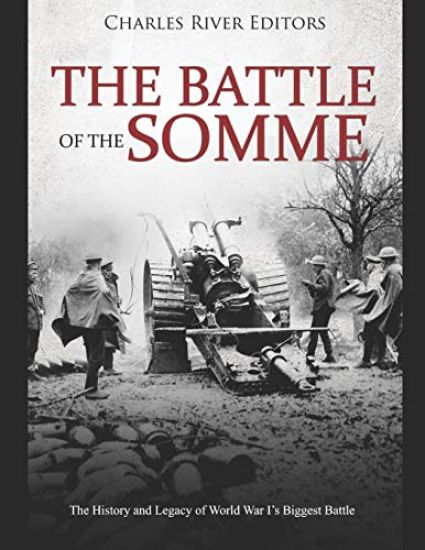
The Battle of the Somme: The History and Legacy of World War I's Biggest Battle
*Includes pictures*Includes excerpts of soldiers' accounts*Includes online resources and a bibliography for further reading"Somme. The whole history of the world cannot contain a more ghastly word." - Friedrich Steinbrecher, a German officer. World War I, also known in its time as the "Great War" or the "War to End all Wars", was an unprecedented holocaust in terms of its sheer scale. Fought by men who hailed from all corners of the globe, it saw millions of soldiers do battle in brutal assaults of attrition which dragged on for months with little to no respite. Tens of millions of artillery shells and untold hundreds of millions of rifle and machine gun bullets were fired in a conflict that demonstrated man's capacity to kill each other on a heretofore unprecedented scale, and as always, such a war brought about technological innovation at a rate that made the boom of the Industrial Revolution seem stagnant. The enduring image of World War I is of men stuck in muddy trenches, and of vast armies deadlocked in a fight neither could win. It was a war of barbed wire, poison gas, and horrific losses as officers led their troops on mass charges across No Man's Land and into a hail of bullets. While these impressions are all too true, they hide the fact that trench warfare was dynamic and constantly evolving throughout the war as all armies struggled to find a way to break through the opposing lines. Though World War I is almost synonymous with trench warfare, that method of combat was nothing new. There had been extensive use of trenches during the later stages of the American Civil War (1864-1865), and trench warfare was constant during the Second Boer War (1899-1902), the Russo-Japanese War (1904-1905), and the Balkan Wars (1912-1913). These conflicts showed that modern firepower combined with entrenched positions gave a decisive advantage to the defender, yet European observers failed to learn any lessons from these conflicts, and the scale of trench warfare in World War I far eclipsed anything seen before or since, especially on the Western Front. Needless to say, the First World War came at an unfortunate time for those who would fight in it. After an initial period of relatively rapid maneuver during which the German forces pushing through Belgium and the French and British forces attempting to stymie them made an endless series of abortive flanking movements that extended the lines to the sea, a stalemate naturally tended to develop. The infamous trench lines soon snaked across the French and Belgian countryside, creating an essentially futile static slaughterhouse whose sinister memory remains to this day. The Battle of the Somme is still controversial for the British to this day. On July 1, 1916, the first day of fighting, more British soldiers were killed or wounded than at any time before or since, including D-Day in World War II. The commander, General Douglas Haig, was revered for most of his lifetime, then dubbed the Butcher of the Somme, and now is viewed as a skilled man in a very difficult position who made a number of avoidable mistakes. British schoolchildren are still taught about the devastating battle, which saw over 3 million soldiers participate and over 1 million killed, wounded, or captured, and its effects on the rest of the war. The Battle of the Somme: The History and Legacy of World War I's Biggest Battle analyzes one of the Great War's most important conflicts, and how it was emblematic of the stalemate that came from new technology and trench warfare. Along with pictures of important people, places, and events, you will learn about the Battle of the Somme like never before.
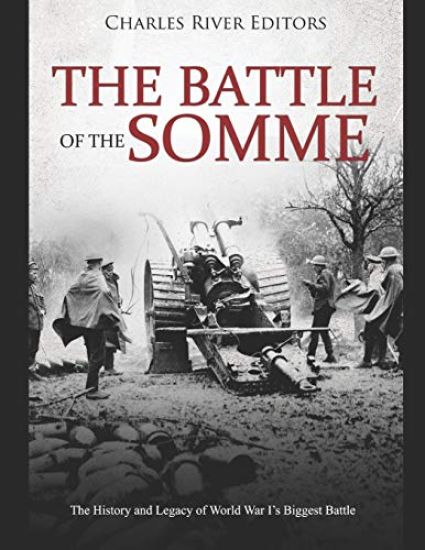
The Battle of the Somme: The History and Legacy of World War I's Biggest Battle
*Includes pictures*Includes excerpts of soldiers' accounts*Includes online resources and a bibliography for further reading"Somme. The whole history of the world cannot contain a more ghastly word." - Friedrich Steinbrecher, a German officer. World War I, also known in its time as the "Great War" or the "War to End all Wars", was an unprecedented holocaust in terms of its sheer scale. Fought by men who hailed from all corners of the globe, it saw millions of soldiers do battle in brutal assaults of attrition which dragged on for months with little to no respite. Tens of millions of artillery shells and untold hundreds of millions of rifle and machine gun bullets were fired in a conflict that demonstrated man's capacity to kill each other on a heretofore unprecedented scale, and as always, such a war brought about technological innovation at a rate that made the boom of the Industrial Revolution seem stagnant. The enduring image of World War I is of men stuck in muddy trenches, and of vast armies deadlocked in a fight neither could win. It was a war of barbed wire, poison gas, and horrific losses as officers led their troops on mass charges across No Man's Land and into a hail of bullets. While these impressions are all too true, they hide the fact that trench warfare was dynamic and constantly evolving throughout the war as all armies struggled to find a way to break through the opposing lines. Though World War I is almost synonymous with trench warfare, that method of combat was nothing new. There had been extensive use of trenches during the later stages of the American Civil War (1864-1865), and trench warfare was constant during the Second Boer War (1899-1902), the Russo-Japanese War (1904-1905), and the Balkan Wars (1912-1913). These conflicts showed that modern firepower combined with entrenched positions gave a decisive advantage to the defender, yet European observers failed to learn any lessons from these conflicts, and the scale of trench warfare in World War I far eclipsed anything seen before or since, especially on the Western Front. Needless to say, the First World War came at an unfortunate time for those who would fight in it. After an initial period of relatively rapid maneuver during which the German forces pushing through Belgium and the French and British forces attempting to stymie them made an endless series of abortive flanking movements that extended the lines to the sea, a stalemate naturally tended to develop. The infamous trench lines soon snaked across the French and Belgian countryside, creating an essentially futile static slaughterhouse whose sinister memory remains to this day. The Battle of the Somme is still controversial for the British to this day. On July 1, 1916, the first day of fighting, more British soldiers were killed or wounded than at any time before or since, including D-Day in World War II. The commander, General Douglas Haig, was revered for most of his lifetime, then dubbed the Butcher of the Somme, and now is viewed as a skilled man in a very difficult position who made a number of avoidable mistakes. British schoolchildren are still taught about the devastating battle, which saw over 3 million soldiers participate and over 1 million killed, wounded, or captured, and its effects on the rest of the war. The Battle of the Somme: The History and Legacy of World War I's Biggest Battle analyzes one of the Great War's most important conflicts, and how it was emblematic of the stalemate that came from new technology and trench warfare. Along with pictures of important people, places, and events, you will learn about the Battle of the Somme like never before.
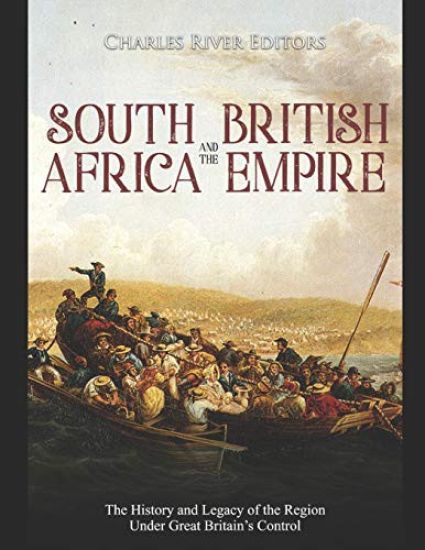
South Africa and the British Empire: The History and Legacy of the Region Under Great Britain's Control
*Includes pictures*Includes contemporary accounts*includes online resources and a bibliography for further reading"The Boers were hostile toward indigenous African peoples, with whom they fought frequent range wars, and toward the government of the Cape, which was attempting to control Boer movements and commerce. They overtly compared their way of life to that of the Israel patriarchs of the Bible, developing independent patriarchal communities based upon a mobile pastoralist economy. Staunch Calvinists, they saw themselves as the children of God in the wilderness, a Christian elect divinely ordained to rule the land and the backward natives therein. By the end of the 18th century the cultural links between the Boers and their urban counterparts were diminishing, although both groups continued to speak a type of Flemish." - Encyclopaedia BritannicaThe Boer War was the defining conflict of South African history and one of the most important conflicts in the history of the British Empire. Naturally, complicated geopolitics underscored it, going back centuries. In fact, the European history of South Africa began with the 1652 arrival of a small Dutch flotilla in Table Bay, at the southern extremity of the African continent, which made landfall with a view to establishing a victualing station to service passing Dutch East India Company (Vereenigde Oost-Indische Compagnie) ships. The Dutch at that point largely dominated the East Indian Trade, and it was their establishment of the settlement of Kaapstad, or Cape Town, that set in motion the lengthy and often turbulent history of South Africa. For over a century, the Cape remained a Dutch East India Company settlement, and in the interests of limiting expenses, strict parameters were established to avoid the development of a colony. As religious intolerance in Europe drove a steady trickle of outward emigration, however, Dutch settlers began to informally expand beyond the Cape, settling the sparsely inhabited hinterland to the north and east of Cape Town. In doing so, they fell increasingly outside the administrative scope of the Company, and they developed an individualistic worldview, characterized by self-dependence and self-reliance. They were also bonded as a society by a rigorous and literal interpretation of the Old Testament. In their wake, towards the end of the 17th century, followed a wave of French Huguenot immigrants, fleeing a renewal of anti-Protestantism in Europe. They were integrated over the succeeding generations, creating a hybridized language and culture that emerged in due course as the Cape Dutch, The Afrikaner or the Boer. The Napoleonic Wars radically altered the old, established European power dynamics, and in 1795, the British, now emerging as the globe's naval superpower, assumed control of the Cape as part of the spoils of war. In doing so, they recognized the enormous strategic value of the Cape as global shipping routes were developing and expanding. Possession passed back and forth once or twice, but more or less from that point onwards, the British established their presence at the Cape, which they held until the unification of South Africa in 1910. However, it would only come after several rounds of conflicts, and South Africa would remain a dominion through history's deadliest wars in the first half of the 20th century. South Africa and the British Empire: The History of the Region as a Colony and Dominion looks at the controversial British colonization, fighting, and results. Along with pictures and a bibliography, you will learn about the British control of South Africa like never before.
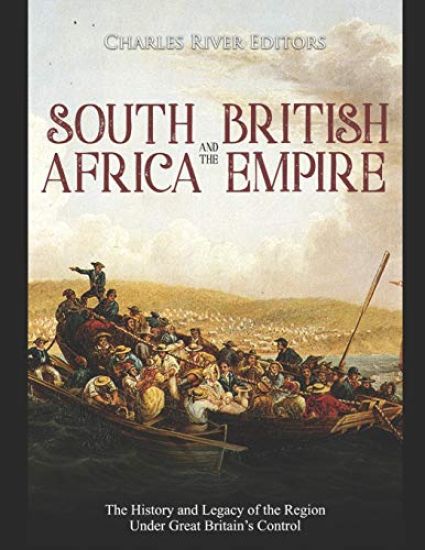
South Africa and the British Empire: The History and Legacy of the Region Under Great Britain's Control
*Includes pictures*Includes contemporary accounts*includes online resources and a bibliography for further reading"The Boers were hostile toward indigenous African peoples, with whom they fought frequent range wars, and toward the government of the Cape, which was attempting to control Boer movements and commerce. They overtly compared their way of life to that of the Israel patriarchs of the Bible, developing independent patriarchal communities based upon a mobile pastoralist economy. Staunch Calvinists, they saw themselves as the children of God in the wilderness, a Christian elect divinely ordained to rule the land and the backward natives therein. By the end of the 18th century the cultural links between the Boers and their urban counterparts were diminishing, although both groups continued to speak a type of Flemish." - Encyclopaedia BritannicaThe Boer War was the defining conflict of South African history and one of the most important conflicts in the history of the British Empire. Naturally, complicated geopolitics underscored it, going back centuries. In fact, the European history of South Africa began with the 1652 arrival of a small Dutch flotilla in Table Bay, at the southern extremity of the African continent, which made landfall with a view to establishing a victualing station to service passing Dutch East India Company (Vereenigde Oost-Indische Compagnie) ships. The Dutch at that point largely dominated the East Indian Trade, and it was their establishment of the settlement of Kaapstad, or Cape Town, that set in motion the lengthy and often turbulent history of South Africa. For over a century, the Cape remained a Dutch East India Company settlement, and in the interests of limiting expenses, strict parameters were established to avoid the development of a colony. As religious intolerance in Europe drove a steady trickle of outward emigration, however, Dutch settlers began to informally expand beyond the Cape, settling the sparsely inhabited hinterland to the north and east of Cape Town. In doing so, they fell increasingly outside the administrative scope of the Company, and they developed an individualistic worldview, characterized by self-dependence and self-reliance. They were also bonded as a society by a rigorous and literal interpretation of the Old Testament. In their wake, towards the end of the 17th century, followed a wave of French Huguenot immigrants, fleeing a renewal of anti-Protestantism in Europe. They were integrated over the succeeding generations, creating a hybridized language and culture that emerged in due course as the Cape Dutch, The Afrikaner or the Boer. The Napoleonic Wars radically altered the old, established European power dynamics, and in 1795, the British, now emerging as the globe's naval superpower, assumed control of the Cape as part of the spoils of war. In doing so, they recognized the enormous strategic value of the Cape as global shipping routes were developing and expanding. Possession passed back and forth once or twice, but more or less from that point onwards, the British established their presence at the Cape, which they held until the unification of South Africa in 1910. However, it would only come after several rounds of conflicts, and South Africa would remain a dominion through history's deadliest wars in the first half of the 20th century. South Africa and the British Empire: The History of the Region as a Colony and Dominion looks at the controversial British colonization, fighting, and results. Along with pictures and a bibliography, you will learn about the British control of South Africa like never before.
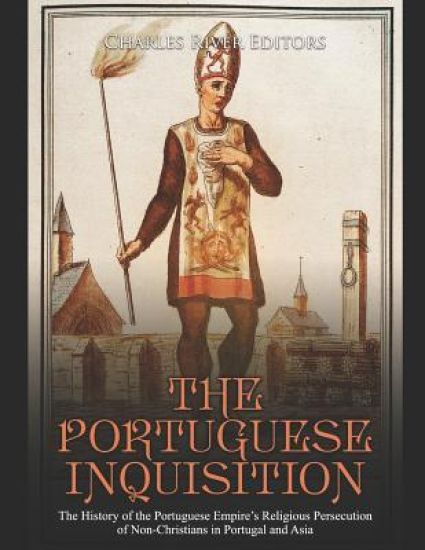
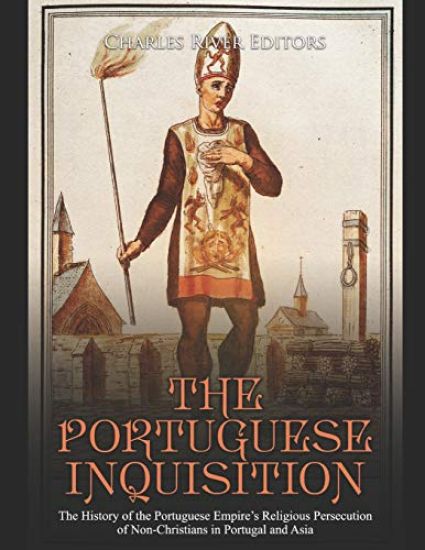
The Portuguese Inquisition: The History of the Portuguese Empire's Religious Persecution of Non-Christians in Portugal and Asia
*Includes pictures*Includes contemporary accounts*Includes online resources and a bibliography for further reading"Goa is sadly famous for its inquisition, equally contrary to humanity and commerce. The Portuguese monks made us believe that the people worshiped the devil, and it is they who have served him." - VoltaireThe road to the modern age of cultural harmony and acceptance is one of the finest feats of human progress, but having said that, there was once a time when the mere doubt of a religious figure's existence was not only punishable by law, it could very well cost a man his life. This was the crime of heresy. This kind of religious persecution has been around for thousands of years, and Christians were often the victims, but when the Catholic Church began its rapid expansion throughout Europe during the Middle Ages, the tables were turned. In 1184, Pope Lucius III issued a papal bull that would kick off a long-standing tradition of heretic-hunting, and as a result, the Age of the Inquisitions commenced. In a twist of events, the persecuted became the persecutors. From then on, the Roman Catholic Church took it upon itself to hold tribunals, or judicial courts, in a quest to exterminate heresy once and for all. These inquisitions, which would plague Europe for centuries, is believed to have seen hundreds of thousands persecuted for beliefs that went against the Church. A startling portion of them would be brutally tortured and sent to their deaths, and as Catholic empires expanded across the globe, the persecution would travel with them. It was roughly around this time that a period of European exploration began, and major factors that contributed to this period of exploration were introduced by the Chinese, albeit indirectly. The magnetic compass had already been developed and used by the Chinese sailors since the 12th century, although it had first been created in the 3rd century BCE as a divination device. The Song Dynasty then began using the device for land navigation in the 11th century and sailors began using it shortly after. The technology slowly spread west via Arab traders, although a case can be made for the independent European creation for the compass (Southey 1812: 210). Regardless, by the 13th century the compass had found its way to Western traders, coming at a time that trade had been increasing across Europe. When it became clear Columbus hadn't landed in Asia, it was understood by everyone that this was not necessarily the route the Europeans were searching for, and the Portuguese continued to send explorers around the Cape of Good Hope in an attempt to reach the East Indies. After a two-year voyage, in 1499, Vasco da Gama had successfully reached India and returned to Portugal. The Portuguese had found access to the trade regions that they had been searching for, but sailing from Portugal to India and beyond would require too many resources to travel with at once. To remedy this problem, Portugal began establishing a number of forts and trading posts along the route. The Portuguese were able to establish a fort on the west coast of India, Fort Manuel, in 1500, and in 1505 a fort was erected off the coast of Tanzania, thus beginning a trend of European colonization in Africa and Asia that would last for the next 400 years. The Portuguese Inquisition: The History of the Portuguese Empire's Religious Persecution of Non-Christians in Portugal and Asia looks at how the Inquisition came to be, and how people were persecuted by it over the course of several centuries. Along with pictures depicting important people, places, and events, you will learn about the Portuguese Inquisition like never before.
The Portuguese Inquisition: The History of the Portuguese Empire's Religious Persecution of Non-Christians in Portugal and Asia
*Includes pictures*Includes contemporary accounts*Includes online resources and a bibliography for further reading"Goa is sadly famous for its inquisition, equally contrary to humanity and commerce. The Portuguese monks made us believe that the people worshiped the devil, and it is they who have served him." - VoltaireThe road to the modern age of cultural harmony and acceptance is one of the finest feats of human progress, but having said that, there was once a time when the mere doubt of a religious figure's existence was not only punishable by law, it could very well cost a man his life. This was the crime of heresy. This kind of religious persecution has been around for thousands of years, and Christians were often the victims, but when the Catholic Church began its rapid expansion throughout Europe during the Middle Ages, the tables were turned. In 1184, Pope Lucius III issued a papal bull that would kick off a long-standing tradition of heretic-hunting, and as a result, the Age of the Inquisitions commenced. In a twist of events, the persecuted became the persecutors. From then on, the Roman Catholic Church took it upon itself to hold tribunals, or judicial courts, in a quest to exterminate heresy once and for all. These inquisitions, which would plague Europe for centuries, is believed to have seen hundreds of thousands persecuted for beliefs that went against the Church. A startling portion of them would be brutally tortured and sent to their deaths, and as Catholic empires expanded across the globe, the persecution would travel with them. It was roughly around this time that a period of European exploration began, and major factors that contributed to this period of exploration were introduced by the Chinese, albeit indirectly. The magnetic compass had already been developed and used by the Chinese sailors since the 12th century, although it had first been created in the 3rd century BCE as a divination device. The Song Dynasty then began using the device for land navigation in the 11th century and sailors began using it shortly after. The technology slowly spread west via Arab traders, although a case can be made for the independent European creation for the compass (Southey 1812: 210). Regardless, by the 13th century the compass had found its way to Western traders, coming at a time that trade had been increasing across Europe. When it became clear Columbus hadn't landed in Asia, it was understood by everyone that this was not necessarily the route the Europeans were searching for, and the Portuguese continued to send explorers around the Cape of Good Hope in an attempt to reach the East Indies. After a two-year voyage, in 1499, Vasco da Gama had successfully reached India and returned to Portugal. The Portuguese had found access to the trade regions that they had been searching for, but sailing from Portugal to India and beyond would require too many resources to travel with at once. To remedy this problem, Portugal began establishing a number of forts and trading posts along the route. The Portuguese were able to establish a fort on the west coast of India, Fort Manuel, in 1500, and in 1505 a fort was erected off the coast of Tanzania, thus beginning a trend of European colonization in Africa and Asia that would last for the next 400 years. The Portuguese Inquisition: The History of the Portuguese Empire's Religious Persecution of Non-Christians in Portugal and Asia looks at how the Inquisition came to be, and how people were persecuted by it over the course of several centuries. Along with pictures depicting important people, places, and events, you will learn about the Portuguese Inquisition like never before.
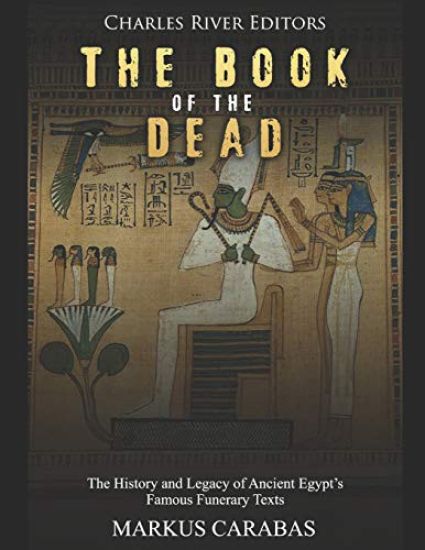
The Book of the Dead: The History and Legacy of Ancient Egypt's Famous Funerary Texts
*Includes pictures*Includes passages from the texts*Includes online resources and a bibliography for further readingGiven the abundance of funerary artifacts that have been found within the sands of Egypt, it sometimes seems as though the Ancient Egyptians were more concerned with the matters of the afterlife than they were with matters of the life they experienced from day to day. This is underscored most prominently by the pyramids, which have captured the world's imagination for centuries. The pyramids of Egypt are such recognizable symbols of antiquity that for millennia, people have made assumptions about what they are and why they exist, without full consideration of the various meanings these ancient symbolic structures have had over the centuries. Generations have viewed them as symbols of a lost past, which in turn is often portrayed as a world full of romance and mystery. This verbal meaning has become associated with the structures through the tourism industry, where intrigue obviously boosts ticket sales. In fact, the Egyptian pyramids are so old that they were also drawing tourists even in ancient times. In antiquity, the Great Pyramid of Giza was listed as one of Seven Ancient Wonders of the World, and it is the only one still surviving today. Though the ancient tombs have been extensively plundered, they still stand as gateways to the afterlife that provide a murky window into the past of a fascinating civilization. Most importantly, the relatively untouched tomb of the young King Tutankhamun offered clear insight. Many of the objects that were discovered in Tutankhamun's tomb were clearly made specifically for him and his burial, such as the coffins, funerary masks, canopic equipment and statues. Other objects, such as the furniture, clothing, and chariots, were obviously items that had been used during Tutankhamun's lifetime. The motifs found upon many of his possessions depicted him in triumph over his enemies. For example, a painted wooden chest bears a fine example of such a scene; the king is shown in his chariot, followed by his troops, attacking a group of Nubians. Scenes depicting aggression and triumph over Egypt's enemies by Egypt's king are classical examples of Egyptian kingship. To accomplish all the necessities the Egyptians believed in, they relied on spells and invocations, which were collected in a series of funerary texts such as the Pyramid Texts. By the era of the New Kingdom, the most popular funerary text was The Book of the Dead, one of the most evocative titles of literature in the history of humankind. Its mystical writings offer a glimpse into a realm of magical thinking beyond the skills of most writers of fiction. Resplendent with highly accomplished artwork, The Book of the Dead has enraptured scholars and laymen for centuries. For that reason, it may surprise many that The Book of the Dead does not actually exist as a book. In fact, what is referred to as The Book of the Dead today is actually the accumulation of around 400 spells that exist in transliteration and translation from the whole gamut of Egyptian history. The name was given to this collection of texts by modern Egyptologists, but the fact remains that no one text contains all of the spells associated with this body of work. To the ancient Egyptians, these spells would have loosely contributed to a collection known as The Book of Coming Forth by Day. This moniker is extremely important to the understanding of its primary purpose: returning from the depths of "night." The Egyptian concept of "coming forth by day" meant rebirth, just as the sun is "reborn" each morning after its "death" at sunset. In other words, rather than the work being any kind of magical book to summon, speak with, or fight against "the dead," it is actually a manual for the dead to go beyond their physical death and "come forth" into an eternal state of bliss.
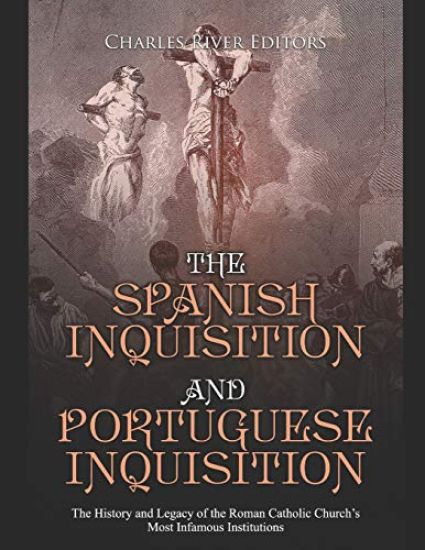
The Spanish Inquisition and Portuguese Inquisition: The History and Legacy of the Roman Catholic Church's Most Infamous Institutions
*Includes pictures*Includes contemporary accounts"Persecution is not an original feature in any religion; but it is always the strongly marked feature of all law-religions, or religions established by law." - Thomas Paine, Rights of ManIn many modern societies, laws have been put in place to protect citizens from discrimination based on their gender, beliefs, race, and sexuality. The sheer thought of having these rights impeded upon in any way is something people in the West often consider unthinkable. In this day and age, people will fight tooth and nail to right cases of discrimination and injustice, from seeking legal action to filing criminal charges against the discriminating party. Multiple organizations around the world exist to help combat and protect its citizens from prejudicial inequities. Social media has also become a channel for those around the world to voice these injustices. Those around the world who empathize with the discriminated band together and condemn the accused bigots. Resulting boycotts, petitions, and negative backlash from social media and the Internet have been known to play a significant role in contributing to the downfall of individuals and corporations that have been accused of discrimination of any kind. The road to the modern age of cultural harmony and acceptance is one of the finest feats of human progress, but having said that, there was once a time when the mere doubt of a religious figure's existence was not only punishable by law, it could very well cost a man his life. This was the crime of heresy. This kind of religious persecution has been around for thousands of years, and Christians were often the victims, but when the Catholic Church began its rapid expansion throughout Europe during the Middle Ages, the tables were turned. In 1184, Pope Lucius III issued a papal bull that would kick off a long-standing tradition of heretic-hunting, and as a result, the Age of the Inquisitions commenced. In a twist of events, the persecuted became the persecutors. From then on, the Roman Catholic Church took it upon itself to hold tribunals, or judicial courts, in a quest to exterminate heresy once and for all. These inquisitions, which would plague Europe for centuries, is believed to have seen hundreds of thousands persecuted for beliefs that went against the Church. A startling portion of them would be brutally tortured and sent to their deaths. None of these would hold a candle to the one birthed in the 15th century - the Spanish Inquisition. The notorious inquisition, the subject of multiple documentaries, movies, and other pop culture mediums, is an era darkly remembered for its oppression, barbarous torture, and religious tyranny. Serving as a backdrop for it all was a deadly disease, a man likened to Satan, and the tumultuous rise and fall of one of the most dreadful periods in European history. The Portuguese found access to the trade regions that they had been searching for, but sailing from Portugal to India and beyond would require too many resources to travel with at once. To remedy this problem, Portugal began establishing a number of forts and trading posts along the route. The Portuguese were able to establish a fort on the west coast of India, Fort Manuel, in 1500, and in 1505 a fort was erected off the coast of Tanzania, thus beginning a trend of European colonization in Africa and Asia that would last for the next 400 years. However, as the Catholic empires expanded across the globe, persecution would travel with them. The Spanish Inquisition and Portuguese Inquisition: The History and Legacy of the Roman Catholic Church's Most Infamous Institutions looks at how the Inquisitions came to be, and how people were tortured and executed. Along with pictures depicting important people, places, and events, you will learn about the Inquisitions like never before.
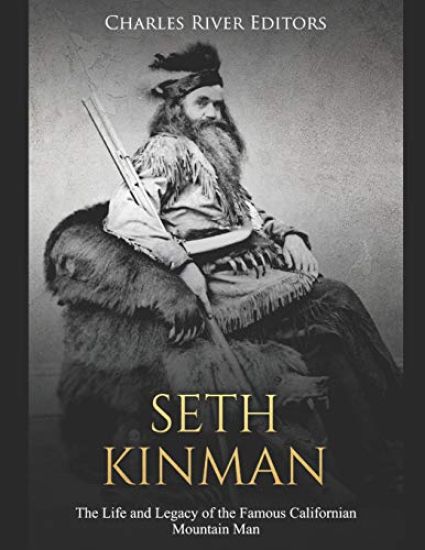
Seth Kinman: The Life and Legacy of the Famous Californian Mountain Man
*Includes pictures*Includes online resources and a bibliography for further readingBy the golden age of the mountain man in the mid-19th-century, there were perhaps only 3,000 living in the West. Their origins were disparate, although they included many Anglo-Americans. A good number hailed from wilderness regions of Kentucky and Virginia and throughout the newly purchased Louisiana Territory, which occupied the entire central section of the continent. French Canadians traveled from the north to work in the fur trade, while Creole-Europeans represented approximately 15% of the men known to be living the isolated mountain life. Others were of M tis, Spanish, American, Black, Indian, and mixed-blood origin, most often Iroquois or Delaware. Most came to the West in their late adolescent years, the oldest learning the trade in their 30s. Many roamed the west for as long as their constitutions would hold up under constant attacks on their health and personal safety. Some stayed too long and failed to survive the experience. Among the most famous, Jim Bridger arrived at the age of 16, while Edward Robinson was eventually killed in his 60s by what were known as "bad snakes," a reference to the Snake tribe in Idaho country. Jim Beckwourth left the mountains at 68 and Old Bill Williams died at the age of 62 when a band of Utes "made him to come." In the same vein, Americans have always shared an ongoing fascination with what was for them the realm of the "exotic" in the collective imagination. Such a preoccupation with alternative experience extends to a preoccupation with pre-recorded history, as it did in the furor over the discovery of extinct dinosaurs' first fossils. Similarly, stepping out of the familiar could satisfy the urge for both danger and wonder by contemplating the future, and the question of what might or might not exist. To this day, such a powerful imaginative force has underpinned the abundant science fiction and horror genres of modern films, including dramatic attempts at reviving and dominating massive and ancient beasts. Among the people who aimed to thrive in this deadly business, few became as famous or acclaimed as Seth Kinman. A tendency toward the eccentric is evident in many of the famous frontiersmen. The dangerous and solitary nature of such a life calling appears to require it, and the months of hardship between islands of human communication frequently creates it. Kinman, a notable early settler in Humboldt County, California, stands among the most diverse in his unorthodox frontier life. While most northern trappers were occupied almost solely with furnishing products to the European fur trade, Kinman, a more social person with eclectic skills, reveled in his associations with four American presidents and adoring crowds on the East Coast. In his time as a hunter supporting the forts and sawmills of his isolated region of Humboldt County, he also served as innkeeper, saloon owner, and a highly regarded musician. Most extraordinary of all was his work as a craftsman, fashioning novel furniture items taken from the bones, hides, and heads of his region's most exotic creatures, most notably elk and grizzly bear. To the non-explorer, Kinman and his creations came to symbolize the grandeur and impetus of western expansion, and such a status served as the perfect engine for the federal government's agenda and for the presidents for whom the West was an increasingly weighty issue. In his career, Kinman is believed to have personally killed over 800 grizzly bears and an untold number of elk. In what is now seen to be an environmental and social catastrophe, his prodigious "accomplishments" included the decimation of the national wildlife in his region and the wholesale abuse of the indigenous tribes in northern California.
Pretty Boy Floyd: A Notória Vida e Morte do Fora-da-Lei da Era da Depressão
As portas do Sallisaw State Bank abriram-se com um estrondo retumbante, sinalizando o in cio do show. Para fora, cambaleou um par de ladr es, cada um sacudindo sacos de notas, moedas e armas de fogo (Colt .45) cintilantes. Os contadores imobilizados, dentro do banco, contorceram-se desesperadamente pelo ch o, aflitos, esticando os pesco os e direcionando os gritos abafados para a porta aberta. Um deles at conseguiu se desvencilhar de sua morda a e chamou a multid o do outro lado da rua, pedindo ajuda. Infelizmente, seus gritos foram ignorados, n o pelos pr prios gritos assustados dos espectadores, mas por aplausos estrondosos, complementados por gritos, assobios e uma constela o de len os sendo agitados no ar. Alguns dos que abriram caminho para o carro de fuga dos ladr es foram, supostamente, clientes presentes no estabelecimento durante a pr pria invas o. O l der, um jovem cavalheiro de mand bula quadrada, olhar cativante e cabelo escuro penteado para tr s, notou seus admiradores e, com um r pido aceno de m o, entrou no ve culo. De acordo com o folclore local, muitos dos espectadores haviam sido informados sobre o assalto anteriormente por ningu m menos que o pr prio l der. Ousado em seus empreendimentos, entrou nos estabelecimentos vizinhos ao banco nos dias anteriores e simplesmente pediu a seus propriet rios que se abstivessem de avisar os policiais, com o que, de bom grado, concordaram. Ele at mesmo deu tempo suficiente para os c mplices retirarem suas economias do banco. Aqueles propriet rios n o foram os nicos rostos familiares na multid o. Sentado na varanda do dep sito de trem do outro lado da rua, em um canteiro central, estava o av do l der, acompanhado por outros membros de sua fam lia, amigos e vizinhos. Eles aceitaram o convite n o convencional sem hesitar, e, em vez de dissuadi-lo de cometer um crime, foram seus apoiadores mais entusiasmados. Jim Lessley, sobrinho do l der, revelou as motiva es de seu tio em uma entrevista anos depois, dizendo: "Meu tio e meu av tinham uma conta de poupan a conjunta e perderam o dinheiro na Grande Depress o de 1929. Ele] disse ao vov que iria pegar o dinheiro de volta." E foi isso o que ele fez. Embora estivesse longe de ser o seu maior roubo (os ladr es fugiram com U$ 2.531,73, cerca de U$ 50.200 hoje), o l der atencioso n o era do tipo que fugia sem antes deixar vest gios literais do que havia feito. Ele pescou algo em seu saco do tesouro, e v rios punhados de moedas voaram pela janela. As ruas, diziam, ficaram t o congestionadas com os espectadores avan ando para recolher o troco que uma barricada foi criada entre os carros da pol cia que se aproximavam e o ve culo de fuga, permitindo que o ltimo derrapasse pela curva e desaparecesse de vista. Antes de sua fuga suave, um pequeno saco cheio de contas tamb m foi roubado, nas palavras do l der, "para os estudantes". O l der charmoso, considerado por muitos o "Robin Hood de Cookson Hills," n o foi outro sen o "Pretty Boy" Floyd, um personagem desconcertante t o abominado quanto reverenciado. Para a pol cia, "Pretty Boy" Floyd foi um patife venenoso e manipulador, notoriamente considerado um anti-her i com cora o de ouro. Com uma carreira de assaltos a bancos, supostamente associado a at 40 invas es, seu rosto logo foi estampado no p ster de 1934 dos Mais Procurados do FBI, ao lado de John Dillinger, "Baby Face" Nelson e Alvin Karper. Ele tamb m esteve envolvido em v rios assassinatos, mas os admiradores de "Pretty Boy" Floyd estavam dispostos a ignorar aqueles crimes, com alguns at fornecendo justificativas para seu comportamento e argumentando que ele foi injustamente difamado por lutar contra um sistema injusto. Para eles, ele foi escolhido como bode expiat rio, e ele mesmo tirou vantagem daquele ponto de vista, uma vez, dizendo: "Acho que fui acusado de tudo o que aconteceu, exceto pelo sequestro da crian a Lindbergh, na primave
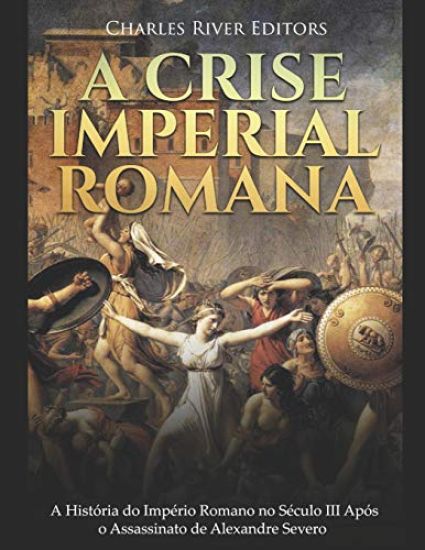
A Crise Imperial Romana: A História do Império Romano no Século III Após o Assassinato de Alexandre Severo
Apesar dos desastres, houve pelo menos algumas boas not cias para os romanos. Aureliano e Probo conseguiram recuperar o territ rio perdido e, com isso, parte do prest gio de Roma. O momento decisivo veio com a acess o de Diocleciano em 284 d. C. Daquele ponto em diante, o imp rio passou por um per odo de restaura o, mas, antes de chegar quele est gio, teve nada menos do que 20 imperadores em 50 anos, mesmo com a exclus o de outros cinco "imperadores" gauleses que se estabeleceram como governantes independentes entre 260 e 274 d. C. O reinado de Diocleciano viu reformas postas em pr tica para alcan ar o fim t o esperado da Crise Imperial, e v rios dos imperadores antes dele poderiam ter tido a capacidade de administrar o processo da reforma, mas o poder e o desejo do ex rcito de usar e abusar do poder asseguraram que poucos deles realmente tivessem alguma chance de deixar suas marcas. Foi o pior per odo da hist ria do Imp rio Romano at ent o, e, ao mesmo tempo, os romanos foram for ados a lidarem com pot ncias estrangeiras beligerantes e com problemas criados pelo surgimento de prov ncias cada vez mais poderosas e populosas. As press es criadas pelo crescimento populacional, tanto dentro quanto fora do imp rio, foram exaustivamente pesquisadas, mas, mais recentemente, quest es geradas por mudan as clim ticas tamb m chamaram a aten o. A suposi o sustentada anteriormente era de que o crescimento da popula o na Alemanha moderna havia levado grupos hostis para o territ rio romano, e acredita-se, agora, que no S culo II d. C., a mudan a clim tica resultou em aumentos significativos no n vel do mar, causando inunda es em massa e destrui es de planta es na Europa Oriental. Isso pode ter concedido s pessoas o mpeto de migrar para o sul e para o oeste, exatamente no momento em que Roma concentrava-se em conter o Imp rio Persa Sass nida. Muitas vezes se esquece de que o Imp rio Persa era t o grande quanto o dos romanos, al m de igualmente bem desenvolvido militarmente durante aquele per odo, o que explicaria a dificuldade de relacionamento que Roma enfrentou. Enquanto os l deres romanos competiam pelo poder e constantemente lutavam contra guerras civis, as famosas estradas de Roma ca ram em desuso, a economia foi prejudicada, o sistema comercial de todo o continente, que floresceu nos anos anteriores, foi substitu do por um sistema b sico de escambo e houve uma redu o no com rcio internacional. As pessoas ficaram cada vez mais temerosas por sua seguran a pessoal, e a Crise Imperial enfrentou uma tend ncia crescente de sacrif cios de liberdades e direitos pessoais em troca de garantias de seguran a por parte dos ricos propriet rios de terra. Tudo isso prefigurou o surgimento do sistema feudal europeu e da servid o. Aqueles foram, obviamente, tempos turbulentos, e dada a volatilidade, muitos historiadores debatem como o Imp rio Romano conseguiu sobreviver e ainda permanecer robusto o suficiente para permitir que Diocleciano e seus sucessores o restaurassem. Dadas as muitas pessoas envolvidas e a era relativamente curta em que tudo aconteceu, os historiadores enfrentam dificuldades para resumir a Crise Imperial Romana, e por isso, apesar de ter sido um dos per odos mais intrigantes da hist ria romana, muitas vezes negligenciado por estudiosos que optam por se concentrarem nos per odos mais coerentes antes e depois da crise. A Crise Imperial Romana: A Hist ria do Imp rio Romano no S culo III ap s o Assassinato de Alexandre Severo examina os 50 anos durantes os quais o Imp rio Romano enfrentou turbul ncias e quase se separou 200 anos antes de seu colapso final. Junto com fotos que retratam pessoas, lugares e eventos importantes, voc aprender sobre a Crise Imperial como nunca antes.
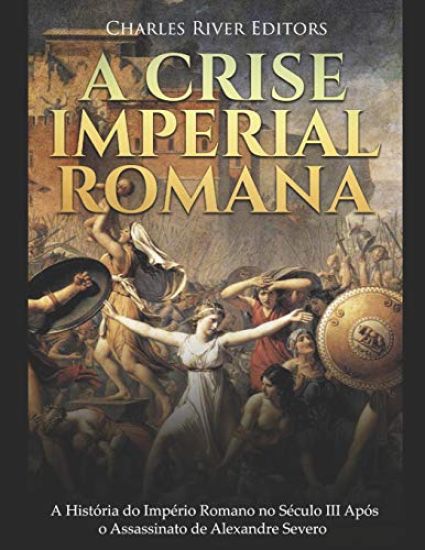
A Crise Imperial Romana: A História do Império Romano no Século III Após o Assassinato de Alexandre Severo
Apesar dos desastres, houve pelo menos algumas boas not cias para os romanos. Aureliano e Probo conseguiram recuperar o territ rio perdido e, com isso, parte do prest gio de Roma. O momento decisivo veio com a acess o de Diocleciano em 284 d. C. Daquele ponto em diante, o imp rio passou por um per odo de restaura o, mas, antes de chegar quele est gio, teve nada menos do que 20 imperadores em 50 anos, mesmo com a exclus o de outros cinco "imperadores" gauleses que se estabeleceram como governantes independentes entre 260 e 274 d. C. O reinado de Diocleciano viu reformas postas em pr tica para alcan ar o fim t o esperado da Crise Imperial, e v rios dos imperadores antes dele poderiam ter tido a capacidade de administrar o processo da reforma, mas o poder e o desejo do ex rcito de usar e abusar do poder asseguraram que poucos deles realmente tivessem alguma chance de deixar suas marcas. Foi o pior per odo da hist ria do Imp rio Romano at ent o, e, ao mesmo tempo, os romanos foram for ados a lidarem com pot ncias estrangeiras beligerantes e com problemas criados pelo surgimento de prov ncias cada vez mais poderosas e populosas. As press es criadas pelo crescimento populacional, tanto dentro quanto fora do imp rio, foram exaustivamente pesquisadas, mas, mais recentemente, quest es geradas por mudan as clim ticas tamb m chamaram a aten o. A suposi o sustentada anteriormente era de que o crescimento da popula o na Alemanha moderna havia levado grupos hostis para o territ rio romano, e acredita-se, agora, que no S culo II d. C., a mudan a clim tica resultou em aumentos significativos no n vel do mar, causando inunda es em massa e destrui es de planta es na Europa Oriental. Isso pode ter concedido s pessoas o mpeto de migrar para o sul e para o oeste, exatamente no momento em que Roma concentrava-se em conter o Imp rio Persa Sass nida. Muitas vezes se esquece de que o Imp rio Persa era t o grande quanto o dos romanos, al m de igualmente bem desenvolvido militarmente durante aquele per odo, o que explicaria a dificuldade de relacionamento que Roma enfrentou. Enquanto os l deres romanos competiam pelo poder e constantemente lutavam contra guerras civis, as famosas estradas de Roma ca ram em desuso, a economia foi prejudicada, o sistema comercial de todo o continente, que floresceu nos anos anteriores, foi substitu do por um sistema b sico de escambo e houve uma redu o no com rcio internacional. As pessoas ficaram cada vez mais temerosas por sua seguran a pessoal, e a Crise Imperial enfrentou uma tend ncia crescente de sacrif cios de liberdades e direitos pessoais em troca de garantias de seguran a por parte dos ricos propriet rios de terra. Tudo isso prefigurou o surgimento do sistema feudal europeu e da servid o. Aqueles foram, obviamente, tempos turbulentos, e dada a volatilidade, muitos historiadores debatem como o Imp rio Romano conseguiu sobreviver e ainda permanecer robusto o suficiente para permitir que Diocleciano e seus sucessores o restaurassem. Dadas as muitas pessoas envolvidas e a era relativamente curta em que tudo aconteceu, os historiadores enfrentam dificuldades para resumir a Crise Imperial Romana, e por isso, apesar de ter sido um dos per odos mais intrigantes da hist ria romana, muitas vezes negligenciado por estudiosos que optam por se concentrarem nos per odos mais coerentes antes e depois da crise. A Crise Imperial Romana: A Hist ria do Imp rio Romano no S culo III ap s o Assassinato de Alexandre Severo examina os 50 anos durantes os quais o Imp rio Romano enfrentou turbul ncias e quase se separou 200 anos antes de seu colapso final. Junto com fotos que retratam pessoas, lugares e eventos importantes, voc aprender sobre a Crise Imperial como nunca antes.
Osman I: A vida e o legado do primeiro sultão do Império Otomano
"Ele viu que uma lua surgiu do seio do homem santo e afundou em seu pr prio peito. Uma rvore ent o brotou de seu umbigo e sua sombra circundou o mundo. Sob essa rvore de sombra havia montanhas, e riachos flu am do p de cada montanha. Algumas pessoas bebiam dessas guas correntes, outras regavam os jardins, enquanto outras causavam o fluxo das fontes. Quando Osman acordou, contou a hist ria ao homem santo, que disse: 'Osman, meu filho, parab ns, pois Deus deu o of cio imperial para voc e seus descendentes e minha filha Malhun ser sua esposa'. "Embora essa hist ria fosse comunicada bem depois da morte de Osman, tornou-se um dos mitos mais resilientes do mundo sobre a funda o de um imp rio. "- Caroline Finkel, Sonho de OsmanEm termos de geopol tica, talvez o evento mais importante da Idade M dia tenha sido o cerco otomano de Constantinopla em 1453. A cidade tinha sido uma capital imperial desde o s culo 4, quando Constantino, o Grande, mudou o centro de poder do Imp rio Romano, estabelecendo efetivamente duas metades quase igualmente poderosas do maior imp rio da antiguidade. Constantinopla continuaria a servir como a capital do Imp rio Bizantino, mesmo depois que a metade ocidental do Imp rio Romano entrou em colapso no final do s culo 5. Na esteira de tomar Constantinopla, o Imp rio Otomano passaria os pr ximos s culos expandindo seu tamanho, poder e influ ncia, batendo contra a Europa Oriental e se tornando um dos atores geopol ticos mais importantes do mundo. Foi uma ascens o que realmente n o iria come ar a diminuir at o s culo 19, e os otomanos manteriam seu imp rio at o final da Primeira Guerra Mundial. Osman I, que agora reconhecido como o primeiro l der do Imp rio Otomano antes de morrer em 1323 ou 1324, um dos l deres mais importantes da hist ria, por isso ir nico que pouco se saiba sobre sua vida. Historiadores procuraram em v o por um nico registro hist rico que datam de seu reinado, 1658, apesar de ele ser o fundador do Imp rio Otomano, um estado que conquistou a sia Menor, a maior parte do Oriente M dio, Norte da frica e os B lc s antes de chegar ao muito paredes de Viena. Na luta entre as pot ncias crist s e isl micas, foi o primeiro estado a desafiar a hegemonia sobre a Europa desde que o Califado Om ada foi derrotado pelos francos na Batalha de Tours em 732. Mesmo ap s o seu desaparecimento, a pol tica dos estados dos Balc s muito influenciada pelo passado otomano, e as popula es mu ulmanas permanecem nas terras europeias outrora ocupadas pelos otomanos. A pol tica e os conflitos do Oriente M dio remontam dissolu o do imp rio e, na Turquia, o legado otomano continua sendo um tema de debate nacional. O presidente Recep Tayyip Erdogan declarou que a Turquia moderna a "continua o" do Imp rio Otomano, argumentando que a Turquia precisa retornar s suas ra zes isl micas. Embora n o haja registros contempor neos sobre Osman, existem muitas evid ncias sobre seus atos, os tempos em que ele viveu e a sociedade otomana sob sua lideran a. Relatos de sua vida foram escritos mais de 100 anos ap s sua morte, e sua data de nascimento desconhecida, embora ele deva ter nascido em meados do s culo de 13. At mesmo seu nome n o totalmente claro; "Osman" sugere uma origem rabe, mas ele era um turco e seu nome era provavelmente Atman ou Ataman. certamente assim que o historiador grego contempor neo Pachymeres (1242-c.1310) apresenta o nome, e poss vel que Atman tenha adotado o nome de maior prest gio Osman mais tarde na vida. Mais importante ainda, de acordo com a tradi o, ele era o filho de Ertugrul, l der da tribo Kayi dos turcos Oghuz. Osman I: A Vida e o Legado do primeiro Sult o do Imp rio Otomano narra a vida e realiza es, e o enorme impacto que ele teve nos otomanos e no mundo ao seu redor. Juntamente com fotos de pessoas importantes, lugares e eventos, voc aprender sobre Osman como
Osman I: A vida e o legado do primeiro sultão do Império Otomano
"Ele viu que uma lua surgiu do seio do homem santo e afundou em seu pr prio peito. Uma rvore ent o brotou de seu umbigo e sua sombra circundou o mundo. Sob essa rvore de sombra havia montanhas, e riachos flu am do p de cada montanha. Algumas pessoas bebiam dessas guas correntes, outras regavam os jardins, enquanto outras causavam o fluxo das fontes. Quando Osman acordou, contou a hist ria ao homem santo, que disse: 'Osman, meu filho, parab ns, pois Deus deu o of cio imperial para voc e seus descendentes e minha filha Malhun ser sua esposa'. "Embora essa hist ria fosse comunicada bem depois da morte de Osman, tornou-se um dos mitos mais resilientes do mundo sobre a funda o de um imp rio. "- Caroline Finkel, Sonho de OsmanEm termos de geopol tica, talvez o evento mais importante da Idade M dia tenha sido o cerco otomano de Constantinopla em 1453. A cidade tinha sido uma capital imperial desde o s culo 4, quando Constantino, o Grande, mudou o centro de poder do Imp rio Romano, estabelecendo efetivamente duas metades quase igualmente poderosas do maior imp rio da antiguidade. Constantinopla continuaria a servir como a capital do Imp rio Bizantino, mesmo depois que a metade ocidental do Imp rio Romano entrou em colapso no final do s culo 5. Na esteira de tomar Constantinopla, o Imp rio Otomano passaria os pr ximos s culos expandindo seu tamanho, poder e influ ncia, batendo contra a Europa Oriental e se tornando um dos atores geopol ticos mais importantes do mundo. Foi uma ascens o que realmente n o iria come ar a diminuir at o s culo 19, e os otomanos manteriam seu imp rio at o final da Primeira Guerra Mundial. Osman I, que agora reconhecido como o primeiro l der do Imp rio Otomano antes de morrer em 1323 ou 1324, um dos l deres mais importantes da hist ria, por isso ir nico que pouco se saiba sobre sua vida. Historiadores procuraram em v o por um nico registro hist rico que datam de seu reinado, 1658, apesar de ele ser o fundador do Imp rio Otomano, um estado que conquistou a sia Menor, a maior parte do Oriente M dio, Norte da frica e os B lc s antes de chegar ao muito paredes de Viena. Na luta entre as pot ncias crist s e isl micas, foi o primeiro estado a desafiar a hegemonia sobre a Europa desde que o Califado Om ada foi derrotado pelos francos na Batalha de Tours em 732. Mesmo ap s o seu desaparecimento, a pol tica dos estados dos Balc s muito influenciada pelo passado otomano, e as popula es mu ulmanas permanecem nas terras europeias outrora ocupadas pelos otomanos. A pol tica e os conflitos do Oriente M dio remontam dissolu o do imp rio e, na Turquia, o legado otomano continua sendo um tema de debate nacional. O presidente Recep Tayyip Erdogan declarou que a Turquia moderna a "continua o" do Imp rio Otomano, argumentando que a Turquia precisa retornar s suas ra zes isl micas. Embora n o haja registros contempor neos sobre Osman, existem muitas evid ncias sobre seus atos, os tempos em que ele viveu e a sociedade otomana sob sua lideran a. Relatos de sua vida foram escritos mais de 100 anos ap s sua morte, e sua data de nascimento desconhecida, embora ele deva ter nascido em meados do s culo de 13. At mesmo seu nome n o totalmente claro; "Osman" sugere uma origem rabe, mas ele era um turco e seu nome era provavelmente Atman ou Ataman. certamente assim que o historiador grego contempor neo Pachymeres (1242-c.1310) apresenta o nome, e poss vel que Atman tenha adotado o nome de maior prest gio Osman mais tarde na vida. Mais importante ainda, de acordo com a tradi o, ele era o filho de Ertugrul, l der da tribo Kayi dos turcos Oghuz. Osman I: A Vida e o Legado do primeiro Sult o do Imp rio Otomano narra a vida e realiza es, e o enorme impacto que ele teve nos otomanos e no mundo ao seu redor. Juntamente com fotos de pessoas importantes, lugares e eventos, voc aprender sobre Osman como
Gnosticism: The History and Legacy of the Mysterious Ancient Religion

Gnosticism: The History and Legacy of the Mysterious Ancient Religion

Charles River

Independently Published
2019
nidottu

Halvin toimitettuna 19,90 €

*Includes pictures*Includes ancient accounts*Includes online resources and a bibliography for further reading"This knowledge is not something that can be put into words like other sciences; but after long-continued intercourse between teacher and pupil, in joint pursuit of the subject, suddenly, like light flashing forth when a fire is kindled, it is born in the soul and straightway nourishes itself." - PlatoGnosticism is one of the great mysteries in the history of Western religion. At its core is an ancient Greek word, gnōsis, a word prominent in the writings of Plato which refers to a deep personal knowledge or understanding that often transcends the physical world. The Gnostics painted a picture of a fallen, broken world in which physicality was a product of a lesser deity. This deity was created in defiance of the One and in order to trap humans and blind them to the truths of their predicament and divine origins. By acquiring insight, or gnōsis, in this secret nature of the world, humans might escape their prison. Only through knowledge can people be set free. As that makes clear, Gnosticism as a belief system is difficult to define since it is not a well-organized or uniform doctrine like Christianity or Judaism, but at one time there was some synchronization with Christianity that nurtured both movements. As a religion and philosophy, Gnosticism flourished alongside Christianity, and it is not easy to say which one came first, but it is certain that both movements influenced each other. To paraphrase John Dominic Crossan, it is unclear whether Gnosticism was a Christian heresy, a Jewish heresy, or an original religion that powerfully merged with both. Gnosticism borrowed elements from Christians, just as the whole of Christianity took a certain Gnostic flavor, to the point that some books of the New Testament, especially the Gospel of John, could easily pass as a proto-Gnostic document. At the risk of oversimplifying, Gnosticism was the belief that the souls are divine sparks imprisoned in imperfect physical bodies, due to the machinations of a lesser and evil god who created the world. This evil god is identified with the creator of the Genesis and the Hebrew Bible. The material world and the body are prisons separated from the divine realm, from which humans must escape through the ascent of various levels. This is possible through the acquisition of secret knowledge reserved for the elect. This special revelation or gnosis (knowledge) was supposedly disclosed by Jesus to his dearest disciples, and it can be found in the Gnostic books, deliberately written in cryptic language. The acquisition of the secrets necessary for the salvation of the soul in many cases implied a radical asceticism and corporal sacrifice. Due to such classical roots, it would be easy to conclude that Gnosticism is an ancient philosophy, and a cursory glance might categorize it as simply a way of understanding the world and promoting investigation. However, the term is most often used to describe not a philosophy but a religion, and not just any religion, but a branch of one of the most resilient and influential traditions in history: Christianity. So what exactly is Gnosticism, and why does it remain such a source of confusion, captivation, and charisma for modern scholarship and culture alike? These answers are complex, and indicative of how the many turnings of the last two millennia have unexpectedly unearthed some answers while burying others even deeper. Gnosticism: The History and Legacy of the Mysterious Ancient Religion looks at the different origins that shaped Gnosticism, what Gnostics believed and practiced, and the influence they had on other religions. Along with pictures depicting important people, places, and events, you will learn about Gnosticism like never before.