Kirjojen hintavertailu – 12 903 725 kirjaa ja 27 kauppaa

Kirjailija

Charles River

Kirjat ja teokset yhdessä paikassa: 4 673 kirjaa, julkaisuja vuosilta 2013–2022, suosituimpiin kuuluu William Powell and Myrna Loy: The Lives and Careers of One of Classical Hollywood's Most Iconic Duos. Vertaile teosten hintoja ja tarkista saatavuus suomalaisista kirjakaupoista.

4 673 kirjaa

Kirjojen julkaisuvuodet: 2013–2022.

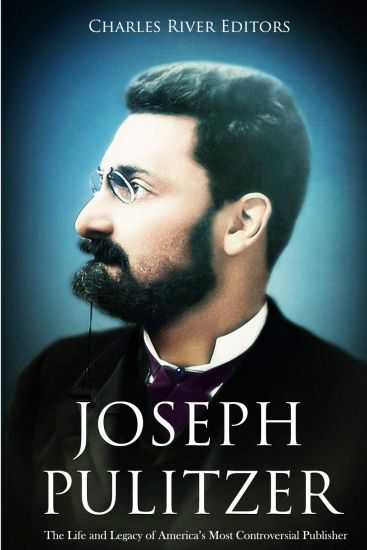
Joseph Pulitzer: The Life and Legacy of America's Most Controversial Publisher

Joseph Pulitzer: The Life and Legacy of America's Most Controversial Publisher

Charles River

Createspace Independent Publishing Platform
2018
nidottu
*Includes pictures *Includes contemporary accounts *Includes online resources and a bibliography for further reading "Publicity, publicity, publicity is the greatest moral factor and force in our public life." - Joseph Pulitzer Say the name Pulitzer and the minds of many across the world quickly turn to the famous prizes given for excellence in journalism, literature, and music, but these prizes were named after a man believed to have been tormented by some of the choices he had made during his life. Coming to America as a nearly penniless immigrant, he demonstrated that the young nation could be a land of opportunity, and he earned money and fame largely through hard work. Later, as the owner of one of the most powerful papers in the country, he seemed to develop an almost frenzied need to stay on top, no matter the cost. Writing for the Post-Dispatch in 1997, Harry Levins observed that Pulitzer considered journalism "a serious instrument of civilization, yet in some periods filled his front pages with froth and sensationalism. Sided with the common man, yet lived like the Gilded Age millionaire he was. Waxed indignant at big business and its profit-seeking machinations, yet insisted that his own big business turn a tidy profit." Indeed, in an effort to turn a profit, plenty of his contemporaries believed he went way too far. In a battle to sell papers, he played a significant role in the burgeoning industry of "yellow journalism," and following the Spanish-American War, he often struggled to come to terms with the role he had played in getting America involved in that conflict. As he grew older, he would attempt to step away from that reputation, and in an effort to redeem himself, he bequeathed much of his fortune to organizations that could establish scholarships and even the first school of journalism, teaching future journalists who came after him to do better. Joseph Pulitzer: The Life and Legacy of America's Most Controversial Publisher examines the various roles Pulitzer played in American journalism and politics during his life, and how he shaped the industry. Along with pictures depicting important people, places, and events, you will learn about Pulitzer like never before.
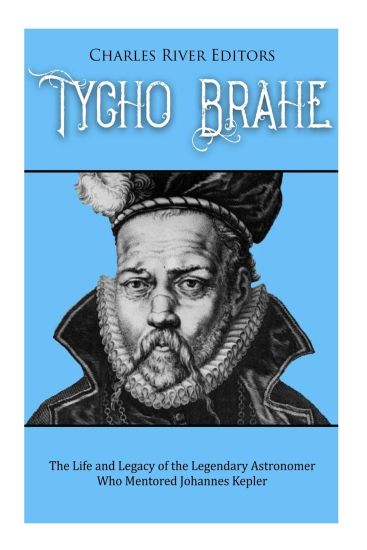
Tycho Brahe: The Life and Legacy of the Legendary Astronomer Who Mentored Johannes Kepler
*Includes pictures *Includes contemporary accounts *Includes online resources and a bibliography for further reading "That the machine of Heaven is not a hard and impervious body full of various real spheres, as up to now has been believed by most people. It will be proved that it extends everywhere, most fluid and simple, and nowhere presents obstacles as was formerly held, the circuits of the Planets being wholly free and without the labour and whirling round of any real spheres at all, being divinely governed under a given law." - Tycho Brahe A mystical dwarf jester gifted with the second sight. A pet elk with an incurable addiction to booze. A kidnapping in broad daylight. A daunting dictator who dines with kings and princes in his miniature kingdom. These may seem like characters and elements lifted straight out of a medieval fantasy novel, but they are just a few of the bizarre, fascinating episodes that make up Tycho Brahe's strange life. Of all the stories, Brahe's death may be the strangest of all, and it has led to the exhumation of his corpse on multiple occasions, in one case more than 400 years after he died. As interesting as the stories about Brahe are, chances are he wouldn't be remembered if not for the important work he did, especially in the realm of astronomy. He lived in an era when the intellectual worldview of most in northern Europe was medieval in nature, influenced mostly by spirituality, mysticism, religion, and metaphysics. Brahe, however, was far-thinking in his outlook, taking advantages of the latest technological ideas and practicing empiricism to revolutionize the field of science. This work eventually led Brahe to cross paths with Johannes Kepler, whose laws on planetary motion would change everything. Tycho Brahe: The Life and Legacy of the Legendary Astronomer Who Mentored Johannes Kepler examines the life and work that made him one of history's most important scientists. Along with pictures of important people, places, and events, you will learn about Tycho Brahe like never before.
O Exército Britânico nas Guerras Mundiais: A História das Forças Terrestres da Grã-Bretanha durante a Primeira Guerra Mundial e a Segunda Guerra Mundi
A Primeira Guerra Mundial, tamb m conhecida em sua poca como a "Grande Guerra" ou a "Guerra para Acabar com Todas as Guerras", foi um holocausto sem precedentes em termos de sua escala. Lutado por homens que vinham de todos os cantos do globo, viu milh es de soldados batalharem em ataques brutais de atrito que se arrastaram por meses com pouca ou nenhuma pausa. Dezenas de milh es de proj teis de artilharia e incont veis centenas de milh es de balas de fuzis e metralhadoras foram disparados em um conflito que demonstrou a capacidade do homem de matar uns aos outros numa escala sem precedentes e, como sempre, tal guerra trouxe inova o tecnol gica a uma taxa Isso fez com que o boom da Revolu o Industrial parecesse estagnado. A imagem duradoura da Primeira Guerra Mundial de homens presos em trincheiras lamacentas e de vastos ex rcitos em uma batalha que nenhum dos dois poderia vencer. Foi uma guerra de arame farpado, g s venenoso e terr veis perdas, enquanto oficiais conduziam suas tropas em cargas em massa pela Terra de Ningu m e em uma saraivada de balas. Embora essas impress es sejam verdadeiras demais, elas escondem o fato de que a guerra de trincheiras era din mica e estava constantemente evoluindo durante a guerra, enquanto todos os ex rcitos lutavam para encontrar uma maneira de romper as linhas opostas. Embora a Primeira Guerra Mundial seja quase sin nimo de guerra de trincheiras, esse m todo de combate n o era novidade. Tinha havido uso extensivo de trincheiras durante as fases posteriores da Guerra Civil americana (1864-1865), e uma guerra de trincheiras foi constante durante a segunda guerra dos B eres (1899-1902), a Guerra Russo-japonesa (1904-1905) e a guerra dos Balc s (1912-1913). Esses conflitos mostraram que o poder de fogo moderno combinado com posi es entrincheiradas deram uma vantagem decisiva ao defensor, mas os observadores europeus falharam em aprender quaisquer li es desses conflitos, e a escala da guerra de trincheiras na Primeira Guerra Mundial eclipsou qualquer coisa antes ou depois, especialmente em Frente Ocidental. No in cio de 1941, n o estava claro se os Aliados seriam capazes de permanecer na guerra por muito mais tempo. O primeiro-ministro brit nico, Winston Churchill, j havia imortalizado os homens da Royal Air Force com uma das mais famosas cota es de guerra do Ocidente, mas o potencial de uma invas o alem na Gr -Bretanha ainda se aproximava. Com o conforto da retrospectiva, os historiadores agora sugerem que a imagem era na verdade mais complexa do que isso, mas a Batalha da Gr -Bretanha, travada durante todo o ver o e in cio do outono de 1940, foi inquestionavelmente pica no escopo. A maior campanha a rea da hist ria na poca, a alardeada Luftwaffe nazista tentou esmagar a For a A rea Real, mas felizmente, a RAF ficou cara a cara com a Luftwaffe e assegurou a invas o planejada de Hitler foi permanentemente colocada em espera. A vit ria aliada na Batalha da Gr -Bretanha infligiu uma derrota psicol gica e f sica Luftwaffe e ao regime nazista em geral, e como o ltimo basti o da democracia na Europa, a Gr -Bretanha forneceria o apoio para a invas o da Europa em junho de 1944 que libertou o continente. . Por essas raz es, a Batalha da Inglaterra foi um dos pontos decisivos do conflito mais mortal da hist ria. Os Estados Unidos come aram em 1942 determinados a vingar Pearl Harbor, mas os Aliados, agora incluindo a Uni o Sovi tica por necessidade, n o concordaram com a estrat gia de guerra. Em 1941, tanto alem es quanto brit nicos movimentaram ex rcitos para o norte da frica, onde a It lia j havia tentado e n o conseguiu chegar ao Canal de Suez.
O Exército Britânico durante a Segunda Guerra Mundial: a história e o legado do exército em todos os momentos da segunda grande guerra
Claro, como a maioria das pessoas j sabem, a invas o da Pol nia foi meramente o pref cio para a blitzkrieg nazista da maioria da Europa Ocidental, que incluiria a Dinamarca, B lgica e Fran a, no Ver o de 1940. A resist ncia apresentada por esses pa ses muitas vezes retratada como fraca, e a narrativa que os brit nicos ficaram sozinhos em 1940 contra o ataque nazista, defendendo as Ilhas Brit nicas durante a Batalha da Gr -Bretanha e impedindo uma poss vel invas o alem . No in cio de 1941, n o estava claro se os Aliados seriam capazes de permanecer na guerra por muito mais tempo. O primeiro-ministro brit nico, Winston Churchill, j havia imortalizado os homens da Royal Air Force com uma das mais famosas cota es de guerra do Ocidente, mas o potencial de uma invas o alem na Gr -Bretanha ainda se aproximava. Com o conforto da retrospectiva, os historiadores agora sugerem que a imagem era na verdade mais complexa do que isso, mas a Batalha da Gr -Bretanha, travada durante todo o ver o e in cio do outono de 1940, foi inquestionavelmente pica no escopo. A maior campanha a rea da hist ria na poca, a alardeada Luftwaffe nazista tentou esmagar a For a A rea Real, mas felizmente, a RAF ficou cara a cara com a Luftwaffe e assegurou a invas o planejada de Hitler foi permanentemente colocada em espera. A vit ria aliada na Batalha da Gr -Bretanha infligiu uma derrota psicol gica e f sica Luftwaffe e ao regime nazista em geral, e como o ltimo basti o da democracia na Europa, a Gr -Bretanha forneceria o apoio para a invas o da Europa em junho de 1944 que libertou o continente. . Por essas raz es, a Batalha da Inglaterra foi um dos pontos decisivos do conflito mais mortal da hist ria. Os Estados Unidos come aram em 1942 determinados a vingar Pearl Harbor, mas os Aliados, agora incluindo a Uni o Sovi tica por necessidade, n o concordaram com a estrat gia de guerra. Em 1941, tanto alem es quanto brit nicos movimentaram ex rcitos para o norte da frica, onde a It lia j havia tentado e n o conseguiu chegar ao Canal de Suez. Os brit nicos buscaram ajuda norte-americana no norte da frica, onde o general brit nico Bernard Montgomery lutava contra o lend rio "Raposa do Deserto", general Erwin Rommel. Ao mesmo tempo, Stalin estava desesperado por uma a o aliada no continente europeu que pudesse liberar a press o sobre os sitiados sovi ticos. O presidente Roosevelt teve uma decis o consequente a tomar, e ele acabou decidindo desembarcar for as norte-americanas no norte da frica para ajudar os brit nicos contra Rommel, para grande desgosto de Stalin. Enquanto os americanos e brit nicos poderiam apenas assediar os alem es com poder a reo e for as navais no Atl ntico, o Ex rcito Vermelho de Stalin teve que tomar as melhores tiros de Hitler na R ssia ao longo de 1942. Mas o t nue dom nio do Ex rcito Vermelho continuou a prejudicar a m quina de guerra nazista enquanto comprava o tempo precioso de outros aliados. Como se viu, a decis o de Roosevelt de lutar pela primeira vez no norte da frica tornaria poss vel uma invas o aliada do continente europeu em 1943. Quando Rommel foi para o leste, ele agora precisava se preocupar com as for as americanas a oeste. Os aliados eventualmente ganharam a m o superior em toda a frica norte ap s a batalha de El Alamein, perto do final de 1942 que todos, mas for ou os alem es a desistir do teatro sem atingir os seus objetivos. Com o eixo for ado a sair do norte de frica, os aliados tinham libertou as suas for as do norte de frica para uma invas o da Europa Ocidental. Al m disso, com o norte da frica como uma encena o potencial ao redor para aquela invas o, os alem es tiveram para se preparar para a possibilidade dos aliados invadindo n o s da Gr -Bretanha, mas tamb m do norte da frica. Os aliados tomaria essa decis o no in cio de 1943.
Yugoslavia: The History of the Eastern European Nation from Its Founding to Its Breakup
*Includes pictures*Includes online resources and a bibliography for further readingYugoslavia was arguably one of the most unusual geopolitical creations of the 20th century. The Yugoslav state had never existed in any historical sense, and the ties that bound together its constituent peoples were tenuous at best. Although nominally all "Slavs," the country was an amalgamation of languages, alphabets, cultures, religions and traditions, which ensured its short existence was littered with splits, conflicts, and shocking violence. In a sense, it's somewhat surprising that it lasted as long as it did. In the wake of World War I, as the political boundaries of Europe and the Middle East were redrawn, the Kingdom of Yugoslavia, initially known as the Kingdom of Serbs, Croats and Slovenes, came into existence with a monarch as its head of state. Confirmed at the 1919 Versailles Conference, the "first" Yugoslavia was a particularly fragile enterprise, and there was almost constant tension between the majority Serbs and the other Yugoslav nationalities, especially the Croats. As a result, the Kingdom was a land of political assassinations, underground terrorist organizations, and ethnic animosities. In 1929, King Alexander I suspended democracy and ruled as a dictator until he himself was assassinated in 1934. The Kingdom of Yugoslavia was particularly vulnerable to the forces that engulfed the rest of Europe at the end of the 1930s, including fascism and communism. When the Axis forces attacked in 1941, the country quickly capitulated and was dismembered by the Nazis and their allies. A separate Croatian state was formed, led by Ante Pavelic, who committed some of the worst crimes and human rights abuses of the war. The Balkan region was virtually emptied of its Jewish population, victims of the Nazi Holocaust. During his reign, Tito managed to quash the intense national feelings of the diverse groups making up the Yugoslavian population, and he did so through several methods. He managed to successfully play the two superpower rivals, the United States and Soviet Union, off against each other during the Cold War, and in doing so, he maintained a considerable amount of independence from both, even as he additionally received foreign aid to keep his regime afloat. All the while he remained defiant, once penning a legendary letter to Joseph Stalin warning the Soviet dictator, "To Joseph Stalin: Stop sending people to kill me We've already captured five of them, one of them with a bomb and another with a rifle... If you don't stop sending killers, I'll send a very fast working one to Moscow and I certainly won't have to send another." Internal issues plagued the country in its final years and Tito had tinkered with Yugoslavia's constitution on several occasions. His final attempt, in 1974, saw the partial separation of Kosovo - crucial in the Serb national story - from the rest of Serbia. A number of reasons led to the rising Serb nationalist sentiment after Tito's death, but Kosovo was a central aspect. Yugoslavia required far-sighted, magnanimous leaders to avoid internecine disputes, but none were available, or at least in positions of power in the 1980s. In Croatia, Franjo Tudjman - a long time Croat nationalist - emerged as the republic's leader, and Slobodan Milosevic rose to prominence in the middle of the decade and, despite apparently being a career communist, positioned himself as "defender of the Serbs." He began ousting his rivals and installing sympathetic underlings into leadership positions in Kosovo, Vojvodina, and Montenegro, essentially giving him a majority bloc at the federal level. Depending on the source, many authors have focused on different catalysts for Yugoslavia's demise, but Vesna Drapac may have succinctly summed the situation up when he wrote that by the end, the state "lacked a reason to exist."
Africa and Rome: The History and Legacy of the Roman Empire on the African Continent

Africa and Rome: The History and Legacy of the Roman Empire on the African Continent

Charles River

Createspace Independent Publishing Platform
2018
nidottu
*Includes pictures *Includes ancient accounts *Includes online resources and a bibliography for further reading Among all the periods in ancient Egyptian history, the Ptolemaic Kingdom and its most famous ruler, Cleopatra, may be the most well-known today. By the 4th century BCE, it appeared as though ancient Egypt was in its final death throes. It had long ceased to be an influential kingdom in the Near East and Mediterranean regions, and it had been ruled over by a succession of foreign peoples including Libyans, Nubians, Assyrians, and Persians. But just when Egypt seemed was doomed to pass forever into obscurity, it was reinvigorated by outsiders, most notably Alexander the Great. While in the process of campaigning to destroy the Achaemenid Persian Empire and conquer the world in 331 BCE, he made a pit stop in Egypt that forever changed the course of Egyptian history. Although his understanding of ancient Egyptian chronology and religion was minimal, Alexander was intrigued by ancient pharaonic culture, knowing, as the 5th century BCE Greek historian Herodotus once wrote, "Egypt is the gift of the Nile." As a result, Alexander endeavored to incorporate the land of the pharaohs into Hellenic Civilization. In the latter 1st century BCE, men like Julius Caesar, Mark Antony, and Octavian participated in two civil wars that would spell the end of the Roman Republic and determine who would become the Roman emperor. In the middle of it all was history's most famous woman, Cleopatra, who famously seduced both Caesar and Antony and thereby positioned herself as one of the most influential people in a world of powerful men. Cleopatra was a legendary figure even to contemporary Romans and the ancient world, and she was a controversial figure who was equally reviled and praised through the years, depicted both as a benevolent ruler and an evil seductress (occasionally at the same time). As for Roman Egypt, the period from 30 BCE until the Roman Empire was split into two halves in the 4th century CE. It is scarcely mentioned, yet, it was a time when Egypt, if no longer a great power in its own right, was a pivotal province in the Roman Empire. It could also be argued it was a power without which the Roman Empire would not have survived. Its wealth, especially its fertility, was the key for any Roman emperor hoping to feed and entertain Rome's ever-demanding masses and was particularly vital to Augustus as he established himself as the first emperor of Egypt. The institution of imperial, as opposed to senatorial, provinces proved crucial in the consolidation of imperial power. Moreover, how Egypt in this period was administered and exploited provides invaluable information as to how Rome manipulated and controlled large populations for its benefit in the rest of its empire. Tactics used again and again throughout the Roman world were honed in this, the most valuable of Rome's provinces. Apart from the complicated nature of evolving administrative systems in the area, another major challenge for modern researchers of the Roman period in North African history is that the natural environment was very different from that of today. The usual assumption is that the region was only fertile on the coast and that the hinterlands could not have provided the resources needed to maintain large, wealthy populations. However, in ancient times, North Africa was a fertile region, and scientists believe the vast area of steep grasslands that covered most of what is the Sahara Desert today began to dry about 5,000 years ago, and the process of grasslands turning into deserts was slow. While there is considerable debate as to the time the process took and whether the small-scale farming techniques used in the region contributed to the process of desiccation, it is clear that the area around Carthage, for example, had a wide area of well-cultivated lands, and that such cultivation lasted well into the Middle Ages.
Africa and Rome: The History and Legacy of the Roman Empire on the African Continent

Africa and Rome: The History and Legacy of the Roman Empire on the African Continent

Charles River

Createspace Independent Publishing Platform
2018
nidottu
*Includes pictures *Includes ancient accounts *Includes online resources and a bibliography for further reading Among all the periods in ancient Egyptian history, the Ptolemaic Kingdom and its most famous ruler, Cleopatra, may be the most well-known today. By the 4th century BCE, it appeared as though ancient Egypt was in its final death throes. It had long ceased to be an influential kingdom in the Near East and Mediterranean regions, and it had been ruled over by a succession of foreign peoples including Libyans, Nubians, Assyrians, and Persians. But just when Egypt seemed was doomed to pass forever into obscurity, it was reinvigorated by outsiders, most notably Alexander the Great. While in the process of campaigning to destroy the Achaemenid Persian Empire and conquer the world in 331 BCE, he made a pit stop in Egypt that forever changed the course of Egyptian history. Although his understanding of ancient Egyptian chronology and religion was minimal, Alexander was intrigued by ancient pharaonic culture, knowing, as the 5th century BCE Greek historian Herodotus once wrote, "Egypt is the gift of the Nile." As a result, Alexander endeavored to incorporate the land of the pharaohs into Hellenic Civilization. In the latter 1st century BCE, men like Julius Caesar, Mark Antony, and Octavian participated in two civil wars that would spell the end of the Roman Republic and determine who would become the Roman emperor. In the middle of it all was history's most famous woman, Cleopatra, who famously seduced both Caesar and Antony and thereby positioned herself as one of the most influential people in a world of powerful men. Cleopatra was a legendary figure even to contemporary Romans and the ancient world, and she was a controversial figure who was equally reviled and praised through the years, depicted both as a benevolent ruler and an evil seductress (occasionally at the same time). As for Roman Egypt, the period from 30 BCE until the Roman Empire was split into two halves in the 4th century CE. It is scarcely mentioned, yet, it was a time when Egypt, if no longer a great power in its own right, was a pivotal province in the Roman Empire. It could also be argued it was a power without which the Roman Empire would not have survived. Its wealth, especially its fertility, was the key for any Roman emperor hoping to feed and entertain Rome's ever-demanding masses and was particularly vital to Augustus as he established himself as the first emperor of Egypt. The institution of imperial, as opposed to senatorial, provinces proved crucial in the consolidation of imperial power. Moreover, how Egypt in this period was administered and exploited provides invaluable information as to how Rome manipulated and controlled large populations for its benefit in the rest of its empire. Tactics used again and again throughout the Roman world were honed in this, the most valuable of Rome's provinces. Apart from the complicated nature of evolving administrative systems in the area, another major challenge for modern researchers of the Roman period in North African history is that the natural environment was very different from that of today. The usual assumption is that the region was only fertile on the coast and that the hinterlands could not have provided the resources needed to maintain large, wealthy populations. However, in ancient times, North Africa was a fertile region, and scientists believe the vast area of steep grasslands that covered most of what is the Sahara Desert today began to dry about 5,000 years ago, and the process of grasslands turning into deserts was slow. While there is considerable debate as to the time the process took and whether the small-scale farming techniques used in the region contributed to the process of desiccation, it is clear that the area around Carthage, for example, had a wide area of well-cultivated lands, and that such cultivation lasted well into the Middle Ages.
Los Gurkas: La historia y legado de los soldados nepaleses utilizados en la India por el Imperio británico
"Si un hombre dice que no teme morir, est mintiendo o es un gurka". - Mariscal de Campo Sam ManekshawEl Regimiento Gurka es sin duda uno de los regimientos del ej rcito brit nico con m s historia. De forma similar a la Legi n Extranjera francesa, sin embargo, ha sido tradicionalmente un regimiento de aventureros y soldados de fortuna, con la simple diferencia de que los gurkas representan solo una etnia minoritaria de la poblaci n nepalesa en general, distinguida por una larga y augusta tradici n marcial. Tradicionalmente, el cuerpo de oficiales de los diversos regimientos de gurkas ha provenido de las filas regulares del ej rcito brit nico, siendo la fluidez en nepal s un requisito b sico. Sin embargo, las bases, y m s recientemente muchos oficiales, provienen de la poblaci n de las monta as nepal es. Para los gurka, Nepal significa no el territorio de 90.000 kil metros cuadrados conocido hoy como Nepal, sino el Valle de Katmand , o Valle de Nepal, drenado por los afluentes del r o Bagmati y rodeado por las estribaciones del Himalaya que la mayor a de los gurkas llaman hogar. Hoy Nepal es una rep blica independiente ubicada entre la India y China, y ocupa el sur del sotavento del Himalaya. La naci n tiene unos 837 kil metros de largo y cerca de 160 kil metros de ancho, y ha sido la naturaleza escabrosa y enrarecida del paisaje la que ha moldeado la constituci n y la mentalidad de las personas en su interior. Los nepaleses tnicos son generalmente bajos y robustos, con pulmones voluminosos y cuerpos fuertes y musculosos. El porteo humano ha sido durante milenios el nico medio de transporte en las monta as y estribaciones que rodean el valle, e incluso hoy en d a probablemente haya poco m s de 320 km de carreteras de asfalto en el pa s. Las principales v as p blicas son los senderos peatonales que interconectan a las comunidades de monta a diseminadas por la regi n. La palabra gurka (o gurkha) puede significar muchas cosas para muchas personas, y esto se debe en gran parte a que no todos los nepal es son gurka, y ciertamente los gurkas no se limitan estrictamente a Nepal. La definici n m s precisa de un gurka probablemente ser a un miembro de un grupo de clanes ligeramente confederados que debe su lealtad a la tradici n militar gurka, y que pertenece al antiguo estado de Gorkha, que ahora forma solo una peque a regi n del Nepal moderno. Su religi n es predominantemente hind , y sus dialectos var an considerablemente en torno a la lingua franca regional de Nepal . Hay nueve tribus principales de gurkas, y estas son Thakurs, Chhetri, Magars, Gurungs, Tamangs, Limbus, Rais, Sanvars y Newars. Las nicas caracter sticas comunes entre todas estas, con la posible excepci n de los Newars, son una antigua vocaci n al porte de armas, y el arma caracter stica, el "Khukuri", que es omnipresente entre todos los gurkas y es el arma b sica de cualquier miembro de la Brigada Gurka. Los gurkas: La historia y legado de los soldados nepaleses utilizados en la India por el Imperio brit nico examina a estos famosos soldados y sus contribuciones a lo largo de los siglos. En conjunto con im genes de personas, lugares y eventos importantes, aprender acerca de los gurkas como nunca antes.
O Exército Britânico durante a Segunda Guerra Mundial: a história e o legado do exército em todos os momentos da segunda grande guerra
Claro, como a maioria das pessoas j sabem, a invas o da Pol nia foi meramente o pref cio para a blitzkrieg nazista da maioria da Europa Ocidental, que incluiria a Dinamarca, B lgica e Fran a, no Ver o de 1940. A resist ncia apresentada por esses pa ses muitas vezes retratada como fraca, e a narrativa que os brit nicos ficaram sozinhos em 1940 contra o ataque nazista, defendendo as Ilhas Brit nicas durante a Batalha da Gr -Bretanha e impedindo uma poss vel invas o alem . No in cio de 1941, n o estava claro se os Aliados seriam capazes de permanecer na guerra por muito mais tempo. O primeiro-ministro brit nico, Winston Churchill, j havia imortalizado os homens da Royal Air Force com uma das mais famosas cota es de guerra do Ocidente, mas o potencial de uma invas o alem na Gr -Bretanha ainda se aproximava. Com o conforto da retrospectiva, os historiadores agora sugerem que a imagem era na verdade mais complexa do que isso, mas a Batalha da Gr -Bretanha, travada durante todo o ver o e in cio do outono de 1940, foi inquestionavelmente pica no escopo. A maior campanha a rea da hist ria na poca, a alardeada Luftwaffe nazista tentou esmagar a For a A rea Real, mas felizmente, a RAF ficou cara a cara com a Luftwaffe e assegurou a invas o planejada de Hitler foi permanentemente colocada em espera. A vit ria aliada na Batalha da Gr -Bretanha infligiu uma derrota psicol gica e f sica Luftwaffe e ao regime nazista em geral, e como o ltimo basti o da democracia na Europa, a Gr -Bretanha forneceria o apoio para a invas o da Europa em junho de 1944 que libertou o continente. . Por essas raz es, a Batalha da Inglaterra foi um dos pontos decisivos do conflito mais mortal da hist ria. Os Estados Unidos come aram em 1942 determinados a vingar Pearl Harbor, mas os Aliados, agora incluindo a Uni o Sovi tica por necessidade, n o concordaram com a estrat gia de guerra. Em 1941, tanto alem es quanto brit nicos movimentaram ex rcitos para o norte da frica, onde a It lia j havia tentado e n o conseguiu chegar ao Canal de Suez. Os brit nicos buscaram ajuda norte-americana no norte da frica, onde o general brit nico Bernard Montgomery lutava contra o lend rio "Raposa do Deserto", general Erwin Rommel. Ao mesmo tempo, Stalin estava desesperado por uma a o aliada no continente europeu que pudesse liberar a press o sobre os sitiados sovi ticos. O presidente Roosevelt teve uma decis o consequente a tomar, e ele acabou decidindo desembarcar for as norte-americanas no norte da frica para ajudar os brit nicos contra Rommel, para grande desgosto de Stalin. Enquanto os americanos e brit nicos poderiam apenas assediar os alem es com poder a reo e for as navais no Atl ntico, o Ex rcito Vermelho de Stalin teve que tomar as melhores tiros de Hitler na R ssia ao longo de 1942. Mas o t nue dom nio do Ex rcito Vermelho continuou a prejudicar a m quina de guerra nazista enquanto comprava o tempo precioso de outros aliados. Como se viu, a decis o de Roosevelt de lutar pela primeira vez no norte da frica tornaria poss vel uma invas o aliada do continente europeu em 1943. Quando Rommel foi para o leste, ele agora precisava se preocupar com as for as americanas a oeste. Os aliados eventualmente ganharam a m o superior em toda a frica norte ap s a batalha de El Alamein, perto do final de 1942 que todos, mas for ou os alem es a desistir do teatro sem atingir os seus objetivos. Com o eixo for ado a sair do norte de frica, os aliados tinham libertou as suas for as do norte de frica para uma invas o da Europa Ocidental. Al m disso, com o norte da frica como uma encena o potencial ao redor para aquela invas o, os alem es tiveram para se preparar para a possibilidade dos aliados invadindo n o s da Gr -Bretanha, mas tamb m do norte da frica. Os aliados tomaria essa decis o no in cio de 1943.
The Tokyo War Crimes Tribunal: The History and Legacy of the War Crimes Trials against Japan after World War II
*Includes pictures *Includes contemporary records *Includes online resources and a bibliography for further reading "There were, I suppose, three possible courses: to let the atrocities which had been committed go unpunished; to put the perpetrators to death or punish them by executive action; or to try them. Which was it to be? Was it possible to let such atrocities go unpunished? Could France, could Russia, could Holland, Belgium, Norway, Czechoslovakia, Poland or Yugoslavia be expected to consent to such a course? ... It will be remembered that after the first world war alleged criminals were handed over to be tried by Germany, and what a farce that was The majority got off and such sentences as were inflicted were derisory and were soon remitted." - Baron Geoffrey Lawrence, December 1946 At the end of World War II, the world was faced with some sobering statistics. With over 50,000,000 deaths when both military and civilian losses had been accounted for, the death toll was devastating, and for many of those who lived in countries that had been ravaged by war, hunger and financial strain had become parts of daily life. Furthermore, beyond the physical damage was the growing knowledge of the atrocities that had been committed both before and during the war. In fact, the Allies were discussing how to dole out justice for Axis war crimes as early as 1943, and once the war was over, the victorious Allies sought to address every aspect of it to both punish war criminals and attempt to ensure that there was never a conflict like it again. The judgment of the German leadership and its role in the death, destruction, and demoralization they had brought to the world would take place at Nuremberg. The Nuremberg Trials were a series of 13 proceedings held under the authority of the International Military Tribunal between November 1945 and June 1948, but the trial most associated with Nuremberg is the first trial, in which eight judges appointed by Britain, the United States, the Soviet Union, and France deliberated over the guilt or innocence of 22 men identified as significant leaders of the Nazi cause. This trial took place between November 20, 1945 and August 31, 1946. Later trials included other Germans who held what were considered to be position of power- doctors, businessman, or lower-level functionaries whose positions of influence gave them, in the eyes of the Allies, increased responsibility for their actions. Though almost every person convicted in the 13 Nuremberg Trials was male, there was also a female physician convicted at the doctors' trial. Though they are now mostly forgotten, the International Military Tribunal for the Far East was the Pacific Theater's equivalent. Known as the Tokyo Trials, 11 countries contributed prosecutors as 28 Japanese faced trials for crimes against humanity. The trials were politically charged from the start, considering the end of World War II, the beginning of the Cold War, and the American occupation of Japan, and in many respects, the Tokyo Trials were part of a new era in American-Japanese relations. The Tokyo War Crimes Tribunal: The History and Legacy of the War Crimes Trials against Japan after World War II chronicles the history of the trials from their conception to their completion. Along with pictures of important people, places, and events, you will learn about the trials like never before.
The Rise of Constantinople: The Ancient History of the City that Became the Byzantine Empire's Capital
*Includes pictures *Includes ancient accounts *Includes online resources and a bibliography for further reading "So the church has been made a spectacle of great beauty, stupendous to those who see it and altogether incredible to those who hear of it... Its breadth and length have been so fittingly proportioned that it may without impropriety be described as being both very long and extremely broad. And it boasts of an ineffable beauty, for it subtly combines its mass with the harmony of its proportions, having neither any excess nor any deficiency, inasmuch as it is more pompous than ordinary buildings] and considerably more decorous than those which are huge beyond measure; and it abounds exceedingly in gleaming sunlight. You might say that the interior] space is not illuminated by the sun from the outside, but that the radiance is generated within, so great an abundance of light bathes this shrine all round." - Procopius's description of the Hagia Sophia in Constantinople It would be hard if not outright impossible to overstate the impact Roman Emperor Constantine I had on the history of Christianity, Ancient Rome, and Europe as a whole. Best known as Constantine the Great, the kind of moniker only earned by rulers who have distinguished themselves in battle and conquest, Constantine remains an influential and controversial figure to this day. He achieved enduring fame by being the first Roman emperor to personally convert to Christianity, and for his notorious Edict of Milan, the imperial decree which legalized the worship of Christ and promoted religious freedom throughout the Empire. More than 1500 years after Constantine's death, Abdu'l-Bah , the head of the Bah ' Faith, wrote, "His blessed name shines out across the dawn of history like the morning star, and his rank and fame among the world's noblest and most highly civilized is still on the tongues of Christians of all denominations" Moreover, even though he is best remembered for his religious reforms and what his (mostly Christian) admirers described as his spiritual enlightenment, Constantine was also an able and effective ruler in his own right. Rising to power in a period of decline and confusion for the Roman Empire, he gave it a new and unexpected lease on life by repelling the repeated invasions of the Germanic tribes on the Northern and Eastern borders of the Roman domains, even going so far as to re-expand the frontier into parts of Trajan's old conquest of Dacia (modern Romania), which had been abandoned as strategically untenable. However, it can be argued that despite his military successes - the most notable of which occurred fighting for supremacy against other Romans - Constantine may well have set the stage for the ultimate collapse of the Roman Empire as it had existed up until that point. It was Constantine who first decided that Rome, exposed and vulnerable near the gathering masses of barbarians moving into Germania and Gaul, was a strategically unsafe base for the Empire, and thus expanded the city of New Rome on the Dardanelles straits, creating what eventually became Constantinople. By moving the political, administrative and military capital of the Empire from Rome to the East, as well as the Imperial court with all its attendant followers, Constantine laid the groundwork for the eventual schism which saw the two parts of the Roman Empire become two entirely separate entities, go their own way, and eventually collapse piecemeal under repeated waves of invasion. The Rise of Constantinople: The Ancient History of the City that Became the Byzantine Empire's Capital looks at the events that brought about the transformation of Byzantium, and how Constantinople became one of the most important cities in the world. Along with pictures depicting important people, places, and events, you will learn about the rise of Constantinople like never before.
America's Deadliest Hurricanes: The History of the Three Worst Hurricanes in American History
*Includes pictures *Includes accounts *Includes online resources and a bibliography for further reading Hurricanes have been devastating communities for thousands of years, bringing about various combinations of rain and wind that can do everything from taking down some dead limbs to wiping out houses. They are also common enough that people who live for any length of time in a region prone to having hurricanes are inclined to accept them as something of a periodic nuisance rather than a serious danger. Modern construction styles allow houses to withstand winds in excess of 100 miles an hour, and early warning systems allow people to evacuate. Thus, most hurricanes of the 21st century take fewer lives than a serious highway accident. As a result, the world watched in horror as Hurricane Katrina decimated New Orleans in August 2005, and the calamity seemed all the worse because many felt that technology had advanced far enough to prevent such tragedies, whether through advanced warning or engineering. Spawning off the Bahamian coast that month, Katrina quickly grew to be one of the deadliest natural disasters in American history, killing more than 1,800 people and flooding a heavy majority of one of America's most famous cities. At first, the storm seemed to be harmless, scooting across the Floridian coast as a barely noticeable Category 1 storm, but when Katrina reached the warm waters of the Gulf of Mexico, its winds grew exponentially before slamming into the southern Louisiana coast as a massive Category 5 hurricane. In addition to the deadly nature of the hurricane, it was also incredibly destructive as a result of failed levees around the New Orleans area. By the time the storm had passed, it had wreaked an estimated $108 billion of damage across the region, and the human suffering, with nearly 2,000 deaths and a million people displaced, was available for viewing across the world. Naturally, the reactions of political leaders would be heavily scrutinized in the aftermath, and people studied the lessons to be learned from the disaster to prevent a similar occurrence in the future. It was only well into the 20th century that meteorologists began to name storms as a way of distinguishing which storm out of several they were referencing, and it seems somewhat fitting that the hurricane that traumatized Galveston was nameless. Due to the lack of technology and warning, many of the people it killed were never identified, and the nameless corpses were eventually burned in piles of bodies that could not be interred due to the soggy soil. Others were simply buried at sea. The second deadliest hurricane in American history claimed 2,500 lives, so it's altogether possible that the Galveston hurricane killed over 4 times more than the next deadliest in the U. S. To this day, it remains the country's deadliest natural disaster. Similarly, the hurricane that struck southern Florida in September 1928 killed hundreds more, with an estimated death toll of over 2,500 people. Without the warnings available today, it was inevitable that the Category 5 hurricane wrought almost inconceivable destruction as it made landfall in Florida with winds at nearly 150 miles per hour. In addition to the powerful storm itself, the flooding of Lake Okeechobee, the 7th largest freshwater lake in the country, exacerbated the damage by spilling across several hundred square miles, which were covered in up to 20 feet of water in some places. America's Deadliest Hurricanes: The History of the Three Worst Hurricanes in American History examines each of the deadly storms, from their meteorological origins to the tolls and aftermath of each one. Along with pictures of important people, places, and events, you will learn about the hurricanes like never before.
Oregon Country: The History and Legacy of the Disputed Region and the Treaty that Led to Oregon's Statehood
*Includes pictures *Includes contemporary accounts *Includes online resources and a bibliography for further reading The westward movement of Americans in the 19th century was one of the largest and most consequential migrations in history, and among the paths that blazed west, the most well-known is the Oregon Trail, which was not a single trail but a network of paths that began at one of four "jumping off" points. The eastern section of the Oregon Trail, which followed the Missouri River through Kansas, Nebraska, and Wyoming, was shared by people traveling along the California, Bozeman, and Mormon Trails. These trails branched off at various points, and the California Trail diverged from the Oregon Trail at Fort Hall in southern Idaho. From there, the Oregon Trail moved northward, along the Snake River, then through the Blue Mountains to Fort Walla Walla. From there, travelers would cross the prairie before reaching the Methodist mission at The Dalles, which roughly marked the end of the Trail. The Trail stretched roughly half the country, and hundreds of thousands of settlers would use it, yet the Oregon Trail is famous not so much for its physical dimensions but for what it represented. As many who used the Oregon Trail described in memoirs, the West represented opportunities for adventure, independence, and fortune, and fittingly, the ever popular game named after the Oregon Trail captures that mentality and spirit by requiring players to safely move a party west to the end of the trail. Perhaps most famously, the game that helped popularize current generations' interest in the Oregon Trail highlighted the obstacles the pioneers faced in moving West. Indeed, as all too many settlers discovered, traveling along the Trail was fraught with various kinds of obstacles and danger, including bitter weather, potentially deadly illnesses, and hostile Native Americans, not to mention an unforgiving landscape that famous American explorer Stephen Long deemed "unfit for human habitation." And while many would look back romantically at the Oregon Trail over time, 19th century Americans were all too happy and eager for the transcontinental railroad to help speed their passage west and render overland paths like the Oregon Trail obsolete. Oregon Country: The History and Legacy of the Disputed Region and the Treaty that Led to Oregon's Statehood examines the land disputes, and how events unfolded on the way to Oregon becoming part of America. Along with pictures depicting important people, places, and events, you will learn about Oregon Country like never before.
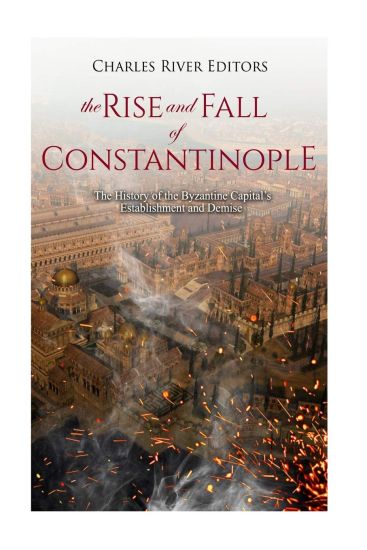
The Rise and Fall of Constantinople: The History of the Byzantine Capital's Establishment and Demise
*Includes pictures *Includes ancient accounts *Includes online resources and a bibliography for further reading It would be hard if not outright impossible to overstate the impact Roman Emperor Constantine I had on the history of Christianity, Ancient Rome, and Europe as a whole. Constantine remains an influential and controversial figure to this day. He achieved enduring fame by being the first Roman emperor to personally convert to Christianity, and for his notorious Edict of Milan, the imperial decree which legalized the worship of Christ and promoted religious freedom throughout the Empire. More than 1500 years after Constantine's death, Abdu'l-Bah , the head of the Bah ' Faith, wrote, "His blessed name shines out across the dawn of history like the morning star, and his rank and fame among the world's noblest and most highly civilized is still on the tongues of Christians of all denominations" However, it can be argued that despite his military successes - the most notable of which occurred fighting for supremacy against other Romans - Constantine may well have set the stage for the ultimate collapse of the Roman Empire as it had existed up until that point. It was Constantine who first decided that Rome, exposed and vulnerable near the gathering masses of barbarians moving into Germania and Gaul, was a strategically unsafe base for the Empire, and thus expanded the city of New Rome on the Dardanelles straits, creating what eventually became Constantinople. By moving the political, administrative and military capital of the Empire from Rome to the East, as well as the Imperial court with all its attendant followers, Constantine laid the groundwork for the eventual schism which saw the two parts of the Roman Empire become two entirely separate entities, go their own way, and eventually collapse piecemeal under repeated waves of invasion. In terms of geopolitics, perhaps the most seminal event of the Middle Ages was the successful Ottoman siege of Constantinople in 1453. The city had been an imperial capital as far back as the 4th century, when Constantine the Great shifted the power center of the Roman Empire there, effectively establishing two almost equally powerful halves of antiquity's greatest empire. Constantinople would continue to serve as the capital of the Byzantine Empire even after the Western half of the Roman Empire collapsed in the late 5th century. Naturally, the Ottoman Empire would also use Constantinople as the capital of its empire after their conquest effectively ended the Byzantine Empire, and thanks to its strategic location, it has been a trading center for years and remains one today under the Turkish name of Istanbul. The end of the Byzantine Empire had a profound effect not only on the Middle East but Europe as well. Constantinople had played a crucial part in the Crusades, and the fall of the Byzantines meant that the Ottomans now shared a border with Europe. The Islamic empire was viewed as a threat by the predominantly Christian continent to their west, and it took little time for different European nations to start clashing with the powerful Turks. In fact, the Ottomans would clash with Russians, Austrians, Venetians, Polish, and more before collapsing as a result of World War I, when they were part of the Central powers. The Ottoman conquest of Constantinople also played a decisive role in fostering the Renaissance in Western Europe. The Byzantine Empire's influence had helped ensure that it was the custodian of various ancient texts, most notably from the ancient Greeks, and when Constantinople fell, Byzantine refugees flocked west to seek refuge in Europe. Those refugees brought books that helped spark an interest in antiquity that fueled the Italian Renaissance and essentially put an end to the Middle Ages altogether.
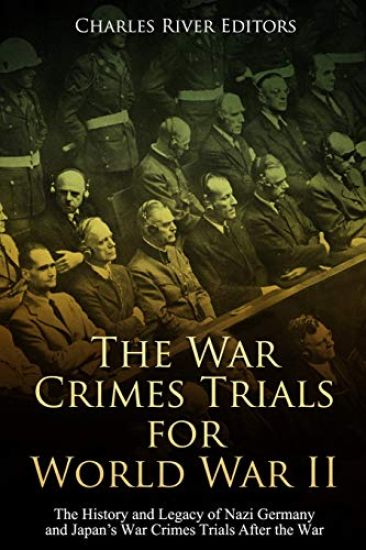
The War Crimes Trials for World War II: The History and Legacy of Nazi Germany and Japan's War Crimes Trials After the War
*Includes pictures *Includes accounts *Includes online resources and a bibliography for further reading At the end of World War II, the world was faced with some sobering statistics. With over 50,000,000 deaths when both military and civilian losses had been accounted for, the death toll was devastating, and for many of those who lived in countries that had been ravaged by war, hunger and financial strain had become parts of daily life. Furthermore, beyond the physical damage was the growing knowledge of the atrocities that had been committed both before and during the war. In fact, the Allies were discussing how to dole out justice for Axis war crimes as early as 1943, and once the war was over, it was time for the nations to turn their attention towards determining the proper punishments. The judgment of the German leadership and its role in the death, destruction, and demoralization they had brought to the world would take place at Nuremberg. The Nuremberg Trials were a series of 13 proceedings held under the authority of the International Military Tribunal between November 1945 and June 1948, but the trial most associated with Nuremberg is the first trial, in which eight judges appointed by Britain, the United States, the Soviet Union, and France deliberated over the guilt or innocence of 22 men identified as significant leaders of the Nazi cause. This trial took place between November 20, 1945 and August 31, 1946. Later trials included other Germans who held what were considered to be position of power- doctors, businessman, or lower-level functionaries whose positions of influence gave them, in the eyes of the Allies, increased responsibility for their actions. Though almost every person convicted in the 13 Nuremberg Trials was male, there was also a female physician convicted at the doctors' trial. In all, the Nuremberg trials numbered 489 separate hearings, and despite taking place nearly 70 years ago, the impact of the trials can still be felt today. As Harold Marcuse, author and associate professor of history at the University of California, notes, the trials were held for "the most heinous perpetrators of the most despicable crimes, as evidenced by the high proportion of guilty verdicts and the severity of the sentences....a total over all 13 trials] of 1,672 people were tried and 1,416 found guilty as charged." While some were tried in absentia and never brought to justice, the Nuremberg trials were largely viewed as bringing a sense of closure to the war, and they have been dramatized in numerous movies and documentaries ever since. Though they are now mostly forgotten, the International Military Tribunal for the Far East was the Pacific Theater's equivalent. Known as the Tokyo Trials, 11 countries contributed prosecutors as 28 Japanese faced trials for crimes against humanity. The trials were politically charged from the start, considering the end of World War II, the beginning of the Cold War, and the American occupation of Japan, and in many respects, the Tokyo Trials were part of a new era in American-Japanese relations. Of course, the Nuremberg Trials are better known than their Asian counterpart, and the war crimes trials have far different legacies, because while Germany internalized the lessons of the Nazi war crimes, an argument could be made that Japan did not, or at least not to the same extent. A long, grueling legal process, the trials took nearly two years to complete, and throughout the proceedings, much was revealed regarding Japan's conduct in the war. The War Crimes Trials for World War II: The History and Legacy of Nazi Germany and Japan's War Crimes Trials After the War chronicles the history of the trials from their conception to their completion. Along with pictures of important people, places, and events, you will learn about the trials like never before.
The Rise and Fall of Constantinople: The History of the Byzantine Capital's Establishment and Demise
*Includes pictures *Includes ancient accounts *Includes online resources and a bibliography for further reading It would be hard if not outright impossible to overstate the impact Roman Emperor Constantine I had on the history of Christianity, Ancient Rome, and Europe as a whole. Constantine remains an influential and controversial figure to this day. He achieved enduring fame by being the first Roman emperor to personally convert to Christianity, and for his notorious Edict of Milan, the imperial decree which legalized the worship of Christ and promoted religious freedom throughout the Empire. More than 1500 years after Constantine's death, Abdu'l-Bah , the head of the Bah ' Faith, wrote, "His blessed name shines out across the dawn of history like the morning star, and his rank and fame among the world's noblest and most highly civilized is still on the tongues of Christians of all denominations" However, it can be argued that despite his military successes - the most notable of which occurred fighting for supremacy against other Romans - Constantine may well have set the stage for the ultimate collapse of the Roman Empire as it had existed up until that point. It was Constantine who first decided that Rome, exposed and vulnerable near the gathering masses of barbarians moving into Germania and Gaul, was a strategically unsafe base for the Empire, and thus expanded the city of New Rome on the Dardanelles straits, creating what eventually became Constantinople. By moving the political, administrative and military capital of the Empire from Rome to the East, as well as the Imperial court with all its attendant followers, Constantine laid the groundwork for the eventual schism which saw the two parts of the Roman Empire become two entirely separate entities, go their own way, and eventually collapse piecemeal under repeated waves of invasion. In terms of geopolitics, perhaps the most seminal event of the Middle Ages was the successful Ottoman siege of Constantinople in 1453. The city had been an imperial capital as far back as the 4th century, when Constantine the Great shifted the power center of the Roman Empire there, effectively establishing two almost equally powerful halves of antiquity's greatest empire. Constantinople would continue to serve as the capital of the Byzantine Empire even after the Western half of the Roman Empire collapsed in the late 5th century. Naturally, the Ottoman Empire would also use Constantinople as the capital of its empire after their conquest effectively ended the Byzantine Empire, and thanks to its strategic location, it has been a trading center for years and remains one today under the Turkish name of Istanbul. The end of the Byzantine Empire had a profound effect not only on the Middle East but Europe as well. Constantinople had played a crucial part in the Crusades, and the fall of the Byzantines meant that the Ottomans now shared a border with Europe. The Islamic empire was viewed as a threat by the predominantly Christian continent to their west, and it took little time for different European nations to start clashing with the powerful Turks. In fact, the Ottomans would clash with Russians, Austrians, Venetians, Polish, and more before collapsing as a result of World War I, when they were part of the Central powers. The Ottoman conquest of Constantinople also played a decisive role in fostering the Renaissance in Western Europe. The Byzantine Empire's influence had helped ensure that it was the custodian of various ancient texts, most notably from the ancient Greeks, and when Constantinople fell, Byzantine refugees flocked west to seek refuge in Europe. Those refugees brought books that helped spark an interest in antiquity that fueled the Italian Renaissance and essentially put an end to the Middle Ages altogether.
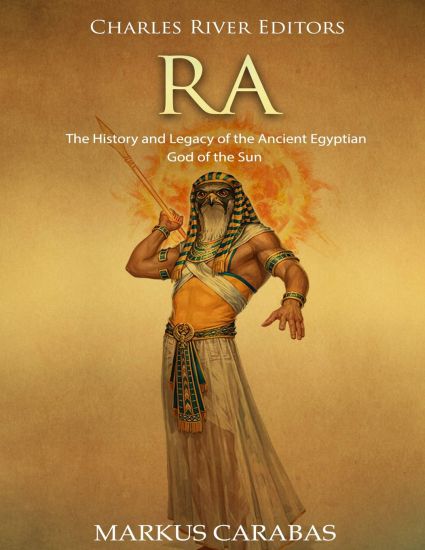
Ra: The History and Legacy of the Ancient Egyptian God of the Sun

Ra: The History and Legacy of the Ancient Egyptian God of the Sun

Markus Carabas; Charles River

Createspace Independent Publishing Platform
2018
nidottu
*Includes pictures *Includes ancient accounts *Includes online resources and a bibliography for further reading Africa may have given rise to the first human beings, and Egypt probably gave rise to the first great civilizations, which continue to fascinate modern societies across the globe nearly 5,000 years later. From the Library and Lighthouse of Alexandria to the Great Pyramid at Giza, the Ancient Egyptians produced several wonders of the world, revolutionized architecture and construction, created some of the world's first systems of mathematics and medicine, and established language and art that spread across the known world. With world-famous leaders like King Tut and Cleopatra, it's no wonder that today's world has so many Egyptologists. Although the Egyptians may not have passed their civilization directly on to later peoples, the key elements that comprised Egyptian civilization, including their religion, early ideas of state, and art and architecture, can be found among other civilizations. For instance, civilizations far separated in time and space, such as China and Mesoamerica, possessed key elements that were similar to those found in ancient Egypt. Indeed, since Egyptian civilization represented some fundamental human concepts, a study of their culture can be useful when trying to understand many other pre-modern cultures. To the ancient Egyptians, as was the case with any society made up of inquiring humans, the world was a confusing and often terrifying place of destruction, death and unexplained phenomena. In order to make sense of such an existence, they resorted to teleological stories. Giving a phenomenon a story made it less horrifying, and it also helped them make sense of the world around them. Unsurprisingly, then, the ancient Egyptian gods permeated every aspect of existence. Given the abundance of funerary artifacts that have been found within the sands of Egypt, it sometimes seems as though the Ancient Egyptians were more concerned with the matters of the afterlife than they were with matters of the life they experienced from day to day. This is underscored most prominently by the pyramids, which have captured the world's imagination for centuries. Ra's name was all but ubiquitous in ancient Egyptian texts, to the point that many people today have come across it in history classes. Amun-Ra, Atum-Ra, and Ra-Harakhti have been used in modern cinema and literature for decades, yet isolating "Ra" as a single character, for all its preeminence in the concept of Egyptian mythology, is frustratingly difficult. People familiar with Egyptian mythology know Ra as a sun god, which would seem to explain Ra's centrality in ancient Egyptian religion, but there is so much more to his being a solar entity than a simple manifestation of this awe-inspiring, daily phenomenon for early humans. Ra was a king and tyrant, a lover and friend. It is only through the understanding of this deity as such that people today can fully appreciate the richness of his character and the roles he played in ancient Egyptian religious thought. Ra: The History and Legacy of the Ancient Egyptian God of the Sun looks at the god that had such a decisive impact on the Egyptians' concepts of life. Along with pictures depicting important people, places, and events, you will learn about Ra like never before.
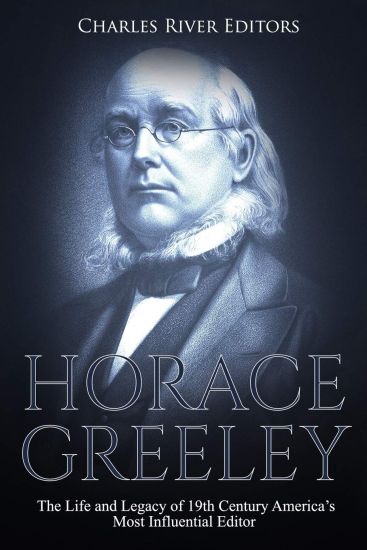
Horace Greeley: The Life and Legacy of 19th Century America's Most Influential Editor

Horace Greeley: The Life and Legacy of 19th Century America's Most Influential Editor

Charles River

Createspace Independent Publishing Platform
2018
nidottu
*Includes pictures *Includes contemporary accounts *Includes online resources and a bibliography for further reading "Journalism will kill you, but it will keep you alive while you're at it." - Horace Greeley "That poor white hat If, alas, it covered many weaknesses, it covered also much strength, much real kindness and benevolence, and much that the world will be better for." - Harriet Beecher Stowe's remark about Horace Greeley There is little one can say about Horace Greeley that has not already been said, much of it during his lifetime, for unlike many others, fame came to him early, and by the end of his life he was already one of the most famous men in the United States. Of course, no one who knew him as a young man would ever have thought that this would be the case, for he was born into less than ideal circumstances, and he went out to work early as a print setter. He experienced several business failures before finding success with the New York Tribune. On the other hand, he enjoyed quick but brief political successes, followed by frequent but unsuccessful runs for public office. In his 2017, essay, "Emerson's Newspaperman: Horace Greeley and Radical Intellectual Culture, 1836-1872," David O. Dowling observed that Greeley "brokered his career in large part on public controversy, much of which he openly courted. In the process, he became victim to savage lampoons, particularly by Thomas Nast...his views elicited a deluge of responses precisely because his outspoken editorials had run counter to the status quo. A newspaper editor, Greeley insisted, was 'not a mere jumping jack, who only needed to know what other people thought to ensure my instant and abject conformity to their prejudices.'" At the close of a biography of Greeley, historian Glyndon G. Van Deusen noted, "His genuine human sympathies, his moral fervor, even the exhibitionism that was a part of his makeup, made it inevitable that he should crusade for a better world. He did so with apostolic zeal... Greeley's effectiveness as a crusader was limited by some of his traits and characteristics. Culturally deficient, he was to the end ignorant of his own limitations, and this ignorance was a great handicap...symbolized an America that, though often shortsighted and misled, was never suffocated by the wealth pouring from its farms and furnaces ...he inspired others with hope and confidence, making them feel that their dreams also had the substance of realty. It is his faith, and theirs that has given him his place in American history. In that faith he still marches among us, scolding and benevolent, exhorting us to confidence and to victory in the great struggles of our own day..." Horace Greeley: The Life and Legacy of 19th Century America's Most Influential Editor examines the various roles Greeley played in American politics during his life, and how he shaped the debates. Along with pictures depicting important people, places, and events, you will learn about Horace Greeley like never before.