Kirjojen hintavertailu – 12 903 725 kirjaa ja 27 kauppaa
Kirjailija
Charles River
Kirjat ja teokset yhdessä paikassa: 4 673 kirjaa, julkaisuja vuosilta 2013–2022, suosituimpiin kuuluu William Powell and Myrna Loy: The Lives and Careers of One of Classical Hollywood's Most Iconic Duos. Vertaile teosten hintoja ja tarkista saatavuus suomalaisista kirjakaupoista.
*Includes pictures*Includes medieval accounts*Includes online resources and a bibliography for further readingOver the centuries, the West has become fascinated by the Vikings, one of the most mysterious and interesting European civilizations. In addition to being perceived as a remarkably unique culture among its European counterparts, what's known and not known about the Vikings' accomplishments has added an intriguing aura to the historical narrative. Were they fierce and fearsome warriors? Were they the first Europeans to visit North America? It seems some of the legends are true, and some are just that, legend. Like many civilizations of past millennia, the Vikings are remembered in popular culture more for the fantastical accounts of their history than for reality. The written records of the history of the Viking period, consisting mostly of Norse sagas, metaphoric poems called skalds and monastic chronicles, were written down well after the events they described and tended to be lurid accounts rife with hyperbole. Furthermore, the most scathing tales of Viking raids are contained in the histories of monastic communities which were targets of Norse rapacity. These chronicles speak of the heathen Viking depredations of monastic treasuries and the ferocious torture and killing of Christian monks. The colorful bloody tales were certainly based on more than grains of truth, but they were also purposefully augmented to inject drama into history. Similarly Norse sagas written down in the post-Viking Age fixed what had hitherto been flexible oral tradition. They were often slanted to legitimize a clan or leader's authority by emphasizing an ancestor's bravery and skill in pillaging opponent's communities. However, the Vikings' reputation for ferocious seaborne attacks along the coasts of Northern Europe is no exaggeration. It is true that the Norsemen, who traded extensively throughout Europe, often increased the profits obtained from their nautical ventures through plunder, acquiring precious metals and slaves. Of course, the Vikings were not the only ones participating in this kind of income generation - between the 8th and the 11th centuries, European tribes, clans, kingdoms and monastic communities were quite adept at fighting with each other for the purpose of obtaining booty. The Vikings were simply more consistently successful than their contemporaries and thus became suitable symbols for the iniquity of the times. The Norsemen were also medieval Europe's greatest explorers, moving across the North Atlantic to settle in Iceland, Greenland, and even North America. Their settlements in Greenland were perhaps the most impressive, given that the bleak and unforgiving land was mostly uninhabited when they first made it there. Greenland is huge, measuring almost 840,000 square miles (1.35 million square kilometers). The interior is uninhabitable glacier and mountain, but the periphery is cut by countless fjords that shelter the inhabitants from some of the worst of the winds. The fjords in the western part of the island, especially the southwestern part, are made more temperate by relatively warm sea currents and can support grass and a diverse amount of wildlife. Even so, winters are harsh even in the southern latitudes, and ice clogs the northern reaches for much of the year. Remote, and subject to long winters during which pack ice would cut it off from the rest of the world, Greenland seemed an unlikely place to found a colony. In fact, Greenland was only circumnavigated in the early 20th century, and many of its further reaches were unmapped until the modern day. Nonetheless, the Norse managed to live there for about 450 years among some of their most remote outposts, and Greenland would maintain strong ties to the rest of Europe.
*Includes pictures*Includes medieval accounts*Includes online resources and a bibliography for further readingOver the centuries, the West has become fascinated by the Vikings, one of the most mysterious and interesting European civilizations. In addition to being perceived as a remarkably unique culture among its European counterparts, what's known and not known about the Vikings' accomplishments has added an intriguing aura to the historical narrative. Were they fierce and fearsome warriors? Were they the first Europeans to visit North America? It seems some of the legends are true, and some are just that, legend. Like many civilizations of past millennia, the Vikings are remembered in popular culture more for the fantastical accounts of their history than for reality. The written records of the history of the Viking period, consisting mostly of Norse sagas, metaphoric poems called skalds and monastic chronicles, were written down well after the events they described and tended to be lurid accounts rife with hyperbole. Furthermore, the most scathing tales of Viking raids are contained in the histories of monastic communities which were targets of Norse rapacity. These chronicles speak of the heathen Viking depredations of monastic treasuries and the ferocious torture and killing of Christian monks. The colorful bloody tales were certainly based on more than grains of truth, but they were also purposefully augmented to inject drama into history. Similarly Norse sagas written down in the post-Viking Age fixed what had hitherto been flexible oral tradition. They were often slanted to legitimize a clan or leader's authority by emphasizing an ancestor's bravery and skill in pillaging opponent's communities. However, the Vikings' reputation for ferocious seaborne attacks along the coasts of Northern Europe is no exaggeration. It is true that the Norsemen, who traded extensively throughout Europe, often increased the profits obtained from their nautical ventures through plunder, acquiring precious metals and slaves. Of course, the Vikings were not the only ones participating in this kind of income generation - between the 8th and the 11th centuries, European tribes, clans, kingdoms and monastic communities were quite adept at fighting with each other for the purpose of obtaining booty. The Vikings were simply more consistently successful than their contemporaries and thus became suitable symbols for the iniquity of the times. The Norsemen were also medieval Europe's greatest explorers, moving across the North Atlantic to settle in Iceland, Greenland, and even North America. Their settlements in Greenland were perhaps the most impressive, given that the bleak and unforgiving land was mostly uninhabited when they first made it there. Greenland is huge, measuring almost 840,000 square miles (1.35 million square kilometers). The interior is uninhabitable glacier and mountain, but the periphery is cut by countless fjords that shelter the inhabitants from some of the worst of the winds. The fjords in the western part of the island, especially the southwestern part, are made more temperate by relatively warm sea currents and can support grass and a diverse amount of wildlife. Even so, winters are harsh even in the southern latitudes, and ice clogs the northern reaches for much of the year. Remote, and subject to long winters during which pack ice would cut it off from the rest of the world, Greenland seemed an unlikely place to found a colony. In fact, Greenland was only circumnavigated in the early 20th century, and many of its further reaches were unmapped until the modern day. Nonetheless, the Norse managed to live there for about 450 years among some of their most remote outposts, and Greenland would maintain strong ties to the rest of Europe.
" A] Stasi costumava usar um m todo que era realmente diab lico. Foi chamado Zersetzung, e descrito em outra diretriz. A palavra dif cil de traduzir porque significa originalmente "biodegrada o". Mas, na verdade, uma descri o bastante precisa. O objetivo era destruir secretamente a autoconfian a das pessoas, por exemplo, prejudicando sua reputa o, organizando falhas em seu trabalho e destruindo suas rela es pessoais. Considerando isso, a Alemanha Oriental era uma ditadura muito moderna. A Stasi n o tentou prender todos os dissidentes. Ele preferiu paralis -los, e isso p de acontecer porque tinha acesso a tantas informa es pessoais e a tantas institui es. " - Hubertus Knabe, historiador alem o A hist ria da Alemanha Oriental estava intimamente entrela ada com o desenvolvimento de seus servi os de seguran a, especificamente a Stasi. Em uma era de pa ses totalit rios dominados por ag ncias estatais repressivas, a Stasi destacou-se por seu tamanho e pela amplitude e profundidade de sua vigil ncia. Filmes como "Das Leben der Anderen" ("As Vidas dos Outros") encapsularam as atitudes e concep es p s-unificadoras da vida na Alemanha Oriental e das atividades da Stasi. Apesar de sua notoriedade, o legado da Stasi contestada na Alemanha moderna. Antigos alem es ocidentais e os ocidentais mais geralmente, estreitamente alinham o estado da Alemanha Oriental e a Stasi, emoldurando um "estado de Stasi". Aqueles na antiga Alemanha Oriental, no entanto, se ressentem as atitudes condescendentes e fus o das duas institui es, preferindo concentrar os elementos sociais do estado alem o oriental. Uwe Spiekermann, do Instituto Hist rico alem o, apresenta sucintamente as impress es de muitos quando se considera a Alemanha Oriental e sua cultura de vigil ncia: "Em retrospecto, a Stasi tornou-se um s mbolo para a RDA Alemanha Oriental]." O servi o de seguran a de estado alem o oriental, ou Staatssicherheitsdienst em alem o (abreviado para Stasi) formou-se em 1950. Ele pretendia ser do estado "capa e espada" e monitorados de perto grande parte da popula o para os pr ximos 40 anos. Algumas das figuras s o surpreendentes. No final dos anos 80, os arquivos da Stasi eram mantidos em seis milh es dos 18 milh es de habitantes. Quando os arquivos da Stasi foram abertos na d cada de 1990, foram descobertos arquivos que se estendiam por 178 quil metros. Ao longo da exist ncia da Alemanha Oriental, at dois milh es de pessoas atuaram como espi es, e 90.000 pessoas trabalharam no Minist rio, sem mencionar os in meros informantes "n o oficiais". A Alemanha Oriental tamb m tinha um bra o de intelig ncia estrangeira muito temido de seus servi os de intelig ncia, o HV A (alem o: Hauptverwaltung A ou departamento central), que se mostrou especialista em se infiltrar na sociedade da Alemanha Ocidental e realizar opera es em v rios outros pa ses. Mas por que a Stasi se formou e como se mostrou t o eficaz? Responder a essas quest es exige compreender as circunst ncias nicas em que a Alemanha Oriental foi formada, bem como a pol tica na Alemanha no final da Segunda Guerra Mundial e o in cio da Guerra Fria. A Stasi: A Hist ria e o Legado da Ag ncia de Pol cia Secreta da Alemanha Oriental examina a hist ria de uma das ag ncias mais not rias na hist ria. Juntamente com fotos de pessoas importantes, lugares e eventos, voc aprender sobre a Stasi como nunca antes.
A KGB uma das abreviaturas mais famosas do s culo 20 e tornou-se sin nimo das a es sombrias e muitas vezes violentas das ag ncias de seguran a interna e da pol cia secreta da Uni o Sovi tica. De fato, freq entemente usado para se referir s ag ncias de seguran a do Estado sovi tico ao longo de sua hist ria, desde o in cio da cria o da Cheka (Comiss o Extraordin ria) em 1917 at a elimina o oficial da KGB em 1992. Se est associada a Guerra Civil Russa excessos de Stalin remo es e mesmo Vladimir Putin, a KGB tem sido vista como maior pap o do Ocidente durante a segunda metade do s culo 20. " A] Stasi costumava usar um m todo que era realmente diab lico. Foi chamado Zersetzung, e descrito em outra diretriz. A palavra dif cil de traduzir porque significa originalmente "biodegrada o". Mas, na verdade, uma descri o bastante precisa. O objetivo era destruir secretamente a autoconfian a das pessoas, por exemplo, prejudicando sua reputa o, organizando falhas em seu trabalho e destruindo suas rela es pessoais. Considerando isso, a Alemanha Oriental era uma ditadura muito moderna. A Stasi n o tentou prender todos os dissidentes. Ele preferiu paralis -los, e isso p de acontecer porque tinha acesso a tantas informa es pessoais e a tantas institui es. " - Hubertus Knabe, historiador alem o A hist ria da Alemanha Oriental estava intimamente entrela ada com o desenvolvimento de seus servi os de seguran a, especificamente a Stasi. Em uma era de pa ses totalit rios dominados por ag ncias estatais repressivas, a Stasi destacou-se por seu tamanho e pela amplitude e profundidade de sua vigil ncia. Filmes como "Das Leben der Anderen" ("As Vidas dos Outros") encapsularam as atitudes e concep es p s-unificadoras da vida na Alemanha Oriental e das atividades da Stasi. Apesar de sua notoriedade, o legado da Stasi contestada na Alemanha moderna. Antigos alem es ocidentais e os ocidentais mais geralmente, estreitamente alinham o estado da Alemanha Oriental e a Stasi, emoldurando um "estado de Stasi". Aqueles na antiga Alemanha Oriental, no entanto, se ressentem as atitudes condescendentes e fus o das duas institui es, preferindo concentrar os elementos sociais do estado alem o oriental. Uwe Spiekermann, do Instituto Hist rico alem o, apresenta sucintamente as impress es de muitos quando se considera a Alemanha Oriental e sua cultura de vigil ncia: "Em retrospecto, a Stasi tornou-se um s mbolo para a RDA Alemanha Oriental]." O servi o de seguran a de estado alem o oriental, ou Staatssicherheitsdienst em alem o (abreviado para Stasi) formou-se em 1950. Ele pretendia ser do estado "capa e espada" e monitorados de perto grande parte da popula o para os pr ximos 40 anos. Algumas das figuras s o surpreendentes. No final dos anos 80, os arquivos da Stasi eram mantidos em seis milh es dos 18 milh es de habitantes. Quando os arquivos da Stasi foram abertos na d cada de 1990, foram descobertos arquivos que se estendiam por 178 quil metros. Ao longo da exist ncia da Alemanha Oriental, at dois milh es de pessoas atuaram como espi es, e 90.000 pessoas trabalharam no Minist rio, sem mencionar os in meros informantes "n o oficiais". A Alemanha Oriental tamb m tinha um bra o de intelig ncia estrangeira muito temido de seus servi os de intelig ncia, o HV A (alem o: Hauptverwaltung A ou departamento central), que se mostrou especialista em se infiltrar na sociedade da Alemanha Ocidental e realizar opera es em v rios outros pa ses. Mas por que a Stasi se formou e como se mostrou t o eficaz? Responder a essas quest es exige compreender as circunst ncias nicas em que a Alemanha Oriental foi formada, bem como a pol tica na Alemanha no final da Segunda Guerra Mundial e o in cio da Guerra Fria.
"Devemos, no entanto, reconhecer, como parece-me, que o homem com todas as suas qualidades nobres... ainda carrega em sua estrutura corporal a marca indel vel de sua origem humilde." - Charles Darwin Desde que a mente humana desenvolveu a capacidade de pensar, as pessoas t m ponderado n o apenas o sentido da vida, mas a g nese do mundo, do universo e de todas as maravilhas naturais e formas preciosas de vida dentro dele. At hoje, todos esses assuntos intricados continuam a ser quest es de grande disputa, e s o frequentemente melhor encapsulados no debate entre criacionismo e evolu o. De um lado est o aqueles que est o convencidos de que foi Deus, ou algum outro ser supremo, que projetou e elaborou todos os detalhes do universo, como evidenciado pela pletora de mitos da cria o de v rios credos e tradi es. Entre um dos contos etiol gicos mais conhecidos est a cl ssica hist ria do Deus crist o que construiu: o mundo em 6 dias, o homem a partir do barro, e a mulher a partir da costela do homem. Este um conceito a que muitos ainda se apegam; aproximadamente 38% dos americanos acreditavam no criacionismo em 2017, conforme relatado por uma pesquisa Gallup. Depois, h as narrativas mais obscuras, como o mito da cria o japonesa, que conta como o deus e a deusa, Izanagi e Izanami, nasceram de "elementos misturados a um germe da vida," moldaram as ilhas japonesas com um pouco de lama e ajuda de uma equipe sagrada. Os maias pregaram sobre Tepeu, o criador de todas as coisas, e Gucumatz, o "esp rito emplumado," que produziu o mundo com nada al m de seus pensamentos, e colocou na Terra o primeiro quarteto de humanos feito a partir do milho branco e amarelo. Do outro lado est o aqueles que acreditam (ou como eles diriam, "aceitam") a evolu o e os processos cient ficos como fatos. Por mais cativantes que sejam tais mitos da cria o, cr ticos insistentes do criacionismo, que fazem campanha por sua descren a, dizem que n o h qualquer l gica por tr s desses contos desgastados pelo tempo. O renomado f sico te rico Stephen Hawking, sem d vida uma das pessoas mais brilhantes que j existiu, declarou: "Antes de entendermos a ci ncia, natural acreditar que Deus criou o universo. Mas agora a ci ncia oferece uma explica o mais convincente". Seus sentimentos s o ecoados pelo famoso ateu e bi logo evolucionista Richard Dawkins em O Gene Ego sta: "Hoje a teoria da evolu o t o aberta d vida quanto a teoria de que a terra gira em torno do sol ..." O incitador desta disputa existencial apaixonada, claro, n o outro sen o Charles Darwin, que inventou o termo "criacionistas" e impulsionou a controversa teoria da evolu o proemin ncia. Dado que ele ia contra a mar com seu trabalho cient fico, ele foi claramente um dos homens mais polarizadores de sua idade, e n o hesitaria em questionar um dos princ pios centrais da civiliza o ocidental: "Eu n o posso me convencer de que um Deus beneficente e onipotente teria projetado criativamente vespas parasitas com a inten o expressa de sua alimenta o dentro dos corpos vivos de lagartas." Embora a maioria hoje respeite e elogie o homem, Darwin ainda ressentido por alguns que alegam que ele envenenou in meras mentes com ideias virulentas e rid culas que minam o que eles acreditam ser a palavra infal vel do Senhor. Tendo isto em mente, enquanto foi de fato Darwin quem alimentou o fogo, ele n o o ateu radical e depreciativo que se preocupa em refutar Deus que a maioria presume que seja. O que est dentro desse homem fascinante um indiv duo complicado, neur tico e um pouco torturado, o que apenas torna esse pioneiro ainda mais atraente.
*Includes pictures *Includes contemporary accounts *Includes online resources and a bibliography for further reading During the 15th century, China had become economically and technologically advanced compared to civilizations in Europe at the time, and its fleet, which had reached a total of 3,500 ships, was unmatched by any other world power. Nevertheless, after conducting several trade expeditions with the massive fleet, the Chinese ships were either burned in the docks or left to rot. With that, China began to revert to the xenophobic policies of its past and reduce its presence in other lands. By 1525, the largest naval fleet in the world had essentially been destroyed or dismantled by China itself. While China was in the process of isolating itself from the rest of the world, the European explorers were beginning to discover new lands, such as North America and South America. Among the countries doing the most exploring during this time were the Portuguese. The Portuguese had reached India in 1498, and by 1509 they had established part of their empire in India. This allowed the Portuguese to have a base of operations to further expand east into Asia. In 1511, the Portuguese captured the large spice trading center of Malacca in Malaysia, and like their base in India, Malacca allowed the Portuguese to have a foothold, thereby providing access to China and Southeast Asia (Brinkley 1904). The Portuguese explorer Jorge lvares visited the Chinese coast in 1513 and was the first European to do so via the sea. Shortly after, more Portuguese visited around the Tunmen Inlet, which is believed to have been somewhere around the Pearl River Delta, and an establishment was set up there in 1514. At this time the Chinese knew nothing of the Portuguese other than their violent takeover of Malacca, a tributary to the Chinese Empire, so the Portuguese were treated with caution. The location of Macau was beneficial and strategically chosen by the Portuguese, as it was in close communication with Guangzhou and connected via a river system. In contrast to their earlier dealings with the Chinese, the Portuguese attempted to appear more humble and comply with the wishes of the Chinese rather than with force. As it turned out, the policy, in conjunction with increased European activities in the region, would help the Portuguese Empire hold on to Macau even as its fortunes dwindled everywhere else across the world. Meanwhile, the 19th century saw the rise of one of the largest, most powerful empires of the modern era. The sun never set on the British Empire, whose holdings spanned the globe, in one form or another. Its naval supremacy linked the Commonwealth of Canada with the colonies in South Africa and India, and through them trade flowed east and west. An integral but underutilized part of this vast trade network included China, a reclusive Asian kingdom closed off from the Western world that desired none of its goods. Unfortunately for China, the British had the might of an empire and economic force, not to mention modern arms, on their side. Breaking into China's lucrative trade markets nearly destroyed the nation, severely discredited the Chinese dynasty, wreaked havoc on its people, and further propelled Britain's empire into a dominant economic and military position. The collision of these two empires took many years and caused much bloodshed. In fact, the troubles started well before the eventual hostilities, festering as frustration mounted until finally boiling over. Such was the state of relations between the British Empire and Qing Dynasty for the better part of the century, its footing upended from the very start of relations.
*Includes pictures *Includes contemporary accounts *Includes online resources and a bibliography for further reading During the 15th century, China had become economically and technologically advanced compared to civilizations in Europe at the time, and its fleet, which had reached a total of 3,500 ships, was unmatched by any other world power. Nevertheless, after conducting several trade expeditions with the massive fleet, the Chinese ships were either burned in the docks or left to rot. With that, China began to revert to the xenophobic policies of its past and reduce its presence in other lands. By 1525, the largest naval fleet in the world had essentially been destroyed or dismantled by China itself. While China was in the process of isolating itself from the rest of the world, the European explorers were beginning to discover new lands, such as North America and South America. Among the countries doing the most exploring during this time were the Portuguese. The Portuguese had reached India in 1498, and by 1509 they had established part of their empire in India. This allowed the Portuguese to have a base of operations to further expand east into Asia. In 1511, the Portuguese captured the large spice trading center of Malacca in Malaysia, and like their base in India, Malacca allowed the Portuguese to have a foothold, thereby providing access to China and Southeast Asia (Brinkley 1904). The Portuguese explorer Jorge lvares visited the Chinese coast in 1513 and was the first European to do so via the sea. Shortly after, more Portuguese visited around the Tunmen Inlet, which is believed to have been somewhere around the Pearl River Delta, and an establishment was set up there in 1514. At this time the Chinese knew nothing of the Portuguese other than their violent takeover of Malacca, a tributary to the Chinese Empire, so the Portuguese were treated with caution. The location of Macau was beneficial and strategically chosen by the Portuguese, as it was in close communication with Guangzhou and connected via a river system. In contrast to their earlier dealings with the Chinese, the Portuguese attempted to appear more humble and comply with the wishes of the Chinese rather than with force. As it turned out, the policy, in conjunction with increased European activities in the region, would help the Portuguese Empire hold on to Macau even as its fortunes dwindled everywhere else across the world. Meanwhile, the 19th century saw the rise of one of the largest, most powerful empires of the modern era. The sun never set on the British Empire, whose holdings spanned the globe, in one form or another. Its naval supremacy linked the Commonwealth of Canada with the colonies in South Africa and India, and through them trade flowed east and west. An integral but underutilized part of this vast trade network included China, a reclusive Asian kingdom closed off from the Western world that desired none of its goods. Unfortunately for China, the British had the might of an empire and economic force, not to mention modern arms, on their side. Breaking into China's lucrative trade markets nearly destroyed the nation, severely discredited the Chinese dynasty, wreaked havoc on its people, and further propelled Britain's empire into a dominant economic and military position. The collision of these two empires took many years and caused much bloodshed. In fact, the troubles started well before the eventual hostilities, festering as frustration mounted until finally boiling over. Such was the state of relations between the British Empire and Qing Dynasty for the better part of the century, its footing upended from the very start of relations.
*Includes pictures*Includes online resources and a bibliography for further reading "I would give the greatest sunset in the world for one sight of New York's skyline. The shapes and the thought that made them. The sky over New York and the will of man made visible... Let them come to New York, stand on the shore of the Hudson, look and kneel. When I see the city from my window - no, I don't feel how small I am - but I feel that if a war came to threaten this, I would like to throw myself into space, over the city, and protect these buildings with my body." - Ayn Rand, The FountainheadOf all the great cities in the world, few personify their country like New York City. As America's largest city and best known immigration gateway into the country, NYC represents the beauty, diversity and sheer strength of the United States, a global financial center that has enticed people chasing the "American Dream" for centuries. America's prototypical metropolis was once a serene landscape in which Native American tribes farmed and fished, but when European settlers arrived its location on the Eastern seaboard sparked a rapid transformation. Given its history of rapid change, it is ironic that the city's inhabitants often complain about the city's changing and yearn for things to stay the same. The website EV Grieve, whose name plays on the idea that the East Village "grieves" for the history and character the neighborhood loses every day to market forces and gentrification, regularly features a photo of some site, usually of little interest: an abandoned store, a small bodega, a vacant lot. The caption says, simply, that this is what the site looked like on a given day. The editors of the website are determined to document everything and anything for future generations. That is hardly a modern phenomenon. New Yorkers have always grieved over the city's continuous upheavals and ever-increasing size and complexity. By the 1820s, Wall Street had lost whatever charm it might have had; former residents complained that two-story houses had given way to intimidating five-story office buildings. The New York Commercial Advertiser noted in 1825 that "Greenwich is no longer a country village," but rather an up-and-coming neighborhood. Today, it's hard to find a history of New York City that doesn't refer to Henry James's famous 1908 story The Jolly Corner, in which a man returns to New York after decades abroad only to be horrified by an unfamiliar hellscape of commercial growth. He finds his once-jolly childhood home nearly buried "among the dreadful multiplied numberings which seemed to him to reduce the whole place to some vast ledger-page, overgrown, fantastic, of ruled and criss-crossed lines and figures." The once-beloved city has transformed itself into "the mere gross generalisation of wealth and force and success." That childhood home-an 1830s townhouse-in fact belonged to the James family on Washington Square in Greenwich Village. It was destroyed to make way for New York University, which is today embroiled in yet another real estate saga as it plans to expand once again. Broadway is more than just jazz hands, glittering costumes, tap numbers, and catchy show tunes that loop in one's mind for hours on end with the mildest provocation. Every year, thousands upon thousands of Broadway hopefuls climb on top of one another to hoist themselves onto the grand stage. Countless hours of training, coupled with blood, sweat, and tears, are poured into the craft, all for a chance to see their names emblazoned across the playbills and marquees - not to mention, perform for potential millions. Behind the dazzling lights and razzle and dazzle of Manhattan's legendary theater district is an equally colorful and riveting history. While hers is a story seasoned with innovative triumphs and remarkable firsts, it is also one plagued with scandal and controversy.
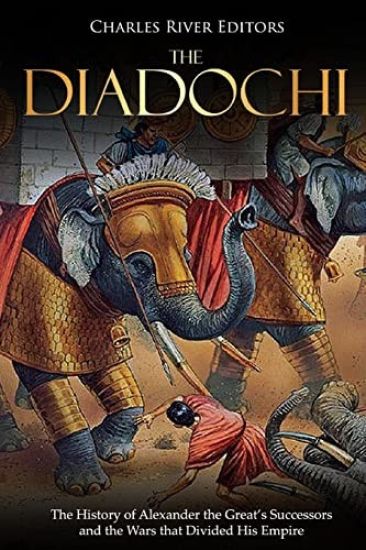
*Includes pictures *Includes ancient accounts *Includes online resources and a bibliography for further reading In 323 BCE, Alexander the Great was on top of the world. Never a man to sit on his hands or rest upon his laurels, Alexander began planning his future campaigns, which may have included attempts to subdue the Arabian Peninsula or make another incursion into India. But fate had other plans for the young Macedonian king. One night, while feasting with his admiral Nearchus, he drank too much and took to bed with a fever. At first, it seemed like the fever was merely a consequence of his excess, and there was not much concern for his health, but when a week had elapsed and there was still no sign of his getting better, his friends and generals began to grow concerned. The fever grew, consuming him to the point that he could barely speak. After two weeks, on June 11, 323 B. C., Alexander the Great, King of Macedon, Hegemon of the League of Corinth, King of Kings, died. On his deathbed, some historians claim that when he was pressed to name a successor, Alexander muttered that his empire should go "to the strongest". Other sources claim that he passed his signet ring to his general Perdiccas, thereby naming him successor, but whatever his choices were or may have been, they were ignored. Alexander's generals, all of them with the loyalty of their own corps at their backs, would tear each other apart in a vicious internal struggle that lasted almost half a century before four factions emerged victorious: Macedonia, the Seleucid Empire in the east, the Kingdom of Pergamon in Asia Minor, and the Ptolemaic dynasty in Egypt. During the course of these wars, Alexander's only heir, the posthumously born Alexander IV, was murdered, extinguishing his bloodline for ever. Although it was an incredibly important period in world history, it is sometimes as confusing as it is frustrating for historians because the allegiances of the generals changed constantly and historical sources are often biased in some regards and utterly lacking in others. Although none of these men were able to replicate Alexander the Great's territorial success, a few carved out sizable empires and were able to establish long-lasting political dynasties. Ptolemy I brought Egypt back to a central position of power in the region, and Seleucus I built a strong empire on the ruins of ancient Babylonia, but other generals, such as Perdiccas, were killed early on in the fighting and slipped into relative obscurity. Some of the Macedonian generals had a significant impact on the region during their lifetimes, but they left no heirs to carry on their political memories. The general Lysimachus won control of Thrace and established a fairly important kingdom in that land, but when he died his successors all turned on and killed each other, effectively ending any potential dynasty. Similarly, Cassander was a Macedonian general who was involved in the Diadochi Wars, and for a time it looked like he was going to be the biggest winner among the Macedonians. Cassander became the king of Macedon, had direct influence over most of southern Greece, and was courted by the other kings and generals in their conflicts against each other. The Diadochi: The History of Alexander the Great's Successors and the Wars that Divided His Empire chronicles how Alexander's legendary conquests shaped the next several centuries, and how the successor generals carved out various empires. Along with pictures depicting important people, places, and events, you will learn about the Diadochi like never before.
*Includes pictures *Includes ancient accounts *Includes online resources and a bibliography for further reading In 323 BCE, Alexander the Great was on top of the world. Never a man to sit on his hands or rest upon his laurels, Alexander began planning his future campaigns, which may have included attempts to subdue the Arabian Peninsula or make another incursion into India. But fate had other plans for the young Macedonian king. One night, while feasting with his admiral Nearchus, he drank too much and took to bed with a fever. At first, it seemed like the fever was merely a consequence of his excess, and there was not much concern for his health, but when a week had elapsed and there was still no sign of his getting better, his friends and generals began to grow concerned. The fever grew, consuming him to the point that he could barely speak. After two weeks, on June 11, 323 B. C., Alexander the Great, King of Macedon, Hegemon of the League of Corinth, King of Kings, died. On his deathbed, some historians claim that when he was pressed to name a successor, Alexander muttered that his empire should go "to the strongest". Other sources claim that he passed his signet ring to his general Perdiccas, thereby naming him successor, but whatever his choices were or may have been, they were ignored. Alexander's generals, all of them with the loyalty of their own corps at their backs, would tear each other apart in a vicious internal struggle that lasted almost half a century before four factions emerged victorious: Macedonia, the Seleucid Empire in the east, the Kingdom of Pergamon in Asia Minor, and the Ptolemaic dynasty in Egypt. During the course of these wars, Alexander's only heir, the posthumously born Alexander IV, was murdered, extinguishing his bloodline for ever. Although it was an incredibly important period in world history, it is sometimes as confusing as it is frustrating for historians because the allegiances of the generals changed constantly and historical sources are often biased in some regards and utterly lacking in others. Although none of these men were able to replicate Alexander the Great's territorial success, a few carved out sizable empires and were able to establish long-lasting political dynasties. Ptolemy I brought Egypt back to a central position of power in the region, and Seleucus I built a strong empire on the ruins of ancient Babylonia, but other generals, such as Perdiccas, were killed early on in the fighting and slipped into relative obscurity. Some of the Macedonian generals had a significant impact on the region during their lifetimes, but they left no heirs to carry on their political memories. The general Lysimachus won control of Thrace and established a fairly important kingdom in that land, but when he died his successors all turned on and killed each other, effectively ending any potential dynasty. Similarly, Cassander was a Macedonian general who was involved in the Diadochi Wars, and for a time it looked like he was going to be the biggest winner among the Macedonians. Cassander became the king of Macedon, had direct influence over most of southern Greece, and was courted by the other kings and generals in their conflicts against each other. The Diadochi: The History of Alexander the Great's Successors and the Wars that Divided His Empire chronicles how Alexander's legendary conquests shaped the next several centuries, and how the successor generals carved out various empires. Along with pictures depicting important people, places, and events, you will learn about the Diadochi like never before.
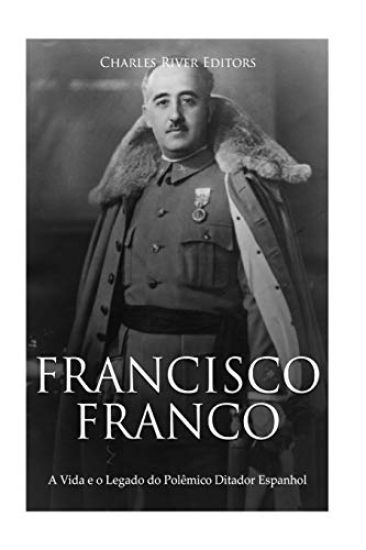
"N s n o acreditamos no governo regido por votos. A vontade nacional espanhola nunca foi livremente expressa pelas urnas. A Espanha n o possui sonhos med ocres. " - Francisco Franco A Guerra Civil Espanhola exercera um impacto profundo sobre a imagina o hist rica. O conflito, sem a menor d vida, fora um momento crucial no s culo 20, um precursor da Segunda Guerra Mundial e um modelo de ascens o de movimentos extremistas na d cada de 1930, al m de ter sido uma narrativa complexa per se, mesmo tendo sido um verdadeiro ensaio para o cen rio da guerra internacional. A guerra marcara um dos momentos cruciais, juntamente com o Crash de Wall Street em 1929, situada entre duas guerras apocal pticas do in cio do s culo 20, sendo que desde o ocorrido entre 1936 e 1939, a Espanha se provara um campo de testes t ticos, b licos e ideol gicos, precedente a Segunda Guerra mundial. Para as pot ncias aliadas, Gr -Bretanha e Fran a, a Espanha tornara-se um ponto inst vel de "harmoniza o", ainda que o conflito tenha tido carater sticas distintamente espanholas. As imposi es que levaram guerra foram espec ficas para a na o, tendo em vista seus desafios sociais e sua longa e intricada hist ria, sendo um conflito entre dois lados e seus elementos d spares como o clero, socialistas, latifundi rios e at mesmo anarquistas. Estima-se que foram mortas na guerra entre 500 mil a 2 milh es de pessoas. Ao contr rio do que fora visto na Segunda Guerra Mundial, o conflito espanhol atraira diversos artistas e escritores, muitos dos quais ponderaram ante os eventos e at mesmo se prontificaram a lutar. A pintura Guernica de Pablo Picasso, os relat rios da jornalista Martha Gellhorn, a fotografia ic nica de Robert Capa, a Homenagem a Catalunha de George Orwell e Por Quem os Sinos Dobram de Ernest Hemingway s o apenas alguns exemplos da arte e literatura que documentaram a guerra, sendo que ainda hoje, 80 anos depois, o conflito e suas causas ainda inspiram m sicos e escritores. Fundamentalmente, as for as nacionalistas, lideradas pelo General Francisco Franco, sa ram vitoriosas e, ap s sua conquista em 1939, Franco governara a Espanha durante longos 36 anos com m o de ferro. Posto isto, natural que a c lere e dubit vel ascens o de Franco ao poder espanhol tenha definido o pa s por diversas gera es. Mesmo tendo sido influenciado pelas amplas tend ncias e for as do s culo XX, Franco deixaria sua pr pria marca permanentemente na Espanha e, no processo, se tornaria uma das figuras mais ridicularizadas da hist ria contempor nea. Nascido na ltima d cada do s culo XIX, Franco era, no entanto, sin nimo de uma s rie de tend ncias do s culo XX. Sua vida estava principalmente entrela ada com as ideologias extremistas da poca, em particular o fascismo e o comunismo, seguidas subsequentemente pela Guerra Fria entre o Ocidente e o bloco comunista. Em ess ncia, no entanto, Franco era um militar. Quando adolescente, se alistara no ex rcito, tendo feito seu nome como oficial nas guerras da Espanha na frica. Quando o pa s abdicara de sua monarquia e declarara a Rep blica em 1931, Franco - embora relativamente contido politicamente durante o per odo - defendera a ordem e mantivera o papel do ex rcito na sociedade espanhola. No entanto, em julho de 1936, quando um grupo de oficiais incitara a rebeli o, Franco prontamente se juntara revolta e rapidamente galgara ao topo da cadeia de comando nacionalista. Ap s sua conquista durante a Guerra Civil Espanhola, Franco passou a se apropriar de ideias pol ticas e ideologias como lhe convinha, embora parecendo manter o conservadorismo, o militarismo, o catolicismo e o monarquismo. Franco conduzira habilmente a Espanha durante os per odos da Segunda Guerra Mundial e a da Guerra Fria sem realmente comprometer o pa s com quaisquer compromissos espec ficos que fossem e, mesmo assim, conseguira obter suporte e apoio de al
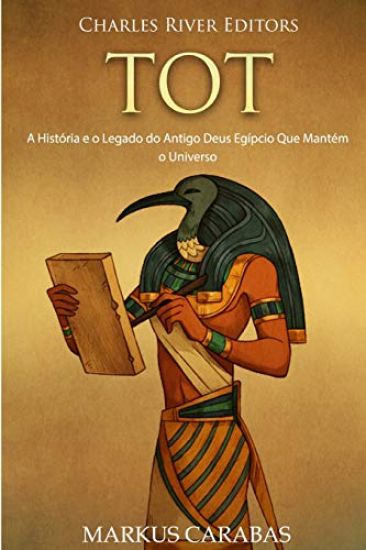
A frica pode ter dado origem os primeiros humanos, enquanto o Egito, provavelmente, deu origem s primeiras grandes civiliza es, que continuam a fascinar sociedades modernas por todo o mundo, mesmo depois de quase cinco mil anos. Da Biblioteca e do Farol de Alexandria Grande Pir mide de Giz , os antigos eg pcios criaram diversas maravilhas do mundo, revolucionaram a arquitetura e a constru o, criaram alguns dos primeiros sistemas de matem tica e medicina do mundo e estabeleceram idiomas e arte que se espalharam por todo o mundo conhecido. Com l deres mundialmente famosos como Rei Tut e Cle patra, n o de se admirar que hoje existem tantos egipt logos. Talvez o aspecto mais intrigante da antiga civiliza o eg pcia seja sua concep o a partir do zero, uma vez que os antigos eg pcios n o tiveram acesso nenhuma civiliza o pr via que pudessem utilizar como refer ncia. Na verdade, o Antigo Egito tornou-se um modelo para as civiliza es seguintes. Os gregos e os romanos ficaram t o impressionados com a cultura eg pcia que, muitas vezes, atribu am de maneira err nea muitas caracter sticas da pr pria cultura aos eg pcios. Com isto dito, alguns elementos da antiga cultura eg pcia foram, de fato, transferidos para civiliza es posteriores. A estatu ria eg pcia parece ter, inicialmente, influenciado a vers o grega, e a l ngua eg pcia antiga sobreviveu como l ngua copta por muito tempo ap s o per odo fara nico. Para os antigos eg pcios, como em qualquer sociedade composta por humanos curiosos, o mundo era um lugar confuso e muitas vezes assustador, repleto de destrui o, morte e fen menos inexplic veis. A fim de encontrar o sentido de tal exist ncia, eles recorreram s hist rias teleol gicas. Criar uma explica o para um fen meno, deixava-o menos horripilante e ajudava a dar sentido ao mundo que os rodeava. N o surpreende, portanto, que antigos deuses eg pcios tenham se infiltrado em todas as particularidades da exist ncia. Os babu nos possu am uma posi o de prest gio na religi o eg pcia. Eles eram considerados animais sagrados em v rios templos, porque eg pcios contempor neos os consideravam os observadores religiosos originais, particularmente em rela o ao deus sol, R . Os antigos eg pcios viam os babu nos selvagens se alongando nas pernas traseiras e com as dianteiras elevadas ao c u como em uma ora o ao deus sol ao alvorecer. E mais, estes antigos antepassados da terra do Egito eram saudados ao alvorecer pelas concatena es dos babu nos tagarelas que, de um ponto de vista religioso, eram compreendidas como uma devo o ao in cio da manh e, at acreditava-se que os babu nos falavam a l ngua original da religi o, e uma afirma o sobre serem capazes de compreenderem babu nos era feita por certos membros da classe sacerdotal. Mas a associa o ao bis que mais representa a imagem visual de Tot. J que os antigos eg pcios acreditavam que o universo surgiu das guas pantanosas de Nun, era o p ssaro aqu tico que recebia as venera es mais prestigiadas. P ssaros como gansos, gar as e bises eram associados a este per odo da cria o e, de acordo com algumas cren as, o mundo surgiu gra as ao alto "grasnar" de um ganso primordial, cuja casca do ovo era dita estar preservada no templo de Tot. Acreditava-se que R criara a forma de babu no de Tot para ser sua "lua brilhante," e sua forma de bis para ser um mensageiro entre o c u e a terra (apesar de ele ser ainda muito mais que isso). Tot: A Hist ria e o Legado do Antigo Deus Eg pcio que Mant m o Universo analisa a mitologia que envolve uma das mais famosas divindades da antiguidade. Junto com fotos que retratam pessoas, lugares e eventos importantes, voc aprender sobre Tot como nunca antes.
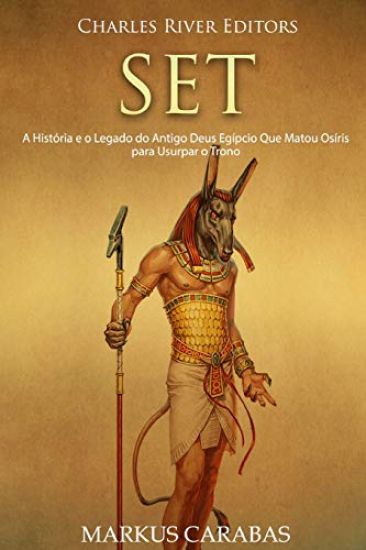
A frica pode ter dado origem os primeiros humanos, enquanto o Egito, provavelmente, deu origem s primeiras grandes civiliza es, que continuam a fascinar sociedades modernas por todo o mundo, mesmo depois de quase cinco mil anos. Da Biblioteca e do Farol de Alexandria Grande Pir mide de Giz , os antigos eg pcios criaram diversas maravilhas do mundo, revolucionaram a arquitetura e a constru o, criaram alguns dos primeiros sistemas de matem tica e medicina do mundo e estabeleceram idiomas e arte que se espalharam por todo o mundo conhecido. Com l deres mundialmente famosos como Rei Tut e Cle patra, n o de se admirar que hoje existem tantos egipt logos. Embora os eg pcios possam n o ter passado sua cultura diretamente a povos posteriores, elementos-chave que compunham a civiliza o eg pcia, incluindo religi o, ideias iniciais de estado, arte e arquitetura, podem ser encontrados em outras civiliza es. Por exemplo, civiliza es bastante separadas no tempo e espa o, como China e Mesoam rica, possu am elementos-chave semelhantes aos encontrados no Antigo Egito. Sem d vida, j que a civiliza o eg pcia representa conceitos humanos fundamentais, um estudo de sua cultura pode ser muito til para compreender diversas outras culturas pr -modernas. No primeiro per odo din stico, h uma representa o simb lica sobre as primeiras formas de reinado. O s mbolo consiste em "Duas Senhoras e Dois Senhores". As Senhoras eram as deusas Nekhbet e Uadjet, que representavam o Alto e o Baixo Egito, cada uma com sua coroa, Branca ou Vermelha, e os Dois Senhores eram os conflitantes deuses H rus e Set. Os confrontos entre esses dois deuses transcenderam a conflitos do mundo real, quando, durante a Segunda Dinastia, o Rei Peribsen colocou o misterioso "Animal de Set" como superior a seu nome, assim favorecendo um deus acima do outro. Peribsen manteve uma liga o pr xima a Set, traindo a conex o anterior dos reis com H rus, at que o rei Khasekhemui o tirou do trono e colocou ambos os animais dos deuses como superiores a seu pr prio nome e declarou que "os Dois Senhores agora descansavam". A historiadora moderna Geraldine Pinch sugere que este um exemplo antigo muito claro sobre a tend ncia dos eg pcios a mistificarem os conflitos do mundo real, uma caracter stica que os eg pcios mantiveram por toda sua longa hist ria. verdade que a vasta hist ria do Egito s pode ser vista superficialmente, mas, no caso dos mitos, apenas o bastante para contextualizar a hist ria pode ser o suficiente para se compreender a progress o de uma divindade como Set ao logo dos mil nios. Na verdade, o desenvolvimento do personagem de Set atrav s da hist ria possivelmente um dos mais fascinantes e ele se destaca entre as divindades eg pcias. Come ando como um dos "Dois Senhores," a pr -emin ncia de Set entre os deuses continuou ao longo de dinastias posteriores e ele nunca perdeu sua posi o entre as nove principais divindades conhecidas como En ade, mesmo com os problemas nefastos que tinha com o irm o, Os ris, sua irm e cunhada, sis, e seu sobrinho e filho deles, H rus. Em um primeiro olhar, f cil perceber que Set foi vilificado como uma esp cie de "monstro" ou "dem nio," mas ao compreender a estrutura religiosa da qual ele nasceu, os leitores modernos podem descobrir que o pol mico deus foi muito mais complexo do que apenas um "advers rio". Set: A Hist ria e o Legado do Antigo Deus Eg pcio que Matou Os ris para Usurpar o Trono analisa a mitologia que envolve uma das mais famosas divindades da antiguidade. Junto com fotos que retratam pessoas, lugares e eventos importantes, voc aprender sobre Set como nunca antes.
A frica pode ter dado origem os primeiros humanos, enquanto o Egito, provavelmente, deu origem s primeiras grandes civiliza es, que continuam a fascinar sociedades modernas por todo o mundo, mesmo depois de quase cinco mil anos. Da Biblioteca e do Farol de Alexandria Grande Pir mide de Giz , os antigos eg pcios criaram diversas maravilhas do mundo, revolucionaram a arquitetura e a constru o, criaram alguns dos primeiros sistemas de matem tica e medicina do mundo e estabeleceram idiomas e arte que se espalharam por todo o mundo conhecido. Com l deres mundialmente famosos como Rei Tut e Cle patra, n o de se admirar que hoje existem tantos egipt logos. Para os antigos eg pcios, como em qualquer sociedade composta por humanos curiosos, o mundo era um lugar confuso e muitas vezes assustador, repleto de destrui o, morte e fen menos inexplic veis. A fim de encontrar o sentido de tal exist ncia, eles recorreram s hist rias teleol gicas. Criar uma explica o para um fen meno, deixava-o menos horripilante e ajudava a dar sentido ao mundo que os rodeava. N o surpreende, portanto, que antigos deuses eg pcios tenham se infiltrado em todas as particularidades da exist ncia. H alguns personagens da mitologia eg pcia cujas imagens e nomes s o mais conhecidos que H rus. Seu nome provavelmente significava "O Distante," como o falc o celestial, e acreditava-se que suas asas se abriam ao longo de toda a extens o do c u distante e que seus olhos eram o sol e a lua. Tal nome trai a conex o de H rus com R , o deus "todo poderoso" do sol, e tamb m sugere que sua encarna o anterior fora um dos primeiros deuses celestiais da cren a religiosa eg pcia. Uma das primeiras imagens do Antigo Egito a de um falc o habitando a famosa "Barca Solar" de R , que os antigos eg pcios acreditavam atravessar o c u durante o dia e cruzar as perigosas terras dos mortos durante a noite. O lugar de H rus na Barca provavelmente o representa como "uma estrela ou planeta cruzando o Canal Sinuoso do c u," j que os eg pcios eram famosos por seu complexo sistema astron mico que incorporava diversos elementos m ticos, mas o papel dele na barca era muito mais do que ser apenas mais um na comitiva divina do deus-sol. A linhagem mitol gica de H rus o coloca como um descendente direto da En ade, os nove deuses e deusas que surgiram a partir de conceitos abstratos anteriores nas guas primordiais de "Nun". Isso o p e numa encruzilhada interessante em rela o a seu relacionamento com o grande pante o. N o fazer parte da En ade enfraquece a reivindica o de H rus pelo direito divino ao trono quando contrastado a Set, seu tio, que reivindica supremacia por ser um membro da En ade. O resultado deste confronto cria uma fascinante briga de poder e um mito, que teria ramifica es pelo mundo real ao longo de toda a vasta extens o da hist ria eg pcia. H rus, eventualmente, ascende ao trono do pai, Os ris, e por isso manteve uma profunda conex o com o trono do Egito unificado. Os primeiros deuses eram representados por falc es (h muito considerados membros da "Fam lia dos Falcon deos") transformando inimigos em presas, a raz o disso est no alicerce mitol gico da vida de H rus e tamb m na compreens o, pelo mundo real, da "hist ria" da linhagem real dos reis. Integrada aos mitos de H rus, est a no o de heran a real. Nascido do deus assassinado, Os ris, e da deusa m gica, sis, H rus, o mais novo, pelo menos, teve a vida definida pelo estabelecimento da linhagem real dos reis eg pcios. Para o leitor moderno ocidental, esta no o de deuses mortais e herdeiros do poder de seus pais pode parecer estranha, mas, para os antigos eg pcios, hist rias sobre disputas entre divindades mortais foram comuns ao decorrer da hist ria, e uma compreens o das nuances das cren as religiosas do Antigo Egito pode ajudar a evitar confus o.
A frica pode ter dado origem os primeiros humanos, enquanto o Egito, provavelmente, deu origem s primeiras grandes civiliza es, que continuam a fascinar sociedades modernas por todo o mundo, mesmo depois de quase cinco mil anos. Da Biblioteca e do Farol de Alexandria Grande Pir mide de Giz , os antigos eg pcios criaram diversas maravilhas do mundo, revolucionaram a arquitetura e a constru o, criaram alguns dos primeiros sistemas de matem tica e medicina do mundo e estabeleceram idiomas e arte que se espalharam por todo o mundo conhecido. Com l deres mundialmente famosos como Rei Tut e Cle patra, n o de se admirar que hoje existem tantos egipt logos. Para os antigos eg pcios, como em qualquer sociedade composta por humanos curiosos, o mundo era um lugar confuso e muitas vezes assustador, repleto de destrui o, morte e fen menos inexplic veis. A fim de encontrar o sentido de tal exist ncia, eles recorreram s hist rias teleol gicas. Criar uma explica o para um fen meno, deixava-o menos horripilante e ajudava a dar sentido ao mundo que os rodeava. N o surpreende, portanto, que antigos deuses eg pcios tenham se infiltrado em todas as particularidades da exist ncia. H alguns personagens da mitologia eg pcia cujas imagens e nomes s o mais conhecidos que H rus. Seu nome provavelmente significava "O Distante," como o falc o celestial, e acreditava-se que suas asas se abriam ao longo de toda a extens o do c u distante e que seus olhos eram o sol e a lua. Tal nome trai a conex o de H rus com R , o deus "todo poderoso" do sol, e tamb m sugere que sua encarna o anterior fora um dos primeiros deuses celestiais da cren a religiosa eg pcia. Uma das primeiras imagens do Antigo Egito a de um falc o habitando a famosa "Barca Solar" de R , que os antigos eg pcios acreditavam atravessar o c u durante o dia e cruzar as perigosas terras dos mortos durante a noite. O lugar de H rus na Barca provavelmente o representa como "uma estrela ou planeta cruzando o Canal Sinuoso do c u," j que os eg pcios eram famosos por seu complexo sistema astron mico que incorporava diversos elementos m ticos, mas o papel dele na barca era muito mais do que ser apenas mais um na comitiva divina do deus-sol. A linhagem mitol gica de H rus o coloca como um descendente direto da En ade, os nove deuses e deusas que surgiram a partir de conceitos abstratos anteriores nas guas primordiais de "Nun". Isso o p e numa encruzilhada interessante em rela o a seu relacionamento com o grande pante o. N o fazer parte da En ade enfraquece a reivindica o de H rus pelo direito divino ao trono quando contrastado a Set, seu tio, que reivindica supremacia por ser um membro da En ade. O resultado deste confronto cria uma fascinante briga de poder e um mito, que teria ramifica es pelo mundo real ao longo de toda a vasta extens o da hist ria eg pcia. H rus, eventualmente, ascende ao trono do pai, Os ris, e por isso manteve uma profunda conex o com o trono do Egito unificado. Os primeiros deuses eram representados por falc es (h muito considerados membros da "Fam lia dos Falcon deos") transformando inimigos em presas, a raz o disso est no alicerce mitol gico da vida de H rus e tamb m na compreens o, pelo mundo real, da "hist ria" da linhagem real dos reis. Integrada aos mitos de H rus, est a no o de heran a real. Nascido do deus assassinado, Os ris, e da deusa m gica, sis, H rus, o mais novo, pelo menos, teve a vida definida pelo estabelecimento da linhagem real dos reis eg pcios. Para o leitor moderno ocidental, esta no o de deuses mortais e herdeiros do poder de seus pais pode parecer estranha, mas, para os antigos eg pcios, hist rias sobre disputas entre divindades mortais foram comuns ao decorrer da hist ria, e uma compreens o das nuances das cren as religiosas do Antigo Egito pode ajudar a evitar confus o.
A KGB uma das abreviaturas mais famosas do s culo 20 e tornou-se sin nimo das a es sombrias e muitas vezes violentas das ag ncias de seguran a interna e da pol cia secreta da Uni o Sovi tica. De fato, freq entemente usado para se referir s ag ncias de seguran a do Estado sovi tico ao longo de sua hist ria, desde o in cio da cria o da Cheka (Comiss o Extraordin ria) em 1917 at a elimina o oficial da KGB em 1992. Se est associada a Guerra Civil Russa excessos de Stalin remo es e mesmo Vladimir Putin, a KGB tem sido vista como maior pap o do Ocidente durante a segunda metade do s culo 20. A KGB: A hist ria e o legado da Not ria Ag ncia de Espionagem da Uni o Sovi tica, examina a hist ria de uma das ag ncias mais famosas na hist ria. Juntamente com fotos de pessoas importantes, lugares e eventos, voc aprender sobre a KGB como nunca antes.
*Includes pictures *Includes online resources and a bibliography for further reading "I would give the greatest sunset in the world for one sight of New York's skyline. The shapes and the thought that made them. The sky over New York and the will of man made visible... Let them come to New York, stand on the shore of the Hudson, look and kneel. When I see the city from my window - no, I don't feel how small I am - but I feel that if a war came to threaten this, I would like to throw myself into space, over the city, and protect these buildings with my body." - Ayn Rand, The Fountainhead Of all the great cities in the world, few personify their country like New York City. As America's largest city and best known immigration gateway into the country, NYC represents the beauty, diversity and sheer strength of the United States, a global financial center that has enticed people chasing the "American Dream" for centuries. America's prototypical metropolis was once a serene landscape in which Native American tribes farmed and fished, but when European settlers arrived its location on the Eastern seaboard sparked a rapid transformation. Given its history of rapid change, it is ironic that the city's inhabitants often complain about the city's changing and yearn for things to stay the same. The website EV Grieve, whose name plays on the idea that the East Village "grieves" for the history and character the neighborhood loses every day to market forces and gentrification, regularly features a photo of some site, usually of little interest: an abandoned store, a small bodega, a vacant lot. The caption says, simply, that this is what the site looked like on a given day. The editors of the website are determined to document everything and anything for future generations. That is hardly a modern phenomenon. New Yorkers have always grieved over the city's continuous upheavals and ever-increasing size and complexity. By the 1820s, Wall Street had lost whatever charm it might have had; former residents complained that two-story houses had given way to intimidating five-story office buildings. The New York Commercial Advertiser noted in 1825 that "Greenwich is no longer a country village," but rather an up-and-coming neighborhood. Today, it's hard to find a history of New York City that doesn't refer to Henry James's famous 1908 story The Jolly Corner, in which a man returns to New York after decades abroad only to be horrified by an unfamiliar hellscape of commercial growth. He finds his once-jolly childhood home nearly buried "among the dreadful multiplied numberings which seemed to him to reduce the whole place to some vast ledger-page, overgrown, fantastic, of ruled and criss-crossed lines and figures." The once-beloved city has transformed itself into "the mere gross generalisation of wealth and force and success." That childhood home-an 1830s townhouse-in fact belonged to the James family on Washington Square in Greenwich Village. It was destroyed to make way for New York University, which is today embroiled in yet another real estate saga as it plans to expand once again. Broadway is more than just jazz hands, glittering costumes, tap numbers, and catchy show tunes that loop in one's mind for hours on end with the mildest provocation. Every year, thousands upon thousands of Broadway hopefuls climb on top of one another to hoist themselves onto the grand stage. Countless hours of training, coupled with blood, sweat, and tears, are poured into the craft, all for a chance to see their names emblazoned across the playbills and marquees - not to mention, perform for potential millions. Behind the dazzling lights and razzle and dazzle of Manhattan's legendary theater district is an equally colorful and riveting history. While hers is a story seasoned with innovative triumphs and remarkable firsts, it is also one plagued with scandal and controversy.
*Includes pictures *Includes online resources and a bibliography for further reading Throughout history, walls have been constructed as part of nations' and kingdoms' defensive structures to keep barbarian hordes, marauding rebels, and recalcitrant tribes out of defined geographic areas. Defensive walls were usually constructed by fairly advanced and sophisticated peoples, such as the Romans and Chinese, with varying degrees of success. Of course, the most famous of all defensive walls in the world is the Great Wall of China, which is actually a series of walls and forts built over the span of several centuries. The Chinese built the Great Wall of China, and several others, primarily to keep invaders from the north, such as the Mongols, out of their land, or at least to slow them down as they fled north after raids. The Romans also built spectacular walls, most notably the Antonine Wall and Hadrian's Wall. The purpose of those walls was to set the northern limit of the Roman Empire at approximately the modern border of England and Scotland, and, like the Great Wall of China, it was intended to keep out or slow down marauding barbarian tribes from the north. The Sasanians built an equally impressive wall in central Asia, one that was longer than Hadrian's Wall and by all accounts just as effective when it was still in use. Throughout the centuries, the Sasanian wall has gone by several different names, but it is now known as the "Great Wall of Gorgan" due to its length and location near the city of Gorgan in the modern nation-state of Iran. The Great Wall of Gorgan was used much longer than the better known Roman walls to keep enemies at bay. From the 5th century CE, and possibly centuries earlier, the Great Wall of Gorgan continually served as a military wall and fortification system until sometime after the Arab Muslim conquest of central Asia in the mid-7th century CE. In fact, while the Great Wall of Gorgan played in important role in the history of the Sasanian Empire, it may have been conceived by the Parthians or earlier. Today, many scholars consider the Sasanian Empire to be the last great empire of the ancient Near East because once it had been obliterated, Islam became the standard religion of the region, ushering in the Middle Ages. The Sasanian Empire was important for a number of reasons. Besides being the last of three great Persian dynasties, they carried on many Persian cultural traditions relating to religion and kingship. The Sasanians fostered and promoted the native religion of Zoroastrianism to the point of persecuting other religions from time to time. It was during the Sasanian period that the numerous Zoroastrian hymns, prayers, and rituals were collected under one book, known as the Avesta. The Sasanians, like the Achaemenids and Parthians, also carried forth the Persian conflicts with the Hellenic world. Although the Achaemenids fought the Macedonian Greeks and the Parthians challenged the Romans for control of Mesopotamia, the Sasanians faced Rome in its later stages of collapse and subsequently fought the revitalized Byzantine Empire. The Great Wall of Gorgan: The History of the Ancient Near East's Longest Defensive Wall examines the history of one of the most important walls of the ancient world. Along with pictures depicting important people, places, and events, you will learn about the Great Wall of Gorgan like never before.
"N s n o acreditamos no governo regido por votos. A vontade nacional espanhola nunca foi livremente expressa pelas urnas. A Espanha n o possui sonhos med ocres. " - Francisco Franco A Guerra Civil Espanhola exercera um impacto profundo sobre a imagina o hist rica. O conflito, sem a menor d vida, fora um momento crucial no s culo 20, um precursor da Segunda Guerra Mundial e um modelo de ascens o de movimentos extremistas na d cada de 1930, al m de ter sido uma narrativa complexa per se, mesmo tendo sido um verdadeiro ensaio para o cen rio da guerra internacional. A guerra marcara um dos momentos cruciais, juntamente com o Crash de Wall Street em 1929, situada entre duas guerras apocal pticas do in cio do s culo 20, sendo que desde o ocorrido entre 1936 e 1939, a Espanha se provara um campo de testes t ticos, b licos e ideol gicos, precedente a Segunda Guerra mundial. Para as pot ncias aliadas, Gr -Bretanha e Fran a, a Espanha tornara-se um ponto inst vel de "harmoniza o", ainda que o conflito tenha tido carater sticas distintamente espanholas. As imposi es que levaram guerra foram espec ficas para a na o, tendo em vista seus desafios sociais e sua longa e intricada hist ria, sendo um conflito entre dois lados e seus elementos d spares como o clero, socialistas, latifundi rios e at mesmo anarquistas. Estima-se que foram mortas na guerra entre 500 mil a 2 milh es de pessoas. Ao contr rio do que fora visto na Segunda Guerra Mundial, o conflito espanhol atraira diversos artistas e escritores, muitos dos quais ponderaram ante os eventos e at mesmo se prontificaram a lutar. A pintura Guernica de Pablo Picasso, os relat rios da jornalista Martha Gellhorn, a fotografia ic nica de Robert Capa, a Homenagem a Catalunha de George Orwell e Por Quem os Sinos Dobram de Ernest Hemingway s o apenas alguns exemplos da arte e literatura que documentaram a guerra, sendo que ainda hoje, 80 anos depois, o conflito e suas causas ainda inspiram m sicos e escritores. Fundamentalmente, as for as nacionalistas, lideradas pelo General Francisco Franco, sa ram vitoriosas e, ap s sua conquista em 1939, Franco governara a Espanha durante longos 36 anos com m o de ferro. Posto isto, natural que a c lere e dubit vel ascens o de Franco ao poder espanhol tenha definido o pa s por diversas gera es. Mesmo tendo sido influenciado pelas amplas tend ncias e for as do s culo XX, Franco deixaria sua pr pria marca permanentemente na Espanha e, no processo, se tornaria uma das figuras mais ridicularizadas da hist ria contempor nea. Nascido na ltima d cada do s culo XIX, Franco era, no entanto, sin nimo de uma s rie de tend ncias do s culo XX. Sua vida estava principalmente entrela ada com as ideologias extremistas da poca, em particular o fascismo e o comunismo, seguidas subsequentemente pela Guerra Fria entre o Ocidente e o bloco comunista. Em ess ncia, no entanto, Franco era um militar. Quando adolescente, se alistara no ex rcito, tendo feito seu nome como oficial nas guerras da Espanha na frica. Quando o pa s abdicara de sua monarquia e declarara a Rep blica em 1931, Franco - embora relativamente contido politicamente durante o per odo - defendera a ordem e mantivera o papel do ex rcito na sociedade espanhola. No entanto, em julho de 1936, quando um grupo de oficiais incitara a rebeli o, Franco prontamente se juntara revolta e rapidamente galgara ao topo da cadeia de comando nacionalista. Ap s sua conquista durante a Guerra Civil Espanhola, Franco passou a se apropriar de ideias pol ticas e ideologias como lhe convinha, embora parecendo manter o conservadorismo, o militarismo, o catolicismo e o monarquismo. Franco conduzira habilmente a Espanha durante os per odos da Segunda Guerra Mundial e a da Guerra Fria sem realmente comprometer o pa s com quaisquer compromissos espec ficos que fossem e, mesmo assim, conseguira obter suporte e apoio de al