Kirjojen hintavertailu – 12 903 725 kirjaa ja 27 kauppaa
Kirjailija
Charles River
Kirjat ja teokset yhdessä paikassa: 4 673 kirjaa, julkaisuja vuosilta 2013–2022, suosituimpiin kuuluu William Powell and Myrna Loy: The Lives and Careers of One of Classical Hollywood's Most Iconic Duos. Vertaile teosten hintoja ja tarkista saatavuus suomalaisista kirjakaupoista.
*Includes pictures *Includes contemporary accounts *Includes online resources and a bibliography for further reading Texas has a unique history among the 50 states that comprise the United States of America, and much of that is due to the nature of the men who brought about its independence. Of them, few are as famous or more important than Stephen F. Austin. Born in the very shadow of the Founding Fathers in Virginia, Austin seemed destined from birth to do something special. Certainly, his father Moses saw potential in the boy, training him up to take the lead in whatever situation he found himself in, and various life experiences transformed Stephen. Moses provided his son with plenty of the difficulties, including bankruptcy, business losses, and family squabbles, all by the time his son was 20 years old. Ultimately Moses bequeathed his son the chance to become an empresario, a 19th century leader of American pioneers in Texas. Austin in turn shaped the future of Texas in a way that no other leader ever had the opportunity to do, and by carefully choosing men like himself, politically, religiously, and ethically, he helped create an independent nation (and future state) known for its rugged individualism and self-determination. Unfortunately, he also created a place where slavery, America's great shame, was allowed to flourish for more than 40 years, and a place where people of color would struggle for generations to receive equality under the laws, many of which he either wrote or inspired. Ironically, the man whose name is so synonymous with Texas was not involved in the most famous battles that secured its independence. This actually ensured that he survived when so many of his contemporaries died, but he still lost his run for the presidency of Texas and instead had to accept an appointment as the Republic's first Secretary of State. Ultimately, it made little difference in the end, for he served only two months before he died of pneumonia just after his 43rd birthday. Austin's most famous contemporary, Sam Houston, was also a colorful and controversial individual. He was born in the United States while George Washington was in office, and in an era when the native people who were gradually being subjugated were considered savages, he called them friends and even lived among them. He was abandoned by his first wife and, after suffering the sting of divorce, married again in the manner of his native family, only to abandon his Indian bride to return to life among his own people. In the interim, he fought for their rights in the halls of government, defending them even as he obtained favor in the eyes of one of their worst enemies. More than a decade passed before he would finally make a successful marriage, marrying a woman more than 20 years his junior but with the right mix of charm and grit to make a successful life with him and their large family. Though he was born and raised elsewhere, Houston is considered one of Texas' truest sons, and during his life he fought for its independence from Mexico and then for its submission to the United States. He owned slaves himself but spent his entire political career fighting against the spread of "the American cancer" to the West. Then, when his beloved state seceded from the Union, he not only opposed secession but sacrificed his own position to protest it, only to turn around and support the Confederacy during the last years of his life. What cannot be questioned is how profound an impact both men had on Texas, Mexico, and the United States over the course of several decades. Stephen F. Austin and Sam Houston: The Lives and Legacies of the Leaders Who Founded the Republic of Texas looks at how the two became some of the Southwest's most important figures. Along with pictures of important people, places, and events, you will learn about Stephen F. Austin and Sam Houston like never before.
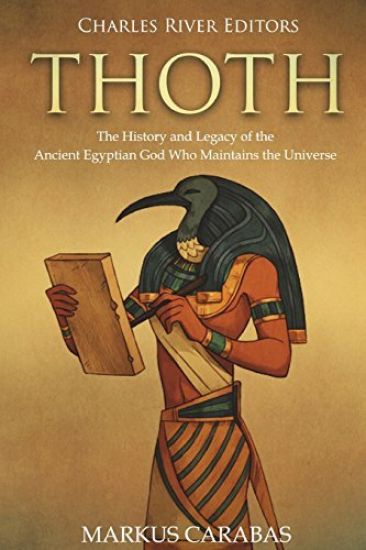
*Includes pictures *Includes ancient accounts *Includes online resources and a bibliography for further reading "Thus says Thoth, judge of truth, to the Great Ennead which is in the presence of Osiris: Hear this word of very truth. I have judged the heart of the deceased and his soul stands as a witness for him. His deeds are righteous in the great balance, and no sin has been found in him..." Africa may have given rise to the first human beings, and Egypt probably gave rise to the first great civilizations, which continue to fascinate modern societies across the globe nearly 5,000 years later. From the Library and Lighthouse of Alexandria to the Great Pyramid at Giza, the Ancient Egyptians produced several wonders of the world, revolutionized architecture and construction, created some of the world's first systems of mathematics and medicine, and established language and art that spread across the known world. With world-famous leaders like King Tut and Cleopatra, it's no wonder that today's world has so many Egyptologists. Perhaps the most intriguing aspect of ancient Egyptian civilization was its inception from the ground up, as the ancient Egyptians had no prior civilization which they could use as a template. In fact, ancient Egypt itself became a template for the civilizations that followed. The Greeks and the Romans were so impressed with Egyptian culture that they often attributed many attributes of their own culture - usually erroneously - to the Egyptians. To the ancient Egyptians, as was the case with any society made up of inquiring humans, the world was a confusing and often terrifying place of destruction, death and unexplained phenomena. In order to make sense of such an existence, they resorted to teleological stories. Giving a phenomenon a story made it less horrifying, and it also helped them make sense of the world around them. Unsurprisingly, then, the ancient Egyptian gods permeated every aspect of existence. Baboons held a prestigious place in Egyptian religion. They were kept as sacred animals in many temples because contemporary Egyptians considered them the original religious observers, particularly with respect to the sun god Re. Ancient Egyptians took the wild baboons stretching on their hind legs, forelegs raised to the sky, to be an oration to the sun god at dawn. Furthermore, these ancient ancestors of the land of Egypt were greeted at dawn by the concatenations of the baboons nattering, which the religious-minded took to be an early-morning devotion and even believed that the baboons spoke the original language of religion, and a claim they could understand baboons was often one asserted by certain members of the priestly class. However, it is his association with the ibis that most defines Thoth's visual imagery. Since the ancient Egyptians believed that the universe arose from the swamp-like waters of Nun, it was the water bird that garnered the most prestigious veneration. Birds like geese, herons and the ibises were associated with this period of creation, and, according to some beliefs, the world came about thanks to the great "honk" of a primordial goose, whose eggshell was said to be preserved in the temple of Thoth. It was believed that Re created Thoth's baboon form to be that of his "shining moon," but his ibis form was that of a messenger between heaven and earth (although he was much more than this). Thoth: The History and Legacy of the Ancient Egyptian God Who Maintains the Universe looks at the mythology surrounding one of antiquity's most famous deities. Along with pictures depicting important people, places, and events, you will learn about Thoth like never before.
Tras la Segunda Guerra Mundial, el continente europeo qued devastado y el conflicto dej a la Uni n Sovi tica y a Estados Unidos como superpotencias indiscutibles. Esto marc el comienzo de m s de 45 a os de la Guerra Fr a y de un alineamiento pol tico de las democracias occidentales contra el bloque sovi tico comunista que produjo conflictos que enfrentaron a aliados de ambos bandos en la lucha, aun cuando los ej rcitos estadounidense y sovi tico nunca se enfrentaron entre s . Aunque nunca se hizo "caliente", la Guerra Fr a fue una poca tensa hasta la disoluci n de la URSS, y nada simbolizaba m s la divisi n que el Muro de Berl n, que literalmente divid a la ciudad. Berl n hab a sido un punto lgido incluso antes de que terminara la Segunda Guerra Mundial, y la ciudad fue ocupada por los diferentes Aliados incluso cuando el final de la guerra los convirti en adversarios. Despu s de que el bloqueo sovi tico de Berl n Occidental fuera impedido por el Puente A reo de Berl n, el Bloque Oriental y las potencias occidentales continuaron controlando diferentes secciones de la ciudad, y en la d cada de 1960, Alemania Oriental estaba presionando para encontrar una soluci n al problema de un enclave de libertad dentro de sus fronteras. Berl n Oeste era un para so para los alemanes orientales altamente instruidos que quer an libertad y una vida mejor en Occidente, y esta "fuga de cerebros" amenazaba la supervivencia de la econom a de Alemania Oriental. Para detener esto, el acceso a Occidente a trav s de Berl n Occidental tuvo que ser cortado, por lo que, en agosto de 1961, el primer ministro sovi tico Nikita Jrushchov autoriz al l der de Alemania Oriental Walter Ulbricht a comenzar la construcci n de lo que se conocer a como el Muro de Berl n. El muro, que comenz el domingo 13 de agosto, finalmente rodear a la ciudad, a pesar de la condena mundial, y el propio muro de Berl n se convertir a en el s mbolo de la represi n comunista en el bloque oriental. Tambi n puso fin a los intentos de Jrushchov de concluir un tratado de paz entre las Cuatro Potencias (los sovi ticos, los estadounidenses, el Reino Unido y Francia) y los dos estados alemanes. El muro servir a como una oportunidad perfecta para que dos presidentes (Kennedy y Reagan) martillaran a los comunistas sovi ticos y su represi n, pero el Muro de Berl n permanecer a en pie durante casi 30 a os, aislando al Este del Oeste. Se estima que unas 200 personas murieron tratando de cruzar el muro para desertar hacia el oeste. Por supuesto, el Muro de Berl n tambi n divid a literalmente a Alemania Occidental de Alemania Oriental, y Alemania Occidental se convirti en uno de los estados m s estables y pr speros de Europa durante la Guerra Fr a. Tuvo una historia notable, aunque interrumpida por numerosas crisis y problemas. Los alemanes occidentales enfrentaron honestamente su brutal pasado y absorbieron competentemente al sat lite sovi tico mucho m s pobre de Alemania Oriental tras la reunificaci n de Alemania en 1990. Esto, por supuesto, no era en absoluto cierto ni obvio cuando los Aliados derrotaron a los nazis al final de la guerra en 1945, pero lejos de cometer los mismos errores que las Potencias Aliadas cometieron despu s de la Primera Guerra Mundial, los Aliados optaron por moldear a Alemania Occidental como un estado liberal y democr tico que lograr a la prosperidad y renunciar a a la guerra. Alemania Occidental: La historia y el Legado de la Rep blica Federal de Alemania durante la Guerra Fr a examina el pa s y su lugar en el centro de la geopol tica despu s de la Segunda Guerra Mundial. Junto con fotos y una bibliograf a, usted aprender sobre Alemania Occidental como nunca antes.
"A C rdoba pertenecen toda la belleza y los ornamentos que deleitan la vista o deslumbran el paisaje. Su larga l nea de sultanes forma su corona de gloria; su collar est encordado con las perlas que sus poetas han recogido del oc ano de la lengua; su vestido es de los estandartes del saber, unidos por sus hombres de ciencia; y los maestros de cada arte e industria son el dobladillo de sus vestidos...". - Stanley Lane-Poole, "Los moros en Espa a" La calle Cardenal Herrero de C rdoba es una emblem tica calle empedrada imposible de pasar por alto, ya que alberga la espectacular Mezquita-Catedral de la ciudad andaluza. Conocido tambi n como "La Mezquita", este singular lugar de culto morisco y cristiano recibe alrededor de 1,5 millones de visitantes cada a o, la mayor a de los cuales se encuentran fascinados por sus hipn ticas caracter sticas arquitect nicas y la fascinante historia que ha acontecido y contin a dentro de las hermosas y erosionadas paredes de la iglesia dual. Dicho esto, la Mezquita es mucho m s que una mera atracci n tur stica: en los ltimos a os, la Mezquita-Catedral de C rdoba se ha convertido en el meollo de un complicado conflicto religioso resucitado por apasionados fieles y patriotas locales que temen no s lo por el futuro de su legado, sino tambi n por la preservaci n de su verdadera historia. Es f cil para los que miran desde fuera emitir juicios apresurados sobre la disputa en curso, considerando la cantidad interminable de informaci n que se sube en l nea cada segundo. Los pol micos debates que rodean a la Mezquita son a menudo producto de prejuicios anticuados, desconfianza enconada y encubrimiento, todo lo cual hace m s dif cil para la Mezquita seguir siendo un espacio no discriminatorio, til y apreciado por todos hoy en d a. La Mezquita-Catedral de C rdoba: La Historia y el Legado del Lugar Santo m s Grande de los Moros en Espa a ofrece un recorrido virtual por este invaluable lugar de culto, y c mo ha estado en el centro de los debates religiosos durante cientos de a os. Junto con fotos de gente importante, lugares y eventos, usted aprender sobre la Mezquita como nunca antes.
*Includes pictures *Includes contemporary accounts *Includes online resources and a bibliography for further reading Nestled amongst the Sierra de Guadarrama mountain range, El Monte Abantos, or Mount Abantos, towers over its surroundings at a height of 5,751 feet. Indeed, there is nothing aesthetically spectacular about this forested mound, but there is an aura of mystery that hangs over Abantos, much like the curtain of mist that lingers over the mountaintop in the early morning. Madrid, just a little over 37 miles away, is as beautiful and vibrant as they come, yet city folk and tourists alike often find themselves drawn to this landform, in particular the quiet swathe of land on the southern slope of the Abantos. This picturesque place, rich with scenic, panoramic views, is a refreshing escape from the fast-paced city life, but it is also home to an irreplaceable national treasure once lauded as the eighth wonder of the world: El Escorial. Strangers to El Escorial will most likely be left unmoved by the multipurpose complex at first glance. It has complementary, but dull colors, not to mention uniform, yet uninspired proportions of its towers. The facade, while clearly a stalwart structure, lacks warmth and creativity. Visitors who walk through any of its three doors, however, will most certainly be rendered speechless by its hidden majesty. This monumental time capsule of Baroque and Renaissance splendor, stamped with the imprints of its Catholic monarchs, is one that can be appreciated by art lovers regardless of background. The majority of those fortunate enough to feast their eyes upon the majestic complex that is the El Escorial share the same sentiment: its beauty is indescribable. This is a place that oozes opulence, a kind of opulence flavored by class and historical charm, rather than the garish flamboyance and tawdry ostentation often displayed by the nouveau riche. To say that the place is fit for a king would simply be downplaying its splendor. Of course, this was exactly what it was. The most compelling part of this compound lies not in its secret beauty, but in its engrossing history and the countless, often cryptic legends associated with this captivating compound. El Escorial: The History and Legacy of Spain's Most Famous Royal Site journeys through the eventful timeline of the residence and looks at some of the fascinating characters who lived there. Along with pictures of important people, places, and events, you will learn about El Escorial like never before.
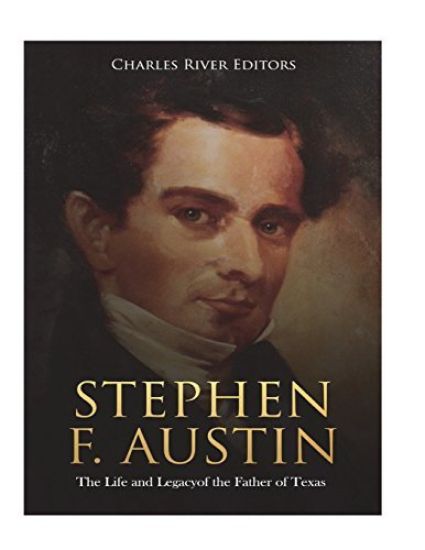
*Includes pictures *Includes contemporary accounts *Includes online resources and a bibliography for further reading "The independence of Texas is recognized Don't you see it in the papers?" - Stephen F. Austin's last words Texas has a unique history among the 50 states that comprise the United States of America, and much of that is due to the nature of the men who brought about its independence. Of them, few are as famous or more important than Stephen F. Austin. Born in the very shadow of the Founding Fathers in Virginia, Austin seemed destined from birth to do something special. Certainly, his father Moses saw potential in the boy, training him up to take the lead in whatever situation he found himself in, and various life experiences transformed Stephen. Moses provided his son with plenty of the difficulties, including bankruptcy, business losses, and family squabbles, all by the time his son was 20 years old. Ultimately Moses bequeathed his son the chance to become an empresario, a 19th century leader of American pioneers in Texas. Austin in turn shaped the future of Texas in a way that no other leader ever had the opportunity to do, and by carefully choosing men like himself, politically, religiously, and ethically, he helped create an independent nation (and future state) known for its rugged individualism and self-determination. Unfortunately, he also created a place where slavery, America's great shame, was allowed to flourish for more than 40 years, and a place where people of color would struggle for generations to receive equality under the laws, many of which he either wrote or inspired. Ironically, the man whose name is so synonymous with Texas was not involved in the most famous battles that secured its independence. This actually ensured that he survived when so many of his contemporaries died, but he still lost his run for the presidency of Texas and instead had to accept an appointment as the Republic's first Secretary of State. Ultimately, it made little difference in the end, for he served only two months before he died of pneumonia just after his 43rd birthday, but despite his premature death, what cannot be questioned is how profound an impact Austin had on Texas, Mexico, and the United States over the course of several decades. Stephen F. Austin: The Life and Legacy of the Father of Texas looks at how he became one of the Southwest's most important figures. Along with pictures of important people, places, and events, you will learn about Austin like never before.
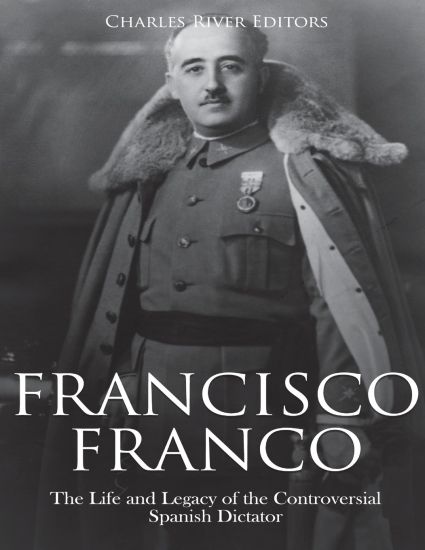
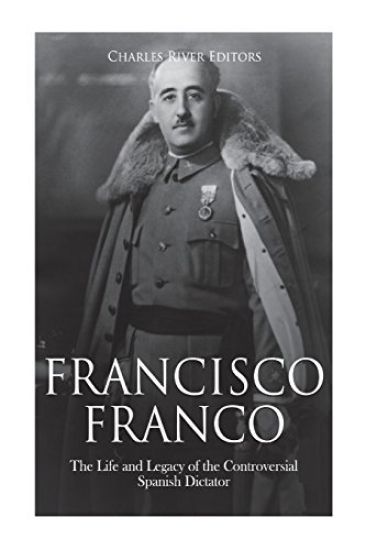
*Includes pictures *Includes online resources and a bibliography for further reading "We do not believe in government through the voting booth. The Spanish national will was never freely expressed through the ballot box. Spain has no foolish dreams." - Francisco Franco The Spanish Civil War has exerted a powerful impact on the historical imagination. Without question, the conflict was a key moment in the 20th century, a precursor to World War II, and an encapsulation of the rise of extremist movements in the 1930s, but it was also a complex narrative in and of itself, even as it offered a truly international theatre of war. It marked one of the seminal moments, along with the 1929 Wall Street Crash, between the two apocalyptic wars of the early 20th century, and since it occurred between 1936 and 1939, Spain proved to be a testing ground of tactics, weaponry, and ideology ahead of World War II. For the Allied powers Britain and France, Spain became a nadir of "appeasement," yet, as the name suggests, the conflict had distinctly Spanish characteristics. The pressures that led to war were particular to the country, its social challenges, and its long and intricate history, and it was a conflict between two sides that included disparate elements like the clergy, socialists, landowners, and even anarchists. It is estimated that somewhere between 500,000-2,000,000 people were killed in the war. Unlike World War II, the Spanish conflict attracted artists and writers, many of whom reflected upon events and even volunteered to fight. Pablo Picasso's painting Guernica, journalist Martha Gellhorn's reports, Robert Capa's iconic photography, George Orwell's Homage to Catalonia, and Ernest Hemingway's For Whom the Bell Tolls are just some examples of the art and literature that documented the war, and 80 years later, the conflict and its causes still inspire musicians and writers. Ultimately, the forces of reaction, led by General Francisco Franco, triumphed, and after his victory in 1939, Franco ruled Spain with an iron fist for 36 years. Thus, it's only natural that Franco's rapid yet unlikely rise to power in Spain came to define a country for several generations. Franco was influenced by the wider trends and forces of the 20th century, yet he would indelibly make his mark on Spain in his own right, and in the process become one of the most widely derided figures in contemporary history. After his victory in the Spanish Civil War, Franco used political ideas and ideology as it suited him, though he did seem to advocate conservatism, militarism, Catholicism and monarchism. Franco adeptly steered Spain through the Second World War and the Cold War without really committing the country to any specific engagements, but he still managed to secure support and backing from more powerful allies. For the people of Spain, however, Franco was far from the benevolent figurehead he portrayed himself to be. Franco's rule was vicious and spiteful, and persecution and oppression were ever present during his dictatorship. Franco's Spain was intolerant of dissent, and by the 1970s, the country appeared to outsiders to be completely under his control and influence. It seemed likely that his successors would continue to rule in his image or, more worryingly, that far left groups would challenge a post-Franco autocrat. Yet, in the end, Franco failed spectacularly, and within three years of his death a new constitution had been enacted that put in place a democracy and enshrined liberal and progressive values. Meanwhile, Spain's regions, another issue detested by Franco, such as Catalonia and the Basque Country, secured significant autonomy within the new constitution. The conservative model installed by Franco, which lacked women's rights, linguistic recognition, or trade unions, was overturned.
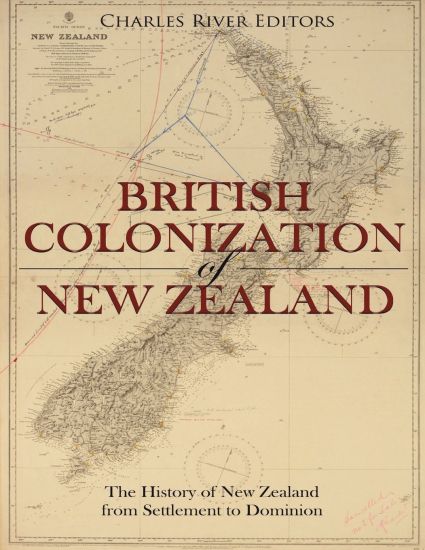
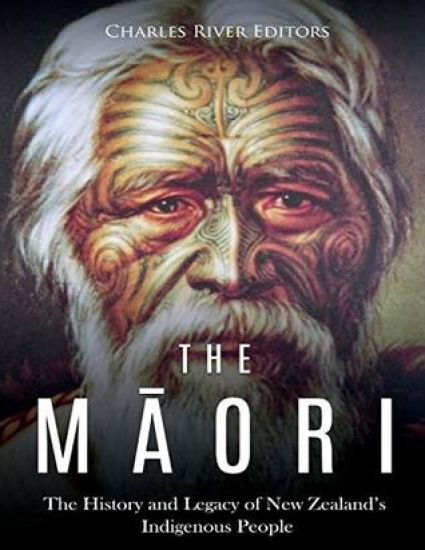
*Includes pictures *Includes contemporary accounts *Includes online resources and a bibliography for further reading "When one house dies, a second lives." - Maori proverb By the mid-17th century, the existence of a land in the south referred to as Terra Australis was generally known and understood by the Europeans, and incrementally, its shores were observed and mapped. Van Diemen's Land, an island off the south coast of Australia now called Tasmania, was identified in 1642 by Dutch mariner Abel Tasman, and a few months later, the intrepid Dutchman would add New Zealand to the map of the known world. At the time, the English were the greatest naval power in Europe, but they arrived on the scene rather later. The first to appear was William Dampier, captain of the HMS Roebuck, in 1699, after he had been granted a Royal Commission by King William III to explore the east coast of New Holland. By then, the general global balance of power was shifting, and with the English gaining a solid foothold in India, their supremacy in the Indian Ocean trade zone began. The Dutch, once predominant in the region, began slowly to lose ground, slipping out of contention as a major global trading power. So too were the Portuguese, also once dominant in the region. It was now just the French and the English who were facing one another down in a quest to dominate the world, but their imperial interests were focused mainly in India and the East Indies, as well as the Caribbean and the Americas. As a result, the potential of a vast, practically uninhabited great southern continent did not yet hold much interest. By then the world was largely mapped, with just regions such as the Arctic Archipelago and the two poles remaining terra incognita. A few gaps needed to be filled in here and there, but all of the essential details were known. At the same time, a great deal of imperial energy was at play in Europe, particularly in Britain. Britain stood at the cusp of global dominance thanks almost entirely to the Royal Navy, which emerged in the 17th and 18th centuries as an institution significantly more than the sum of its parts. With vast assets available even in peacetime, expeditions of science and explorations were launched in every direction. This was done not only to claim ownership of the field of global exploration, but also to undercut the imperial ambitions of others, in particular the French. In 1769, Captain James Cook's historic expedition in the region would lead to an English claim on Australia, but before he reached Australia, he sailed near New Zealand and spent weeks mapping part of New Zealand's coast. Cook later asserted that the only major sources of timber and flax in the Pacific region were to be found in New Zealand and Norfolk Island, which would prove crucial to the British Empire and the Royal Navy in particular, and Cook also provided a firsthand account of a tense standoff with New Zealand's indigenous natives on the shoreline. Over the next 90 years, Cook's journey and his account would lay the basis for British activities in the region, and those activities would forge the modern history of New Zealand at a great cost. The British Colonization of New Zealand: The History of New Zealand from Settlement to Dominion analyzes the expeditions that discovered New Zealand and the early settlements and conflicts waged there from 1650-1850. Along with pictures of important people, places, and events, you will learn about the European settlement of New Zealand like never before.
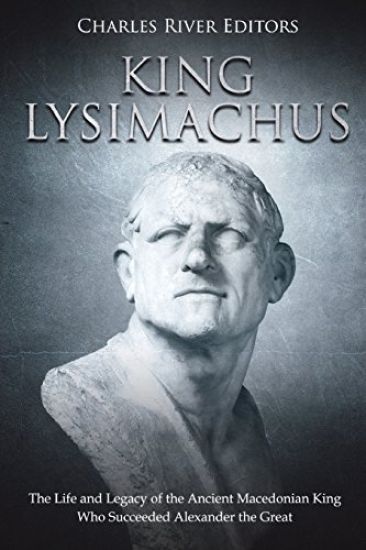
*Includes pictures *Includes ancient accounts *Includes online resources and a bibliography for further reading In 323 BCE, Alexander the Great was on top of the world. Never a man to sit on his hands or rest upon his laurels, Alexander began planning his future campaigns, which may have included attempts to subdue the Arabian Peninsula or make another incursion into India. But fate had other plans for the young Macedonian king. One night, while feasting with his admiral Nearchus, he drank too much and took to bed with a fever. At first, it seemed like the fever was merely a consequence of his excess, and there was not much concern for his health, but when a week had elapsed and there was still no sign of his getting better, his friends and generals began to grow concerned. The fever grew, consuming him to the point that he could barely speak. After two weeks, on June 11, 323 BCE, Alexander the Great, King of Macedon, Hegemon of the League of Corinth, King of Kings, died. On his deathbed, some historians claim that when he was pressed to name a successor, Alexander muttered that his empire should go "to the strongest". Other sources claim that he passed his signet ring to his general Perdiccas, thereby naming him successor, but whatever his choices were or may have been, they were ignored. While the generals all subscribed to spreading Greek culture, they also had the loyalty of their own soldiers at their backs, and they would tear each other apart in a vicious internal struggle that lasted almost half a century before four factions emerged victorious: Macedonia; the Seleucid Empire in the east; the Kingdom of Pergamon in Asia Minor; and the Ptolemaic dynasty in Egypt. During the course of these wars, Alexander's only heir, the posthumously born Alexander IV, was murdered, extinguishing his bloodline for ever. Although it was an incredibly important period in world history, it is sometimes as confusing as it is frustrating for historians because the allegiances of the generals changed constantly and historical sources are often biased in some regards and utterly lacking in others. Ptolemy, Seleucus, and Antigonus are the most well-known of the successor generals because the classical historians wrote about them the most due to the longevity of their kingdoms, but Lysimachus was just as important during his lifetime. Lysimachus was never able to establish a dynasty as enduring as the ones led by Antigonus, Ptolemy, and Seleucus, and he did not have a specific book dedicated to his life by the 1st century CE historian Plutarch like the other Diadochi, his actions helped establish the political order of the eastern Mediterranean region before the Roman conquest. During his lifetime, Lysimachus went from being one of Alexander the Great's loyal bodyguards and generals to the king of Thrace and eventually, for a brief period, king of his homeland of Macedonia. The primary source materials paint the picture of a man driven by raw ambition, and as astute a politician as he was an able commander. Lysimachus's ambitions often earned him the enmity of peers, but they respected him due to his incredible battlefield successes and crafty guile. Ultimately, Lysimachus outlived all but one of Alexander's other successor generals during a time of great turmoil. King Lysimachus: The Life and Legacy of the Ancient Macedonian King Who Succeeded Alexander the Great looks at his tumultuous reign and how he affected the world in the wake of Alexander. Along with pictures depicting important people, places, and events, you will learn about King Lysimachus like never before.
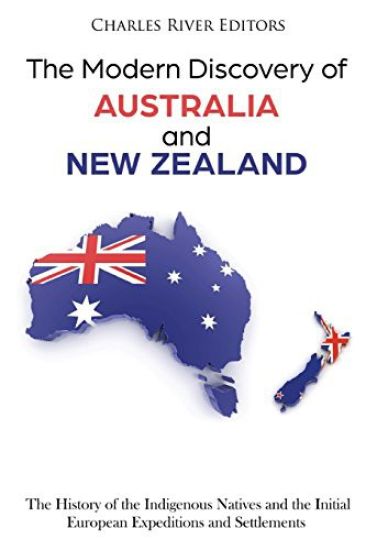
*Includes pictures *Includes contemporary accounts *Includes online resources and a bibliography for further reading A land of almost 3 million square miles has lain since time immemorial on the southern flank of the planet, so isolated that it remained entirely outside of European knowledge until 1770. However, the first human footprints on this vast territory were felt 70,000 years earlier, as people began to cross the periodic land bridges and the short sea crossings from Southeast Asia. By the mid-17th century, the existence of a land in the south referred to as Terra Australis was generally known and understood by the Europeans, and incrementally, its shores were observed and mapped. Van Diemen's Land, an island off the south coast of Australia now called Tasmania, was identified in 1642 by Dutch mariner Abel Tasman, and a few months later, the intrepid Dutchman would add New Zealand to the map of the known world. At the time, the English were the greatest naval power in Europe, but they arrived on the scene rather later. The first to appear was William Dampier, captain of the HMS Roebuck, in 1699, after he had been granted a Royal Commission by King William III to explore the east coast of New Holland. By then, the general global balance of power was shifting, and with the English gaining a solid foothold in India, their supremacy in the Indian Ocean trade zone began. The Dutch, once predominant in the region, began slowly to lose ground, slipping out of contention as a major global trading power. So too were the Portuguese, also once dominant in the region. It was now just the French and the English who were facing one another down in a quest to dominate the world, but their imperial interests were focused mainly in India and the East Indies, as well as the Caribbean and the Americas. As a result, the potential of a vast, practically uninhabited great southern continent did not yet hold much interest. By then the world was largely mapped, with just regions such as the Arctic Archipelago and the two poles remaining terra incognita. A few gaps needed to be filled in here and there, but all of the essential details were known. At the same time, a great deal of imperial energy was at play in Europe, particularly in Britain. Britain stood at the cusp of global dominance thanks almost entirely to the Royal Navy, which emerged in the 17th and 18th centuries as an institution significantly more than the sum of its parts. With vast assets available even in peacetime, expeditions of science and explorations were launched in every direction. This was done not only to claim ownership of the field of global exploration, but also to undercut the imperial ambitions of others, in particular the French. In 1769, Captain James Cook's historic expedition in the region would lead to an English claim on Australia, but before he reached Australia, he sailed near New Zealand and spent weeks mapping part of New Zealand's coast. Cook later asserted that the only major sources of timber and flax in the Pacific region were to be found in New Zealand and Norfolk Island, which would prove crucial to the British Empire and the Royal Navy in particular, and Cook also provided a firsthand account of a tense standoff with New Zealand's indigenous natives on the shoreline. Over the next 90 years, Cook's journey and his account would lay the basis for British activities in the region, and those activities would forge the modern history of New Zealand at a great cost. The Modern Discovery of Australia and New Zealand: The History of the Indigenous Natives and the Initial European Expeditions and Settlements analyzes the expeditions that brought the Aborigines and Maori to Australia and New Zealand, and how the Europeans discovered the area in the 17th century. Along with pictures of important people, places, and events, you will learn about the discovery of Australia and New Zealand like never before.
*Includes pictures *Includes contemporary accounts *Includes online resources and a bibliography for further reading Texas has a unique history among the 50 states that comprise the United States of America, and much of that is due to the nature of the men who brought about its independence. Of them, few are as famous or more important than Stephen F. Austin. Born in the very shadow of the Founding Fathers in Virginia, Austin seemed destined from birth to do something special. Certainly, his father Moses saw potential in the boy, training him up to take the lead in whatever situation he found himself in, and various life experiences transformed Stephen. Moses provided his son with plenty of the difficulties, including bankruptcy, business losses, and family squabbles, all by the time his son was 20 years old. Ultimately Moses bequeathed his son the chance to become an empresario, a 19th century leader of American pioneers in Texas. Austin in turn shaped the future of Texas in a way that no other leader ever had the opportunity to do, and by carefully choosing men like himself, politically, religiously, and ethically, he helped create an independent nation (and future state) known for its rugged individualism and self-determination. Unfortunately, he also created a place where slavery, America's great shame, was allowed to flourish for more than 40 years, and a place where people of color would struggle for generations to receive equality under the laws, many of which he either wrote or inspired. Ironically, the man whose name is so synonymous with Texas was not involved in the most famous battles that secured its independence. This actually ensured that he survived when so many of his contemporaries died, but he still lost his run for the presidency of Texas and instead had to accept an appointment as the Republic's first Secretary of State. Ultimately, it made little difference in the end, for he served only two months before he died of pneumonia just after his 43rd birthday. Austin's most famous contemporary, Sam Houston, was also a colorful and controversial individual. He was born in the United States while George Washington was in office, and in an era when the native people who were gradually being subjugated were considered savages, he called them friends and even lived among them. He was abandoned by his first wife and, after suffering the sting of divorce, married again in the manner of his native family, only to abandon his Indian bride to return to life among his own people. In the interim, he fought for their rights in the halls of government, defending them even as he obtained favor in the eyes of one of their worst enemies. More than a decade passed before he would finally make a successful marriage, marrying a woman more than 20 years his junior but with the right mix of charm and grit to make a successful life with him and their large family. Though he was born and raised elsewhere, Houston is considered one of Texas' truest sons, and during his life he fought for its independence from Mexico and then for its submission to the United States. He owned slaves himself but spent his entire political career fighting against the spread of "the American cancer" to the West. Then, when his beloved state seceded from the Union, he not only opposed secession but sacrificed his own position to protest it, only to turn around and support the Confederacy during the last years of his life. What cannot be questioned is how profound an impact both men had on Texas, Mexico, and the United States over the course of several decades. Stephen F. Austin and Sam Houston: The Lives and Legacies of the Leaders Who Founded the Republic of Texas looks at how the two became some of the Southwest's most important figures. Along with pictures of important people, places, and events, you will learn about Stephen F. Austin and Sam Houston like never before.

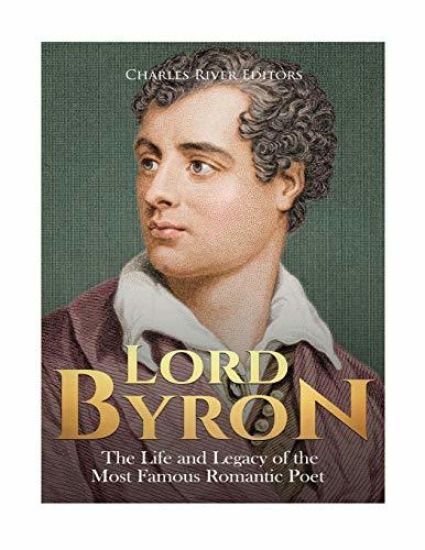
*Includes pictures *Includes quotes *Includes online resources and a bibliography for further reading "I am such a strange m lange of good and evil that it would be difficult to describe me." - Lord Byron "Mad, bad, and dangerous to know." - Lady Caroline Lamb's description of Lord Byron Lord Byron's very name conjures up visions of the Romantic movement and outlandishly dressed bohemians, for if Alfred, Lord Tennyson was the poetic darling of the masses, Byron was the hero of the hedonists. While the traditional English literary hero was a nobleman rescuing a damsel in distress, Byron created the anti-hero, a man plagued by self-doubt and hidden sorrow. At the same time, his hero was also capable of facing reality once he had wrestled through his own angst, and even of occasionally acting nobly in the great tradition of the author's Puritan forebears. Whereas poets like Wordsworth and Browning were easy to love, Lord Byron inspired a certain amount of fear among the upper classes, and pious mothers were reluctant to let their daughters read his work. In a manner more appropriate to the 21st century than the 19th, Lord Byron was a man true to his own beliefs, supporting the rights of the oppressed even while enjoying all the benefits offered to him as a member of the British aristocracy. If Byron himself was eclectic in his tastes and character, his poetry was even more so, for he could feature satiric pieces poking fun at the status quo and historical renditions of ancient battles fought with nobility and valor, all in the same volume. Like so many other writers, he used poetry to explore his own most deeply guarded secrets, in one poem playing in first person the dramatic hero and in another the troubled penitent. He was sometimes funny, sometimes lyrical, and sometimes verbose, but he was always interesting, and that is what allowed him to become one of the most famous writers of all time, almost against his own will, and despite his premature death. Lord Byron: The Life and Legacy of the Most Famous Romantic Poet chronicles the life and work that made Lord Byron one of history's most famous poets. Along with pictures of important people, places, and events, you will learn about Lord Byron like never before.
El estudio de los evangelios ap crifos -relatos de la vida o dichos de Jes s que no entraron al Nuevo Testamento- es una disciplina popular entre los acad micos que llena ya varios estantes de cualquier biblioteca respetable. A pesar de la creciente secularizaci n de la sociedad, parece haber un apetito por la figura hist rica de Jes s. Mucho menos lectores de estudios b blicos consideran la cuesti n de si el Antiguo Testamento, conocido tambi n como Biblia Hebrea, est "completo", es decir, si hubo otros libros aparte del G nesis, el xodo y Jueces, con distintas historias y personajes desconocidos, que quedaron excluidos de la colecci n y perdidos en las arenas del tiempo. La mayor parte de los lectores da por hecho que la gran saga de Israel, comenzando por los relatos pastoriles de los patriarcas, la epopeya del xodo y la conquista de la Tierra Prometida, hasta la corte del rey David, es una historia compacta, completa, nica, que desde un principio estuvo en su forma actual, y que como tal fue aceptada de manera un nime en la antig edad. Escribi alguien en el antiguo Israel otras versiones de las conocidas historias de la escuela dominical? Los descubrimientos arqueol gicos y textuales recientes han revelado que la literatura del pueblo de Israel antes de Cristo era mucho m s extensa y variada de lo que se supon a. Ya entre los primeros comentaristas cristianos y jud os se conoc an algunos textos cuyo estatus era impreciso. Pertenec an o no a las escrituras sagradas libros como Tob as, Macabeos y Judith, aceptados por los jud os de la di spora pero no por los de Palestina? D nde quedaron ciertos libros que se mencionan dentro de la misma Biblia pero que nadie presume haber visto jam s? Consid rense las referencias, por ejemplo, a una historia de la corte del rey David -que debi de ser una de las primeras en ponerse por escrito-, los Anales de Salom n, un Libro de Jasher, y de manera prominente el Libro de las Guerras del Se or. Todos ellos se han perdido en la penumbra de la historia. En tercer lugar est otro grupo de libros que despierta el mayor inter s: una extensa colecci n de textos jud os y judeo-helen sticos que han llegado hasta nosotros -algunos en estado fragmentario- pero que por alguna raz n fueron excluidos del Antiguo Testamento; algunos fueron recuperados o desenterrados, otros permanecieron bajo la celosa custodia de bibliotecas secretas o her ticas. Entre ellos se hallan el libro de Enoc, el libro de los Jubileos y el Apocalipsis de Mois s, entre muchos m s. Y a pesar de no haber sido aceptados, las doctrinas que ah se exponen lograron permear en la cultura popular no s lo de nuestros tiempos, sino de la antig edad, incluyendo los primeros cristianos. La rebeli n de los ngeles malvados liderados por quien despu s ser a llamado Satan s, los castigos para los pecadores en el mundo de los muertos, la idea de un mes as que morir a por su gente, la creencia en la resurrecci n de los m rtires con la recomposici n literal de sus cuerpos mutilados, son ideas que surgieron en libros ap crifos del Viejo Testamento. Estas creencias no se encuentran en ning n lugar de la Biblia Hebrea.