Kirjojen hintavertailu – 12 903 725 kirjaa ja 27 kauppaa

Kirjailija

Charles River

Kirjat ja teokset yhdessä paikassa: 4 673 kirjaa, julkaisuja vuosilta 2013–2022, suosituimpiin kuuluu William Powell and Myrna Loy: The Lives and Careers of One of Classical Hollywood's Most Iconic Duos. Vertaile teosten hintoja ja tarkista saatavuus suomalaisista kirjakaupoista.

4 673 kirjaa

Kirjojen julkaisuvuodet: 2013–2022.

The World's Most Famous Deserts: The History and Legacy of the Sahara Desert, Gobi Desert, and Mojave Desert
*Includes pictures *Includes online resources and a bibliography for further reading They say that one is subjected to a sobering sample of what can only be described as an existential crisis when traversing the golden and seemingly infinite terrain of the Sahara Desert. If one climbed any of the countless sand dunes and twirled around in a place, particularly under the starlit sky, they would scarcely be able to tell east from west without a compass, for there would be nothing but dizzying carpets of indistinguishable sand hills unfurling into the distant horizon. Daunting thoughts of purpose and self-worth aside, people fortunate enough to visit this sandy wonderland via a heavy-duty SUV, or more traditionally a hired camel caravan, are treated to a truly breathtaking sight. The wave-like ripples caressing the beautiful collection of irregularly shaped sand dunes, some barely half a story and others close to 600 feet in height, are as unique as the etchings on one's fingertips. To some, they are Mother Nature's stretch marks. To others, the wind-prompted patterns might conjure up an image of a god with a rake in hand, whistling carelessly and combing through the gritty grains of sand, as one would with a miniature zen garden to melt away their stresses. In August of 2008, London-based Jane Macartney published this striking description of the Gobi Desert in The Times: "On the Mongolian steppes, the emptiness and the silence inspire awe. From time to time, a huge, tawny eagle drifts on the breeze, watching for small animals to snatch amid the grasses. The only movement on the ground comes from the flocks of sheep and goats, yaks and cattle that roam, heads down, as they much their way across the grasslands..." Alongside this stunning and therapeutic view of the grassland critters are a smattering of white yurts which belonged to the Mongolian nomads who now inhabit the land. Gazing upon the rest of the Gobi, furnished with rolling plains, sweeping steppes, cragged mountains, and singing sand dunes, the desert instills in one a similar sense of inner peace. In fact, these Kodak scenes are so picture-perfect that it is almost impossible to imagine the adventurous discoveries, devastating wars, colorful commerce, and dramatically different landscape that once appeared in its place. The Mojave Desert, otherwise known as the "High Desert," is the smallest of the deserts in the North American continent, nestled between Los Angeles and Las Vegas, two of the most frequented tourist capitals in the country. That being said, this unassuming, yet mesmerizing desert is visited by millions each year, with over 2 million people flocking to Joshua Tree Park alone, for this diverse terrain is built on the back of a rich and unique history, be they real or fictitious. The World's Most Famous Deserts: The History and Legacy of the Sahara Desert, Gobi Desert, and Mojave Desert examines the history of each desert, from their origins to their ecology and inhabitants. Along with pictures of important people, places, and events, you will learn about the deserts like never before.

The Mojave Desert: The History and Legacy of North America's Most Famous Desert

The Mojave Desert: The History and Legacy of North America's Most Famous Desert

Charles River

Createspace Independent Publishing Platform
2018
nidottu
*Includes pictures *Includes online resources and a bibliography for further reading "The Mojave is a big desert and a frightening one. It's as though nature tested a man for endurance and constancy to prove whether he was good enough to get to California." - John Steinbeck The Mojave Desert, otherwise known as the "High Desert," is the smallest of the deserts in the North American continent, nestled between Los Angeles and Las Vegas, two of the most frequented tourist capitals in the country. That being said, this unassuming, yet mesmerizing desert is visited by millions each year, with over 2 million people flocking to Joshua Tree Park alone, for this diverse terrain is built on the back of a rich and unique history, be they real or fictitious. The Mojave Desert: The History and Legacy of North America's Most Famous Desert explores the development of the Mojave, from its formative years to the heterogeneous tract of land it is today. It also examines the native tribes who inhabited it, and their complex relationships with the foreign explorers who traversed their territories. The book also dives into the desert's literal golden era and takes a tour through the desert's fabled Death Valley. Along with pictures of important people, places, and events, you will learn about the Mojave Desert like never before.
Napoleon Bonaparte's Invasion of the Levant: The History and Legacy of the French Campaign in Syria
*Includes pictures *Includes accounts of the campaign *Includes online resources and a bibliography for further reading "Soldiers You are one of the wings of the French army. You have made war on the mountains, on the plains, and in cities; it remains for you to fight on the seas. The Roman legions, that you sometimes imitated but no longer equalled, fought Carthage now on this same sea and now on the plains of Zama... Soldiers, sailors, you have been neglected until this day; today, the greatest concern of the Republic is for you... The genius of liberty, which made you, at her birth, the arbiter of Europe, wants to be genius of the seas and the furthest nations." - Napoleon's address to his soldiers before leaving for Africa An initial review of France's naval forces had led Napoleon to conclude his navy could not hope to outfight the power of the Royal Navy, which had been the dominant naval power for centuries, so he was forced to look elsewhere. After months of planning, Napoleon crafted a scheme to attack and conquer Egypt, denying the British easy access to their colonies in India, with the ultimate goal of linking up with the Sultan Tipoo in India itself and defeating the British in the field there. Napoleon sailed with Admiral Brueys and 30,000 troops that June, heading for Egypt. Notionally part of the Ottoman Empire, Egypt was de facto a weak independent regime run by the breakaway Mamelukes. For France, it offered an overland route to India and a chance to beat Britain at her own game via economic strangulation. Ironically, in their attempt to intercept Napoleon and the French fleet, Admiral Horatio Nelson and the British forces beat the French to Africa, failing to take into account their slower troop transports. While the British turned north, only two days later, on June 28, 1798, Napoleon's army disembarked at Alexandria. Back in Sicily, Nelson heard further reports about the French and again sailed south. This time, about 6 weeks after the French reached Egypt, Nelson's fleet destroyed the French Mediterranean fleet, leaving Napoleon stranded in Africa. In addition to being unable to be reinforced or supplied by sea, his ambitions to establish a permanent presence in Egypt were further frustrated by a number of uprisings. Early in 1799, Napoleon advanced against France's erstwhile enemy, the Ottoman Empire, invading modern Syria (then the province of Damascus) and conquering the cities of Gaza, Jaffa, Arish and Haifa. However, with the plague running rampant through his army and his lines of supply from Egypt stretched dangerously thin, Napoleon was unable to destroy the fortified city of Acre and was forced to retreat. The retreat cost him almost all of his wounded as, harassed by enemy forces, he was forced to abandon most of his casualties to the Ottomans' mercy, or lack thereof. Most of the wounded were tortured and beheaded. Upon returning to Cairo, Napoleon finally received dispatches from France which, with the Mediterranean rife with Royal Navy vessels, had been severely delayed. The dispatches told of renewed hostilities with Austria and her allies, and a series of defeats in Italy which had virtually annihilated all of Napoleon's previous hard-won gains in the Italian peninsula. Leaving his army under the command of his subordinate General Kleber, Napoleon took advantage of a lull in the Royal Navy blockade and embarked upon one of his remaining ships. He set sail for France, determined to rescue her from this fresh wave of enemies. Napoleon Bonaparte's Invasion of the Levant: The History and Legacy of the French Campaign in Syria chronicles one of the French leader's most forgotten campaigns. Along with pictures depicting important people, places, and events, you will learn about the French invasion of the Levant like never before.
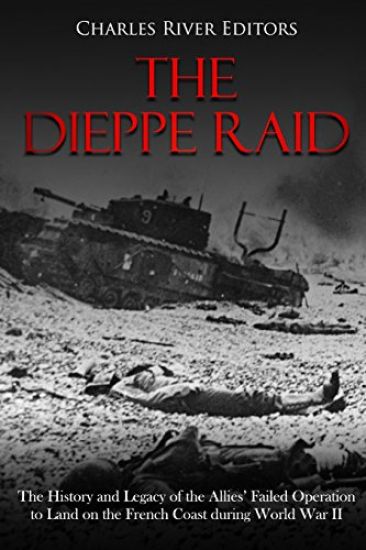
The Dieppe Raid: The History and Legacy of the Allies' Failed Operation to Land on the French Coast during World War II
*Includes pictures *Includes online resources and a table of contents for further reading "I thought it most important that a large-scale operation should take place this summer, and military opinion seemed unanimous that until an operation on that scale was undertaken, no responsible general would take the responsibility of planning the main invasion." - Prime Minister Winston Churchill The invasion across the Channel came in the early morning hours of June 6, 1944. That day, forever known as D-Day, the Allies commenced Operation Overlord by staging the largest and most complex amphibious invasion in human history. The complex operation would require tightly coordinated naval and air bombardment, paratroopers, and even inflatable tanks that would be able to fire on fortifications from the coastline, all while landing over 150,000 men across nearly 70 miles of French beaches. Given the incredibly complex plan, it's no surprise that General Eisenhower had already written a letter apologizing for the failure of the invasion, which he carried in his coat pocket throughout the day. D-Day would turn out to be a remarkable success, but it wasn't the first time the Allies tried to land in France after the Nazi conquest of Western Europe. On the 19th of August in 1942, Allied troops launched a raid on the port of Dieppe in German-occupied France, but this attack, codenamed Operation Jubilee, was a disaster. Of the 6,000 ground troops deployed, two-thirds were killed, captured, or wounded, and among the raid's objectives, only one could have been considered a success. Britain proved it was committed to a campaign to drive the Nazis out of Western Europe, but making that one point came at a huge cost in lives, most of them Canadian. Top British officials later claimed the lessons learned in the failed raid were applied to D-Day a few years later, with Churchill asserting, "My Impression of 'Jubilee' is that the results fully justified the heavy cost. Not surprisingly, the Canadians begged to differ. Why was this raid launched? What happened on the day? And how did it all go so horribly wrong? The Dieppe Raid: The History and Legacy of the Allies' Failed Operation to Land on the French Coast during World War II looks at how the plans were formed, and what happened as a result of the raid. Along with pictures of important people, places, and events, you will learn about Dieppe like never before.
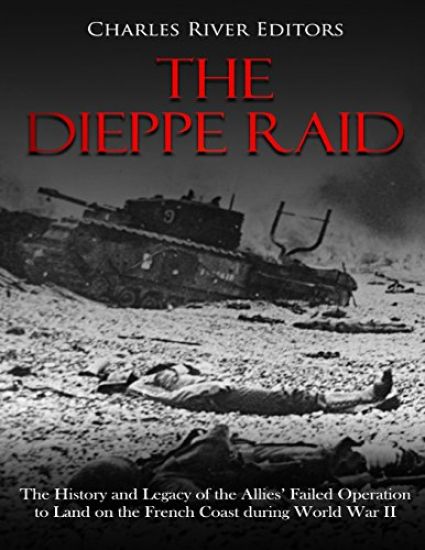
The Dieppe Raid: The History and Legacy of the Allies' Failed Operation to Land on the French Coast during World War II
*Includes pictures *Includes online resources and a table of contents for further reading "I thought it most important that a large-scale operation should take place this summer, and military opinion seemed unanimous that until an operation on that scale was undertaken, no responsible general would take the responsibility of planning the main invasion." - Prime Minister Winston Churchill The invasion across the Channel came in the early morning hours of June 6, 1944. That day, forever known as D-Day, the Allies commenced Operation Overlord by staging the largest and most complex amphibious invasion in human history. The complex operation would require tightly coordinated naval and air bombardment, paratroopers, and even inflatable tanks that would be able to fire on fortifications from the coastline, all while landing over 150,000 men across nearly 70 miles of French beaches. Given the incredibly complex plan, it's no surprise that General Eisenhower had already written a letter apologizing for the failure of the invasion, which he carried in his coat pocket throughout the day. D-Day would turn out to be a remarkable success, but it wasn't the first time the Allies tried to land in France after the Nazi conquest of Western Europe. On the 19th of August in 1942, Allied troops launched a raid on the port of Dieppe in German-occupied France, but this attack, codenamed Operation Jubilee, was a disaster. Of the 6,000 ground troops deployed, two-thirds were killed, captured, or wounded, and among the raid's objectives, only one could have been considered a success. Britain proved it was committed to a campaign to drive the Nazis out of Western Europe, but making that one point came at a huge cost in lives, most of them Canadian. Top British officials later claimed the lessons learned in the failed raid were applied to D-Day a few years later, with Churchill asserting, "My Impression of 'Jubilee' is that the results fully justified the heavy cost. Not surprisingly, the Canadians begged to differ. Why was this raid launched? What happened on the day? And how did it all go so horribly wrong? The Dieppe Raid: The History and Legacy of the Allies' Failed Operation to Land on the French Coast during World War II looks at how the plans were formed, and what happened as a result of the raid. Along with pictures of important people, places, and events, you will learn about Dieppe like never before.
Roman Hispania: The History of Ancient Rome's Conquest of Spain and the Iberian Peninsula
*Includes pictures *Includes ancient accounts *Includes online resources and a bibliography for further reading Spain's geographical position has made it a focus of attention throughout history for numerous migrants, traders, colonizers, and conquerors alike. Iberia, also known as Hispaniola or Hispania, is in the southwestern corner of Europe and is separated from Africa by a mere eight miles, the point at which the Mediterranean meets the Atlantic. The whole of the Iberian Peninsula, which today incorporates the modern nation states of Spain and Portugal, was known to the Romans and Greeks as Hispania. Over the centuries, before Roman involvement in the Iberian Peninsula, it had been settled by different waves of eastern tribes: Celts, Phoenicians, Greeks, Africans, and Carthaginians. It was the settlement in the south of Spain by the last of these that led to Roman interest in the area, and ultimately to its conquest and integration into the Roman Empire, though the complete process was to take over 200 years. Once the Carthaginian territories had been taken, those parts of Hispania became the two provinces of Hispania Citerior and Hispania Ulterior, which in turn were later subdivided into further provinces. They became some of the wealthiest and most Romanized of the empire's provinces, but the process by which the whole of Spain came under Roman rule was both violent and complex. Given that the Iberian Peninsula is Europe's second largest peninsula, maintaining control required vigorous efforts, including Roman-sponsored migrations by the Sueves, Alani, Vandals, Visigoths, and other tribes. For example, the Visigoths first set foot on the peninsula in the year 416, where they were tasked with forcefully re-instituting Roman authority upon other Germanic invaders who had occupied the land. Initially, the Visigoths followed instructions to a tee, but as time progressed, it appeared that there may have been reason to have been suspicious of the Visigoths after all. In 418, they were relocated to France, where they established a makeshift kingdom of their own in Toulouse. When they inevitably wizened up to their employer's increasingly fragile authority, they realized it would not take much to squeeze the disintegrating empire out of the picture. The ramifications of 600 years of Roman rule had significant consequences for the rest of the ancient world, and it had a profound impact on subsequent European history. In fact, it can be argued that those consequences are still being felt in Spain today, in terms of language, culture and political complications. Roman Hispania: The History of Ancient Rome's Conquest of Spain and the Iberian Peninsula looks at the history of relations between the two ancient empires. Along with pictures depicting important people, places, and events, you will learn about Roman Hispania like never before.
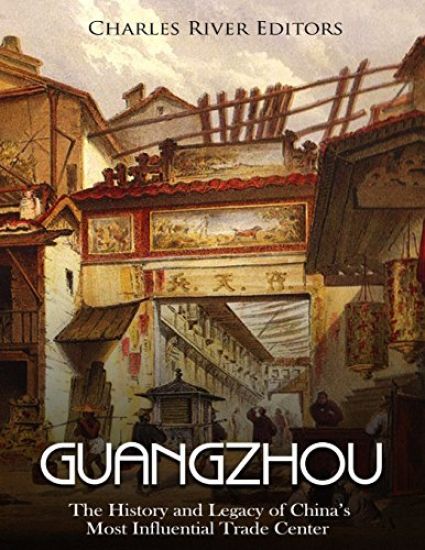
Guangzhou: The History and Legacy of China's Most Influential Trade Center

Guangzhou: The History and Legacy of China's Most Influential Trade Center

Charles River

Createspace Independent Publishing Platform
2018
nidottu
*Includes pictures *Includes contemporary accounts *Includes online resources and a bibliography for further reading The modern day city of Guangzhou is located in the mountainous region of south China. Near the Baiyun Mountains that rise from the edge of the city and the eastern banks of the Pearl River (Zhujiang), the city today covers approximately 7, 400 square kilometers. The location of the city provides it the opportunity to oversee the delta of the Pearl River, which is China's third largest river. This has allowed the city historically and in the present to control the movement of goods into China while the proximity of the city to the South China Sea has allowed merchant ships from around the world to trade goods here. As a developing and expanding city, the land of Guangzhou has become a valuable commodity that attracts immigrants from regions of Southeast Asia, Europe, western Asia and Africa. Even within China itself, a large number of migrants have moved from other regions of China to Guangzhou making the Chinese migrant population around 30-40% resulting in the city deciding to limit its population growth by 2020 (Guangzhou Population 2018). Most of the residents of the city live in the central districts of the city. The local language of the people, known as Cantonese, is most commonly referred to as also Cantonese, but is more formally known as Yueyu. Due to the high number of migrants from other regions of China it has become more common to also find Mandarin being spoken. Before the city became a thriving metropolitan area, many people had emigrated to other regions such as Southeast Asia and North America in search of job opportunities. Since the 1980s, populations of Cantonese have begun to return back to the city given the financial success of the region and being one of the best commercial cities on the Chinese mainland (Cheng and Geng 06 April 2017). The people of the region and the language are known as Cantonese based on the romanization of the name "Guangdong" (the name of the region), which may have been interpreted by the Portuguese as sounding like Cant o (Merriam-Webster's 2004: 181). The English then used the term Canton to refer not just to the city, but to the region of Guangdong in general. Since then, the term is used to describe the people, language, culture, and food of the region. Guangzhou: The History and Legacy of China's Most Influential Trade Center examines how China's third biggest city took shape, from ancient origins to its role in the Silk Road and trade with Europe. Along with pictures depicting important people, places, and events, you will learn about Guangzhou like never before.
Guangzhou: The History and Legacy of China's Most Influential Trade Center

Guangzhou: The History and Legacy of China's Most Influential Trade Center

Charles River

Createspace Independent Publishing Platform
2018
nidottu
*Includes pictures *Includes contemporary accounts *Includes online resources and a bibliography for further reading The modern day city of Guangzhou is located in the mountainous region of south China. Near the Baiyun Mountains that rise from the edge of the city and the eastern banks of the Pearl River (Zhujiang), the city today covers approximately 7, 400 square kilometers. The location of the city provides it the opportunity to oversee the delta of the Pearl River, which is China's third largest river. This has allowed the city historically and in the present to control the movement of goods into China while the proximity of the city to the South China Sea has allowed merchant ships from around the world to trade goods here. As a developing and expanding city, the land of Guangzhou has become a valuable commodity that attracts immigrants from regions of Southeast Asia, Europe, western Asia and Africa. Even within China itself, a large number of migrants have moved from other regions of China to Guangzhou making the Chinese migrant population around 30-40% resulting in the city deciding to limit its population growth by 2020 (Guangzhou Population 2018). Most of the residents of the city live in the central districts of the city. The local language of the people, known as Cantonese, is most commonly referred to as also Cantonese, but is more formally known as Yueyu. Due to the high number of migrants from other regions of China it has become more common to also find Mandarin being spoken. Before the city became a thriving metropolitan area, many people had emigrated to other regions such as Southeast Asia and North America in search of job opportunities. Since the 1980s, populations of Cantonese have begun to return back to the city given the financial success of the region and being one of the best commercial cities on the Chinese mainland (Cheng and Geng 06 April 2017). The people of the region and the language are known as Cantonese based on the romanization of the name "Guangdong" (the name of the region), which may have been interpreted by the Portuguese as sounding like Cant o (Merriam-Webster's 2004: 181). The English then used the term Canton to refer not just to the city, but to the region of Guangdong in general. Since then, the term is used to describe the people, language, culture, and food of the region. Guangzhou: The History and Legacy of China's Most Influential Trade Center examines how China's third biggest city took shape, from ancient origins to its role in the Silk Road and trade with Europe. Along with pictures depicting important people, places, and events, you will learn about Guangzhou like never before.
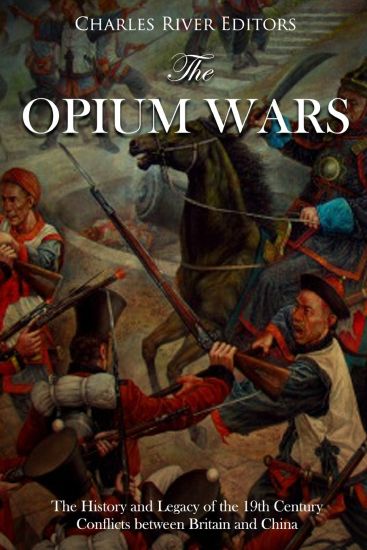
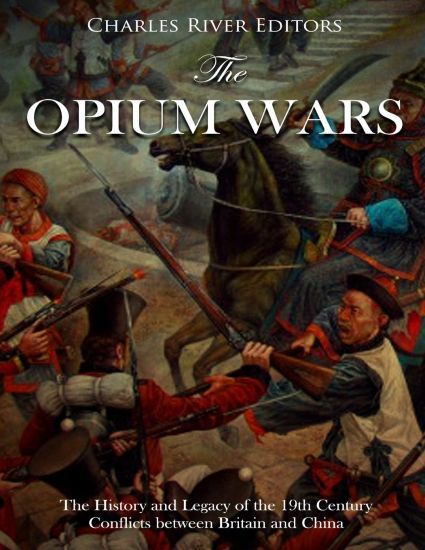
The Opium Wars: The History and Legacy of the 19th Century Conflicts between Britain and China
*Includes pictures *Includes contemporary accounts *Includes online resources and a bibliography for further reading The 19th century saw the rise of one of the largest, most powerful empires of the modern era. The sun never set on the British Empire, whose holdings spanned the globe, in one form or another. Its naval supremacy linked the Commonwealth of Canada with the colonies in South Africa and India, and through them trade flowed east and west. An integral but underutilized part of this vast trade network included China, a reclusive Asian kingdom closed off from the Western world that desired none of its goods. Unfortunately for China, the British had the might of an empire and economic force, not to mention modern arms, on their side. Breaking into China's lucrative trade markets nearly destroyed the nation, severely discredited the Chinese dynasty, wreaked havoc on its people, and further propelled Britain's empire into a dominant economic and military position. The collision of these two empires took many years and caused much bloodshed. In fact, the troubles started well before the eventual hostilities, festering as frustration mounted until finally boiling over. Such was the state of relations between the British Empire and Qing Dynasty for the better part of the century, its footing upended from the very start of relations. Both wars ended with British victories, but while in the first war other foreign powers did not muscle their way into China until after the war, in the second foreign powers followed right after the British. Where once the British loomed over China unchallenged, now new powers made their presence felt, and they had no intention of leaving anytime soon. The French would broaden their empire in Asia along with the British, the consequences of which would involve both China and the United States over a century later. Russia would look eastward toward China and the Pacific, until its disastrous defeat in the Russo-Japanese War, and its relations with China would ebb and flow until the late twentieth century. The United States, established in China, opened Japan to foreign trade the same year as the signing of the Treaty of Tianjin. In less than half a century, Japan would supplant China as the dominant power in the region. For these reasons, as well as others, the Opium Wars marked a dramatic shift in Asian history. Both wars were started over trade; the First Opium War was a blatant grab for money at the expense of a people who slowly succumbed en masse to drug addiction, while the Second Opium War was a war less about trade and more about national prestige. In the end, British arrogance started the wars, and Chinese impotence ended them. With that said, however, China learned several valuable lessons during the Second Opium War, even if it would not be until the middle of the 20th century that those lessons bore the fruit necessary to turn China from a backwater nation into a world power. As fate would have it, the years after World War II would watch the British Empire fall at the same time Communist China rose. The Opium Wars: The History and Legacy of the 19th Century Conflicts between Britain and China examines the way in which trade, colonialism, and illegal drug use culminated with one of the 19th century's most controversial fights. Along with pictures and a bibliography, you will learn about the Opium Wars like never before.
The Opium Wars: The History and Legacy of the 19th Century Conflicts between Britain and China
*Includes pictures *Includes contemporary accounts *Includes online resources and a bibliography for further reading The 19th century saw the rise of one of the largest, most powerful empires of the modern era. The sun never set on the British Empire, whose holdings spanned the globe, in one form or another. Its naval supremacy linked the Commonwealth of Canada with the colonies in South Africa and India, and through them trade flowed east and west. An integral but underutilized part of this vast trade network included China, a reclusive Asian kingdom closed off from the Western world that desired none of its goods. Unfortunately for China, the British had the might of an empire and economic force, not to mention modern arms, on their side. Breaking into China's lucrative trade markets nearly destroyed the nation, severely discredited the Chinese dynasty, wreaked havoc on its people, and further propelled Britain's empire into a dominant economic and military position. The collision of these two empires took many years and caused much bloodshed. In fact, the troubles started well before the eventual hostilities, festering as frustration mounted until finally boiling over. Such was the state of relations between the British Empire and Qing Dynasty for the better part of the century, its footing upended from the very start of relations. Both wars ended with British victories, but while in the first war other foreign powers did not muscle their way into China until after the war, in the second foreign powers followed right after the British. Where once the British loomed over China unchallenged, now new powers made their presence felt, and they had no intention of leaving anytime soon. The French would broaden their empire in Asia along with the British, the consequences of which would involve both China and the United States over a century later. Russia would look eastward toward China and the Pacific, until its disastrous defeat in the Russo-Japanese War, and its relations with China would ebb and flow until the late twentieth century. The United States, established in China, opened Japan to foreign trade the same year as the signing of the Treaty of Tianjin. In less than half a century, Japan would supplant China as the dominant power in the region. For these reasons, as well as others, the Opium Wars marked a dramatic shift in Asian history. Both wars were started over trade; the First Opium War was a blatant grab for money at the expense of a people who slowly succumbed en masse to drug addiction, while the Second Opium War was a war less about trade and more about national prestige. In the end, British arrogance started the wars, and Chinese impotence ended them. With that said, however, China learned several valuable lessons during the Second Opium War, even if it would not be until the middle of the 20th century that those lessons bore the fruit necessary to turn China from a backwater nation into a world power. As fate would have it, the years after World War II would watch the British Empire fall at the same time Communist China rose. The Opium Wars: The History and Legacy of the 19th Century Conflicts between Britain and China examines the way in which trade, colonialism, and illegal drug use culminated with one of the 19th century's most controversial fights. Along with pictures and a bibliography, you will learn about the Opium Wars like never before.
El Alcázar de Sevilla: La historia del más famoso palacio real de España

El Alcázar de Sevilla: La historia del más famoso palacio real de España

Charles River

Createspace Independent Publishing Platform
2018
nidottu
La mayor a de quienes son lo suficientemente afortunados como para que sus ojos se gocen con el majestuoso complejo que es el Alc zar de Sevilla, comparten el mismo sentimiento: su belleza es indescriptible. Es un lugar que rezuma opulencia, un tipo de opulencia aderezada por la clase y el encanto hist rico, m s que por el excesivo relumbre y la ordinaria ostentaci n desplegada por los nuevos ricos. Decir que el Alc zar es adecuado para un pr ncipe sencillamente rebajar a su esplendor. Por supuesto, esto es lo que el Alc zar era exactamente, y contin a siendo, porque este fant stico complejo es la m s antigua residencia real europea todav a en uso. La propiedad real, con 17.000 metros cuadrados de espectaculares estructuras y siete hect reas de frondosos jardines, es a n m s sublime al caer la noche. Los interminables arcos moros, y el sofisticado detalle de las torres de cuento de hadas y los lienzos murarios -desde la impactante silueta de las rectangulares almenas, rematadas por conos triangulares, a la spera, envejecida textura, y las huellas de humedad que decoloran la antigua fachada-, a n m s destacadas por las antorchas distribuidas dentro de sus l mites. Sin embargo, tras la partida de los visitantes nocturnos, los locuaces gu as tur sticos (ataviados con elaboradas vestimentas hist ricas), y hasta el ltimo de los empleados, el Alc zar, afirman algunos, se convierte en un abrumador y siniestro laberinto del que es casi imposible escapar. El Alc zar de Sevilla: la historia del m s famoso palacio real de Espa a recorre el animado registro hist rico de la fortaleza palaciega, as como todas las etapas de su construcci n. Indaga tambi n sobre algunos de los fascinantes personajes que vivieron all , y sobre los eventos m s decisivos que tuvieron lugar detr s de las centenarias paredes de ladrillo. Junto a im genes de personas, lugares y eventos de importancia, usted aprender acerca del Alc zar de Sevilla como nunca antes.
El Alcázar de Sevilla: La historia del más famoso palacio real de España

El Alcázar de Sevilla: La historia del más famoso palacio real de España

Charles River

Createspace Independent Publishing Platform
2018
nidottu
La mayor a de quienes son lo suficientemente afortunados como para que sus ojos se gocen con el majestuoso complejo que es el Alc zar de Sevilla, comparten el mismo sentimiento: su belleza es indescriptible. Es un lugar que rezuma opulencia, un tipo de opulencia aderezada por la clase y el encanto hist rico, m s que por el excesivo relumbre y la ordinaria ostentaci n desplegada por los nuevos ricos. Decir que el Alc zar es adecuado para un pr ncipe sencillamente rebajar a su esplendor. Por supuesto, esto es lo que el Alc zar era exactamente, y contin a siendo, porque este fant stico complejo es la m s antigua residencia real europea todav a en uso. La propiedad real, con 17.000 metros cuadrados de espectaculares estructuras y siete hect reas de frondosos jardines, es a n m s sublime al caer la noche. Los interminables arcos moros, y el sofisticado detalle de las torres de cuento de hadas y los lienzos murarios -desde la impactante silueta de las rectangulares almenas, rematadas por conos triangulares, a la spera, envejecida textura, y las huellas de humedad que decoloran la antigua fachada-, a n m s destacadas por las antorchas distribuidas dentro de sus l mites. Sin embargo, tras la partida de los visitantes nocturnos, los locuaces gu as tur sticos (ataviados con elaboradas vestimentas hist ricas), y hasta el ltimo de los empleados, el Alc zar, afirman algunos, se convierte en un abrumador y siniestro laberinto del que es casi imposible escapar. El Alc zar de Sevilla: la historia del m s famoso palacio real de Espa a recorre el animado registro hist rico de la fortaleza palaciega, as como todas las etapas de su construcci n. Indaga tambi n sobre algunos de los fascinantes personajes que vivieron all , y sobre los eventos m s decisivos que tuvieron lugar detr s de las centenarias paredes de ladrillo. Junto a im genes de personas, lugares y eventos de importancia, usted aprender acerca del Alc zar de Sevilla como nunca antes.
Rhodes after Antiquity: The History and Legacy of the Famous Greek Island in the Middle Ages and the Modern Era
*Includes pictures *Includes contemporary accounts *Includes online resources and a bibliography for further reading In the Archaic and Classical periods, Rhodes often stood as a prime exemplar of the highs and lows of its fellow Greek cities, and as the largest island of the Dodecanese, Rhodes' history is largely in line with that of the rest of those islands. Rhodes was first colonized by the Greeks of the Dorian tribe around the 8th century BCE, and it aligned with its fellow Dorian cities on the surrounding islands and the mainland of Asia Minor to form the so-called Doric Hexapolis. Rhodes would reach the zenith of its power in the Hellenistic period following the death of Alexander the Great in 323 BCE. Even as the rest of the city-states waned compared to the much larger kingdoms of Alexander's successors in Egypt and Asia, Rhodes would come to the forefront as a main power in the Greek world, standing toe-to-toe with these Hellenistic kingdoms. Rhodes was for a time the foremost naval power in the Eastern Mediterranean, and one of the most powerful and richest cities in the world. It was during this time that the Colossus of Rhodes, one of the Seven Wonders of the Ancient World, was built on the island to celebrate Rhodes' equally monumental triumph over the armies of Demetrius the Besieger. Rhodes also gained a foothold on other islands, and an extensive presence in Asia Minor. With the rise of Rome, Rhodes, along with the rest of the Greek world, lost power, and it was gradually integrated into the Roman sphere of influence as an ally before finally being annexed into the empire, but after the partition and collapse of the ancient Roman Empire, in the Middle Ages Rhodes would share in both the fortunes and vicissitudes of Rome's successor state, the Byzantine Empire. Along with the Byzantines, Rhodes would face off first against the Arabs from the East, and then European Crusaders from the West. As the Byzantine Empire continued to lose power and chaos spread in its former holdings, Rhodes would eventually be occupied by the Knights Hospitaller, an order of Crusading knights who initially arrived on the island while retreating from the Holy Land. These knights would hold on to Rhodes for over 200 years, making it the headquarters of their unique military, economic, and piratical empire. It became a bastion of Christendom and a reminder of the former power of the Crusaders in an Eastern Mediterranean region increasingly dominated by Islam. When the Rhodian castle of the knights, still standing today, finally fell to the Ottoman Turks in 1522, Rhodes entered a long period of Turkish rule that lasted almost 400 years. It was only in 1948, after successive and brief Italian, German and British occupations, that the island was finally united with the modern Greek state. To this day, thanks to its impressive archaeological sites, Rhodes still bears the indelible marks of its storied past. Rhodes after Antiquity: The History and Legacy of the Famous Greek Island in the Middle Ages and the Modern Era examines the history of one of the most crucial locations in the Mediterranean. Along with pictures depicting important people, places, and events, you will learn about Rhodes like never before.
Rhodes after Antiquity: The History and Legacy of the Famous Greek Island in the Middle Ages and the Modern Era
*Includes pictures *Includes contemporary accounts *Includes online resources and a bibliography for further reading In the Archaic and Classical periods, Rhodes often stood as a prime exemplar of the highs and lows of its fellow Greek cities, and as the largest island of the Dodecanese, Rhodes' history is largely in line with that of the rest of those islands. Rhodes was first colonized by the Greeks of the Dorian tribe around the 8th century BCE, and it aligned with its fellow Dorian cities on the surrounding islands and the mainland of Asia Minor to form the so-called Doric Hexapolis. Rhodes would reach the zenith of its power in the Hellenistic period following the death of Alexander the Great in 323 BCE. Even as the rest of the city-states waned compared to the much larger kingdoms of Alexander's successors in Egypt and Asia, Rhodes would come to the forefront as a main power in the Greek world, standing toe-to-toe with these Hellenistic kingdoms. Rhodes was for a time the foremost naval power in the Eastern Mediterranean, and one of the most powerful and richest cities in the world. It was during this time that the Colossus of Rhodes, one of the Seven Wonders of the Ancient World, was built on the island to celebrate Rhodes' equally monumental triumph over the armies of Demetrius the Besieger. Rhodes also gained a foothold on other islands, and an extensive presence in Asia Minor. With the rise of Rome, Rhodes, along with the rest of the Greek world, lost power, and it was gradually integrated into the Roman sphere of influence as an ally before finally being annexed into the empire, but after the partition and collapse of the ancient Roman Empire, in the Middle Ages Rhodes would share in both the fortunes and vicissitudes of Rome's successor state, the Byzantine Empire. Along with the Byzantines, Rhodes would face off first against the Arabs from the East, and then European Crusaders from the West. As the Byzantine Empire continued to lose power and chaos spread in its former holdings, Rhodes would eventually be occupied by the Knights Hospitaller, an order of Crusading knights who initially arrived on the island while retreating from the Holy Land. These knights would hold on to Rhodes for over 200 years, making it the headquarters of their unique military, economic, and piratical empire. It became a bastion of Christendom and a reminder of the former power of the Crusaders in an Eastern Mediterranean region increasingly dominated by Islam. When the Rhodian castle of the knights, still standing today, finally fell to the Ottoman Turks in 1522, Rhodes entered a long period of Turkish rule that lasted almost 400 years. It was only in 1948, after successive and brief Italian, German and British occupations, that the island was finally united with the modern Greek state. To this day, thanks to its impressive archaeological sites, Rhodes still bears the indelible marks of its storied past. Rhodes after Antiquity: The History and Legacy of the Famous Greek Island in the Middle Ages and the Modern Era examines the history of one of the most crucial locations in the Mediterranean. Along with pictures depicting important people, places, and events, you will learn about Rhodes like never before.
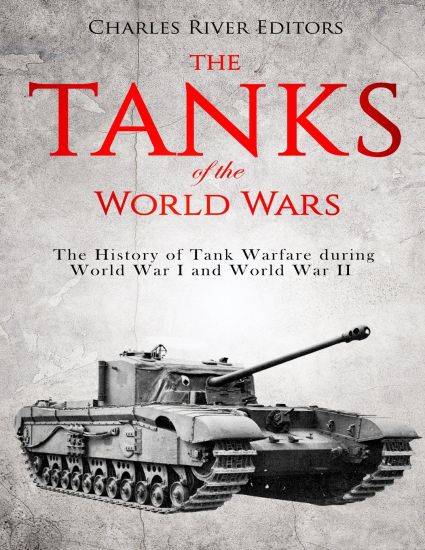
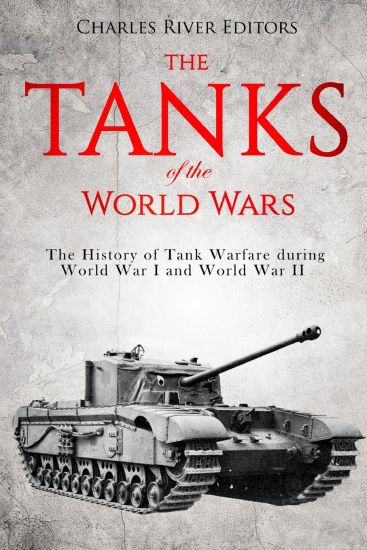
The Tanks of the World Wars: The History of Tank Warfare during World War I and World War II
*Includes pictures *Includes accounts of the fighting *Includes online resources and a bibliography for further reading One of the most important breakthroughs in military technology associated with World War I, and certainly the one that continues to capture the public imagination, was the introduction of a war machine that came to dominate the face of land battles throughout most of the 20th century: the tank. As a concept, it was not revolutionary; in fact, it harkened back to classical antiquity and to the Middle Ages, such as the covered battering rams and testudos which had made frequent appearances on ancient battlefields. In essence, it was designed to solve the age-old problem of protecting infantry from enemy projectiles while remaining mobile. The tanks of World War I, revolutionary (and initially terrifying) as they were, had their limitations. A standard tank would literally consume its own weight in spare parts, and they were painfully slow compared to more modern iterations. They were also lightly armed - usually with machine guns or light guns at most - and some poorly designed models tended to "ditch" themselves, sometimes irretrievably, in wider trenches. However, as a mobile bastion for infantry to shelter behind in the advance, and as a psychological weapon, they were significant. All major powers, and many minor ones, learned their lesson in World War I. During the interwar period (late 1918 to mid-1939), a wide variety of tanks and antitank weapons were developed by a number of different countries, and those nations that did not have their own models hastened to purchase some from the more advanced countries. These tanks would shape the war that was to come. World War II was thus the culmination of a quarter century of tank development, and it would also be the first major test of tanks in mobile warfare, during which they had to face other tanks. However, many of the tanks were constructed with the static warfare of the Western Front in mind and were thus slow and had short operational ranges. Others were too light to face opposing tanks or the new generation of anti-tank weapons that hadn't existed in World War I. The unsuitability of these tank models for this new kind of warfare was quickly recognized, and the belligerent powers scrambled to create better designs. As each new, improved model came off the assembly lines, the opposing powers rushed to create a tank that could beat it. In that regard, World War II was also a war between rival engineers. The beginning of World War II found the major powers developing tanks to some extent, but lingering ideas from World War I affected the development of tanks during the Interwar period. As a result, aside from the blitzkrieg doctrine developed by the Nazis, tanks were still used in terms of infantry support, and there were few wars during this period to give strategists the chance to develop better uses for the new armored vehicles before World War II started. Commanders soon found that many of the tanks fielded in the campaigns of 1939-1941 lacked the necessary armor, guns, and designs. Inevitably, tactics evolved throughout the war. The Germans were early leaders in tank tactics, as their successes from Poland through the opening phases of Operation Barbarossa demonstrated. The main German tank tactic was the so-called Schwerpunkt ("center of gravity"), in which a concentration of tanks achieved a local superiority, broke through, and drove deep behind enemy lines, carving up frontline enemy forces that could then be surrounded and taken out by support tanks, infantry, and artillery. This is why German tanks were built for speed while maintaining good armor and weaponry. Once the Allies witnessed the efficacy of German tank tactics, they began to imitate them, prompting the Germans to further refine their own techniques.
The Tanks of the World Wars: The History of Tank Warfare during World War I and World War II
*Includes pictures *Includes accounts of the fighting *Includes online resources and a bibliography for further reading One of the most important breakthroughs in military technology associated with World War I, and certainly the one that continues to capture the public imagination, was the introduction of a war machine that came to dominate the face of land battles throughout most of the 20th century: the tank. As a concept, it was not revolutionary; in fact, it harkened back to classical antiquity and to the Middle Ages, such as the covered battering rams and testudos which had made frequent appearances on ancient battlefields. In essence, it was designed to solve the age-old problem of protecting infantry from enemy projectiles while remaining mobile. The tanks of World War I, revolutionary (and initially terrifying) as they were, had their limitations. A standard tank would literally consume its own weight in spare parts, and they were painfully slow compared to more modern iterations. They were also lightly armed - usually with machine guns or light guns at most - and some poorly designed models tended to "ditch" themselves, sometimes irretrievably, in wider trenches. However, as a mobile bastion for infantry to shelter behind in the advance, and as a psychological weapon, they were significant. All major powers, and many minor ones, learned their lesson in World War I. During the interwar period (late 1918 to mid-1939), a wide variety of tanks and antitank weapons were developed by a number of different countries, and those nations that did not have their own models hastened to purchase some from the more advanced countries. These tanks would shape the war that was to come. World War II was thus the culmination of a quarter century of tank development, and it would also be the first major test of tanks in mobile warfare, during which they had to face other tanks. However, many of the tanks were constructed with the static warfare of the Western Front in mind and were thus slow and had short operational ranges. Others were too light to face opposing tanks or the new generation of anti-tank weapons that hadn't existed in World War I. The unsuitability of these tank models for this new kind of warfare was quickly recognized, and the belligerent powers scrambled to create better designs. As each new, improved model came off the assembly lines, the opposing powers rushed to create a tank that could beat it. In that regard, World War II was also a war between rival engineers. The beginning of World War II found the major powers developing tanks to some extent, but lingering ideas from World War I affected the development of tanks during the Interwar period. As a result, aside from the blitzkrieg doctrine developed by the Nazis, tanks were still used in terms of infantry support, and there were few wars during this period to give strategists the chance to develop better uses for the new armored vehicles before World War II started. Commanders soon found that many of the tanks fielded in the campaigns of 1939-1941 lacked the necessary armor, guns, and designs. Inevitably, tactics evolved throughout the war. The Germans were early leaders in tank tactics, as their successes from Poland through the opening phases of Operation Barbarossa demonstrated. The main German tank tactic was the so-called Schwerpunkt ("center of gravity"), in which a concentration of tanks achieved a local superiority, broke through, and drove deep behind enemy lines, carving up frontline enemy forces that could then be surrounded and taken out by support tanks, infantry, and artillery. This is why German tanks were built for speed while maintaining good armor and weaponry. Once the Allies witnessed the efficacy of German tank tactics, they began to imitate them, prompting the Germans to further refine their own techniques.
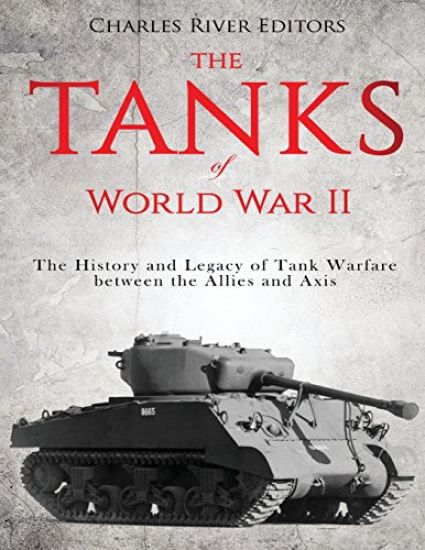
The Tanks of World War II: The History and Legacy of Tank Warfare between the Allies and Axis
*Includes pictures *Includes accounts of the fighting *Includes online resources and a bibliography for further reading World War II was thus the culmination of a quarter century of tank development, and it would also be the first major test of tanks in mobile warfare, during which they had to face other tanks. However, many of the tanks were constructed with the static warfare of the Western Front in mind and were thus slow and had short operational ranges. Others were too light to face opposing tanks or the new generation of anti-tank weapons that hadn't existed in World War I. The unsuitability of these tank models for this new kind of warfare was quickly recognized, and the belligerent powers scrambled to create better designs. As each new, improved model came off the assembly lines, the opposing powers rushed to create a tank that could beat it. In that regard, World War II was also a war between rival engineers. At the same time, German military officials were at the forefront of developing new ideologies when it came to utilizing their tanks to maximum effect. Heinz Guderian even published a book on the topic before becoming one of the Third Reich's most effective tank commanders. Moreover, during the German invasion of Poland, Nazi forces gained experience they would use across Europe and in Russia. After all, it was in Poland that the Wehrmacht saw action for the first time, conducting what was not only an invasion but also a trial run of its new equipment and tactics. The Polish invasion proved invaluable in providing the German high command with a low-risk, high-value live fire exercise for their newly minted war machine, while the actual combat experience highlighted the remaining flaws in the system. During the campaign, the Germans honed tactics and weapon systems for the massive struggle with the Soviets, British, and United States that loomed on the horizon. The beginning of World War II found the major powers developing tanks to some extent, but lingering ideas from World War I affected the development of tanks during the Interwar period. As a result, aside from the blitzkrieg doctrine developed by the Nazis, tanks were still used in terms of infantry support, and there were few wars during this period to give strategists the chance to develop better uses for the new armored vehicles before World War II started. Commanders soon found that many of the tanks fielded in the campaigns of 1939-1941 lacked the necessary armor, guns, and designs. The Allies learned from the Germans as well. The first and most obvious lesson was to equip each tank with a radio. At the beginning of the war, most Allied tanks did not have radios and used small flags to signal to each other, an unreliable means under ideal conditions, let alone in the midst of battlefield chaos. The Panzers, on the other hand, were equipped with radios from the very start, providing German tank commanders with far more control over their units. Throughout the war, designers learned how to improve suspension, reorganize the interior to give the crews more room, and incorporate other upgrades that helped with the overall function of the tank. Practical experience from the tank crews was of vital importance in these developments. Inevitably, tactics evolved throughout the war. The Germans were early leaders in tank tactics, as their successes from Poland through the opening phases of Operation Barbarossa demonstrated. The main German tank tactic was the so-called Schwerpunkt ("center of gravity"), in which a concentration of tanks achieved a local superiority, broke through, and drove deep behind enemy lines, carving up frontline enemy forces that could then be surrounded and taken out by support tanks, infantry, and artillery. This is why German tanks were built for speed while maintaining good armor and weaponry.
The Origins of the Vikings: The History and Legacy of the Early Norsemen Who Became Medieval Europe's Most Notorious Explorers
*Includes pictures*Includes contemporary accounts*Includes online resources and a bibliography for further readingOver the centuries, the West has become fascinated by the Vikings, one of the most mysterious and interesting European civilizations. In addition to being perceived as a remarkably unique culture among its European counterparts, what's known and not known about the Vikings' accomplishments has added an intriguing aura to the historical narrative. Were they fierce and fearsome warriors? Were they the first Europeans to visit North America? It seems some of the legends are true, and some are just that, legend. Like many civilizations of past millennia, the Vikings are remembered in popular culture more for the fantastical accounts of their history than for reality. The written records of the history of the Viking period, consisting mostly of Norse sagas, metaphoric poems called skalds and monastic chronicles, were written down well after the events they described and tended to be lurid accounts rife with hyperbole. Furthermore, the most scathing tales of Viking raids are contained in the histories of monastic communities which were targets of Norse rapacity. These chronicles speak of the heathen Viking depredations of monastic treasuries and the ferocious torture and killing of Christian monks. The colorful bloody tales were certainly based on more than grains of truth, but they were also purposefully augmented to inject drama into history. Similarly Norse sagas written down in the post-Viking Age fixed what had hitherto been flexible oral tradition. They were often slanted to legitimize a clan or leader's authority by emphasizing an ancestor's bravery and skill in pillaging opponent's communities. As a result, the almost ubiquitous depiction of the Vikings as horn-helmeted, brutish, hairy giants who mercilessly marauded among the settlements of Northern Europe is based on an abundance of prejudicial historical writing by those who were on the receiving end of Viking depredations, and much of the popular picture of the Vikings is a result of the romantic imagination of novelists and artists. For example, there is neither historical nor archaeological evidence that the typically red haired, freckled Norsemen entered battle wearing a metal helmet decorated with horns. This headgear was an invention of the Swedish painter and illustrator Johan August Malmstr m (1829-1901), and his work was so widely disseminated in popular books that the image stuck. Today the imaginary Viking helmet is an almost mandatory costume accessory in productions of Wagner's opera Der Ring des Nibelungen, which is not about the Vikings at all. It seems the horned helmet evolved from an imaginary reinterpretation of genuine Viking images of a winged helmet that may have been worn by priests in Viking religious ceremonies. However, the Vikings' reputation for ferocious seaborne attacks along the coasts of Northern Europe is no exaggeration. It is true that the Norsemen, who traded extensively throughout Europe, often increased the profits obtained from their nautical ventures through plunder, acquiring precious metals and slaves. Of course, the Vikings were not the only ones participating in this kind of income generation - between the 8th and the 11th centuries, European tribes, clans, kingdoms and monastic communities were quite adept at fighting with each other for the purpose of obtaining booty. The Vikings were simply more consistently successful than their contemporaries and thus became suitable symbols for the iniquity of the times. The Origins of the Vikings: The History and Legacy of the Early Norsemen Who Became Medieval Europe's Most Notorious Explorers examines the beginnings of the Viking civilization, and what set them down the path to trading and raiding all across the Atlantic.
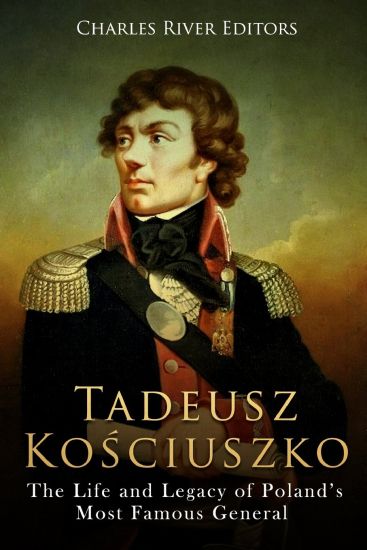
Tadeusz Kosciuszko: The Life and Legacy of Poland's Most Famous General

Tadeusz Kosciuszko: The Life and Legacy of Poland's Most Famous General

Charles River

Createspace Independent Publishing Platform
2018
nidottu
*Includes pictures*Includes contemporary accounts*Includes online resources and a bibliography for further readingMany Americans labor under the misconception that the nation's colonial and national heritage was almost wholly accomplished by an English migration, and the notion of early American diversity ends at an acknowledgment of the slave trade conducted between Southern buyers, Northern shippers, the African continent and the Caribbean region. However, early America witnessed the development of New York by the Dutch, the southernmost regions by Spain, and what would become eastern Canada by the French after lengthy battles with Britain. In fact, the Seven Years' War during the 1750s was fought on a nearly global scale between several European belligerents. As a result, when the Revolution began, the Continental Army sported numerous volunteers from Ireland, Scotland, virtually every European nation between France and Russia, and men from the northern and southern borders of the European continent. There are good reasons America doesn't possess a constitutionally-confirmed national language, despite an English-speaking majority; among the early proposals for such a common language, German and French served as contenders, with the latter going on to become Western Europe's official diplomatic language. Likewise, those who accomplished the legislative, diplomatic, and military miracles that helped 13 separate colonies hold off the greatest power in the world represented a multi-national heritage. The prospects for a rustic, untrained revolution across the Atlantic carried powerful ramifications for politics, economics, and cultural identity of the individual. Autocrats of the 18th century feared an emerging model from the British-American war that might be refashioned by dissidents within their own colonies. Among those living the consequences of defeat and exile, the soldier class of Europe paid particularly close attention. Some were rapt by the growing ideology of the Enlightenment movement as it pertained to their own cultures while others grew weary of inertia imposed by an inability to practice their craft. For the gifted Tadeusz Kosciuszko, both were likely true. However, Poland's famous soldier, artist, engineer, and statesman possessed a uniquely expanded vision that perceived the American conflict as the test of a new universal paradigm. A philosophical revolution in itself, the vision held by Locke and Jefferson for a previously unknown standard of individual liberty found an obsessive place in Kosciuszko's life view. His response to its power was to make him a much-heralded citizen of both continents in perpetuity, in war and peacetime. A hero in Poland, Lithuania, and Belarus, Kosciuszkonot only fought as an officer in the Continental Army of General Washington, but also designed and constructed the defenses for some of America's earliest cities and important military defenses. As a friend to the fledgling state, he went on to lead a "national insurrection" in his Polish homeland against centuries-old Russian domination, mirroring the American effort. Denying allegiance and assistance to Tsars and Emperors such as Catherine and Napoleon unless Polish independence was guaranteed, Kosciuszko witnessed the disappearance of Poland from the world map, an absence not rectified for well over a century. Today, streets, bridges, monuments, and even neighborhoods bear Kosciuszko's name across the country, and in Polish communities, he is often hailed as a hero equal to General Washington himself. Tadeusz Kosciuszko: The Life and Legacy of Poland's Most Famous General profiles one of the Revolutionary War's most important figures. Along with pictures of important people, places, and events, you will learn about Kosciuszko like never before.
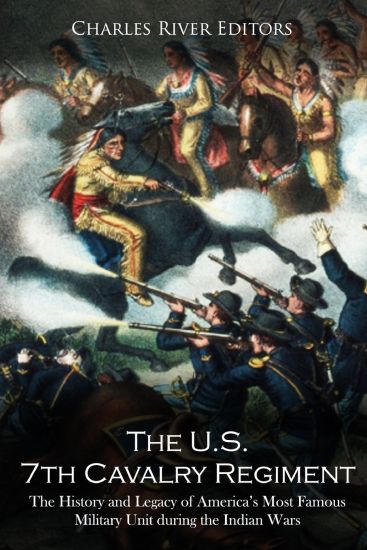
The U.S. 7th Cavalry Regiment: The History and Legacy of America's Most Famous Military Unit during the Indian Wars
*Includes pictures *Includes accounts *Includes online resources and a bibliography for further reading Among the soldiers who fought in the Indian Wars, perhaps none are as famous as the 7th Cavalry Regiment, but it's typically for the wrong reasons. Since the Battle of the Little Bighorn, George Armstrong Custer and the 7th Cavalry have become associated with a relatively insignificant battle during America's Indian Wars, but one that has become one of the country's most mythologized events and continues to fascinate Americans over 140 years later. That's because the Battle of the Little Bighorn, fought in June 1876, was one of the U. S. military's biggest debacles. All told, the 7th Cavalry suffered over 50% casualties, with over 250 men killed and over 50 wounded. The dead included Custer's brothers Boston and Thomas, his brother-in-law James Calhoun, and his nephew Henry Reed. Custer and his men were buried where they fell. A year later, Custer's remains (or more accurately, the remains found in the spot labeled with his name) were relocated to West Point for final interment. Of course, the military failures at Little Bighorn would be overlooked, and even though Army officers in the wake of the battle largely faulted Custer for what had happened, and men like Jesse Reno went about trying to protect their own personal reputation, the image of the 7th Cavalry as brave soldiers making a defiant Last Stand captured the public's imagination and continues to be one of the popular perceptions today. Eventually, Custer and the 7th Cavalry's "Last Stand" would become a symbol for American heroism in the face of overwhelming odds, and it has only been recently that historians have begun to move away from the myth to analyze that battle in a more objective manner. Given what happened at the Little Bighorn, it was somewhat poetic that the 7th Cavalry participated in the last major event of the Indian Wars, but as fate would have it, that event would also be the most controversial. In late December 1890, a group of roughly 350 Lakota Sioux led by Big Foot and Spotted Elk were escorted to the Wounded Knee Creek area and ordered to establish a camp there, but fearing another possible uprising despite the fact the band was comprised mostly of women, about 500 Usoldiers from the 7th Cavalry Regiment, led by Major Samuel M. Whitside, approached the Lakota encampment on the morning of December 29 with orders to disarm and escort the Native Americans to a railhead for transport to Omaha, Nebraska. Some of the men in the 7th Cavalry had also been part of the regiment at Little Bighorn, so there could not have been a worse command to send on a mission that required interacting with the Lakota. The Wounded Knee Massacre had several outcomes. The soldiers who participated in the massacre were commended and awarded for their actions, with 20 of them receiving the nation's highest military award, the Congressional Medal of Honor, for action during the "battle." At the same time, Wounded Knee would grow to become a source of inspiration for a generation of Sioux people who came of age in the 1960s, and they sought to reestablish negotiations with the United States as a sovereign and independent nation. The American Indian Movement would engage in confrontational and at times violent resistance to perceived U. S. government oppression at Alcatraz, the Bureau of Indian Affairs building in Washington D. C., and later the town of Wounded Knee, South Dakota, and the Wounded Knee Massacre site. After the Indian Wars, the 7th Cavalry would go on to fight in every major war moving forward, but it remains best known for its role in the shaping of the late 19th century. The U. S. 7th Cavalry Regiment: The History and Legacy of America's Most Famous Military Unit during the Indian Wars examines the regiment's war record, from its inception to today.