Kirjojen hintavertailu – 12 903 727 kirjaa ja 27 kauppaa
Kirjailija
Charles River
Kirjat ja teokset yhdessä paikassa: 4 673 kirjaa, julkaisuja vuosilta 2013–2022, suosituimpiin kuuluu William Powell and Myrna Loy: The Lives and Careers of One of Classical Hollywood's Most Iconic Duos. Vertaile teosten hintoja ja tarkista saatavuus suomalaisista kirjakaupoista.
*Includes pictures *Includes Duke Ellington's quotes about his life and career *Includes a bibliography for further reading *Includes a table of contents "I merely took the energy it takes to pout and wrote some blues." - Duke Ellington "Art is dangerous. It is one of the attractions: when it ceases to be dangerous you don't want it." - Duke Ellington A lot of ink has been spilled covering the lives of history's most influential figures, but how much of the forest is lost for the trees? In Charles River Editors' American Legends series, readers can get caught up to speed on the lives of America's most important men and women in the time it takes to finish a commute, while learning interesting facts long forgotten or never known. In 1956, Duke Ellington was featured on the cover of Time Magazine after a bravura performance at the Newport Jazz Festival that summer. This remains one of his most iconic achievements, and a landmark for jazz music as a whole (only four jazz musicians were ever displayed on the cover of Time). At the same time, however, this recognition stands as one of the prevailing ironies of Ellington's career, as he was deep into the latter stages of his performing life by this point. Indeed, there is a way in which everything that Ellington had done up to that point in his career was obscured. Put differently, it is misleading to recognize Duke simply for his accomplished performance at the festival, as one could justifiably argue that he transformed the very nature of jazz (both its stylistic qualities and its cultural identity) in his career up until this point. Duke Ellington's career covers such a vast scope that it is difficult to locate exactly where it began. Born into a relatively well-to-do family in Washington, D. C., Duke's mother saw to it that he received quality musical instruction from a young age, yet this did not lead to immediate investment in the musical arts. It was not until early in his teenage years that he began seriously playing music, but his performing career began soon thereafter. From that point forward, Ellington's shift through adolescence through adulthood-his very maturation process-was inextricably tied to his growth as a musical performer. Moreover, Ellington was both a pioneer and someone invested in the cultural history of his race. He was able to implement new motifs to jazz, but did so in a manner that was forever committed to honoring the heritage of African-American music. In addition to live performances, Ellington worked in radio and film, and his work remains some of the most important in American culture during the time period. His music addressed not only race but also influenced the evolution of jazz through the first half of the 20th century. American Legends: The Life of Duke Ellington looks at the life and career of one of America's most influential musicians. Along with pictures of important people, places, and events, you will learn about Duke Ellington like never before, in no time at all.
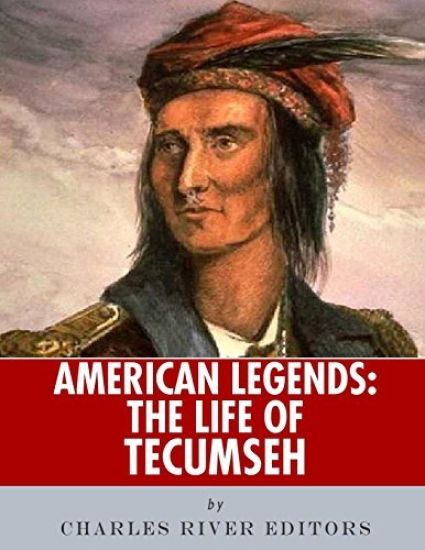
*Explains the origins of Tecumseh's name. *Includes some of Tecumseh's quotes and his speeches to William Henry Harrison, the Choctaw and Chickasaw Nations, and the Osages. *Includes pictures of Tecumseh and important people in his life. "The Great Spirit made all things. He gave the white people a home beyond the great waters. He supplied these grounds with game, and gave them to his red children; and he gave them strength and courage to defend them." - Tecumseh A lot of ink has been spilled covering the lives of history's most influential figures, but how much of the forest is lost for the trees? In Charles River Editors' American Legends series, readers can get caught up to speed on the lives of America's most important men and women in the time it takes to finish a commute, while learning interesting facts long forgotten or never known. Throughout the 19th century, American settlers pushing across the Western frontier came into contact with diverse American tribes, producing a series of conflicts ranging from the Great Plains to the Southwest, from the Trail of Tears to the Pacific Northwest. Indian leaders like Geronimo became feared and dreaded men in America, and Sitting Bull's victory over George Custer's 7th Cavalry at Little Bighorn was one of the nation's most traumatic military endeavors. Given this history, Tecumseh's reputation among Americans has been both the most unique and anomalous. As the leader of the Shawnee, Tecumseh was the most famous Native American of the early 19th century, and he attempted to peacefully establish a Native American nation east of the Mississippi River in the wake of the American Revolution. While Native Americans, especially in the "old Northwest" (present-day land west of the Appalachian Mountains and east of the Mississippi River), understood and recognized their own, long established territories and those of other tribes, these boundaries and territories were ignored and unappreciated by the incoming settlers. Together with his brother Tenskwatawa, Tecumseh was in the process of forming a wide-ranging, Native American confederacy that they hoped would stem the westward flow of Anglo-American settlers and essentially establish a "nation" of Native Americans that would be recognized and accepted by the advancing European-American settlers. Throughout his life, Tecumseh had experienced the effects of encroachment by white settlers as his family and his people were forced from their ancestral homelands and wandered westward several times, finally settling in Missouri. As settlers continued to encroach further west, however, Tecumseh stood firm and ready to fight them. Before America fought Britain in the War of 1812, they were engaged in Tecumseh's War around the Great Lakes. The fighting made the Indian leader famous and made a military hero (and eventually a president) out of William Henry Harrison, whose victory at Tippecanoe is considered the end of that war. Undeterred, Tecumseh allied with the British during the War of 1812 against the Americans, and he continued to fight on until he was killed at the Battle of the Thames. Without their leader, Tecumseh's Confederacy began to rapidly disintegrate. Despite being one of their most tenacious opponents, Tecumseh almost immediately became a celebrated folk hero and respected leader in American history, all while continuing to be one of the most poignant symbols of resistance among Native Americans. The pan-Indian icon continues to be a household name across the United States today, nearly 200 years after his death. American Legends: The Life of Tecumseh chronicles the amazing life of the Native American leader, examines his leadership of the Shawnee Confederacy, and analyzes his enduring legacy. Along with pictures, you will learn about Tecumseh like you never have before, in no time at all.
*Includes some of Adams's most famous quotes. *Includes pictures of Adams and important people, places, and events in his life. *Analyzes and explains Adams's controversial reputation and legacy. *Includes a Bibliography for further reading. "The liberties of our Country, the freedom of our civil constitution are worth defending at all hazards: And it is our duty to defend them against all attacks." - Samuel Adams A lot of ink has been spilled covering the lives of history's most influential figures, but how much of the forest is lost for the trees? In Charles River Editors' American Legends series, readers can get caught up to speed on the lives of America's most important men and women in the time it takes to finish a commute, while learning interesting facts long forgotten or never known. The American Revolution had no shortage of compelling characters with seemingly larger than life traits, including men like the multi-talented Benjamin Franklin, the wise Thomas Jefferson, the mercurial John Adams and the stoic George Washington. But no Revolutionary leader has been as controversial as Samuel Adams, who has been widely portrayed over the last two centuries as America's most radical and fiery colonist. Among his contemporaries, Adams was viewed as one of the most influential colonial leaders, a man Thomas Jefferson himself labeled "truly the Man of the Revolution" and the one who the Boston Gazette eulogized as the "Father of the American Revolution." Adams was an outspoken opponent of British taxes in the 1760s, one of Boston's hardest working writers and orators, a leader of the Boston Caucus, active in the Sons of Liberty, and a political leader who organized large gatherings in settings like Faneuil Hall and the Old South Meeting House. When cousin John Adams was an Ambassador to France during the Revolution, he had to explain that he was not the "famous" Adams. At the same time, Adams's zeal for his cause was unquestioned and unrivaled. During the Revolution, Adams exhorted his countrymen, "If ye love wealth greater than liberty, the tranquility of servitude greater than the animating contest for freedom, go home from us in peace. We seek not your counsel, nor your arms. Crouch down and lick the hand that feeds you; May your chains set lightly upon you, and may posterity forget that ye were our countrymen." Today historians believe that Adams's legacy as a radical firebrand came from the British, who naturally viewed Adams as an incendiary troublemaker, and it is widely believed that important events like the Boston Massacre and Boston Tea Party were incorrectly attributed to the sway Adams held over the town. The exaggeration of Adams as the one man who could control a mob took hold, and even as modern historians try to recast Adams in a more moderate light, he continues to be remembered as the American Revolution's most ardent patriot. Naturally, Adams's reputation and activities before and during the Revolution have come to dominate the history books and Americans' perceptions of him, so many remain unfamiliar with his post-war life. In fact, Adams was one of the most instrumental leaders in Massachusetts, helping draft the state's constitution during the Revolution and becoming one of its earliest governors after the Revolution. American Legends: The Life of Samuel Adams chronicles the amazing life and career of Samuel Adams, while also analyzing the notorious legacy he left behind. Along with pictures of important people, places, and events in his life, you will learn about Samuel Adams like you never have before, in no time at all.
*Includes pictures of Butch, Sundance, and other important people and places in their lives. *Explains the origins of the names Butch Cassidy and Sundance Kid *Discusses the legends and mysteries surrounding the lives, deaths, and legacies of Butch and Sundance. *Includes a Bibliography for further reading. The Wild West has made legends out of many men through the embellishment of their stories, such as crediting Billy the Kid and Wild Bill Hickok for killing far more people than they actually did. But it has also made icons out of outlaws like Butch Cassidy and the Sundance Kid based on the mystery and uncertainty surrounding their crimes and deaths, allowing speculation and legend to fill in the gaps. Though Butch Cassidy and the Sundance Kid are the two most famous members of the Wild Bunch and will probably always be associated with each other, there's no indication that they had any particularly close friendship or relationship aside from being members of the same gang. In fact, they might not have been linked together at all but for the fact that they both chose to flee the country for Argentina to escape justice. It was in South America that the famous outlaws are believed to have met their ultimate fate in a shootout with Bolivian soldiers, but the mystery and controversy surrounding that shootout (and whether the two bandits were actually them) have helped ensure their place in Western lore. As with so many other legends of the West, people continue to speculate that Butch Cassidy and the Sundance Kid survived and lived out the rest of their lives. In fact, it was in South America that Butch Cassidy and the Sundance Kid are believed to have met their ultimate fate in a shootout with Bolivian soldiers. The mystery and controversy surrounding that shootout (and whether the two bandits were actually them) have helped ensure their place in Western lore, and as with so many other legends of the West, people continue to speculate that Butch Cassidy and the Sundance Kid survived and lived out the rest of their lives. Butch Cassidy & The Sundance Kid chronicles the outlaws' lives, while also analyzing their legacies and mythology that have enveloped their stories, in an attempt to separate fact from fiction and determine what the notorious robbers were really like. Along with pictures of important people and places, you will learn about Butch and Sundance like never before.
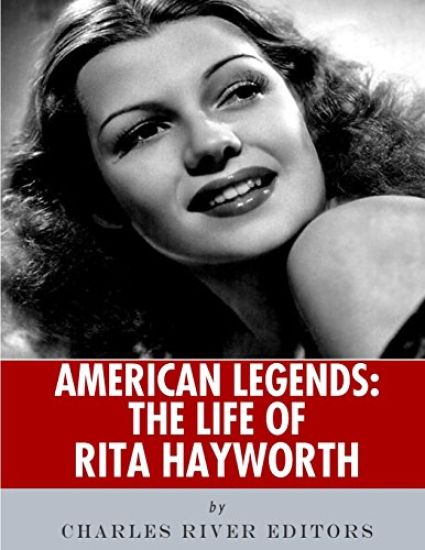
*Includes pictures of important people, places, and events. *Includes Hayworth's quotes about her own life and career. *Includes a bibliography for further reading. "I've had a lot of unhappiness in my life - and a lot of happiness. Who doesn't?" - Rita Hayworth A lot of ink has been spilled covering the lives of history's most influential figures, but how much of the forest is lost for the trees? In Charles River Editors' American Legends series, readers can get caught up to speed on the lives of America's most important men and women in the time it takes to finish a commute, while learning interesting facts long forgotten or never known. Rita Hayworth's life and career remain fascinating to both the general public and avid movie fans alike. Even people with just a casual interest in movies appreciate her performances in films such as Gilda (1946), The Lady from Shanghai (1947), and Salome (1953), and few actresses could rival Hayworth's popularity during the late 1940s and early 1950s. Indeed, many of her most famous films are still enjoyed by viewers from around the world even today, and with her acting career spanning nearly 50 years, few viewers are not familiar with at least some of Hayworth's films, particularly since she appeared in films of a wide variety of genres. In addition, Hayworth is also famously remembered for her status as one of the premier pin-up girls of World War II, with countless American soldiers who fought overseas carrying pin-up photos of Hayworth with them at all times. Even if she was never awarded an Academy Award, Hayworth remains extremely popular today, and it was no surprise that she was named one of the Top 100 actresses of the 20th century by the American Film Institute in 1999. While Hayworth is still famous today, she is arguably even more significant within the academic community, as the rise of Film Studies and the subsequent development of Cultural Studies as academic disciplines catapulted Hayworth from a popular actress to a figure worthy of close critical attention. Hayworth is now identified not only for the importance of her films but also as a figure who illuminates and exposes the treatment of race and sexuality during the period known as classical Hollywood cinema. As someone who was relegated to transforming her entire image, including her personal background and physical appearance, Hayworth represents both the height of Hollywood glamour as well as the lengths required of many actors and actresses in order to succeed in a particularly cut-throat environment. If Hollywood promoted the Horatio Alger myth of the rags-to-riches movie star, it is also important to acknowledge the extent to which it forced many stars to essentially erase their personal backgrounds in the interest of achieving this success. Even though it is true that Hayworth was the beneficiary of tremendous fortune throughout her life, her popularity within Cultural Studies curricula reflects the importance of not only her films but also her star image as well. Of course, Rita's personal background is nearly as notorious as her career, since her glamorous performances on the movie set are frequently juxtaposed with the adversity she faced behind the scenes. She was deeply unhappy for much of her life, due to a long string of failed marriages and a battle with alcoholism, and by examining the films in conjunction with her off-screen turmoil, people quickly get a sense of the almost schizophrenic character of Rita Hayworth. Only by looking at Hayworth's life in its different stages and placing emphasis on both her triumphs and hardships can people completely understand her life and career. American Legends: The Life of Rita Hayworth examines the life and career of one of Hollywood's most iconic women. Along with pictures of important people, places, and events, you will learn about Rita Hayworth like never before, in no time at all.
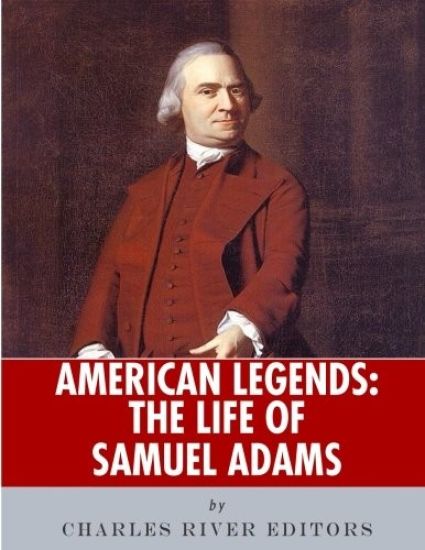
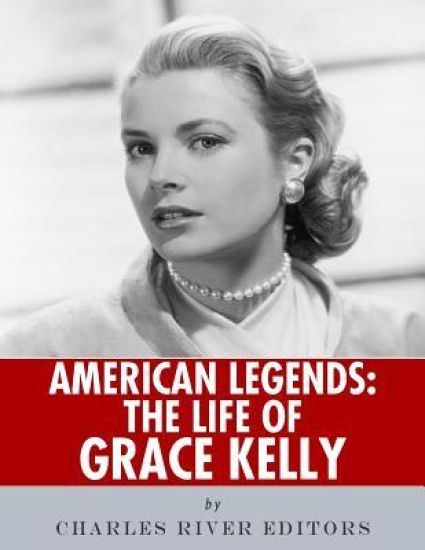
*Includes pictures of important people, places, and scenes. *Includes a Bibliography for further reading. "You know, I just love Grace Kelly. Not because she was a princess, not because she was an actress, not because she was my friend, but because she was just about the nicest lady I ever met. Grace brought into my life as she brought into yours, a soft, warm light every time I saw her, and every time I saw her was a holiday of its own." - James Stewart A lot of ink has been spilled covering the lives of history's most influential figures, but how much of the forest is lost for the trees? In Charles River Editors' American Legends series, readers can get caught up to speed on the lives of America's most important men and women in the time it takes to finish a commute, while learning interesting facts long forgotten or never known. Considering that her film career lasted just six years, it would seem as though the reputation of Grace Kelly far outweighs her actual output. Indeed, from the time of her arrival in Hollywood in 1951 through her final film, High Society, in 1956, Kelly acted in just 11 films, leaving viewers to wonder whether Kelly was still in the beginning of her career or whether High Society was a proper culmination to an extraordinarily brief stay in the film industry? Ultimately, it is might be most accurate to state that Kelly was still in the prime of her career, but it's unclear what direction her career would have taken, as well as who inherited the void she left. Despite the short resume, Kelly is one of America's most famous actresses, and she left an indelible impact on Hollywood. Kelly brought a well-heeled, almost regal quality that deviated from the film noir roles and musical showgirls who had populated the screen during the 1930s and 1940s, and it is this new identity Kelly brought to the motion picture industry that remains her overriding trademark. Of course, Kelly is just as well known today for her life outside of Hollywood, but in a sense, her life as Princess of Monaco continued many of the themes she had established while in Hollywood. Princess Grace exuded a regal and stately quality that also managed to keep her considerable sex appeal hidden beneath a layer of female elegance. As an actress and as a Princess, she was an international fashion icon, and her handbag and white glove are still associated with her. More than anything else, her career as an actress gave her the ability to live in the public eye, and in both of her "careers," Kelly was skilled at navigating the media and acting before the camera, whether it was the cinematic camera or the flash bulbs of the paparazzi. Kelly provided women worldwide with a model of female elegance that has perhaps not been equaled in the decades following her premature death in 1982. American Legends: The Life of Grace Kelly profiles the life and career of the American princess. Along with pictures of important people, places, and events, you will learn about Grace Kelly like you never have before, in no time at all.
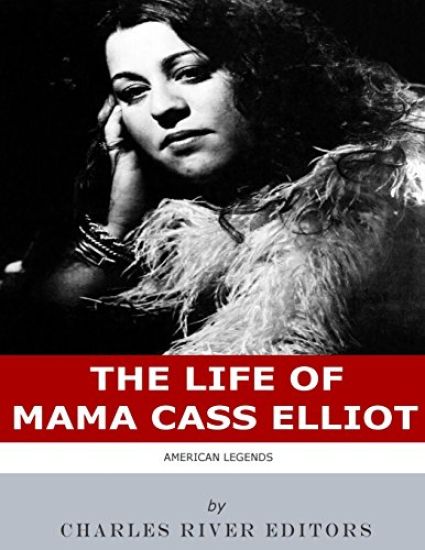
*Includes pictures *Includes Elliot's own quotes about her life and career *Includes footnotes and a bibliography for further reading *Includes a table of contents "If you truly dig what you are doing, if you lay it out that way, nobody can not respond. That's what rock and roll is; it's relentless." - Mama Cass A lot of ink has been spilled covering the lives of history's most influential figures, but how much of the forest is lost for the trees? In Charles River Editors' American Legends series, readers can get caught up to speed on the lives of America's most important men and women in the time it takes to finish a commute, while learning interesting facts long forgotten or never known. In the 1950s, popular music in the United States, Britain, and Europe jumped cultural tracks and went off in all directions, each form enjoying its own fan base, and its own way of overlapping with fellow genres. From the straight-laced life of the American 1950s, the social revolution that led to the unfettered 1960s spurred the accelerating development of rock music, an enormous industry of folk artists and hybrid masterpieces that could previously only have survived in a cell of "specialty" interest, along with an explosion of varying jazz styles. The African-American musical community massaged the traditional blues genre into countless personalities after discovering that it fit with almost every type of musical expression available, and even classical music splintered into a myriad of new interests, leaving the traditional viewpoint of the 19th and early 20th centuries behind. In short, musical exploration went off into a frenzy of change, and there were as many avenues of musical performance to join as there were distinct cultural groups to sustain them. On top of this fragmenting of styles, in which newly emerging social groups could adopt a distinctly tailored version for themselves, the era of the flower child dawned in California. This phenomenon increased both the options for original musical creations, and exponentially, the possibilities for melding the legion of styles, recently-formed social beliefs and behaviors, a new visual presentation and celebration of the self, and the celebration of traditionally revered melody and harmony. Such an age could not have served as a better societal laboratory in which to produce an enigmatic, talent-laden, highly intelligent, vocally-gifted, and contrasting artist to previous norms, such as Cass Elliot, endearingly known to millions as Mama Cass. Primarily hailed as a member of the legendary group, The Mamas & the Papas, Cass would lead other bands as the only female singer. Her fame there does not go unrecognized because these bands were of inferior quality. To the contrary, her work with the Triumvirate, the Big Three, and the Mugwumps, was exceptional. However, the blossoming hippie movement required an iconic hippie band, and The Mamas & the Papas were perfectly designed to serve as the prototype. Part of this lay in visual perception, as America was not yet prepared to adore a lead female singer who did not come from either a sanitized version of the Madison Avenue model, or the from the nature-fresh, abstract hippie image. Mixing the hippie beauty and cinematic, boardwalk look of Michelle Phillips, The Mamas and Papas soprano and former model, with the "earth mother" appearance and dark timbre of contralto Cass Elliot, not only made Elliot's participation possible through a successful contrast, but enabled the group to assemble its distinct, accurate, and rich vocal personality. Once the band's breakup occurred only a few short years later, Cass Elliot was free to move at will in the soloist's world, and appeared on every important talk show, worked with dozens of famous artists from different generations, and compiled a discography considerably larger than is generally known.
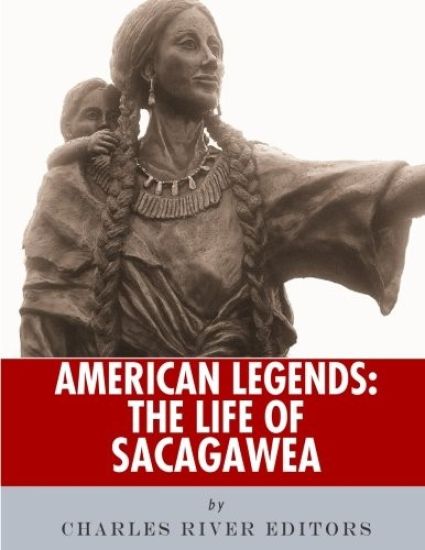
*Includes pictures of art depicting Sacagawea and important people, places, and events in her life. *Includes passages about Sacagawea from the journals of Lewis and Clark. *Explains Sacagawea's role in the legendary Lewis and Clark Expedition *Includes a Bibliography for further reading. "Your woman who accompanied you that long dangerous and fatigueing rout to the Pacific Ocian and back diserved a greater reward for her attention and services on that rout than we had in our power to give her at the Mandans." - William Clark in a letter to Sacajawea's husband A lot of ink has been spilled covering the lives of history's most influential figures, but how much of the forest is lost for the trees? In Charles River Editors' American Legends series, readers can get caught up to speed on the lives of America's most important men and women in the time it takes to finish a commute, while learning interesting facts long forgotten or never known. Sacagawea is one of the most famous Native American women in American history, and few played such a central role in the settlement of the West for the young nation. As a young woman who was married to a French trapper from Quebec, Sacagawea happened to be in the right place at the right time for the legendary Lewis and Clark expedition, which set off for the Pacific coast after President Thomas Jefferson negotiated the Louisiana Purchase with France. The young Shoshone girl acted as a guide and interpreter for the expedition, helping it safely travel thousands of miles west from North Dakota to the Pacific over unfamiliar ground and amongst unfamiliar peoples. Put simply, the expedition could not have succeeded without her. Sacagawea's role in the Lewis and Clark expedition made her a national figure, and she continued to be popularized in literature and even among groups advocating for women's rights. Sacagawea is still taught to every American in school and stands alongside Pocahontas as the most famous Native American women, even though few people knew much about her life aside from her role in the trek. For that reason, few truly know about her life, her tribe, or her death, the latter of which is still controversial. At the same time, given the history and conflicts between the United States and various Native American tribes during the 19th century, Sacagawea's role in helping the nation push westward at the expense of Native Americans has taken on a more mixed and controversial character. American Legends: The Life of Sacagawea profiles the life and legacy of the famous Shoshone woman, including the known and unknown, while analyzing her lasting legacy. Along with pictures of important people, places, and events, you will learn about Sacagawea like you never have before, in no time at all.
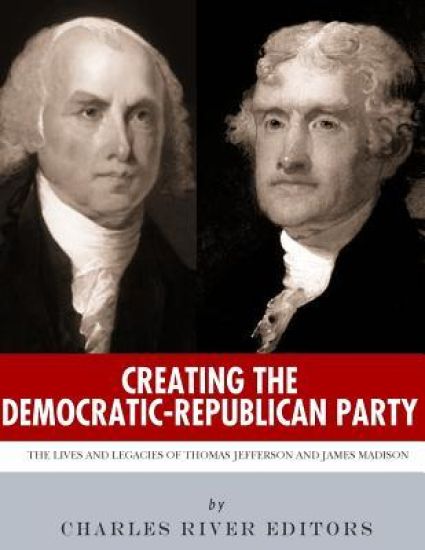
*Comprehensively covers the lives and careers of Jefferson and Madison from before the Revolution to their presidencies. *Comprehensively covers colonial history leading up to the Revolution. *Includes pictures of important people, places, and events. *Looks at the influences on the political philosophies of the two architects of the Democratic-Republican Party. *Discusses their arguments with the Federalists. *Includes a Bibliography "An opinion prevails that there is no longer any distinction, that the republicans & Federalists are completely amalgamated but it is not so. The amalgamation is of name only, not of principle. All indeed call themselves by the name of Republicans, because that of Federalists was extinguished in the battle of New Orleans." - Thomas Jefferson The story of the United States of America is one of a nation founded upon the loftiest ideals of representative government, attempting to fulfill its goals while encountering competing domestic and global forces. From the beginning, Americans debated how their national government should govern, balancing powers between the federal government and the states, which led to the establishment of the first political parties. At the same time, the nation has struggled to reconcile its guarantee of universal rights and individual liberties with several stark realities, including the presence of millions of slaves at the time of the Declaration of Independence. Nobody spent more time in the thick of these debates than Thomas Jefferson, one of the most famous and revered Americans. Jefferson was instrumental in all of the aforementioned debates, authoring the Declaration of Independence, laying out the ideological groundwork of the notion of states' rights, leading one of the first political parties, and overseeing the expansion of the United States during his presidency. The Founding Fathers have become so revered by Americans in the last 200 years that the "Father of the Constitution" himself is often overlooked among the rest of the pantheon. Today James Madison's legacy mostly pales in comparison to the likes of George Washington, Ben Franklin and his closest colleague, Thomas Jefferson, but Madison's list of important accomplishments is monumental. A lifelong statesman, Madison was the youngest delegate at the Continental Congress from 1780-83, and at 36 he was one of the youngest men who headed to Philadelphia for the Constitutional Convention in 1787. Despite his age, Madison was the Convention's most influential thinker, and the man most responsible for the final draft of the U. S. Constitution. Along with Alexander Hamilton and John Jay, Madison was one of the most persuasive advocates for ratifying the Constitution, authoring some of the most famous Federalist Papers, and he drafted the Bill of Rights that was later added to the Constitution. But his work was far from done; along with Thomas Jefferson, Madison was one of the founders and ideological cornerstones of the Democratic-Republican Party that guided the young nation in the first 30 years of the 19th century. That included his own presidency, in which he oversaw the War of 1812. Creating the Democratic-Republican Party chronicles the amazing lives and careers of Jefferson and Madison, discussing their relationships with each other and other important Founding Fathers. Along with pictures of important people, places, and events, you will learn about the architects of one of America's first political parties like you never have before.
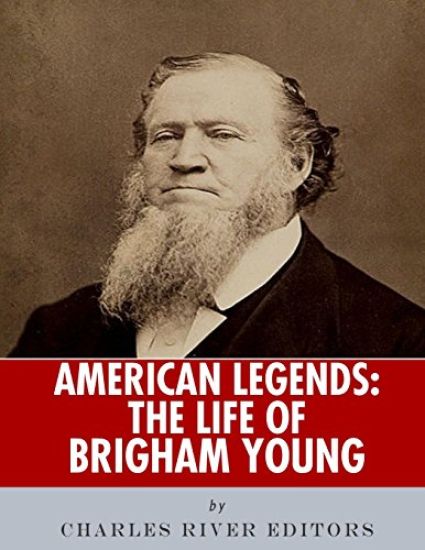
*Includes pictures of Young and important people and places in his life. *Discusses Young's leadership of the Mormons, his views on issues like polygamy, and his controversial battles with federal authorities. *Includes a Bibliography for further reading. "I know just as well what to teach this people and just what to say to them and what to do in order to bring them into the celestial kingdom... I have never yet preached a sermon and sent it out to the children of men, that they may not call Scripture. Let me have the privilege of correcting a sermon, and it is as good Scripture as they deserve. The people have the oracles of God continually." - Brigham Young A lot of ink has been spilled covering the lives of history's most influential figures, but how much of the forest is lost for the trees? In Charles River Editors' American Legends series, readers can get caught up to speed on the lives of America's most important men and women in the time it takes to finish a commute, while learning interesting facts long forgotten or never known. Next to Joseph Smith, Brigham Young is one of the best known Mormon leaders and perhaps the most important. After Smith's death, it was Young who led Mormon pioneers westward in a journey that the Latter Day Saints often likened to the Exodus, and Young became popular as "American Moses". At the same time, Young and his group were involved in a seemingly never ending list of controversies, both of their own making and the misconceptions of so many Americans who were unfamiliar with the religion. As Young's prominence and fame grew, people came from all over the world to meet the Mormon leader. And when they did, they met, by most accounts, an unremarkable man. He was handsome, of six feet height and a continual growth-of-girt over two hundred pounds. His eyes were blue-gray, not friendly, but secretive, some said, pointing out his clenched mouth, clearly used to firmness. He was not an animated talker, except for the finger he used to emphasize a moral point. When he sermonized, he barely filled his speeches with excerpts from the Book of Mormon, but instead provided anecdotes about fence building or cattle raising. His choice of words was well rounded, but he did possess provincialisms of his Vermont birth, with disagreeable choices in pronunciation. Maybe these plainspoken and unremarkable characteristics are explainable by the station of his birth. It was said he distrusted intellectuals, evidenced partly by his dissatisfaction with his apostles who exhibited a love for ideas, or even his own abhorrence of doctors, saying he had never let a doctor in his house for 40 years. Young was a person people were sure they'd never meet again, and they were usually right. What can be said about Young is his plain-spoken demeanor of appearance and personality made his efforts to connect with the members of his church all the more authentic. He looked and acted like most Mormons, and despite the dressed up appearance he gave to dignitaries who met him, his common touch worked because he genuinely cared about his fellow Saints. No matter the controversies that raged in the territory of Utah about Mormon lieutenants harassing federal officials, or the rumors of Danite murders of non-Mormons and apostates. The people of Zion cared about him, seeing him as their representative, and in the years to come, the defender of their way of life. American Legends: The Life of Brigham Young chronicles the amazing life of the Mormon leader, examines his leadership of the group, and analyzes his enduring legacy. Along with pictures of important people, and places, you will learn about Brigham Young like you never have before, in no time at all.
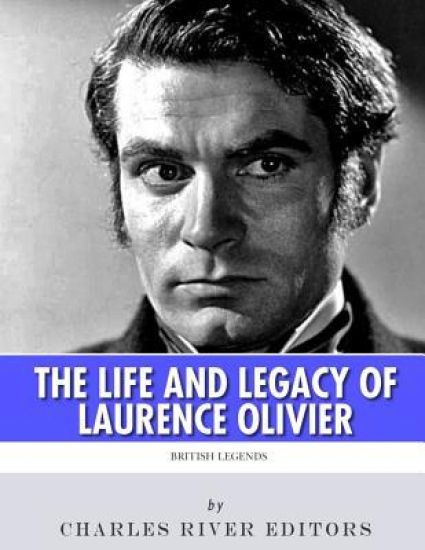
*Includes pictures. *Includes a bibliography for further reading. "If I wasn't an actor, I think I'd have gone mad. You have to have extra voltage, some extra temperament to reach certain heights. Art is a little bit larger than life - it's an exhalation of life and I think you probably need a little touch of madness." - Laurence Olivier A lot of ink has been spilled covering the lives of history's most influential figures, but how much of the forest is lost for the trees? In Charles River Editors' British Legends series, readers can get caught up to speed on the lives of Britain's most important men and women in the time it takes to finish a commute, while learning interesting facts long forgotten or never known. Of all the great actors of the 20th century, none personifies acting royalty more than Laurence Olivier, and some of this is simply due to the fact that he was actually knighted in 1947, along with a lengthy list of other honors that include being named a life peer in 1970 and admission to the Order of Merit in 1984. To speak of The Right Honourable Lord Laurence Olivier is not a figure of speech but rather a fact. Of course, in addition to the literal sense of the term, there is undeniably a manner in which Laurence Olivier qualifies as acting royalty, as it is not for nothing that Spencer Tracy once referred to Olivier as "the greatest actor in the English-speaking world" (Bacall). It is also important to note that Tracy refers to Olivier not as a film or theater actor specifically, because much of Olivier's lofty standing derives from his ability to successfully navigate different mediums like stage, film, and television. The breadth of mediums in which he worked, the various roles he inhabited within them (actor, producer, director), and the formidable time span of his career lend Olivier's career a scope of perhaps unmatched magnitude. Indeed, Laurence Olivier worked for so long and was so successful that few actors receive the level of visibility that he still enjoys, even more than two decades after his death. While his theatrical performances exist only as memories, his cinematic adaptations of several of Shakespeare's most famous plays remain the most canonical even to this day. Hamlet, for example, has been produced for the screen by several famous directors, but his version, released in 1948, is the most well-known and best-received. It is through his films that viewers also gain a full appreciation of his creative style, as Olivier assumed full authorial control (from actor to director to producer) over many of his films, particularly the Shakespearean ones. In this sense, it is appropriate to claim that Laurence Olivier was not only a storied actor but also an artist who worked best when enjoying full authority over his productions. Laurence Olivier's career was incredibly decorated, but questions still remain regarding the relationship between his career and his life outside of the stage and screen. To what extent do Olivier's upbringing and personal life cohere with or complicate the reputation he cultivated through his body of work? Other aspects of his life that are consequential and are yet often overlooked include his strict childhood, his experience fighting in World War Two, his discreet sexual life, and his troubled marriage to actress Vivien Leigh. British Legends: The Life and Legacy of Laurence Olivier examines the life and work of one of the world's most critically acclaimed actors. Along with pictures of important people, places, and events, you will learn about Olivier like never before, in no time at all.
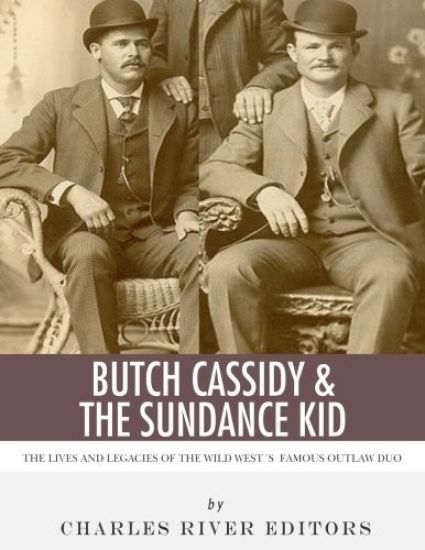
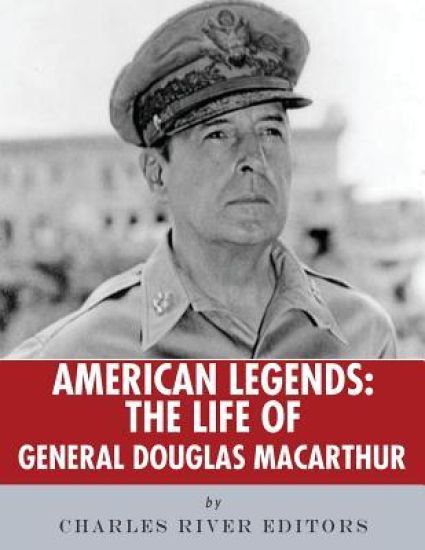
*Includes MacArthur's most colorful and inspiring quotes, including his Victory Broadcast after Japan's surrender and his Farewell Address to Congress. *Includes pictures of MacArthur and other important people. *Includes a Bibliography for further reading. "There is no substitute for victory." - Douglas MacArthur A lot of ink has been spilled covering the lives of history's most influential figures, but how much of the forest is lost for the trees? In Charles River Editors' American Legends series, readers can get caught up to speed on the lives of America's most important men and women in the time it takes to finish a commute, while learning interesting facts long forgotten or never known. Of all the military men America produced during the 19th and 20th centuries, it's hard to find one as important, successful and controversial as General Douglas MacArthur. The son of a Civil War veteran, MacArthur rose to become the most instrumental commander in the Pacific Theater during World War II. His legendary return to the Philippines in 1944 made good on one of the war's most famous vows, and it was MacArthur who fittingly who oversaw the occupation and reconstruction of Japan following the war. Given his long and celebrated career, MacArthur was the obvious choice to lead the newly created United Nations' troops during the Korean War, but his arguments over war strategy and policy eventually led to his controversial firing by President Harry Truman in 1951. After that, in his own words, he "faded away", living out his remaining days on the top floor of the Waldorf Hotel until his death in 1964. For many with a conservative disposition he remains a hero who, had he been listened to, would have prevented the current impasse with the rogue state that is modern North Korea. For some liberal thinkers he was dangerously obsessive while wholly ignorant of geopolitics, and he has been branded as a general who would have used atomic weapons and potentially triggered the third world war. The truth is far more difficult to discern and much more subtle. Douglas MacArthur was one of the most intelligent soldiers America has produced, and he was also one of the most prominent statesmen of the twentieth century. He made his mark from flamboyant staff officer in the Vera Cruz expedition of 1914 to United Nations Commander in the Korean War. Along the way he found fame in World War I, participated in the controversial Bonus Army incident, lost and won campaigns in World War II, and served as Army Chief of Staff, Superintendent at West Point and as effective ruler of Japan. Rarely out of the limelight, MacArthur was as much an administrator as he was a soldier and a combat commander, and in all of his endeavors he found success and controversy. American Legends: The Life of General Douglas MacArthur profiles the amazing life and career of the American war hero, while also examining his personality and analyzing his lasting legacy. Along with pictures of important people, places, and events, you will learn about MacArthur like you never have before, in no time at all.
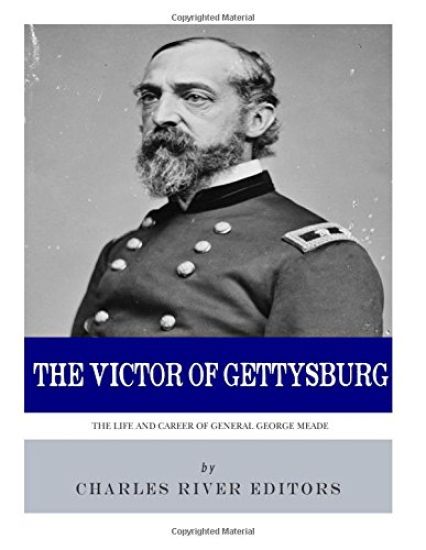
*Includes historic illustrations of Mary Read and important people in her life. *Includes a profile of Mary Read from the famous English pirate history "A General History of the Pyrates". *Discusses common legends about Mary Read, separating fact from fiction. *Includes a Bibliography for further reading. " H]e fell accidentally into Discourse with Mary Read, whom he taking for a young Man, ask'd her, what Pleasure she could have in being concerned in such Enterprizes, where her Life was continually in Danger, by Fire or Sword; and not only so, but she must be sure of dying an ignominious Death, if she should be taken alive?-She answer'd, that as to hanging, she thought it no great Hardship, for, were it not for that, every cowardly Fellow would turn Pyrate, and so infest the Seas, that Men of Courage must starve..." - Captain Charles Johnson, A General History of the Robberies and Murders of the most notorious Pyrates The people who have lived outside the boundaries of normal societies and refused to play by the rules have long fascinated the world, and nowhere is this more evident than the continuing interest in the pirates of centuries past. As the subjects of books, movies, and even theme park rides, people continue to let their imaginations go when it comes to pirates, with buried treasure, parrots, and walking the plank all ingrained in pop culture's perception of them. Charles River Editors' Legendary Pirates series covers the lives, piracy, legends, myths, and legacies of history's most famous pirates. Among all the pirates of the "Golden Age of Piracy", none were as unique as Mary Read, who was one of just two known women to be tried as a pirate during the Golden Age, alongside her own crewmate (and possible lover) Anne Bonny. Like Anne, Mary Read was an illegitimate child who spent some of her childhood dressed up as and disguised as a little boy through incredibly strange circumstances. But unlike her future shipmate, Mary ultimately took a liking to it, and she continued to disguise her gender to take on roles reserved for men, including in the British army. During that time, she fell in love with a Flemish soldier and eventually married him. Mary Read might have been content to live out her life with her husband in Holland, but after his death, she headed for the West Indies, only to have her ship commandeered by pirates. But Read, who had worked on a ship before, was only too happy to join the pirate crew and play the role of privateer. And in 1720, that crew was captured by Calico Jack, who already had his lover Anne Bonny as part of his crew and now unwittingly added a second female when Mary opted to join. Together the three played a legendary role as shipmates and possible lovers while continuing their piracy around the Bahamas, only to eventually be captured by authorities in October 1720. Most of the crew was executed, but Mary and Anne both decided to "plead the belly", claiming they were pregnant and thereby receiving a stay of execution. This spared them the noose, but Mary would die of illness while still imprisoned in 1721. Legendary Pirates: The Life and Legacy of Mary Read looks at the mysterious life and legends of the famous female pirate, attempting to separate fact from fiction while analyzing her lasting legacy. Along with pictures depicting Mary and important people, places, and events in her life, you will learn about the famous pirate like you never have before, in no time at all.
*Includes pictures of Meade and important people, places, and events in his life. *Includes excerpts of Meade's Civil War letters to his wife. *Includes a Bibliography for further reading. "Meade has more than met my most sanguine expectations. He and Sherman are the fittest officers for large commands I have come in contact with." - Ulysses S. Grant, 1864 Ironically, one of the generals who often escapes the attention of Civil War fans who compile the lists of best generals is the man who won the war's most famous battle, George G. Meade (1815-1872). In fact, Meade has become a perfect example of how the generals who did not self-promote themselves and write memoirs after the war had their reputations suffer in the ensuing decades. When people think of Appomattox Court House, they think of Ulysses S. Grant and Robert E. Lee. Few remember that the commander of the Army of the Potomac at the end of the Civil War was not Grant but Meade. Meade exemplified modesty and competence, serving as a career United States Army officer and civil engineer who fought with distinction in the eastern theater of the Civil War. During the first half of the war, Meade rose from command of a brigade to command of a division and finally command of the entire Army of the Potomac just days before the Battle of Gettysburg. Naturally, he is best known for defeating Robert E. Lee's Army of Northern Virginia at Gettysburg in July 1863, although he's not nearly as well remembered as his Confederate counterpart, and he has even been eclipsed in popularity by some of the men he commanded at Gettysburg, like Joshua Chamberlain. If Meade distinguished himself at places like Antietam and Gettysburg, why is he frequently left out of the historical narrative of the war? Meade had a notoriously short temper that hurt his popularity with the press, his men and contemporaries during the war, despite how well he commanded. Perhaps more importantly, Meade's relatively early death in the decade after the war prevented him from defending his record and his decisions during and after Gettysburg. Lincoln mistakenly thought Meade blundered by not being more aggressive in pursuit of Lee after Gettysburg, when in fact Lee's men constructed strong defenses and invited attack on a number of occasions during their retreat. Just as significantly, Meade came under attack by generals like Daniel Sickles, who sought to shield themselves from scrutiny by blaming Meade for poor decisions. On Day 2 of the Battle of Gettysburg, Sickles disobeyed Meade and moved his III Corps out in front of the rest of the army. Although he would constantly defend his maneuver, the move destroyed his corps and nearly ruined the Army of the Potomac's left flank, creating a salient that led to the near annihilation of the corps. Sickles and Meade would feud over the actions on Day 2 in the years after the war, with Meade explaining his actions, and Sickles taking credit for the victory by disrupting Lee's attack plans. While historians have taken Meade's side since, Sickles outlived Meade and helped tarnish the commanding general's reputation after the war, helping cast a shadow over Meade's record for nearly a century. Today historians credit Meade with doing a solid job at Gettysburg, but no self-effusive praise was forthcoming from the man himself. The Victor of Gettysburg: The Life and Career of General George Meade chronicles the life and career of the commanding general at Gettysburg, but it also humanizes the man who somehow managed to be both modest and short-tempered at the same time. Along with pictures of important people, places, and events in his life, you will learn about General Meade like you never have before, in no time at all.
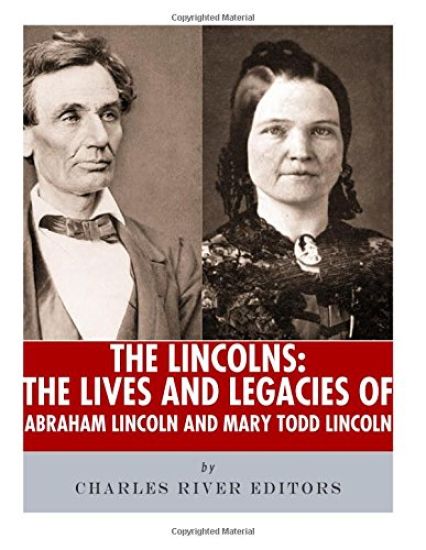
*Includes pictures of the Lincolns and important people, places, and events in their lives. *Includes Bibliographies on both Abraham and Mary for further reading. Abraham Lincoln (1809-1865) is one of the most famous Americans in history and one of the country's most revered presidents. Schoolchildren can recite the life story of Lincoln, the "Westerner" who educated himself and became a self made man, rising from lawyer to leader of the new Republican Party before becoming the 16th President of the United States. Lincoln successfully navigated the Union through the Civil War but didn't live to witness his crowning achievement, becoming the first president assassinated when he was shot at Ford's Theater by John Wilkes Booth on April 14, 1865. It's possible that the world would have remembered Mary Todd Lincoln (1818-1882) if only because she was the wife of one of America's greatest presidents and present for his shocking assassination, but Mary was one of the most unique women to ever be First Lady, and she was in the White House during the country's most trying time. But history hasn't exactly been kind. Mary was dealt a tough hand that might have made it impossible for her to ever be popular. The Civil War erupted a month after President Lincoln took office, and Mary was a native Southerner who had relatives fighting for the Confederacy. Making matters worse, Mary seemed out of touch with the times, organizing lavish balls at a time when the country was literally coming apart at the seams. As if the external pressure wasn't trying enough, young Willie Lincoln died in the White House in 1862, sending Mary into such fits of grief that she might have never fully recovered from even before her husband's assassination and the death of Tad in 1881. Unfortunately, one of the things most associated with Mary is insanity. Having dealt with so much death, and already a superstitious woman to begin with, Mary was eventually institutionalized by her eldest son Robert, the only Lincoln child to reach adulthood. With her death in 1882, the perception of her as a generally out of touch, troubled woman was set. When the assassination of President Lincoln ensured him a near mythical status in American history, everything about his life was treated with a fine-tooth comb by historians and the general public, and his relationship and marriage to Mary is often at the forefront of the discussions. Some historians view Mary as a sympathetic, loving wife who helped pull her husband out of spells of depression. Others think Lincoln never really loved her and married her more out of convenience than anything. Was Mary one of the great inspirations behind Lincoln as he relaunched his political career in the 1850s, or was she a liability? To a great extent, historians still clash over Mary's legacy, and there are still many bones of contention regarding their marriage. The Lincolns explores the lives of Abraham and Mary, as well as the nature and controversies of their marriage, humanizing the gangly frontiersman and the Southern belle. Along with pictures of Abraham, Mary and important people, places, and events in their lives, you will learn about the Lincolns like you never have before.
*Includes pictures of important people, places, and events. *Includes Bibliographies for further reading. American presidents have shaped the course of global affairs for generations, but as the saying goes, behind every great man there's a great woman. While the First Ladies often remain overshadowed by their husbands, some have carved unique niches in their time and left their own lasting legacy. Abigail Adams served as a political advisor that earned her the moniker "Mrs. President", while Eleanor Roosevelt gave voice to policy issues in a way that made her a forerunner of First Ladies like Hillary Clinton. During the last 100 years, Susan B. Anthony has been one of the most venerated women in American history, but in the 80 years before that, she was one of the most hated women in American history. Anthony took note of her contemporaries' distaste for her but remained defiant, asserting, "I have encountered riotous mobs and have been hung in effigy, but my motto is: Men's rights are nothing more. Women's rights are nothing less." Though Anthony is best remembered today for working towards women's suffrage, she was an active and progressive advocate for all of the leading human rights issues of her time. Anthony was an ardent abolitionist from day one, and she spent much of the first 40 years of her life championing the cause of African-Americans, even befriending men like Frederick Douglass and William Lloyd Garrison along the way. She also championed "radical" ideas as 8 hour work days, minimum wage laws, and equal pay for women. To say Helen Keller is one of the most unique figures in American history would be an understatement. As a young child, Helen lost both her vision and hearing, leaving her deafblind, an almost hopelessly debilitating condition that left her literally trapped, unable to communicate with anyone. But Helen eventually overcame the frustration and used unimaginable perseverance to overcome her disability. With Anne Sullivan's help and the sense of touch, Helen eventually broke through and learned to communicate. Helen's story would have been remarkable enough if it had ended simply with her ability to communicate with the outside world, but "I had now the key to all language, and I was eager to learn to use it." With unbridled ambition, Helen became the first deafblind individual to earn a bachelor's degree from a college, published her own autobiography when she was just 22, and in the early 20th century became famous across the world as both an author and speaker. The Top 5 Greatest American Women profiles each and every one of these American icons, examining their contributions to history and their lasting legacies.
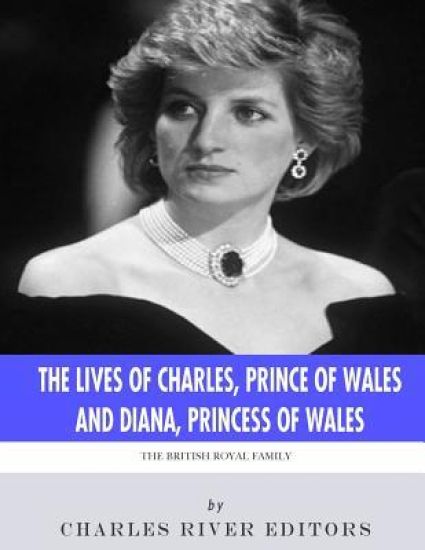
*Includes pictures of Charles, Diana and important people, places, and events in their lives. *Discusses the controversies surrounding the royal marriage and conspiracy theories about Diana and her death. "Anywhere I see suffering, that is where I want to be, doing what I can." - Diana. "I think it's something that dawns on you with the most ghastly, inexorable sense. I didn't suddenly wake up in my pram one day and say 'Yippee, I -', you know. But I think it just dawns on you, you know, slowly, that people are interested in one, and slowly you get the idea that you have a certain duty and responsibility." Charles about being heir to the throne. The British Royal Family is held in awe across Britain, and they have captured the interest of people around the globe. Queen Elizabeth II is respected for her stately demeanor, Prince William and his new wife, Kate Middleton, are deemed trendsetters and attract attention from media starved for gossip, and nobody has held as unique a place in pop culture as the late Diana, Princess of Wales. While Charles had all eyes on him from birth, the woman who would become Princess of Wales and one of the most famous people in the world was literally nameless for a week. Expecting a boy, the parents finally came to grips with the fact that she was a girl and eventually named her Diana. Fittingly, even though Diana had been born into one of Britain's most historic and prominent families, the world came to know her better for her first name than her last name, Spencer. Diana's first brush with Prince Charles came when the prince was dating her older sister, but the world met Lady Diana after Charles began courting her from 1980-1981. The two were married in the most famous and watched wedding of the 20th century, with nearly 750,000 tuning and over half a million standing outside to see the Royal Wedding. From then on, Diana became one of the most famous people in the world, with every step she took and every decision she made heavily scrutinized across the world. Though she stayed busy with international charities, human rights work, being a mother, and all of the necessities being part of the Royal Family required, Diana remained a tabloid fixture all the while. Considered a saint by some and a traitor to the established order by others, Diana nevertheless remains one of the most famous and popular Britons in history. And with Diana's death, the man who may one day be King has often been cast as the villain in the central narrative. Charles has never helped his cause by admittedly attempting to steer clear of the media's feeding frenzy, going so far as to describe the media in 2002 "awkward, cantankerous, cynical, bloody-minded, at times intrusive, at times inaccurate and at times deeply unfair and harmful to individuals and to institutions." The British Royal Family: The Lives of Charles, Prince of Wales and Diana, Princess of Wales chronicles the lives of the famous couple, as well as the ins and outs of their fairytale wedding and troubled marriage. But it also presents a comprehensive, objective analysis of the beloved princess and oft scorned prince. Along with pictures of important people, places, and events in their lives, you will learn about Charles and Diana like you never have before, in no time at all.
*Includes pictures *Includes online resources and a bibliography for further reading " T]he Stasi often used a method which was really diabolic. It was called Zersetzung, and it's described in another guideline. The word is difficult to translate because it means originally "biodegradation". But actually, it's a quite accurate description. The goal was to destroy secretly the self-confidence of people, for example by damaging their reputation, by organizing failures in their work, and by destroying their personal relationships. Considering this, East Germany was a very modern dictatorship. The Stasi didn't try to arrest every dissident. It preferred to paralyze them, and it could do so because it had access to so much personal information and to so many institutions." - Hubertus Knabe, German historian The history of East Germany was closely intertwined with the development of its security services, specifically the Stasi. In an era of totalitarian countries dominated by repressive state agencies, the Stasi stood out for its size, and the sheer breadth and depth of its surveillance. Films such as Das Leben der Anderen ("The Lives of Others") encapsulated post-unification attitudes and conceptions of both life in East Germany and the activities of the Stasi. Despite its notoriety, the legacy of the Stasi is contested in modern Germany. Former West Germans, and Westerners more generally, closely align the East German state and the Stasi, framing a "Stasi State." Those in the former East Germany, however, resent the patronizing attitudes and conflation of the two institutions, preferring to focus on the social elements of the East German state. Uwe Spiekermann, of the German Historical Institute, succinctly sets out the impressions of many when considering East Germany and its culture of surveillance: "In retrospect, the Stasi has become a symbol for the GDR East Germany]." The East German State Security Service, or Staatssicherheitsdienst in German (abbreviated to Stasi) was formed in 1950. It purported to be the state's "shield and sword" and closely monitored much of the population for the next 40 years. Some of the figures are startling. By the end of the 1980s, Stasi files were kept on six million out of 18 million inhabitants. When the Stasi archives were opened in the 1990s, files were discovered that stretched for 178 kilometers. Over the course of East Germany's existence, up to two million people acted as spies, and 90,000 people worked at the Ministry, not to mention the numerous "unofficial" informers. East Germany also had a much-feared foreign intelligence arm of its intelligence services, the HV A (German: Hauptverwaltung A or central department), which proved expert at infiltrating West German society and running operations in numerous other countries. But why did the Stasi form, and how did it prove so effective? Answering those questions requires understanding the unique circumstances in which East Germany was formed, as well as politics in Germany at the end of World War II and the start of the Cold War. The Stasi: The History and Legacy of East Germany's Secret Police Agency examines the history of one of the most notorious agencies in history. Along with pictures depicting important people, places, and events, you will learn about the Stasi like never before.
*Includes pictures *Includes soldiers' accounts of the fighting *Includes online resources and a bibliography for further reading "The Battle of Cloyd Mountain, under General Crook, famous in the 23rd Ohio] regiment's history, must command a passing word. Skillful and furious, it tried the metal of the best men." - William McKinley, speech to a 23rd Ohio Regiment reunion in 1877 Americans have long been fascinated by the Civil War, marveling at the size of the battles, the leadership of the generals, and the courage of the soldiers. Since the war's start over 150 years ago, the battles have been subjected to endless debate among historians and the generals themselves. The Civil War was the deadliest conflict in American history, and had the two sides realized it would take 4 years and inflict over a million casualties, it might not have been fought. Since it did, however, historians and history buffs alike have been studying and analyzing the biggest battles ever since. With Robert E. Lee's Army of Northern Virginia continuing to frustrate the Union Army of the Potomac's attempts to take Richmond in 1862 and 1863, President Lincoln shook things up by turning command of all the armies of the United States to Ulysses S. Grant in March 1864. Lee had won stunning victories at battles like Chancellorsville and Second Bull Run by going on the offensive and taking the strategic initiative, but Grant and Lincoln had no intention of letting him do so anymore. Attaching himself to the Army of the Potomac, Grant ordered Army of the Potomac commander George Meade, "Lee's army is your objective point. Wherever Lee goes, there you will go also." At the Battle of the Wilderness (May 5-7, 1864), Grant and Lee fought to a standstill in their first encounter, failing to dislodge each other despite incurring nearly 30,000 casualties between the Union Army of the Potomac and the Confederate Army of Northern Virginia. However, after the fierce fighting, Grant continued to push his battered but resilient army south. Civil War fans and historians are familiar with the ensuing major battles that took place at Spotsylvania, the North Anna, Cold Harbor, and then the subsequent siege of Petersburg, but as the armies were moving towards Spotsylvania, Grant detached some forces in an effort to destroy railroads in western Virginia that the Confederates used to ship men and material to the Western Theater. With William Tecumseh Sherman's command attempting to take Atlanta from Joseph E. Johnston's Army of Tennessee, it was crucial to hamper the Confederacy's ability to reinforce itself one way or the other. Eventually, Union and Confederate forces met each other at the Battle of Cloyd's Mountain, one of the most savage battles of the war. There were over 1,000 combined casualties at the battle, resulting in the Union losing 10% of its total men in the battle and the Confederates losing an astounding 20%. The battle, a short but intense engagement, ended with a Union victory that allowed them to sever the last railroad lines connecting Virginia and Tennessee, which meant to a large degree that the Eastern Theater and Western Theater were divided for the Confederacy. The Battle of Cloyd's Mountain: The History of the Civil War Battle that Split Virginia from the Western Theater during the Overland Campaign looks at the history of the often forgotten battle. Along with pictures of important people, places, and events, you will learn about Cloyd's Mountain like never before.
*Includes pictures *Explains the history of Islam, the concept of the Mahdi, and how this belief affects today's Middle East *Includes online resources, footnotes, and a bibliography for further reading *Includes a table of contents There are few things which the Supreme Leader of the Islamic Republic of Iran, for many the leader of the world's Shi'a community, and the leadership of al-Nusra, the Syrian branch of the Sunni terrorist organization Al-Qaida agree upon. One of the few points that they can agree upon in the midst of their war of mutual annihilation is that the Apocalypse is coming and that they are the soldiers of its harbinger and messiah: the Mahdi. Across the Islamic world, the figure of the Mahdi has appeared with increasing prevalence in the last few decades: the "Mahdi Army" patrols Shiite neighborhoods of Baghdad, thousands of Mahdi impersonators rot in Iranian prisons, the feared Boko Haram army aims to bring about the arrival of the Mahdi in Nigeria, and the leader of the Islamic State renamed himself "Caliph Abdullah Ibrahim Ibn Awaad Ibn Ibrahim Ibn Ali Ibn Muhammad of Qurasysh Al-Baghdadi of the tribe of the prophet Muhammad" allowing him to fulfill the prophecy that the Mahdi would be named "Abdullah" and "ibn Muhammad." The Shi'as have always had a deep emotional connection to the belief in the coming of the Mahdi. In fact, most Shi'a believe that he has already come to earth in the form of their hidden ("occulted") Twelfth Imam who has watched over humanity for centuries, and as the minority group within Islam, they have often lived in lands dominated by Sunnis and typically view the Sunni rulers as corrupt and having turned their backs on true Islam. At the same time, the Mahdi has played a crucial role among Sunnis, and the contemporary obsession with the Mahdi, the "Mahdaviat," led to the rise of apocalyptic Sunni groups like ISIS. Sunnis, who are often in power in Islamic lands, have been less comfortable with the fundamental assumption of the fallen states of the leadership. However, since the fall of the last Caliphate (the Ottoman Empire in 1924), and the domination of most of the Islamic world by European colonial powers and then obviously corrupt and often secular strongmen has made many Sunnis turn away from their leadership and look to the Mahdi for inspiration. Outside of formal Islamic authorities, there has also been a long tradition of Mahdi claimants who seek to rise up and overthrow the authorities of their day and establish a truly sacred Muslim community on earth. Throughout it all, there are certain shared characteristics that all Mahdi myths and claimants hold. The first is an assumption that true purity of faith has been lost in modern Islam and that the authorities have turned their back on Islam (even if they still claim to be Muslims). Out of this time of absolute darkness, the Mahdi - a mortal man - will emerge to restore political power and religious purity to the land. With his followers, they will be driven back by the forces of "Rome" (usually interpreted to be the West but often thought today to be the United States, secular Turkey, Israel or the Vatican). Finally, there will be a great battle, perhaps at a place in Syria called Dabiq. The Mahdi will be joined by Jesus (who is an important figure in Islam), and together they will rule over the world. This is connected to Judgment Day, as all Muslims will be tried in this period of strife. The Mahdi: The History of the Prophesized Figure Muslims Believe Will Redeem Islam and Bring About the End Times looks at the history behind the beliefs and how they have shaped Islam over the centuries. Along with pictures depicting important people, places, and events, you will learn about the Mahdi like never before, in no time at all.