
Kirjailija
Dante Alighieri
Kirjat ja teokset yhdessä paikassa: 1 370 kirjaa, julkaisuja vuosilta 1972–2027, suosituimpiin kuuluu The Divine Comedy. Vertaile teosten hintoja ja tarkista saatavuus suomalaisista kirjakaupoista.
1 370 kirjaa
Kirjojen julkaisuvuodet: 1972–2027.
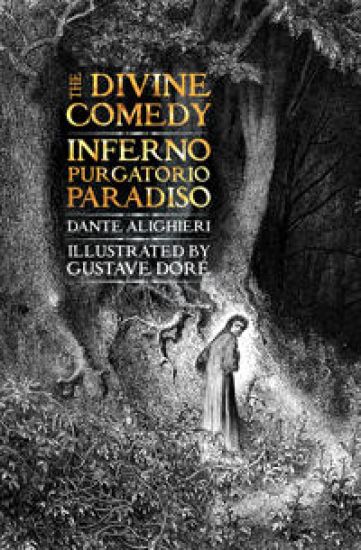
The Divine Comedy
Dante Alighieri; Robin Kirkpatrick
Flame Tree Publishing
2018
sidottu
Halvin toimitettuna 24,40 €
Dante’s masterpiece of literature is well matched by the peerless art of Gustave Doré. Dante and his guides, Virgil and Beatrice, journey through the cantos in an allegory of the passage of the soul through the Afterlife, with the subtle engraving of Doré’s illustrations perfectly complementing the movement from darkness through to light. Flame Tree Gothic Fantasy, Classic Stories and Epic Tales collections bring together the entire range of myth, folklore, epic literature and modern short fiction. Highlighting the roots of suspense, supernatural, science fiction and mystery stories, the books in Flame Tree Collections series are beautifully presented, perfect as a gift and offer a lifetime of reading pleasure.
Paris Débloqué Ou Les Passages Ouverts, En Vers Burlesques
Dante Alighieri
Hachette Livre - BNF
2018
pokkari

Histoire Pittoresque, Dramatique Et Caricaturale de la Sainte Russie
Dante Alighieri
Hachette Livre - BNF
2018
pokkari
Les Plus Anciennes Traductions Françaises De La Divine Comédie
Dante Alighieri; Camille Morel
Wentworth Press
2018
sidottu

Dante Alighieri's prosaische Schriften, Erster Theil
Dante Alighieri; Karl Ludwig Kannegiesser
Wentworth Press
2018
pokkari

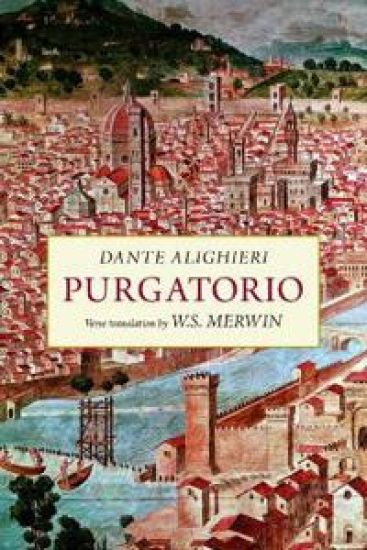
Asked why he translated this book, instead of the Inferno or Paradiso, Merwin responded, "The Purgatorio is more like life."
L'Enfer. Traduit de l'Italien, Accompagnée Du Texte Original
Dante Alighieri
Hachette Livre - BNF
2018
pokkari
The classic translation of one of the greatest poetry epics in the western world. In this fantastic journey, the narrator is taken down to the pits of Hell to see the various circles and pits that await the fate of sinful humanity. In this tour he sees many horrific things that at the time of writing will have traumatized anyone reading this story in the medieval era. After his trip to the bottom of Hell, he is taken into the realm of Purgatory there to see the spiral that souls must climb as they undergo the process of sanctification so that they may be welcomed into the gates of Heaven. Lastly, we are taken through the various realms and sections of the true hope of all humanity, Heaven. We see the glory of the heavens as Dante manages to write in a way that makes us in awe of what is to come. Although the trip is often vivid we get to see the culmination of all creation in the final part of this landmark work that redefined epic poetry. Now with increased font size
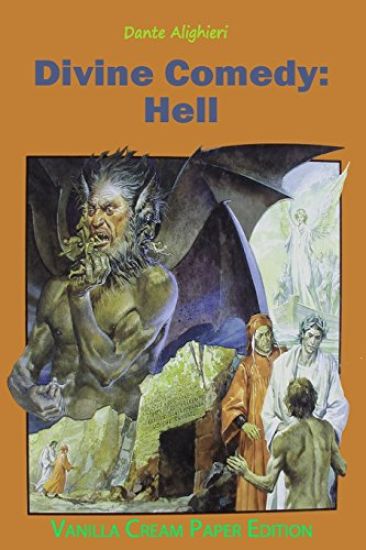
Rare edition with unique illustrations and elegant classic cream paper. The first part of Dante's Divine Comedy, the "Inferno" (or "Hell") begins on the night before Good Friday in the year 1300, "halfway along our life's path". Dante is thirty-five years old, half of the biblical life expectancy of 70, lost in a dark wood, assailed by beasts he cannot evade, and unable to find the straight way to salvation. Conscious that he is ruining himself and that he is falling into a deep place where the sun is silent, Dante is at last rescued by Virgil, and the two of them begin their journey to the underworld. Each sin's punishment in Inferno is a contrapasso, a symbolic instance of poetic justice Includes unique illustrations.
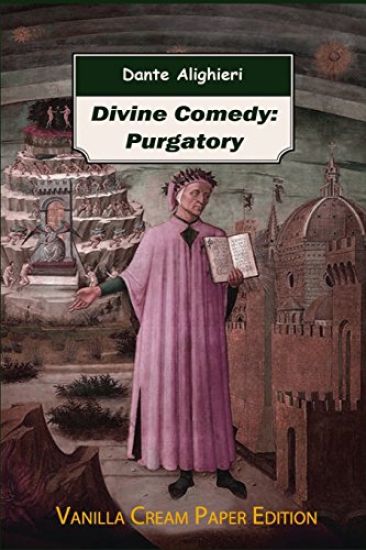
Rare edition with unique illustrations and elegant classic cream paper. The second volume of the Divine Comedy presents the Purgatory. Continuing the story of the poet's journey through the medieval Other World under the guidance of the Roman poet Virgil, the Purgatory culminates in the regaining of the Garden of Eden and the reunion there with the poet's long-lost love Beatrice. Includes unique illustrations.
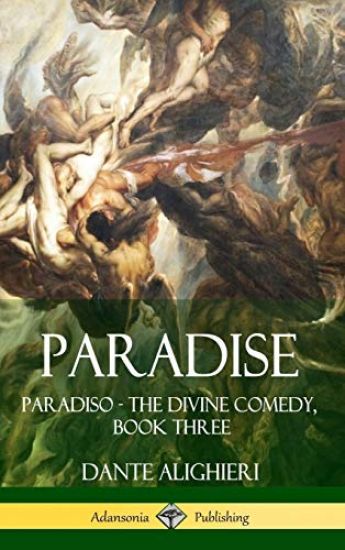
Paradise, the third and final part of The Divine Comedy, tells the story of Dante's journey through the heavenly realms. Representative of the divine soul's ascent to the Lord, this timeless epic portrays haven as a series of intricate spheres which surround the Earth. Each of these represents an astronomical body, such as the Moon, Mercury, Venus and even the distant stars. Dante's deceased love interest, Beatrice Portinari, is his guide through the journey to the paradise of heaven. Just as Dante depicted Hell as having nine circles, Heaven is depicted as consisting of nine celestial spheres. Gradually the pair ascend through each of these, observing their appearance and meeting with various inhabitants along the way. The poem's grand finale sees Dante and Beatrice enter the Empyrean - the very home of God himself. Beatrice's beauty becomes more marked, while Dante himself is bathed in an intense light, so that he may be fit to behold the divine.
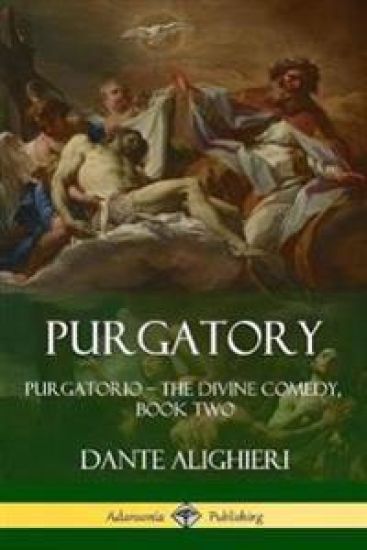
Purgatory is the second part of Dante's epic poem The Divine Comedy, presented here complete. Prior to this journey, Dante and his guide Virgil had visited Hell, learning the nature of each of the nine circles which constitute it. Upon departing Hell, the pair travel onward, eventually reaching the shores of the Mount of Purgatory. Here, the two ascend and behold the series of terraces which constitute this realm. Much of Dante's personal philosophy of sin revolves around the emotion of love - as such, many of the inhabitants of purgatory have directed love in a wrong or sinful manner, ultimately with the design of causing harm to others. Various misdeeds - the Seven Deadly Sins - constitute the sequential terraces of purgatory - namely pride, envy, wrath, sloth, avarice, gluttony and lust. At the highest peak of Purgatory is the Garden of Eden; after reuniting with his paramour Beatrice, Dante takes a drink from the River Euno , and prepares for his ascent to the heavenly paradise.
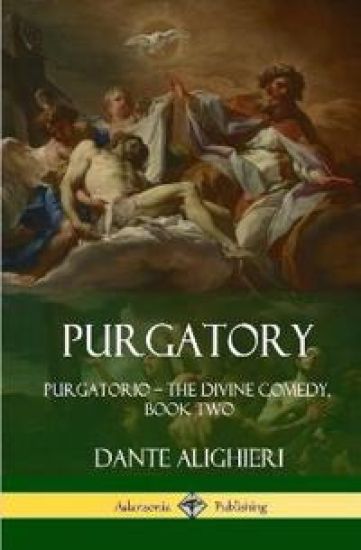
Purgatory is the second part of Dante's epic poem The Divine Comedy, presented here in hardcover. Prior to this journey, Dante and his guide Virgil had visited Hell, learning the nature of each of the nine circles which constitute it. Upon departing Hell, the pair travel onward, eventually reaching the shores of the Mount of Purgatory. Here, the two ascend and behold the series of terraces which constitute this realm. Much of Dante's personal philosophy of sin revolves around the emotion of love - as such, many of the inhabitants of purgatory have directed love in a wrong or sinful manner, ultimately with the design of causing harm to others. Various misdeeds - the Seven Deadly Sins - constitute the sequential terraces of purgatory - namely pride, envy, wrath, sloth, avarice, gluttony and lust. At the highest peak of Purgatory is the Garden of Eden; after reuniting with his paramour Beatrice, Dante takes a drink from the River Euno , and prepares for his ascent to the heavenly paradise.
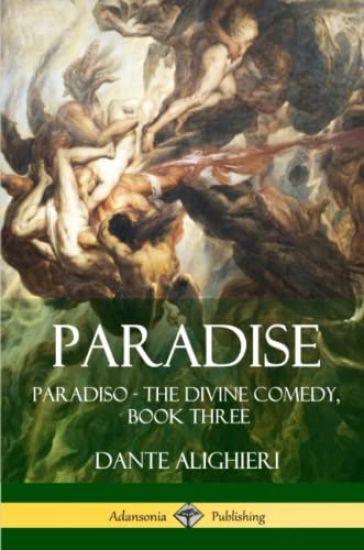
Paradise, the third and final part of The Divine Comedy, tells the story of Dante's journey through the heavenly realms. Representative of the divine soul's ascent to the Lord, this timeless epic portrays haven as a series of intricate spheres which surround the Earth. Each of these represents an astronomical body, such as the Moon, Mercury, Venus and even the distant stars. Dante's deceased love interest, Beatrice Portinari, is his guide through the journey to the paradise of heaven. Just as Dante depicted Hell as having nine circles, Heaven is depicted as consisting of nine celestial spheres. Gradually the pair ascend through each of these, observing their appearance and meeting with various inhabitants along the way. The poem's grand finale sees Dante and Beatrice enter the Empyrean - the very home of God himself. Beatrice's beauty becomes more marked, while Dante himself is bathed in an intense light, so that he may be fit to behold the divine.
La Vita Nuova (Vita Nova - The New Life) (Hardcover)
Dante Alighieri; William Michael Rossetti
Lulu.com
2018
sidottu
La Vita Nuova - in English The New Life - is a poem by Dante Alighieri which expresses the virtues of Medieval courtship and love. First published in 1295 during the dawn of the Italian Renaissance period, this work discusses the praiseworthy aspects of courtship which first appeared during the Medieval era. Dante was a great admirer of this practice, feeling that the tradition elevated both love and courteous behaviour in a manner befitting an experience of such emotive depth. This translation of the original Italian into English by William Michael Rossetti has, since its original appearance in 1899, become well-regarded by scholars and general enthusiasts of Italian literature. Readable as well as accurate, this edition also contains the original insightful notes which Rossetti appended to his rendition.
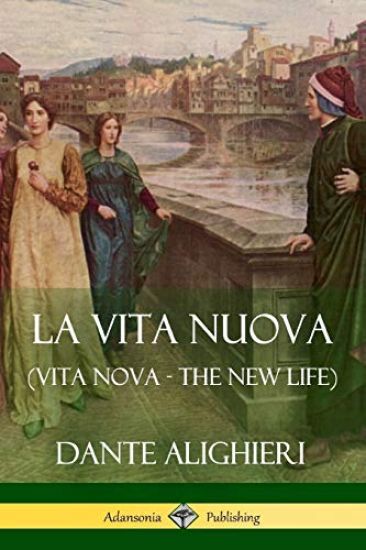
La Vita Nuova (Vita Nova - The New Life)
Dante Alighieri; William Michael Rossetti
Lulu.com
2018
pokkari
La Vita Nuova - in English The New Life - is a poem by Dante Alighieri which expresses the virtues of Medieval courtship and love. First published in 1295 during the dawn of the Italian Renaissance period, this work discusses the praiseworthy aspects of courtship which first appeared during the Medieval era. Dante was a great admirer of this practice, feeling that the tradition elevated both love and courteous behaviour in a manner befitting an experience of such emotive depth. Dante first authored this book during his own association with Beatrice Portinari, a paramour who was to symbolise human love for the artist in both life and death. La Vita Nuova is distinct from other, later works by Dante in that it was authored in his native Italian, rather than the Latin he employed in The Divine Comedy and other works.

Rare edition with unique illustrations and elegant classic cream paper. The final volume of Dante's, Divine Comedy; Paradise. Having plunged to the uttermost depths of Hell and climbed the Mount of Purgatory, Dante ascends to Heaven, continuing his soul's search for God, guided by his beloved Beatrice. As he progresses through the spheres of Paradise he grows in understanding, until he finally experiences divine love in the radiant presence of the deity. Examining eternal questions of faith, desire and enlightenment, Dante exercised all his learning and wit, wrath and tenderness in his creation of one of the greatest of all Christian allegories. Includes unique illustrations.