Kirjailija
Dante Alighieri
Kirjat ja teokset yhdessä paikassa: 1 370 kirjaa, julkaisuja vuosilta 1972–2027, suosituimpiin kuuluu The Divine Comedy. Vertaile teosten hintoja ja tarkista saatavuus suomalaisista kirjakaupoista.
1 370 kirjaa
Kirjojen julkaisuvuodet: 1972–2027.

La Divine Comédie, Enfer, Purgatoire, Paradis. Tome 1
Dante Alighieri; L' Arioste; Eugène Aroux
Hachette Livre - BNF
2019
pokkari

Das dritte Buch ist dem Lob der Philosophie gewidmet und beinhaltet eine Gl ckseligkeitslehre. Im Anschlu an die Er rterungen des Namens und die Bestimmung der wahren Philosophie entwickelt Dante eine Konzeption, wonach die Gott eigene Erkenntnis als Erkenntnis der Dinge in ihm selbst, insofern er deren Ursache ist, ebenfalls als Philosophie zu gelten hat.
Vita nuova; - Kritischer Text unter Benutzung von 35 behannten Handschriften ist ein unver nderter, hochwertiger Nachdruck der Originalausgabe aus dem Jahr 1896. Hansebooks ist Herausgeber von Literatur zu unterschiedlichen Themengebieten wie Forschung und Wissenschaft, Reisen und Expeditionen, Kochen und Ern hrung, Medizin und weiteren Genres. Der Schwerpunkt des Verlages liegt auf dem Erhalt historischer Literatur. Viele Werke historischer Schriftsteller und Wissenschaftler sind heute nur noch als Antiquit ten erh ltlich. Hansebooks verlegt diese B cher neu und tr gt damit zum Erhalt selten gewordener Literatur und historischem Wissen auch f r die Zukunft bei.
Oeuvres Poétiques. l'Enfer. Préface Critique Sur Dante Et La Poésie Au Xixe Siècle
Dante Alighieri; Luís de Camões; Victor De Perrodil
Hachette Livre - BNF
2019
pokkari
Durante di Alighiero degli Alighieri, commonly known by his pen name Dante Alighieri or simply as Dante (1265 - 1321), was an Italian poet during the Late Middle Ages. His Divine Comedy, originally called Comed a (modern Italian: Commedia) and later christened Divina by Giovanni Boccaccio, is widely considered the most important poem of the Middle Ages and the greatest literary work in the Italian language. In the late Middle Ages, most poetry was written in Latin, making it accessible only to the most educated readers. In De vulgari eloquentia (On Eloquence in the Vernacular), however, Dante defended the use of the vernacular in literature. He would even write in the Tuscan dialect for works such as The New Life (1295) and the Divine Comedy; this highly unorthodox choice set a precedent that important later Italian writers such as Petrarch and Boccaccio would follow. Dante was instrumental in establishing the literature of Italy, and his depictions of Hell, Purgatory and Heaven provided inspiration for the larger body of Western art. He is cited as an influence on John Milton, Geoffrey Chaucer and Alfred Tennyson, among many others. In addition, the first use of the interlocking three-line rhyme scheme, or the terza rima, is attributed to him. In Italy, he is often referred to as il Sommo Poeta ("the Supreme Poet") and il Poeta; he, Petrarch, and Boccaccio are also called "the three fountains" or "the three crowns".
Durante di Alighiero degli Alighieri, commonly known by his pen name Dante Alighieri or simply as Dante (1265 - 1321), was an Italian poet during the Late Middle Ages. His Divine Comedy, originally called Comed a (modern Italian: Commedia) and later christened Divina by Giovanni Boccaccio, is widely considered the most important poem of the Middle Ages and the greatest literary work in the Italian language. In the late Middle Ages, most poetry was written in Latin, making it accessible only to the most educated readers. In De vulgari eloquentia (On Eloquence in the Vernacular), however, Dante defended the use of the vernacular in literature. He would even write in the Tuscan dialect for works such as The New Life (1295) and the Divine Comedy; this highly unorthodox choice set a precedent that important later Italian writers such as Petrarch and Boccaccio would follow. Dante was instrumental in establishing the literature of Italy, and his depictions of Hell, Purgatory and Heaven provided inspiration for the larger body of Western art. He is cited as an influence on John Milton, Geoffrey Chaucer and Alfred Tennyson, among many others. In addition, the first use of the interlocking three-line rhyme scheme, or the terza rima, is attributed to him. In Italy, he is often referred to as il Sommo Poeta ("the Supreme Poet") and il Poeta; he, Petrarch, and Boccaccio are also called "the three fountains" or "the three crowns".
This book is a result of an effort made by us towards making a contribution to the preservation and repair of original classic literature. In an attempt to preserve, improve and recreate the original content, we have worked towards: 1. Type-setting & Reformatting: The complete work has been re-designed via professional layout, formatting and type-setting tools to re-create the same edition with rich typography, graphics, high quality images, and table elements, giving our readers the feel of holding a 'fresh and newly' reprinted and/or revised edition, as opposed to other scanned & printed (Optical Character Recognition - OCR) reproductions. 2. Correction of imperfections: As the work was re-created from the scratch, therefore, it was vetted to rectify certain conventional norms with regard to typographical mistakes, hyphenations, punctuations, blurred images, missing content/pages, and/or other related subject matters, upon our consideration. Every attempt was made to rectify the imperfections related to omitted constructs in the original edition via other references. However, a few of such imperfections which could not be rectified due to intentional\unintentional omission of content in the original edition, were inherited and preserved from the original work to maintain the authenticity and construct, relevant to the work. We believe that this work holds historical, cultural and/or intellectual importance in the literary works community, therefore despite the oddities, we accounted the work for print as a part of our continuing effort towards preservation of literary work and our contribution towards the development of the society as a whole, driven by our beliefs. We are grateful to our readers for putting their faith in us and accepting our imperfections with regard to preservation of the historical content. HAPPY READING

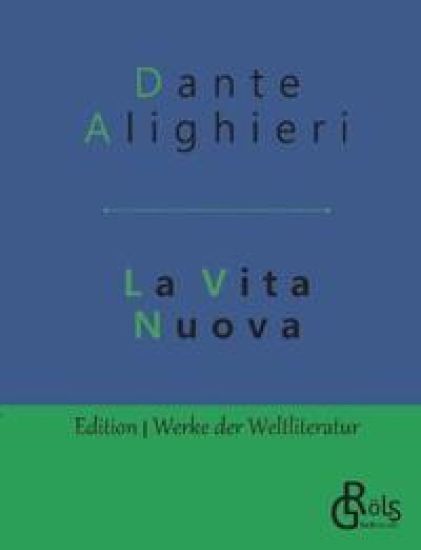
"In Vita Nova, seinem Jugendwerk, schildert uns Dante in der Tradition mittelalterlicher Minnedichtung seine Leidenschaft f r Beatrice und die erneuernde Kraft der Liebe." Redaktion Gr ls-Verlag (Edition Werke der Weltliteratur)
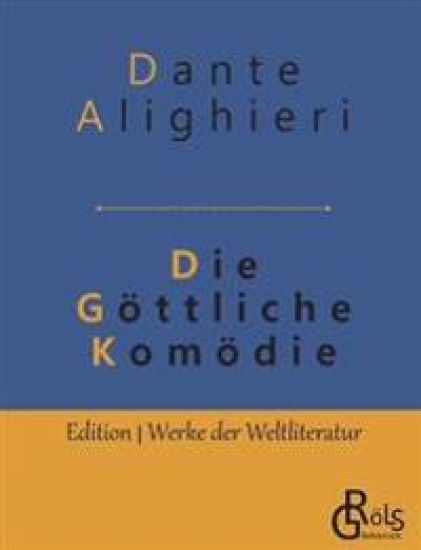
"Nirgendwo ist Dante wortm chtiger und poetischer als in seinem ber hmten Hauptwerk. Die G ttliche Kom die ist bis heute ein Weltentwurf, der K nstler aller Genres von der Malerei, ber die Literatur bis hin zum Kino inspiriert und pr gt." Redaktion Gr ls-Verlag (Edition Werke der Weltliteratur)
The Divine Comedy - Vol. 1 is an unchanged, high-quality reprint of the original edition of 1890. Hansebooks is editor of the literature on different topic areas such as research and science, travel and expeditions, cooking and nutrition, medicine, and other genres. As a publisher we focus on the preservation of historical literature. Many works of historical writers and scientists are available today as antiques only. Hansebooks newly publishes these books and contributes to the preservation of literature which has become rare and historical knowledge for the future.
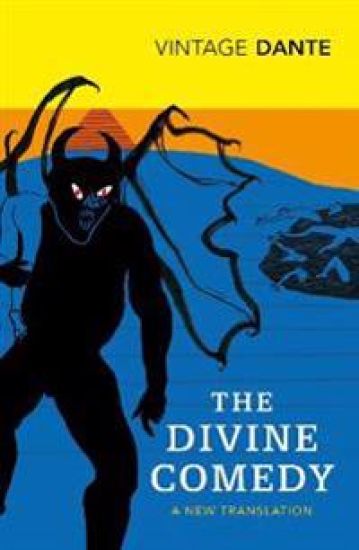
Discover this fresh, pacy, modern translation of an enduring literary classic. Halfway through life, you find yourself lost, unsure of the right path. Greed, deception and pride have led you away from the ideals and dreams you cherished in younger days. How do you go on? This is the starting point of one of the most extraordinary and important journeys in western literature, a stunningly ambitious flight of imagination and philosophy which has reverberated down the years since Dante Alighieri first wrote it down in the fourteenth century. The Divine Comedy is a vision of the afterlife, the three regions of Hell, Purgatory and Paradise, through which the narrator must journey in order to better understand the workings of the universe, the love of God, and his place in the world. Poet and translator Steve Ellis translated the Inferno in 1994, and it was greeted with great acclaim. Now Ellis's translation of the entire poem is published here for the first time, and Dante's epic can be experienced afresh and in new glorious life and colour, the physicality and immediacy of Dante's verse rendered in English as never before. A NEW TRANSLATION BY STEVE ELLIS