Kirjojen hintavertailu – 12 859 828 kirjaa ja 27 kauppaa
Kirjailija
George Berkeley
Kirjat ja teokset yhdessä paikassa: 300 kirjaa, julkaisuja vuosilta 1960–2026, suosituimpiin kuuluu A Letter to T----- P---, Esq; From the Author of Siris. Containing Some Farther Remarks on the Virtues of Tar-Water, and the Methods for Preparing and Using It.. Vertaile teosten hintoja ja tarkista saatavuus suomalaisista kirjakaupoista.
En su obra m s importante, Berkeley se aplica a estudiar a fondo todos los sentidos humanos y a refutar a su colega empirista, John Locke. Entretanto, se ver n a trav s de sus p ginas diversas facetas sobre la filosof a propia de su autor, todo ello en una poca en la que los pensamientos de los fil sofos griegos iba quedando relegada ante el continuo avance del conocimiento cient fico.
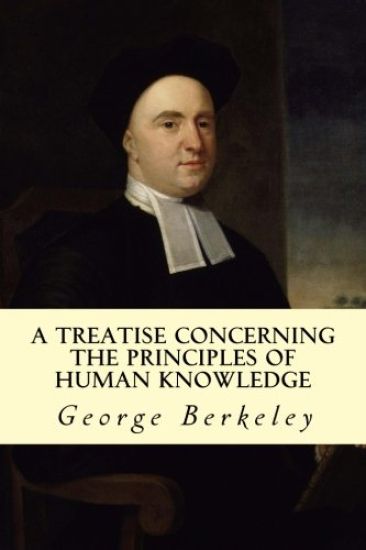
A menudo denominado Tratado cuando se habla de la obra de Berkeley, es una obra de 1710 del fil sofo empirista George Berkeley. El t tulo completo es: Tratado sobre los principios del conocimiento humano. Parte I. En la que se investigan las causas principales del error y de las dificultades en las ciencias, as como los fundamentos del escepticismo, del ate smo y de la irreligi n. Principalmente, este libro trata de refutar las posiciones de su contempor neo John Locke acerca de la naturaleza de la percepci n humana. Aunque, como todos los fil sofos empiristas, tanto Locke como Berkeley coincid an en que existe un mundo externo, y en que este mundo es el que causa las ideas que uno tiene dentro de su mente, Berkeley trat de probar que el mundo externo tambi n se compone nicamente de ideas. Berkeley lo hizo sugiriendo que las ideas s lo pueden asemejarse a las ideas: las ideas mentales que poseemos s lo pueden asemejarse a otras ideas (no a objetos f sicos) y de este modo el mundo externo no consiste en una forma f sica, sino m s bien en ideas. Este mundo recibe l gica y regularidad por alguna otra fuerza, que Berkeley concluy que era Dios.
El Tratado sobre los principios del conocimiento humano, es una obra de 1710 del fil sofo empirista George Berkeley. En la que se investigan las causas principales del error y de las dificultades en las ciencias, as como los fundamentos del escepticismo, del ate smo y de la irreligi n. Principalmente, este libro trata de refutar las posiciones de su contempor neo John Locke acerca de la naturaleza de la percepci n humana. Aunque, como todos los fil sofos empiristas, tanto Locke como Berkeley coincid an en que existe un mundo externo, y en que este mundo es el que causa las ideas que uno tiene dentro de su mente.
A Treatise Concerning the Principles of Human Knowledge (commonly called Treatise when referring to Berkeley's works) is a 1710 philosophy classic by Anglo-Irish Empiricist philosopher George Berkeley. This book largely seeks to refute the claims made by his contemporary John Locke about the nature of human perception. Whilst, like all the Empiricist philosophers, both Locke and Berkeley agreed that we are having experiences, regardless of whether material objects exist, Berkeley sought to prove that the outside world (the world which causes the ideas one has within one's mind) is also composed solely of ideas. Berkeley did this by suggesting that "Ideas can only resemble Ideas" - the mental ideas that we possess can only resemble other ideas (not material objects) and thus the external world consists not of physical form, but rather of ideas. This world is (or, at least, was) given logic and regularity by some other force, which Berkeley concludes is God. Berkeley declared that his intention was to make an inquiry into the First Principles of Human Knowledge in order to discover the principles that have led to doubt, uncertainty, absurdity, and contradiction in philosophy. In order to prepare the reader, he discussed two topics that lead to errors. First, he claimed that the mind cannot conceive abstract ideas. We can't have an idea of some abstract thing that is common to many particular ideas and therefore has, at the same time, many different predicates and no predicates. Second, Berkeley declared that words, such as names, do not signify abstract ideas. With regard to ideas, he asserted that we can only think of particular things that have been perceived. Names, he wrote, signify general ideas, not abstract ideas. General ideas represent any one of several particular ideas. Berkeley criticized Locke for saying that words signify general, but abstract, ideas. At the end of his Introduction, he advised the reader to let his words engender clear, particular ideas instead of trying to associate them with non-existent abstractions.
George Berkeley was an Anglo-Irish philosopher whose primary achievement was the advancement of a theory he called "immaterialism". This theory denies the existence of material substance and instead contends that familiar objects like tables and chairs are only ideas in the minds of perceivers, and as a result cannot exist without being perceived.