Kirjojen hintavertailu – 12 903 725 kirjaa ja 27 kauppaa

Kirjailija

Rudolf Steiner

Kirjat ja teokset yhdessä paikassa: 1 477 kirjaa, julkaisuja vuosilta 1910–2026, suosituimpiin kuuluu The Cosmic New Year: A Course of Lectures by Rudolf Steiner. Vertaile teosten hintoja ja tarkista saatavuus suomalaisista kirjakaupoista.

1 477 kirjaa

Kirjojen julkaisuvuodet: 1910–2026.

Eetterisydämen muodostuminen

Eetterisydämen muodostuminen

Rudolf Steiner

SUOMEN ANTROPOSOFINEN LIITTO
2018
lehtivihko, moniste
Steinerpedagogit tuntevat luonnehdinnan lapsen kolmesta kehityskaudesta ja siitä, miten kunkin alkaessa ihmiselle syntyy uusi olemuspuoli. Ensimmäinen, lapsen oman fyysisen ruumiin syntymä, on niistä ilmeisin. Toisen, kouluiän alkaessa tapahtuvan lapsen oman elämänruumiin syntymän näkyvin tunnusmerkki ovat perittyjen maitohampaiden tilalle tulevat omat, pysyvät hampaat. - Mutta mitä tapahtuu murrosiän kolmannessa, lapsen oman sielunelämän syntymässä? Minkälaisia sisäisiä muutoksia tuon tapahtuman kypsyessä tapahtuu? Tämä tärkeä esitelmä avaa pedagogeille, kasvattajille ja kaikille asiasta kiinnostuneille näitä ihmiskehityksen sielullisia ja henkisiä tapahtumakulkuja. Esitelmä laajentaa näkymän myös elämää edeltäviin ja sen jälkeisiin tapahtumiin. Se tuo valoa ihmisenä olemisen ja ihmisen elämän tarkoitukseen sekä ihmisen sydämen eri tasojen moniin ulottuvuuksiin ja siten ihmissydämen keskeiseen merkitykseen ihmisolemuksessa.
Teosofia

Teosofia

Rudolf Steiner

SUOMEN ANTROPOSOFINEN LIITTO
2018
sidottu
Rudolf Steinerin ensimmäinen yleiskatsaus hengentieteeseen kuvaa ihmisen ja maailman kolminaista olemusta fyysisenä, sielullisena ja henkisenä. Oman kokemisensa perusteella Steiner kuvaa hengen uudelleenruumiillistumista ja kohtalon (karman) luonnetta sekä mm. ihmisen auraa. Tärkeä luku kertoo tiedostamisen polusta ja sen edellytyksistä, hyvien yleisinhimillisten ominaisuuksien kehittämisestä.
Evoluutio tosiolevan näkökannalta

Evoluutio tosiolevan näkökannalta

Rudolf Steiner

SUOMEN ANTROPOSOFINEN LIITTO
2018
sidottu
Koko evoluutiomme on seurausta peräkkäisistä uhrauksista. Tosiolevaa on se henkisten olentojen tarkoituksenmukainen toiminta, joka on luonut fyysisen maailmamme. Myös ihmisen sielunelämässä ovat olemassa nämä menneiden planetaaristen maailmankausien laadut: Saturnus-kaudelta tahto ja lämpö, Aurinko-kaudelta ajattelun valo ja viisaus sekä Kuun kaudelta sielun kaipaus ja tunne-elämän liikkuvuus. Maan kaudelta ovat peräisin kiinteä materia ja kuolema.
Architecture, Sculpture, and Painting of the First Goetheanum

Architecture, Sculpture, and Painting of the First Goetheanum

Rudolf Steiner; Douglas J Cardinal

Rudolf Steiner Press
2017
pokkari
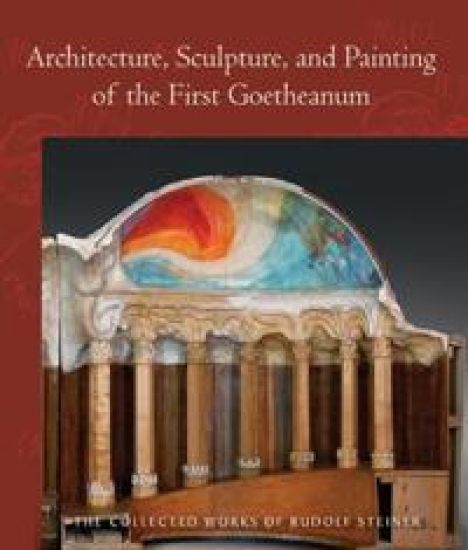
9 lectures in various cities, April 1915-June 1920 (CW 288) The planning, construction, and execution of the functional work of art that was the First Goetheanum was an endeavor that occupied Rudolf Steiner for the better part of seven years. Every detail, from the seemingly small--such as the shape and feel of the door handles--to the grand motifs of the paintings on the ceilings of the cupolas and the building's intended sculptural centerpiece, was lovingly designed to meet and inspire the individual human beings who would some day encounter it, not with didactic symbolism, but with the transparent reality of the spiritual foundation of humanity and the world, and the open possibility to both know this spiritual foundation and to work with it practically and artistically for the good of all. The lectures in this volume--accompanied by reproductions of more than a hundred slides--were heard by various audiences as the building neared completion and before it was destroyed by fire. The text is complemented with a foreword by the esteemed architect Douglas J. Cardinal, as well as an important and revelatory Introductory essay by David Adams: "The Form-Function Relationship in Architecture and Nature: Organic and Inorganic Functionalism." This volume of The Collected Works of Rudolf Steiner is essential reading for anyone who wants to gain a deeper understanding of the artistic motivation of Rudolf Steiner as an artist and architect, while also clearing up many of the misunderstandings that the building and its sculptural and painted components have inevitably given rise to, both then and now. C O N T E N T S Foreword by Douglas J. CardinalIntroduction by David J. Adams: "The Form-Function Relationship in Architecture and Nature: Organic and Inorganic Functionalism" 1. A House for Spiritual Science: The Form of the Building in Dornach2. Misunderstandings of Spiritual Research and the Building Devoted to It in Dornach3. Architectural Forms as Cosmic Thoughts and Feelings4. The Architecture, Sculpture, and Painting of the First Goetheanum (3 lectures)5. The Hieroglyphics of the Building in Dornach (2 lectures)6. The Goetheanum in Dornach Appendix: On the Building in Dornach This book is translated from the German edition Architektur, Plastik und Malerei des ersten Goetheanum: Neun Vorträge, gehalten an verschiedenen Orten zwischen dem 10. April 1915 und dem 12. Juni 1920, herausgegeben aufgrund von stenographischen, teilweise von Rudolf Steiner korrigierten Nachschriften.
Landbrukskurset

Landbrukskurset

Rudolf Steiner

Antropos
2017
sidottu
"Landbrukskurset som Rudolf Steiner holdt i 1924 ligger til grunn for utviklingen av biodynamisk landbruk. Det stoffet Steiner behandlet setter landbruket i en helt sentral posisjon; alle områder av kulturen har på en eller annen måte forbindelse til landbruk. Landbruket er av vital betydning for sunnhet og helse hos mennesker og dyr. Et riktig landbruk er utviklet i samsvar med de store rytmene i naturen og i kosmos." (Dag Blakkisrud i etterordet). - Boken er oversatt og tilrettelagt av Mette Bjerke, Anne-Lise Selsjord og Emil Mohr fra den tyske boken "Geisteswissenschaftliche Grundlagen zum Gedeihen der Landwirtschaft. Landtwirtschaftlicher Kurs", GA 327. 2. opplag, utgitt av Antropos Forlag 2017. Innbundet, 210 sider med tavletegninger i farger. «I løpet av den materialistiske tidsalder er det oppstått en fullstendig mangel på viten om det som er nødvendig for en fortsatt pleie av naturen. Man kjenner jo ikke til de viktigste tingene. Og så fortsetter man å gjøre ting ut fra et mer eller mindre godt instinkt, men dette instinkt forsvinner etterhvert. Tradisjonene forsvinner. Man gjødsler jorden ut fra det vitenskapen sier, og poteter, korn og alt annet blir stadig dårligere. Man vet godt at det blir dårligere, og det konstateres statistisk. Men nå for tiden er det en motvilje mot praktiske forholdsregler som tar utgangspunkt i det som kan oppnås ut fra en åndelig anskuelse.» Rudolf Steiner 1924
Understanding Society

Understanding Society

Rudolf Steiner

Rudolf Steiner Press
2017
nidottu
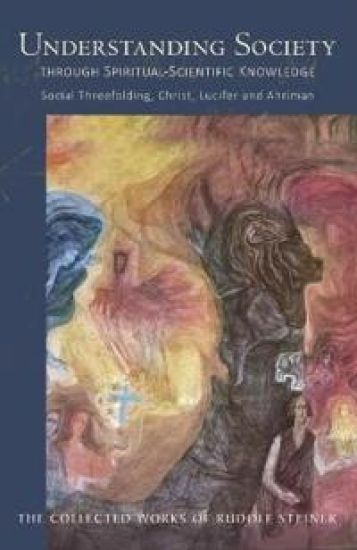
In the uncertainty following the end of the First World War, Rudolf Steiner perceived a unique opportunity to establish a healthy social and political constitution. He began lecturing throughout post-war Germany, often to large audiences, about his social ideas. Here, speaking to a more intimate grouping at the Goetheanum in Dornach, Switzerland, Steiner seeks to deepen the themes of social threefolding, showing specifically how new social thinking is integral to anthroposophy. Steiner speaks of the superficiality of the materialistic view of history, originating with the economic shift amongst the population at the time of the Reformation. Back in Egyptian-Chaldean times, initiates ruled out of spiritual impulses. Later, in the Greco-Roman period, priests had power over their congregations. Today, homo economicus – or `economic man’ – has become the dominant idea, with the capitalist and the banker taking control. But the healing of social relationships can only come about through different modes of thought; the life of spirit must be separated not only from politics but also from economics. True social understanding allows for comprehension of karma – the appreciation of each person’s individual destiny. In parallel, says Steiner, we should work towards a global consciousness, as true social ideas are founded on people feeling themselves to be citizens of the world. In an important corollary, Steiner studies the incarnations of three significant spiritual beings in human evolution: Lucifer, Christ and Ahriman. Lucifer incarnated in the third pre-Christian millennium, Christ incarnated at the dawn of a new age, whilst an incarnation of Ahriman in the West is immanent. Ahriman is preparing this incarnation by insidiously promoting various ideas, for example that economic security is sufficient for healthy public life. A new wisdom must be achieved out of free human will, says Steiner, or else we will succumb to Ahriman.
The Three Wise Men

The Three Wise Men

Rudolf Steiner

Rudolf Steiner Press
2017
nidottu
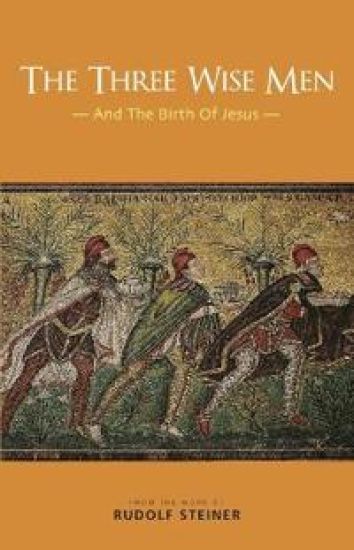
`Now when Jesus was born in Bethlehem of Judea in the days of Herod the king, behold, wise men from the East came to Jerusalem, saying: “Where is he who has been born king of the Jews? For we have seen his star in the East, and have come to worship him.”’ These words begin a story that will be familiar to many, whether from images on Christmas cards or school nativity plays, or more directly from Christian teaching. As often with images associated with Christmas, they have the power to evoke all kinds of feelings, from joy and hope to sorrow and doubt. But what do we really know of the birth of Jesus, and who were the mysterious wise men that are reported to have visited him? In this freshly-collated anthology of Rudolf Steiner’s lectures, complemented with illuminating commentary by editor Margaret Jonas, we are offered solutions to the riddles surrounding Jesus’s birth and the seemingly conflicting accounts within Christian scripture. Could there have been two different births – in other words, two infants, both named Jesus, born to two sets of parents? From the mystery of the birth, we are led to a study of the three wise men – who are mentioned in only one of the four Gospel accounts. Who were they, what was their teaching, and what was the meaning of the star they followed? And, why did they offer gifts of gold, frankincense and myrrh to the baby Jesus? The Three Wise Men offers solutions to the enigma of the identity and spiritual backgrounds of these magisterial figures and also provides suggestions as to their possible future roles in the drama of human development. Featuring colour images, this original, thought-provoking book is a wonderful gift for anyone seeking to understand the birth of Jesus and the wise men from the East.
The World of Bees

The World of Bees

Rudolf Steiner

Rudolf Steiner Press
2017
nidottu
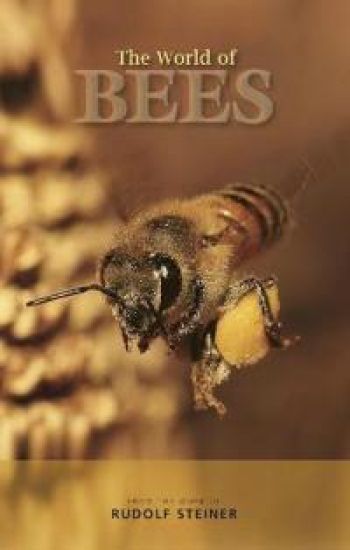
`The whole hive is really pervaded by the life of love. The individual bees relinquish love but develop it instead throughout the hive. And so we start to understand bee existence if we recognize that the bee lives in an air, an atmosphere, that is entirely impregnated with love.’ From time immemorial, human culture has been fascinated by bees. Mythic pictures and writings tell of our close affinity and connection with these complex creatures, as well as the inestimable value of honey and wax. In recent years, bees have come to prominence again in the media, with reports of colony collapse and the wholesale demise of bee populations, forcing us to awaken to the critical role they play in human existence. Rudolf Steiner’s unique talks reveal the hidden wisdom at work in bee colonies. Speaking in Switzerland in 1923, in response to concerns from beekeepers amongst his local workforce, Steiner delivered a series of addresses whose multi-layered content, structure and wording is unparalleled. In The World of Bees, editor Martin Dettli, a longstanding beekeeper, uses Steiner’s seminal bee lectures as the main framework of the book, augmenting them with further relevant passages from Steiner’s collected works. Dettli also provides substantial commentaries on the texts, placing them within the context of contemporary beekeeping. This new anthology is an essential handbook for anyone interested in beekeeping or the indispensable work that bees do for humanity. It features chapters on the origins of bees, human beings and beekeeping, the organism of the hive, the social qualities of bees, their relationship with wasps and ants, plants and elemental beings, the efficacy of honey, bee venom, as well as scientific aspects such as silica and formic acid processes and a critique of modern beekeeping.
An Esoteric Cosmology

An Esoteric Cosmology

Rudolf Steiner

Lulu.com
2017
pokkari

Halvin toimitettuna 18,20 €

Based on a series of lectures delivered by Rudolf Steiner in Paris, 1906 and transcribed by Eduard Schure, An Esoteric Cosmology is a concise but powerful book and essential reading for students of Steiner. A wide variety of topics are covered, including Intellect, the Mission of Christianity, Manicheism, God, Man and Nature, Involution and Evolution, History of Yoga, The Gospel of St. John, Christian Mysticism, The Astral World, The Devachanic World (Heaven), Dreams, The Evolution of Planets and Earth, Earthquakes, Volcanoes and Human Will, Redemption and Liberation and the Apocalypse.
An Esoteric Cosmology

An Esoteric Cosmology

Rudolf Steiner

Lulu.com
2017
sidottu
Based on a series of lectures delivered by Rudolf Steiner in Paris, 1906 and transcribed by Eduard Schure, An Esoteric Cosmology is a concise but powerful book and essential reading for students of Steiner. A wide variety of topics are covered, including Intellect, the Mission of Christianity, Manicheism, God, Man and Nature, Involution and Evolution, History of Yoga, The Gospel of St. John, Christian Mysticism, The Astral World, The Devachanic World (Heaven), Dreams, The Evolution of Planets and Earth, Earthquakes, Volcanoes and Human Will, Redemption and Liberation and the Apocalypse.
Road to Self Knowledge

Road to Self Knowledge

Rudolf Steiner

Lulu.com
2017
pokkari
Rudolf Steiner's Road to Self Knowledge consists of eight 'meditations' or spiritual-guides. The eight topics explored are: The Physical Body, The Etheric Body, Clairvoyant Cognition of the Elemental World, The Guardian of the Threshold, The Astral Body, The Ego Body or Thought Body, The Character of Experience in the Supersensible Worlds and The Way in Which Man Beholds His Repeated Earth Lives.
Road to Self Knowledge

Road to Self Knowledge

Rudolf Steiner

Lulu.com
2017
sidottu
Rudolf Steiner's Road to Self Knowledge consists of eight 'meditations' or spiritual-guides. The eight topics explored are: The Physical Body, The Etheric Body, Clairvoyant Cognition of the Elemental World, The Guardian of the Threshold, The Astral Body, The Ego Body or Thought Body, The Character of Experience in the Supersensible Worlds and The Way in Which Man Beholds His Repeated Earth Lives.