Kirjailija
Vladimir Nabokov
Kirjat ja teokset yhdessä paikassa: 212 kirjaa, julkaisuja vuosilta 1961–2026, suosituimpiin kuuluu Pale Fire. Vertaile teosten hintoja ja tarkista saatavuus suomalaisista kirjakaupoista.
212 kirjaa
Kirjojen julkaisuvuodet: 1961–2026.
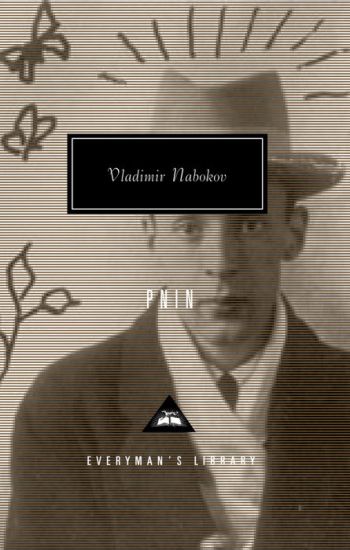
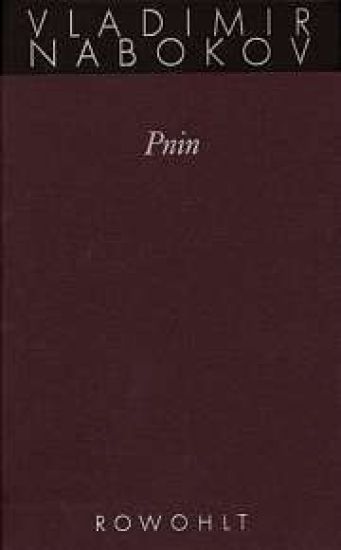
The National Book Award-nominated classic finds hapless Russian migr Timofey Pnin precariously employed on an American college campus in the 1950s, where he falls victim to subtle academic conspiracies and the manipulations of the narrator. 10,000 first printing.
Initially an almost grotesquely comic figure, Pnin gradually grows in stature by contrast with those who laugh at him. Whether taking the wrong train to deliver a lecture in a language he has not mastered or throwing a faculty party during which he learns he is losing his job, the gently preposterous hero of this enchanting novel evokes the reader's deepest protective instinct. Serialized in The New Yorker and published in book form in 1957, PNIN brought Nabokov both his first National Book Award nomination and hitherto unprecedented popularity.
Invitation to a Beheading
Vladimir Nabokov
Penguin Classics
2001
pokkari
Halvin toimitettuna 17,00 €
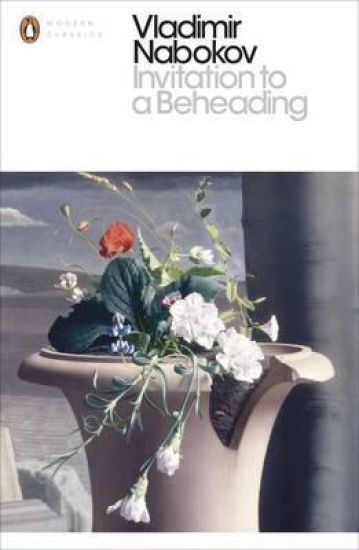
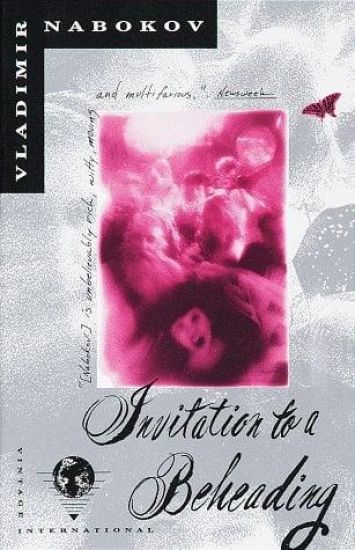
Written in Berlin in 1934, Invitation to a Beheading contains all the surprise, excitement and magical intensity of a work created in two brief weeks of sustained inspiration. It takes us into the fantastic prison-world of Cincinnatus, a man condemned to death and spending his last days in prison not quite knowing when the end will come. Nabokov described the book as 'a violin in a void. The worldling will deem it a trick. Old men will hurriedly turn from it to regional romances and the lives of public figures ... The evil-minded will perceive in little Emmie a sister of little Lolita ... But I know a few readers who will jump up, ruffling their hair'.
The state has been recently taken over and is being run by the tyrannical and philistine 'Average Man' party. Under the slogans of equality and happiness for all, it has done away with individualism and freedom of thought. Only John Krug, a brilliant philosopher, stands up to the regime. His antagonist, the leader of the new party, is his old school enemy, Paduk - known as the 'Toad'. Grieving over his wife's recent death, Krug is at first dismissive of Paduk's activities and sees no threat in them. But the sinister machine which Paduk has set in motion may prove stronger than the individual, stronger even than the grotesque 'Toad' himself.
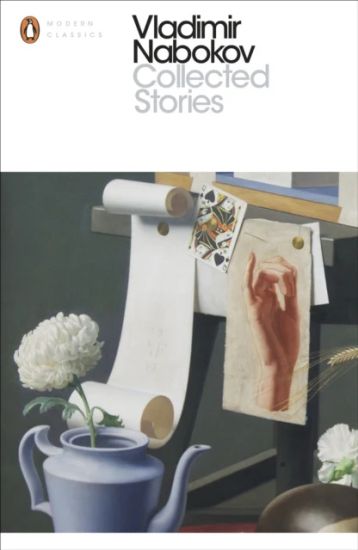
A man at his desk is interrupted by the appearance of a woodland elf in his room; the piano maestro Bachmann ends his career; a barber shaves the face of a man who once tortured him; a shy dreamer makes a deal with the Devil. In these sixty-five stories of magic and melancholy, Nabokov displays an astonishing range of inventiveness, with dazzling sleight of hand, fantastical fairy tales, intellectual games and enchanting glimpses into lives of ambiguity and loss. The collection displays Nabokov's astonishing range of technical and formal inventiveness: the dazzling sleight of hand, fanciful fairy tales, ingenious puzzles, enchanting vignettes and haunting melancholic narratives full of disturbing ambiguities.
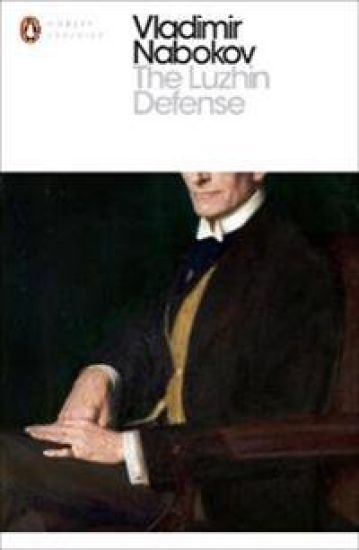
Vladimir Nabokov's early novel is the dazzling story of the coarse, strange yet oddly endearing chess-playing genius Luzhin. Discovering his prodigious gift in boyhood and rising to the rank of International Grandmaster, Luzhin develops a lyrical passion for chess that renders the real world a phantom. As he confronts the fiery, swift-swooping Italian Grandmaster Turati, he brings into play his carefully devised defence. Making masterly play of metaphor and imagery, The Luzhin Defense is the book that, of his early works, Nabokov felt 'contains and diffuses the greatest warmth'.
Der zestreute Professor Timofey Pnin ist ein einsamer Individualist, den der American way of life tief verstört. Der Immigrant wirkt auf seine Umgebung wie ein komischer Versager. Aber seine Würde, sein Ernst, seine Persönlichkeit lassen eben diese Umwelt lächerlich erscheinen: Sie versagt an ihm. Alles, was Pnin widerfährt, macht uns diesen altmodischen russischen Gelehrten liebenswert.
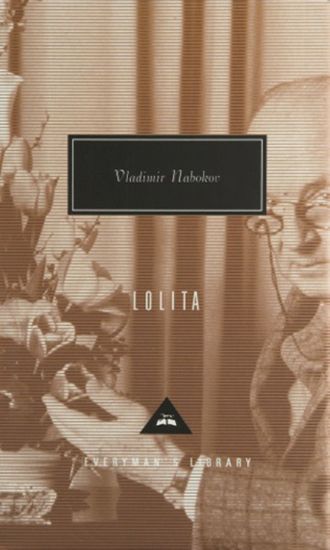
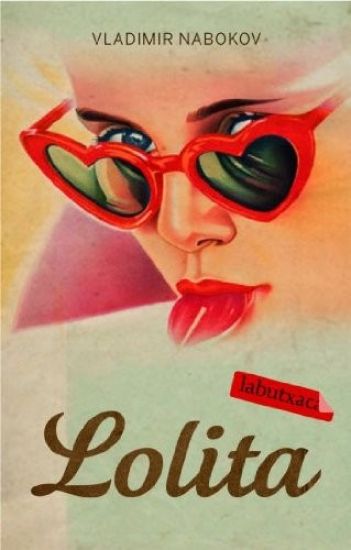
Poet and pervert, Humbert Humbert becomes obsessed by twelve-year-old Lolita and seeks to possess her, first carnally and then artistically, out of love, 'to fix once for all the perilous magic of nymphets'. Is he in love or insane? A silver-tongued poet or a pervert? A tortured soul or a monster? Or is he all of these? Humbert Humbert's seduction is one of many dimensions in Nabokov's dizzying masterpiece, which is suffused with a savage humour and rich, elaborate verbal textures.
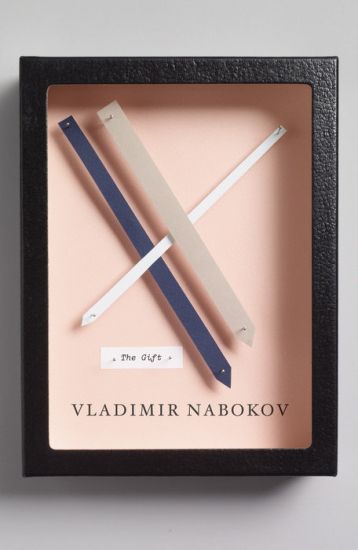
Considered by many to be the greatest Russian novel of the twentieth century. - An interweaving of the effects of life and memory, tradition and heritage, upon art, the book tells of Fyodor Godunov-Cherdyntsev, an impoverished poet seeking fame in the phantasmic world of Berlin in the 1920s. "A fascinating lesson in the truly staggering number of possible ways of writing and seeing." -Kirkus Reviews The Gift is the story of Fyodor Godunov-Cherdynstev, a writer living in the closed world of Russian intellectuals in Berlin shortly after the First World War. This gorgeous tapestry of literature follows the pursuits of an impoverished migr poet living in Berlin, who dreams of the book he will someday write. The Gift is the last of the novels Nabokov wrote in his native Russian and the crowning achievement of the initial period of his literary career. It is also his ode to Russian literature, evoking the works of Pushkin, Gogol, and others.
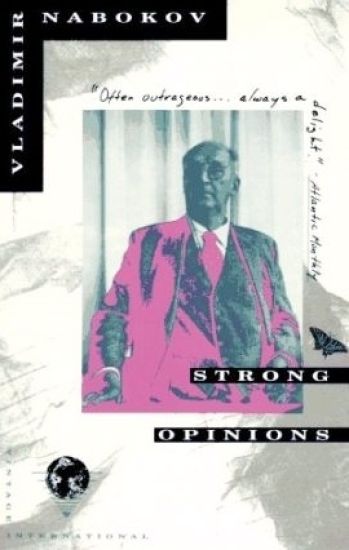
In this collection of interviews, articles, and editorials, Nabokov ranges over his life, art, education, politics, literature, movies, and modern times, among other subjects. Strong Opinions offers his trenchant, witty, and always engaging views on everything from the Russian Revolution to the correct pronunciation of Lolita.
Daß sich nach dem unverhofften Welterfolg des ? Lolita?-Romans 1958/59 die Filmindustrie für den Stoff interessieren würde, war unvermeidlich. Daß sich schon 1958 kein Geringerer als der Regisseur Stanley Kubrick die Filmrechte gesichert hatte, war ein Glücksfall. Daß Kubrick Nabokov aufforderte, das Drehbuch selbst zu schreiben, war ein Akt des Respekts für Autor und Werk. Kubrick nannte es das beste Drehbuch, das je in Hollywood entstanden sei ? und verwendete dann doch nur dessen dramaturgische Grundlinie und ein paar seiner Szenen. Seinerseits sah Nabokov Kubricks Film mit höchst gemischten Gefühlen, obwohl er sich stets höflich über ihn äußerte, und tröstete sich damit, daß das Drehbuch als solches ja erhalten und intakt geblieben sei. Erst 1973 jedoch konnte es in Amerika als Buch erscheinen, ein Jahr nachdem es Nabokov endlich gelungen war, sich den Text zur Veröffentlichung freigeben zu lassen. Dieser Band der Werkausgabe präsentiert jenes publizierte Drehbuch erstmals in deutscher Sprache ? und darüber hinaus, rekonstruiert aus dem Typoskript, zum ersten Mal überhaupt alle jene Passagen, die Nabokov seinerzeit unter dem Druck Kubricks widerstrebend gestrichen hatte.
Like Kafka's The Castle, Invitation to a Beheading embodies a vision of a bizarre and irrational world. In an unnamed dream country, the young man Cincinnatus C. is condemned to death by beheading for "gnostical turpitude," an imaginary crime that defies definition. Cincinnatus spends his last days in an absurd jail, where he is visited by chimerical jailers, an executioner who masquerades as a fellow prisoner, and by his in-laws, who lug their furniture with them into his cell. When Cincinnatus is led out to be executed, he simply wills his executioners out of existence: they disappear, along with the whole world they inhabit.
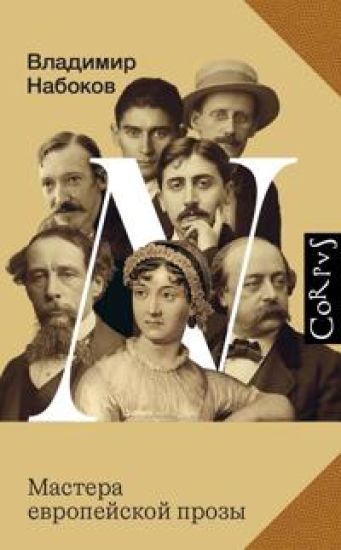
V nachale 1980? kh godov blagodarja usilijam naslednikov Vladimira Nabokova i amerikanskogo tekstologa F. Bouersa chitateljam otkrylas novaja gran mnogoobraznogo darovanija znamenitogo avtora "Lolity" i "Ady". Sobrannye v tri toma universitetskie lektsii Nabokova po russkoj i evropejskoj literature, prochitannye v Uellsli, Kornelle i Garvarde v 1940-1950 gg., ne tolko raskryvali zapadnoj auditorii bolshoj i jarkij mir Gogolja, Turgeneva, Tolstogo, Dostoevskogo, Chekhova i v novom svete predstavljali Dikkensa, Flobera, Prusta, Kafku i Dzhojsa, no i udivitelnym obrazom dopolnili pisatelskij obraz samogo Nabokova. Prochtenie lektsij Nabokova, sochetajuschikh biograficheskie ocherki s detalnymi razborami i originalnymi traktovkami znamenitykh proizvedenij, stalo neobkhodimym usloviem proniknovenija v tvorcheskoe soznanie genialnogo pisatelja i v samu suschnost togo, chto zovetsja iskusstvom literatury. V nastojaschem izdanii vpervye vosproizvoditsja polnyj perevod lektsij Nabokova o masterakh evropejskoj prozy s soprovoditelnymi i faksimilnymi materialami. Pomimo primechanij F. Bouersa, izdanie snabzheno kommentarijami redaktora.
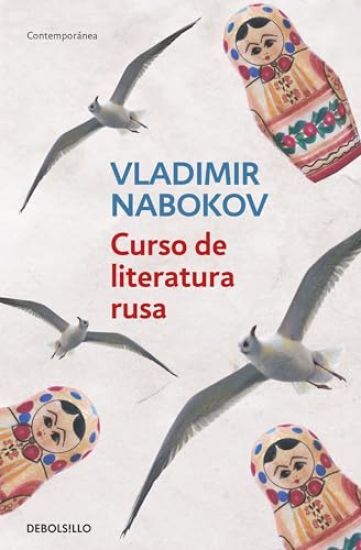
Lecciones magistrales en las que Nabokov, un genio de la literatura, indaga en la obra de los grandes escritores del pasado. Vladimir Nabokov, exiliado de su pa s y con pocas esperanzas de regresar alg n d a, estaba capacitado como nadie para introducir a sus alumnos en la obra de los grandes maestros rusos: G gol, Turgu niev, Tolst i, Gorki, Dostoyevski o Ch jov. Esas lecciones apasionadas y pol micas, reconstruidas por Fredson Bowers a partir de los apuntes del escritor, son una ocasi n nica para asistir a sus clases y releer a fondo la literatura rusa del siglo XIX. A lo largo de casi dos d cadas, antes de saltar a la fama con Lolita, Vladimir Nabokov imparti cursos de literatura en las universidades estadounidenses de Wellesley y Cornell, y sus clases se han vuelto legendarias. No es frecuente que los estudiantes tengan por maestro a uno de los mejores autores del momento, pero tampoco que un novelista a ada a su talento una vocaci n did ctica tan n tida y eficaz, y tan libre de convencionalismos acad micos. ENGLISH DESCRIPTION The acclaimed author presents his unique insights into the works of great Russian authors including Tolstoy, Dostoevsky, Gogol, Gorky, and Chekhov. In the 1940s, when Vladimir Nabokov first embarked on his academic career in the United States, he brought with him hundreds of original lectures on the authors he most admired. For two decades those lectures served as the basis for Nabokov's teaching, first at Wellesley and then at Cornell, as he introduced undergraduates to the delights of great fiction. This volume collects Nabokov's famous lectures on nineteenth-century Russian literature, with analysis and commentary on Nikolay Gogol's Dead Souls and "The Overcoat"; Ivan Turgenev's Fathers and Sons; Maxim Gorky's "On the Rafts"; Leo Tolstoy's Anna Karenina and The Death of Ivan Ilych; two short stories and a play by Anton Chekhov; and several works by Fyodor Dostoevsky, including Crime and Punishment, The Idiot, and The Possessed. This volume also includes Nabokov's lectures on the art of translation, the nature of Russian censorship, and other topics. Featured throughout the volume are photographic reproductions of Nabokov's original notes.

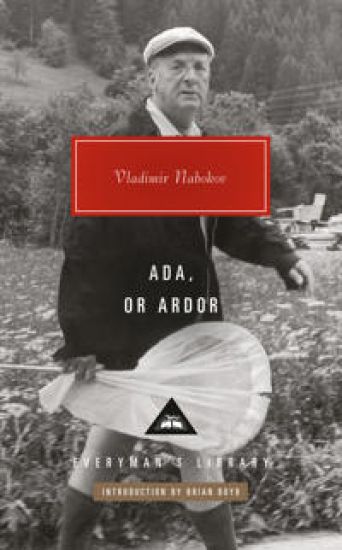
A beautiful hardcover edition of one of Nabokov’s greatest masterpieces, the fantastical love story that was the glorious culmination of his career as a novelist. This story of a man’s lifelong entanglement with his sister is not only a love story; it manages also to be a fairy tale, an epic, a philosophical treatise on the nature of time, a parody of the history of the novel, and an erotic catalogue. It concludes with an ingeniously sardonic appendix by the author, written under the anagrammatic pseudonym Vivian Darkbloom. Ada, or Ardor, published just after Nabokov’s seventieth birthday, is the supreme work of a virtuosic imagination at white heat. Everyman's Library pursues the highest production standards, printing on acid-free cream-colored paper, with full-cloth cases with two-color foil stamping, decorative endpapers, silk ribbon markers, European-style half-round spines, and a full-color illustrated jacket. Contemporary Classics include an introduction, a select bibliography, and a chronology of the author's life and times.